Bothwell Castle, Lanarkshire Travel Guide
Explore Scotland’s largest 13th-century stone castle, a dramatic medieval fortress overlooking the River Clyde with centuries of history and stunning ruins.
Bothwell Castle is the largest and finest 13th-century stone castle in Scotland, perched on a steep bank above the River Clyde near Glasgow. Built by the Moray family in the late 1200s, it played a pivotal role in the Wars of Scottish Independence, enduring multiple sieges and changing hands between Scots and English. Though partially ruined, its imposing donjon, great hall, chapel, and curtain walls reveal centuries of medieval military architecture and noble power, surrounded by scenic woodland and river views.
A brief summary to Bothwell Castle
- Castle Ave, Glasgow, Uddingston, Bothwell, G71 8BL, GB
- Click to display
- Click to display
- Duration: 1 to 3 hours
- Budget
-
 Outdoor
- Mobile reception: 4 out of 5
- Tuesday 9:30 am-5 pm
- Wednesday 9:30 am-5 pm
- Thursday 9:30 am-5 pm
- Friday 9:30 am-5 pm
- Saturday 9:30 am-5 pm

Know before you go
Hi, I'm Eve. Here are a few practical things to know before exploring Bothwell Castle.
- Visit during weekdays in spring or early autumn for quieter exploration and pleasant weather.
- Bring a picnic to enjoy in the scenic riverside parkland surrounding the castle.
- Check for special medieval reenactment events to experience living history.
- Wear sturdy shoes as some paths and ruins are uneven, though most grounds are wheelchair accessible.
Do you manage this location?
Take control to get all the benefits, like improved information, better appearance, and stronger visibility across AI-powered discovery. Learn more about listing your business on Evendo
Activate your presenceOther nearby places you may find interesting
The closest places of the same kind, if this one is not quite what you had in mind.
Explore Bothwell Castle on the Map
A handpicked selection of must-see spots near Bothwell Castle, mapped for you.
Getting There
-
Train and Walk
Take a train to Uddingston station from Glasgow Central, a journey of about 15–20 minutes. From Uddingston, it is a 15-minute walk along well-marked paths to Bothwell Castle. The terrain is mostly flat and accessible, suitable for most visitors.
-
Bus
Bus services run regularly from Glasgow city center to Bothwell village, with a travel time of approximately 30–40 minutes. From the bus stop, the castle is a 10-minute walk through the village and parkland. Check local timetables for service frequency.
-
Car
Driving from Glasgow takes about 20 minutes via the M74 and local roads. Free parking is available near the castle, but spaces can be limited during peak times. The access road is paved and suitable for all vehicles.
For the on-the-go comforts that matter to you
-
 Restrooms
-
 Drink Options
-
 Food Options
-
 Seating Areas
-
 Information Boards
Discover more about Bothwell Castle
Origins and Strategic Importance
Bothwell Castle was begun in the mid-13th century by the aristocratic Moray family, who acquired the land in 1242. Designed as a vast stone enclosure covering about 1.5 acres, it was intended to be one of Scotland’s greatest medieval fortresses. The centerpiece was the donjon, a massive circular keep over 30 meters tall and 20 meters in diameter, built to demonstrate the Morays’ power and control over the strategic River Clyde crossing. Construction was interrupted by the Wars of Scottish Independence, leaving the castle incomplete but formidable.Sieges and Wars of Independence
Bothwell Castle was fiercely contested during the late 13th and early 14th centuries. Edward I of England besieged the castle twice, notably in 1301 with a large army and a towering siege engine called the belfry, capturing it after a short siege. The Scots recaptured it multiple times, including after the Battle of Bannockburn in 1314. The castle endured a 14-month siege by Scots against an English garrison in 1298–99. Repeated sieges caused significant damage, including the partial destruction of the donjon’s western side in 1337 to prevent English reoccupation.Rebuilding and the Douglas Legacy
In 1362, Bothwell passed by marriage to Archibald the Grim, 3rd Earl of Douglas, who initiated extensive rebuilding. The Black Douglases restored the donjon, constructed the great hall and chapel, and added imposing north-east and south-east towers connected by curtain walls. These additions reflected evolving medieval architecture and the Douglases’ status. The castle remained a symbol of noble power through the 15th century, later passing to the Crown and the Earls of Forfar before abandonment in the late 1600s.Architectural Highlights and Ruins Today
Today, Bothwell Castle’s ruins reveal its grand scale and medieval military design. The donjon’s remains, the 14th-century great hall with its vaulted ceilings, and the chapel stand as impressive examples of stone craftsmanship. Curtain walls and towers frame the courtyard, while foundations hint at the original extensive plans. The castle’s position on a bluff offers panoramic views over the River Clyde and surrounding woodland, enhancing its dramatic presence.Visitor Experience and Surroundings
Visitors can explore the castle grounds and learn about its turbulent history through informative displays. Some interior areas remain closed for conservation. The surrounding parkland and riverside walks provide a tranquil setting, with opportunities to spot swans and enjoy seasonal colors. Special events such as medieval battle reenactments and archery demonstrations bring the site’s history to life. Facilities include accessible paths, a shop, and picnic areas nearby.Legacy and Cultural Significance
Bothwell Castle stands as a testament to Scotland’s medieval past, reflecting the conflicts, architectural ambitions, and noble lineages that shaped the region. Its layered history from the Morays through the Douglases to the Crown encapsulates centuries of Scottish resilience and heritage. The castle’s ruins continue to inspire fascination and offer insight into medieval life and warfare on the banks of the Clyde.












Your all‑in‑one travel companion app
Explore expert travel guides, compare and book tours, experiences, hotels, and more—all from the palm of your hand. Download now for seamless trip planning wherever your wanderlust takes you.


Explore More of Lanarkshire
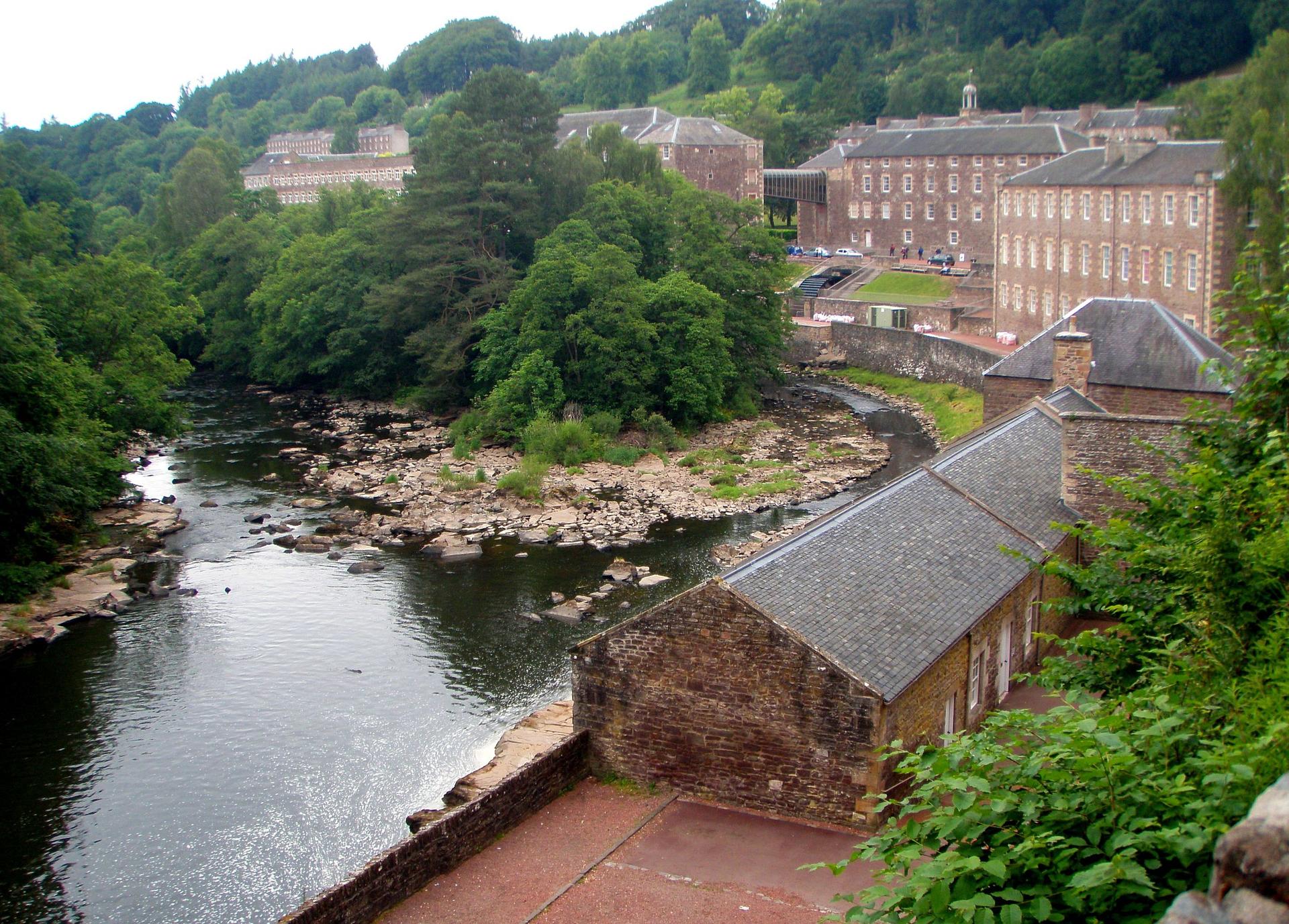
Looking beyond Bothwell Castle? Discover Lanarkshire for broader travel guides, local hot-spots, and regional highlights.
Explore Lanarkshire
Explore Scotland’s largest urban wetland park, where seven lochs, rich wildlife, and historic landscapes meet vibrant community spirit.

Explore the birthplace and legacy of David Livingstone through immersive exhibits and tranquil riverside parkland in historic Blantyre.