
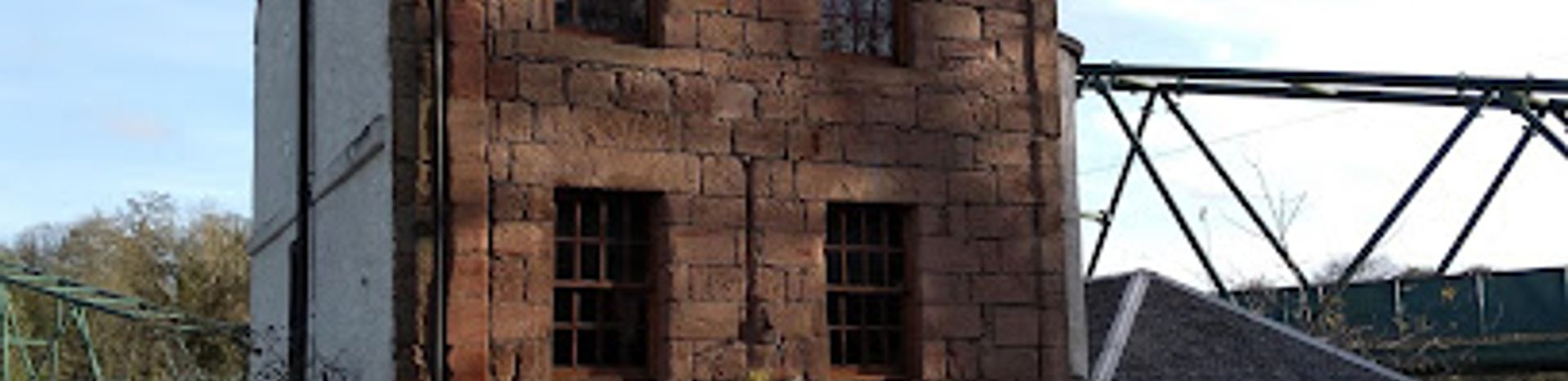
David Livingstone Birthplace Museum, Blantyre
Explore the birthplace and legacy of David Livingstone through immersive exhibits and tranquil riverside parkland in historic Blantyre.
The David Livingstone Birthplace Museum in Blantyre, Scotland, commemorates the life and legacy of the famed explorer and missionary David Livingstone. Set within historic former textile mill buildings, the museum offers interactive exhibitions, personal artifacts, and extensive grounds featuring nature trails and a play park. Visitors can explore Livingstone’s journey from his early life in Scotland to his expeditions in Africa, all within a beautifully maintained parkland setting.
A brief summary to David Livingstone Birthplace
- 165 Station Rd, Glasgow, Blantyre, G72 9BY, GB
- +441413753105
- Visit website
- Duration: 1.5 to 3 hours
- Mid ranged
-
 Mixed
Mixed
- Mobile reception: 4 out of 5
- Monday 10 am-3:30 pm
- Tuesday 10 am-3:30 pm
- Wednesday 10 am-3:30 pm
- Thursday 10 am-3:30 pm
- Friday 10 am-3:30 pm
- Saturday 10 am-3:30 pm
- Sunday 10 am-3:30 pm
Local tips
- Allow at least 2 hours to fully explore the museum’s exhibitions and enjoy the surrounding parkland and nature trails.
- Visit on weekdays or weekday afternoons for a quieter experience with fewer crowds.
- Check the schedule for guided tours offered on select days to gain deeper insights into Livingstone’s life.
- Bring children to enjoy the interactive exhibits and the themed play park inspired by Livingstone’s steam boat.
- Use the free onsite parking but be aware it can fill up during peak times; public transport options are available from Glasgow.

For the on-the-go comforts that matter to you
- Restrooms
- Drink Options
- Food Options
- Seating Areas
- Picnic Areas
- Trash Bins
- Information Boards
- Visitor Center
Getting There
-
Public Transport
From Glasgow city centre, take the train to Blantyre station, which takes approximately 25–35 minutes. From the station, it is a 15-minute walk along relatively flat terrain to the museum. Trains run frequently but check schedules for weekend variations. No direct bus routes serve the museum, so train is recommended for public transport users.
-
Car
Driving from Glasgow, the museum is reachable in about 25 minutes via the M74 motorway. Free parking is available onsite but spaces are limited, especially during weekends and holidays. The access roads are well maintained, and the museum is signposted from main routes.
-
Taxi or Rideshare
A taxi or rideshare from central Glasgow to the museum typically takes 20–30 minutes depending on traffic. This is a convenient option if you prefer direct door-to-door service without parking concerns. Expect fares in the range of £15–£25.
David Livingstone Birthplace location weather suitability
-
 Any Weather
-
 Rain / Wet Weather
-
 Clear Skies
-
 Mild Temperatures
Discover more about David Livingstone Birthplace
A Historic Home Rooted in Industrial Heritage
The David Livingstone Birthplace Museum is housed in Shuttle Row, a category A listed building that once served as a textile mill workers’ residence, including the family home where David Livingstone was born in 1813. This former industrial site preserves the atmosphere of 19th-century Blantyre, a town shaped by cotton spinning and mill life. The museum’s location on the grounds of the old Blantyre Cotton Works provides a tangible connection to Livingstone’s humble beginnings and the working-class environment that influenced his early years.Immersive Exhibitions Celebrating a Life of Exploration
Inside, the museum presents a comprehensive biographical exhibition that traces Livingstone’s journey from a mill worker’s son to a renowned missionary and explorer in Southern and Central Africa. The displays include original navigational and medical instruments used during his expeditions, personal belongings, journals, and artifacts from his family and contemporaries. Interactive elements engage visitors of all ages, allowing them to explore the diverse cultures and communities Livingstone encountered, as well as the complex legacy of his travels.Serene Parkland and Engaging Outdoor Spaces
Surrounding the museum are 11 acres of scenic parkland along the River Clyde, offering tranquil riverside walks and nature trails that invite reflection and relaxation. The grounds include the iconic Livingstone and Lion sculpture and a children’s play park inspired by Livingstone’s steam boat, making the site family-friendly and accessible. These outdoor spaces complement the museum experience by providing a peaceful environment that contrasts with the industrial history of the birthplace.Educational and Community Engagement
The museum serves as a centre for learning and cultural dialogue, hosting regular events such as guided tours, workshops, and retreats that explore themes of history, spirituality, and creativity. It welcomes school groups and visitors interested in the broader historical and social contexts of Livingstone’s life, including abolitionism and missionary work. The museum also emphasizes inclusivity and respect, fostering a safe space for diverse voices and stories.Facilities and Visitor Amenities
Visitors benefit from well-maintained facilities including a cafe, gift shop, accessible restrooms, and free parking. The museum provides wheelchair access throughout and features hearing loops and other accessibility aids. While the cafe and shop have limited hours, the overall visitor experience is enhanced by knowledgeable staff and informative signage. The museum’s location near Glasgow makes it a convenient day trip destination for those interested in Scottish history and exploration.Legacy and Preservation Efforts
The David Livingstone Birthplace Museum is operated by the David Livingstone Trust, dedicated to preserving the site and its collections. The museum’s establishment followed concerns over the dilapidated condition of Shuttle Row and the cotton mill buildings. Since its official opening in 1929 by Elizabeth Bowes Lyon, it has grown into an internationally significant repository of Livingstone memorabilia and a symbol of Scotland’s historical ties to Africa. Ongoing conservation and educational initiatives ensure the museum remains a vibrant cultural landmark.Iconic landmarks you can’t miss

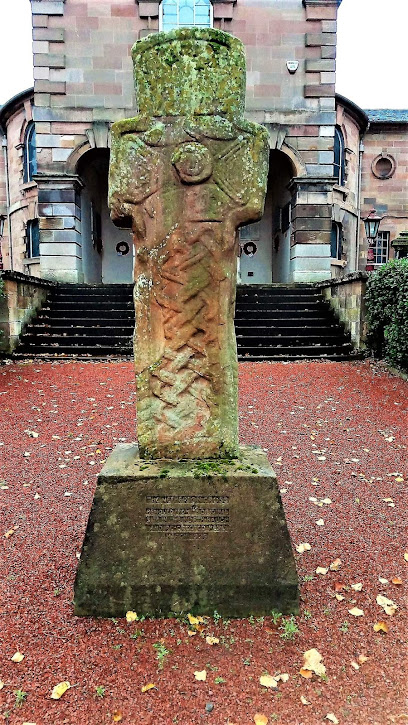
Netherton Cross (Hamilton)
4.1 km
Discover Hamilton’s oldest Christian symbol, the intricately carved 11th-century Netherton Cross, a rare relic of Scotland’s early medieval heritage.
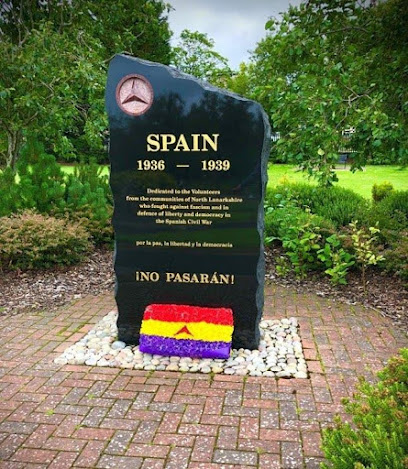
North Lanarkshire International Brigades Memorial
5.8 km
Where North Lanarkshire's anti-fascist heroes are remembered—a memorial to 40 Spanish Civil War volunteers.
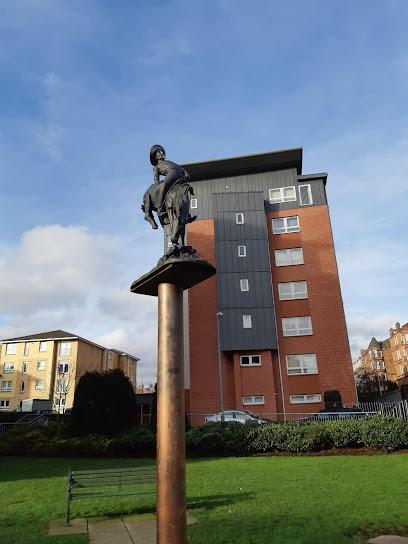
Buffalo Bill Statue
10.7 km
Where the American frontier met Victorian Glasgow in an unforgettable winter spectacle.
Former Templeton Carpet Factory
10.9 km
A Venetian Gothic masterpiece in Glasgow’s East End, blending rich carpet-making heritage with vibrant modern community life.
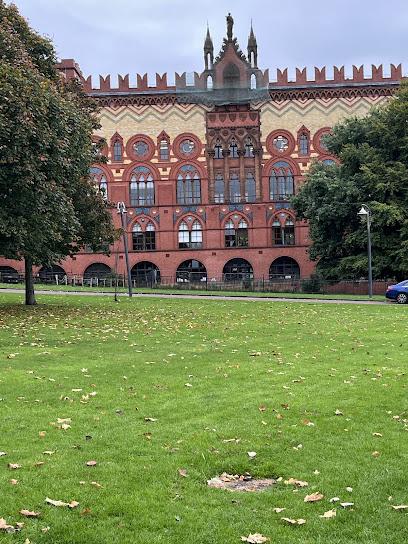
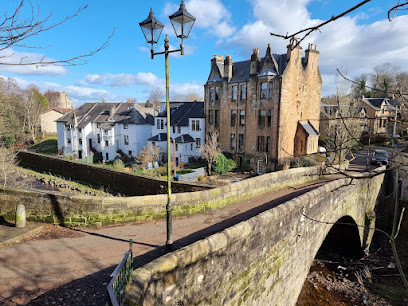
Snuff Mill Bridge
11.1 km
Historic cast iron bridge over White Cart Water, blending Glasgow’s industrial heritage with scenic riverside charm.
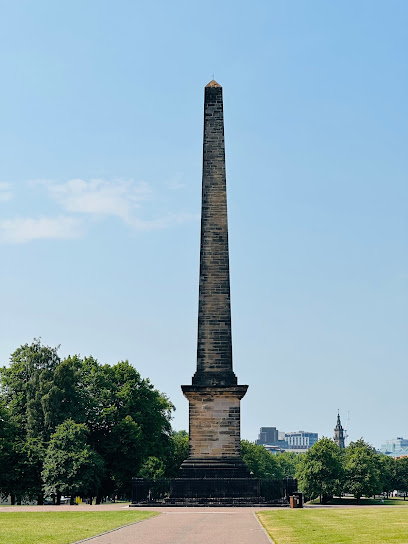
Nelson's Monument, Glasgow
11.3 km
A towering 44-meter obelisk on Glasgow Green honoring Admiral Nelson’s naval victories and Glasgow’s pioneering civic spirit.
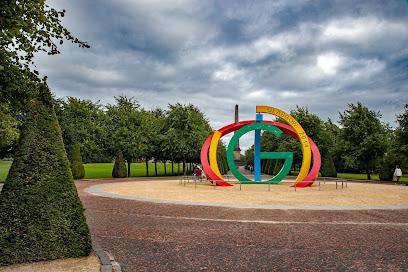
Glasgow 2014 Monument
11.5 km
A bold, colourful sculpture celebrating Glasgow’s 2014 Commonwealth Games, where sport, art and civic pride come together in a striking riverside landmark.
Bridge of Sighs
11.5 km
A quiet stone bridge in Glasgow’s Cathedral Square, linking the medieval cathedral to the Victorian Necropolis and echoing centuries of farewells.
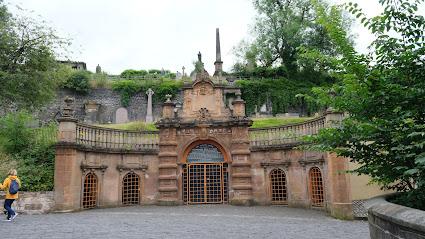
Barrowland Park
11.5 km
Experience the charm of Barrowland Park, Glasgow's vibrant oasis featuring art, play areas, and a glimpse into the city's rich cultural heritage.
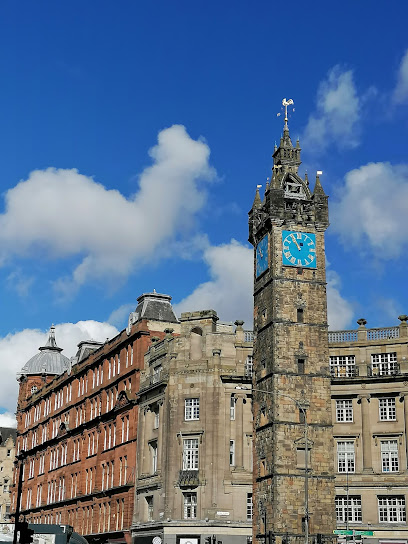
St Andrew's in the Square
11.6 km
A stunning Georgian cultural venue in Glasgow, blending historic elegance with vibrant events and timeless charm.
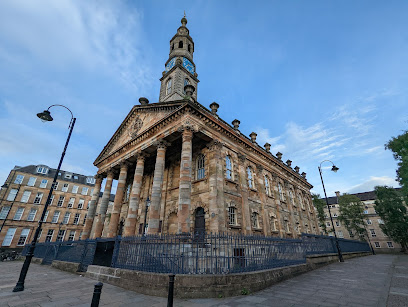
Glasgow Cathedral Burial Ground
11.6 km
Discover the historic Glasgow Cathedral Burial Ground, a tranquil oasis filled with centuries-old gravestones and rich stories in the heart of Glasgow.
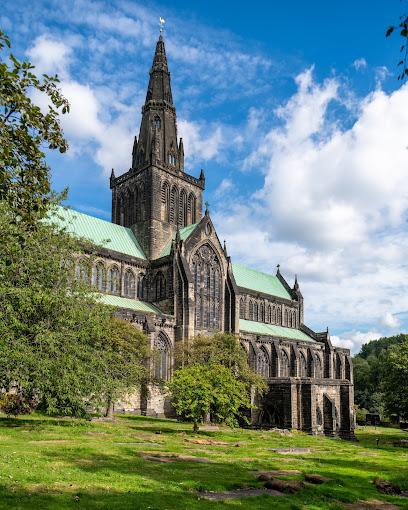
Glasgow Cathedral
11.6 km
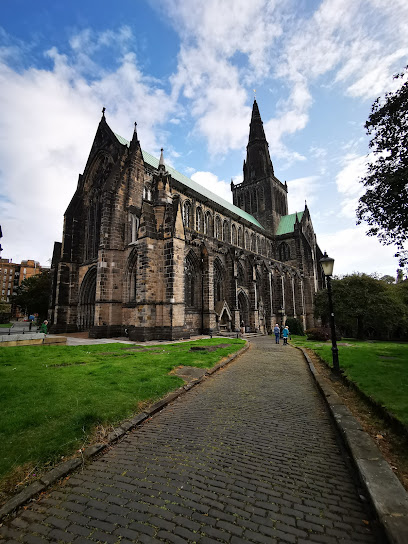
Explore the breathtaking Gothic architecture and rich heritage of Glasgow Cathedral, a must-visit for every traveler in Scotland.
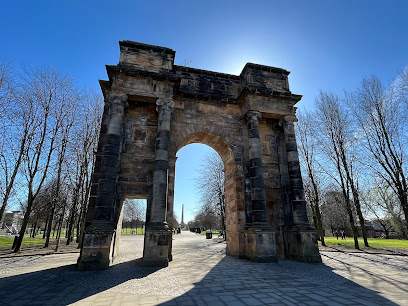
McLennan Arch
11.6 km
A neoclassical sandstone archway marking Glasgow Green’s historic entrance, embodying the city’s rich cultural and architectural heritage.
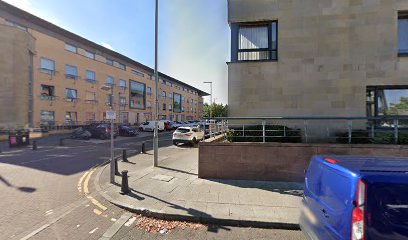
Gorbals
11.7 km
Discover the vibrant transformation of Gorbals, a unique housing development in Glasgow blending history, culture, and contemporary living.
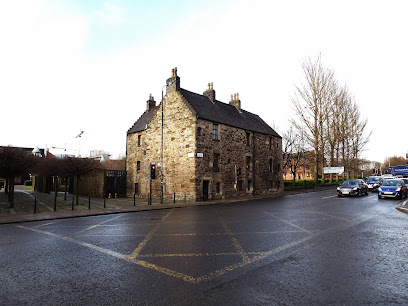
Provand's Lordship
11.7 km
Explore Provand's Lordship, Glasgow's oldest house, a captivating museum showcasing the city’s rich history and architectural heritage.
Unmissable attractions to see

Wooddean Park
0.5 km
Wooddean Park offers a peaceful community green space in Bothwell with play areas, sports facilities, and ongoing regeneration efforts.

Bothwell Castle
1.1 km
Explore Scotland’s largest 13th-century stone castle, a dramatic medieval fortress overlooking the River Clyde with centuries of history and stunning ruins.
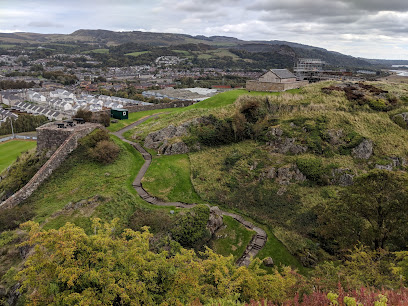
Redlees Urban Park
2.2 km
Discover serene woodland trails and a tranquil pond in Redlees Urban Park, a peaceful natural refuge near Glasgow.

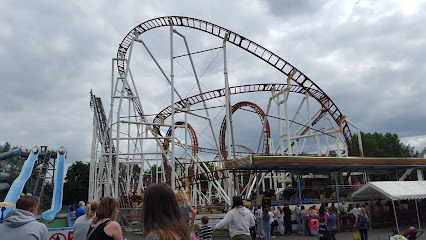
M&D's Scotland's Theme Park
2.7 km
Scotland's only theme park offering thrilling rides, indoor fun, and tropical wildlife experiences for the whole family in scenic Strathclyde Country Park.
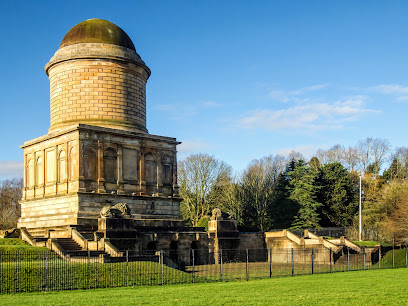
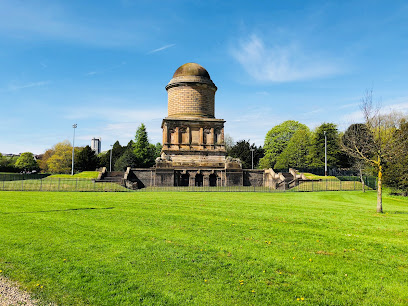
Hamilton Mausoleum
3.9 km
Explore Hamilton Mausoleum, a majestic 19th-century tomb famed for its soaring dome, exquisite marble interiors, and the world’s longest echo.
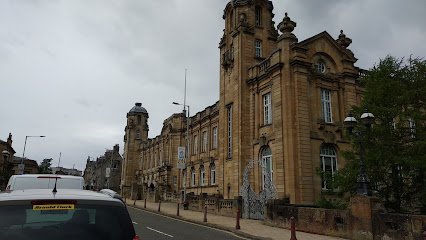
The Cameronians - Scottish Rifles - Exploring The Regimental Collection
3.9 km
Explore the proud legacy and unique heritage of Scotland’s Cameronians in this historic regimental museum at Hamilton’s Low Parks.
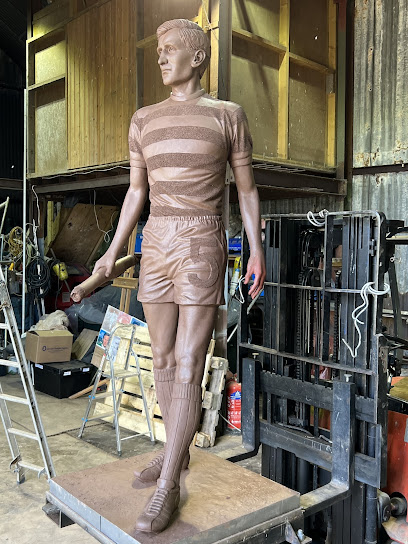
Billy McNeil statue
4.0 km
Celebrate the legendary Celtic captain Billy McNeill with this iconic statue in his hometown of Bellshill, a symbol of football history and local pride.
The George Bar
4.1 km
A cherished Hamilton pub famed for its real ale, friendly vibe, and welcoming atmosphere since 1991.

Strathclyde Country Park
4.7 km
Explore Strathclyde Country Park’s vast loch, trails, watersports, and family-friendly adventures in the heart of Lanarkshire’s natural beauty.
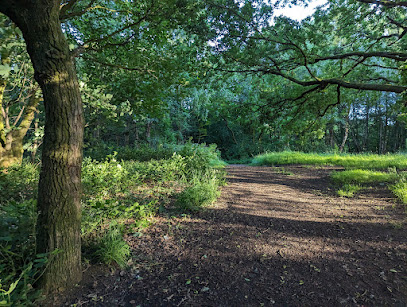
Neilsland Park
4.7 km
Explore the tranquil woodlands and historic trails of Neilsland Park, a natural oasis in Hamilton perfect for nature lovers and families.
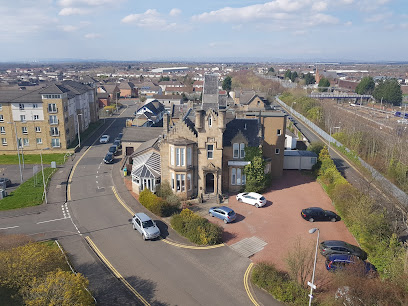
North Lanarkshire Heritage Centre
5.7 km
Discover North Lanarkshire’s rich industrial heritage, family activities, and stunning Clyde Valley views at this free and welcoming heritage centre.
Duchess of Hamilton Park
5.8 km
A spacious, family-friendly park in Motherwell offering diverse sports, play areas, and tranquil green spaces for all ages and interests.
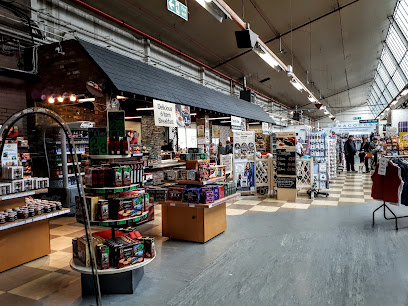
Mackinnon Mills
5.9 km
Experience Scotland’s historic Mackinnon Mills: a vibrant blend of shopping, dining, and family fun in a charming former knitwear mill.
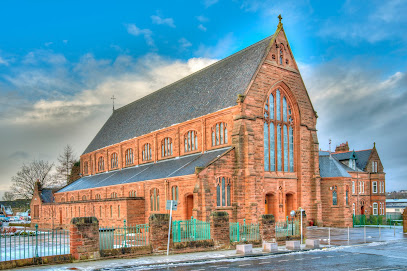
Our Lady of Good Aid Cathedral
6.2 km
Discover the architectural beauty and serene ambiance of Our Lady of Good Aid Cathedral, a must-see spiritual landmark in Motherwell.
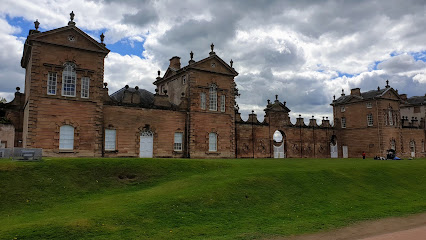
Chatelherault Country Park
6.2 km
Explore 500 acres of historic woodland, scenic river trails, and family-friendly adventures at Chatelherault Country Park near Hamilton.
Essential places to dine

Cocktails & Steaks
2.3 km
A stylish steakhouse in Uddingston blending expertly cooked steaks with crafted cocktails in a lively, welcoming setting.

SmithS Restaurant
2.4 km
Experience refined French dining with a Scottish twist in the heart of Uddingston’s welcoming Parisian-style brasserie.

Leonardo's
3.4 km
Authentic Italian flavors and warm hospitality await you at Leonardo's, Hamilton’s charming Italian restaurant with fresh cuisine and great value.

Eataliano
3.4 km
Experience authentic Italian flavors and warm hospitality in a modern, family-friendly setting at Cafe Eataliano in Hamilton.

Crossbasket Castle
3.5 km
Exclusive-use 17th-century Scottish castle near Glasgow offering luxury accommodation, fine dining, and stunning grounds for weddings and events.

Da Antonio
3.5 km
Experience authentic Italian flavors and warm hospitality at Da Antonio, Hamilton’s beloved Italian restaurant on Muir Street.

GC Bar & Bistro
3.9 km
Experience Southern American flavors with a friendly family touch at GC Bar & Bistro, Hamilton’s vibrant steakhouse and bistro.

Rocca Ristorante & Bar
3.9 km
Elegant Italian dining in Hamilton’s historic heart, blending classic flavors with a warm, family-friendly atmosphere.

Twenty One Restaurant
4.1 km
Experience authentic Italian flavors and warm hospitality at Twenty One Restaurant, Hamilton’s modern gem for fresh, handcrafted cuisine.
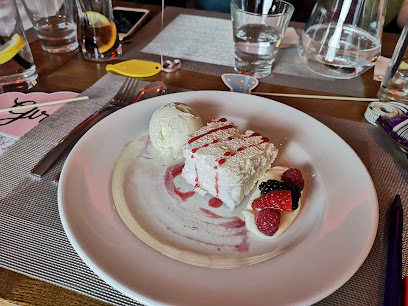
Gusti D'Italia
4.3 km
Experience authentic Italian flavors and warm hospitality in the heart of Hamilton at Gusti D'Italia, where tradition meets modern dining.
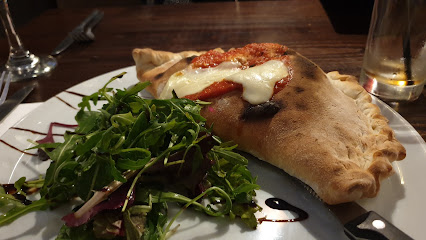
The Pictures Restaurant
5.2 km
Family-run Mediterranean restaurant in Coatbridge known for hearty portions, friendly service, and a welcoming atmosphere.
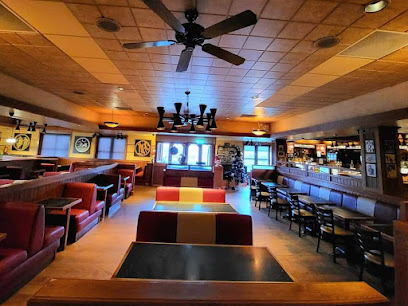
Carrigan's Hamilton
5.6 km
Cozy British gastropub in Hamilton known for hearty portions, friendly service, and a welcoming family atmosphere.
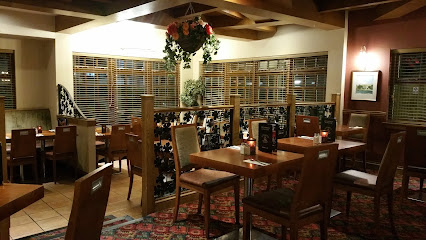
Da Claudio
6.3 km
Experience authentic Italian cuisine with refined flavors and warm hospitality at Da Claudio, Motherwell’s beloved dining destination.
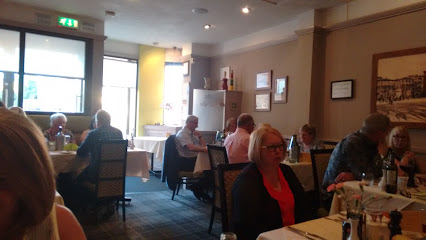
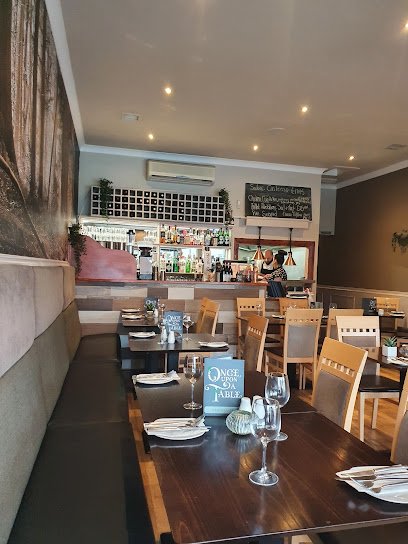
Once upon a Table
6.9 km
Experience classic Scottish hospitality and exceptional cuisine in a warm, inviting setting at Once Upon a Table in East Kilbride.
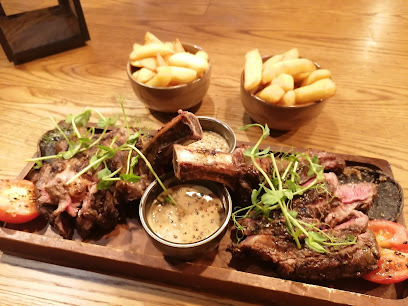
Coalfield's Steakhouse Bistro & Bar
7.0 km
A welcoming steakhouse bistro in Holytown offering expertly grilled meats and a lively, casual atmosphere for all occasions.
Markets, malls and hidden boutiques

Wild Grace
2.1 km
Discover unique handcrafted gifts and Scottish charm at Wild Grace, a cozy gift shop in the heart of Uddingston, Glasgow.
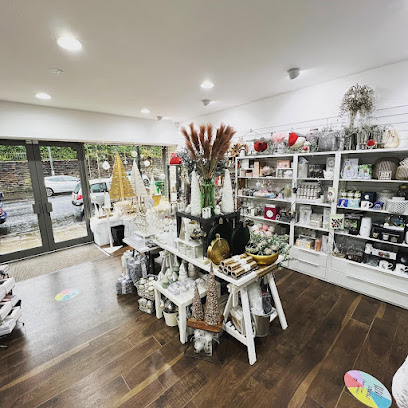
Libellula Boutique
2.2 km
Chic and accessible ladies’ fashion in the heart of Uddingston, blending style with a welcoming, family-friendly vibe.
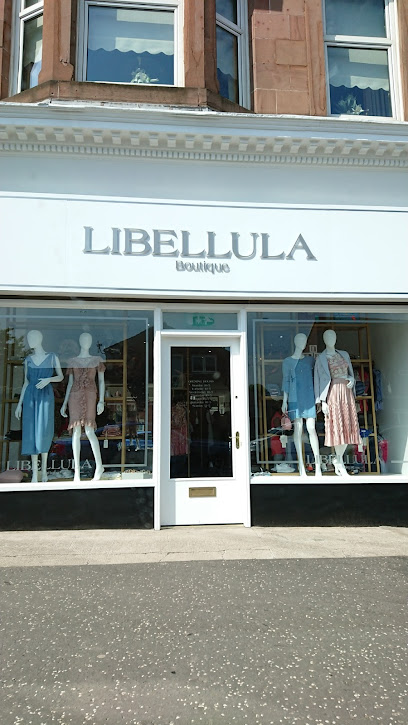
Deja Elite Boutique
3.4 km
Discover exquisite designer dresses and personalized styling at Hamilton’s premier boutique for prom, wedding, and evening wear.
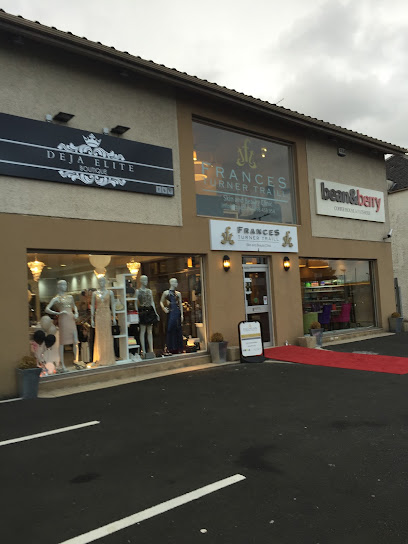
La Grande Boutique
4.1 km
Discover stylish women's fashion and curated apparel collections at La Grande Boutique, Bellshill’s premier destination for contemporary and timeless looks.
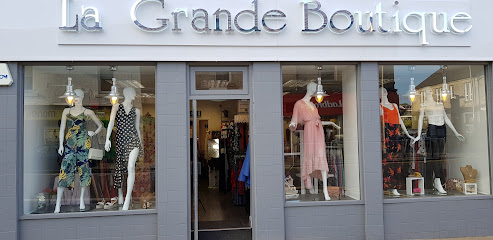
New Cross Centre
4.2 km
A central shopping destination in Hamilton poised for transformation into a vibrant new town centre community.
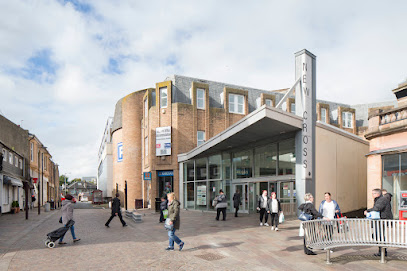
Primark
4.3 km
Discover affordable, trendy fashion at Primark Hamilton, your go-to clothing store in the heart of Quarry Street.
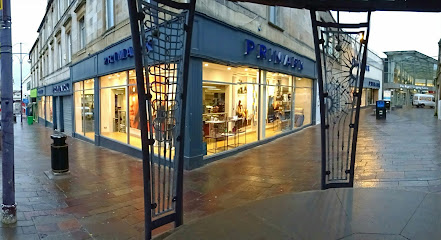
Regent Shopping Centre
4.4 km
Hamilton's premier shopping destination since the 1970s, offering quality retail and dining in the heart of town.
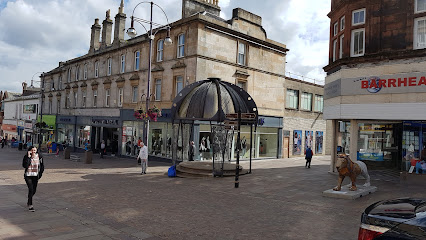
Fairhill Store
4.9 km
A welcoming convenience store in Hamilton offering fresh local products and essentials with friendly service and convenient hours.
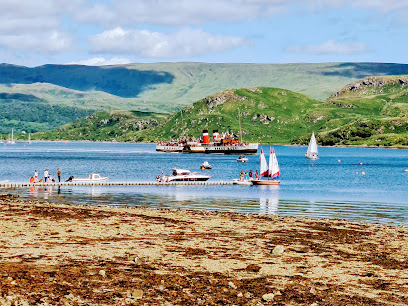
Motherwell Shopping Centre
6.1 km
A bustling community shopping centre in Motherwell offering diverse retail and dining options with convenient access and local charm.
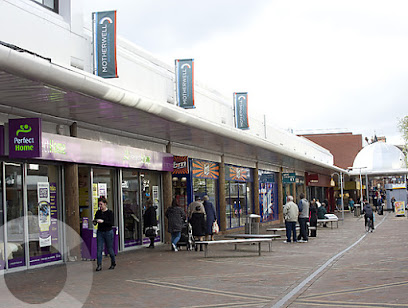
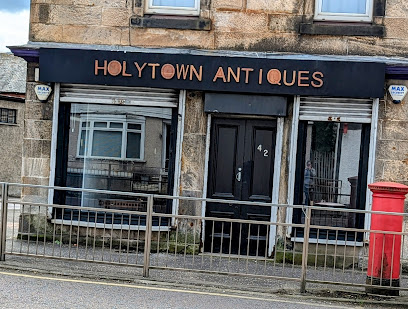
Holytown Antiques
7.0 km
Discover timeless antiques and vintage treasures with rich stories at Holytown Antiques in Motherwell’s historic heart.
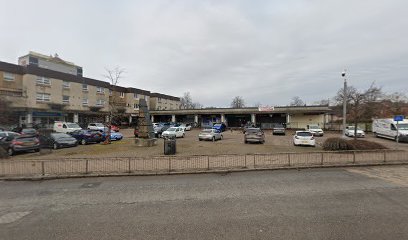
Blairgrove Shopping Centre
7.0 km
A welcoming local shopping centre in Coatbridge blending convenience with community charm on Bank Street.
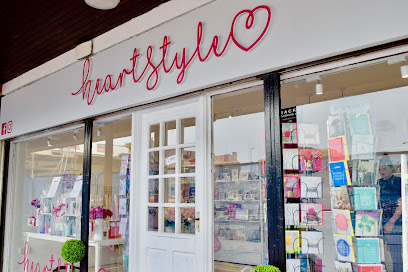
Heart Style
7.0 km
Discover unique gifts, candles, and bespoke framing in a cozy boutique setting at Heart Style, Coatbridge’s charming local treasure.
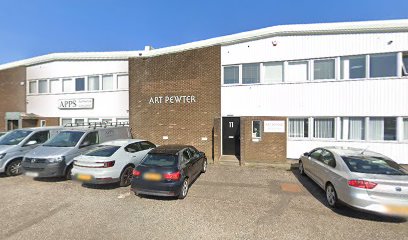
The Scottish Gift Company
7.5 km
Discover unique Scottish souvenirs and gifts at The Scottish Gift Company in East Kilbride, showcasing local craftsmanship and culture.
Highland Tweed
9.1 km
Authentic Harris Tweed and traditional Scottish woollen garments crafted with heritage and care in Glasgow’s Rutherglen district.

Kirkwood of Scotland
9.3 km
Elegant and comfortable British-made womenswear for mature women, blending timeless style with quality craftsmanship in Glasgow’s Forge Shopping Centre.
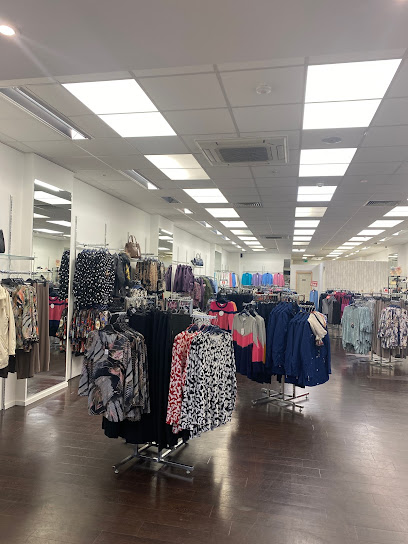
Essential bars & hidden hideouts

The Peacock & Ivy
3.3 km
A vibrant bar and restaurant in Hamilton offering modern dining, lively atmosphere, and a broad drink selection in a stylish setting.

Bar West
3.3 km
Casual and friendly bar & grill in Hamilton, perfect for hearty meals, drinks, and social nights out.

ML3 Bar
3.6 km
Experience Hamilton’s vibrant nightlife at ML3 Bar, where friendly service, great drinks, and lively atmosphere come together in a welcoming setting.

JunkYard Hamilton
4.2 km
Lively cocktail bar and grill in Hamilton offering rustic charm, delicious barbecue, and expertly crafted drinks in a vibrant social setting.

Courtyard Bar Hamilton
4.2 km
A lively and welcoming town centre pub in Hamilton offering friendly service and a relaxed atmosphere with moderate prices.

Jilts Bar
4.2 km
A classic Hamilton pub serving hearty pub grub and friendly vibes in a cozy, no-frills setting.

Bar Zero
4.3 km
A vibrant bar and grill in Hamilton offering a welcoming atmosphere and diverse menu from lunch to late night.

Victoria Bar
4.4 km
A welcoming traditional Scottish pub in Hamilton offering affordable drinks, lively atmosphere, and authentic local charm.

Butterburn Bar
4.4 km
A friendly, traditional pub in Hamilton offering good food, lively sports, live music, and a welcoming atmosphere for all.
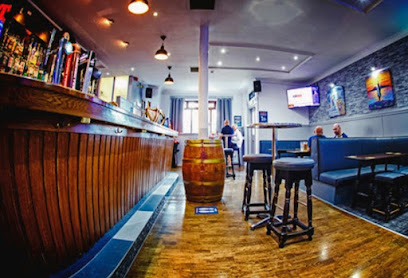
The Woodhead Bar
5.0 km
A friendly local pub in Hamilton offering affordable drinks, classic and modern dishes, and lively monthly entertainment in a welcoming atmosphere.

Horseshoe Bar
5.8 km
Lively and welcoming Motherwell pub known for friendly service, great pints, and a vibrant community atmosphere.
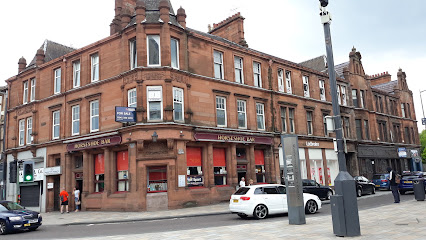
The Railway Tavern
5.8 km
Motherwell’s vibrant Railway Tavern offers live music, hearty homemade food, and a cozy atmosphere with year-round comfort and friendly vibes.
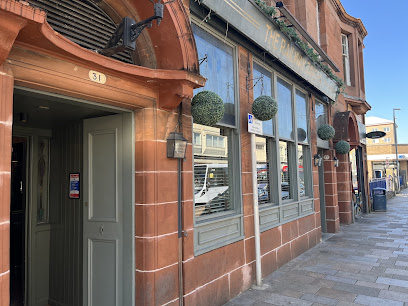
Electric Bar
5.9 km
A lively Motherwell pub with diverse menu options, friendly service, and a welcoming atmosphere for all occasions.
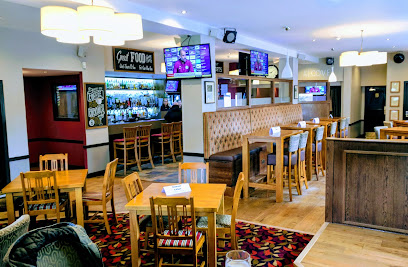
Bridges Bar
6.8 km
Discover the warm ambiance and local charm of Bridges Bar in New Stevenston, where refreshing drinks and community spirit await.
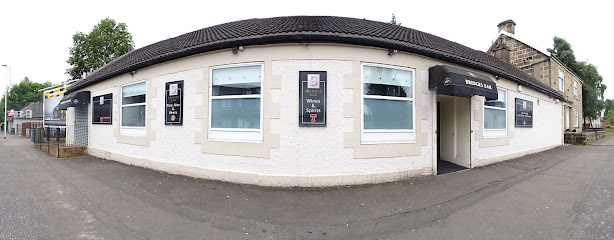
Argyll Bar
7.6 km
Experience the best Guinness and warm Scottish hospitality at Argyll Bar, Coatbridge’s beloved local pub on Main Street.
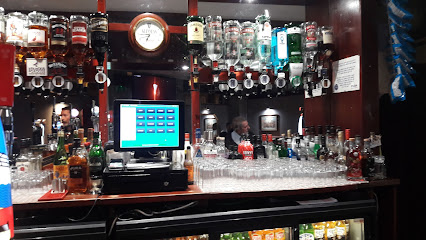
Nightclubs & after hour spots

ROC Nightclub Hamilton
4.3 km
Experience Hamilton’s vibrant late-night scene at ROC Nightclub, the city’s energetic hub for weekend parties and music from 11 PM to 3 AM.

Hamilton Palace
4.3 km
Lively nightclub, bar, and restaurant in Hamilton’s city center, open late on weekends for vibrant nightlife and entertainment.
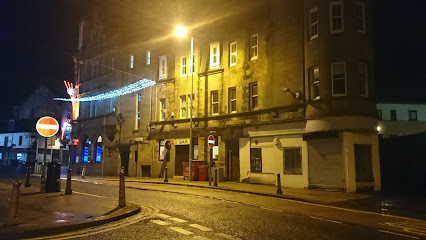
Downtown Nightclub
7.4 km
Experience East Kilbride’s vibrant weekend nightlife at Downtown Nightclub, a hub of music, dancing, and late-night energy in the town centre.
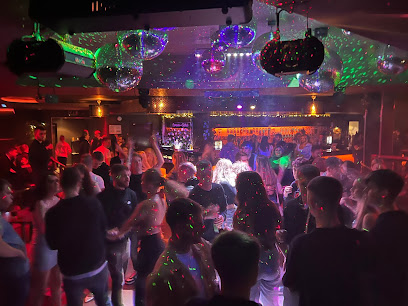
Skye Nightclub & Lounge
7.5 km
Energetic nightclub and lounge in East Kilbride offering vibrant nightlife, music, and drinks in a stylish setting.
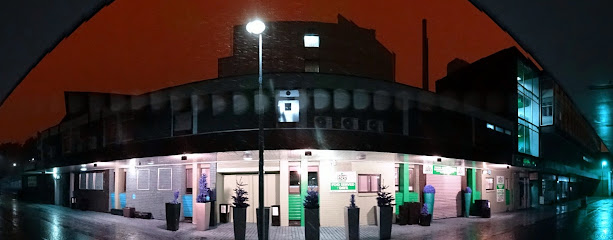
Avenue Nightclub Coatbridge
7.6 km
Coatbridge’s premier late-night nightclub for over-21s, offering vibrant music, modern vibes, and a lively weekend party scene.
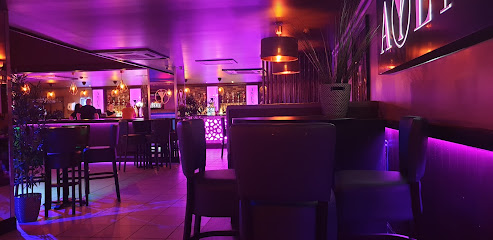
Eden Night Club
7.7 km
Vibrant late-night hotspot in Coatbridge offering house, R&B, and chart music with a lively atmosphere and smart dress code.

Pulse
9.6 km
Experience Airdrie’s vibrant nightlife at Pulse Nightclub, where music, dancing, and unforgettable moments come alive.
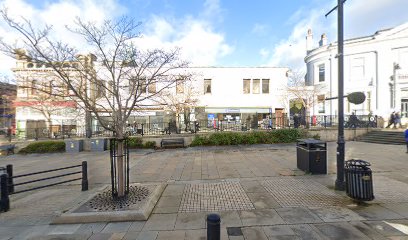
I-Kandy Nightclub
9.9 km
Discover the electrifying nightlife at I-Kandy Nightclub in Airdrie, where vibrant music and a lively atmosphere await!
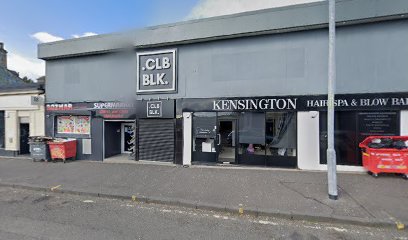
18 Candleriggs
11.9 km
Glasgow's kitsch cabaret haven where dazzling shows, tasty grill fare, and lively vibes create unforgettable Merchant City nights.
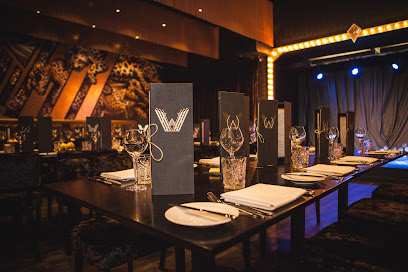
AXM Glasgow
12.1 km
Scotland's biggest LGBTQ+ nightclub: two floors of pop, charts, and dance in Glasgow's heart, with cheap drinks and zero attitude.
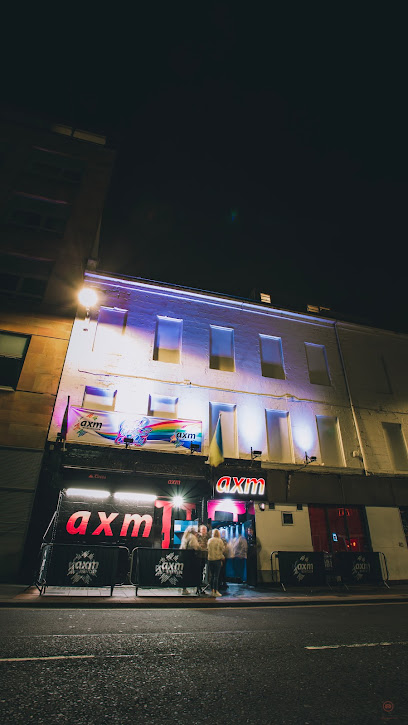
Polo Lounge
12.1 km
Glasgow's grandest gay nightclub: multi-level dance floors, cheap drinks, and non-stop energy until dawn in Merchant City's heart.
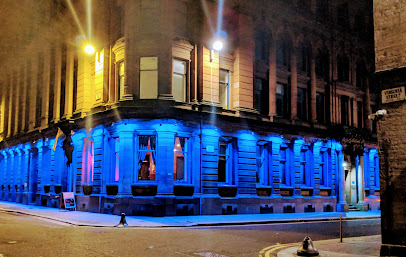
Riding Room
12.2 km
Fancy cabaret club in Glasgow's gay triangle, serving exotic kettle cocktails alongside burlesque, magic, and cheeky shows in a lively, intimate venue.
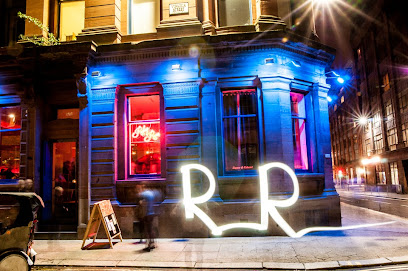
Club X
12.2 km
Glasgow's underground RnB haven: where beats throb, lights flash, and the LGBTQ+ community dances till dawn in Merchant City's beating heart.
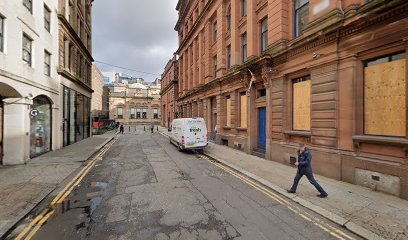
Delmonicas
12.2 km
Scotland's biggest gay club: drag shows, karaoke, DJs, and non-stop inclusive party vibes in Glasgow's Merchant City heart.
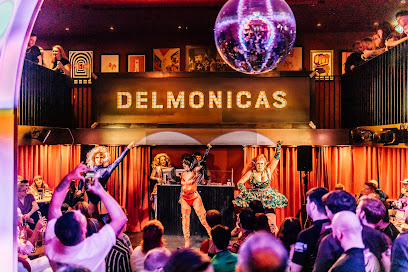
La Cheetah Club
12.3 km
Glasgow’s intimate basement club with a powerful sound system, vibrant underground beats, and a welcoming community spirit.

For the vibe & atmosphere seeker
- Tranquil
- Scenic
- Family Friendly
- Educational
- Relaxing
For the design and aesthetic lover
- Vintage Styles
- Rustic Designs
For the architecture buff
- Historic
- Heritage Neighborhoods
- Parks & Gardens
For the view chaser and sunset hunter
- Iconic Views
- Waterfront
- Panoramas
For the social media creator & influencer
- Instagrammable
- Photo Spots
- Selfie Spots
For the eco-conscious traveler
- Public-Transport Accessible
- Locally Managed
- Leave-No-Trace Critical
For the kind of experience you’re after
- Cultural Heritage
- Photowalk
- Day Trip
- Weekend Getaway
- Festival / Event Nearby
For how adventurous you want the journey to be
- Easy Access
Location Audience
- Family Friendly
- Senior Friendly
- Child Friendly
- Teen Friendly
- Wheelchair Access
- Solo Friendly
- Couple Friendly
- Vegetarian Friendly
- Vegan Friendly


