

Free Lanarkshire Travel Guide & Mobile App
Explore Lanarkshire with free travel guides. Discover regional history, expert tips, proposed trips, and audio guides on web or mobile app.


Explore Lanarkshire for New Lanark, Clyde Valley landscapes, medieval castles, industrial heritage, market towns and accessible Scottish countryside.
Read more about Lanarkshire
When is the best time to visit Lanarkshire?
Best: June–August · 19–21°C| Month | High (°C) | Rainfall (mm) |
|---|---|---|
| January | 6 | 71 |
| February | 7 | 61 |
| March | 10 | 65 |
| April | 13 | 50 |
| May | 16 | 56 |
| June (best) | 19 | 60 |
| July (best) | 21 | 66 |
| August (best) | 21 | 70 |
| September | 18 | 65 |
| October | 14 | 70 |
| November | 9 | 76 |
| December | 6 | 80 |
Getting to and around Lanarkshire
How to get there
Transportation
Top city travel guides in Lanarkshire
The cities of Lanarkshire, and the easiest places to base yourself.
-

-

-


Swipe for more cities
Best attractions in Lanarkshire
Lanarkshire's attractions range from major heritage sites to accessible green spaces and museums interpreting the region's industrial past. New Lanark is the central cultural attraction: its preserved cotton-mill village, workers' housing and educational buildings explain both early industrial production and Robert Owen's social ideas, while the surrounding woodland and Falls of Clyde add a strong natural dimension. Medieval history is represented by Bothwell Castle on the Clyde and Craignethan Castle near the upper valley. Chatelherault Country Park combines woodland walks, designed parkland and an eighteenth-century hunting lodge linked to the Hamilton estate. Strathclyde Country Park offers waterside recreation, paths and open space close to Motherwell and Hamilton, while the National Museum of Rural Life at East Kilbride explores farming, domestic life and agricultural technology. In the north, local museums and former industrial sites reflect coal, iron, engineering and transport. Biggar's museums provide a more intimate view of archaeology, country life and transport history, and the wider Clyde Valley rewards visitors interested in orchards, riverside walking, cycling and changing Lowland landscapes.
-
Park and Garden
George Square
Glasgow’s historic civic square, George Square, blends grand architecture, iconic statues, and vibrant public events in the city’s heart.
-
Shopping Centre
Braehead Shopping Centre
Scotland’s vast retail and leisure hub near Glasgow, offering 100+ shops, dining, entertainment, and free parking in a lively modern setting.
-
Shopping Centre
The Centre Livingston
Shop, dine, and play at The Centre Livingston, Scotland’s vibrant retail hub with over 150 stores and family-friendly amenities all year round.
-
Country park
Strathclyde Country Park
Explore Strathclyde Country Park’s vast loch, trails, watersports, and family-friendly adventures in the heart of Lanarkshire’s natural beauty.


Best landmarks in Lanarkshire
New Lanark is Lanarkshire's most recognisable historic landmark ensemble: its stone mill buildings, terraces and institutional structures line the Clyde below the Falls of Clyde and preserve the physical plan of an early industrial community. Bothwell Castle, rising above the River Clyde, is a major medieval monument with massive red sandstone walls and a position that reveals the strategic importance of the valley. Craignethan Castle is notable for its sixteenth-century artillery defences and unusual underground caponier, an early response to gunpowder warfare. In Hamilton, Chatelherault's long eighteenth-century façade and formal setting survive as reminders of the Hamilton estate, while the surrounding parkland has become a public landscape. The Clyde itself is a geographical landmark, changing from wooded gorge and waterfall near New Lanark to a broader urban and agricultural corridor downstream. In the northern towns, surviving industrial buildings, workers' housing and former works landscapes are less monumental but equally important, recording the coal, iron and engineering industries that shaped modern Lanarkshire.
-
Stadium
Hampden Park
The world's oldest international football stadium, where Scottish football history was written and the modern game took shape.
-
Historical landmark
McLennan Arch
A neoclassical sandstone archway marking Glasgow Green’s historic entrance, embodying the city’s rich cultural and architectural heritage.
-
Historical landmark
Cambusnethan House/Priory
Explore the hauntingly beautiful neo-Gothic Cambusnethan Priory, a historic Scottish landmark steeped in family legend and architectural grandeur.
-
Catholic cathedral
Our Lady of Good Aid Cathedral
A grand Gothic Revival cathedral in Motherwell, designed by Pugin & Pugin and serving as the heart of the Diocese of Motherwell since 1948.


Explore Lanarkshire on the map
Plan your trip on one map. See where the top cities, national parks and sights are, and book hotels and experiences in a few clicks.
Best hotels in Lanarkshire
Best restaurants in Lanarkshire
Lanarkshire's food scene reflects the central Lowlands rather than a narrowly defined regional cuisine. Town restaurants, cafés, bakeries and traditional pubs provide familiar Scottish dishes alongside contemporary menus, while rural inns and farm shops make use of local meat, dairy, seasonal vegetables, fruit and preserves. The Clyde Valley has a long association with orchard cultivation, and locally made pies, baking, jams and other produce are commonly encountered through independent food shops and producers. Around New Lanark, Lanark, Hamilton, Motherwell and Biggar, visitors will find the greatest choice of sit-down dining and casual cafés; in the countryside, opening days can be less predictable and advance planning is sensible. Scottish staples such as soups, oat-based baking, smoked fish and hearty meat dishes appear alongside international food, reflecting the region's urban communities. Farmers' markets and village events provide opportunities to sample produce directly, while whisky, gin, craft beer and soft drinks from across Scotland are widely available without being exclusive to Lanarkshire.
-
British
Carrigan's Hamilton
Cozy British gastropub in Hamilton known for hearty portions, friendly service, and a welcoming family atmosphere.
-
Restaurant
Inn On The Loch
Scenic lochside dining with genuine Scottish hospitality and inclusive menus.
-
Modern European
Mondo Restaurant
Contemporary dining in Coatbridge with fresh Scottish ingredients, seasonal menus, and a warm, stylish atmosphere.
-
Italian
Eataliano
Experience authentic Italian flavors and warm hospitality in a modern, family-friendly setting at Cafe Eataliano in Hamilton.


Best bars in Lanarkshire
Evening life in Lanarkshire is concentrated in the larger towns, particularly Hamilton, Motherwell, East Kilbride, Airdrie and Coatbridge, rather than organised around one dominant nightlife district. Traditional pubs remain important social venues, with some offering food, live music, televised sport or quiz nights, while town-centre bars and restaurants provide a broader choice for a later evening. The region has occasional live performances and cultural programming in theatres and community venues, but it does not have the scale of Glasgow's club scene. In rural South Lanarkshire and the Clyde Valley, evenings tend to centre on pubs, hotel bars, restaurants and small local events, with earlier closing and greater distances between venues. Designated drivers and taxi arrangements are worth considering when staying outside the main towns. Breweries, whisky and gin from elsewhere in Scotland are commonly represented, but drinking is only one part of the region's evening culture.
-
Bar
Inn On The Loch
Scenic bar and restaurant on Lanark Loch offering hearty meals, vegan options, and a dog-friendly atmosphere in a relaxed setting.
-
Pub
Electric Bar
A lively Motherwell pub with diverse menu options, friendly service, and a welcoming atmosphere for all occasions.
-
Cocktail bar
JunkYard Hamilton
Lively cocktail bar and grill in Hamilton offering rustic charm, delicious barbecue, and expertly crafted drinks in a vibrant social setting.
-
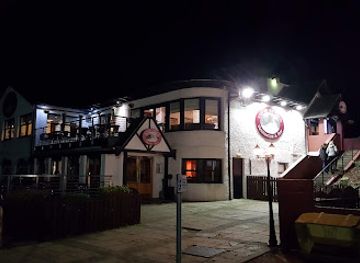
Pub
The Railway Tavern
Motherwell’s vibrant Railway Tavern offers live music, hearty homemade food, and a cozy atmosphere with year-round comfort and friendly vibes.


Best nightclubs in Lanarkshire
Evening life in Lanarkshire is concentrated in the larger towns, particularly Hamilton, Motherwell, East Kilbride, Airdrie and Coatbridge, rather than organised around one dominant nightlife district. Traditional pubs remain important social venues, with some offering food, live music, televised sport or quiz nights, while town-centre bars and restaurants provide a broader choice for a later evening. The region has occasional live performances and cultural programming in theatres and community venues, but it does not have the scale of Glasgow's club scene. In rural South Lanarkshire and the Clyde Valley, evenings tend to centre on pubs, hotel bars, restaurants and small local events, with earlier closing and greater distances between venues. Designated drivers and taxi arrangements are worth considering when staying outside the main towns. Breweries, whisky and gin from elsewhere in Scotland are commonly represented, but drinking is only one part of the region's evening culture.
-
Nightclub
Hamilton Palace
Lively nightclub, bar, and restaurant in Hamilton’s city center, open late on weekends for vibrant nightlife and entertainment.
-
Night Club
Avenue Nightclub Coatbridge
Coatbridge’s premier late-night nightclub for over-21s, offering vibrant music, modern vibes, and a lively weekend party scene.
-
Nightclub
ROC Nightclub Hamilton
Experience Hamilton’s vibrant late-night scene at ROC Nightclub, the city’s energetic hub for weekend parties and music from 11 PM to 3 AM.
-
Nightclub
Eden Night Club
Vibrant late-night hotspot in Coatbridge offering house, R&B, and chart music with a lively atmosphere and smart dress code.


Best shops in Lanarkshire
Shopping in Lanarkshire is centred on practical town centres, covered retail complexes, independent high-street businesses and local markets rather than a specialist luxury scene. Hamilton, Motherwell, East Kilbride, Airdrie and Coatbridge provide the broadest selection of everyday shops, cafés and services, while Lanark and Biggar have smaller town-centre businesses, galleries, bookshops, antiques dealers and craft-oriented retailers. Rural shopping is more dispersed, with farm shops and producer outlets offering Clyde Valley fruit, preserves, baking, meat, dairy products and other Scottish food gifts. Visitors interested in heritage crafts may find pottery, textiles, artwork and locally made items through galleries, museum shops and seasonal fairs, although stock and opening dates vary. New Lanark's visitor facilities focus on products connected with the historic village and Scottish craft traditions. Markets and community events can be worthwhile for fresh produce and handmade goods, but dates are not uniform across the region, so check local arrangements before planning a journey around one.
-
Shopping Centre
Motherwell Shopping Centre
A bustling community shopping centre in Motherwell offering diverse retail and dining options with convenient access and local charm.
-
Shopping Centre
Regent Shopping Centre
Hamilton's premier shopping destination since the 1970s, offering quality retail and dining in the heart of town.
-
Clothing Shop
Primark
Discover affordable, trendy fashion at Primark Hamilton, your go-to clothing store in the heart of Quarry Street.
-
Shopping Centre
New Cross Centre
A central shopping destination in Hamilton poised for transformation into a vibrant new town centre community.


Get your free copy of our complete guide to Lanarkshire, delivered straight to you.
Everything on this page, from attractions and restaurants to essentials and local phrases, in one PDF you can read offline, print or share.
Already have an account? Sign in
Your Lanarkshire guide is ready.
We'll send it to · Not you? Sign out

Getting your guide ready…
We are putting together a fresh copy of the Lanarkshire guide. This can take up to a minute.
This can take a few moments. If your browser asks, choose Allow so the download can start. You'll find the guide in your Downloads folder.
Nothing happened? Download it again
Sorry, the guide is taking longer than usual. Please try again in a minute, or get it by email instead.
Lanarkshire essentials
Currency and Payment
Safety
Emergency Situations
Do's and Don'ts
Local Tips
From Eve
Local phrases worth knowing
You don't need to get them perfect. A few words go a long way, and locals appreciate the effort.
Basics
| English | Local | Say it |
|---|---|---|
| Hello | Aye up | [aiʌp] |
| Goodbye | Cheerio | [ˈtʃɪəriəʊ] |
| Yes | Aye | [ai] |
| No | Naw | [nɔː] |
| Please/You're welcome | Please | [pliːz] |
| Thank you | Cheers | [tʃɪəz] |
| Excuse me/Sorry | Sorry | [ˈsɒri] |
| How are you? | How ye daein? | [haʊ jiː ˈdeɪɪn] |
| Fine. And you? | Aye, no bad. An ye? | [ai, nəʊ bəd. ən jiː?] |
| Do you speak English? | Dae ye speak English? | [deɪ jiː spiːk ˈɪŋɡlɪʃ] |
| I don't understand | Ah dinnae understand | [ah dɪnə ˌʌndərˈstænd] |
Eating & Drinking
| English | Local | Say it |
|---|---|---|
| I'd like to see the menu, please | Ah'd like tae see the menu, please | [ɑːd laɪk teɪ siː ðə ˈmɛnjuː, pliːz] |
| I don't eat meat | Ah dinnae eat meat | [ah dɪnə iːt miːt] |
| Cheers! | Cheers! | [tʃɪəz] |
| I would like to pay, please | Ah'd like tae pay, please | [ɑːd laɪk teɪ peɪ, pliːz] |
Emergencies
| English | Local | Say it |
|---|---|---|
| Help! | Help! | [hɛlp] |
| Go away! | Gie us peace! | [ɡiː ʌs piːs] |
| Call the Police! | Phone the polis! | [fəʊn ðə ˈpəʊlɪs] |
| Call a doctor! | Phone a doctor! | [fəʊn ə ˈdɒktə] |
| I'm lost | Ah'm lost | [ahm lɒst] |
| I'm ill | Ah'm no well | [ahm nəʊ wɛl] |
Shopping
| English | Local | Say it |
|---|---|---|
| I'd like to buy... | Ah'd like tae buy... | [ɑːd laɪk teɪ baɪ...] |
| I'm just looking | Ah'm just lookin' | [ahm dʒʌst ˈlʊkɪn] |
| How much is it? | How much's it? | [haʊ mʌtʃ ɪt] |
| That's too expensive | That's far too dear | [ðæts fɑː tuː dɪə] |
| Can you lower the price? | Can ye lower the price? | [kæn jiː ˈləʊə ðə praɪs] |
Time & Numbers
| English | Local | Say it |
|---|---|---|
| What time is it? | Whit time is it? | [wɪt taɪm ɪz ɪt] |
| It's one o'clock | It's one o'clock | [ɪts wʌn əˈklɒk] |
| Half past (10) | Half past ten | [hɑːf pɑːst tɛn] |
| Morning | Mornin' | [ˈmɔːnɪn] |
| Afternoon | Aft'noon | [æftəˈnuːn] |
| Evening | E'enin' | [ˈiːnɪn] |
| Yesterday | Yest'een | [jɛstəˈiːn] |
| Today | Tday | [təˈdeɪ] |
| Tomorrow | Morrow | [ˈmɒrəʊ] |
| 1 | 1 | [wʌn] |
| 2 | 2 | [tuː] |
| 3 | 3 | [θriː] |
| 4 | 4 | [fɔː] |
| 5 | 5 | [faɪv] |
| 6 | 6 | [sɪks] |
| 7 | 7 | [sɛvən] |
| 8 | 8 | [eɪt] |
| 9 | 9 | [naɪn] |
| 10 | 10 | [tɛn] |
Transport & Directions
| English | Local | Say it |
|---|---|---|
| Where's a/the...? | Whur's a/the...? | [wɜːrz ə/ðə...?] |
| What's the address? | Whit’s the address? | [wɪtʃ ðə əˈdrɛs] |
| Can you show me (on the map)? | Can ye show me (on the map)? | [kæn jiː ʃəʊ mi (ɒn ðə mæp)?] |
| When's the next (bus)? | Whan's the next (bus)? | [wænz ðə nɛkst (bʌs)?] |
| A ticket (to ....) | A ticket (ta ....) | [ə ˈtɪkɪt (tə ....)] |
History of Lanarkshire
Prehistoric Clyde Valley and Early Settlement
Lanarkshire contains evidence of settlement and ritual activity extending back to prehistoric times. The Clyde and its tributaries provided water, fertile ground and routes through the central Lowlands, while higher ground offered useful viewpoints and grazing. Archaeological remains around South Lanarkshire and the upper Clyde valley include prehistoric monuments and later traces of farming communities. The region's long settlement history is also reflected in place names and the distribution of historic towns. Although many early sites are modest or fragmentary, they establish Lanarkshire as a settled landscape long before the medieval castles, churches and industrial towns that define much of its present identity.
Lanark and Medieval Royal Authority
Lanark became an important medieval burgh and administrative centre, benefiting from its position above the Clyde valley and its connection with royal authority. The town is traditionally associated with William Wallace, who is said to have begun his resistance to English rule after the killing of the sheriff of Lanark in 1297, although the surviving details belong partly to later historical tradition. During the Wars of Independence, Lanarkshire's castles, burghs and estates occupied a strategically important part of central Scotland. The medieval legacy remains visible in Lanark's historic street pattern, church buildings and nearby defensive sites.
Castles, Estates and the Hamiltons
From the later Middle Ages into the early modern period, powerful families shaped Lanarkshire's political and architectural landscape. The Hamiltons became particularly influential, holding extensive estates around Hamilton and playing prominent roles in Scottish national affairs. Bothwell Castle, built by the Moray family in the thirteenth century and later associated with the Black Douglases, illustrates the military importance of the Clyde corridor. Craignethan Castle, with its unusual artillery defences, reflects the changing nature of warfare in the sixteenth century. Estate landscapes, planned towns and surviving country houses continued to influence the region long after their owners' political power declined.
The New Lanark Industrial Experiment
New Lanark developed beside the Falls of Clyde in the late eighteenth century as a cotton-spinning settlement powered by water. Under Robert Owen, who managed the mills from 1800, it became associated with reforms in education, welfare, working conditions and community organisation. Owen's ideas attracted international attention, while the mills continued to operate within the wider commercial realities of industrial Britain. The surviving village, mill buildings, housing and institutional structures provide an unusually coherent record of early industrial planning. New Lanark's designation as a UNESCO World Heritage Site recognises both its physical preservation and its influence on ideas about social reform.
Coal, Iron and the Industrial Clyde
During the nineteenth and twentieth centuries, Lanarkshire was transformed by coal mining, iron production, engineering and railway construction. Towns including Motherwell, Wishaw, Coatbridge and Airdrie expanded as workers moved into the region and industrial companies developed large works, pits and transport links. The wider Clyde valley became part of Scotland's industrial economy, supplying fuel and materials to urban and manufacturing centres. Industrial employment created strong community identities but also brought pollution, dangerous working conditions and dependence on volatile markets. Museums, former colliery landscapes and surviving built fabric now preserve aspects of this industrial inheritance.
War, Engineering and Motherwell's Steel Era
Lanarkshire's heavy industry was central to Scotland's twentieth-century engineering and steel economy. Motherwell became particularly associated with large-scale iron and steel production, while other communities supported foundries, railways, engineering works and mining. These industries supplied national infrastructure and wartime production, but their decline in the later twentieth century caused major economic and social disruption. Regeneration has since reshaped former industrial land, including areas around Strathclyde Country Park, while local museums and community heritage projects record the experiences of industrial workers and their families. The region's modern landscape is therefore one of both industrial memory and economic transition.
Modern Lanarkshire and the Commonwealth Games Legacy
Post-war Lanarkshire saw extensive housebuilding, changing patterns of employment and the growth of planned and expanded communities, including East Kilbride and Cumbernauld-area settlements in the wider central Lowlands. New roads and rail links strengthened connections with Glasgow and Edinburgh, while older market towns retained their local roles. Strathclyde Country Park was created around a purpose-built loch for the 1978 Commonwealth Games, giving a former mining landscape a new recreational function. Today, Lanarkshire combines commuter settlements, manufacturing and service economies with agricultural districts and heritage sites that interpret the region's long transformation.
Lanarkshire in Photos
Browse through our photo collection highlighting the charm and character of the destination.
Neighbouring regions of Lanarkshire
The closest regions to Lanarkshire, if you have time for more than one.
-

-

-

-

-


Swipe for more regions
Explore more

Explore more of United Kingdom
Discover the United Kingdom: A blend of rich history, stunning landscapes, and vibrant cities, offering a unique travel experience for every visitor.
Explore United Kingdom