Douglas Castle, Lanarkshire Travel Guide
Explore the evocative ruins of Douglas Castle, a medieval stronghold steeped in Scottish history and the legacy of the Douglas family.
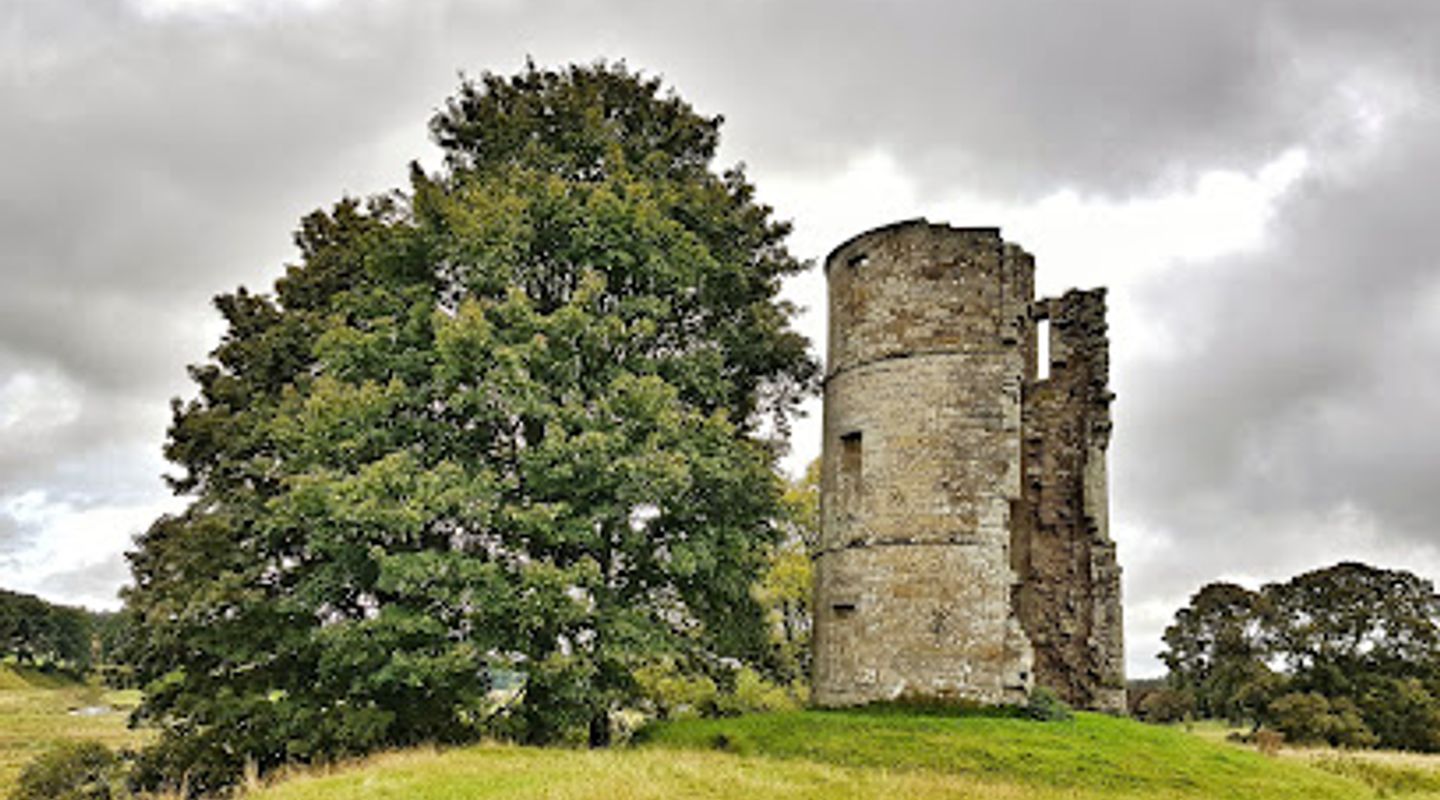
Douglas Castle, located near the village of Douglas in Lanarkshire, Scotland, was a medieval stronghold of the powerful Douglas family. Originally built before 1288, it played a pivotal role in the Wars of Scottish Independence and was rebuilt multiple times until the 18th century. Today, only a 17th-century corner tower remains, standing as a testament to its turbulent history and architectural evolution.
A brief summary to Douglas Castle
- Lanark, Douglas, ML11 0RH, GB
- Click to display
- Duration: 1 to 3 hours
- Free
-
 Outdoor
- Mobile reception: 4 out of 5

Know before you go
Hi, I'm Eve. Here are a few practical things to know before exploring Douglas Castle.
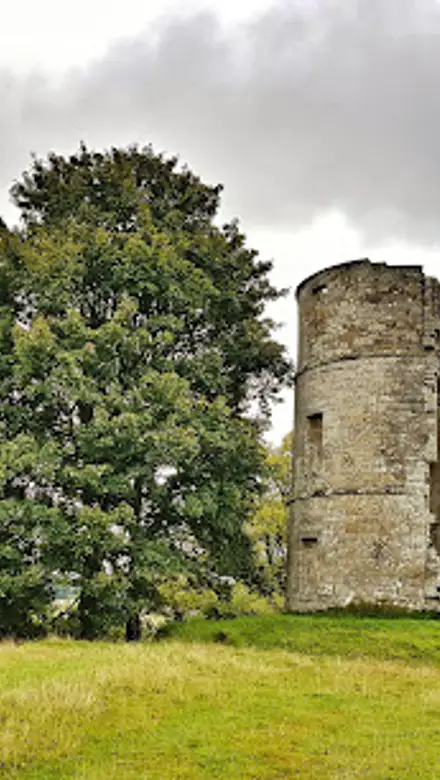
- Visit the remaining 17th-century corner tower known as 'Castle Dangerous' for a glimpse into the castle’s storied past.
- Explore nearby St Bride’s Church to see Douglas family monuments and Scotland’s oldest functioning public clock.
- Wear sturdy footwear as the castle ruins and surrounding grounds involve uneven terrain.
- Combine your visit with a walk along the Douglas Water valley to appreciate the castle’s historic landscape setting.
Do you manage this location?
Take control to get all the benefits, like improved information, better appearance, and stronger visibility across AI-powered discovery. Learn more about listing your business on Evendo
Activate your presenceOther nearby places you may find interesting
The closest places of the same kind, if this one is not quite what you had in mind.
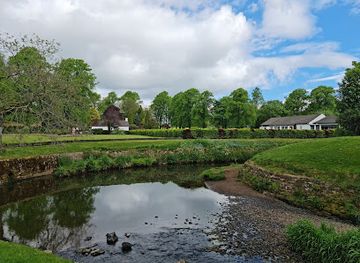
Explore Douglas Castle on the Map
A handpicked selection of must-see spots near Douglas Castle, mapped for you.
Getting There
-
Train and Bus
Travelers can take a train to Lanark from Glasgow or Edinburgh, with journey times ranging from 40 to 60 minutes. From Lanark, local bus services connect to the village of Douglas in about 15 to 20 minutes. Bus frequency varies, so check schedules in advance. This option is affordable, with combined fares typically under £15.
-
Car
Driving to Douglas Castle from Glasgow or Edinburgh takes approximately 50 to 70 minutes via the M74 and A70. Parking is available near the village, but spaces may be limited during peak times. Note that the castle site involves walking over uneven ground, so plan accordingly. Fuel and toll costs vary but expect around £10–£15 for a round trip.
-
Taxi or Rideshare
From Lanark town center, taxis or rideshare services can reach Douglas village in 15 minutes. This is a convenient option if bus schedules are limited, with fares typically between £15 and £25 depending on time and demand.
For the on-the-go comforts that matter to you
-
 Seating Areas
-
 Information Boards
-
 Trash Bins
Discover more about Douglas Castle
Origins and Early History of Douglas Castle
Douglas Castle was first constructed sometime before 1288 by the influential Douglas family, either in wood or stone. Its strategic location near the Douglas Water gave it significant defensive importance. During the Wars of Scottish Independence, the castle was captured by English forces in 1307 but was famously recaptured by Sir James Douglas, a close companion of Robert the Bruce. He stormed the castle on Palm Sunday while the English garrison was at chapel, killing them and burning the fortress in an event known as "Douglas’ larder." This act cemented the castle’s role as a symbol of Scottish resistance and loyalty.The Rise and Fall of the Black Douglases
Following Robert the Bruce’s victory, the Douglas family rose to prominence, with Sir William Douglas becoming the 1st Earl of Douglas. The castle was rebuilt as a formidable stronghold in the late 14th century. However, the power of the "Black" Douglases grew so great that it posed a threat to the Scottish monarchy. In 1455, King James II led a campaign against the rebellious 9th Earl of Douglas, culminating in the Battle of Arkinholm. Douglas Castle was sacked, and the family’s lands and titles were forfeited, marking the decline of the senior Douglas line.The Red Douglases and Architectural Transformations
The "Red" Douglases, Earls of Angus, allied with the crown and acquired the Douglas lands in Lanarkshire. The castle was likely rebuilt soon after 1455. In the early 18th century, Archibald Douglas, 3rd Marquess of Douglas and later Duke of Douglas, made the castle his principal seat. Around this time, it was rebuilt as a tower house with an enclosed courtyard and a corner tower. Unfortunately, a fire in 1755 destroyed much of the castle except for the corner tower. Subsequently, an ambitious castellated mansion designed by the Adam Brothers was partially constructed but never completed due to the Duke’s death in 1761.Decline, Demolition, and Legacy
The castle remained in the Douglas family lineage, passing eventually to the Earls of Home. In the 1930s, coal mining in the adjacent park caused subsidence that made the castle unsafe, leading to its demolition in 1938. Today, only the 17th-century corner tower, known as "Castle Dangerous," survives as a protected historic ruin. The site also inspired Sir Walter Scott’s 1831 novel "Castle Dangerous," further embedding the castle in Scottish cultural heritage.The Surrounding Landscape and Historical Context
Douglas Castle was set within extensive parklands spanning the Douglas Water valley. The nearby village of Douglas grew around the feudal settlement that supported the castle. The area is rich in history, including St Bride’s Church with its Douglas family monuments and the town clock reputed to be Scotland’s oldest functioning public timepiece. The coal industry’s rise and fall deeply affected the region, with mining operations ultimately impacting the castle’s fate.Preservation and Visitor Experience Today
Though largely ruined, Douglas Castle remains a poignant landmark reflecting Scotland’s medieval past, noble family histories, and architectural evolution. The surviving corner tower and vaulted cellars provide a tangible connection to centuries of Scottish history. The site is protected as a category C listed building and continues to attract visitors interested in heritage, literature, and the dramatic stories of the Douglas family.












Your all‑in‑one travel companion app
Explore expert travel guides, compare and book tours, experiences, hotels, and more—all from the palm of your hand. Download now for seamless trip planning wherever your wanderlust takes you.


Explore More of Lanarkshire
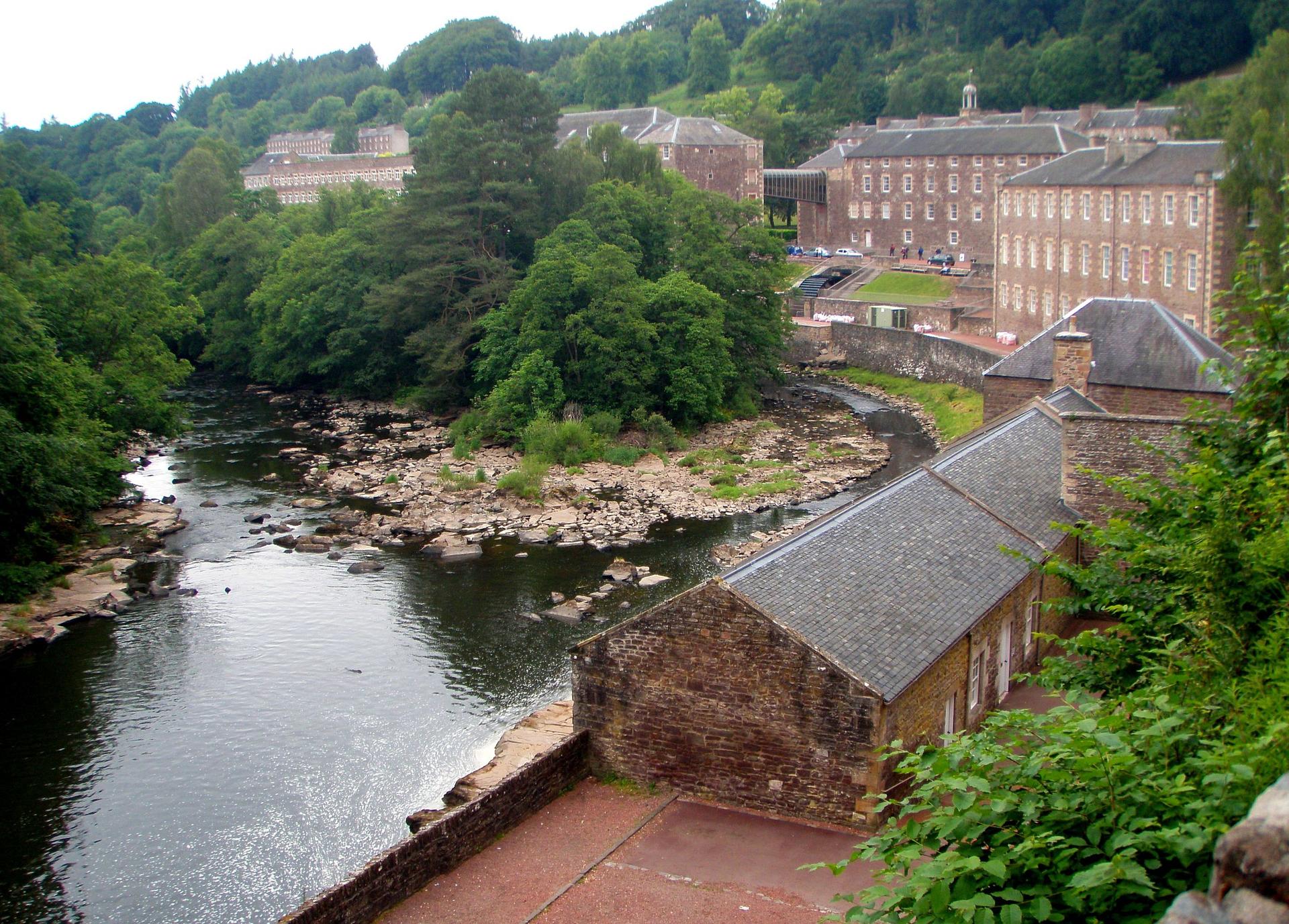
Looking beyond Douglas Castle? Discover Lanarkshire for broader travel guides, local hot-spots, and regional highlights.
Explore Lanarkshire