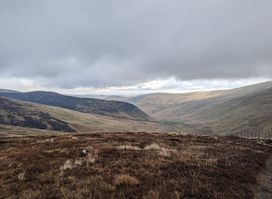
The Navvies Graveyard, Scotland Travel Guide
A quiet, moving tribute to the 19th-century navvies who built Scotland’s railways, where simple stones and a memorial plaque honor lives of toil and sacrifice.
Tucked away in the quiet town of Biggar, The Navvies Graveyard is a modest but deeply moving tribute to the 19th-century railway workers who helped build Scotland’s infrastructure. This small burial ground holds the remains of laborers, many of them Irish navvies, who died during the construction of the Caledonian Railway. Weathered stones and a simple memorial plaque speak volumes about hardship, sacrifice, and the human cost behind the nation’s progress. It’s a place for quiet reflection, history, and a poignant connection to the past.
A brief summary to The Navvies Graveyard
- C9W2+R2, Biggar, GB
- Click to display
- Duration: 0.5 to 1 hours
- Free
-
 Outdoor
- Mobile reception: 4 out of 5

Know before you go
Hi, I'm Eve. Here are a few practical things to know before exploring The Navvies Graveyard.
- Visit in the early morning or late afternoon for soft light and fewer visitors, ideal for quiet reflection and photography.
- Bring a thermos and a snack; there are no facilities on site, but the peaceful surroundings make a simple break very rewarding.
- Take time to read the memorial plaque carefully; it’s the main historical record of the 37 navvies buried here and their connection to the Caledonian Railway.
- Combine your visit with a walk along the nearby River Clyde or a look around Biggar’s historic town center for a fuller sense of the area’s past.
Do you manage this location?
Take control to get all the benefits, like improved information, better appearance, and stronger visibility across AI-powered discovery. Learn more about listing your business on Evendo
Activate your presenceOther nearby places you may find interesting
The closest places of the same kind, if this one is not quite what you had in mind.





Explore The Navvies Graveyard on the Map
A handpicked selection of must-see spots near The Navvies Graveyard, mapped for you.
Getting There
-
Car
From Edinburgh, take the A702 south for about 40 km to Biggar. Once in the town, follow signs toward the town center, then head to the area near the River Clyde where the graveyard is located. There is no dedicated parking at the site, but limited on‑street parking is available in nearby residential streets; allow 45–60 minutes for the journey.
-
Public Transport
Take a train to Biggar station, then walk approximately 20 minutes through the town and along local paths to reach The Navvies Graveyard. Check local bus timetables if arriving by coach, as services are infrequent; the walk from the town center is on paved and quiet roads.
-
Taxi
Taxis are available in Biggar and can take you directly to the graveyard from the town center or station. The ride is short, usually under 10 minutes, and costs around £10–15; this is the most convenient option if mobility is limited.
For the on-the-go comforts that matter to you
-
 Seating Areas
-
 Trash Bins
Discover more about The Navvies Graveyard
A Place of Quiet Sacrifice
Nestled on the edge of Biggar in South Lanarkshire, The Navvies Graveyard is a small, unassuming burial ground that carries immense historical weight. It marks the final resting place of laborers—many of them Irish navvies—who died while working on the construction of the Caledonian Railway in the mid-19th century. These men toiled in grueling conditions to lay the tracks that would link central Scotland with England, yet their names and stories are largely lost to time. The site stands as a quiet, dignified memorial to their contribution and the often-overlooked human cost of industrial progress.History of the Navvies and the Railway
The Caledonian Railway was a major engineering project of the 1840s, designed to connect Glasgow and Edinburgh with the English rail network via Beattock and Carlisle. The rugged terrain of the Southern Uplands made construction extremely difficult, and the work was carried out by teams of navvies—skilled but poorly paid laborers, many from Ireland, who followed railway projects across Britain. In 1847, a typhus outbreak swept through the workforce and local communities, claiming the lives of at least 37 navvies. With local graveyards full, a separate burial ground was consecrated for them, forming what is now known as The Navvies Graveyard.What You’ll See Today
The graveyard itself is a simple, enclosed plot with a scattering of rough stones and a central memorial plaque. The plaque, erected in 1916, commemorates the 37 workmen who died during the railway’s construction and notes that the ground was consecrated in 1847 by the Bishop of Glasgow. There are no elaborate monuments or detailed inscriptions; instead, the power of the site lies in its simplicity and the sense of solemnity it evokes. Visitors can walk quietly among the stones, read the memorial, and reflect on the lives of those buried here.Atmosphere and Visitor Experience
This is not a grand tourist attraction, but a place of quiet contemplation. The atmosphere is peaceful and respectful, with the surrounding countryside and the nearby River Clyde adding to the sense of stillness. It’s a spot that appeals to those interested in social history, industrial heritage, and the stories of ordinary people behind major infrastructure projects. There are no visitor facilities on site, so it’s best to come prepared with warm clothing and perhaps a thermos, especially in cooler months.Connecting with Scotland’s Past
The Navvies Graveyard offers a rare, intimate glimpse into the lives of the men who built Scotland’s railways. It’s a reminder that behind every viaduct, tunnel, and station, there were real people—often far from home, working in harsh conditions, and sometimes paying the ultimate price. For visitors, it’s an opportunity to pause, to remember, and to appreciate the often-invisible labor that shaped the modern landscape. Whether you’re a local resident or a traveler exploring South Lanarkshire, this small graveyard is a meaningful stop on any journey through Scotland’s industrial history.












Your all‑in‑one travel companion app
Explore expert travel guides, compare and book tours, experiences, hotels, and more—all from the palm of your hand. Download now for seamless trip planning wherever your wanderlust takes you.


Explore More of Scotland

Looking beyond The Navvies Graveyard? Discover Scotland for broader travel guides, local hot-spots, and regional highlights.
Explore Scotland