
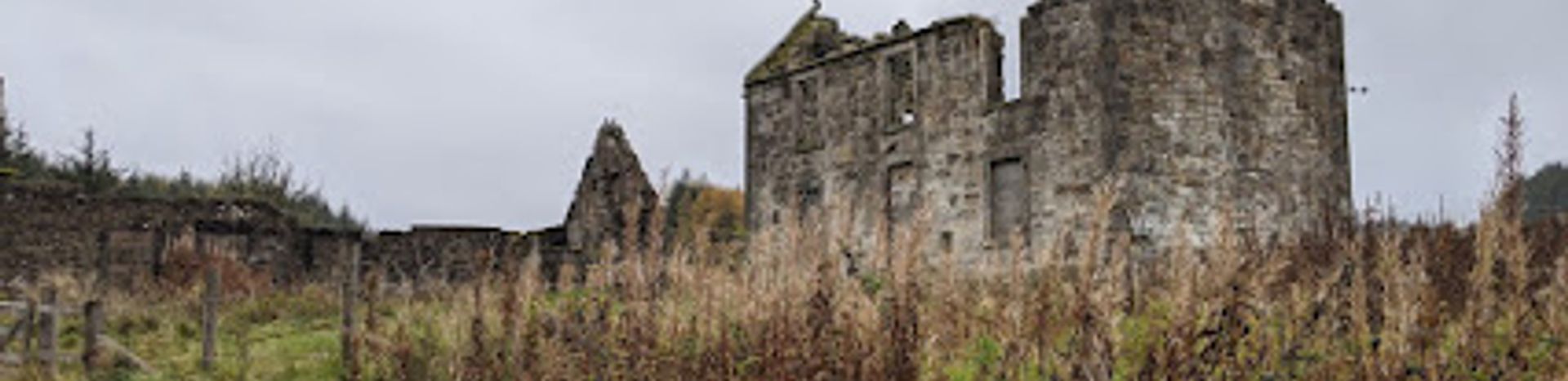
Wilsontown Ironworks: Scotland’s Industrial Pioneer
Explore the pioneering ironworks and historic village of Wilsontown, a cornerstone of Scotland’s Industrial Revolution nestled in tranquil woodlands.
Wilsontown Ironworks, founded in 1779 near Forth, Lanarkshire, was the first ironworks in Lanarkshire and the second coke-fired ironworks in Scotland. Though now a scheduled monument with few standing buildings, the site reveals the story of industrial innovation, family disputes, and the lives of workers through walking trails and interpretive panels across the former ironworks and village landscape.
A brief summary to Wilsontown Ironworks
- 31 Wilsontown Rd, Lanark, Forth, ML11 8ER, GB
- Visit website
- Duration: 2 to 3 hours
- Free
-
 Outdoor
- Mobile reception: 4 out of 5
- Monday 12 am-12 am
- Tuesday 12 am-12 am
- Wednesday 12 am-12 am
- Thursday 12 am-12 am
- Friday 12 am-12 am
- Saturday 12 am-12 am
- Sunday 12 am-12 am
Local tips
- Download the Forestry and Land Scotland guide for detailed historical context and trail information before your visit.
- Wear sturdy footwear as the walking trails cover 2 to 4 kilometers on gravel surfaces, suitable even after rain.
- Take time to read the interpretive panels and watch available video testimonies to fully appreciate the ironworks’ history and community stories.
- Visit during milder weather for the best experience of the woodland surroundings and wildlife.

For the on-the-go comforts that matter to you
- Restrooms
- Seating Areas
- Information Boards
Getting There
-
Car
Driving from Lanark town center, the journey to Wilsontown Ironworks takes approximately 25 to 35 minutes via A73 and B7016. Parking is available near the site, but spaces are limited during peak times. No parking fees apply.
-
Bus
Local bus services run from Lanark to Forth, with a journey time of around 40 to 50 minutes. From Forth, a taxi or a 3 km walk along minor roads and trails is required to reach Wilsontown Ironworks. Bus frequency is moderate, so check timetables in advance.
-
Walking
For active visitors, walking from Forth village to Wilsontown Ironworks is a scenic 3 to 4 km hike along rural paths and minor roads. The terrain is mostly gentle but may be uneven in places, suitable for those with moderate fitness.
Wilsontown Ironworks location weather suitability
-
 Any Weather
-
 Rain / Wet Weather
-
 Clear Skies
-
 Mild Temperatures
Discover more about Wilsontown Ironworks
Origins of an Industrial Landmark
Wilsontown Ironworks was established in 1779 by the Wilson brothers—Robert, John, and William—on the banks of the Mouse Water near Forth in South Lanarkshire. It was only the second coke-fired ironworks in Scotland and the first in Lanarkshire, marking a significant step in the Industrial Revolution. The ironworks exploited local coal and ironstone deposits on the Cleugh estate, owned by Robert Wilson. Despite its pioneering technology, the enterprise was plagued by family quarrels and managerial challenges, which hindered its financial success.The Rise and Fall of a Thriving Community
By the early 19th century, Wilsontown had grown into a bustling industrial village, housing nearly 2,000 people by 1812. The site featured two blast furnaces, puddling furnaces, a rolling mill, coke ovens, and extensive wagon-ways connecting the ironworks to mines and raw materials. The village included 450 workers’ houses, a bakery, a company store, and a school, reflecting a tightly knit community centered on iron production. However, economic difficulties and legal disputes led to the ironworks’ closure in 1812.Revival and Final Closure
In 1821, William Dixon, a prominent industrialist from Govan Colliery and Calder Ironworks, purchased Wilsontown and restarted production. Despite his dynamic management, the ironworks struggled to be profitable and ultimately closed in 1842. The site’s buildings were dismantled by 1845, but coal mining persisted in the area well into the 20th century. The former industrial landscape still bears the scars of hand-dug mines and wagon-ways, offering a tangible connection to its past.Preserving Heritage and Nature
Today, Wilsontown Ironworks is a legally protected Scheduled Ancient Monument managed by Forestry and Land Scotland. The site features three well-maintained gravel walking trails of 2 to 4 kilometers, with interpretive panels and markers that narrate the ironworks’ history, technological innovation, and the lives of its workers. The surrounding woodlands have reclaimed the area, now home to diverse wildlife including birds, butterflies, and wildflowers, blending industrial heritage with natural beauty.Learning from the Past
The interpretive materials at Wilsontown include historical panels and video testimonies that reveal the hardships faced by the ironworkers, especially after the closure when many were left unemployed and impoverished. The site stands as a poignant reminder of the human cost of industrial change and offers lessons relevant to contemporary economic transitions.Visiting Experience and Atmosphere
Visitors to Wilsontown Ironworks can explore the atmospheric ruins and landscape scars while enjoying peaceful woodland surroundings. The gravel paths provide easy walking even after wet weather, making it accessible for a wide range of visitors. The site’s tranquil ambience contrasts with its industrious past, inviting reflection on Scotland’s industrial heritage and its impact on communities.Iconic landmarks you can’t miss

Ruins of Carluke old Parish Church (St Luke’s)
11.2 km
Discover the evocative ruins of Carluke Old Parish Church, a serene historic site echoing centuries of Scottish spiritual heritage.
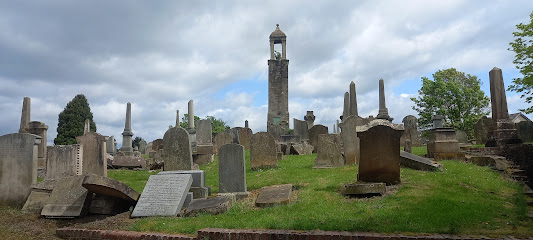
Wallace House
13.2 km
Discover the evocative site of William Wallace’s marital home in Lanark, where history, art, and legend converge in a vibrant tribute to Scotland’s national hero.
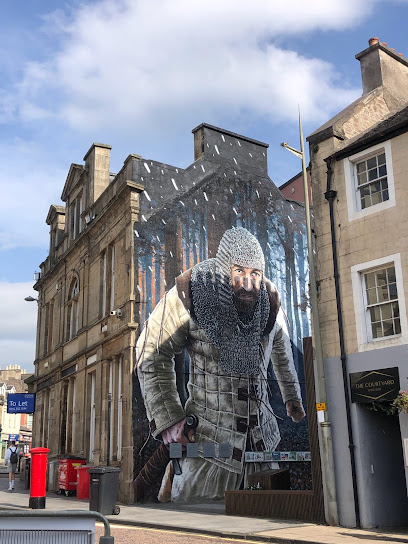
Lanark Castle Marker
13.6 km
Discover the historic site of Lanark Castle, birthplace of Scottish rebellion and royal legacy, set above the scenic Clyde Valley.
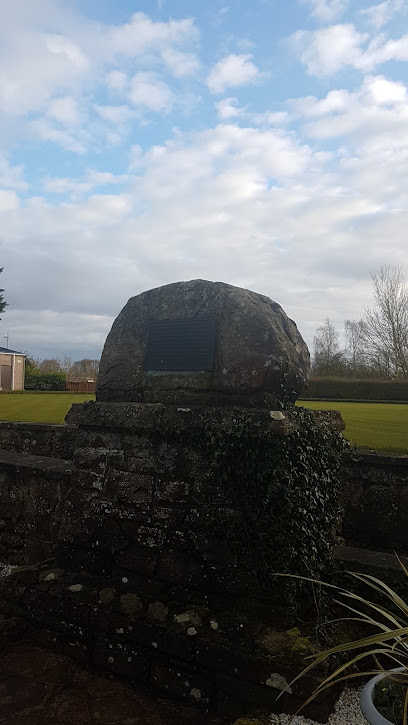
Covington Tower
15.1 km
Discover the historical charm of Covington Tower in Biggar, Scotland, a medieval landmark steeped in rich heritage and stunning landscapes.
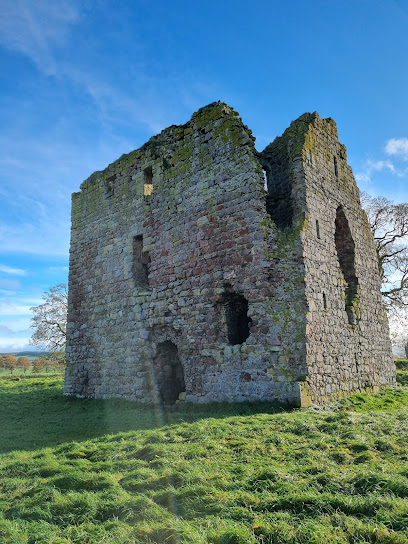
North Lanarkshire International Brigades Memorial
20.1 km
Where North Lanarkshire's anti-fascist heroes are remembered—a memorial to 40 Spanish Civil War volunteers.
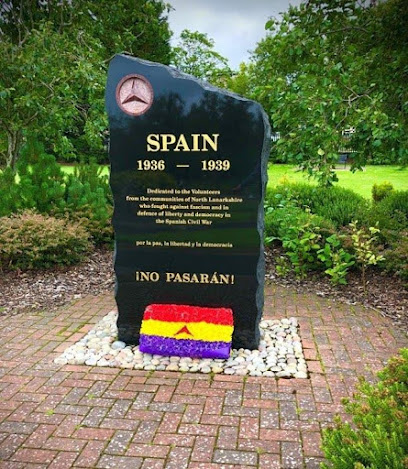
Netherton Cross (Hamilton)
22.7 km
Discover Hamilton’s oldest Christian symbol, the intricately carved 11th-century Netherton Cross, a rare relic of Scotland’s early medieval heritage.
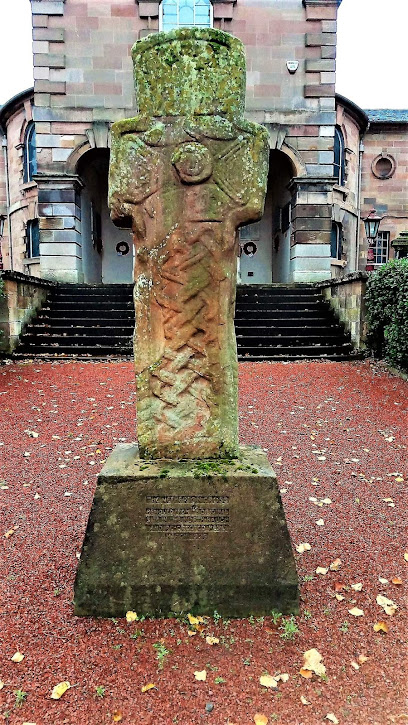
The Cross Well
22.9 km
Discover Linlithgow’s iconic crown-shaped Cross Well, a historic monument and vibrant town centre gathering spot steeped in royal heritage.
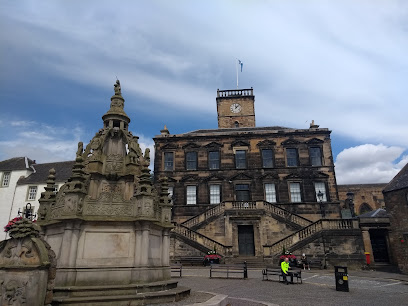
David Livingstone Birthplace
25.8 km
Discover the inspiring legacy of David Livingstone at his birthplace, a museum that brings history to life in the heart of Blantyre, Glasgow.
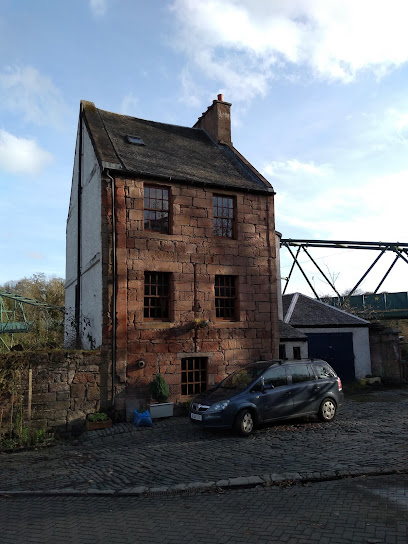
Tomb Of Sir John De Graeme
25.9 km
Medieval warrior's tomb crowned with iron and legend, where Scotland's independence struggle lives on.
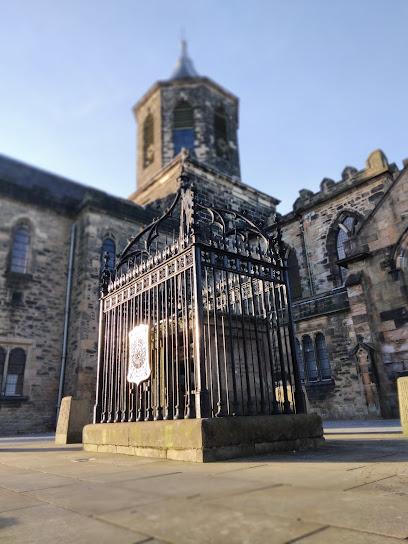
Sir John de Graeme Memorial Fountain
26.3 km
A tranquil memorial fountain in Falkirk honoring Sir John de Graeme, a valiant knight who fell at the Battle of Falkirk in 1298.
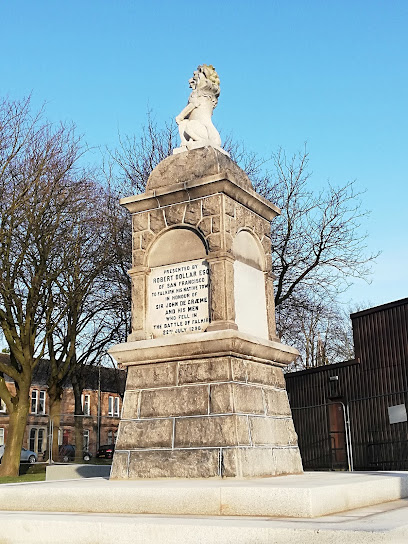
Bothwell Castle
26.6 km
Discover the historic charm of Bothwell Castle, a majestic medieval fortress in Scotland that invites exploration and adventure.
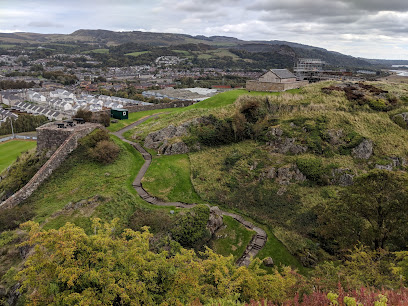
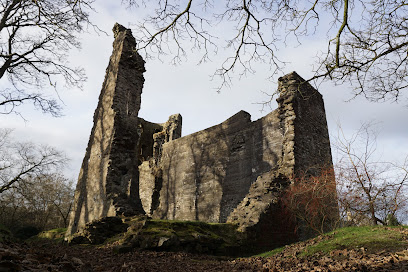
Strathaven Castle
26.8 km
Discover the haunting ruins of Strathaven Castle, a 15th-century fortress steeped in history, legend, and Scottish heritage.
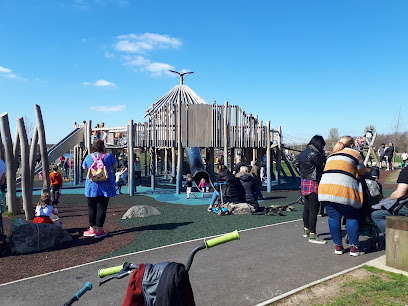
Drumpellier Country Park
27.2 km
Discover the tranquility and beauty of Drumpellier Country Park, a natural gem in Coatbridge perfect for outdoor adventures and family fun.
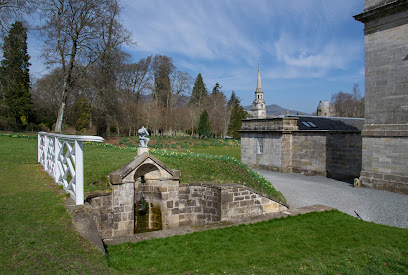
Penicuik Estate
27.3 km
Explore the enchanting Penicuik Estate, a historical landmark in the Scottish countryside with stunning architecture and beautiful gardens.
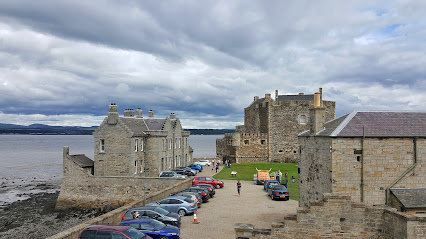
Blackness Castle
27.4 km
Explore the captivating history and stunning scenery of Blackness Castle, a unique Scottish landmark overlooking the Firth of Forth.
Unmissable attractions to see

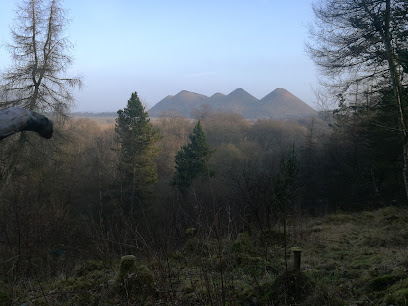
Addiewell Bing Nature Reserve
9.8 km
Explore a reclaimed oil-shale bing transformed into a vibrant nature reserve teeming with woodland, wildflowers, and wildlife near West Calder.
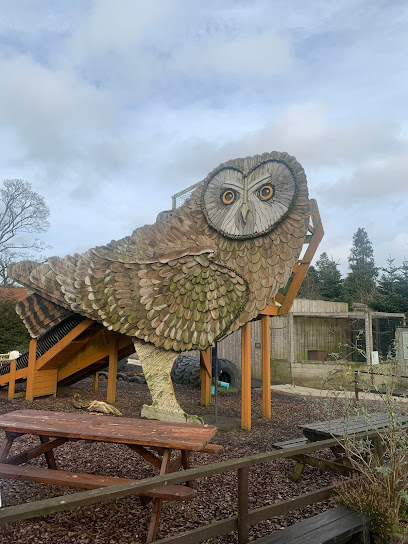
Scottish Owl Centre
10.5 km
Discover the world’s largest collection of owls and enjoy captivating flying displays in the heart of Polkemmet Country Park.
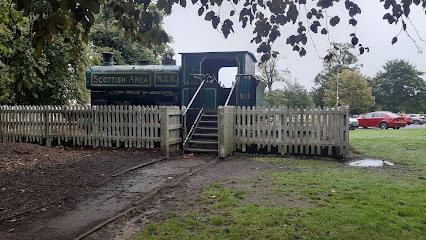
Polkemmet Country Park
10.5 km
Historic estate turned vibrant country park with woodland trails, family-friendly play, golf, and the unique Scottish Owl Centre near Whitburn.
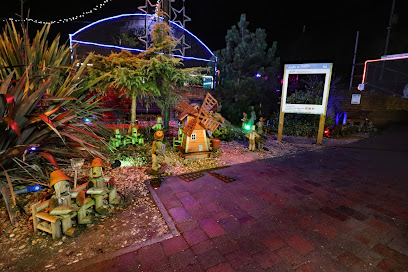
Five Sisters Zoo
11.9 km
Explore over 160 species and enjoy family-friendly wildlife encounters at Five Sisters Zoo, West Calder’s premier animal sanctuary and adventure spot.
Lanark Loch
12.8 km
A serene man-made loch near Lanark town, perfect for family outings, nature walks, fishing, and lakeside dining.
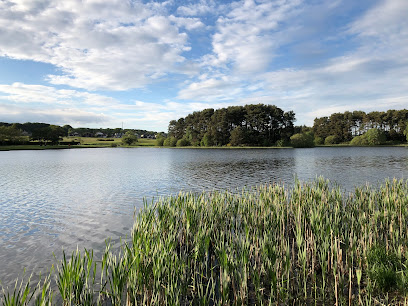
Cartland Craigs
12.9 km
Discover peaceful woodland trails and scenic river views at Cartland Craigs, a tranquil nature reserve in the heart of Lanarkshire.
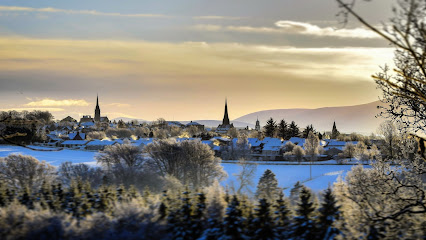
Clyde Valley Woodlands National Nature Reserve (Cartland Crags)
13.2 km
Explore ancient woodlands and dramatic gorges alive with wildlife and seasonal colors in Scotland’s Clyde Valley.
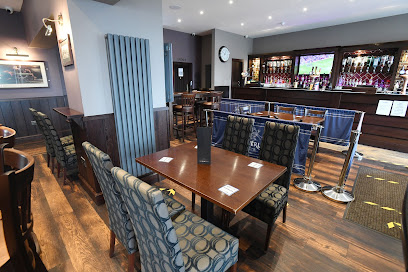
Rooms @ the Railway
14.0 km
Comfortable rooms and a classic pub atmosphere combine at Rooms @ the Railway, Bathgate’s friendly stopover spot.
New Lanark
14.2 km
Explore New Lanark, a UNESCO World Heritage cotton mill village where industrial history meets pioneering social reform and stunning natural beauty.
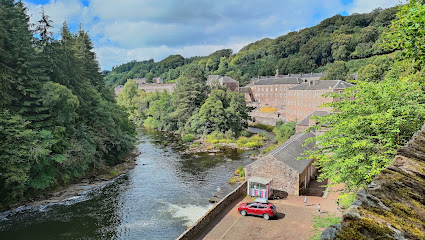
The Falls of Clyde
14.3 km
Explore spectacular waterfalls, rich wildlife, and scenic woodland trails at the Falls of Clyde near New Lanark, a natural gem in Scotland’s Clyde Valley.
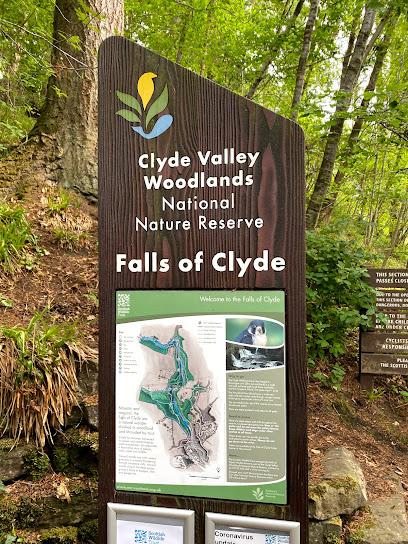
Almond Valley
14.5 km
Discover Scotland’s heritage and countryside charm at Almond Valley Heritage Centre, a lively farm and museum experience for all ages.
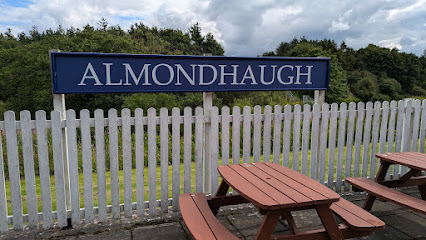
Cairns Castle, Scotland
15.0 km
Explore the evocative ruins of Cairns Castle, a 15th-century fortified keep nestled in the scenic Pentland Hills of Scotland.
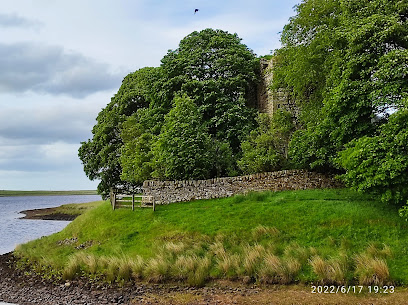
Linhouse Glen
15.1 km
Discover the serene beauty of Linhouse Glen, a diverse Scottish Wildlife Trust reserve with heathland, woodland, and rich wildlife habitats.
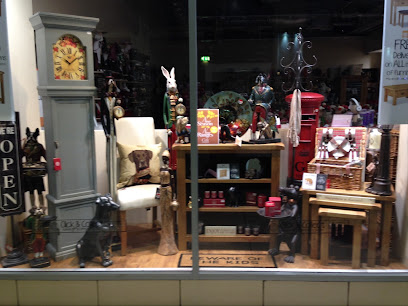
Gift Company LIVINGSTON
15.3 km
Discover unique and affordable gifts in the heart of Scotland’s largest designer outlet at Gift Company, Livingston.
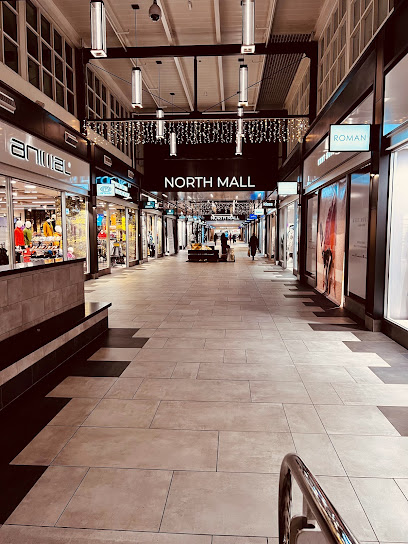
Livingston Designer Outlet
15.3 km
Scotland’s largest designer outlet with over 80 premium brands, dining, cinema, and year-round entertainment for a complete shopping adventure.
Essential places to dine

One 0 Eight Bar & Restaurant
10.2 km
Casual British and Scottish dining with friendly service in a warm, inviting setting at The Hilcroft Hotel, Bathgate.
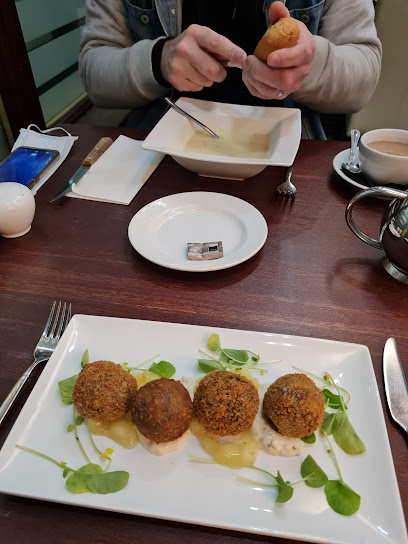
La Salute Ristorante Italiano
10.4 km
Authentic Italian cuisine with a lively atmosphere and heartfelt hospitality in the heart of West Calder.
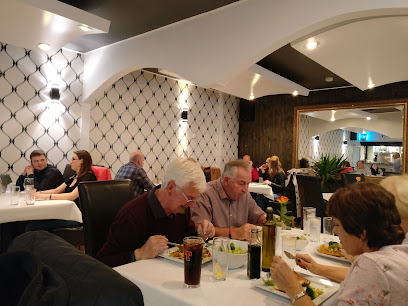
Harringtons
10.6 km
A charming family-friendly restaurant in Harthill serving top-quality British and European dishes with a warm, welcoming atmosphere.
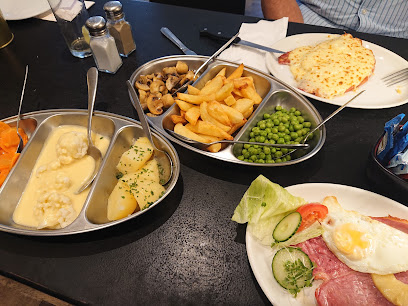
Prego Restaurant Carluke
11.4 km
Experience authentic Italian cuisine and warm hospitality in the heart of Carluke at Prego Restaurant, a vibrant spot for family and friends.
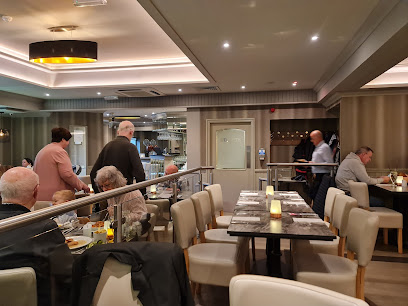
The Woodpecker Bar & Restaurant
13.1 km
A lively and welcoming pub-restaurant in Lanark offering classic dishes, gluten-free choices, and a vibrant social atmosphere.
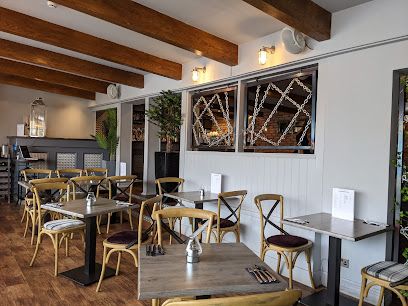
Inn On The Loch
13.1 km
Scenic lochside dining with genuine Scottish hospitality and inclusive menus.
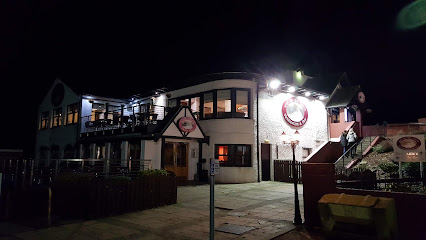
Prego
13.1 km
Experience authentic Italian flavors and warm hospitality in the heart of Lanark at Prego, a charming spot for classic cuisine and inviting ambiance.
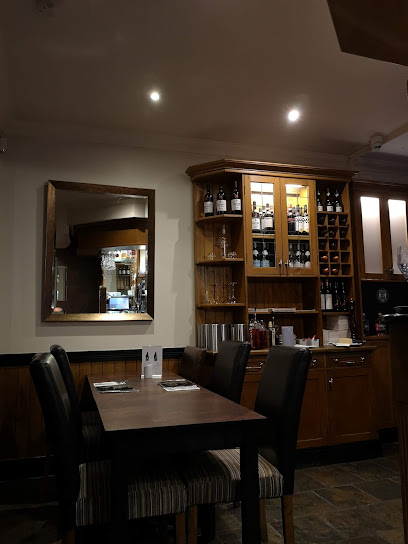
Stables Bistro
13.2 km
Cozy Italian dining nestled in the serene Lanarkmoor Country Park, perfect for relaxed meals and scenic escapes.
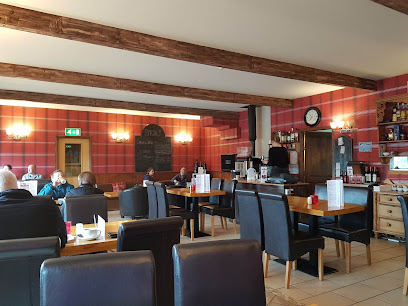
Ristorante La Vigna
13.2 km
Experience classic Italian cuisine and warm hospitality at Ristorante La Vigna, Lanark’s beloved destination for authentic flavors.
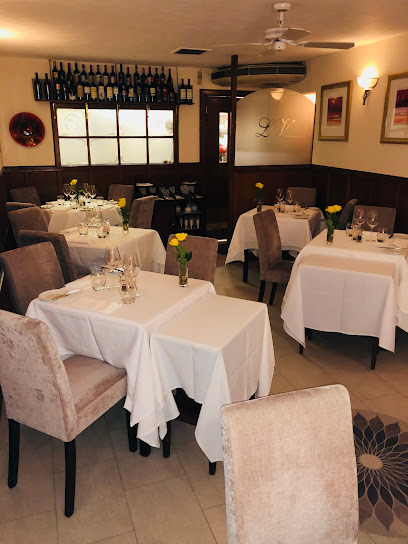
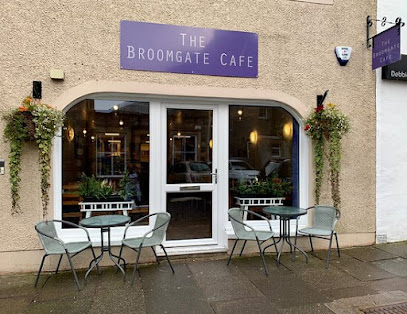
The Broomgate
13.2 km
Cozy British dining with fresh flavors and warm service in the historic heart of Lanark.
Stones Bar and Grill
13.8 km
A lively grillhouse and pub in Bellsquarry, Livingston, serving expertly cooked steaks, hearty burgers, and family-friendly fare in a warm, welcoming setting.
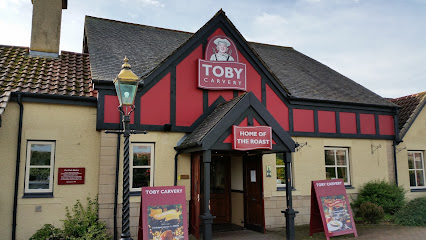
Toby Carvery Bathgate Farm
14.0 km
Traditional British carvery in Bathgate serving hearty roasts, breakfasts, and family-friendly meals in a welcoming setting.
Premier Inn Livingston (Bathgate) hotel
14.1 km
Modern comfort and friendly service at Premier Inn Livingston (Bathgate), your convenient gateway to West Lothian and Scotland’s vibrant cities.

Booffi Village - The Buffet Restaurant
14.2 km
A vibrant buffet in Wishaw serving fresh, diverse world cuisines with great value and a family-friendly atmosphere.
Hopetoun Bar & Bistro
14.3 km
Family-run award-winning bistro in Bathgate serving hearty Scottish classics in a lively, welcoming atmosphere with attentive service.
Markets, malls and hidden boutiques

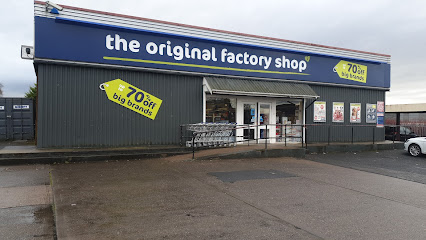
The Original Factory Shop (Carluke)
11.1 km
Discover unbeatable discounts on fashion, beauty, and home essentials at The Original Factory Shop in Carluke’s town center.
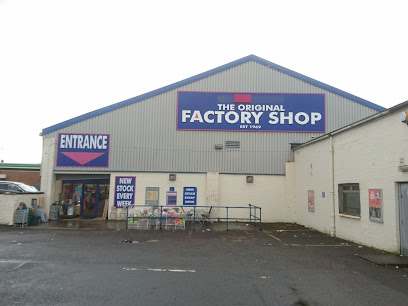
The Original Factory Shop (Bathgate)
13.8 km
Discover unbeatable deals on clothing, beauty, and home essentials at The Original Factory Shop in Bathgate, your go-to discount retailer.
Aye Do Gifts
13.9 km
Discover personalized gifts and keepsakes crafted with care at Aye Do Gifts, Livingston’s family-run treasure trove for all occasions.
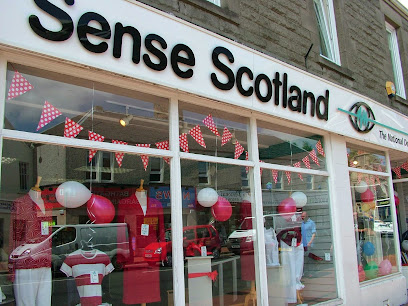
Sense Scotland
14.1 km
Discover unique vintage finds and support a vital Scottish charity at Sense Scotland’s Bathgate shop, a hub of community and sustainability.
B&Q Livingston
14.7 km
Your all-in-one home improvement store in Livingston, offering expert advice, extensive DIY supplies, and seasonal specials.
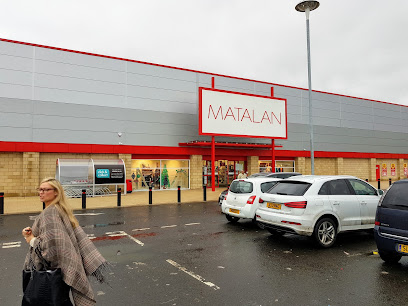
Matalan
14.7 km
Affordable family fashion and homewares in the heart of Livingston's retail district.
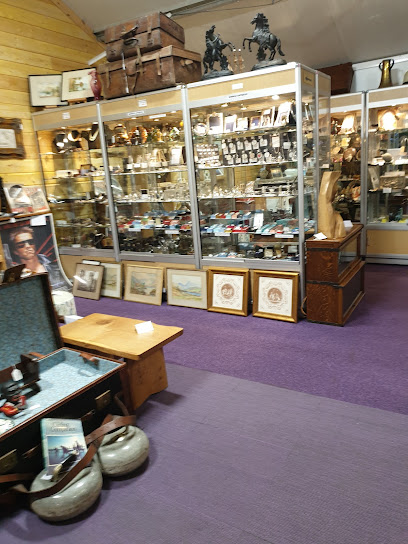
Clyde Valley Antiques Centre
15.2 km
Curated antiques and collectibles in Scotland's Clyde Valley, where history meets horticulture.
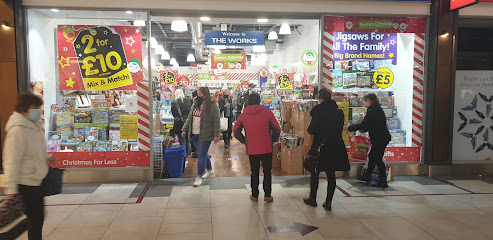
The Works
15.3 km
Affordable creativity and family-friendly shopping meet at The Works in Livingston Designer Outlet.
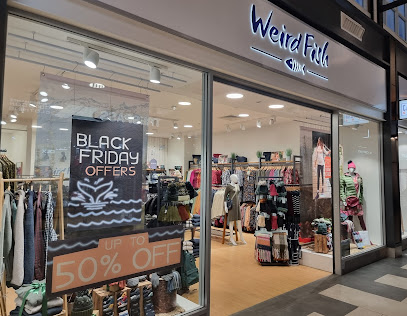
Weird Fish Livingstone Store
15.3 km
Discover durable, stylish casual wear at Weird Fish Livingston, nestled in Scotland’s largest designer outlet with accessible shopping and great prices.
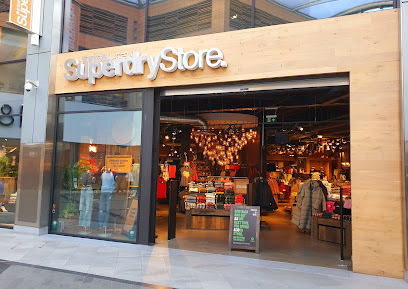
Superdry
15.4 km
Discover premium British casualwear and sustainable style at Superdry Livingston in The Centre, Almondvale South.
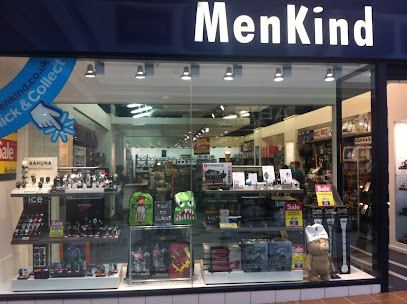
Menkind
15.7 km
Discover unique gadgets, pop culture collectibles, and wellness gifts tailored for men at Menkind Livingston, Scotland’s premier men’s gift shop.
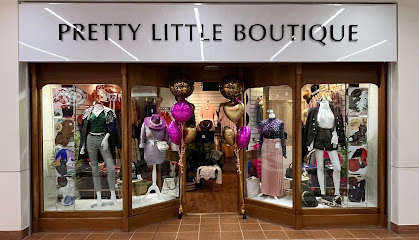
Pretty Little Boutique
15.7 km
Discover unique hats and jewelry with personalized service at Pretty Little Boutique in the heart of Livingston’s vibrant shopping centre.
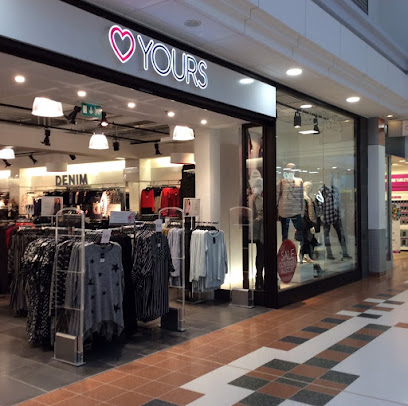
Yours Clothing
15.8 km
Discover stylish plus-size fashion at Yours Clothing Livingston, your go-to store for flattering women's apparel in sizes 10-36.
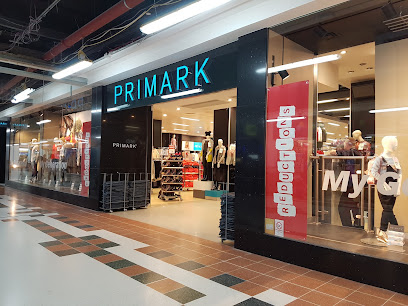
Primark
15.8 km
Discover budget-friendly fashion and homeware across three floors at Primark Livingston, located in the heart of The Centre shopping complex.
Shoppittstar
15.9 km
Explore Shoppittstar in Livingston for unique gifts and local treasures that capture the essence of your travels.
Essential bars & hidden hideouts

The Inns
1.5 km
A cozy, affordable Scottish pub and restaurant on Main Street, Forth, perfect for hearty meals and friendly gatherings.
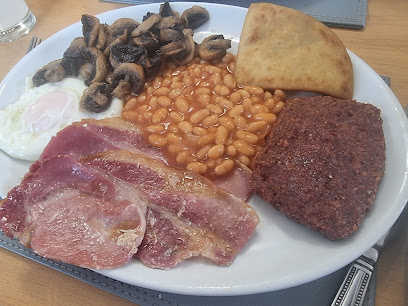
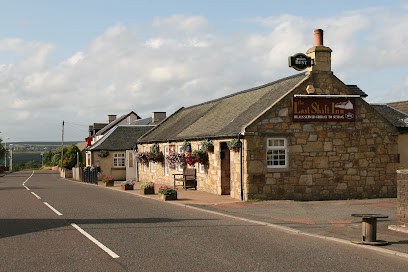
The Last Shift Braehead
4.0 km
A welcoming village pub in Braehead offering classic British fare, real ales, and a cozy atmosphere for locals and visitors alike.
Masons Arms
8.9 km
A cozy and friendly village pub in Carnwath offering classic dishes, welcoming atmosphere, and comfortable rooms for a true Scottish experience.
The Railway Inn
10.5 km
A cozy, community-focused pub in West Calder serving hearty meals and warm hospitality in a welcoming atmosphere.
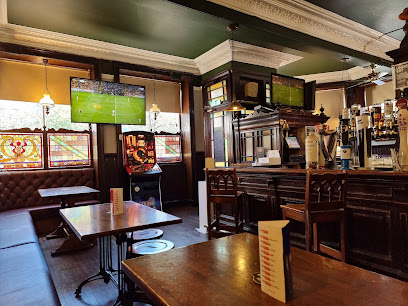
Central Inn
10.5 km
A friendly, traditional pub and versatile event venue at West Calder’s heart, known for great atmosphere and warm hospitality.
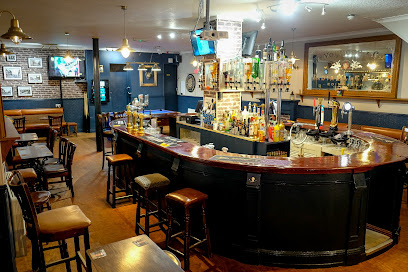
Commercial Inn
10.7 km
A friendly, lively pub in West Calder offering great drinks, hearty food, and vibrant entertainment in a welcoming local setting.
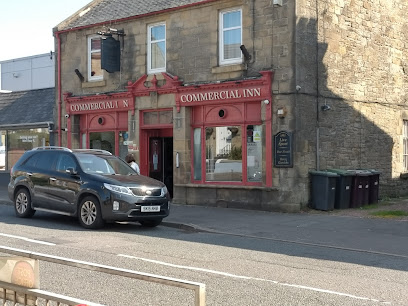
The Caledonian Bar, Gallery Bistro & Late Lounge
11.4 km
A vibrant grill and bar venue in Carluke blending dining, art, and nightlife with a welcoming and lively atmosphere.
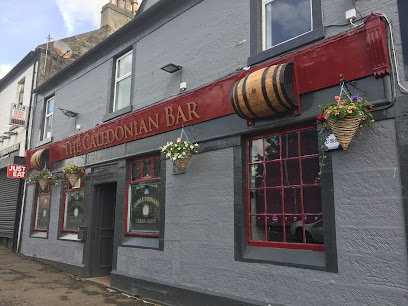
Murray Bar
11.9 km
Discover the charm of Murray Bar in Polbeth, where friendly service meets a cozy atmosphere and a great selection of drinks.
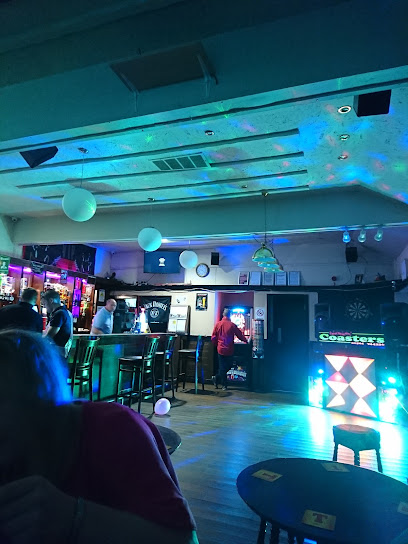
Rowan Tree
12.2 km
A vibrant, family-friendly pub in Armadale offering fresh pub classics, vegan options, and a welcoming atmosphere with a stylish conservatory and beer garden.
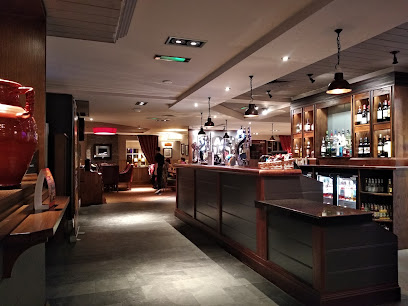
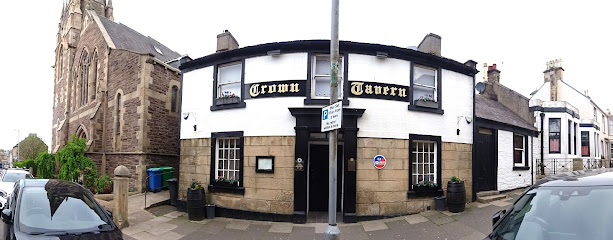
The Crown Tavern
13.1 km
A welcoming pub and restaurant in Lanark blending traditional Scottish charm with modern dining in a cozy community setting.
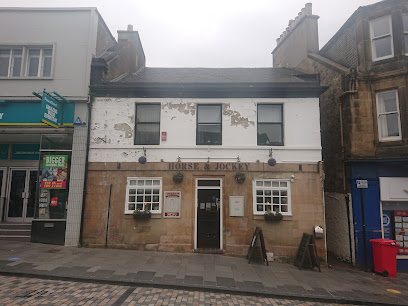
Horse & Jockey Bar
13.1 km
A welcoming Lanark pub blending historic charm with hearty food and lively drinks in the town centre.
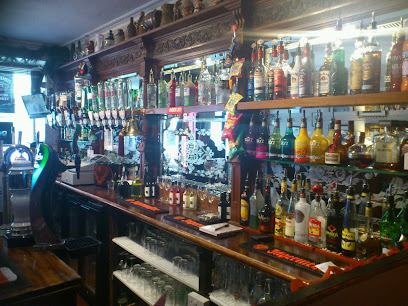
Maisies Bar
13.2 km
A cozy and friendly pub in Lanark’s heart, offering a warm welcome and great drinks in an intimate setting.
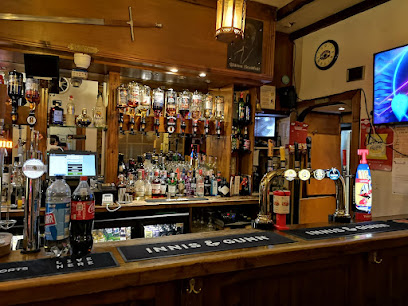
The Wallace Cave
13.2 km
A cosy, friendly pub in Lanark’s heart offering a warm Scottish welcome with great drinks and local charm.
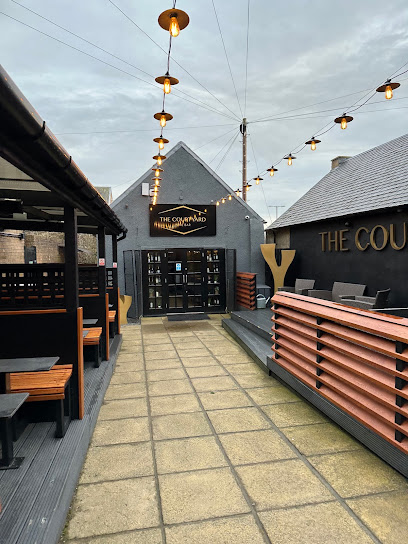
The Courtyard Wine Bar
13.2 km
Discover Lanark’s cozy hidden wine bar with excellent wines, tapas, and a charming heated outdoor courtyard for year-round enjoyment.
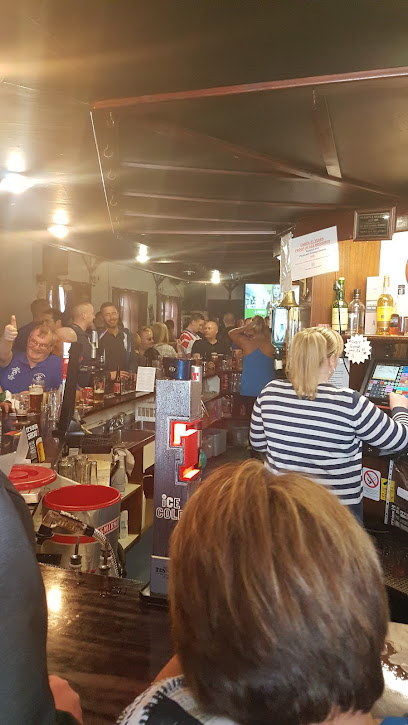
Coppies Bar
13.5 km
A lively and friendly sports bar in Armadale offering great drinks, community spirit, and regular entertainment in a welcoming Scottish pub setting.
Nightclubs & after hour spots

The Twig Nightclub
14.4 km
Bathgate’s oldest nightclub offering lively, affordable, and historic nightlife experiences every Saturday night.
I-Kandy Nightclub
21.4 km
Discover the electrifying nightlife at I-Kandy Nightclub in Airdrie, where vibrant music and a lively atmosphere await!
Pulse
21.7 km
Experience Airdrie’s vibrant nightlife at Pulse Nightclub, where music, dancing, and unforgettable moments come alive.
West Lothian Casting Agency
21.8 km
Discover the vibrant adult entertainment scene at West Lothian Casting Agency, where immersive performances and themed events await every visitor.
Hamilton Palace
22.4 km
Lively nightclub, bar, and restaurant in Hamilton’s city center, open late on weekends for vibrant nightlife and entertainment.
ROC Nightclub Hamilton
22.5 km
Experience Hamilton’s vibrant late-night scene at ROC Nightclub, the city’s energetic hub for weekend parties and music from 11 PM to 3 AM.

Eden Night Club
23.9 km
Vibrant late-night hotspot in Coatbridge offering house, R&B, and chart music with a lively atmosphere and smart dress code.

Avenue Nightclub Coatbridge
23.9 km
Coatbridge’s premier late-night nightclub for over-21s, offering vibrant music, modern vibes, and a lively weekend party scene.
City Nightclub
26.0 km
Experience Falkirk’s vibrant nightlife at City Nightclub, the town’s energetic weekend hotspot for music, dancing, and late-night fun.
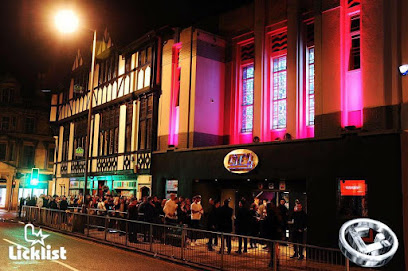
XOXO
26.0 km
Central Scotland’s largest nightclub offering vibrant nightlife, pool hall fun, and private event spaces in the heart of Falkirk.
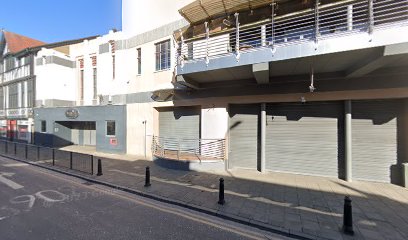
Downtown Nightclub
31.4 km
Experience East Kilbride’s vibrant weekend nightlife at Downtown Nightclub, a hub of music, dancing, and late-night energy in the town centre.
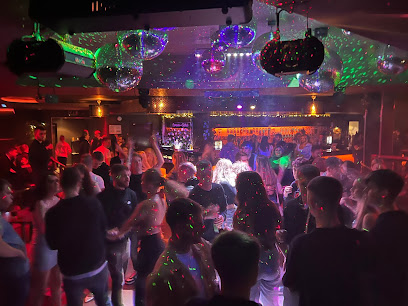
Skye Nightclub & Lounge
31.7 km
Energetic nightclub and lounge in East Kilbride offering vibrant nightlife, music, and drinks in a stylish setting.
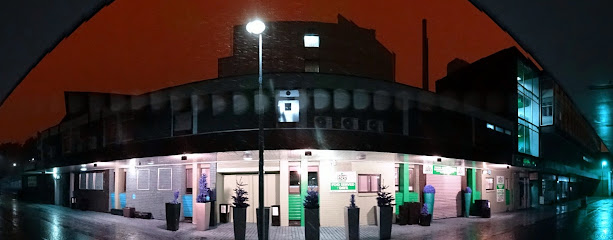
Hustlers Pool Hall
33.3 km
Affordable, lively pool hall and sports bar in Rosyth offering fun games, friendly vibes, and great social atmosphere for all ages.
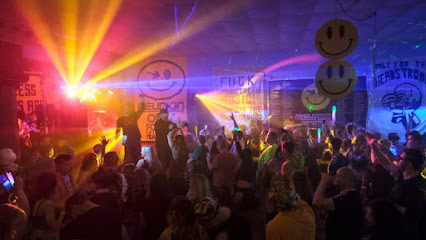
PDT Please Don’t Tell
34.9 km
Edinburgh’s intimate speakeasy-style nightclub offering expertly crafted cocktails and a cozy, conversation-friendly atmosphere.

Club Tropicana
34.9 km
Experience Edinburgh’s vibrant retro nightlife with classic disco hits and lively dance floors at Club Tropicana on Lothian Road.
For the vibe & atmosphere seeker
- Tranquil
- Scenic
- Unique
- Relaxing
For the design and aesthetic lover
- Rustic Designs
For the architecture buff
- Historic
- Heritage Neighborhoods
- Parks & Gardens
For the view chaser and sunset hunter
- Iconic Views
- Panoramas
For the social media creator & influencer
- Instagrammable
- Photo Spots
- Selfie Spots
For the eco-conscious traveler
- Protected Area
- Nature Reserve
- Public-Transport Accessible
- Locally Managed
For the kind of experience you’re after
- Cultural Heritage
- Photowalk
- Nature Escape
- Day Trip
- Weekend Getaway
For how adventurous you want the journey to be
- Easy Access
Location Audience
- Family Friendly
- Senior Friendly
- Child Friendly
- Teen Friendly
- Wheelchair Access
- Solo Friendly
- Couple Friendly


