
Pennine Tower, Lancashire Travel Guide
A striking 1960s hexagonal tower at Forton Services on the M6, blending Brutalist design with panoramic views and rich motorway heritage.
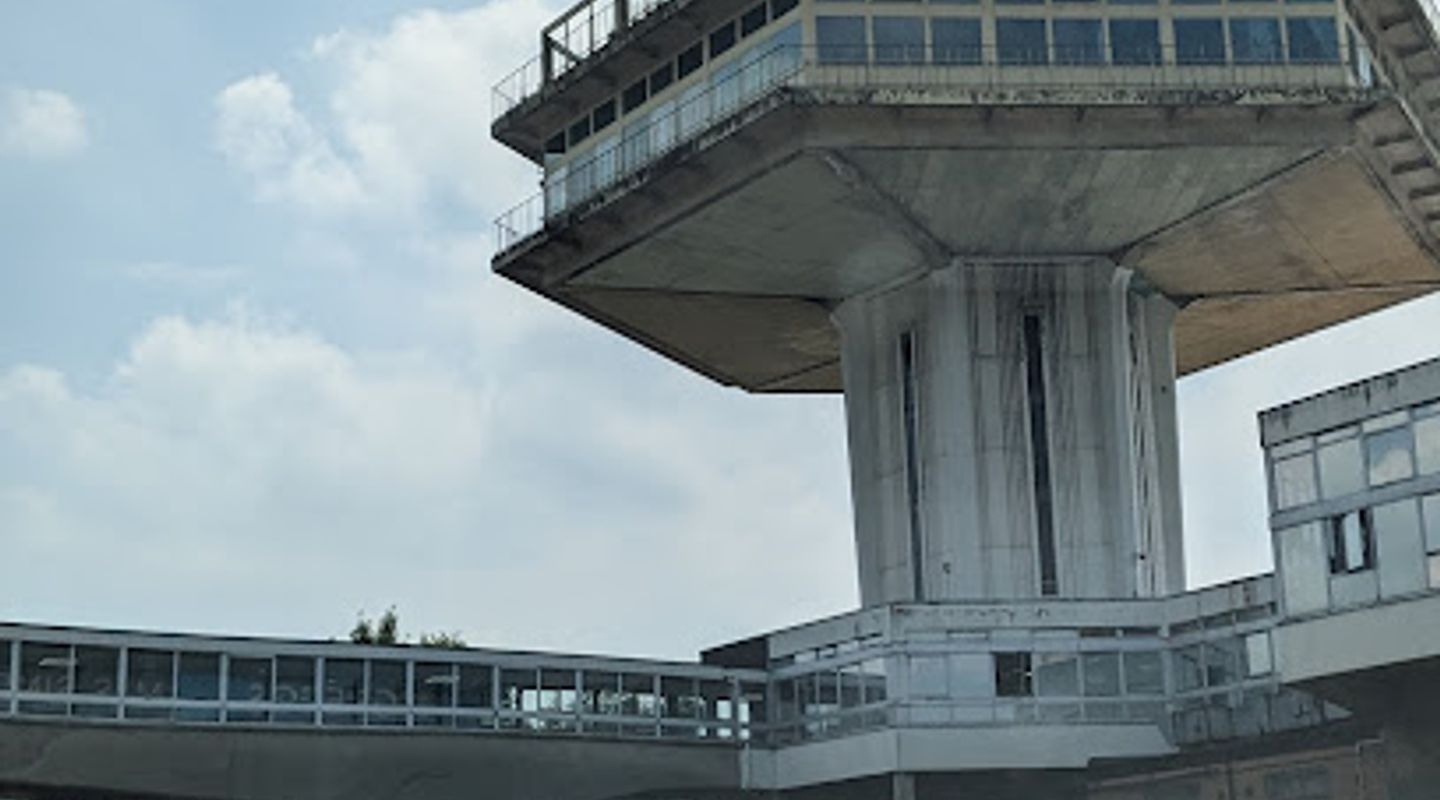
The Pennine Tower is a distinctive hexagonal concrete structure at Forton Services on the M6 near Lancaster, England. Opened in 1965 as an upmarket restaurant with panoramic views, it was designed to resemble an air traffic control tower. Despite its early prestige, it closed in 1989 due to fire safety regulations and is now a Grade II listed landmark used for storage and staff training.
A brief summary to Pennine Tower
- Forton motorway services, M6, Lancaster, LA2 9DU, GB
- Click to display
- Duration: 0.5 to 1.5 hours
- Budget
-
 Outdoor
- Mobile reception: 4 out of 5

Know before you go
Hi, I'm Eve. Here are a few practical things to know before exploring Pennine Tower.
- Visit on a clear day to appreciate the expansive views of the Lancashire countryside and Morecambe Bay from the tower’s observation level.
- Although the tower is closed to the public, explore the surrounding Forton Services for amenities and motorway facilities.
- Photography enthusiasts can capture the tower’s distinctive hexagonal Brutalist architecture from the motorway bridge.
- Learn about the tower’s Cold War history and cultural significance through local heritage resources and architectural archives.
Do you manage this location?
Take control to get all the benefits, like improved information, better appearance, and stronger visibility across AI-powered discovery. Learn more about listing your business on Evendo
Activate your presenceOther nearby places you may find interesting
The closest places of the same kind, if this one is not quite what you had in mind.
Explore Pennine Tower on the Map
A handpicked selection of must-see spots near Pennine Tower, mapped for you.
Getting There
-
Car
Traveling by car on the M6 motorway, the Pennine Tower is located between junctions 32 and 33 near Lancaster. Allow 1.5 to 2 hours from central Manchester, depending on traffic. Parking is available at Forton Services on both northbound and southbound sides. Note that the tower itself is not accessible to the public.
-
Train and Taxi
From Lancaster railway station, take a taxi to Forton Services, approximately 20 minutes away. Taxi fares typically range from £15 to £25. Public transport options directly to the services are limited.
-
Coach
Some regional coach services stop at nearby motorway services along the M6. Check local coach operators for availability. Walking from coach stops to the tower involves uneven terrain and is not recommended for those with mobility issues.
For the on-the-go comforts that matter to you
-
 Restrooms
-
 Drink Options
-
 Food Options
-
 Seating Areas
-
 Information Boards
Discover more about Pennine Tower
Architectural Vision and Design
The Pennine Tower stands as a striking example of mid-20th century motorway architecture, designed by Bill Galloway and Ray Anderson of T. P. Bennett and Son. Its hexagonal, cantilevered shape was inspired by the form of an air traffic control tower, embodying the optimistic, futuristic spirit of the 1960s. Constructed from reinforced concrete, the tower rises approximately 65 feet (around 20 meters) and spans 74 feet across, creating a bold silhouette visible from the northbound carriageway of the M6 motorway. The design included two levels: a restaurant and an open sun deck, offering expansive views across the Lancashire countryside, Morecambe Bay, and the Bowland Fells.Historical Context and Operations
Opened in November 1965 as part of Forton Services (now Lancaster Services), the Pennine Tower was among the earliest motorway service stations in the UK, following Charnock Richard. It was operated initially by The Rank Organisation and quickly gained a reputation for its upmarket dining experience, serving dishes such as steak and lobster. The tower became a popular destination for motorists seeking a modern and unique stopover, even attracting notable visitors like The Beatles. However, logistical challenges such as limited kitchen space and difficult delivery access, combined with high operating costs and lower-than-expected traffic, led to financial difficulties. By the late 1980s, changing fire safety regulations deemed the tower unsafe for public use due to its single central lift shaft and lack of alternative emergency exits.Decline and Preservation
The restaurant closed in 1989, and the tower was repurposed for storage and occasional staff training. Despite its closure, the Pennine Tower remains an iconic local landmark, affectionately nicknamed 'the mushroom' due to its shape. It was granted Grade II listed status in 2012, recognizing its architectural significance and cultural heritage as a symbol of post-war Brutalist design and motorway history. Recent efforts include repainting the tower in beige and refurbishing one of its passenger lifts, although it remains closed to the public and would require significant investment to reopen.Cultural Significance and Legacy
Beyond its architectural and functional role, the Pennine Tower holds a special place in local lore and popular culture. It was reputedly part of the UK's Cold War microwave communication network and featured in the 1986 music video for 'Dickie Davies Eyes' by the cult indie band Half Man Half Biscuit. The tower's bar, once licensed to stay open late, was a social hub where travelers could spot celebrities and enjoy the cosmopolitan atmosphere. Today, it stands as a nostalgic emblem of a bygone era of motorway travel and dining, evoking the spirit of 1960s Britain.Setting and Surroundings
Situated on the northbound side of the M6 motorway between junctions 32 and 33, the Pennine Tower overlooks the scenic Lancashire plains and the Forest of Bowland. The adjacent Forton Services continues to operate, featuring modern facilities connected by a pedestrian bridge with lifts on both sides of the motorway. The tower’s location offers stunning views of Morecambe Bay to the west and the Trough of Bowland to the east, making it a prominent visual landmark for motorists traveling through northwest England.Challenges and Future Prospects
While the tower’s unique design and heritage status protect it from demolition, its future use remains uncertain. The building’s interior has suffered from neglect and accumulation of dirt, and reopening would require addressing fire safety compliance and extensive refurbishment. Nonetheless, the Pennine Tower continues to captivate enthusiasts of Brutalist architecture and motorway history, symbolizing both the ambition and challenges of mid-century infrastructure development.












Your all‑in‑one travel companion app
Explore expert travel guides, compare and book tours, experiences, hotels, and more—all from the palm of your hand. Download now for seamless trip planning wherever your wanderlust takes you.


Explore More of Lancashire
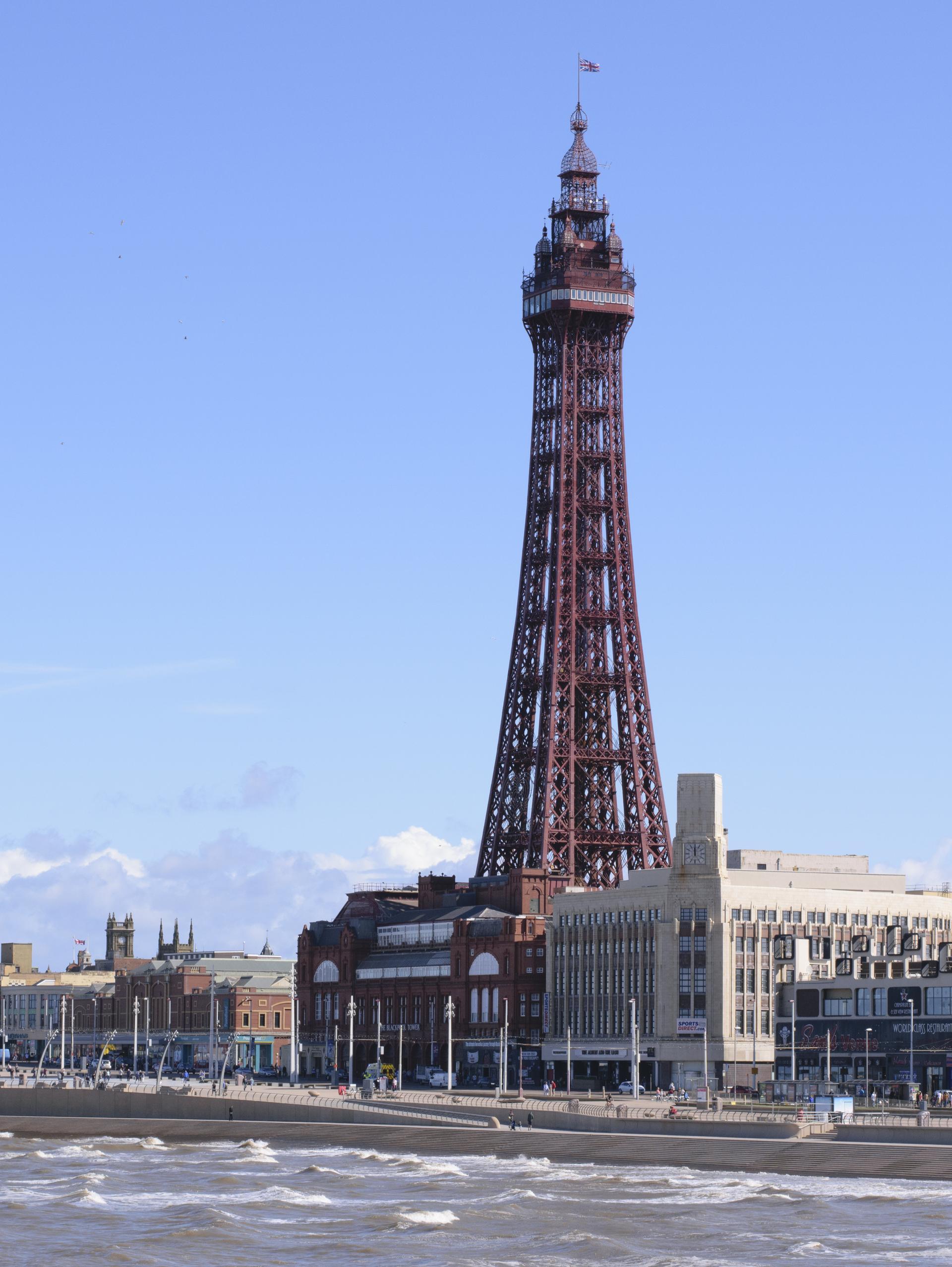
Looking beyond Pennine Tower? Discover Lancashire for broader travel guides, local hot-spots, and regional highlights.
Explore Lancashire
Explore the evocative ruins of a 14th-century rectory, a testament to medieval life and ecclesiastical power in the heart of Warton village.
Historic working marina and tidal port blending maritime heritage, scenic canal walks, and vibrant wildlife in a charming Lancaster coastal village.
