

The Clock Tower Travel Guide
Free Guide: Historic Elizabethan-style Clock Tower standing proudly on Morecambe’s seafront, symbolizing the town’s Victorian heritage and timeless charm.


A brief summary of The Clock Tower
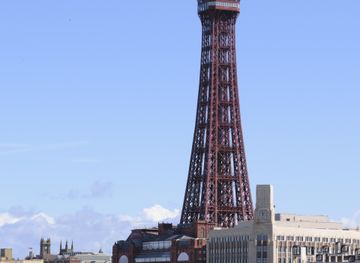
Historic Elizabethan-style Clock Tower standing proudly on Morecambe’s seafront, symbolizing the town’s Victorian heritage and timeless charm.
The Clock Tower in Morecambe, Lancashire, is a distinguished Grade II listed building that stands as a prominent historic landmark on the town’s seafront. Built in the early 20th century, this brick and sandstone tower features Elizabethan architectural influences and a cruciform base with corner buttresses. It symbolizes Morecambe’s rich heritage as a Victorian seaside resort and offers visitors a glimpse into the town’s architectural and cultural past.
On-site amenities
 Restrooms
 Drink options
 Food options
 Seating areas
 Trash bins
 Information boards
Opening hours
- Every dayOpen 24 hours
Opening hours as listed on the venue’s Google Business Profile. Hours can change for services and special events, so check with the venue before you go.
- Address
- Morecambe LA4 5BX
- Phone
- Website
Getting there
Bus
Train
Car
Discover more about The Clock Tower
Architectural Elegance Rooted in History
The Clock Tower in Morecambe was constructed between 1904 and 1905, embodying the Elizabethan style with its distinctive brickwork accented by sandstone banding and dressings. The tower rises on a cruciform base supported by corner buttresses, lending it a robust and stately presence. Its square form is crowned by two clock faces that have long served as a timekeeping beacon for locals and visitors alike. The use of sandstone and slate roofing complements the coastal setting, harmonizing with Morecambe’s historic architectural fabric.
A Symbol of Morecambe’s Seaside Heritage
Morecambe evolved from a small fishing village named Poulton into a popular Victorian seaside resort, especially following the arrival of the railway in 1850. The Clock Tower stands as a testament to this transformation, marking the town’s growth and prosperity during the late 19th and early 20th centuries. Positioned prominently on Marine Road Central, it has witnessed the ebb and flow of Morecambe’s fortunes and remains a cherished landmark reflecting the town’s identity.
Design Details and Surroundings
The tower’s design includes a porte-cochère supported by cast iron columns, adding a touch of elegance and functionality to its façade. The clock faces are set within a gable on the central block, which is flanked by six-bay wings leading to gabled pavilions. This combination of elements creates a visually balanced and architecturally rich structure. The Clock Tower’s location near the seafront offers visitors scenic views and a connection to Morecambe’s maritime atmosphere.
Preservation and Cultural Significance
As a Grade II listed building, The Clock Tower is legally protected for its special architectural and historic interest. This status ensures that its character and integrity are preserved for future generations. The tower not only serves as a functional timepiece but also as a cultural symbol that celebrates Morecambe’s heritage. Its listing highlights the importance of conserving such landmarks that contribute to the town’s unique historical landscape.
Visitor Experience and Atmosphere
Visitors to The Clock Tower can appreciate its historic charm and architectural details up close while enjoying the vibrant seafront environment. The area around the tower is lively yet retains a sense of timelessness, inviting leisurely exploration. The Clock Tower’s presence enriches the local streetscape and offers a picturesque backdrop for photography and cultural appreciation.
Legacy in the Community
Beyond its architectural merits, The Clock Tower holds a place in the hearts of Morecambe’s residents as a familiar and enduring landmark. It symbolizes the town’s resilience and ongoing connection to its past, anchoring community identity amid changing times. The tower continues to be a focal point for local events and a reminder of Morecambe’s storied history as a beloved coastal destination.
Evendo Review Centre
 Google
Guest reviews
Best time to go
Quietest: Jan, Feb & Dec · before 3am
Busy times are Evendo estimates for a typical year, to help you plan. Actual crowds vary with events, school holidays and the weather.
Explore The Clock Tower on the map
A handpicked selection of must-see spots near The Clock Tower, mapped for you.
Get your free copy of our complete guide to The Clock Tower, delivered straight to you.
Everything on this page, from opening hours and how to get there to Eve’s tips and the best time to go, in one PDF you can read offline, print or share.
Already have an account? Sign in
Your The Clock Tower guide is ready.
We'll send it to · Not you? Sign out

Getting your guide ready…
We are putting together a fresh copy of the The Clock Tower guide. This can take up to a minute.
This can take a few moments. If your browser asks, choose Allow so the download can start. You'll find the guide in your Downloads folder.
Nothing happened? Download it again
Sorry, the guide is taking longer than usual. Please try again in a minute, or get it by email instead.
Other nearby places you may find interesting
The closest places of the same kind, if this one is not quite what you had in mind.
-
-
-
-
-


Swipe for more places
More to explore near The Clock Tower

 Best experiences near The Clock Tower
 Best hotels near The Clock Tower
 Best landmarks near The Clock Tower
 Best attractions near The Clock Tower
 Best shops near The Clock Tower
 Best restaurants near The Clock Tower
 Best bars near The Clock Tower
Do you manage this location?
Take control to get all the benefits, like improved information, better appearance, and stronger visibility across AI-powered discovery.
Explore more
Explore more of Lancashire
Discover Lancashire: A perfect blend of stunning landscapes, rich history, and vibrant culture in the heart of England's northwest.
Explore Lancashire
Explore more of United Kingdom
Discover the United Kingdom: A blend of rich history, stunning landscapes, and vibrant cities, offering a unique travel experience for every visitor.
Explore United Kingdom
