
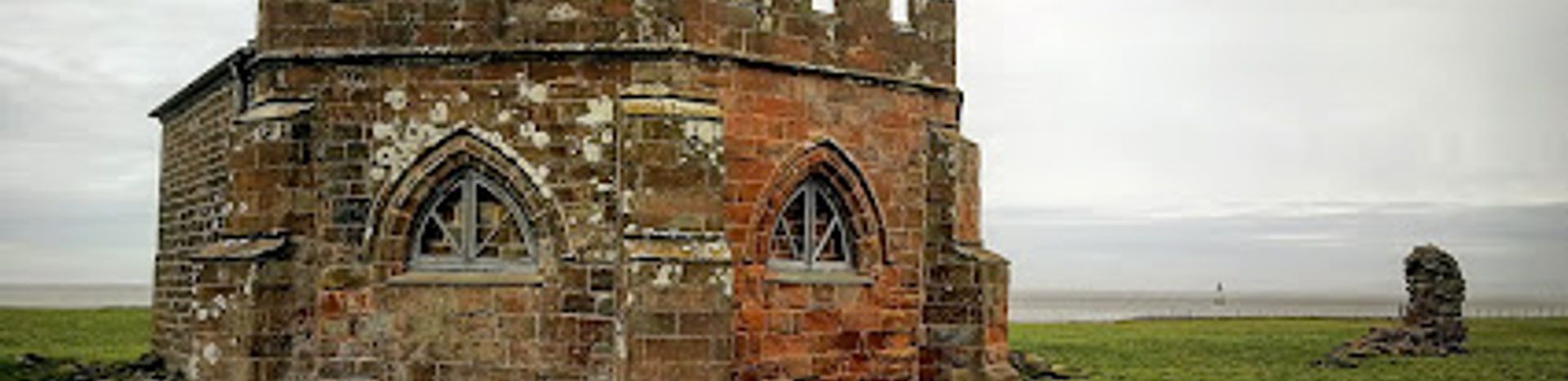
Cockersand Abbey: A Serene Remnant of Medieval Monastic Life
Explore the tranquil ruins and majestic chapter house of Cockersand Abbey, a serene medieval landmark steeped in Lancashire’s rich monastic history.
Cockersand Abbey, near Cockerham in Lancaster, Lancashire, is a historic former Premonstratensian abbey founded before 1184. Known for its beautifully preserved 13th-century chapter house, the abbey stands on marshland once drained for agriculture. Though dissolved in 1539, its ruins evoke centuries of monastic history and local heritage, set amidst tranquil coastal landscapes near the River Cocker.
A brief summary to Cockersand Abbey
- Lancaster, Cockerham, GB
- Duration: 0.5 to 2 hours
- Free
-
 Outdoor
- Mobile reception: 4 out of 5
- Monday 8 am-8 pm
- Tuesday 8 am-8 pm
- Wednesday 8 am-8 pm
- Thursday 8 am-8 pm
- Friday 8 am-8 pm
- Saturday 8 am-8 pm
- Sunday 8 am-8 pm
Local tips
- Visit during Heritage Open Days to gain access inside the vaulted chapter house, which is otherwise rarely open to the public.
- Bring sturdy footwear as the terrain around the abbey includes marshy and uneven ground.
- Combine your visit with a walk along the nearby Lancashire coast for scenic views and wildlife spotting.
- Respect the site’s fragile ruins and observe any signage to help preserve this historic monument.

For the on-the-go comforts that matter to you
- Seating Areas
- Information Boards
- Restrooms
Getting There
-
Car
Driving from Lancaster city center takes approximately 25 to 35 minutes via the A588 road. Parking is limited near the abbey, so plan to park in designated areas in Cockerham village and walk the remaining 1.5 kilometers over flat terrain. No parking fees apply.
-
Bus
Local bus services from Lancaster to Cockerham operate several times daily, with a journey time of around 40 to 50 minutes. From Cockerham, the abbey is a 20-minute walk along country lanes and footpaths. Bus tickets cost approximately £4-£6 one way.
-
Walking
For active visitors, a scenic 5-kilometer walk from Cockerham village to the abbey takes about 1 to 1.5 hours across mostly flat, rural terrain with some uneven ground. Suitable for most fitness levels but not wheelchair accessible.
Cockersand Abbey location weather suitability
-
 Any Weather
-
 Clear Skies
-
 Mild Temperatures
-
 Rain / Wet Weather
-
 Windy Conditions
Discover more about Cockersand Abbey
Origins and Monastic Heritage
Cockersand Abbey began its existence before 1184 as the Hospital of St Mary on marshy land near the River Cocker. It was originally affiliated with Leicester Abbey and later refounded in 1190 by Theobald Walter, 1st Baron Butler, as a Premonstratensian priory. Elevated to abbey status in 1192, it served both religious and charitable functions, including hospital care. The abbey's location on marshland, which was later drained, earned it the name St. Mary's of the Marsh.Architectural Highlights and Preservation
The abbey's most significant surviving structure is the vaulted chapter house, built around 1230. This Grade I listed building and scheduled ancient monument is remarkable for its intact medieval architecture and was used as a family mausoleum by the Dalton family during the 18th and 19th centuries. Though much of the church and monastic buildings lie in ruins, the chapter house remains a focal point for visitors, occasionally open during special heritage events.Historical Transitions and Ownership
Cockersand Abbey was among Lancashire’s wealthiest abbeys before its dissolution in 1539 under King Henry VIII’s Dissolution of the Monasteries. Afterward, the land was acquired by John Kechyn and later passed to the Dalton family through marriage. The Daltons maintained the site, preserving the chapter house and using it as a burial place for over twenty descendants, linking the abbey’s medieval past with local gentry history.Setting and Atmosphere
Situated near the mouth of the River Cocker on a windswept coastal plain, the abbey’s ruins occupy a tranquil and somewhat isolated landscape. The surrounding marshes and farmland create a peaceful environment that contrasts with the abbey’s turbulent history. Visitors experience a sense of solitude and reflection amid the ruins, enhanced by the natural beauty of the Lancashire coast.Visitor Experience and Cultural Significance
Though access to the interior is limited, the abbey’s exterior and chapter house offer a tangible connection to medieval monastic life. The site’s historical importance is recognized through preservation grants and scheduled monument status. It serves as a cultural landmark reflecting religious, architectural, and social history, attracting those interested in heritage, archaeology, and quiet contemplation.Continuing Legacy and Community Role
Cockersand Abbey remains a symbol of the region’s medieval heritage and the enduring legacy of monastic institutions in England. Its preservation efforts highlight the community’s commitment to safeguarding historical sites. The abbey also enriches local identity, featuring in heritage open days and educational programs that keep its story alive for future generations.Iconic landmarks you can’t miss

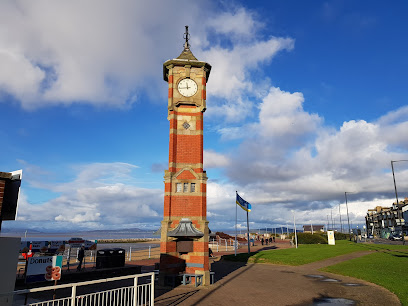
The Clock Tower
10.8 km
Historic Elizabethan-style Clock Tower standing proudly on Morecambe’s seafront, symbolizing the town’s Victorian heritage and timeless charm.
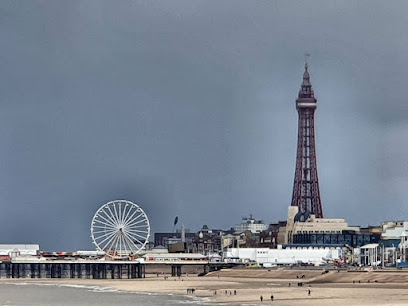
Everything Blackpool
20.4 km
Blackpool's vibrant main artery connecting seaside charm with urban energy and LGBTQ+ pride.
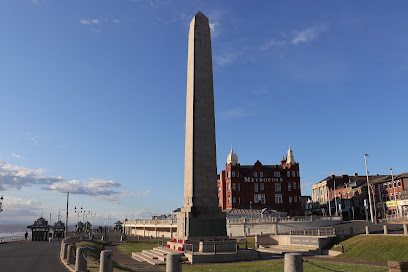
Blackpool War Memorial
21.1 km
A towering seafront cenotaph where Blackpool honours its fallen, blending solemn remembrance with the rhythm of the Irish Sea.
Blackpool Town Hall
21.1 km
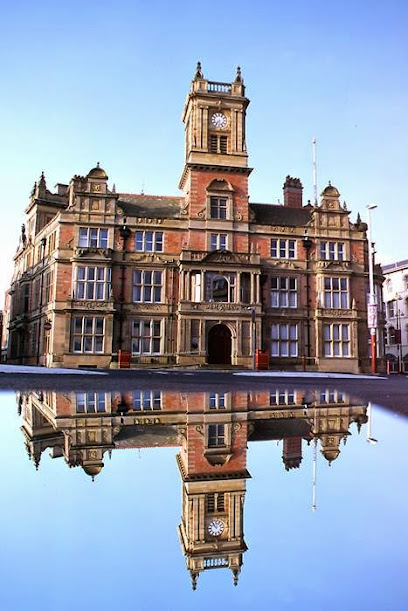
Historic Jacobean-style Blackpool Town Hall, a civic landmark with grand clock tower and rich heritage in the heart of Talbot Square.
The Blackpool Tower Ballroom
21.4 km
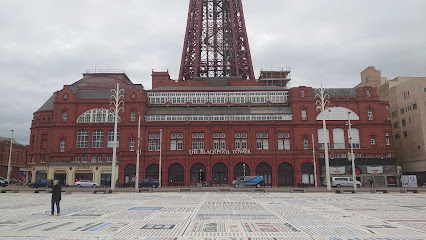
Discover the elegance of The Blackpool Tower Ballroom, a historical dance hall where music, history, and enchanting moments come together.
The Comedy Carpet
21.5 km
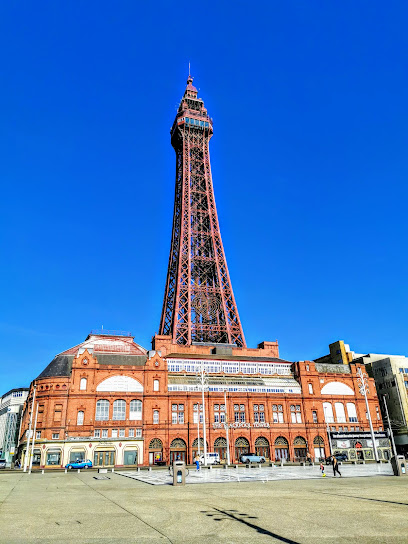
Experience laughter and joy at The Comedy Carpet, a unique tourist attraction on Blackpool's promenade celebrating British humor with over 1,000 jokes and quotes.
SEA LIFE Blackpool
21.7 km
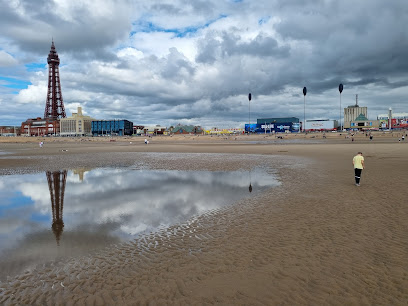
Experience the enchanting underwater world at SEA LIFE Blackpool, home to thousands of marine species and engaging exhibits that inspire and educate.
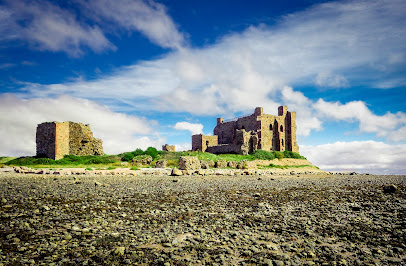
Piel Castle
21.7 km
Explore the historical charm and stunning coastal views of Piel Castle, a medieval fortress on Piel Island, perfect for history lovers and nature enthusiasts.
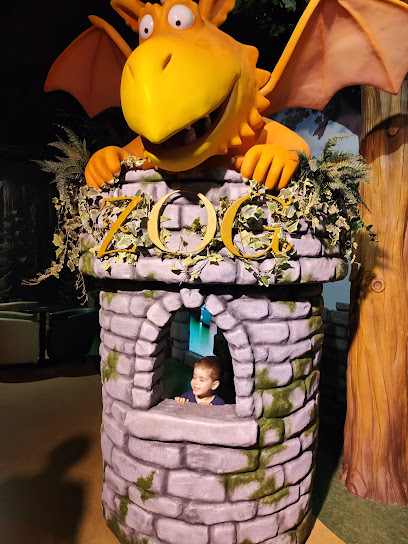
The Gruffalo & Friends Clubhouse
21.7 km
Discover the enchanting world of The Gruffalo & Friends Clubhouse in Blackpool, where adventure meets imagination in a delightful indoor playground for families.
Leighton Hall Estate
21.7 km
Discover the charm and history of Leighton Hall Estate, a captivating destination in Carnforth featuring stunning gardens and rich heritage.

Blackpool Promenade
21.7 km
Six miles of iconic British seaside magic, where vintage arcades meet world-class thrills and a million glittering lights.
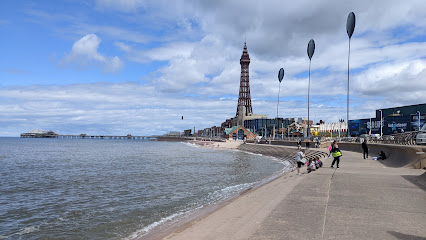
Madame Tussauds Blackpool
21.8 km
Immerse yourself in celebrity culture at Madame Tussauds Blackpool, where lifelike wax figures of your favorite stars await.
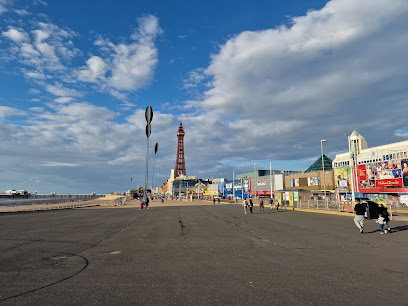
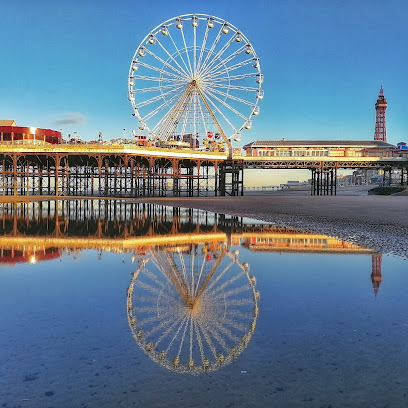
Central Pier
21.9 km
Discover the excitement of Central Pier in Blackpool, featuring thrilling rides, live entertainment, and stunning sea views for an unforgettable day out.
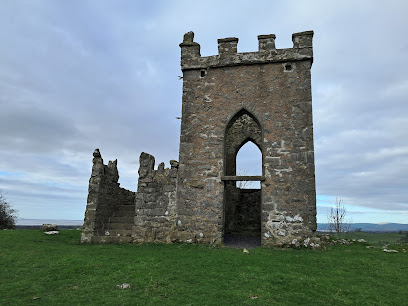
Kirkhead Tower / Summerhouse
22.1 km
Historic Kirkhead Tower offers stunning panoramic views over Morecambe Bay and the Lake District from its tranquil spot near Grange-over-Sands.
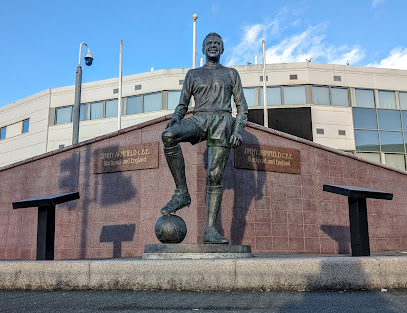
Jimmy Armfield Statue
22.4 km
Discover the legacy of football legend Jimmy Armfield at his statue in Blackpool, a tribute to local pride and sportsmanship.
Unmissable attractions to see

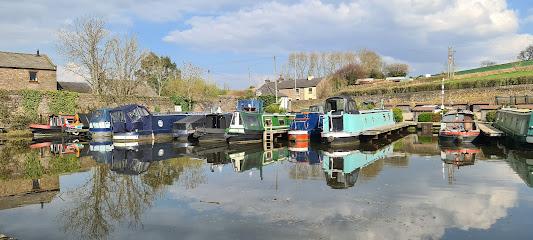
Glasson Dock
2.8 km
Historic maritime dock and peaceful marina village offering scenic canal walks, wildlife spotting, and a glimpse into Lancashire’s seafaring heritage.
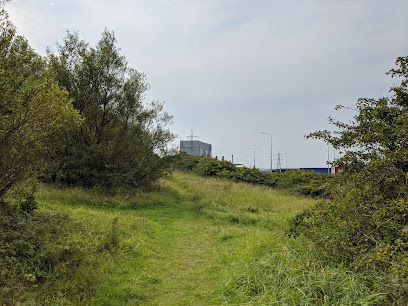
Heysham Nature Reserve
6.6 km
A tranquil coastal refuge in Morecambe, rich with diverse habitats, vibrant wildlife, and peaceful walking trails.
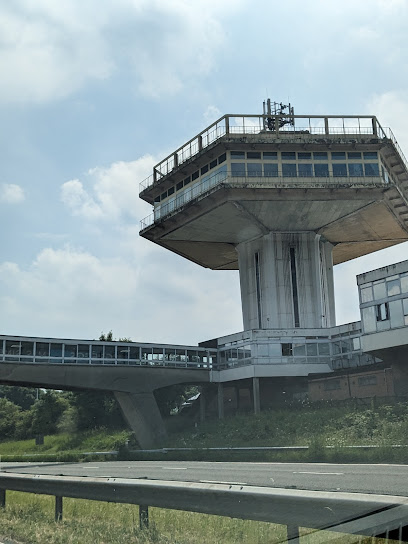
Pennine Tower
7.7 km
A striking 1960s hexagonal tower at Forton Services on the M6, blending Brutalist design with panoramic views and rich motorway heritage.
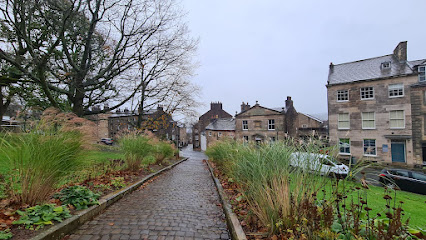
Lancaster Castle
9.3 km
Discover the rich history and stunning architecture of Lancaster Castle, a must-see historical landmark in the heart of Lancaster, England.
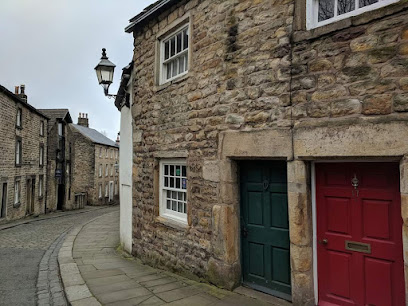
The Cottage Museum
9.3 km
Step into 18th-century Lancaster at The Cottage Museum, a tiny immersive home showcasing working-class life and rich local history.
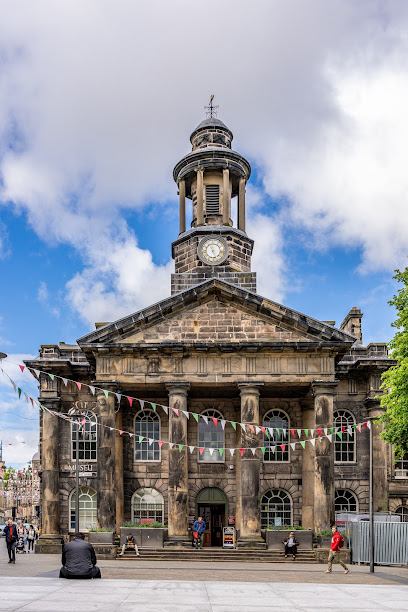
Lancaster City Museum
9.3 km
Discover Lancaster’s rich history and military heritage in a stunning Georgian former town hall with immersive galleries and fine art exhibitions.
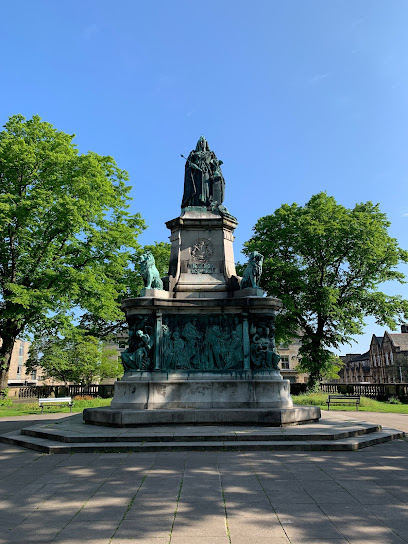
Queen Victoria Memorial, Lancaster
9.4 km
A majestic 1906 tribute in Dalton Square celebrating Queen Victoria and Victorian-era luminaries with rich symbolism and historic artistry.
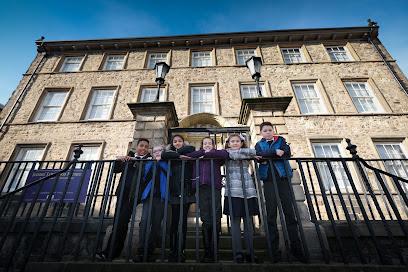
Judges Lodgings Museum
9.4 km
Step into Lancaster’s oldest townhouse to explore Georgian elegance, Gillows furniture, childhood nostalgia, and a complex local history beneath the castle walls.
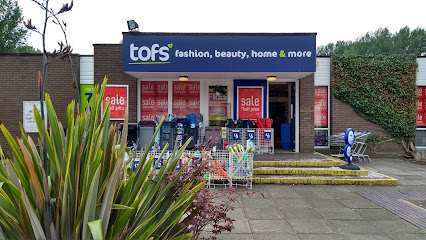
Lancaster Leisure Park
9.4 km
Lancaster Leisure Park blends antiques, farm-fresh shopping, and family dining in a lively, welcoming setting on Wyresdale Road.
Lancaster Maritime Museum
9.7 km
Explore Lancaster’s maritime heritage and the city’s complex history in immersive Georgian quay buildings by the River Lune.
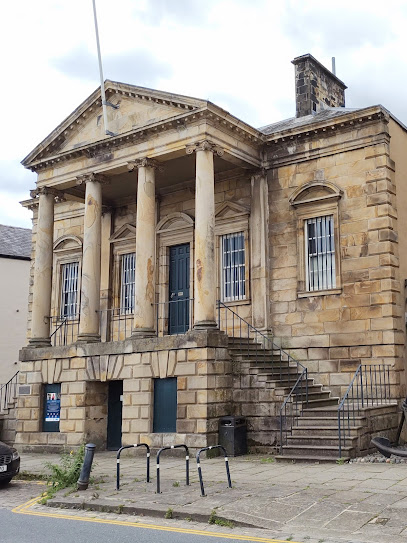
Ashton Memorial
9.7 km
Lancaster’s iconic Edwardian Baroque folly, the Ashton Memorial, crowns Williamson Park with stunning views and rich history.
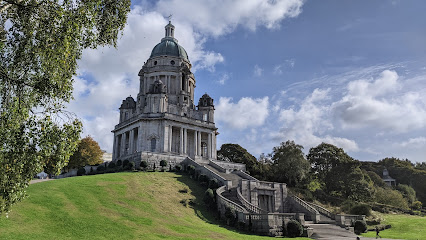
Williamson Park
9.8 km
Historic parkland crowned by an iconic Edwardian memorial, offering woodland walks, tropical butterflies, and sweeping views to Morecambe Bay.
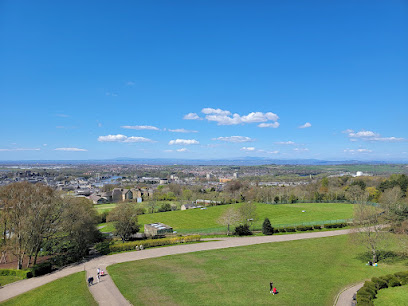
Butterfly House
9.8 km
Discover vibrant butterflies and exotic mini-beasts in the tropical Butterfly House nestled within Lancaster’s scenic Williamson Park.
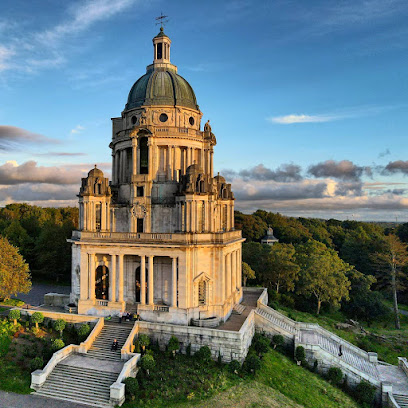
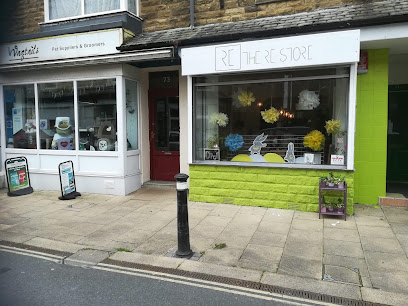
THE RE STORE
9.9 km
Discover unique gifts and support local skills at The Re Store, Morecambe’s community-centered shop with a heart for sustainability.
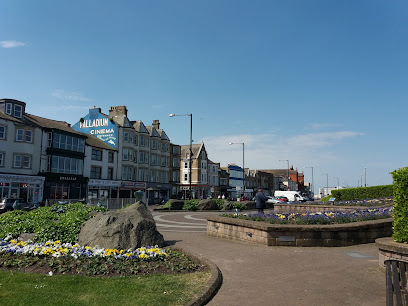
Eric Morecambe Statue
10.7 km
Celebrate British comedy legend Eric Morecambe with this iconic bronze statue overlooking Morecambe Bay’s stunning seaside promenade.
Essential places to dine

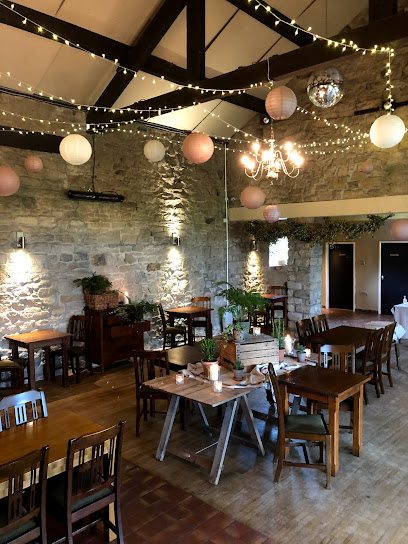
Bay Horse Inn at Bay Horse
6.5 km
Historic 18th-century gastropub blending traditional charm with locally sourced cuisine in a scenic Lancashire village setting.
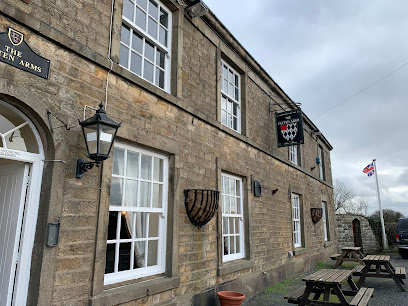
The Patten Arms
7.0 km
Historic Lancashire pub blending traditional charm with modern comfort, renowned for hearty local cuisine and a welcoming atmosphere year-round.
Stepping Stones
8.7 km
Charming riverside British restaurant in Garstang offering classic dishes and stunning views in a cozy, welcoming atmosphere.
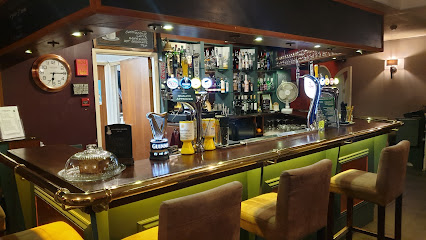
The Barn at Scorton
8.9 km
A charming blend of dining, garden centre, and gift shop delights in the heart of Scorton, Lancashire.
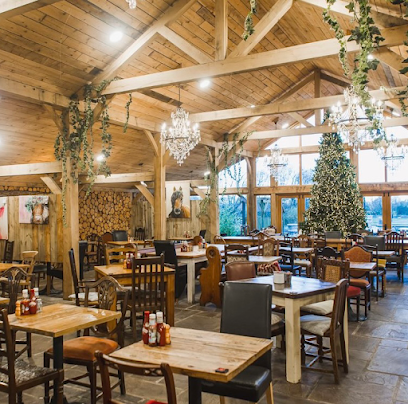
The Waterwitch
8.9 km
A welcoming canal-side gastropub in Lancaster blending traditional English fare with standout vegan options and a lively community vibe.
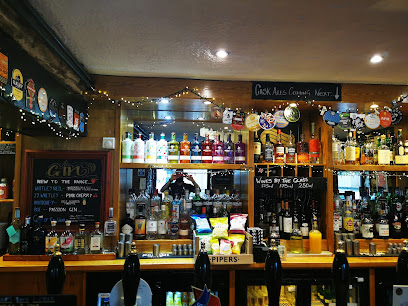
Merchants 1688
9.3 km
Historic 17th-century wine cellar pub serving modern British cuisine with local ingredients beside Lancaster Castle.
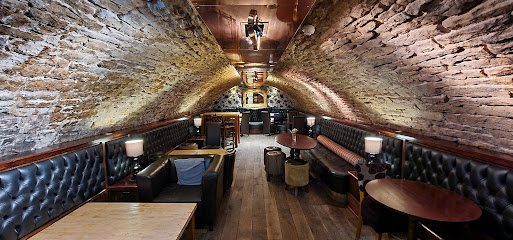
The Quarterhouse
9.5 km
Seasonal British small plates and cocktails in Lancaster’s stylish city-center bistro with a warm, contemporary vibe.
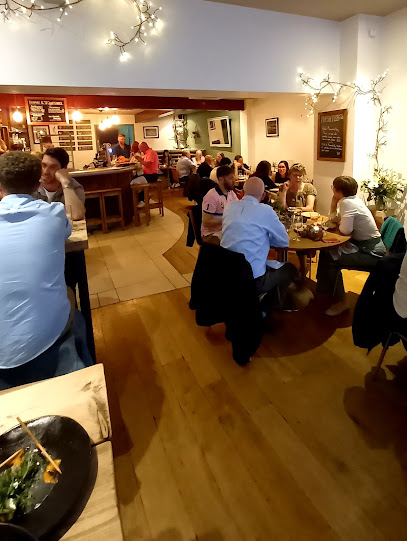
Quite Simply French - Restaurant with Rooms
9.7 km
Elegant French dining and boutique rooms on Lancaster’s scenic St George’s Quay, blending classic cuisine with modern comfort.
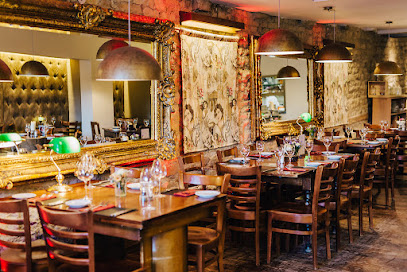
Pipers
10.6 km
Experience traditional English cuisine with modern flair in the heart of Garstang’s historic High Street at Pipers Restaurant.
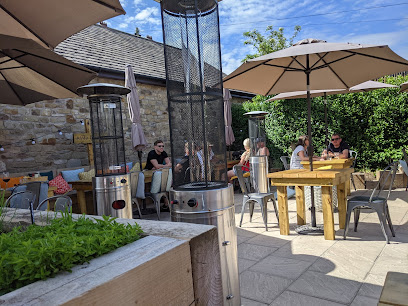
The Farmers Arms Great Eccleston
13.6 km
A charming Lancashire gastropub offering fresh seafood, hearty British classics, and a welcoming atmosphere in the heart of Great Eccleston.
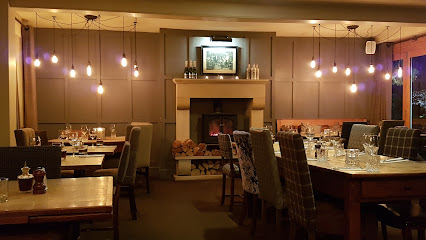
Twelve Restaurant and Lounge Bar
14.4 km
Exquisite modern British fine dining with impeccable service and a stylish atmosphere in Thornton-Cleveleys.
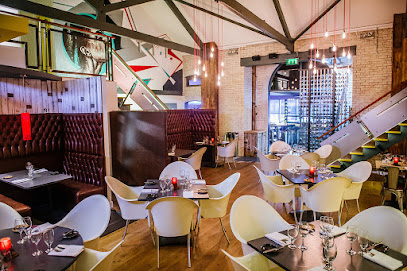
Level 6 Restaurant: Blackpool and The Fylde College
16.4 km
Experience modern British dining with panoramic Fylde Coast views at Blackpool and The Fylde College’s student-led Level 6 Restaurant.
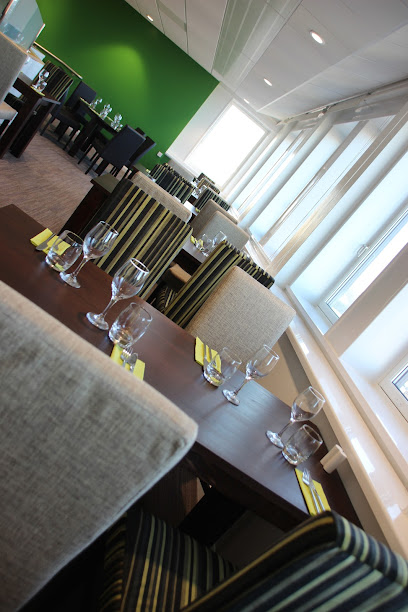
Italian fusion
18.1 km
Experience modern Italian cuisine with warm service and a cozy atmosphere at Italian Fusion in Blackpool.
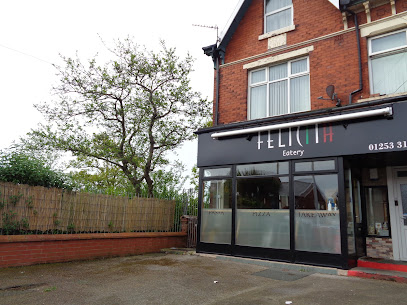
Terra Nostra Restaurant
18.2 km
Experience authentic Italian and Sardinian cuisine with handmade pasta and pizzas in a warm, family-friendly atmosphere in Bispham, Blackpool.
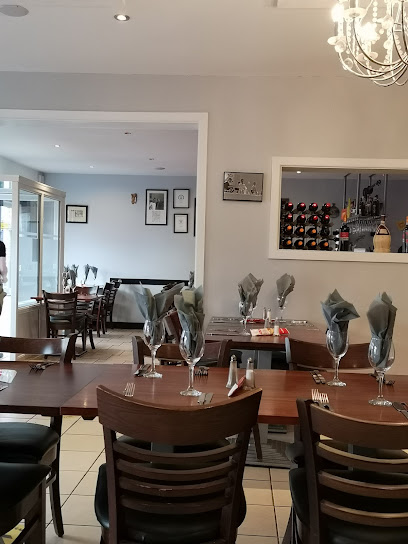
The Pickled Goose
18.6 km
A lively British pub and restaurant in Barton, Preston, blending countryside charm with modern dining and a vibrant social bar.
Markets, malls and hidden boutiques

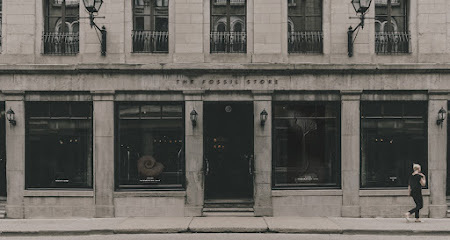
THE FOSSIL STORE
9.3 km
A unique design studio and shop in the Forest of Bowland, transforming rare fossils into bespoke art and jewellery.
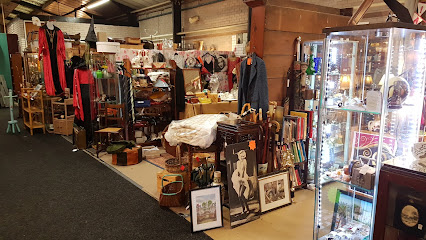
GB Antiques & Furniture Centre
9.4 km
Over 100 dealers, thousands of treasures, endless browsing in Lancaster's premier antiques marketplace.
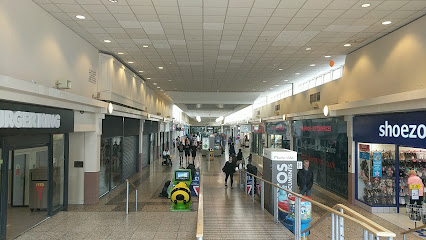
The Arndale Shopping Centre
10.6 km
Morecambe’s only covered shopping centre offering everyday retail and discount stores in a convenient town centre location.
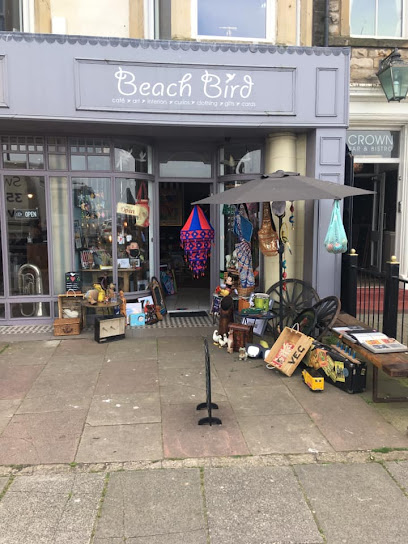
Beach Bird
10.7 km
Discover unique antiques, vintage fashion, and artistic homewares at Beach Bird, Morecambe’s beloved artisan gift shop on the scenic promenade.
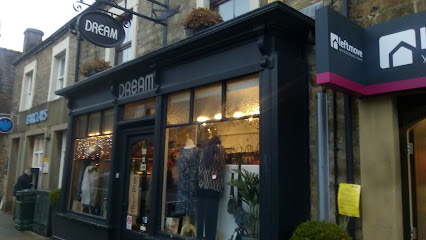
Dream
10.7 km
Distinctive gifts in the heart of Lancashire's historic market town.
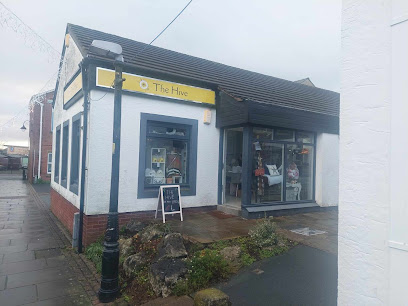
The Hive
10.7 km
Discover unique gifts and warm hospitality at The Hive, Garstang’s beloved local gift shop nestled in a charming historic setting.
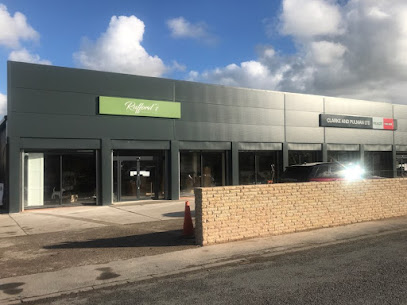
Rufford's Country Lifestyle
13.6 km
Discover premium British country wear and footwear at Rufford's, your stylish gateway to authentic country living near Preston.
Blossom Boutique
14.4 km
Independent women's fashion boutique blending curated style with genuine hospitality in Thornton.
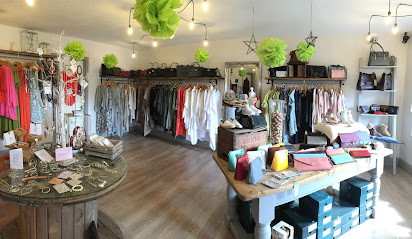
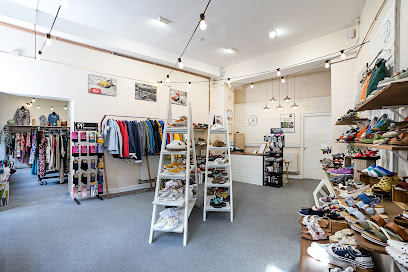
Kitty Brown Boutique
18.3 km
A warm, independent women’s fashion boutique in Carnforth, offering curated clothing, footwear and accessories with comfort, style and sustainability at heart.
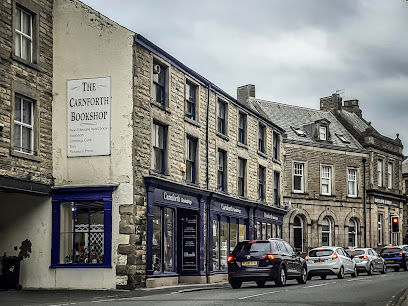
Carnforth Bookshop
18.3 km
Discover Carnforth Bookshop, a family-run independent haven of books, gifts, and local heritage in the heart of historic Lancashire.
Love Faith Hope Boutique
19.4 km
Hand-curated fashion for real women at prices that celebrate affordability without compromise.
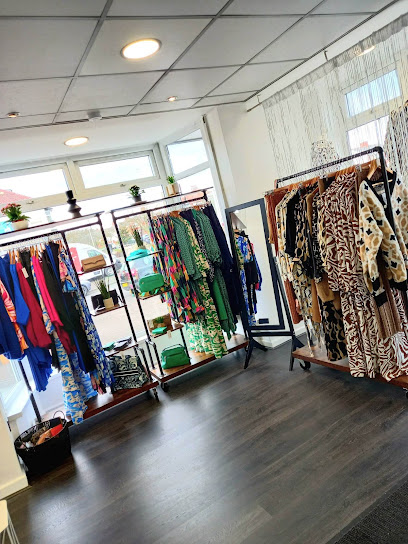
Cassidy's Closet Boutique
19.7 km
Discover unique fashion treasures in a cozy boutique setting at Cassidy's Closet on Layton Road, Blackpool.
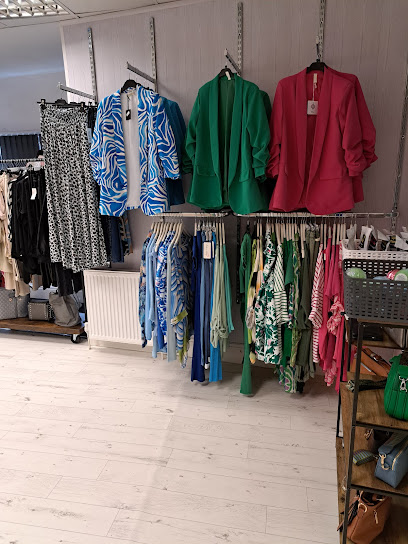
Enchanted flame
20.8 km
Explore Enchanted Flame in Blackpool for exquisite gifts, aromatherapy supplies, and handcrafted treasures that capture the spirit of your travels.
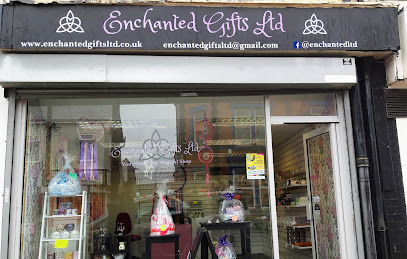
Hermosa Boutique
20.9 km
Blackpool’s inclusive fashion boutique offering stylish clothing for women sizes 6-22 with a vibrant community and personalized service.
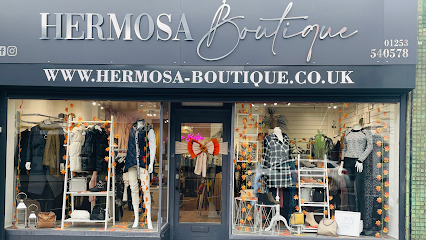
Springfields
20.9 km
Trusted Blackpool printing and gift shop with 30+ years of personalised service and unique, high-quality products on the vibrant North Promenade.
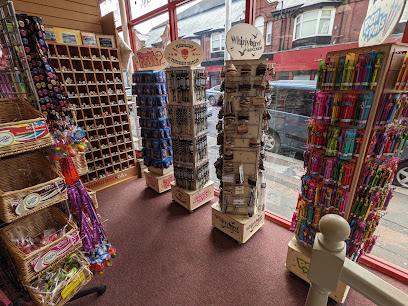
Essential bars & hidden hideouts

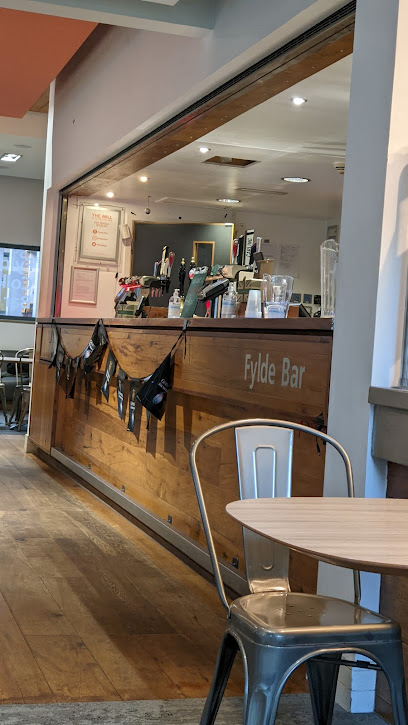
Fylde Bar
6.9 km
The Mill at Fylde College is Lancaster University's lively on-campus sports bar, perfect for affordable meals, live sports, and social gatherings.
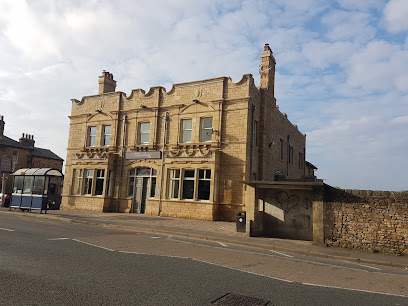
The Bowerham
8.8 km
A historic Grade II listed pub in Lancaster offering great food, live music, and a welcoming community atmosphere near beautiful parkland.
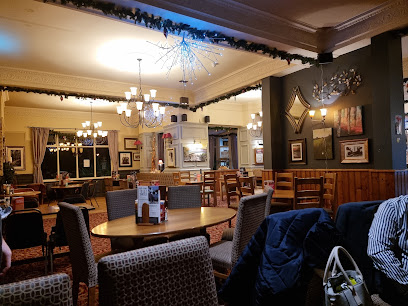
Bellflower
10.3 km
A historic and family-friendly country pub in Garstang offering home-cooked British classics, award-winning ales, and a welcoming atmosphere.
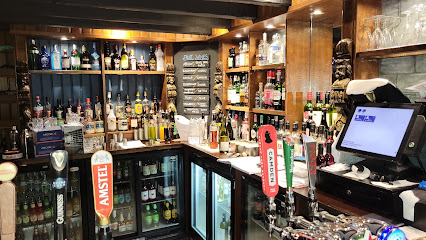
Th'Owd Tithe Barn
10.8 km
Historic 1701 canalside pub in Garstang offering traditional ales, seasonal dishes, and a charming garden retreat by the vibrant Garstang Basin.
Smugglers Den Morecambe
10.9 km
Historic 1740s pub in Morecambe offering friendly service, quality ales, and a cozy atmosphere at great value.
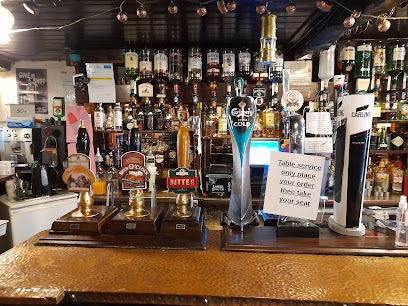
The Horns Inn
12.1 km
A stylish and welcoming country pub in Churchtown offering quality food, real ales, and a vibrant social atmosphere.
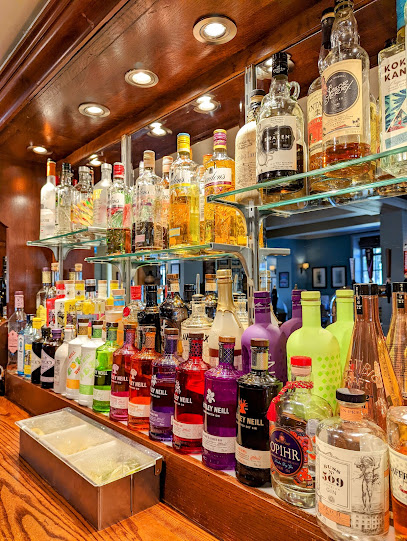
Clockwork Bars
13.6 km
A lively and welcoming bar in Preston’s Beacon Retail Park, offering diverse drinks, live events, and a relaxed social atmosphere.
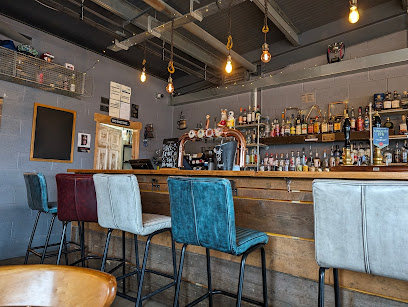
The Vault Bar & Lounge
15.5 km
Historic charm meets modern cocktails in Thornton-Cleveleys’ unique Vault Bar & Lounge, a welcoming spot for crafted drinks and lively nights.
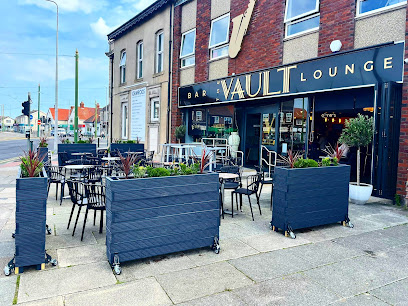
GlassHouse Cocktail Bar
15.7 km
A vibrant cocktail bar and bistro in Thornton-Cleveleys offering expertly crafted drinks, gourmet burgers, and lively weekend music nights.
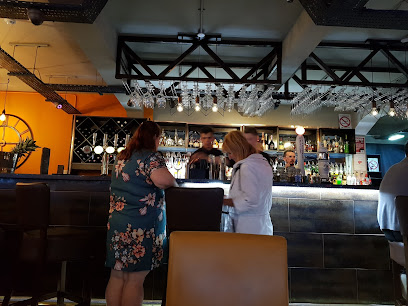
The Number Three Cocktail Bar Function Room
20.6 km
A lively Blackpool cocktail bar with affordable drinks, friendly staff, and a spacious function room perfect for events and live music nights.
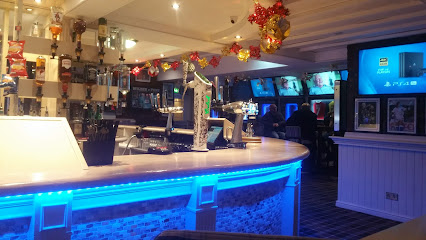
Peek A Booze
20.7 km
Affordable, lively bar and cabaret in Blackpool offering hearty meals, nightly entertainment, and a welcoming atmosphere for diverse crowds.
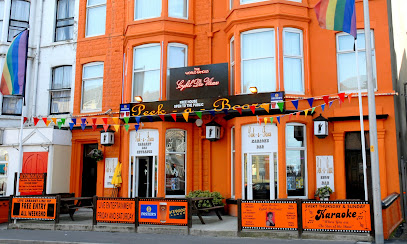
Ma Kellys
20.9 km
Experience Blackpool’s lively nightlife at Ma Kellys, a vibrant bar known for live music, unique booths, and an energetic atmosphere.
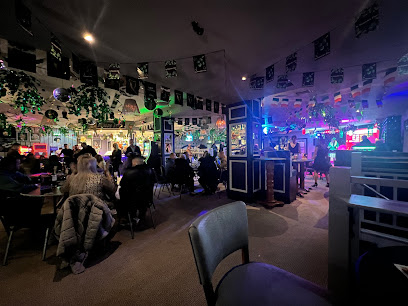
Garlands
20.9 km
A lively, inclusive gay bar in Blackpool offering great tunes, drag shows, and affordable fun in a welcoming atmosphere.
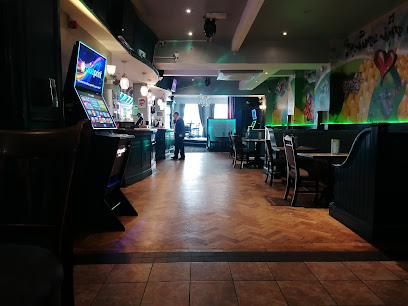
Galleon Bar
21.0 km
A vibrant Blackpool bar renowned for live jazz and blues, friendly vibes, and affordable drinks in a uniquely quirky setting.
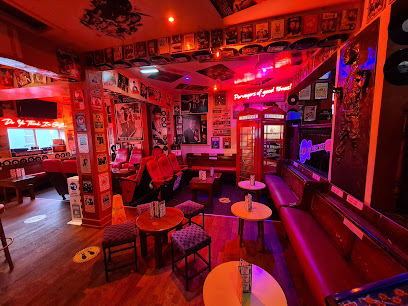
Slug & Lettuce - Blackpool
21.0 km
Stylish cocktail bar and restaurant on Blackpool’s Queen Street, offering vibrant drinks, delicious food, and a lively social atmosphere.
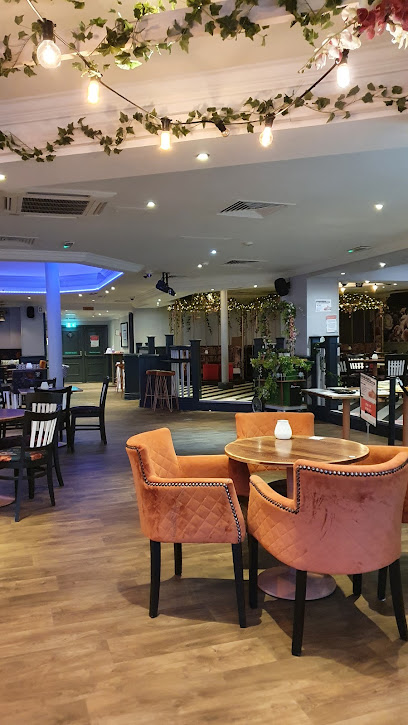
Nightclubs & after hour spots

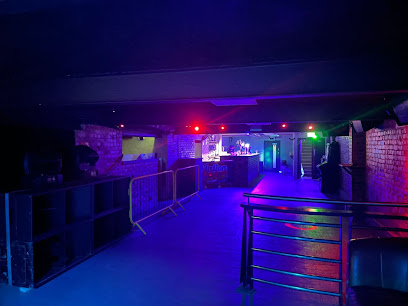
Club underground
20.9 km
Experience Blackpool’s authentic old-school basement club with vibrant music, friendly crowds, and late-night energy on Talbot Road.
Sanuk Nightclub
21.0 km
Experience Blackpool’s vibrant nightlife at Sanuk Nightclub, a premier venue with six rooms and a lively house music scene on the iconic promenade.
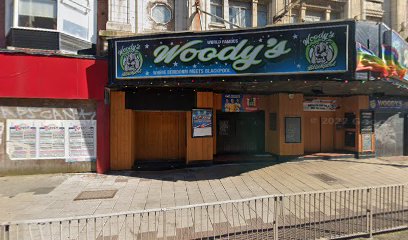
Trilogy Nightclub
21.1 km
Experience Blackpool’s vibrant nightlife across three floors of music, lights, and energy at Trilogy Nightclub.
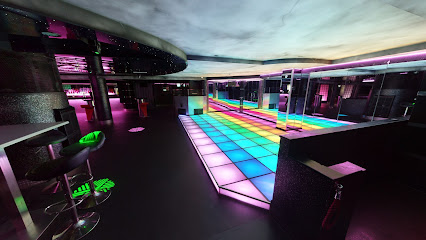
Popworld - Blackpool
21.1 km
Experience retro pop hits and vibrant party vibes at Popworld Blackpool, the iconic two-floor nightclub on the Promenade.
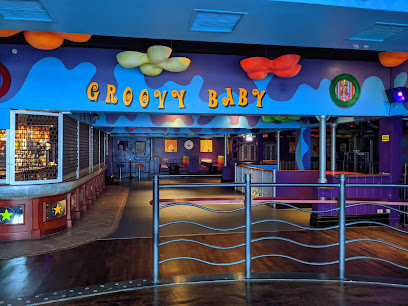
The Tache Rock Club
21.2 km
Blackpool’s spirited rock nightclub offering authentic music, friendly vibes, and late-night energy in a casual setting.
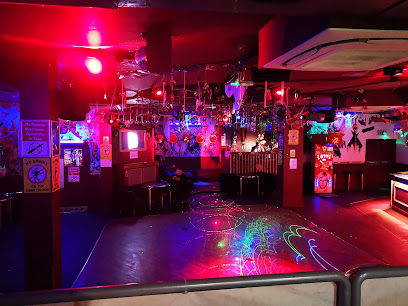
Hush Nightclub
21.2 km
Experience Blackpool’s vibrant RnB and Afrobeats nightlife at Hush Nightclub, where music, cocktails, and atmosphere come alive.
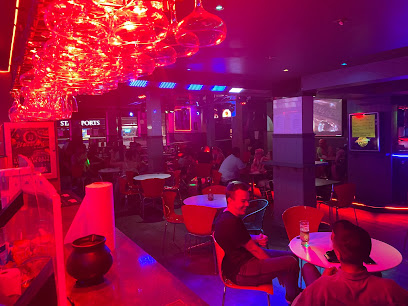
Switch Nightclub
26.6 km
Energetic and affordable nightlife hub in Preston, popular with a middle-aged crowd and known for its lively atmosphere.

Popworld - Preston
26.9 km
Popworld Preston: Where cheesy pop tunes meet vibrant nightlife and unforgettable party vibes in the heart of the city.
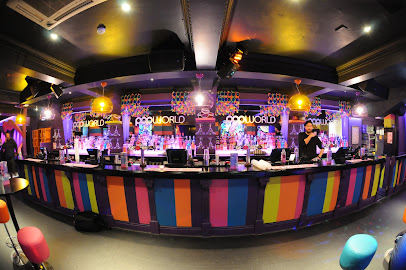
The Warehouse
27.0 km
Three floors of diverse music and vibrant nightlife in Preston’s welcoming alternative club scene.
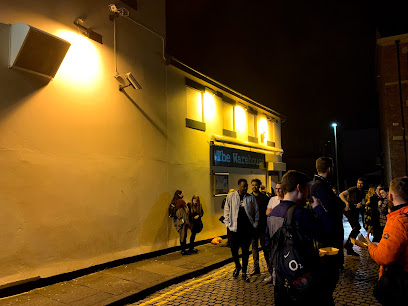
Hollywood Nightclub
27.6 km
Experience the vibrant late-night pulse of Barrow-in-Furness at Hollywood Nightclub, where music and dance light up Cavendish Street.
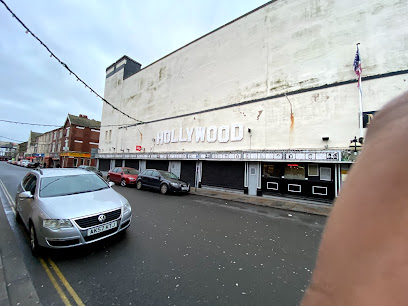
Manhattans Nightclub
27.6 km
Barrow-in-Furness’s top nightclub for themed parties, DJ nights, and vibrant late-night entertainment on Cavendish Street.
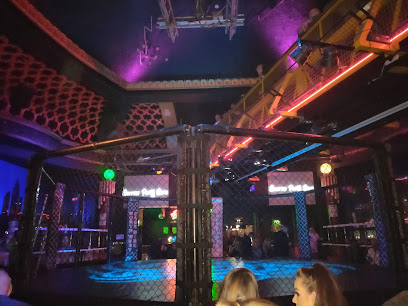
The Lounge C9
27.7 km
Experience Barrow-in-Furness’ vibrant nightlife at The Lounge C9, where music, drinks, and community come alive every weekend.
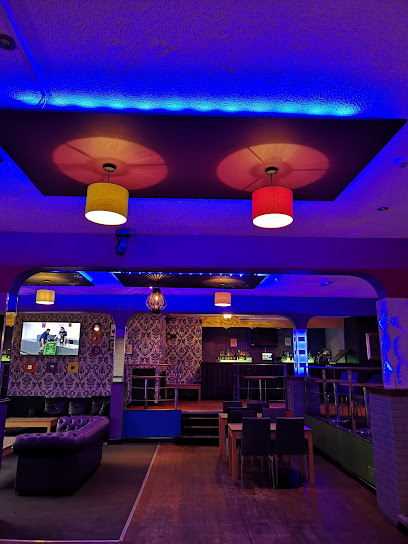
Rendezvous Nightclub & Resteraunt
35.3 km
Vibrant nightclub and restaurant in Whalley offering lively weekend events, diverse music, and friendly service in Ribble Valley’s heart.

Banff
37.6 km
Experience Southport’s vibrant nightlife at Banff, a dynamic nightclub and bar on West Street offering late-night entertainment in the heart of town.
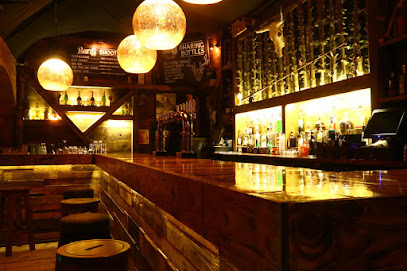
Park Hall Nightclub
39.9 km
Experience the vibrant energy and nostalgic vibes of Park Hall Nightclub, Chorley’s premier rural nightlife destination.
For the vibe & atmosphere seeker
- Tranquil
- Scenic
- Unique
- Relaxing
For the design and aesthetic lover
- Rustic Designs
- Vintage Styles
For the architecture buff
- Historic
- Landmarks
- Sacred Sites
For the view chaser and sunset hunter
- Iconic Views
- Panoramas
For the social media creator & influencer
- Instagrammable
- Photo Spots
- Selfie Spots
For the eco-conscious traveler
- Protected Area
- Locally Managed
- Public-Transport Accessible
- Leave-No-Trace Critical
For the kind of experience you’re after
- Cultural Heritage
- Myth & Legends
- Photowalk
- Day Trip
- Weekend Getaway
For how adventurous you want the journey to be
- Easy Access
Location Audience
- Family Friendly
- Senior Friendly
- Child Friendly
- Solo Friendly
- Couple Friendly
- Vegetarian Friendly
- Vegan Friendly


