Royal Pump Room Museum, Leeds Travel Guide
Free Guide: Explore Harrogate’s iconic Georgian spa heritage in a beautifully restored octagonal museum with historic sulphur waters and Victorian elegance.


A brief summary of Royal Pump Room Museum
Explore Harrogate’s iconic Georgian spa heritage in a beautifully restored octagonal museum with historic sulphur waters and Victorian elegance.
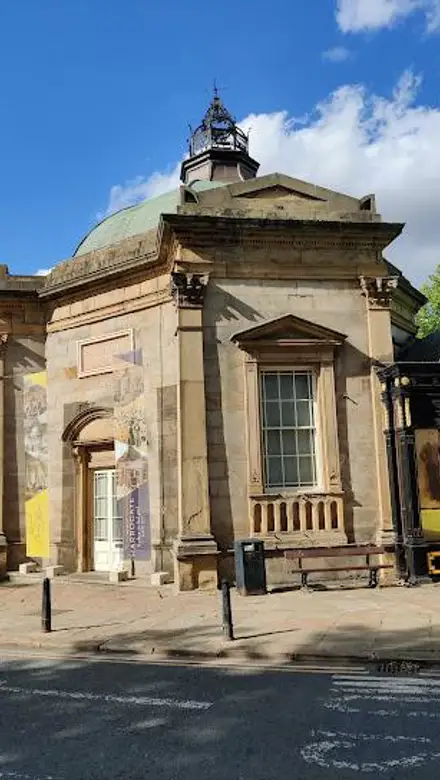
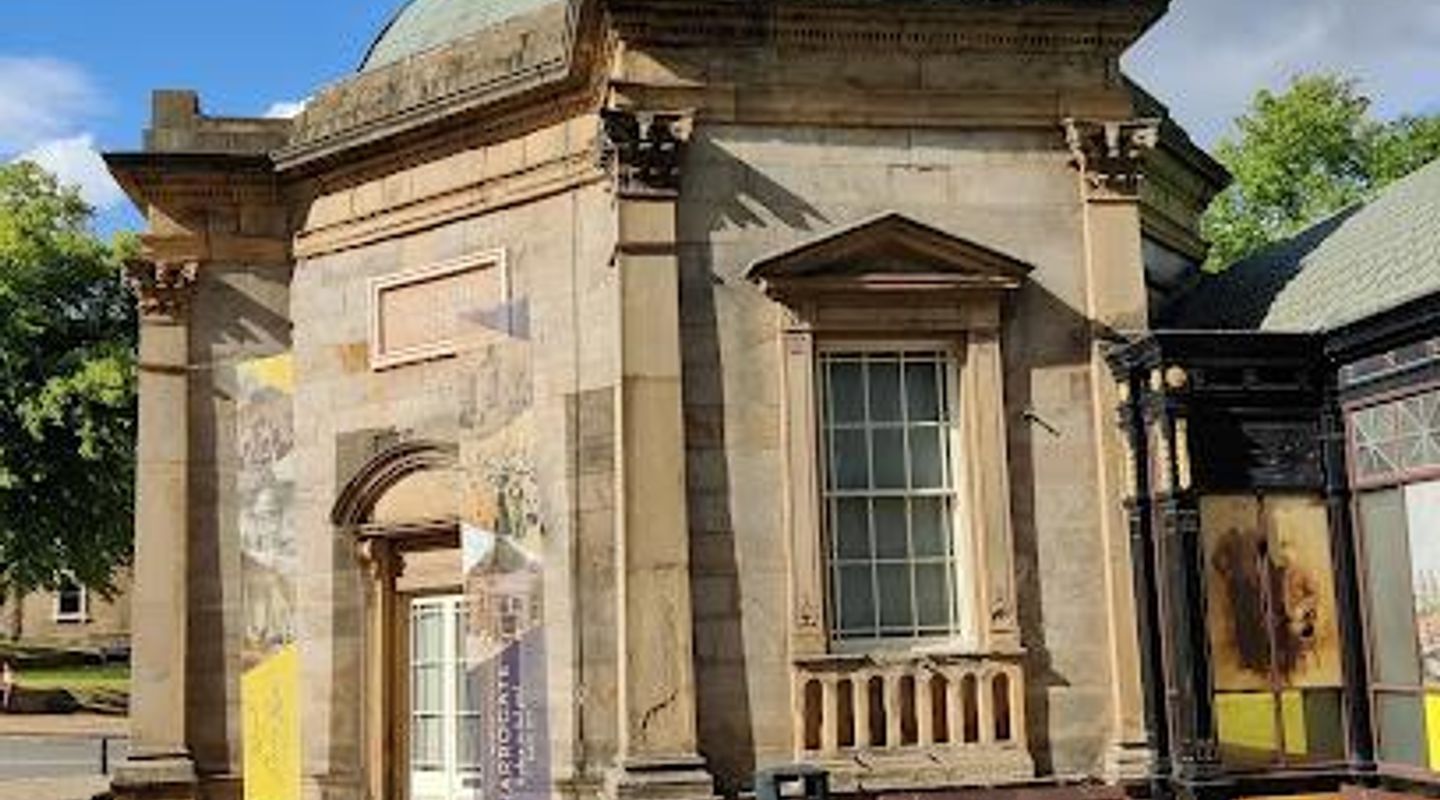
The Royal Pump Room Museum in Harrogate is housed in a grand octagonal building dating from 1842, once the heart of the town’s famed spa culture. It showcases Harrogate’s rich spa history, including the medicinal sulphur waters that attracted thousands of visitors, including Russian royalty. The museum features permanent and temporary exhibitions, restored period interiors, and artefacts that evoke Victorian spa life.
On-site amenities
 Restrooms
 Seating areas
 Information boards
Opening hours
- MonClosed
- Tue9:30 am–5 pm
- Wed9:30 am–5 pm
- Thu9:30 am–5 pm
- Fri9:30 am–5 pm
- Sat9:30 am–5 pm
- Sun9:30 am–5 pm
Opening hours as listed on the venue’s Google Business Profile. Hours can change for services and special events, so check with the venue before you go.
- Address
- Crown Pl, Harrogate HG1 2RY
- Phone
- Website
Getting there
Bus
Train
Car
Walking
Discover more about Royal Pump Room Museum
Origins of Harrogate's Spa Heritage
Harrogate’s reputation as a spa town began in the 16th century when William Slingsby discovered the Tewit Well Spring in 1571, whose waters were believed to have healing properties. By the late 1600s, additional springs, including sulphur-rich ones in Low Harrogate, were found and recommended for treating ailments like scurvy and skin conditions. The increasing popularity led to the erection of wellheads in 1772 and the growth of spa facilities throughout the Georgian and Victorian eras, establishing Harrogate as a fashionable destination for health and leisure.
The Royal Pump Room’s Role in Spa Culture
Built in 1842 by Isaac Shutt, the Royal Pump Room replaced an earlier structure over the Old Sulphur Well. This octagonal building provided shelter and a social hub where visitors paid to drink the sulphur waters while enjoying live music and promenading. At its peak, the Pump Room attracted about 15,000 visitors each summer, including notable figures such as Tsarina Alexandra of Russia. An annexe was added in 1913 to accommodate growing numbers, reflecting the building’s importance in Harrogate’s spa season.
Decline and Transformation into a Museum
The spa’s popularity waned after World War II, especially with the establishment of the National Health Service in 1948, which made medical treatment widely accessible. The Royal Pump Room closed as a spa facility and was briefly used as a café before reopening as a museum in 1953. Since then, it has preserved and interpreted Harrogate’s spa heritage, including the science behind the sulphur waters and the social life of the spa town.
Architectural and Interior Highlights
The Grade II listed building retains its distinctive octagonal shape and features a recently restored wooden counter from which waters were served. A lavish ceramic fountain, once the centerpiece of the Royal Baths entrance hall, now stands within the museum, symbolizing the elegance of Victorian spa culture. The interior’s cream-toned, light-filled design evokes the period atmosphere, enhanced by exhibits that recreate the experience of taking the waters.
Exhibitions and Visitor Experience
Permanent displays explore the history of Harrogate’s sulphur wells—the strongest in Europe—and the town’s development as a spa resort. The museum also hosts changing temporary exhibitions, talks, and events that deepen understanding of the spa’s social and scientific significance. A free tap at the rear of the building offers visitors a chance to taste the waters, continuing the tradition of public access.
Setting and Surroundings
Located on Crown Place in Harrogate’s historic heart, the museum is near the beautiful Valley Gardens and Montpellier Gardens, adding to the visitor experience with scenic green spaces. Nearby attractions include the Mercer Art Gallery and various historic hotels, enhancing the cultural and leisure appeal of the area.
Evendo Review Centre
 Google
Guest reviews
Best time to go
Quietest: Jan, Feb & Dec · before 8am or from 7pm
Busy times are Evendo estimates for a typical year, to help you plan. Actual crowds vary with events, school holidays and the weather.
Explore Royal Pump Room Museum on the map
A handpicked selection of must-see spots near Royal Pump Room Museum, mapped for you.
Get your free copy of our complete guide to Royal Pump Room Museum, delivered straight to you.
Everything on this page, from opening hours and how to get there to Eve’s tips and the best time to go, in one PDF you can read offline, print or share.
Already have an account? Sign in
Your Royal Pump Room Museum guide is ready.
We'll send it to · Not you? Sign out

Getting your guide ready…
We are putting together a fresh copy of the Royal Pump Room Museum guide. This can take up to a minute.
This can take a few moments. If your browser asks, choose Allow so the download can start. You'll find the guide in your Downloads folder.
Nothing happened? Download it again
Sorry, the guide is taking longer than usual. Please try again in a minute, or get it by email instead.
Unlock the best of Royal Pump Room Museum
Skip-the-line tickets, guided tours with entry, and walking tours of the area, booked in a few clicks.

Other nearby places you may find interesting
The closest places of the same kind, if this one is not quite what you had in mind.
-
-
-
-
-


Swipe for more places
More to explore near Royal Pump Room Museum

 Best experiences near Royal Pump Room Museum
 Best hotels near Royal Pump Room Museum
 Best landmarks near Royal Pump Room Museum
 Best attractions near Royal Pump Room Museum
 Best shops near Royal Pump Room Museum
 Best restaurants near Royal Pump Room Museum
 Best bars near Royal Pump Room Museum
Do you manage this location?
Take control to get all the benefits, like improved information, better appearance, and stronger visibility across AI-powered discovery.
Explore more

Explore more of Leeds
Discover Leeds: A dynamic city where history meets innovation, offering cultural treasures, stunning architecture, and a gateway to the scenic Yorkshire Dales.
Explore Leeds
Explore more of United Kingdom
Discover the United Kingdom: A blend of rich history, stunning landscapes, and vibrant cities, offering a unique travel experience for every visitor.
Explore United Kingdom