

St Robert's Cave Travel Guide
Free Guide: Discover the serene medieval hermitage carved into limestone cliffs, where St Robert of Knaresborough lived and inspired centuries of spiritual pilgrimage.


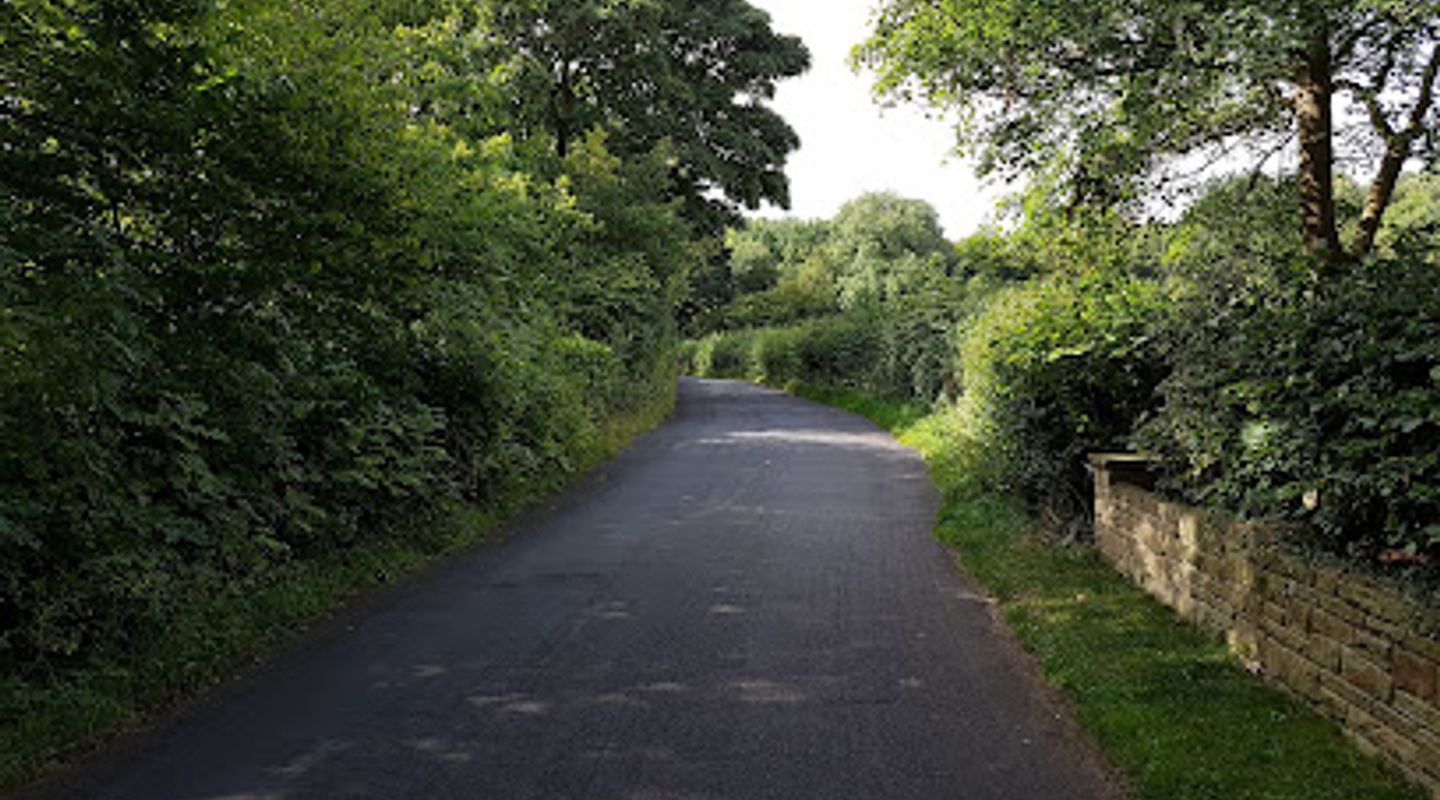
A brief summary of St Robert's Cave
Discover the serene medieval hermitage carved into limestone cliffs, where St Robert of Knaresborough lived and inspired centuries of spiritual pilgrimage.
St Robert's Cave, located on Abbey Road in Knaresborough, North Yorkshire, is a rare medieval hermitage carved into limestone cliffs beside the River Nidd. Dating back to the late 12th century, this historic site was home to St Robert of Knaresborough, a hermit known for his healing powers and connection to nature. The cave features a domestic area and a chapel dedicated to the Holy Cross, with carved niches and ancient crosses etched into its walls. It remains a tranquil pilgrimage and tourist attraction, rich in history and local legend.
On-site amenities
 Information boards
 Seating areas
 Trash bins
Opening hours
- Every dayOpen 24 hours
Opening hours as listed on the venue’s Google Business Profile. Hours can change for services and special events, so check with the venue before you go.
- Address
- Abbey Rd, Knaresborough HG5 8HY
Getting there
Bus
Train
Car
Discover more about St Robert's Cave
A Unique Medieval Hermitage Carved from Limestone
St Robert's Cave is a remarkable example of a medieval hermitage carved directly into the magnesian limestone cliffs overlooking the River Nidd. The cave consists of two main chambers arranged in an L-shape: a domestic living area and a religious chapel dedicated to the Holy Cross. The site includes a rock-cut bench and steps, with the cave entrance nestled between them. The walls and ceiling, standing about 2.2 meters high, are adorned with carved niches, initials, and an incised cross dating possibly from the 12th century. Tooling marks reveal that the cave was manually enlarged, likely by St Robert himself, reflecting his dedication and ascetic lifestyle.
The Life and Legacy of St Robert of Knaresborough
Born Robert Flower around 1160 in York, St Robert chose a life of solitude as a hermit in this riverside cave from approximately 1180 until his death in 1218. Known for his reputed healing powers and affinity with wild animals, he became a revered spiritual figure in the region. William de Stuteville, Constable of Knaresborough Castle, granted him the land for the cave and chapel, and King John is said to have visited him here, granting additional land in 1216. After his death, St Robert was buried nearby by the Trinitarian Order, who managed the chapel and cave, further cementing the site's religious significance.
Historical and Cultural Significance Through the Ages
The site served as a pilgrimage destination for centuries, reflecting its spiritual importance. The chapel, now a Grade II listed building, stands as a testament to medieval religious architecture and devotion. The Trinitarian Priory nearby, founded before 1252, once housed St Robert’s remains until its destruction in the 14th century. The cave also gained notoriety in the 18th century due to the discovery of a murder victim’s remains within, linking it to the infamous case of Eugene Aram. Today, it remains a poignant historical landmark entwined with local legends and the spiritual heritage of Knaresborough.
Exploring the Site and Its Natural Setting
Visitors approach the cave via a narrow path and steps carved into the cliffside, descending to the cave entrance between the rock-cut bench and the riverbank. The setting beside the River Nidd gorge provides a tranquil and scenic backdrop, enhancing the contemplative atmosphere. The cave’s interior is intimate and dimly lit, inviting visitors to reflect on the austere life of a medieval hermit. Surrounding the site, the limestone cliffs and river valley offer picturesque views and a peaceful environment that complements the cave’s spiritual legacy.
Preservation and Visitor Experience Today
Though the cave entrance is now secured by an iron gate to protect its delicate features, the site is accessible to the public and features informative signage. The preservation of carved niches and ancient crosses allows visitors to connect with the medieval past tangibly. The site’s modest size and natural setting make it ideal for quiet exploration during walks around Knaresborough. It offers a unique glimpse into medieval religious life and the enduring influence of St Robert’s ascetic devotion.
Legends and Local Traditions Surrounding the Cave
St Robert’s Cave is steeped in local folklore, including tales of his healing abilities and control over wild animals. The healing waters of nearby springs and wells are linked to his legacy, contributing to Knaresborough’s reputation as a spa town. The cave’s proximity to other legendary sites, such as Old Mother Shipton’s Cave, enriches the area's mystical aura. These stories continue to draw visitors interested in the blend of history, spirituality, and myth that defines this captivating site.
Evendo Review Centre
 Google
Guest reviews
Best time to go
Quietest: Jan, Feb & Dec · before 6am or at 10pm
Busy times are Evendo estimates for a typical year, to help you plan. Actual crowds vary with events, school holidays and the weather.
Explore St Robert's Cave on the map
A handpicked selection of must-see spots near St Robert's Cave, mapped for you.
Get your free copy of our complete guide to St Robert's Cave, delivered straight to you.
Everything on this page, from opening hours and how to get there to Eve’s tips and the best time to go, in one PDF you can read offline, print or share.
Already have an account? Sign in
Your St Robert's Cave guide is ready.
We'll send it to · Not you? Sign out

Getting your guide ready…
We are putting together a fresh copy of the St Robert's Cave guide. This can take up to a minute.
This can take a few moments. If your browser asks, choose Allow so the download can start. You'll find the guide in your Downloads folder.
Nothing happened? Download it again
Sorry, the guide is taking longer than usual. Please try again in a minute, or get it by email instead.
Other nearby places you may find interesting
The closest places of the same kind, if this one is not quite what you had in mind.
-
-
-

-
-


Swipe for more places
More to explore near St Robert's Cave

 Best experiences near St Robert's Cave
 Best hotels near St Robert's Cave
 Best landmarks near St Robert's Cave
 Best attractions near St Robert's Cave
 Best shops near St Robert's Cave
 Best restaurants near St Robert's Cave
 Best bars near St Robert's Cave
Do you manage this location?
Take control to get all the benefits, like improved information, better appearance, and stronger visibility across AI-powered discovery.
Explore more
Explore more of Yorkshire
Discover the timeless charm of Yorkshire, where history meets natural beauty and vibrant city life. Perfect for history buffs, nature lovers, and food enthusiasts.
Explore Yorkshire
Explore more of United Kingdom
Discover the United Kingdom: A blend of rich history, stunning landscapes, and vibrant cities, offering a unique travel experience for every visitor.
Explore United Kingdom
