
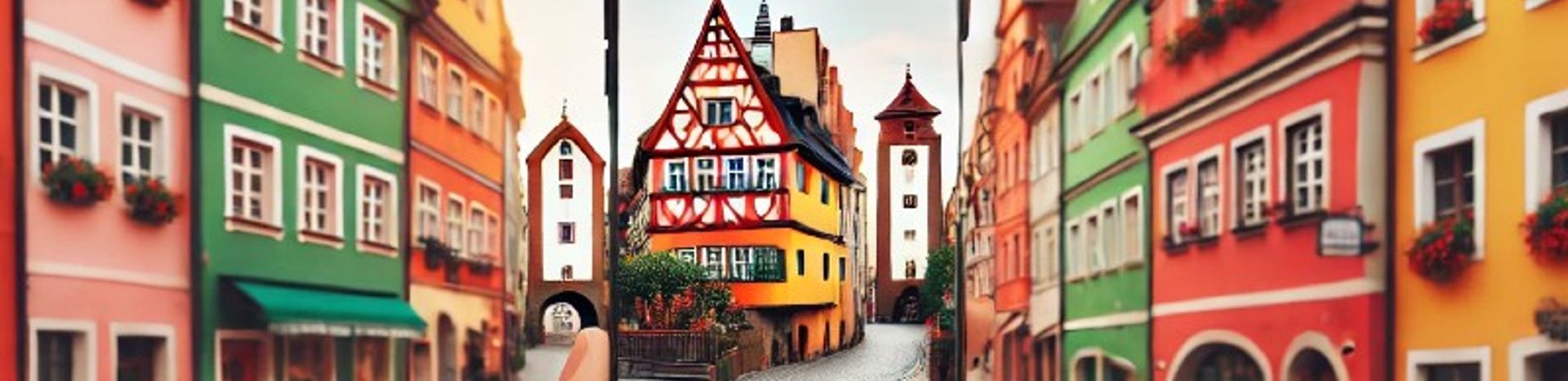
Remains of Former Kirby Hall, Little Ouseburn
Explore the evocative remains of Kirby Hall and the iconic Thompson Mausoleum, treasures of North Yorkshire’s 18th-century aristocratic heritage.
The remains of Kirby Hall in Little Ouseburn, near York, mark the site of a once grand 18th-century mansion renowned for its architectural splendor and historical significance. Though largely demolished in the early 20th century, the estate’s legacy endures through the impressive Thompson Mausoleum and surviving gatehouse, reflecting the wealth and influence of the Thompson family in North Yorkshire’s history.
A brief summary to REMAINS OF FORMER KIRBY HALL
- Kirby Hall, York, Little Ouseburn, YO26 9SN, GB
- Visit website
- Duration: 0.5 to 2 hours
- Free
-
 Outdoor
- Mobile reception: 4 out of 5
Local tips
- Visit the Thompson Mausoleum to appreciate its classical Roman-inspired architecture and historical significance.
- Bring a camera for photos of the surviving gatehouse and scenic village surroundings.
- Combine your visit with a walk around Little Ouseburn village to experience its rich heritage.
- Check local church opening times if you wish to explore the Holy Trinity Church nearby.

For the on-the-go comforts that matter to you
- Seating Areas
- Information Boards
Getting There
-
Train and Taxi
Take a train from York to a nearby station such as Hammerton or Poppleton (approximately 15-25 minutes), then a taxi to Little Ouseburn lasting about 15 minutes. Taxi fares typically range from £20 to £30. Train services run regularly but check schedules for weekend variations.
-
Car
Driving from York city center to Little Ouseburn takes around 25-35 minutes via A59 and local roads. Parking near the mausoleum and gatehouse is limited; use nearby village parking areas respectfully. No parking fees apply.
-
Bus and Walk
Local bus services connect York to nearby villages such as Boroughbridge or Green Hammerton. From there, a 3-5 km walk or taxi ride is required to reach Little Ouseburn. Bus fares range from £3 to £6. Walking involves rural lanes with some uneven terrain.
REMAINS OF FORMER KIRBY HALL location weather suitability
-
 Any Weather
-
 Clear Skies
-
 Mild Temperatures
Discover more about REMAINS OF FORMER KIRBY HALL
A Glimpse into Kirby Hall’s Grandeur
Kirby Hall was erected in the mid-18th century as a grand country mansion for the influential Thompson family. Built at great expense, the house featured exquisite craftsmanship, including carvings by the celebrated woodcarver Grinling Gibbons and murals reputedly by James Thornhill. It was considered one of the West Riding’s most important houses and was documented in architectural collections such as "Vitruvius Britannicus." Despite its prominence, the hall was demolished in the early 1920s, leaving only fragments of its former glory.The Thompson Family Legacy
The Thompson family were prominent merchants and landowners whose fortunes were tied to trade, including ventures in Portugal and privateering. Henry Thompson, a key family figure, commissioned the Thompson Mausoleum near Little Ouseburn’s Holy Trinity Church in 1742. This mausoleum, a striking rotunda with Doric columns and a lead dome, served as the family’s burial site and remains a significant architectural and historical monument. The family also contributed to the prosperity of York, engaging in civic projects and cultural developments.Architectural Significance and Influences
The Thompson Mausoleum’s design echoes classical Roman tombs, notably the Tomb of Caecelia Metella on Rome’s Appian Way, with its pseudoperipteral rotunda and elegant Doric colonnade. The mausoleum is an early example of the fishtail pane inscription style in England. The Kirby Hall estate also included a gatehouse designed by Robert Lugar, which still stands today as a testament to the estate’s former scale and style. Architects associated with Kirby Hall’s design include Roger Morris and Lord Burlington, both influential figures in 18th-century British architecture.Historical Context and Cultural Connections
Little Ouseburn, a small village in North Yorkshire, carries a rich heritage beyond Kirby Hall. The hall and its environs are linked to notable historical figures such as Claudius Buchanan, a religious thinker, and connections to literary history through Anne Brontë, who lived nearby and was inspired by the mansion’s Palladian style. The estate’s history intertwines with local narratives of social, economic, and cultural development throughout the 18th and 19th centuries.Present-Day Remnants and Visitor Experience
Today, visitors to the site can explore the Thompson Mausoleum, which stands prominently near the churchyard, alongside the surviving gatehouse from the Kirby Hall estate. While the mansion itself no longer exists, the ruins and landscape evoke the grandeur and historical depth of the estate. The mausoleum’s architecture and setting provide a contemplative glimpse into the legacy of the Thompson family and the architectural tastes of their era.Preservation and Historical Importance
Though Kirby Hall was lost to demolition, the remaining structures are protected as important heritage sites, offering insight into 18th-century aristocratic life and architectural trends. The mausoleum, in particular, is valued for its design and as a symbol of the Thompson family’s lasting imprint on the region. The site continues to attract historians, architects, and visitors interested in North Yorkshire’s rich cultural tapestry.Iconic landmarks you can’t miss

REMAINS OF FORMER KIRBY HALL
0.0 km
Explore the evocative remains of Kirby Hall and the iconic Thompson Mausoleum, treasures of North Yorkshire’s 18th-century aristocratic heritage.

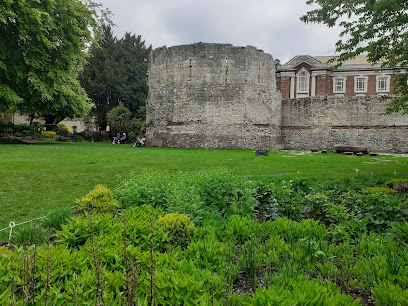
Anglian Tower
16.7 km
Discover York’s rare Anglo-Saxon watchtower, a unique stone relic woven into ancient Roman walls and shrouded in centuries of history.
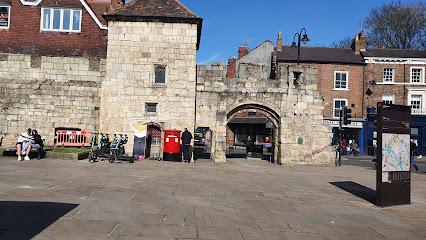
Bootham Bar
16.7 km
Explore Bootham Bar, York’s medieval gateway with Roman roots, historic portcullis, and stunning views of the city’s ancient walls and Minster.
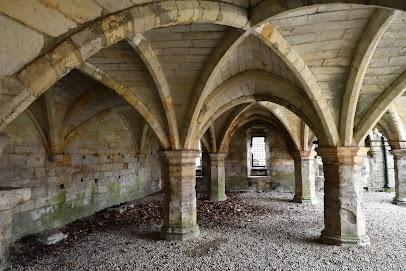
St. Leonard's Hospital
16.8 km
Explore the evocative ruins of York’s largest medieval hospital, where healing met faith in a grand historic sanctuary.
York Gifts and Souvenirs
16.8 km
Explore York Gifts and Souvenirs for locally crafted treasures and unique gifts that capture the essence of York's rich history and culture.
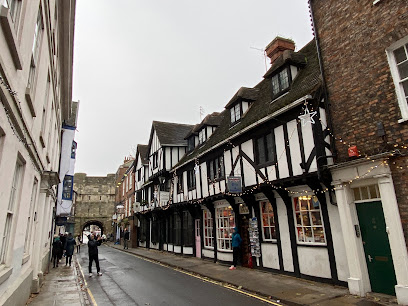
Medieval Walls
16.8 km
Walk England’s longest medieval walls, tracing 2,000 years of York’s history with stunning city views and iconic fortified gateways.
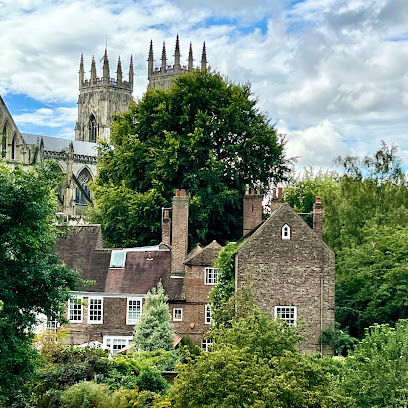
Best of Britain – Yorkshire Day Tours (formally BOBH)
16.9 km
Discover the enchanting landscapes and rich heritage of Yorkshire with personalized tours from Best of Britain – Yorkshire Day Tours.
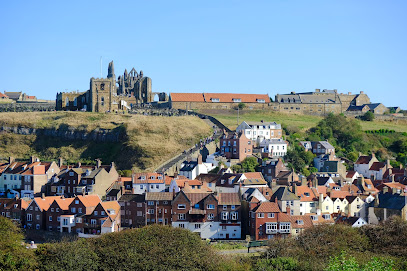
Historic England - York Office
16.9 km
Explore the Historic England - York Office, a hub for heritage preservation in the heart of York, where history meets contemporary conservation efforts.
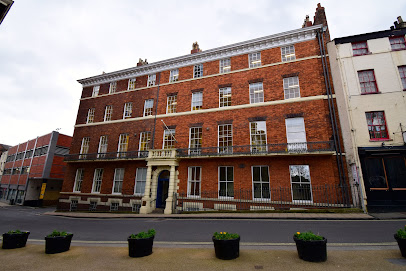
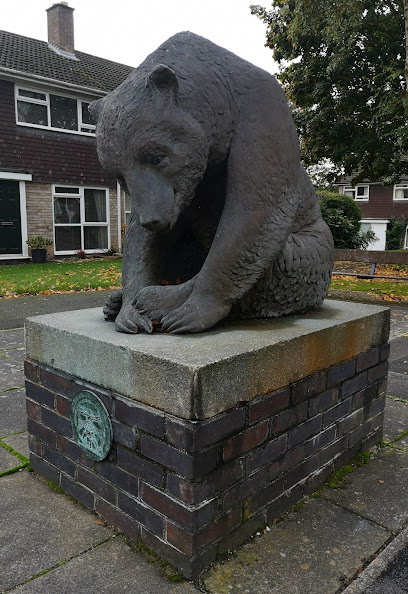
Chalfont Bear
16.9 km
Explore the historic beauty of Chalfont Bear in Dringhouses, York, a landmark that captures the essence of local heritage and picturesque surroundings.
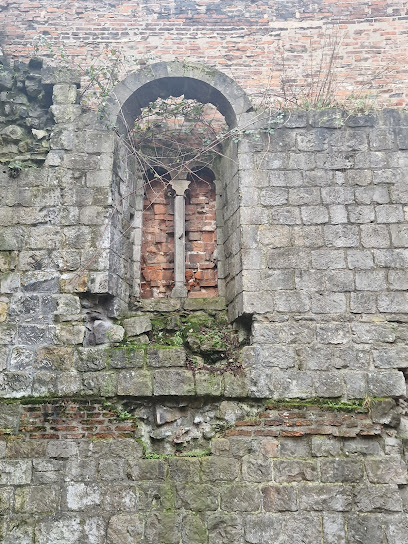
The Norman House
16.9 km
Discover York’s oldest medieval house, a Norman stone residence with rare surviving walls and a Norman window hidden behind Stonegate.
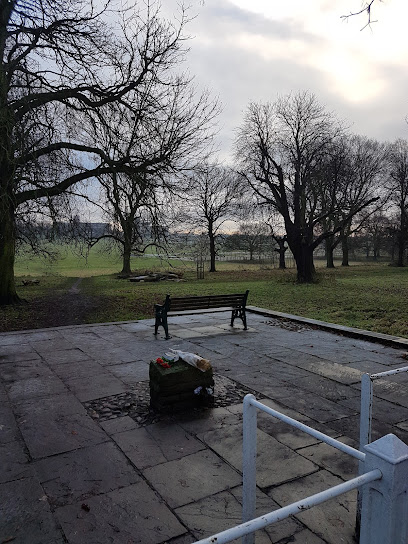
The Tyburn
16.9 km
A solemn stone on York’s Knavesmire marks centuries of public executions and justice’s harsh history.
The Cathedral and Metropolitical Church of St Peter in York
16.9 km
A soaring Gothic masterpiece in the heart of York, where 1,400 years of faith, history, and light-filled architecture converge in one of England’s greatest cathedrals.
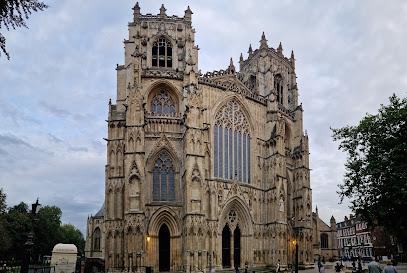
York Minster
16.9 km
Discover the grandeur of York Minster, a stunning Gothic cathedral steeped in history and architectural brilliance, perfect for visitors seeking cultural immersion.

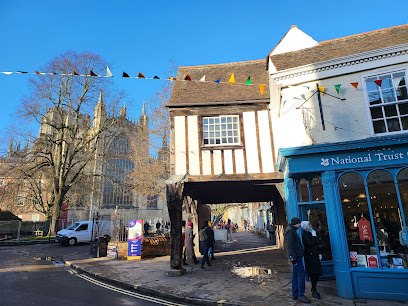
National Trust - Treasurer's House, York
17.0 km
Explore the grandeur of Treasurer's House in York, a captivating historical museum that unveils the rich tapestry of English heritage.
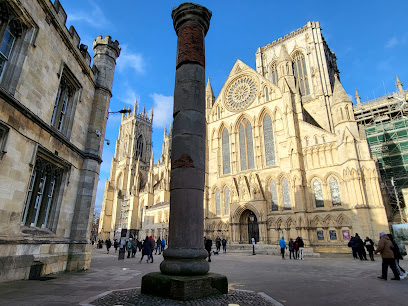
Roman Column
17.0 km
A 7.6-metre Roman column where Constantine may have been declared Emperor, standing in the shadow of York Minster since 1971.
Unmissable attractions to see

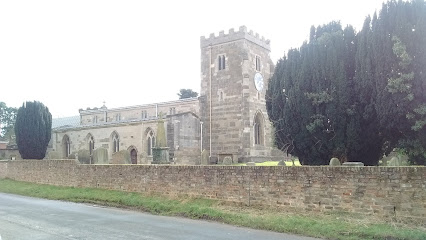
Aldborough Roman Site
7.4 km
Explore Aldborough Roman Site, the ancient northern capital with stunning mosaics and rich Roman heritage nestled in a serene Victorian arboretum.
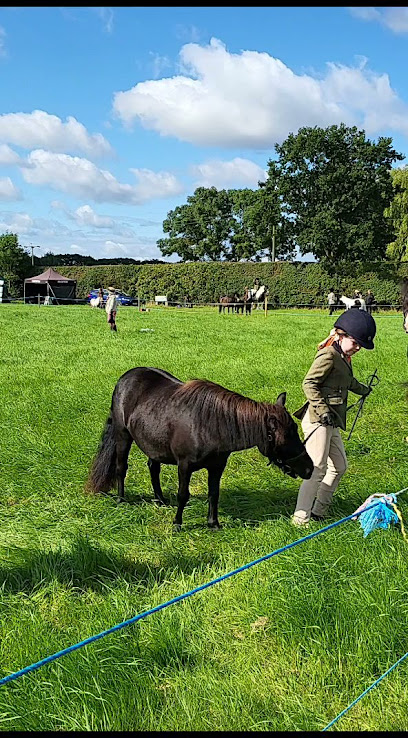
Tockwith Showfield
7.8 km
Experience Yorkshire’s vibrant rural traditions and lively agricultural celebrations at Tockwith Showfield near York.
St Robert's Cave
10.8 km
Discover the serene medieval hermitage carved into limestone cliffs, where St Robert of Knaresborough lived and inspired centuries of spiritual pilgrimage.
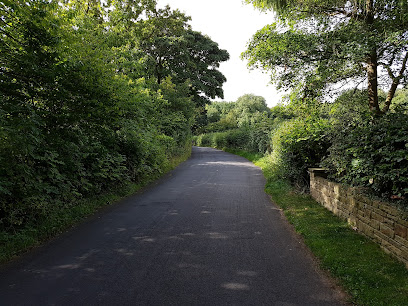
Knaresborough Castle and Courthouse Museum
11.6 km
Discover medieval history and stunning river views at Knaresborough Castle and Courthouse Museum, a timeless Yorkshire treasure.
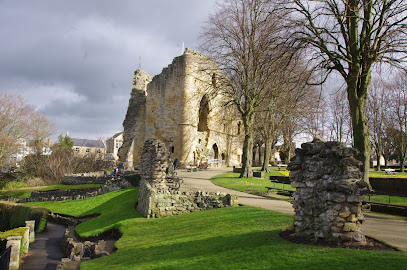
Mother Shipton's Cave
11.9 km
Explore England’s oldest visitor attraction where legend, nature’s magic, and family fun meet in a scenic woodland by the River Nidd.
Plumpton Rocks
12.5 km
Discover the enchanting 18th-century landscape garden of Plumpton Rocks, where dramatic rock formations meet tranquil lakes and woodland trails in North Yorkshire.
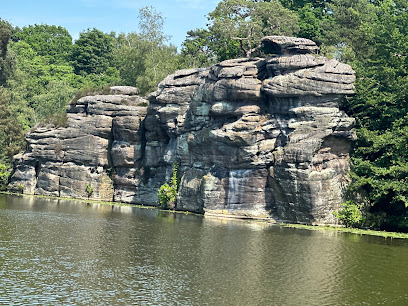
Sutton Park
13.0 km
Historic Sutton Park in York offers a welcoming events venue blending rich heritage with scenic charm and community spirit.
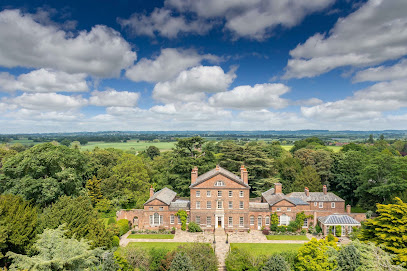
Rawcliffe Country Park
13.6 km
Explore York’s Rawcliffe Country Park, a 24/7 natural retreat with climbing, biking, trails, and community events for all ages.
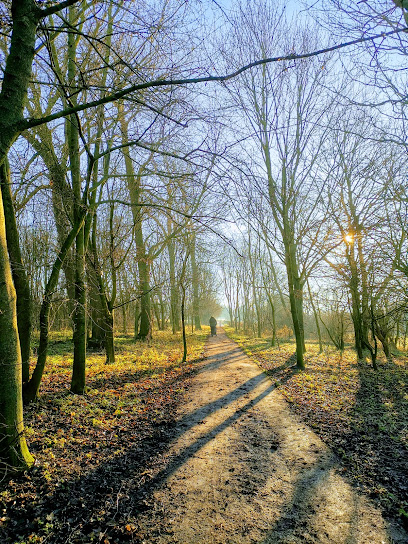
Flip Out York (Previously Point Zero Trampoline Park York)
13.6 km
Energetic indoor trampoline and adventure park in York, perfect for family fun, active play, and all-age excitement.

Stockeld Park
14.1 km
Discover enchanting family adventures year-round at Stockeld Park, where Yorkshire’s natural beauty meets magical play and seasonal celebrations.
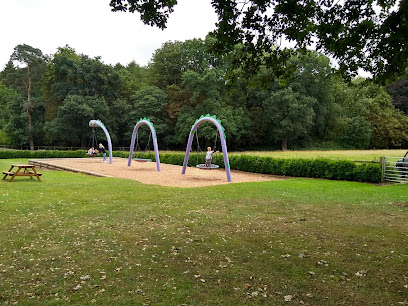
York Cold War Bunker
15.4 km
Explore York’s preserved Cold War bunker, a gripping museum revealing Britain’s nuclear defense history through authentic rooms and expert-led tours.
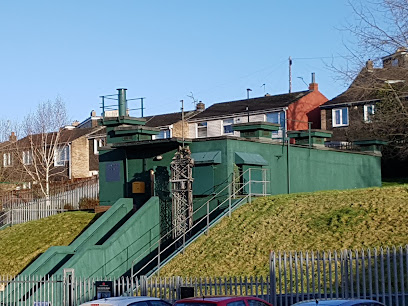
The Stray
15.7 km
A vast, historic green oasis in Harrogate, celebrated for its blossoms, open spaces, and vibrant community spirit.
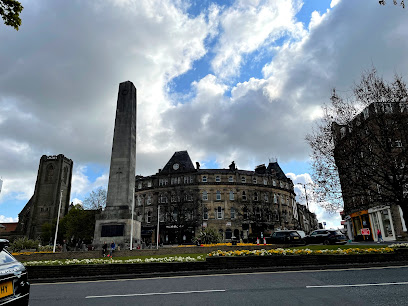
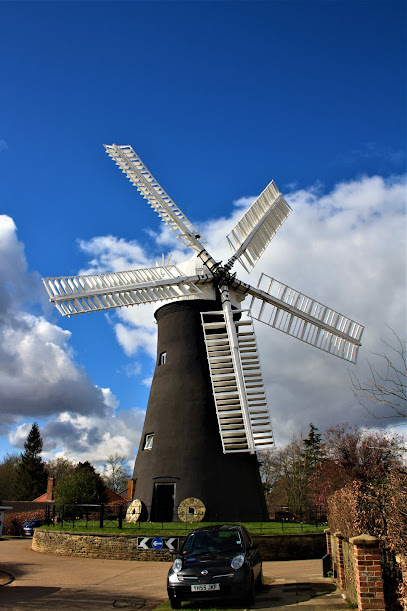
Holgate Windmill
15.8 km
York’s last working 18th-century windmill, grinding flour atop a suburban hill with historic charm and panoramic city views.
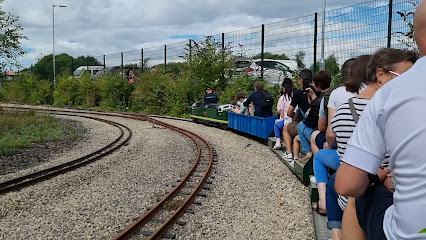
Miniature Railway
16.2 km
A charming miniature railway ride nestled within York’s National Railway Museum, blending family fun with historic railway heritage.
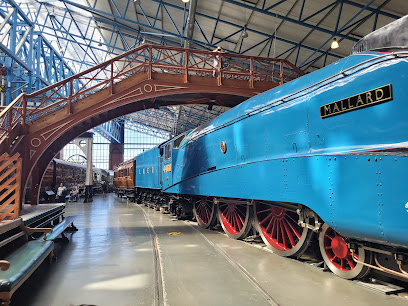
National Railway Museum York
16.3 km
Explore Britain's rich railway heritage with iconic locomotives, interactive exhibits, and historic carriages at York's National Railway Museum.
Essential places to dine

Horto Restaurant
14.7 km
Seasonal British small plates in a bright, elegant setting at Rudding Park’s kitchen garden-inspired Horto Restaurant.
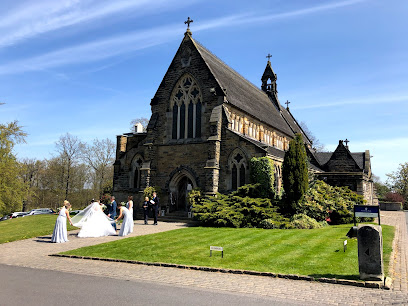
Crab & Lobster Hotel & Restaurant
15.5 km
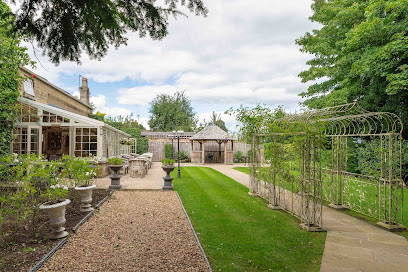
Eclectic seafood dining and uniquely themed rooms combine for a memorable stay in tranquil North Yorkshire countryside.
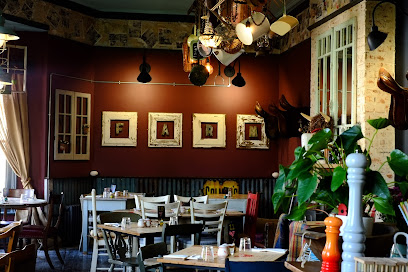
Quirky Farm Bistro
16.4 km
A cozy, independent bistro in Harrogate serving heartfelt breakfasts and brunches with a unique blend of British, Italian, and Caribbean flavors.
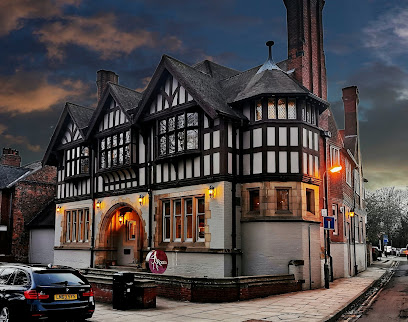
Roots York
16.5 km
Discover Roots York, a Michelin-starred gem offering seasonal farm-to-table tasting menus in a historic 19th-century setting with warm, refined ambiance.
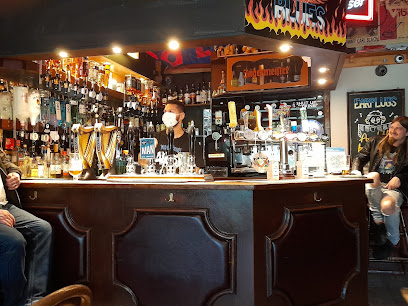
THE BLUES BAR - YORKSHIRE TAPAS
16.7 km
Savor Northern British classics tapas-style with live blues music in Harrogate’s vibrant and cozy Blues Bar venue.
The Star Inn The City
16.8 km
Elegant riverside dining in York offering seasonal British cuisine with a rustic countryside charm and stunning views of the River Ouse.
The Rise
16.8 km
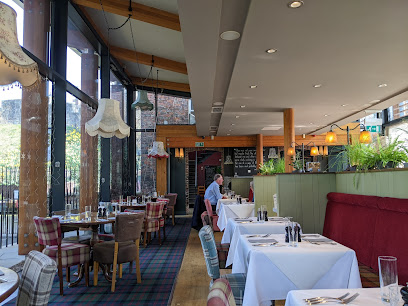
Modern British dining with a Yorkshire twist in York’s only five-star hotel, featuring an open kitchen, terrace views, and award-winning afternoon tea.
Brew & Brownie
16.8 km
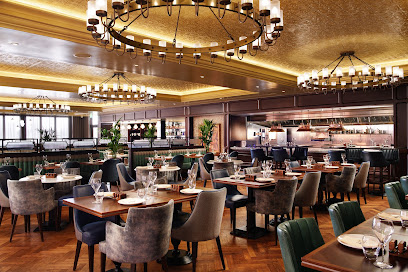
Cozy family-run café in York serving locally inspired breakfasts, artisan coffee, and indulgent brownies in a rustic, welcoming setting.
Delrio's Restaurant
16.8 km
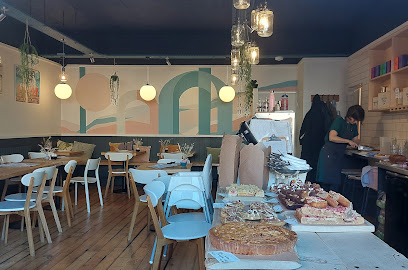
Experience authentic Italian and Sardinian cuisine in York’s cozy cellar setting, where passion and tradition create unforgettable flavors.
Partisan
16.9 km
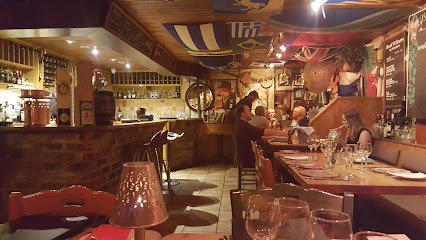
Artistic café serving seasonal brunch and lunch in a bohemian Parisian-inspired setting on historic Micklegate.
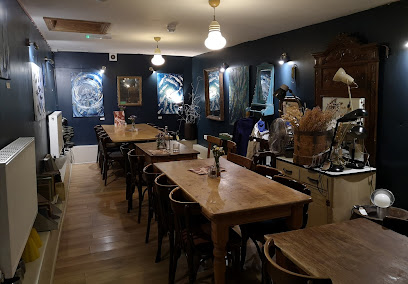
Skosh
16.9 km
Inventive small plates, global flavors, and theatrical kitchen views in intimate York setting.
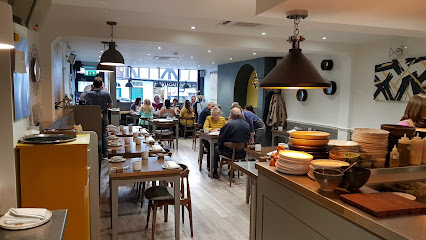
Tomahawk Steakhouse York
16.9 km
Savor Himalayan salt dry-aged steaks and vibrant cocktails in the heart of York’s historic city centre at Tomahawk Steakhouse.
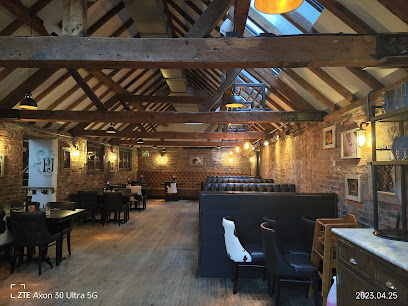
Guy Fawkes Inn
16.9 km
Historic inn with cozy period rooms, lively pub, and unbeatable central location near York Minster.
The Ivy St Helen's Square York
16.9 km
Elegant British brasserie in York’s historic heart, offering modern classics, vibrant interiors, and a lively yet refined atmosphere.
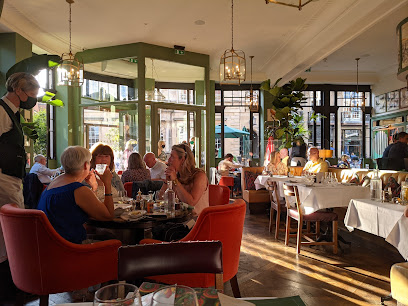
The Botanist York
17.0 km
A vibrant botanical bar and restaurant on York’s historic Stonegate, blending fresh seasonal cuisine with live music and lush, nature-inspired interiors.
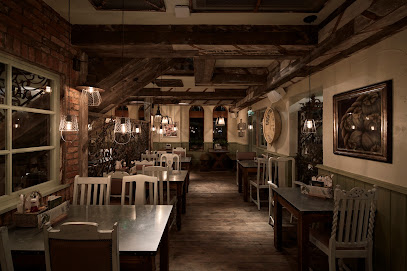
Markets, malls and hidden boutiques

Uniquely Local Experiences
14.9 km
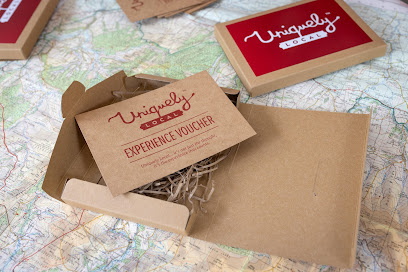
Explore a unique gift shop in York offering local crafts, corporate gifts, and event planning services for a truly memorable experience.
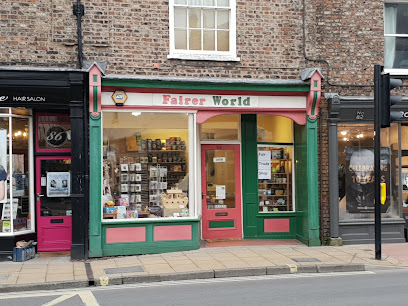
Fairer World
16.7 km
Discover unique fair trade treasures and support global artisans at York’s dedicated ethical gift shop on historic Gillygate.
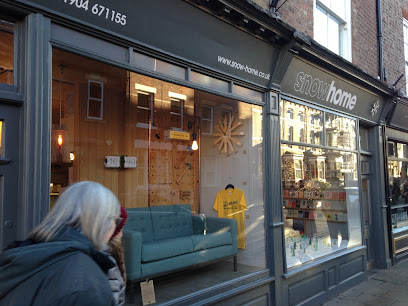
Snowhome
16.7 km
Discover Snowhome, York’s premier independent lifestyle store blending exquisite stationery, niche perfumes, and sustainable home accessories since 2001.
Old York
16.9 km
Explore Old York Antique Shop: A vintage treasure trove in the heart of York, perfect for history lovers and collectors seeking unique finds.
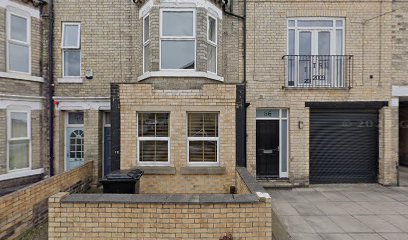
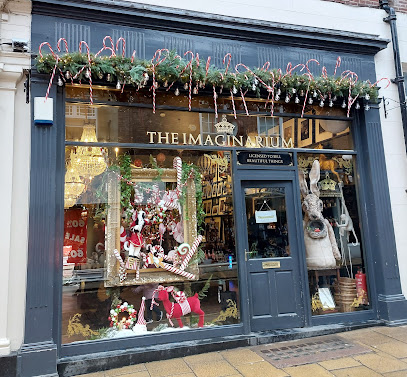
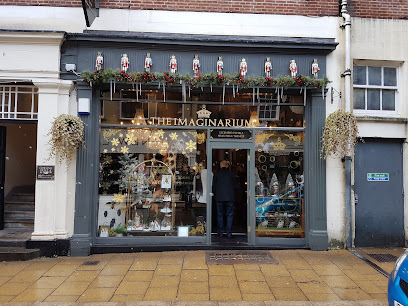
The Imaginarium
16.9 km
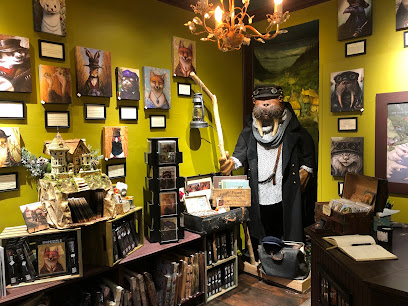
Discover York’s enchanting Victorian-style curiosity shop filled with unique art, vintage-inspired homewares, and affordable luxuries.
The Yorkshire Soap Company - York
16.9 km
A fragrant, playful haven of handmade soaps and scented treats in the heart of York – perfect for gifts and a little indulgence.
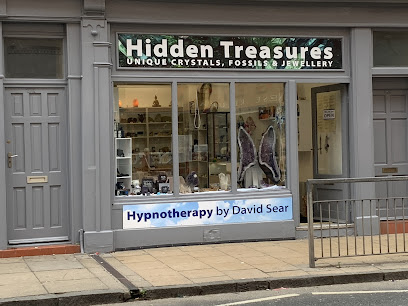
Hidden Treasures
16.9 km
Discover unique crystals and spiritual tools in a tranquil metaphysical shop at York’s George Hudson Street.
York Minster Shop
16.9 km
Discover authentic souvenirs and specialist books celebrating York Minster's medieval heritage.
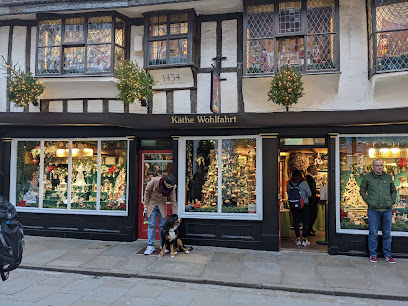
Käthe Wohlfahrt
17.0 km
Experience authentic German Christmas magic year-round in York’s historic Tudor townhouse on Stonegate.
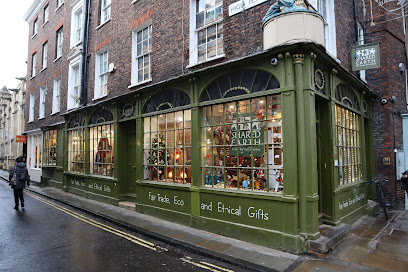
Shared Earth
17.0 km
Discover ethically sourced treasures and handcrafted fair trade gifts in the heart of historic York.
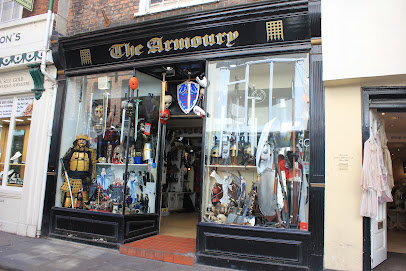
York Armoury
17.0 km
Explore York Armoury for unique gifts and local crafts that embody the rich heritage and charm of York, England.
Rookscroft
17.0 km
Discover handcrafted treasures and local charm at Rookscroft, York’s cozy gift shop on historic Stonegate.
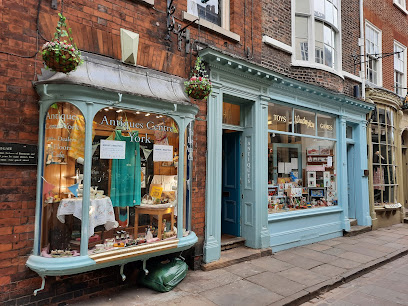
The Antiques Centre York
17.0 km
Explore a treasure trove of antiques and vintage collectibles at The Antiques Centre York, where history meets charm in every corner.
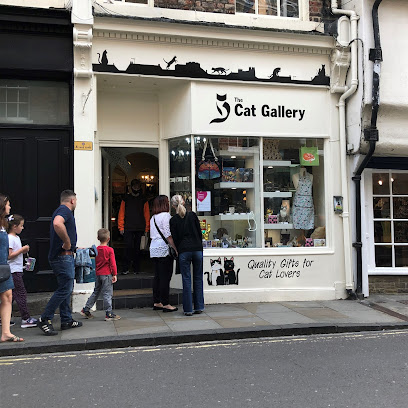
The Cat Gallery
17.0 km
York's iconic independent gift shop celebrating all things feline since 2001.
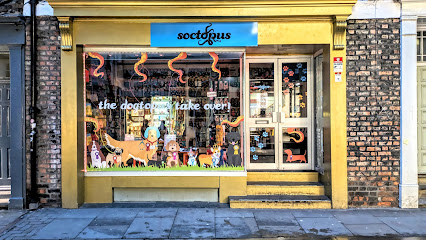
SOCTOPUS
17.0 km
Discover York’s playful sock boutique blending British humour, culture, and quirky style in every colourful pair.
Essential bars & hidden hideouts

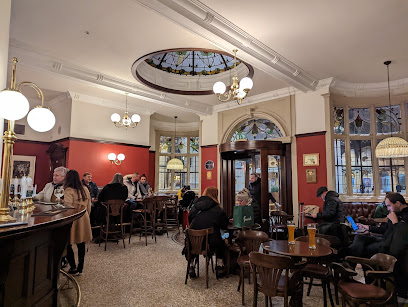
York Tap
16.6 km
Discover York Tap, a historic Edwardian pub at York Station, offering 32 rotating craft beer lines and a lively atmosphere for beer lovers.
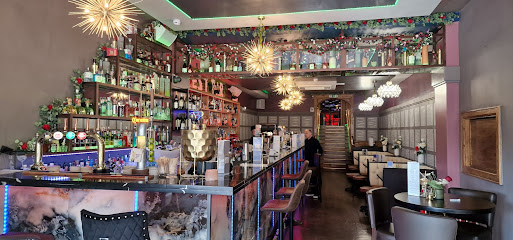
Best Bar Harrogate
16.6 km
Lively and friendly bar on Parliament Street offering expertly crafted cocktails and a vibrant nightlife experience in Harrogate.
Eagle & Child
16.8 km
Historic 17th-century timber-framed pub in York offering craft ales, good food, and a charming beer garden in a quaint, lively setting.
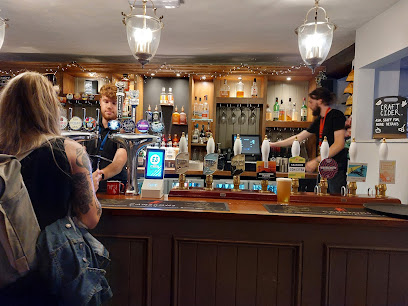
The Maltings
16.8 km
A quirky, friendly pub in York offering a wide beer selection and a welcoming atmosphere in the heart of Tanner's Moat.
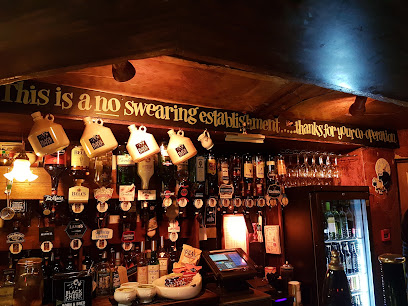
House Of Trembling Madness // Lendal (No table bookings)
16.9 km
Step into York’s medieval gem where historic ambiance meets an extraordinary craft beer selection in a quirky, lively setting.
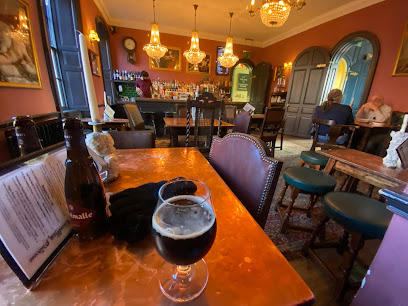
Lendal Cellars
16.9 km
Historic underground pub with a quirky atmosphere, diverse menu, and a rare city-center beer garden in York.
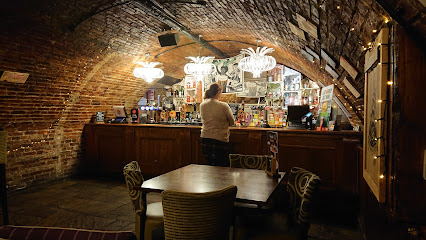
Ye Olde Starre Inne
16.9 km
Historic and welcoming pub on York’s Stonegate, serving hearty British classics in a charming medieval setting.
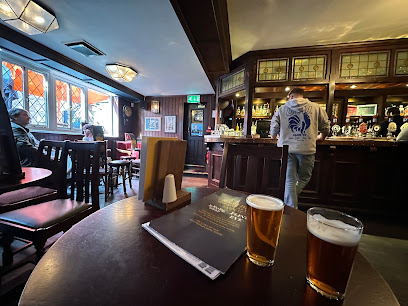
The Punch Bowl
16.9 km
A historic York pub blending traditional charm, eclectic ales, and hearty British fare in a cozy, welcoming setting on Stonegate.
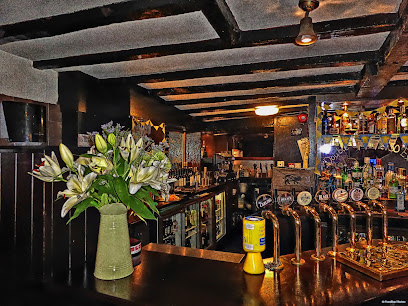
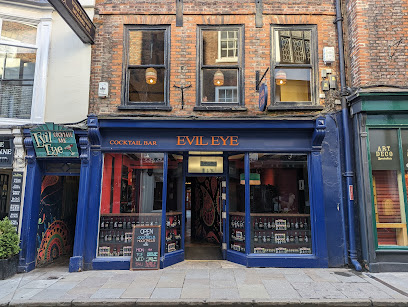
Evil Eye
17.0 km
Quirky cocktails and lively entertainment blend seamlessly in York’s vibrant Evil Eye Lounge on historic Stonegate.
Revolution York
17.0 km
Lively riverside bar and restaurant in York’s historic centre with multiple bars, garden terrace, and a vibrant atmosphere for all occasions.
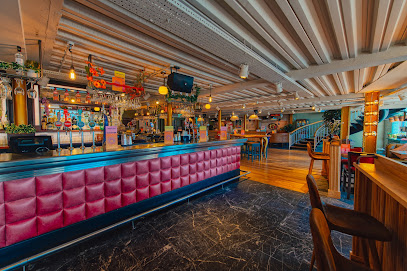
Bobos Cocktail Bar York
17.0 km
York’s vibrant two-floor cocktail bar with tropical drinks, heated shisha terrace, lively DJs, and unbeatable drink deals in the historic Quarter.
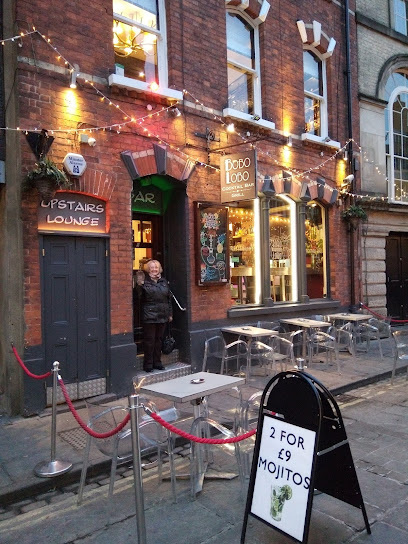
Dusk
17.0 km
A quirky and welcoming bar in York’s city centre, perfect for lively nights and casual drinks in a vibrant atmosphere.
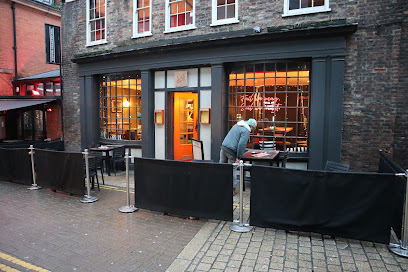
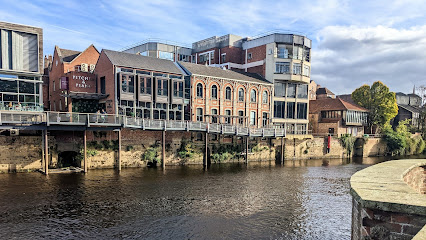
Pitcher & Piano York
17.0 km
Lively riverside bar on Coney Street blending modern British cuisine, vibrant social events, and scenic views of the River Ouse in York.
Slug & Lettuce - Swinegate York
17.0 km
A lively cocktail bar and casual dining spot in York’s historic centre, perfect for social drinks, events, and weekend late nights.
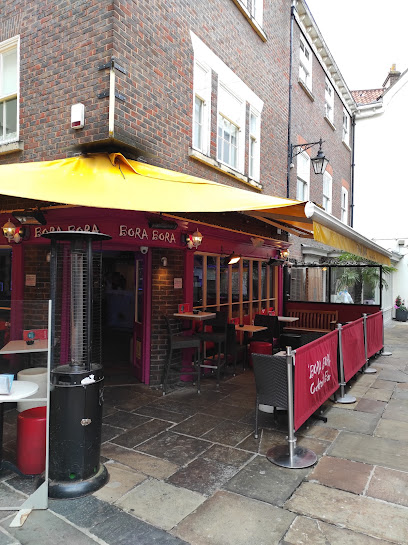
Jalou York
17.1 km
Historic church transformed into a vibrant cocktail bar with creative drinks and lively nightlife in the heart of York.
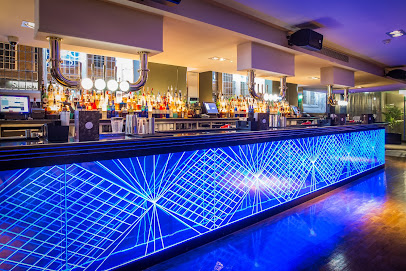
Nightclubs & after hour spots

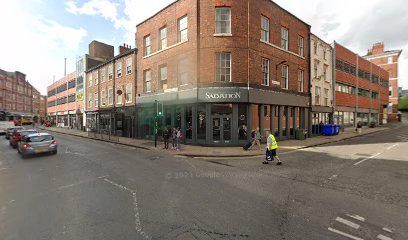
Club Salvation
16.9 km
York’s vibrant nightclub with dual music rooms, lively atmosphere, and fair-priced drinks for an unforgettable night out.
Flares - York
16.9 km
Experience York’s ultimate retro nightclub with decades-spanning hits, vibrant dance floors, and an inclusive party atmosphere.
Ziggy's Bar & Nightclub
16.9 km
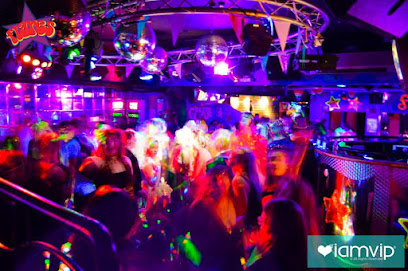
York’s iconic student nightclub offering energetic dance floors, affordable drinks, and a lively atmosphere since the 1980s.
Bar 55 York
16.9 km
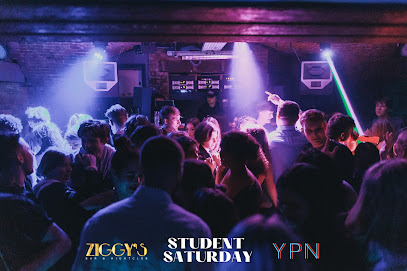
York’s exclusive strip club offering sophisticated adult entertainment and premium nightlife in a stylish, historic setting.

Popworld York
17.0 km
York’s vibrant pop music nightclub with a unique revolving dancefloor and a lively atmosphere for unforgettable nights out.
BlueBox
17.0 km
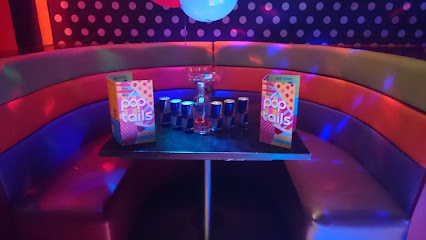
York’s premier late-night nightclub, BlueBox pulses with House, Tech House, and Disco beats until dawn in a vibrant city-center setting.

Kuda
17.3 km
York’s vibrant nightclub offering diverse music, live DJs, and a lively late-night atmosphere in the heart of the city.
Karaoke Rooms (KTV)
18.2 km
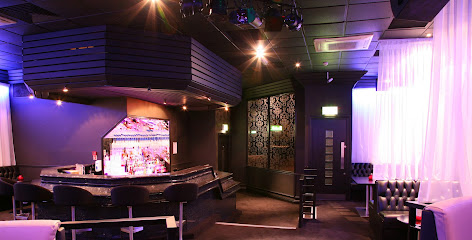
Experience lively private karaoke rooms in the heart of York’s vibrant nightlife at Chuandao Karaoke Bar.
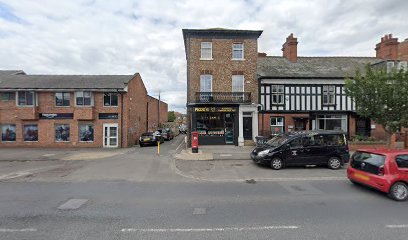
New Inn
30.2 km
Traditional Headingley pub with roaring fires, cask ales, and community spirit on lively Otley Road—a cozy cornerstone of Leeds life.
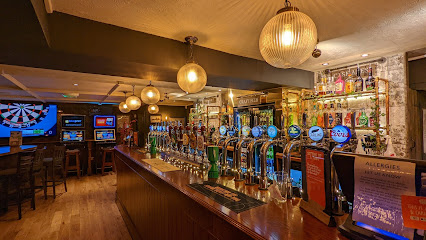
Arabian Night Lounge
30.4 km
Dive into Arabian enchantment on Leeds' nightlife scene: shisha, beats, and opulent vibes await at this Cherry Row gem.
New Headingley Club
30.8 km
Discover the perfect blend of pub charm and club vibes at New Headingley Club, a lively nightlife hotspot in Leeds.
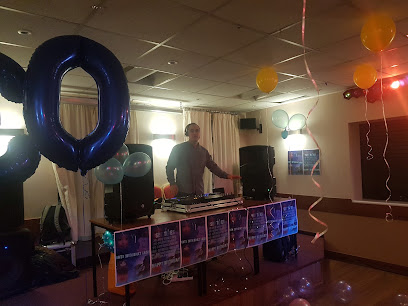
The Lab Nightclub Leeds
31.1 km
Experience Leeds' electric nightlife at The Lab Nightclub, where music flows smoothly and the party never stops in the heart of the city.
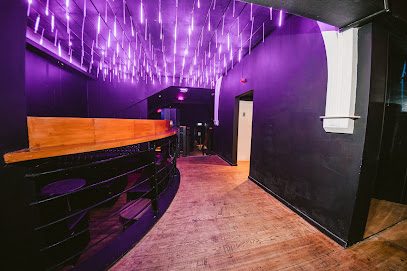
Quadrophenia Night
31.2 km
Rev up for mod anthems, live ska-soul bands, and 60s film vibes at Leeds' ultimate Quadrophenia tribute night—pure energy and rebellion on the dancefloor.
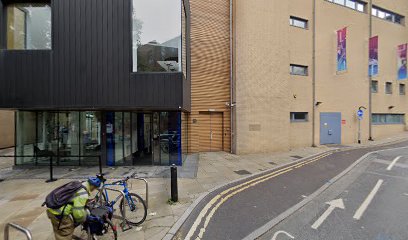
The Key Club
31.2 km
Intimate, no-frills live-music club in central Leeds where punk, indie and alternative acts play close and loud beneath Merrion Street.
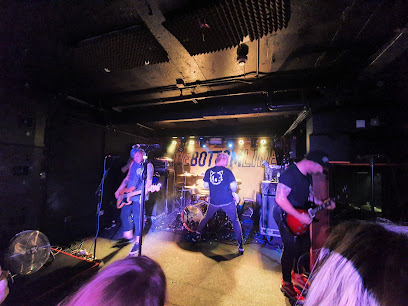
Disco Stu's
31.2 km
Pulse-pounding beats and sticky-floored euphoria on Vicar Lane—Disco Stu's delivers unfiltered Leeds nightlife with affordable drinks and all-night energy.
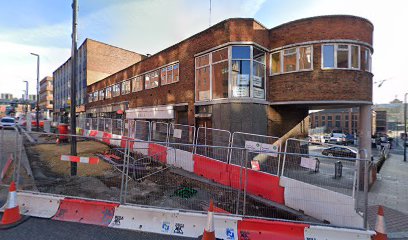
For the vibe & atmosphere seeker
- Tranquil
- Scenic
- Historic
For the design and aesthetic lover
- Vintage Styles
- Rustic Designs
For the architecture buff
- Historic
- Landmarks
- Sacred Sites
For the view chaser and sunset hunter
- Iconic Views
- Panoramas
For the social media creator & influencer
- Instagrammable
- Photo Spots
For the eco-conscious traveler
- Protected Area
- Public-Transport Accessible
- Locally Managed
For the kind of experience you’re after
- Cultural Heritage
- Photowalk
- Day Trip
- Weekend Getaway
For how adventurous you want the journey to be
- Easy Access
Location Audience
- Family Friendly
- Senior Friendly
- Child Friendly
- Solo Friendly
- Couple Friendly


