

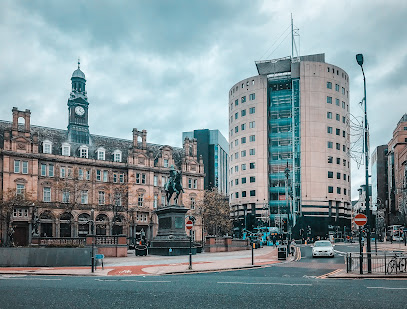
Statue of John Harrison in Leeds City Square
Honoring Leeds’ historic benefactor John Harrison, whose philanthropy and leadership shaped the city’s early growth and community spirit.
Erected in 1903 in Leeds City Square, the Statue of John Harrison honors one of the city’s most influential 17th-century figures. A cloth merchant, civic benefactor, and cat lover, Harrison significantly shaped Leeds through philanthropy, urban development, and civic leadership. The statue commemorates his legacy as a pioneer who improved living conditions and contributed to Leeds’ early governance.
A brief summary to Statue of John Harrison
- City Square, Leeds, GB
- +441132224444
- Visit website
- Duration: 0.25 to 1 hours
- Free
-
 Outdoor
- Mobile reception: 5 out of 5
Local tips
- Visit during daylight hours to fully appreciate the detailed craftsmanship and inscriptions on the statue.
- Combine your visit with a tour of nearby St John’s Church to explore more about Harrison’s legacy.
- City Square is a lively area with cafes and seating, ideal for a reflective break after viewing the statue.

For the on-the-go comforts that matter to you
- Restrooms
- Drink Options
- Food Options
- Seating Areas
- Trash Bins
- Information Boards
Getting There
-
Bus
Frequent bus services run to Leeds City Square from various parts of the city, with journey times ranging from 10 to 30 minutes depending on the starting point. Buses stop close to the square, and tickets cost approximately £2-£4. Note that services may be less frequent on Sundays.
-
Train and Walk
Leeds Railway Station is about 10 minutes’ walk from City Square. From the station, follow pedestrian-friendly routes through the city center. Train fares vary by origin but are generally affordable within the region. The walk is on paved streets and accessible for most travelers.
-
Taxi or Rideshare
Taxis and rideshare services provide a direct route to City Square from anywhere in Leeds, typically taking 10–20 minutes. Prices range from £5 to £15 depending on distance and traffic. This option is convenient for those with luggage or mobility considerations.
Statue of John Harrison location weather suitability
-
 Any Weather
-
 Rain / Wet Weather
-
 Clear Skies
-
 Mild Temperatures
Discover more about Statue of John Harrison
John Harrison’s Impact on 17th-Century Leeds
John Harrison (1579–1656) was a prominent cloth merchant and benefactor in Leeds during the early 1600s. He inherited his father’s wealth and used it generously to improve the lives of the poor and needy in the town. Harrison funded the building of almshouses, provided food and clothing for the disadvantaged, and created New Street (later New Briggate), using rents from these properties to finance further charitable work. He was deeply involved in civic life, serving as Mayor in 1634 and playing a key role in obtaining Leeds’ first charter from King Charles I in 1626.Philanthropy and Urban Development
Harrison’s contributions to Leeds went beyond charity. He built St John the Evangelist Church in 1634, a significant spiritual and community landmark, entirely at his own expense. He also constructed a market cross on Briggate and developed almshouses arranged around a courtyard to support the poor. His efforts helped shape the physical and social fabric of Leeds, marking him as a foundational figure in the city’s growth during the Tudor and early Stuart periods.The Statue and Its Symbolism
The statue of John Harrison, sculpted by Henry Charles Fehr and unveiled in 1903, stands in City Square, Leeds. It depicts Harrison in early 17th-century attire, holding a book, symbolizing his wisdom and civic dedication. The statue serves as a lasting tribute to his generosity, leadership, and the enduring impact he had on the city. It highlights his reputation as a man devoted to public service and community welfare.Legacy and Cultural Memory
Harrison’s legacy is preserved not only through the statue but also in the city’s landmarks and institutions. St John’s Church, now under the care of the Churches Conservation Trust, contains stained glass windows depicting scenes from his life, including his charitable deeds and civic contributions. His name is remembered as a grand benefactor who helped establish Leeds’ early governance and social infrastructure, with his tomb located in the church’s chancel.Connection to Leeds’ Historical Identity
John Harrison’s story is intertwined with Leeds’ transition from a market town to a burgeoning urban center. His commercial success as a cloth merchant and his civic activism helped lay the groundwork for the city’s development. The statue in City Square acts as a focal point for reflecting on Leeds’ rich history and the individuals who shaped its character during a pivotal era.Artistic and Historical Recognition
The statue is a Grade II listed structure, recognized for its artistic and historical significance. It stands as a cultural landmark in Leeds, attracting attention not only for its craftsmanship but also for commemorating a figure whose life exemplified philanthropy, civic responsibility, and community leadership in early modern England.Iconic landmarks you can’t miss

Statue of John Harrison
0.0 km
Honoring Leeds’ historic benefactor John Harrison, whose philanthropy and leadership shaped the city’s early growth and community spirit.
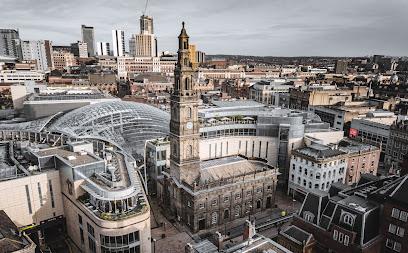
Holy Trinity Church
0.3 km
Discover Leeds’ elegant 18th-century Holy Trinity Church, a Georgian architectural masterpiece and vibrant cultural hub in the city centre.
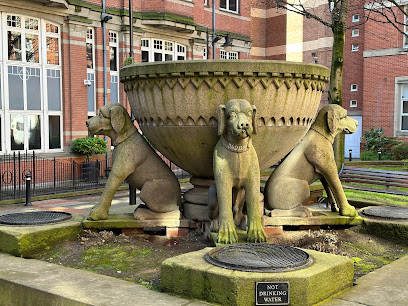
The Talbot Hounds Fountain
0.3 km
A majestic 19th-century fountain featuring four stone Talbot hounds, rescued from a lost Gothic mansion and now a cherished Leeds landmark.
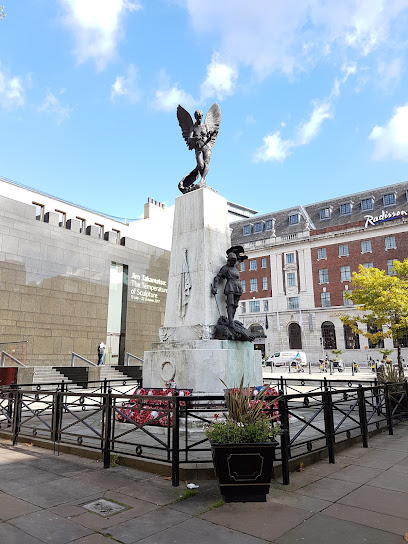
Leeds War Memorial
0.4 km
A solemn and historic tribute in Leeds city center honoring the bravery and sacrifice of World War I soldiers.
Tilly + Enzo
0.5 km
Discover tranquility at Tilly + Enzo, a serene shrine in Leeds offering a peaceful retreat amidst the city's vibrant energy.
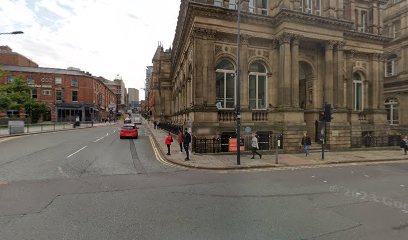
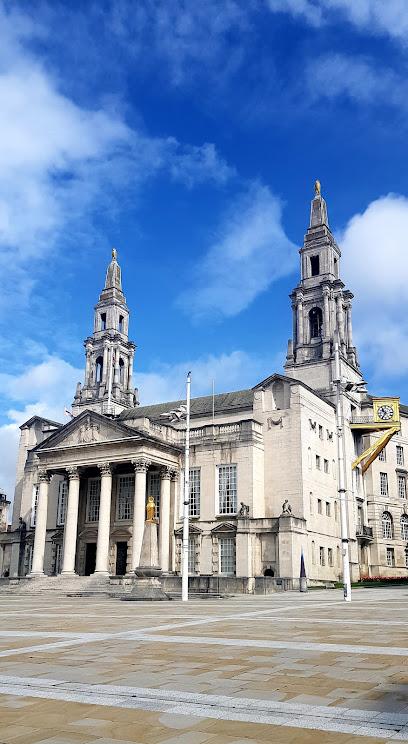
Civic Hall
0.6 km
A majestic Grade II* listed municipal building in Leeds, famed for its golden owls and grand civic ceremonies.
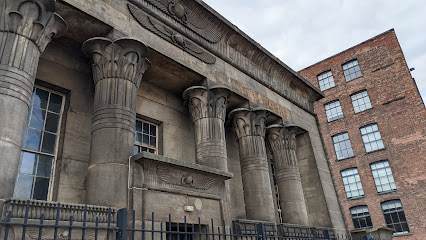
Temple Works
0.8 km
Discover Temple Works, Leeds’ iconic Egyptian Revival flax mill blending industrial heritage with architectural grandeur and future cultural renewal.
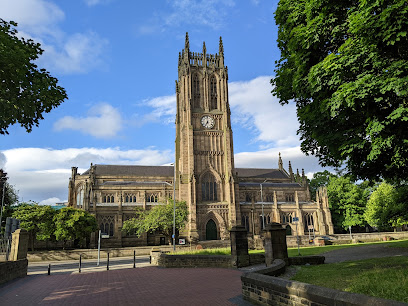
Leeds Minster
0.8 km
Discover Leeds Minster, a magnificent neo-Gothic church with over 1,400 years of history, musical heritage, and community spirit in the heart of Leeds.
AMT Headingley Rugby Stadium
3.1 km
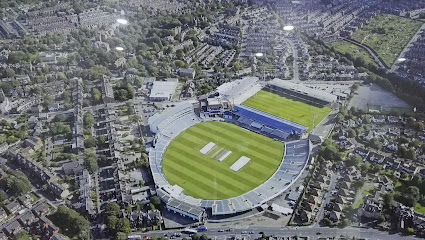
Discover the heart of rugby culture at AMT Headingley Stadium, Leeds – where thrilling matches and community spirit unite!
Headingley Enterprise & Arts Centre
3.3 km
Discover a vibrant community hub at Headingley Enterprise & Arts Centre, where art, culture, and collaboration come together in Leeds.
Headingley Carnegie Pavilion
3.3 km
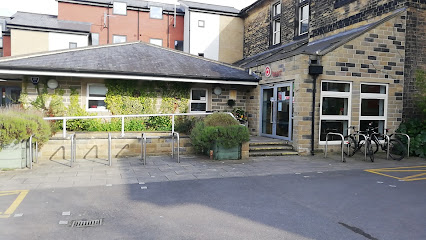
Discover Headingley Carnegie Pavilion, a historic landmark blending academic heritage with vibrant community life in Leeds.
Seven Arts
3.6 km
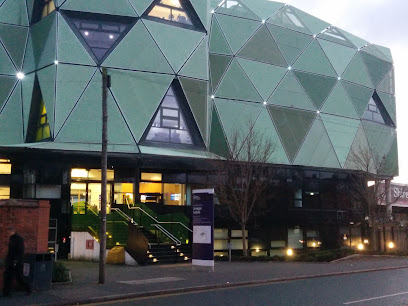
Discover the vibrant arts and culinary scene at Seven Arts, a premier performing arts theatre in Leeds with live music and delicious food.
Chapel Allerton Spaces
3.6 km
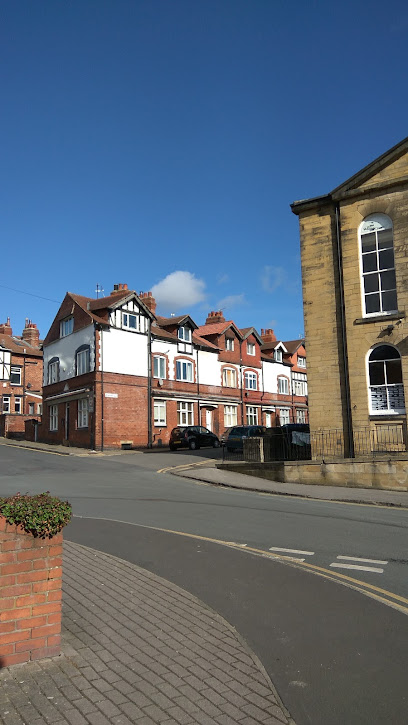
Explore the serene beauty of Chapel Allerton Spaces, a tranquil retreat in Leeds perfect for relaxation and community connection.
Chapel Allerton, Leeds
3.6 km
Explore the vibrant Chapel Allerton, Leeds, where local culture, unique shops, and diverse dining converge in a charming community atmosphere.

Willow Tree
3.7 km
Experience the tranquility of Willow Tree in Leeds, where nature meets relaxation, perfect for tourists seeking a serene escape.
Unmissable attractions to see

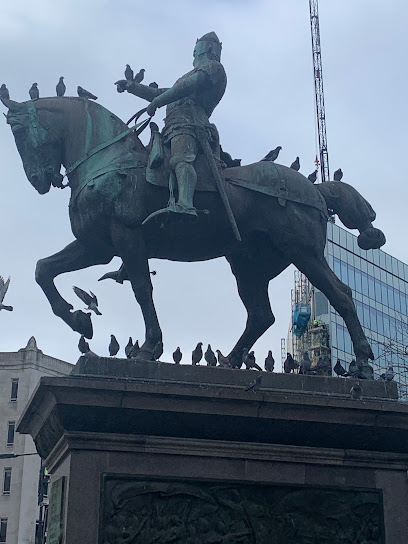
The Black Prince
0.0 km
A commanding bronze statue of Edward the Black Prince, symbolizing chivalry and history in the heart of Leeds City Square.
Tick Tock Unlock - Leeds Live Escape Rooms
0.1 km
Experience innovative, multi-themed escape rooms in Leeds city centre where puzzle-solving meets immersive storytelling and family fun.
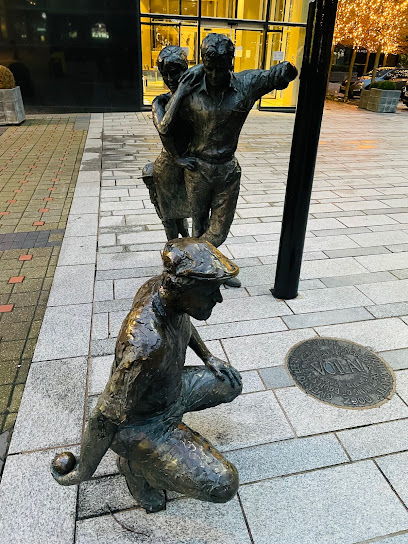
The Petanque Player
0.1 km
Discover a serene bronze tribute to French pétanque culture in the heart of Leeds, blending art, leisure, and community spirit.
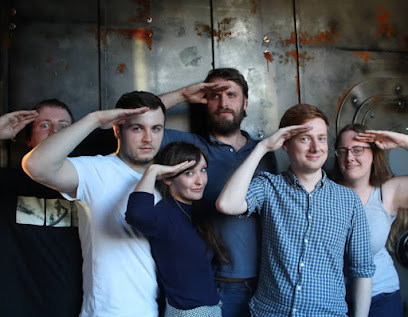
The Great Escape Game Leeds
0.2 km
Immersive escape rooms with theatrical flair and atmospheric storytelling in Leeds city centre.
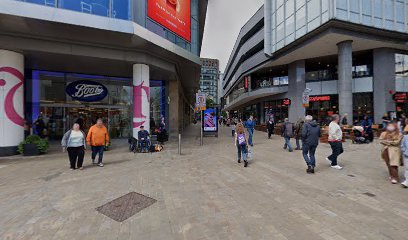
Jonny's Pitch
0.2 km
Jonny's Pitch in Leeds: A vibrant hub honoring the legacy of a passionate busker and the spirit of street performance.
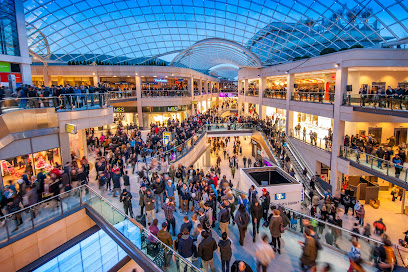
Trinity Leeds
0.2 km
Experience vibrant shopping, dining, and entertainment beneath Trinity Leeds’ iconic glass dome in the heart of the city.
Time Ball Buildings
0.4 km
Historic Victorian landmark on Leeds’ Briggate, famed for its iconic time ball and architectural elegance.
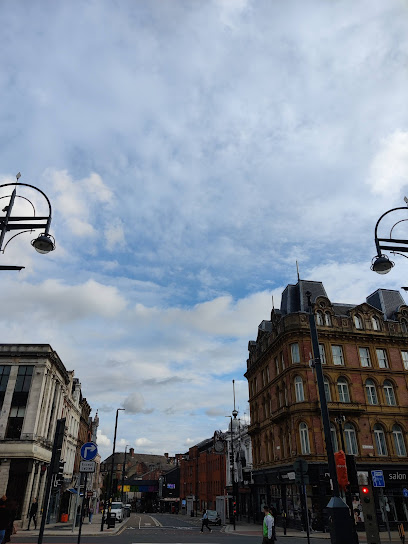
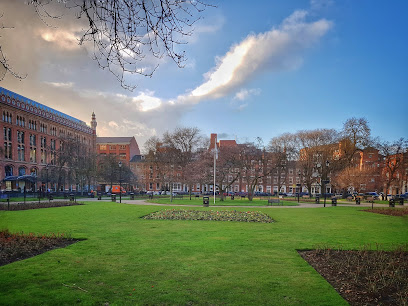
Park Square
0.4 km
A serene Georgian park in the heart of Leeds, blending historic elegance with tranquil green spaces for city escapes.
Outdoors Chess Boards
0.4 km
Free outdoor chess in the heart of Leeds city centre—where strategy meets community.
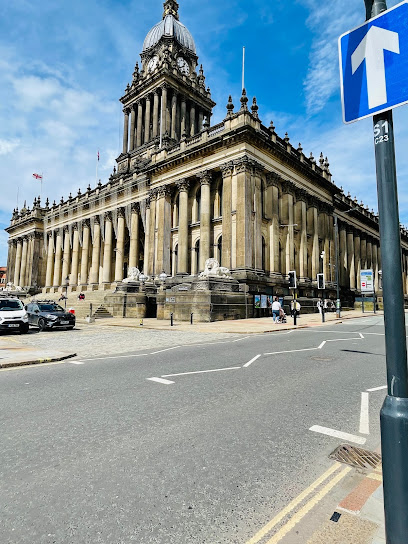
Leeds Art Gallery
0.4 km
Discover British modern and contemporary art in Leeds’ historic gallery with free entry, dynamic exhibitions, and the stunning Victorian Tiled Hall Café.
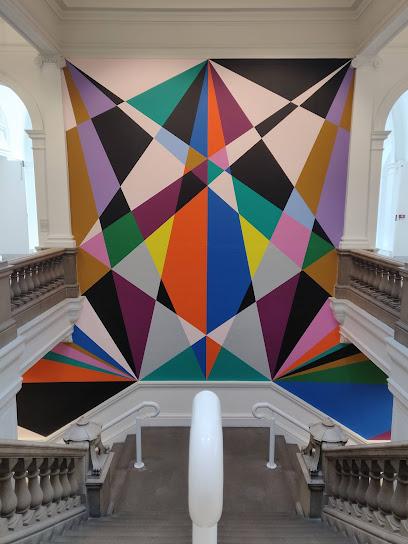
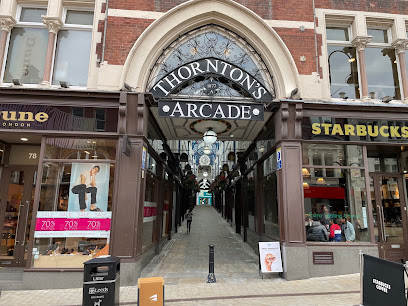
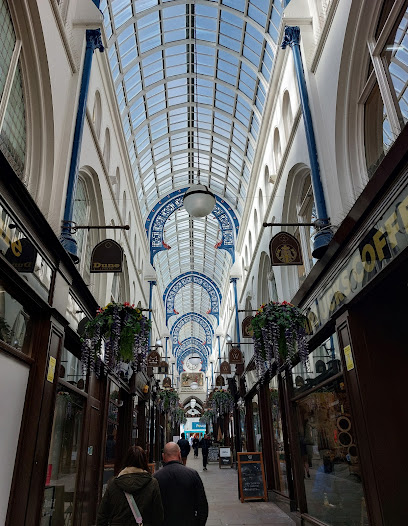
Thornton's Arcade
0.4 km
Step into Leeds’ oldest shopping arcade, where Victorian elegance meets vibrant independent boutiques and a famous animated clock.
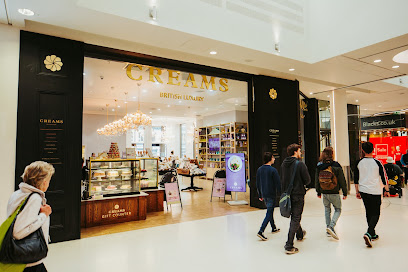
The Core
0.4 km
A vibrant Leeds city centre shopping destination blending retail, dining, and fitness under one roof.
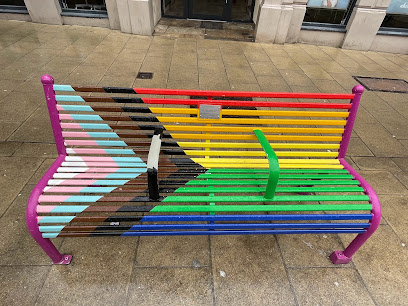
Janie Marie Swann Memorial Bench
0.4 km
A heartfelt memorial bench in Leeds city centre celebrating Janie Marie Swann’s legacy of community, hope, and LGBTQ+ inclusion.
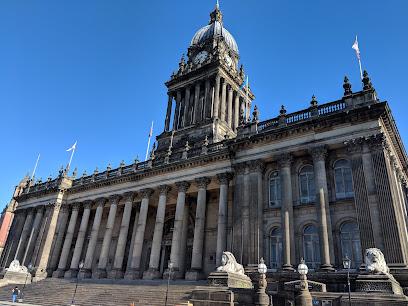
Leeds Town Hall
0.4 km
Discover the architectural beauty and cultural vibrancy of Leeds Town Hall, a historic landmark hosting concerts and events in the heart of the city.
Ivanhoe Clock Thornton’s Arcade, Leeds.
0.4 km
Discover the enchanting Ivanhoe Clock and Victorian elegance in Leeds’ historic Thornton’s Arcade, where art, history, and independent shops converge.
Essential places to dine

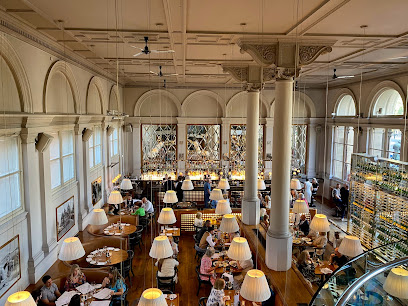
The Restaurant Bar & Grill Leeds
0.0 km
Elegant dining and premium steaks in Leeds’ iconic Old Post Office, blending heritage charm with modern sophistication.
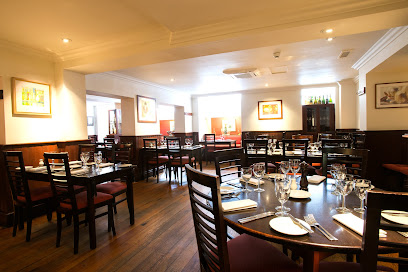
Sous Le Nez
0.1 km
Experience authentic French cuisine and warm Yorkshire hospitality in the charming basement setting of Sous Le Nez, Leeds’ beloved classic bistro.
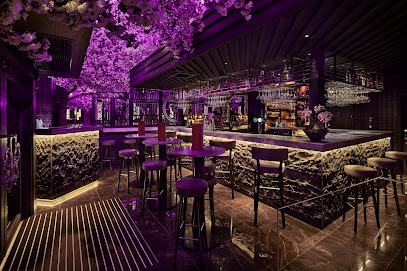
Tattu Leeds
0.2 km
Experience contemporary Chinese cuisine and artistic elegance in the heart of Leeds city centre at Tattu Leeds.
Gusto Italian
0.2 km
Experience vibrant, contemporary Italian cuisine with fresh ingredients and a lively atmosphere in the heart of Leeds city center.
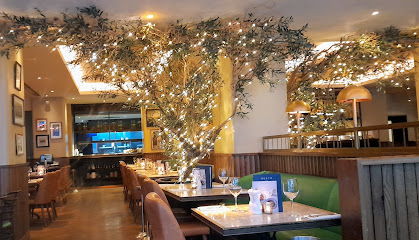
Bundobust
0.2 km
A vibrant hub in Leeds serving modern Indian vegetarian street food paired with craft beers in a lively, communal setting.
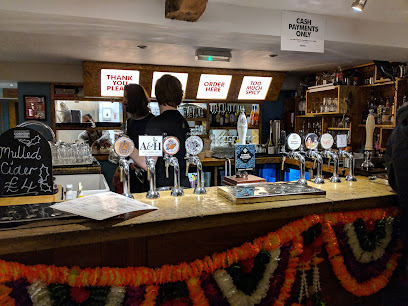
Da Vito Ristorante
0.2 km
Warm, authentic Italian dining in the heart of Leeds, offering classic flavors and a cozy atmosphere with attentive service.
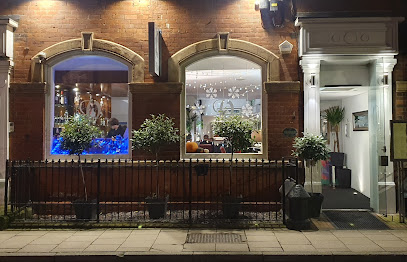
Tharavadu
0.2 km
A Michelin-recommended Kerala restaurant in Leeds serving vibrant, coconut-rich South Indian cuisine in a stylish, welcoming space.
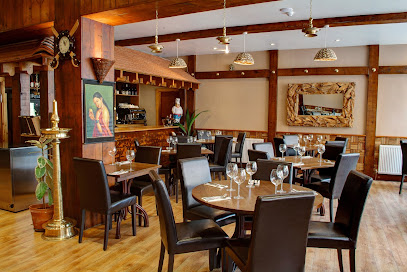
Riva Blu Italian Restaurant & Bar, Leeds
0.2 km
Authentic Italian flavors and vibrant Amalfi Coast charm in the heart of Leeds city centre.
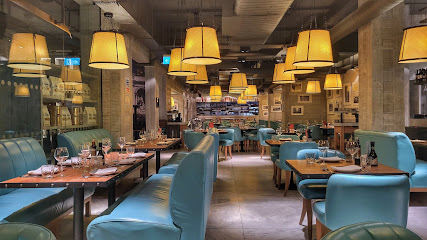
Bar Soba Leeds
0.2 km
Experience the vibrant flavors and lively atmosphere of Southeast Asian street food fusion in Leeds city center.
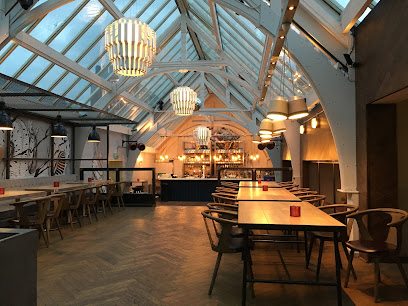
Sukhothai Restaurant
0.3 km
Experience authentic Thai cuisine and vibrant atmosphere at Sukhothai, Leeds’ flagship restaurant with over 200 dishes and stylish dining spaces.
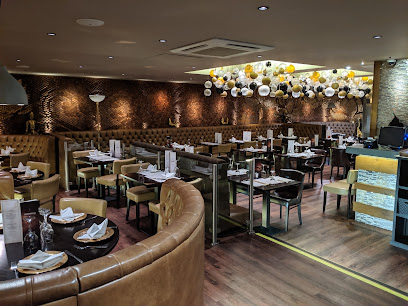
Bill's Leeds Restaurant
0.3 km
A vibrant British restaurant in Leeds offering diverse, seasonal dishes in a warm, inviting atmosphere with a touch of rustic charm.
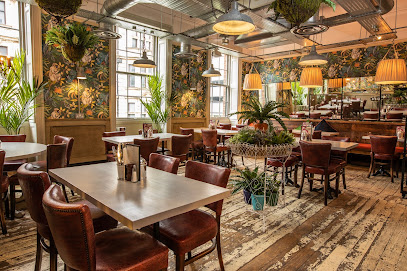
Lost & Found Leeds Club
0.3 km
Step into Victorian grandeur and modern mixology at Lost & Found Leeds Club, a captivating dining and cocktail destination in the city centre.
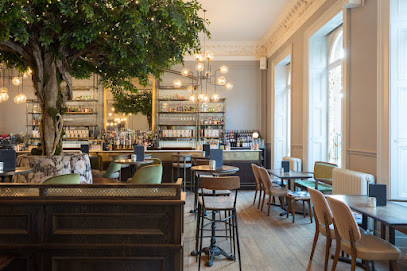
San Carlo - Leeds
0.3 km
Experience authentic Italian elegance and vibrant dining in the heart of Leeds with San Carlo’s luxurious menu and stylish ambiance.
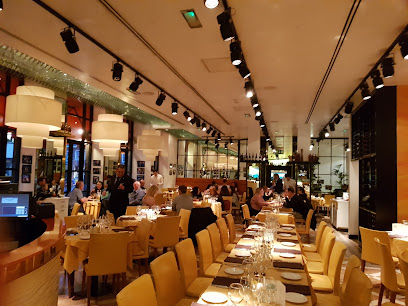
The Botanist Trinity Leeds
0.3 km
A lush, botanical gastropub beneath Trinity Leeds, serving inventive cocktails, British classics, and live weekend music in a greenhouse-inspired space.
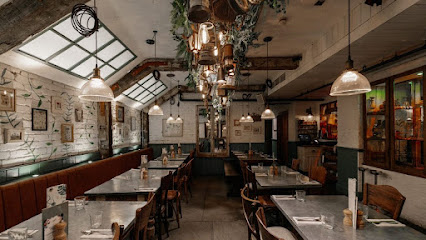
Ibérica Leeds
0.3 km
Experience authentic Spanish tapas and wines in the elegant, historic setting of Leeds’ Hepper House.
Markets, malls and hidden boutiques

Celeb Boutique
0.2 km
A compact Bond Street boutique in Leeds offering trend-led partywear and statement pieces in an intimate, high-impact shopping setting.
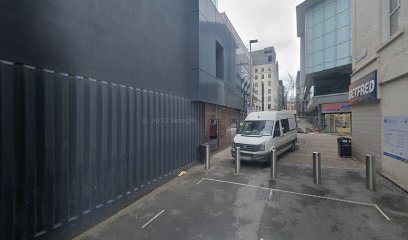
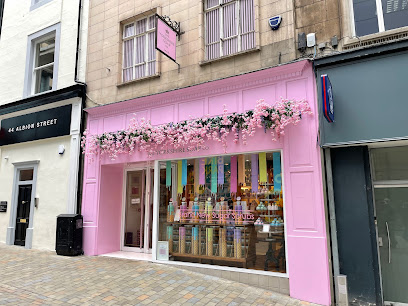
The Yorkshire Soap Company - Leeds
0.2 km
Discover handmade soaps and bath luxuries in a magical Leeds boutique blending artisan charm with Yorkshire craftsmanship.
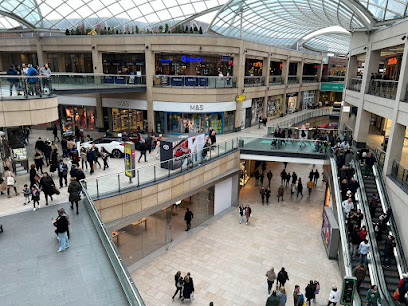
Urban Outfitters
0.3 km
Discover quirky, unique fashion and creative homewares at Urban Outfitters Leeds in Trinity Shopping Centre, a vibrant hub for youthful style and culture.
Crown Jewels Wax Melts
0.3 km
Explore Crown Jewels Wax Melts in Leeds for exquisite artisanal wax melts, candles, and unique jewelry—perfect souvenirs from your travels.
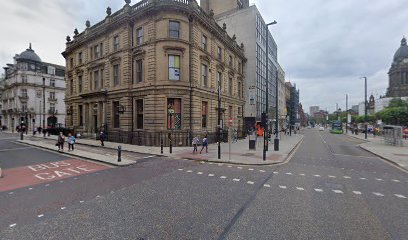
Pop Boutique
0.4 km
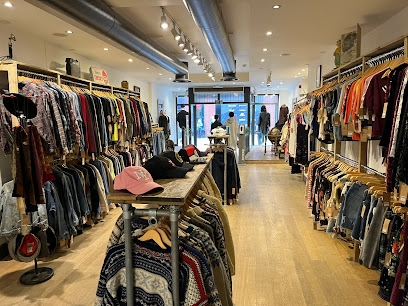
Discover timeless vintage fashion and unique retro treasures at Pop Boutique, Leeds’ beloved destination for curated vintage style from the 50s to 90s.
Montblanc Boutique Leeds
0.4 km
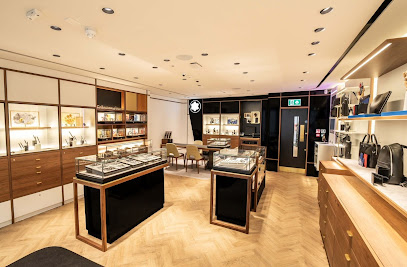
Discover timeless elegance and expert craftsmanship at Montblanc Boutique Leeds, your premier destination for luxury watches and accessories.
Yellow Sunrise
0.4 km
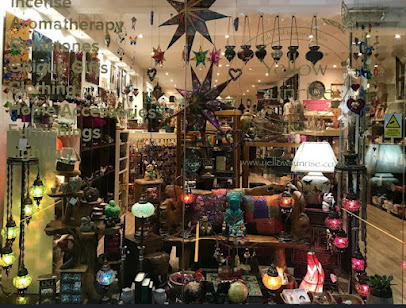
Discover Leeds’ vibrant metaphysical shop in Central Arcade, where colorful curiosities and spiritual treasures await every visitor.
Open Lifestyle Store
0.4 km
Discover stylish, quality men's fashion in the historic charm of Leeds’ Thornton's Arcade at Open Lifestyle Store.
Ryan Vintage
0.4 km
Leeds’ longest-running vintage shop packed with retro sportswear treasures and unbeatable bargains in the heart of the city.
The Allotment Store
0.4 km
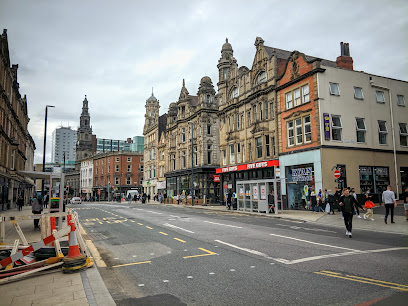
Leeds’ leading boutique for avant-garde designer menswear and exclusive high-end fashion collections.
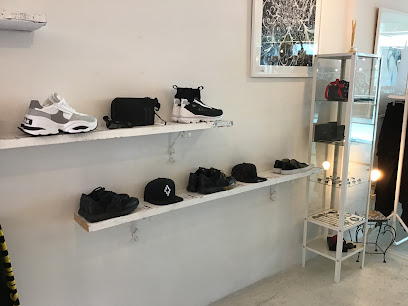
Tomorrow Store
0.4 km
Discover gender-neutral fashion and unique homewares at Leeds’ independent Tomorrow Store in the historic Central Arcade.

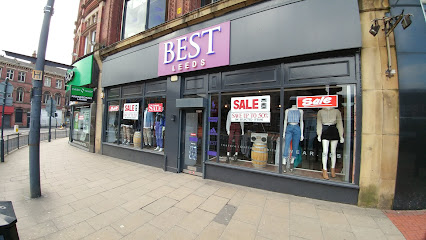
BEST
0.5 km
Discover authentic vintage streetwear and sustainable fashion at BEST, a family-run boutique in the heart of Leeds city centre’s vibrant New Market Street.
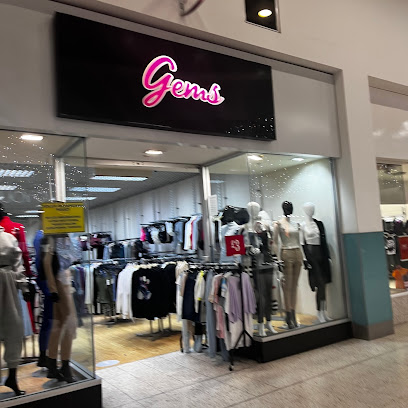
Gems Leeds
0.5 km
Trendy ladies' boutique in Leeds' St Johns Centre, famed for chic sets and coordinated fashion finds in a lively city shopping hub.
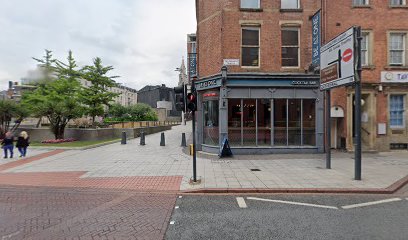
Digital Shop
0.5 km
Explore unique furniture and decor at Digital Shop in Leeds, where style meets quality in a charming shopping experience.
Giant Kitten
0.5 km
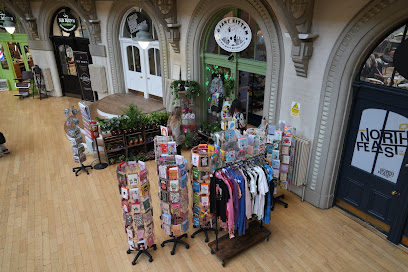
A compact, colourful boutique in the Corn Exchange specialising in kawaii imports, indie tees, vinyl and quirky gifts from local makers.
Essential bars & hidden hideouts

Green Room
0.1 km
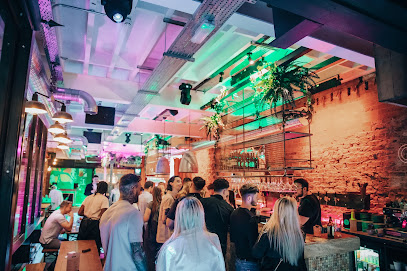
A plant-filled, industrial-chic bar and rooftop terrace serving brunch by day and craft drinks by night in the heart of Leeds.
Dirty Martini - Leeds
0.2 km
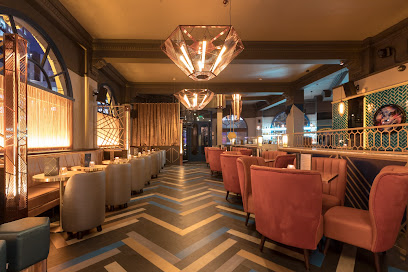
Leeds' glamorous cocktail den where bespoke martinis, plush vibes, and late-night DJs craft unforgettable nights on King Street. Indulge in happy hours and bottomless brunches amid opulent surrounds. (162 characters)
Lost & Found Leeds
0.2 km
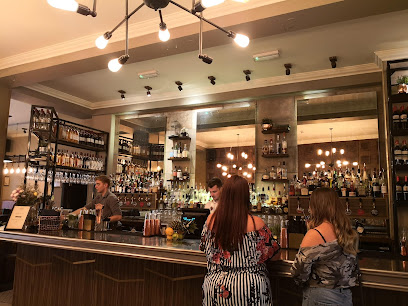
Eclectic cocktails, global cuisine, and vibrant vibes converge at The Lost & Found, a stylish bar and restaurant in Leeds city centre.
Be At One - Greek Street Leeds
0.2 km
Lively Leeds cocktail bar with 100+ expertly crafted drinks, buzzing nights, and unbeatable happy hour deals on vibrant Greek Street.
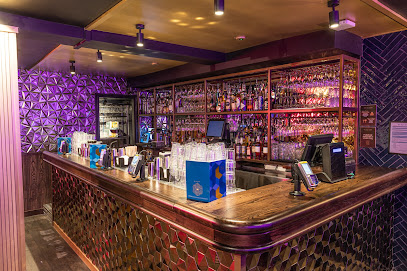
Below Stairs
0.3 km
A moody, speakeasy-style cocktail bar beneath South Parade — small tables, considered cocktails and an intimate basement vibe.
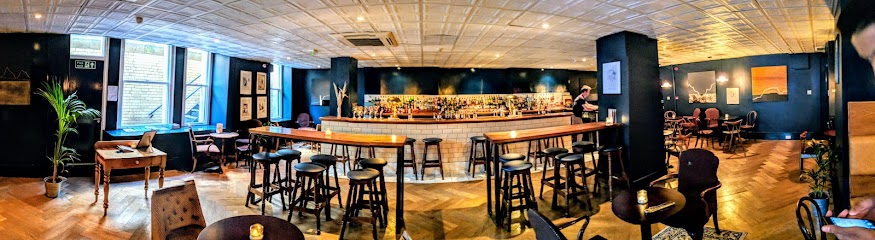
Be At One - Boar Lane Leeds
0.3 km
Lively Leeds city centre cocktail bar with 100+ drinks, daily happy hours, plush booths, and a spacious outdoor terrace.
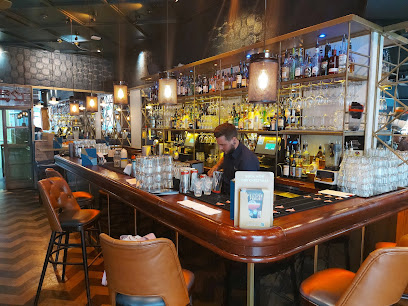
The Alchemist Trinity
0.3 km
Experience Leeds’ premier cocktail bar blending molecular mixology, stunning rooftop views, and vibrant dining at The Alchemist Trinity.
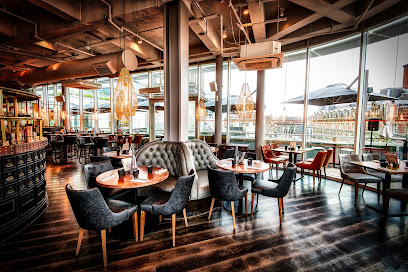
The Shed Bar
0.3 km
Leeds’ iconic indie music bar beneath a railway arch, famed for cocktails, rare whiskies, and a vibrant live music scene.
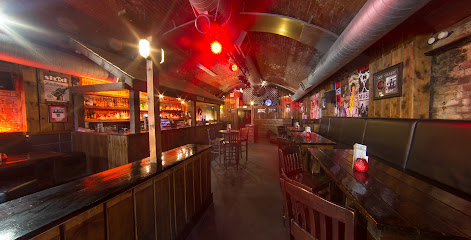
Whitelock's Ale House
0.3 km
Leeds' oldest ale house since 1715: Grade II*-listed Victorian splendor, real ales from Yorkshire taps, and hearty local grub in a hidden city yard.
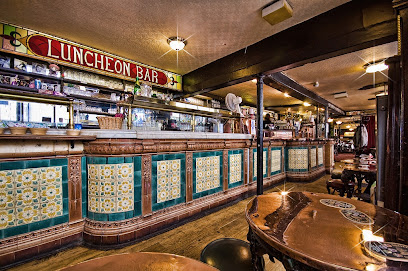
Smokestack
0.4 km
A stylish Leeds cocktail bar and live music venue blending bluesy vibes with expertly crafted drinks and lively nights out.
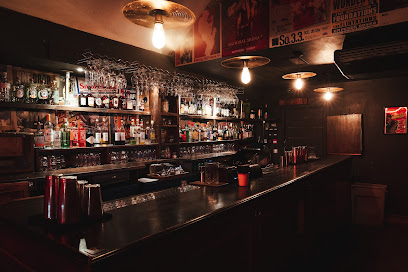
Farrands Bar
0.4 km
Discover Farrands Bar, a chic cocktail and wine venue blending urban charm with cosy sophistication in Leeds city centre.
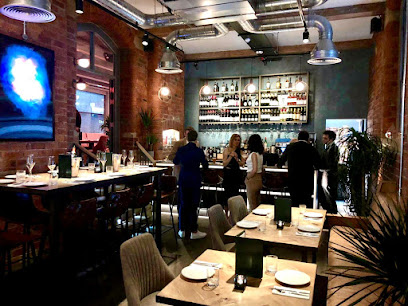
Tiki Hideaway
0.5 km
Escape to Leeds’ original tiki bar for tropical cocktails, vibrant vibes, and a 1950s Polynesian island party right in the city centre.
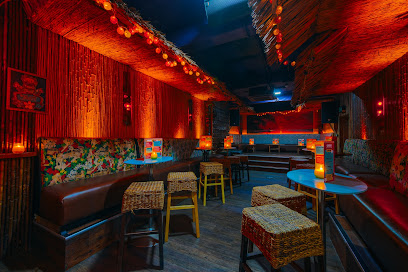
Jake's Bar & Still Room
0.5 km
Lively Leeds cocktail bar on Call Lane with expert drinks, intimate lighting, and a buzzing late-night atmosphere.
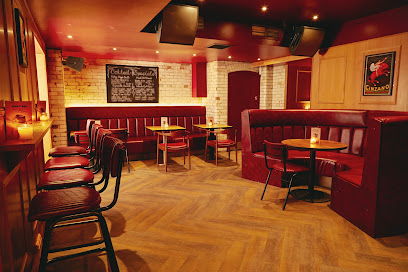
Cuckoo
0.5 km
A colorful, quirky cocktail bar in Leeds city centre with free pizzas, adventurous drinks, and vibrant party vibes until the early hours.
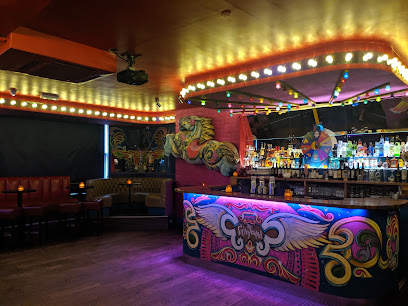
Roland's Leeds
0.5 km
A lively city centre bar with a welcoming rooftop terrace, exceptional craft drinks, and renowned pizzas in the heart of Leeds.
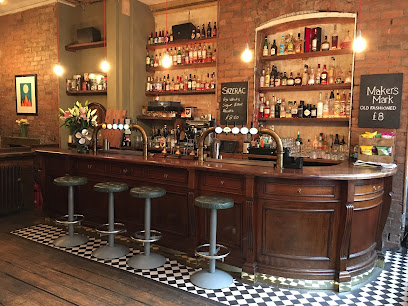
Nightclubs & after hour spots

ULTRA
0.4 km
Experience Leeds’ vibrant nightlife at ULTRA, where electrifying beats and dynamic dance floors create unforgettable late-night memories.
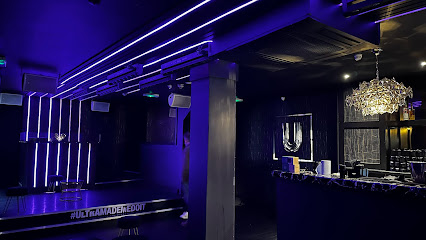
The Space
0.4 km
Dive into Leeds' basement beats at The Space, where funky house and urban rhythms fuel non-stop dancing till dawn in a sleek underground haven.
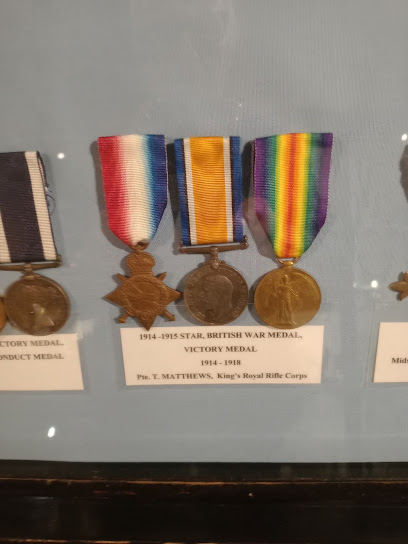
Home Nightclub Leeds
0.4 km
Leeds' £2.5M superclub: VOID sound, pyrotechnic spectacles, multi-room vibes from house anthems to urban grooves—pure festival energy underground.
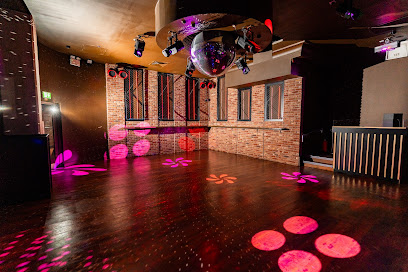
The Warehouse
0.4 km
Experience the vibrant nightlife and dynamic music scene at The Warehouse, Leeds’ energetic club destination.
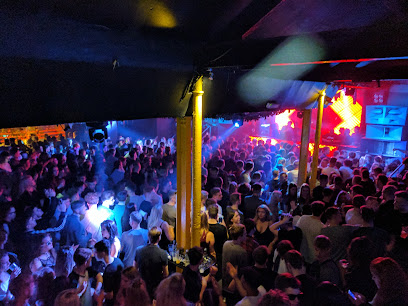
The HiFi Club
0.5 km
Leeds' underground gem for live music, comedy stardom, and late-night grooves—independent vibes since 2000.
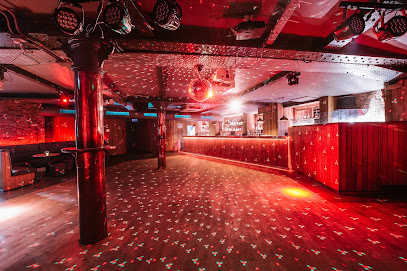
Baracoa Luxe Bar
0.5 km
Glamorous Call Lane haven blending luxe cocktails, beer garden chills, and pulsating club nights in Leeds' vibrant heart since 2010.
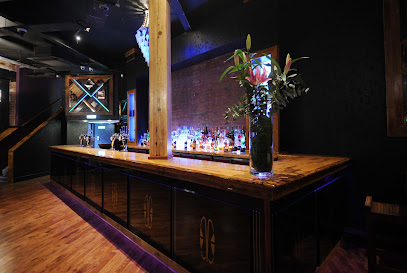
The Backroom
0.5 km
A chic speakeasy-style nightclub in Leeds with handcrafted cocktails, eclectic music, and vibrant weekend nightlife beneath a historic railway bridge.
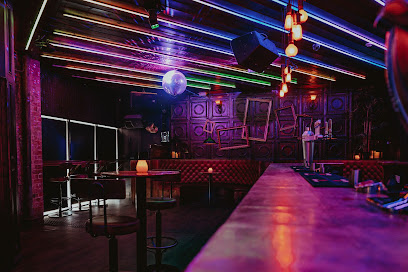
Wire
0.5 km
A compact, music-first basement club on Call Lane where tight crowds and a punchy sound system make late-night electronic parties feel immediate and intense.
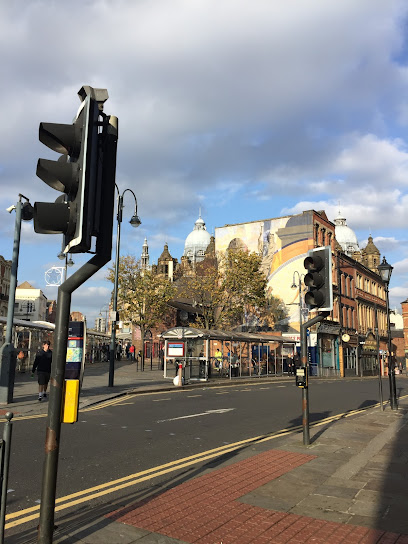
PRYZM
0.6 km
Leeds' multi-themed superclub where futuristic beats meet quirky rooms in the heart of Arena Quarter nightlife.
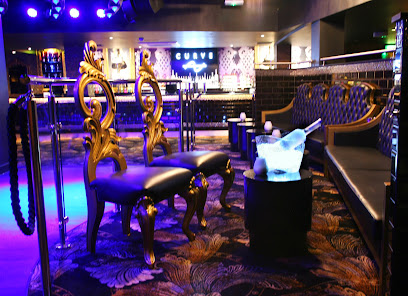
The Key Club
0.6 km
Intimate, no-frills live-music club in central Leeds where punk, indie and alternative acts play close and loud beneath Merrion Street.
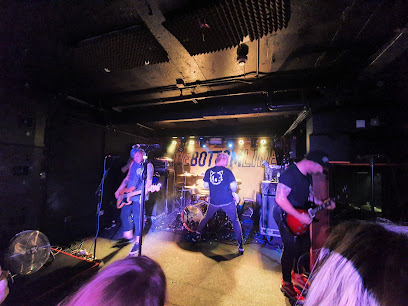
SAFARI AFRIQUE
0.6 km
A compact, high‑energy late‑night club on Assembly Street serving bass‑driven nights and lively weekend crowds.
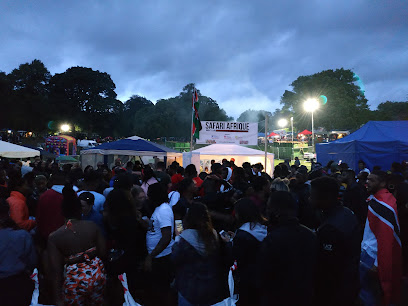
Popworld - Leeds
0.6 km
Relive noughties glory in Leeds' ultimate cheesy pop nightclub, where cocktails pop and dances don't stop till dawn.
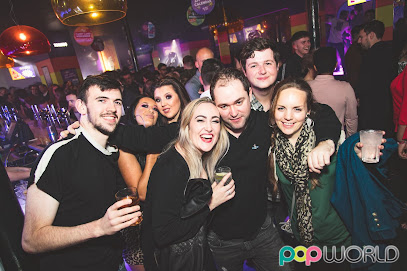
Disco Stu's
0.6 km
Pulse-pounding beats and sticky-floored euphoria on Vicar Lane—Disco Stu's delivers unfiltered Leeds nightlife with affordable drinks and all-night energy.
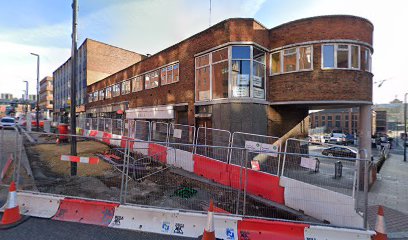
The Lab Nightclub Leeds
0.7 km
Experience Leeds' electric nightlife at The Lab Nightclub, where music flows smoothly and the party never stops in the heart of the city.
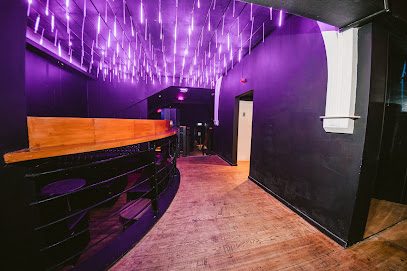
Quadrophenia Night
1.0 km
Rev up for mod anthems, live ska-soul bands, and 60s film vibes at Leeds' ultimate Quadrophenia tribute night—pure energy and rebellion on the dancefloor.
For the vibe & atmosphere seeker
- Historic
- Scenic
- Tranquil
- Unique
For the design and aesthetic lover
- Vintage Styles
For the architecture buff
- Historic
- Landmarks
For the view chaser and sunset hunter
- Iconic Views
For the social media creator & influencer
- Instagrammable
- Photo Spots
For the eco-conscious traveler
- Public-Transport Accessible
For the kind of experience you’re after
- Cultural Heritage
- Photowalk
- Day Trip
For how adventurous you want the journey to be
- Easy Access
Location Audience
- Family Friendly
- Senior Friendly
- Child Friendly
- Teen Friendly
- Wheelchair Access
- Solo Friendly
- Couple Friendly
- Vegetarian Friendly
- Vegan Friendly


