Guys Head Lighthouse Travel Guide
Free Guide: Historic 1831 lighthouse marking the River Nene’s mouth, blending maritime heritage with Lincolnshire’s fenland landscape.


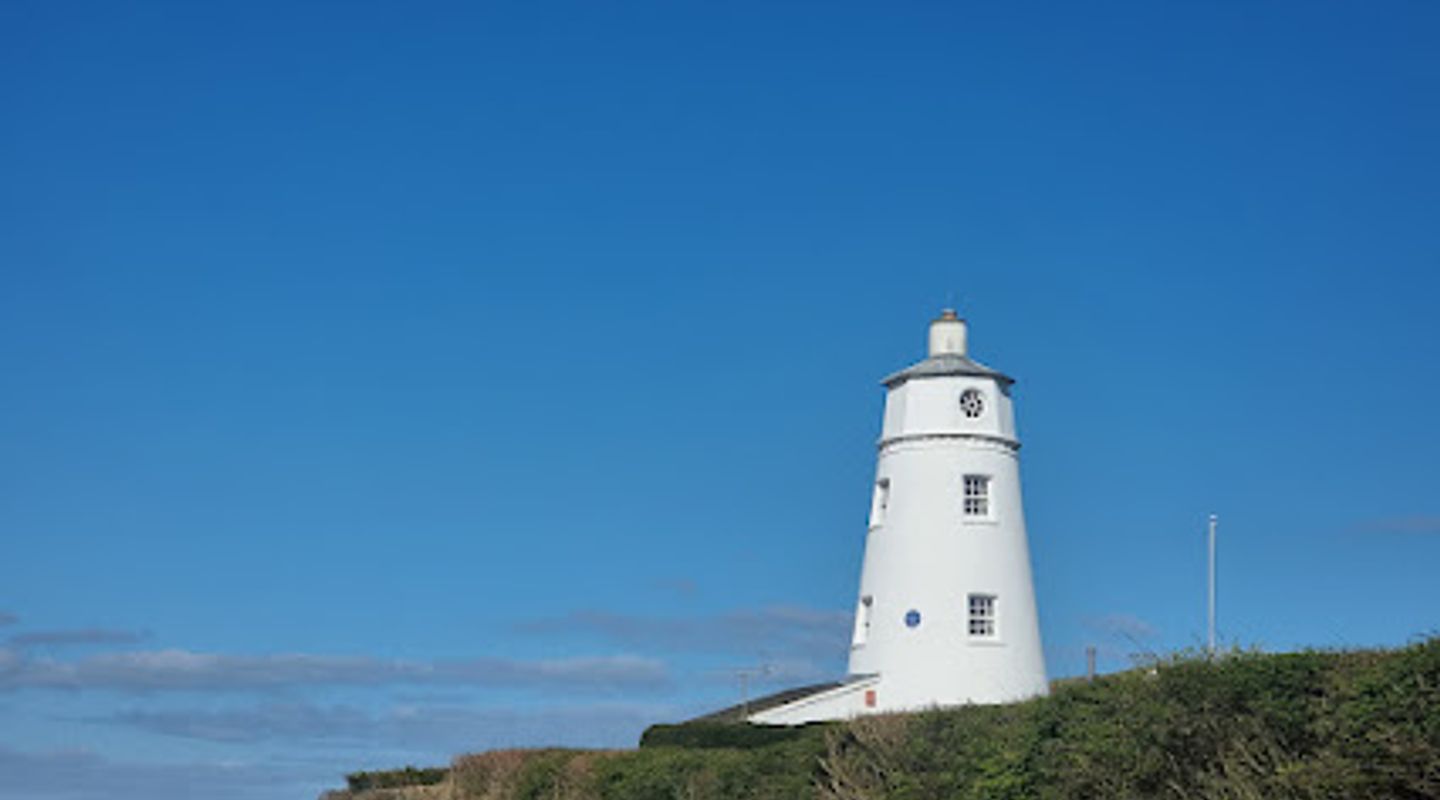
A brief summary of Guys Head Lighthouse
Historic 1831 lighthouse marking the River Nene’s mouth, blending maritime heritage with Lincolnshire’s fenland landscape.
Guy’s Head Lighthouse, located near Sutton Bridge in Spalding, Lincolnshire, is a historic heritage building originally built in 1831 to mark the mouth of the River Nene. Once a vital navigational aid, it later served as a Customs and Excise station and a private residence. Today, it stands as a unique landmark embodying maritime history and local heritage along the Lincolnshire coast.
On-site amenities
 Restrooms
 Drink options
 Food options
 Seating areas
 Information boards
Opening hours
- Every dayOpen 24 hours
Opening hours as listed on the venue’s Google Business Profile. Hours can change for services and special events, so check with the venue before you go.
- Address
- Sutton Bridge, Spalding PE12 9QJ
- Website
Getting there
Bus
Car
Walking
Discover more about Guys Head Lighthouse
Origins and Maritime Significance
Guy’s Head Lighthouse was constructed in 1831 alongside its twin, the East Bank Lighthouse, to mark the opening of the Nene outfall cut. This engineering project realigned the River Nene’s course to improve drainage of the surrounding fenlands and facilitate safer navigation into The Wash. The twin lighthouses, positioned on opposite banks of the river mouth, were designed as 60-foot-high tapering circular towers with hexagonal lanterns. They were lit intermittently around high tide to guide vessels safely through the shifting sandbanks, crucial for trade and transport in this low-lying coastal region.
Architectural Features and Evolution
Guy’s Head Lighthouse, also known as the West Bank Lighthouse, features a distinctive half-moon window facing north to signal if ships were off the channel. The tower included an attached keeper’s house and additional outbuildings, reflecting its operational importance. Over time, it served not only as a navigational beacon but also as a Customs and Excise station, where officials monitored incoming vessels’ cargoes and destinations. Despite periods of decline and dereliction, the lighthouse has been preserved as a private dwelling, maintaining its historic character and maritime charm.
Connection to Sir Peter Scott and Conservation Legacy
While Guy’s Head Lighthouse itself was not Sir Peter Scott’s residence, its twin, the East Bank Lighthouse, was famously home to the renowned naturalist and artist between 1933 and 1939. Scott’s conservation efforts in the area led to the establishment of nature reserves that evolved into the Wildfowl and Wetlands Trust. The proximity of Guy’s Head Lighthouse to these conservation landmarks ties it to a broader narrative of environmental stewardship and cultural heritage in Lincolnshire.
Historical Context and Local Heritage
The lighthouse is situated in Sutton Bridge, a village with a rich history linked to fenland drainage, maritime trade, and engineering feats such as the historic bridges spanning the River Nene. The area witnessed significant events, including training flights for the legendary Dam Busters raid during World War II. The lighthouse stands as a testament to the community’s enduring relationship with the river and the sea, embodying centuries of navigation, commerce, and local life.
Present-Day Character and Visitor Experience
Today, Guy’s Head Lighthouse remains a striking landmark visible for miles around, set against the expansive Lincolnshire fenland landscape. Though privately owned and not open to the public, it continues to captivate with its historic silhouette and evocative presence by the river. The surrounding area offers scenic views and a sense of tranquil isolation, inviting appreciation of the region’s natural beauty and maritime past.
Preservation and Cultural Importance
As a listed heritage building, Guy’s Head Lighthouse is protected for its architectural and historical significance. Its survival through changing times highlights the importance of preserving maritime infrastructure that shaped regional development. The lighthouse’s story enriches the cultural tapestry of Lincolnshire, linking past navigation practices with contemporary heritage awareness.
Evendo Review Centre
 Google
Guest reviews
Best time to go
Quietest: Jan, Feb & Dec · before 6am or at 9pm
Busy times are Evendo estimates for a typical year, to help you plan. Actual crowds vary with events, school holidays and the weather.
Explore Guys Head Lighthouse on the map
A handpicked selection of must-see spots near Guys Head Lighthouse, mapped for you.
Get your free copy of our complete guide to Guys Head Lighthouse, delivered straight to you.
Everything on this page, from opening hours and how to get there to Eve’s tips and the best time to go, in one PDF you can read offline, print or share.
Already have an account? Sign in
Your Guys Head Lighthouse guide is ready.
We'll send it to · Not you? Sign out

Getting your guide ready…
We are putting together a fresh copy of the Guys Head Lighthouse guide. This can take up to a minute.
This can take a few moments. If your browser asks, choose Allow so the download can start. You'll find the guide in your Downloads folder.
Nothing happened? Download it again
Sorry, the guide is taking longer than usual. Please try again in a minute, or get it by email instead.
Other nearby places you may find interesting
The closest places of the same kind, if this one is not quite what you had in mind.
-
-
-
-
-


Swipe for more places
More to explore near Guys Head Lighthouse

 Best experiences near Guys Head Lighthouse
 Best hotels near Guys Head Lighthouse
 Best landmarks near Guys Head Lighthouse
 Best attractions near Guys Head Lighthouse
 Best shops near Guys Head Lighthouse
 Best restaurants near Guys Head Lighthouse
 Best bars near Guys Head Lighthouse
Do you manage this location?
Take control to get all the benefits, like improved information, better appearance, and stronger visibility across AI-powered discovery.
Explore more
Explore more of Lincolnshire
Discover Lincolnshire: Historic cathedrals, scenic countryside, charming villages, and coastal delights in England's hidden gem.
Explore Lincolnshire
Explore more of United Kingdom
Discover the United Kingdom: A blend of rich history, stunning landscapes, and vibrant cities, offering a unique travel experience for every visitor.
Explore United Kingdom