

Castle Rising, East Of England Travel Guide
Explore one of England’s finest Norman castles, a royal residence and hunting lodge steeped in medieval history and surrounded by majestic earthworks.
Castle Rising is a remarkably well-preserved 12th-century Norman castle near King's Lynn, Norfolk. Built around 1140 by William d'Aubigny, it served as a luxurious hunting lodge and royal residence, notably housing Queen Isabella, widow of Edward II. Surrounded by extensive earthworks and a deer park, the castle features a massive rectangular keep, medieval chambers, and the remains of an early Norman church. Visitors can explore the grounds, ramparts, and interior chambers, immersing themselves in centuries of English history.
A brief summary to Castle Rising
- Lynn Rd, King's Lynn, PE31 6AH, GB
- Click to display
- Click to display
- Duration: 1 to 2 hours
- Mid ranged
-
 Outdoor
- Mobile reception: 4 out of 5
- Monday 10 am-6 pm
- Tuesday 10 am-6 pm
- Wednesday 10 am-6 pm
- Thursday 10 am-6 pm
- Friday 10 am-6 pm
- Saturday 10 am-6 pm
- Sunday 10 am-6 pm

Know before you go
Hi, I'm Eve. Here are a few practical things to know before exploring Castle Rising.
- Wear sturdy shoes as the castle grounds include uneven surfaces, old stone steps, and grassy earthworks.
- Allow 1 to 2 hours to fully explore the keep, ramparts, and surrounding grounds.
- Bring a picnic to enjoy in the scenic 12-acre grounds, as on-site food and drink options are limited.
- Use the English Heritage audio guide or read the informative displays to enrich your visit with historical context.
Do you manage this location?
Take control to get all the benefits, like improved information, better appearance, and stronger visibility across AI-powered discovery. Learn more about listing your business on Evendo
Activate your presenceOther nearby places you may find interesting
The closest places of the same kind, if this one is not quite what you had in mind.
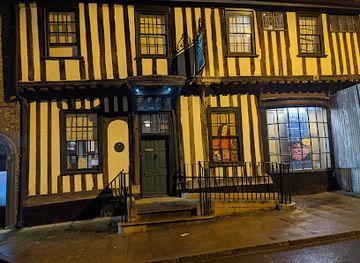
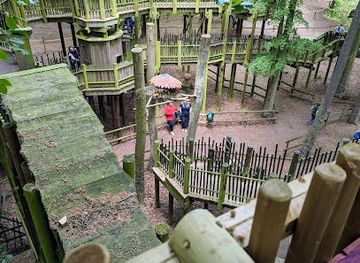
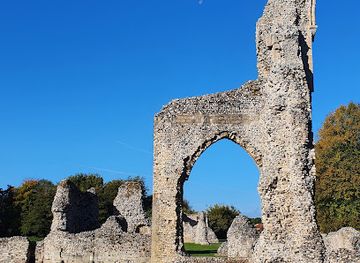
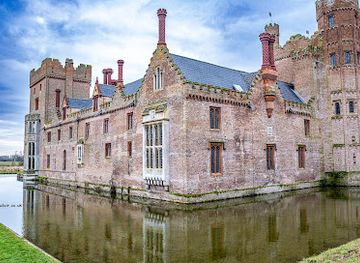
Explore Castle Rising on the Map
A handpicked selection of must-see spots near Castle Rising, mapped for you.
Getting There
-
By Car
Driving from King's Lynn, take the A149 for about 8 minutes (approximately 5 miles). Free parking is available near the castle, though spaces are limited during peak times. The route is straightforward but rural, so watch for narrow roads.
-
By Train and Bus
From King's Lynn railway station (4.5 miles away), take the Norfolk Green 11 bus service directly to Castle Rising. The bus runs several times daily with a journey time of approximately 20 minutes. Check schedules in advance as frequency varies on weekends and holidays.
-
Walking
For active visitors, a scenic 1.5-hour walk from King's Lynn town center is possible via country lanes and footpaths. The terrain is mostly flat but includes some uneven ground and grassy paths, so suitable footwear is recommended.
For the on-the-go comforts that matter to you
-
 Restrooms
-
 Information Boards
-
 Visitor Center
-
 Seating Areas
-
 Trash Bins
Discover more about Castle Rising
Origins and Architectural Grandeur of Castle Rising
Castle Rising Castle was constructed shortly after 1138 by William d'Aubigny II, Earl of Arundel, as a symbol of his rising status following his marriage to Alice of Louvain, widow of Henry I. The castle’s imposing rectangular stone keep, built around 1140, is one of the largest and finest surviving Norman keeps in England. Unlike many defensive fortifications, its design balances strength with elegance, featuring Romanesque details such as pilaster buttresses and arcading. The keep is longer than it is tall, with entrance via the first floor and a ground-level undercroft used for storage, reflecting a hall-keep style uncommon in England.Royal Residence and Historical Significance
In the 14th century, Castle Rising became the luxurious home of Queen Isabella of France, widow of the murdered Edward II and mother of Edward III. Though sometimes rumored to have been imprisoned here, Isabella lived in considerable comfort and expanded the castle, hosting members of the royal court. The Great Hall and Great Chamber inside the keep remain accessible, offering views over the surrounding village and deer park. The castle passed through notable families, including the Montalts and later the Howard family, who still own the property today.Surrounding Earthworks and Landscape Features
The castle is set within extensive earthworks covering approximately 12 to 13 acres, including a central inner bailey and two outer baileys. The massive banks rise up to 18 meters high, forming one of the strongest medieval defensive earthworks in Britain. These earthworks originally enclosed a large deer park, emphasizing the castle’s role as a hunting lodge. Within the inner bailey lie the remains of an early Norman church dating from the late 11th century, predating the castle itself and highlighting the site's long-standing significance.Visitor Experience and Exploration Opportunities
Today, visitors can explore the castle’s interior chambers, including the solar, chapel, kitchen with its tall chimney, and Queen Isabella’s apartments. The spiral staircase and forebuilding provide insight into medieval architecture and social hierarchy. Walking the ramparts offers panoramic views of the surrounding Norfolk countryside and the village below. The grounds include picnic areas and well-maintained paths, though visitors should be prepared for uneven terrain and some steep steps. Informative displays and audio guides enrich the experience.Preservation and Public Access
Castle Rising is managed in partnership with English Heritage and remains under the ownership of the Howard family, descendants of the original builder. The site is open daily from April to November and on weekends during winter months. Admission fees apply, with concessions available. Facilities include a gift shop and accessible toilets, though food and drink options on-site are limited. The castle’s preservation as a ruinous yet elegant monument offers a unique window into Norman England and medieval aristocratic life.Legacy and Cultural Importance
Castle Rising stands as a testament to Norman architectural ambition and medieval aristocracy. Its combination of military strength, royal association, and hunting lodge function reflects the multifaceted role of castles in medieval society. The castle’s connection to Queen Isabella, its impressive earthworks, and the survival of an early Norman church make it a site of national historical importance. It continues to inspire reflection on England’s royal past and the lives of those who shaped it.












Your all‑in‑one travel companion app
Explore expert travel guides, compare and book tours, experiences, hotels, and more—all from the palm of your hand. Download now for seamless trip planning wherever your wanderlust takes you.


Explore More of East Of England
Looking beyond Castle Rising? Discover East Of England for broader travel guides, local hot-spots, and regional highlights.
Explore East Of England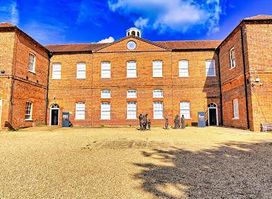
Step into Norfolk's rural past at Gressenhall: haunting workhouse tales meet working farm joys, rare breed animals, river walks, and playground adventures across 50 serene acres.
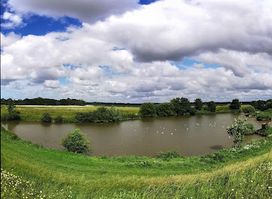
Experience breathtaking bird spectacles and tranquil coastal beauty at RSPB Snettisham, Norfolk’s premier nature reserve for wildlife lovers.
