

Llandudno Travel Guide - Free Web & App
Your ultimate guide to Llandudno. Discover top landmarks, proposed trips, and local tips. Free on the web or via the Evendo companion app.


Llandudno, United Kingdom: explore the Great Orme, Victorian promenade, sandy beaches, Alice in Wonderland links and North Wales coastal scenery.
A Seaside Town Between Mountain and Sea
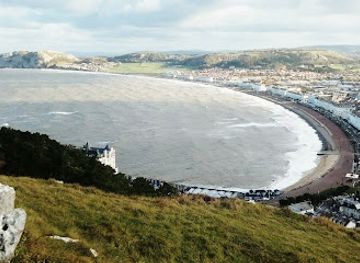
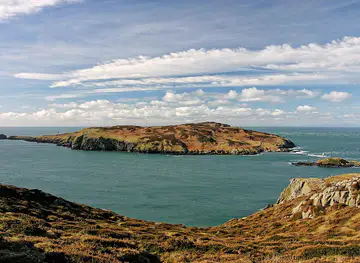
Llandudno occupies a broad isthmus on the North Wales coast, framed by the limestone headland of the Great Orme to the north and the smaller Little Orme across Conwy Bay. Its long promenade, elegant terraces and wide sweep of North Shore beach give the town a distinctive Victorian character, while the Great Orme brings open countryside, cliffs, maritime views and a sense of wildness close to the centre.Read more about Llandudno
The Great Orme and Coastal Landscape
Victorian Heritage and Local Character
When is the best time to visit Llandudno?
Best: June–August · 19–21°C| Month | High (°C) | Rainfall (mm) |
|---|---|---|
| January | 9 | 82 |
| February | 9 | 65 |
| March | 10 | 65 |
| April | 12 | 55 |
| May | 15 | 65 |
| June (best) | 19 | 55 |
| July (best) | 21 | 55 |
| August (best) | 21 | 55 |
| September | 18 | 70 |
| October | 14 | 85 |
| November | 11 | 95 |
| December | 9 | 95 |
Getting to and around Llandudno
How to get there
Transportation
Best attractions in Llandudno
Llandudno's principal attraction is the Great Orme, whose limestone slopes combine walking routes, sea views, coastal habitats and remnants of prehistoric copper mining. The Great Orme Mines offer an interpretation of Bronze Age underground workings, while the Great Orme Tramway climbs the lower and middle slopes in heritage cars when operating. The summit area and surrounding paths provide views across Conwy Bay, the Carneddau and the Irish Sea. In town, the promenade and North Shore beach form the focus of the resort, backed by broad Victorian terraces and the Grand Theatre. West Shore is quieter and looks towards the Conwy estuary and the mountains. The Alice in Wonderland Trail connects locations associated with Lewis Carroll's visits and the story's local associations. Nearby Conwy, reached independently from Llandudno, adds a substantial medieval castle and town walls to the wider itinerary, but lies outside Llandudno itself.
-
Tourist attraction
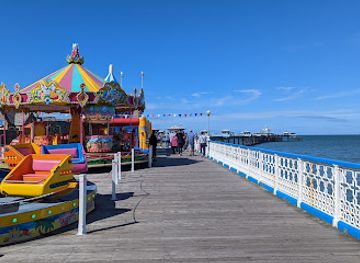
Llandudno Pier
Wales’s longest Victorian pier offering stunning sea views, classic arcades, and timeless seaside charm in the heart of Llandudno.
-
Castle
Conwy Castle
Explore Conwy Castle’s majestic medieval towers and panoramic views in the heart of historic North Wales.
-
Country park
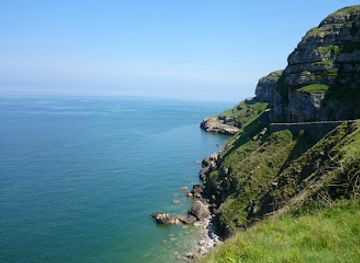
Y Gogarth Great Orme Country Park
Explore ancient mines, wild goats, and breathtaking views atop Llandudno’s iconic Great Orme limestone headland.
-
Tourist attraction
Welsh Mountain Zoo
Discover rare wildlife and breathtaking coastal vistas at Wales’ oldest zoo, nestled in scenic gardens above Colwyn Bay.


Best landmarks in Llandudno
The Great Orme is Llandudno's defining natural landmark, a limestone headland whose cliffs, caves, grasslands and elevated summit dominate views from the town and Conwy Bay. Its Bronze Age copper mines are an important archaeological landmark, preserving evidence of prehistoric extraction beneath the slopes. Saint Tudno's Church and its old churchyard represent the medieval religious settlement that predates the resort, while the Great Orme Tramway is a notable transport heritage feature dating from the town's early twentieth-century tourism. In the centre, the promenade and surrounding terraces form one of the most coherent Victorian resort landscapes in Wales, with the Grand Theatre contributing to its cultural identity. West Shore, the Little Orme and the views towards the Conwy estuary complete the geographical setting, although the Little Orme lies beyond the central town and should not be confused with the Great Orme.
-
Museum
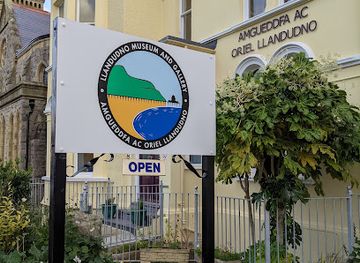
Amgueddfa Llandudno Museum
Discover 13,500 years of Llandudno’s history and heritage in a charming museum with engaging exhibits and a tranquil biodiversity garden.
-
Historical landmark
Pen-y-Dinas Hillfort
Explore Pen-y-Dinas Hillfort, an ancient Iron Age fortress on the Great Orme offering rich history and breathtaking coastal panoramas.
-
Memorial
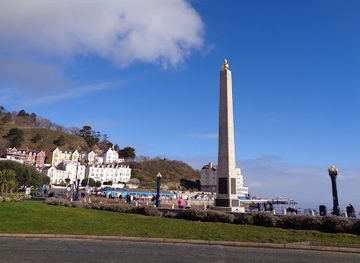
Llandudno Cenotaph
A dignified obelisk on Llandudno’s Promenade honoring local heroes from world conflicts with serene sea views.
-
Historical landmark
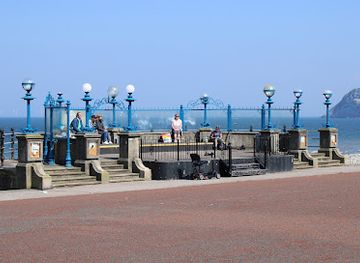
Llandudno Bandstand
Historic open-air bandstand on Llandudno’s Promenade, blending seaside charm with a century of musical heritage.
Explore Llandudno on the map
Plan your trip on one map. See where the top attractions, landmarks, restaurants and hotels are, and book hotels and experiences in a few clicks.
Best hotels in Llandudno
Best restaurants in Llandudno
Llandudno's dining is concentrated around the town centre, Mostyn Street, the promenade and the streets near the railway station, with cafés, traditional pubs, hotel dining rooms, takeaways and independent restaurants rather than a single defined food quarter. Menus commonly draw on Welsh and British produce, including locally sourced meat, vegetables, cheeses and seafood from the North Wales region, while cafés cater to beach visitors and walkers needing an informal meal. Farm shops and food producers in the wider Conwy area offer opportunities to buy regional specialities, although they are generally outside the town and may require transport. Visitors staying on the Great Orme should plan food and water in advance, as the headland itself has far fewer dining choices than central Llandudno. Evening dining availability can vary by season and day of the week.
-
Pizza
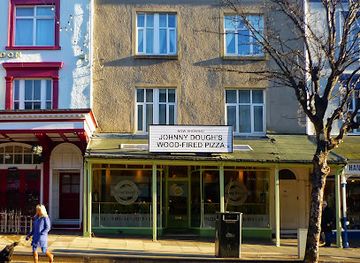
Johnny Dough's Wood-Fired Pizza
Savor expertly crafted wood-fired pizzas with vegan and gluten-free options in the heart of lively Llandudno’s Mostyn Street.
-
British
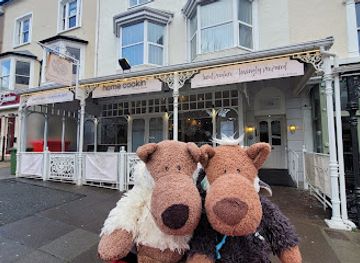
Home Cookin'
Savor hearty British classics and warm hospitality in the heart of Llandudno at Home Cookin', where comfort meets quality.
-
Italian
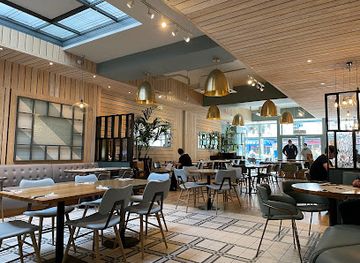
Wildwood Restaurants Llandudno
Experience vibrant Italian flavors with stone-baked pizzas and fresh pasta in a bright, family-friendly setting near Llandudno’s pier.
-
Seafood
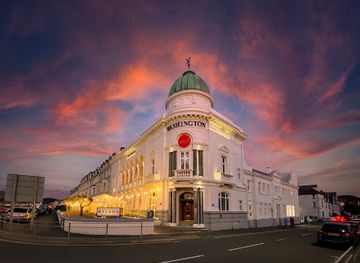
Dylan's
Iconic seafront seafood dining in a beautifully restored historic hotel with stunning views and a vibrant atmosphere in Llandudno.
Best bars in Llandudno
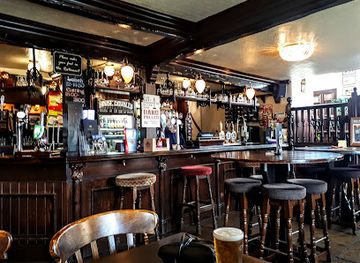
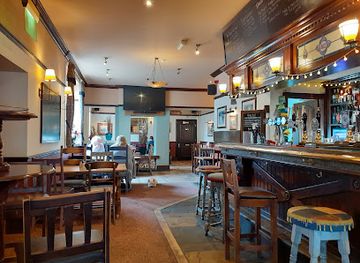
Llandudno has a modest evening scene shaped more by traditional pubs, hotel bars, cafés and occasional entertainment than by large nightclubs. The main concentration is around the town centre and promenade, where visitors can find relaxed places for local beer, spirits, wine or soft drinks after a day outdoors. The town's Victorian resort character is also reflected in theatre and seasonal entertainment, including performances associated with the Grand Theatre, although programmes change. The Great Orme and West Shore are principally daytime landscapes, not nightlife destinations, and nearby rural areas are quieter still. Conwy and other North Wales towns offer additional evening options outside Llandudno, but travel arrangements should be considered before going out. Local venues and performances may operate seasonally or vary during the week.
-
Pub
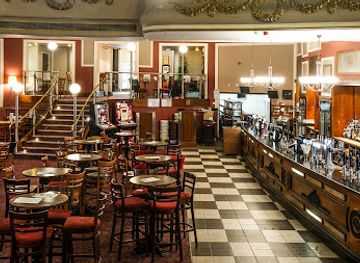
The Palladium - JD Wetherspoon
Historic 1920s theatre turned lively Wetherspoon pub offering affordable food and drinks in the heart of Llandudno.
-
Gastropub
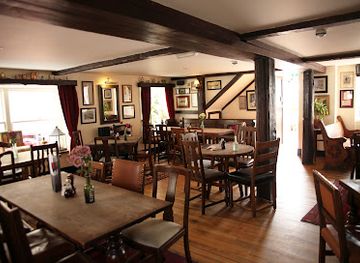
The Cottage Loaf
Cozy Welsh gastropub in Llandudno with hearty homemade food, local ales, and historic charm tucked away on Market Street.
-
Pub
Kings Head
Llandudno’s oldest traditional pub serving real ales, home-cooked food, and lively events in a warm, family-friendly atmosphere.
-
Gastropub
The Albert
A beloved family-run gastropub in Llandudno serving hearty homecooked meals, local ales, and a welcoming dog-friendly atmosphere.
Best nightclubs in Llandudno
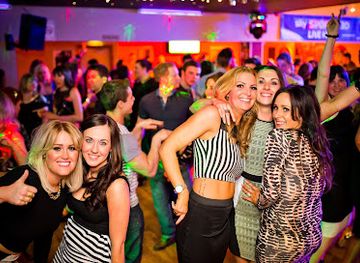
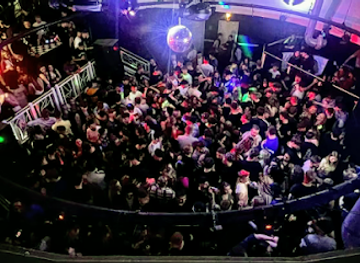
Llandudno has a modest evening scene shaped more by traditional pubs, hotel bars, cafés and occasional entertainment than by large nightclubs. The main concentration is around the town centre and promenade, where visitors can find relaxed places for local beer, spirits, wine or soft drinks after a day outdoors. The town's Victorian resort character is also reflected in theatre and seasonal entertainment, including performances associated with the Grand Theatre, although programmes change. The Great Orme and West Shore are principally daytime landscapes, not nightlife destinations, and nearby rural areas are quieter still. Conwy and other North Wales towns offer additional evening options outside Llandudno, but travel arrangements should be considered before going out. Local venues and performances may operate seasonally or vary during the week.
-
Nightclub
Club 147
Llandudno’s energetic nightclub and sports bar offering electronic beats, pool, and a lively social scene in the town centre.
-
Nightclub
Broadway Boulevard
Llandudno’s largest nightclub, Broadway Boulevard pulses with vibrant music, themed events, and a lively party atmosphere in the heart of town.
Best shops in Llandudno
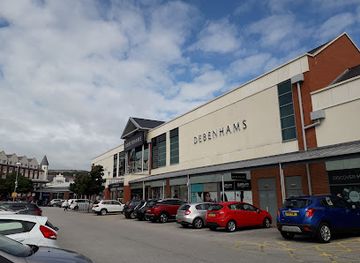
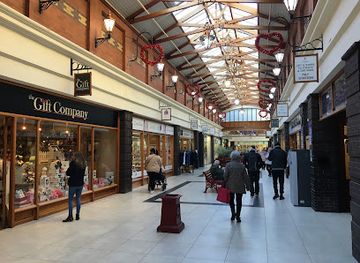
Shopping is centred on Mostyn Street, the pedestrianised Victoria Centre area and the streets leading towards the promenade, where visitors find everyday shops, cafés, galleries, gift retailers and independent businesses. Welsh-themed goods, locally produced food, outdoor clothing and crafts are among the practical souvenirs associated with a North Wales visit, although product ranges vary between shops and seasons. Llandudno's Victorian resort identity is reflected in its traditional retail architecture and long-established town-centre trade rather than in a large luxury-shopping scene. Farm shops and specialist food producers can be found in the wider Conwy region, outside the immediate town, while larger retail choices are available at regional centres reached by road or rail. The Great Orme itself has limited retail provision, so supplies for walks are best obtained in town.
-
Shopping Centre
Parc Llandudno Retail Park
A vibrant retail hub in Llandudno offering diverse shops, ample parking, and a welcoming shopping experience for all visitors.
-
Shopping Centre
Victoria Shopping Centre
Premier shopping destination on North Wales’ coast with a blend of high street and independent stores, modern amenities, and convenient parking.
-
Department store
Clares Department Store
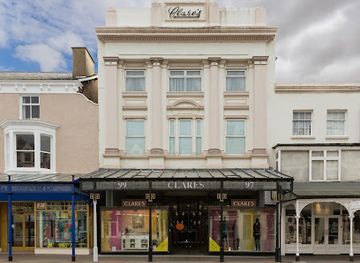
A historic Llandudno department store offering quality goods, friendly service, and a charming shopping experience since 1927.
-
Gift shop
Wizarding Boutique
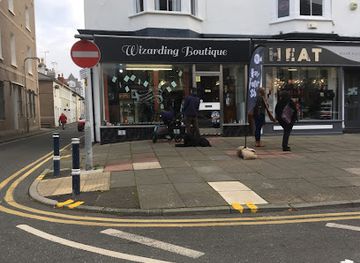
Step into Llandudno's Wizarding Boutique for an enchanting Harry Potter shopping experience filled with authentic magical merchandise and immersive charm.
Get your free copy of our complete guide to Llandudno, delivered straight to you.
Everything on this page, from attractions and restaurants to essentials and local phrases, in one PDF you can read offline, print or share.
Already have an account? Sign in
Your Llandudno guide is ready.
We'll send it to · Not you? Sign out

Getting your guide ready…
We are putting together a fresh copy of the Llandudno guide. This can take up to a minute.
This can take a few moments. If your browser asks, choose Allow so the download can start. You'll find the guide in your Downloads folder.
Nothing happened? Download it again
Sorry, the guide is taking longer than usual. Please try again in a minute, or get it by email instead.
Llandudno essentials
Currency and Payment
Safety
Emergency Situations
Do's and Don'ts
Local Tips
From Eve
Local phrases worth knowing
You don't need to get them perfect. A few words go a long way, and locals appreciate the effort.
Basics
| English | Local | Say it |
|---|---|---|
| Hello | Hello | [həˈləʊ] |
| Goodbye | Goodbye | [ɡʊdˈbaɪ] |
| Yes | Yes | [jɛs] |
| No | No | [nəʊ] |
| Please/You're welcome | Please/You're welcome | [pliːz/ jɔː 'wɛlkəm] |
| Thank you | Thank you | [θæŋk jʊ] |
| Excuse me/Sorry | Excuse me/Sorry | [ɪkˈskjuːz miː/ˈsɒri] |
| How are you? | How are you? | [haʊ ɑː jʊ] |
| Fine. And you? | Fine. And you? | [faɪn. ənd jʊ] |
| Do you speak English? | Do you speak English? | [duː jʊ spiːk ˈɪŋɡlɪʃ] |
| I don't understand | I don't understand | [aɪ dəʊnt ˌʌndəˈstænd] |
Eating & Drinking
| English | Local | Say it |
|---|---|---|
| I'd like to see the menu, please | I'd like to see the menu, please | [aɪd laɪk tə siː ðə ˈmɛnjuː, pliːz] |
| I don't eat meat | I don't eat meat | [aɪ dəʊnt iːt miːt] |
| Cheers! | Cheers! | [tʃɪrz] |
| I would like to pay, please | I would like to pay, please | [aɪ wʊd laɪk tə peɪ, pliːz] |
Emergencies
| English | Local | Say it |
|---|---|---|
| Help! | Help! | [hɛlp] |
| Go away! | Go away! | [ɡəʊ əˈweɪ] |
| Call the Police! | Call the Police! | [kɔːl ðə pəˈliːs] |
| Call a doctor! | Call a doctor! | [kɔːl ə ˈdɒktə] |
| I'm lost | I'm lost | [aɪm lɒst] |
| I'm ill | I'm ill | [aɪm ɪl] |
Shopping
| English | Local | Say it |
|---|---|---|
| I'd like to buy... | I'd like to buy... | [aɪd laɪk tə baɪ...] |
| I'm just looking | I'm just looking | [aɪm dʒʌst ˈlʊkɪŋ] |
| How much is it? | How much is it? | [haʊ mʌtʃ ɪz ɪt] |
| That's too expensive | That's too expensive | [ðæts tuː ɪkˈspɛnsɪv] |
| Can you lower the price? | Can you lower the price? | [kæn jʊ ˈləʊə ðə praɪs] |
Time & Numbers
| English | Local | Say it |
|---|---|---|
| What time is it? | What time is it? | [wɒt taɪm ɪz ɪt] |
| It's one o'clock | It's one o'clock | [ɪts wʌn əˈklɒk] |
| Half past (10) | Half past (10) | [hɑːf pɑːst (10)] |
| Morning | Morning | [ˈmɔːnɪŋ] |
| Afternoon | Afternoon | [ˌɑːftəˈnuːn] |
| Evening | Evening | [ˈiːvnɪŋ] |
| Yesterday | Yesterday | [ˈjɛstədeɪ] |
| Today | Today | [təˈdeɪ] |
| Tomorrow | Tomorrow | [təˈmɒrəʊ] |
| 1 | 1 | [wʌn] |
| 2 | 2 | [tuː] |
| 3 | 3 | [θriː] |
| 4 | 4 | [fɔː] |
| 5 | 5 | [faɪv] |
| 6 | 6 | [sɪks] |
| 7 | 7 | [sɛvən] |
| 8 | 8 | [eɪt] |
| 9 | 9 | [naɪn] |
| 10 | 10 | [tɛn] |
Transport & Directions
| English | Local | Say it |
|---|---|---|
| Where's a/the...? | Where's a/the...? | [wɛəz ə/ðə...?] |
| What's the address? | What's the address? | [wɒts ði əˈdrɛs?] |
| Can you show me (on the map)? | Can you show me (on the map)? | [kæn jʊ ʃəʊ miː (ɒn ðə mæp)?] |
| When's the next (bus)? | When's the next (bus)? | [wɛn'z ðə nɛkst (bʌs)?] |
| A ticket (to ....) | A ticket (to ....) | [ə ˈtɪkɪt (tə ....)] |
History of Llandudno
The Great Orme's Geological Past
The Great Orme is a Carboniferous limestone headland formed from marine sediments laid down hundreds of millions of years ago and later shaped by geological uplift, erosion and glacial activity. Its caves, cliffs and mineral veins created the physical setting for later human use. The headland's elevated position also made it a natural landmark for seafarers and an important part of the character of Conwy Bay. Its limestone geology continues to influence the area's grassland, cliff habitats and visible patterns of quarrying and mining.
Bronze Age Copper Mining
The Great Orme contains one of the most significant prehistoric copper-mining landscapes in Britain. Mining began during the Bronze Age, when communities excavated malachite and other copper-bearing ores from surface workings and underground passages. The surviving workings, explored today through the Great Orme Mines attraction, demonstrate considerable knowledge of geology, fire-setting and underground extraction. Copper from the headland formed part of wider networks of prehistoric production and exchange, linking this coastal landscape to a much broader history of metalworking in Britain.
Medieval Llandudno and the Parish Church
Before Llandudno became a resort, settlement was concentrated around farming, fishing and the parish church of Saint Tudno on the lower slopes of the Great Orme. The church is traditionally associated with Saint Tudno, a sixth-century Christian figure, although the present building reflects later medieval rebuilding and subsequent restoration. The old churchyard preserves the atmosphere of the earlier settlement and shows how religious and rural life preceded the planned town. The name Llandudno derives from the Welsh dedication, meaning the church or enclosure of Tudno.
The Victorian Resort Takes Shape
Modern Llandudno emerged in the nineteenth century as a planned seaside resort developed on land associated with the Mostyn estate. Carefully arranged streets, terraces, hotels and public spaces were designed to serve visitors arriving for sea air and bathing. The town's long promenade and the streets around The Parade retain much of this planned Victorian composition. The railway reached Llandudno in the nineteenth century, strengthening its role as a resort and making North Wales more accessible to visitors from the growing industrial towns of north-west England and beyond.
Tourism, Transport and Conservation
The Great Orme Tramway began operating in 1902 and helped turn the headland into a major visitor attraction, while the cable car later added another way to reach its summit area. Tourism remained central to Llandudno's twentieth-century identity, supported by its promenade, theatres, beaches and hotels. At the same time, attention increasingly focused on the headland's archaeological remains, limestone habitats and distinctive wildlife. Contemporary Llandudno therefore combines a historic resort town with managed coastal landscapes where recreation, heritage interpretation and conservation operate alongside one another.
Llandudno in Photos
Browse through our photo collection highlighting the charm and character of the destination.
Neighbouring destination travel guides
The closest destinations to Llandudno, if you have time for more than one.
-

-

-

-

-


Swipe for more destinations
Explore more
Explore more of Denbighshire
Discover Denbighshire: A blend of stunning landscapes, rich history, and charming towns in North Wales. Perfect for nature lovers, history buffs, and outdoor adventurers alike.
Explore Denbighshire
Explore more of United Kingdom
Discover the United Kingdom: A blend of rich history, stunning landscapes, and vibrant cities, offering a unique travel experience for every visitor.
Explore United Kingdom