

Free Denbighshire Travel Guide & Mobile App
Explore Denbighshire with free travel guides. Discover regional history, expert tips, proposed trips, and audio guides on web or mobile app.


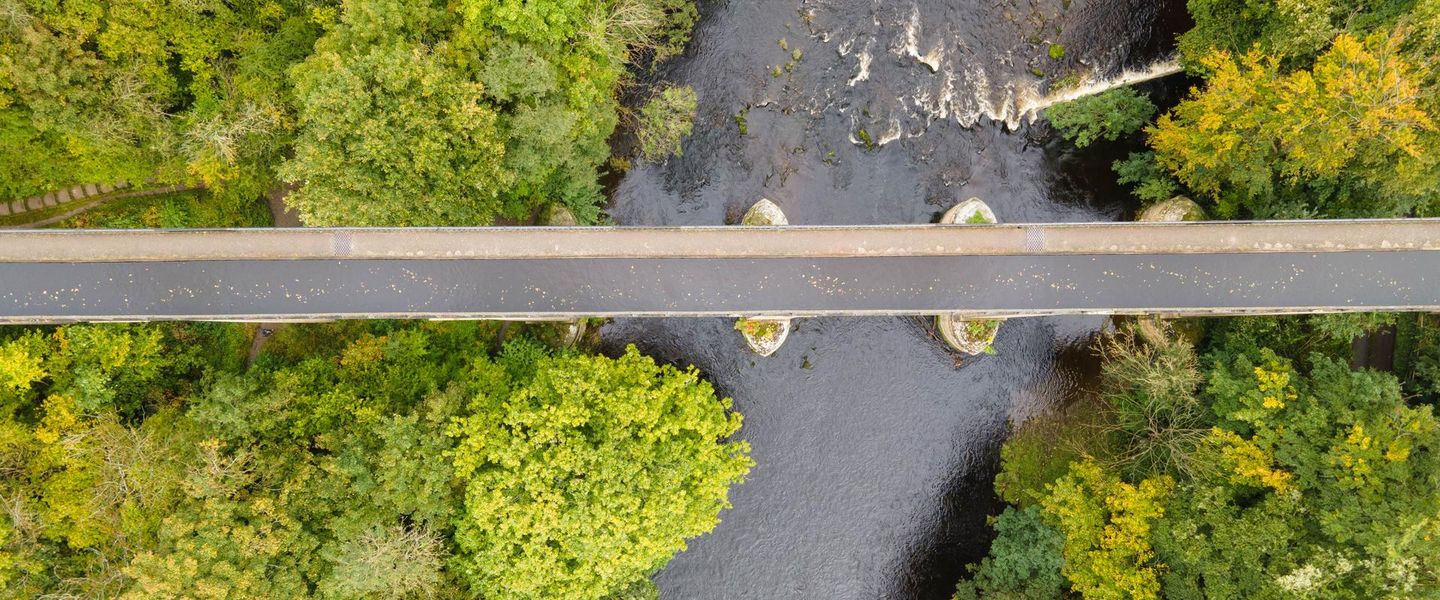


Explore Denbighshire’s Welsh castles, coastal resorts, market towns, canal heritage and hill landscapes across north Wales.
Read more about Denbighshire
When is the best time to visit Denbighshire?
Best: June–August · 18–20°C| Month | High (°C) | Rainfall (mm) |
|---|---|---|
| January | 7 | 100 |
| February | 7 | 80 |
| March | 9 | 90 |
| April | 12 | 70 |
| May | 15 | 70 |
| June (best) | 18 | 80 |
| July (best) | 20 | 90 |
| August (best) | 20 | 90 |
| September | 17 | 80 |
| October | 14 | 100 |
| November | 10 | 100 |
| December | 7 | 100 |
Getting to and around Denbighshire
How to get there
Transportation
Destinations in Denbighshire
Resorts, valleys and scenic spots worth a trip of their own.

Swipe for more destinations
Best attractions in Denbighshire
Denbighshire’s attractions range from coastal recreation to medieval ruins and upland landscapes. Rhyl and Prestatyn provide promenades, beaches and family-oriented seaside activities, while the Vale of Clwyd offers historic towns, gardens and rural viewpoints. Denbigh Castle and Rhuddlan Castle reveal the military architecture of Edward I’s conquest, and Ruthin brings together historic streets, the former gaol and civic buildings. Around Llangollen, the canal, towpath, restored railway and river valley create a concentrated area for walking, boating and heritage travel. Valle Crucis Abbey adds a quieter monastic dimension, and the surrounding hills lead towards the Horseshoe Pass and Berwyn landscapes. The Clwydian Range supports hiking, cycling and panoramic walking routes, with conditions varying considerably between sheltered valleys and exposed ridges. Museums, galleries, craft workshops and cultural venues provide alternatives in wet weather, while farms, country parks and wildlife-rich river corridors broaden the county’s outdoor appeal. The attraction landscape is defined less by one dominant monument than by the close relationship between castles, waterways, market towns, coast and hill country.
-
Shopping outlet
Designer Outlet Cheshire Oaks
The UK’s largest designer outlet with over 140 brands, unbeatable discounts, family fun, and festive events all year round in Wirral.
-
Tourist attraction
Llandudno Pier
Wales’ longest Victorian pier offering stunning sea views, family fun, arcades, and charming shops along a historic 700m promenade.
-
Castle
National Trust - Chirk Castle
Explore 700 years of history and nature at Chirk Castle, a living medieval fortress with stunning gardens and a rich family legacy in the Welsh Marches.
-
Historical place museum
National Trust - Erddig
Explore Erddig’s grand historic house, stunning 18th-century walled garden, and vast Welsh parkland for a unique heritage and nature experience.


Best landmarks in Denbighshire
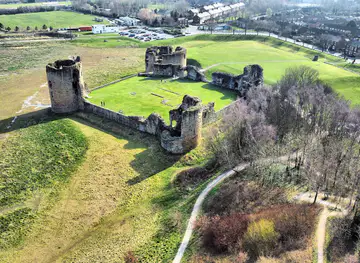
Denbigh Castle is one of Denbighshire’s most commanding landmarks, occupying a hill above the town with extensive medieval walls and views over the Vale of Clwyd. Rhuddlan Castle, beside the River Clwyd, is notable for its concentric defences and its role in Edward I’s campaigns. In Llangollen, Castell Dinas Bran rises above the town on a steep hill, its ruined medieval structure forming a dramatic silhouette against the Dee Valley. Valle Crucis Abbey provides a different kind of landmark: the remains of a Cistercian monastery set beneath the limestone country near the Horseshoe Pass. St Asaph Cathedral, rebuilt and altered over centuries, gives the small city a significant ecclesiastical presence, while Ruthin’s timber-framed buildings and historic civic centre express the town’s long administrative importance. Natural landmarks are equally central, including the Clwydian Range, the Dee Valley and the Horseshoe Pass. Together these places show how Denbighshire’s identity has been shaped by defensive positions, religious foundations, river corridors and upland geography.
-
Historical landmark
Eleanor Rigby Gravesite
Discover the poignant gravesite of Eleanor Rigby, a real woman immortalized by The Beatles in Liverpool’s historic St. Peter’s churchyard.
-
Tourist attraction
Denbigh Friary
Medieval Franciscan ruins revealing centuries of monastic devotion and spiritual heritage in North Wales.
-
Historical landmark
Blitz Memorial
A solemn tribute in Liverpool honoring the courage and sacrifice of civilians during the World War II Blitz air raids.
-
Sculpture
Queen Victoria - Equestrian Statue
Historic Queen Victoria Equestrian Statue on Lime Street, a finely detailed tribute set against Liverpool’s vibrant cultural backdrop.


Explore Denbighshire on the map
Plan your trip on one map. See where the top cities, national parks and sights are, and book hotels and experiences in a few clicks.
Best hotels in Denbighshire
Best restaurants in Denbighshire
Dining in Denbighshire reflects the contrast between its coast, fertile Vale of Clwyd and upland communities. Seaside towns offer fish and seafood, cafés, bakeries and informal food suited to promenade visits, while inland market towns combine traditional pubs, tearooms, restaurants and independent delis. Welsh lamb and beef, local cheeses, seasonal vegetables, breads, cakes and preserves are common themes in farm shops and contemporary menus, alongside familiar Welsh specialities such as bara brith and Welsh cakes. Llangollen and the Dee Valley have a strong tradition of cafés, country inns and relaxed dining aimed at walkers, canal users and heritage visitors. Ruthin, Denbigh and St Asaph provide a wider choice of restaurants, while smaller villages tend to centre on pubs and community-oriented eateries. Farmers’ markets and regional producers are useful places to find Welsh-made food and drink, although opening days and stall line-ups vary. Booking is sensible for popular rural restaurants, particularly at weekends and during summer.
-
Restaurant
Ponderosa Cafe
Classic British cafe with hearty fare and breathtaking views at the Horseshoe Pass, a beloved stop for travelers and bikers alike.
-
Family friendly
Morfa Table Table
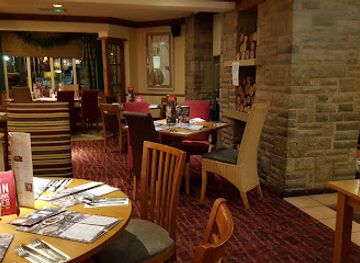
Family-friendly British pub and restaurant in Rhuddlan offering classic dishes with a modern twist and a warm, welcoming atmosphere.
-
Restaurant
The Plough Inn
A vibrant British pub and restaurant in St. Asaph offering homemade food, real ales, live music, and a welcoming atmosphere for all occasions.
-
Restaurant
The New Inn
A welcoming traditional Welsh pub in Dyserth, offering hearty food, well-kept ales, and cozy charm near the scenic waterfalls.


Best bars in Denbighshire
Denbighshire’s evening culture is centred more on pubs, restaurants, live music and community venues than on a large nightclub circuit. Rhyl and Prestatyn have the liveliest seafront evenings, with bars, entertainment venues and seasonal activity, while Denbigh, Ruthin, St Asaph and Llangollen offer traditional pubs, hotel bars, cafés and places for a quieter drink. In Llangollen, the canal-side and town-centre setting is particularly suited to an early evening meal or local ale after a day outdoors. Rural communities rely on village pubs, occasional music nights and social clubs, so late-night transport can be limited. Visitors should check current arrangements for performances and events, as these change seasonally. Welsh ales, ciders and spirits may appear on local menus, but the county’s nightlife is equally accessible through food, theatre, conversation and live cultural events rather than alcohol-centred entertainment.
-
Pub
The Corn Mill
A welcoming pub and restaurant in Llangollen offering diverse menu options, scenic riverside views, and a lively, friendly atmosphere.
-
Pub
The Dinorben Arms
A charming Welsh village pub offering hearty British fare, scenic views, and warm hospitality in Bodfari.
-
Bar
The Plough Inn
A welcoming British pub in St Asaph blending traditional charm, homemade food, live music, and vibrant social spaces for all ages.
-
Pub
Eagle & Child Inn
Historic countryside inn with scenic views, rich Stanley family heritage, and warm, welcoming atmosphere in tranquil Gwaenysgor.


Best nightclubs in Denbighshire
Denbighshire’s evening culture is centred more on pubs, restaurants, live music and community venues than on a large nightclub circuit. Rhyl and Prestatyn have the liveliest seafront evenings, with bars, entertainment venues and seasonal activity, while Denbigh, Ruthin, St Asaph and Llangollen offer traditional pubs, hotel bars, cafés and places for a quieter drink. In Llangollen, the canal-side and town-centre setting is particularly suited to an early evening meal or local ale after a day outdoors. Rural communities rely on village pubs, occasional music nights and social clubs, so late-night transport can be limited. Visitors should check current arrangements for performances and events, as these change seasonally. Welsh ales, ciders and spirits may appear on local menus, but the county’s nightlife is equally accessible through food, theatre, conversation and live cultural events rather than alcohol-centred entertainment.
-
Social club
Esplanade Social Club
A lively coastal social club in Rhyl offering themed nights, local ales, and a welcoming community atmosphere near the beach.
-
Social club
Victory Club
Rhyl’s last members-only club, offering traditional real ale, live music, and a welcoming community atmosphere steeped in 70 years of history.
-
Social club
Pendyffryn Club
A cosy and tranquil social club in Prestatyn offering a friendly atmosphere to enjoy a pint and good company without distractions.
-
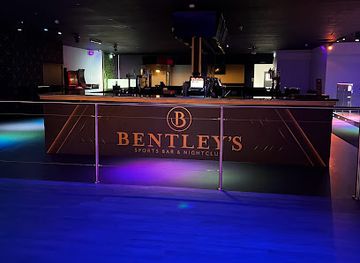
Night Club
Bentley’s Sports Bar & NightClub
Experience Towyn’s vibrant nightlife at Bentley’s Sports Bar & NightClub, where music, dancing, and lively social scenes come alive every weekend.


Best shops in Denbighshire
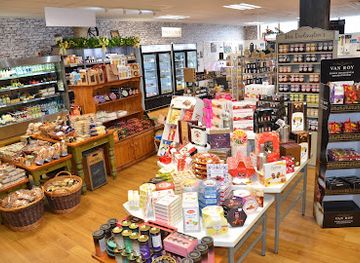
Shopping in Denbighshire is strongest in its market towns and coastal centres rather than in large-scale retail districts. Ruthin and Denbigh have independent shops, galleries, antiques, cafés and local services among historic streets, while St Asaph provides a compact town-centre experience. Rhyl and Prestatyn offer broader everyday retail, seafront purchases and practical shopping alongside seasonal visitor outlets. Farm shops and food producers across the Vale of Clwyd and Dee Valley are good places to look for Welsh cheeses, preserves, cakes, meat, cider and locally made gifts. Craft shops and galleries in Llangollen and other valley communities commonly feature ceramics, textiles, artwork, books and outdoor-themed products, although stock varies between businesses. Markets and community events can offer regional produce and handmade goods, but dates should be checked before travelling. For distinctive souvenirs, choose products with a clear Welsh connection rather than generic resort merchandise, and remember that small rural retailers may have limited hours or accept cards less consistently than larger shops.
-
Shopping outlet
Tweedmill Shopping Outlet
Discover over 300 brands, local Welsh produce, and cozy cafes all under one roof at Tweedmill Shopping Outlet in St Asaph.
-
Shopping Centre
White Rose Shopping Centre
Covered shopping and dining hub in the heart of Rhyl's seaside town centre.
-
Gift shop
Retro Styler Ltd
Discover unique gifts, collectibles, and nostalgic fashion at Retro Styler Ltd in Mold’s Bromfield Industrial Estate.
-
Fashion accessories shop
The Lodge
A stylish fusion of boutique ladies' fashion and a welcoming café set in the scenic Welsh countryside near Denbigh.


Get your free copy of our complete guide to Denbighshire, delivered straight to you.
Everything on this page, from attractions and restaurants to essentials and local phrases, in one PDF you can read offline, print or share.
Already have an account? Sign in
Your Denbighshire guide is ready.
We'll send it to · Not you? Sign out

Getting your guide ready…
We are putting together a fresh copy of the Denbighshire guide. This can take up to a minute.
This can take a few moments. If your browser asks, choose Allow so the download can start. You'll find the guide in your Downloads folder.
Nothing happened? Download it again
Sorry, the guide is taking longer than usual. Please try again in a minute, or get it by email instead.
Denbighshire essentials
Currency and Payment
Safety
Emergency Situations
Do's and Don'ts
Local Tips
From Eve
Local phrases worth knowing
You don't need to get them perfect. A few words go a long way, and locals appreciate the effort.
Basics
| English | Local | Say it |
|---|---|---|
| Hello | Helo | [heh-lo] |
| Goodbye | Hwyl fawr | [hoyl vower] |
| Yes | Ie | [yeh] |
| No | Na | [nah] |
| Please/You're welcome | Os gwelwch yn dda | [os gwelookh un thah] |
| Thank you | Diolch | [dee-olkh] |
| Excuse me/Sorry | Mae'n ddrwg gennyf | [mine droog gen-iv] |
| How are you? | Sut wyt ti? | [sit weet tee] |
| Fine. And you? | Iawn. A ti? | [yown. ah tee] |
| Do you speak English? | Ydych chi'n siarad Saesneg? | [uh-dikh chee-n sharad sighs-neg] |
| I don't understand | Dydw i ddim yn deall | [didd-wi dim un dee-al] |
Eating & Drinking
| English | Local | Say it |
|---|---|---|
| I'd like to see the menu, please | Hoffwn i weld y fwydlen, os gwelwch yn dda | [hoh-vun ee weld uh voo-id-len, os gwelookh un thah] |
| I don't eat meat | Dydw i ddim yn bwyta cig | [didd-wi dim un boo-ee-ta keeg] |
| Cheers! | Iechyd da! | [yeh-khid dah] |
| I would like to pay, please | Hoffwn i dalu, os gwelwch yn dda | [hoh-vun ee tah-lee, os gwelookh un thah] |
Emergencies
| English | Local | Say it |
|---|---|---|
| Help! | Cymorth! | [kum-orth] |
| Go away! | Dewch yma! | [day-ukh um-ah] |
| Call the Police! | Galwch am y Heddlu! | [galookh am uh hed-lee] |
| Call a doctor! | Galwch am ddoctor! | [galookh am dok-tor] |
| I'm lost | Dwi wedi colli | [dwee wed-ee kol-ee] |
| I'm ill | Dwi'n sâl | [dwee-n sah-l] |
Shopping
| English | Local | Say it |
|---|---|---|
| I'd like to buy... | Hoffwn i brynu... | [hoh-vun ee brin-ee] |
| I'm just looking | Dwi'n edrych yn unig | [dwee-n ed-rikh un een-ig] |
| How much is it? | Faint ydy o? | [vaynt uh-dee oh] |
| That's too expensive | Mae hynny'n rhy drud | [my hun-een ree drud] |
| Can you lower the price? | Gallech chi leihau'r pris? | [gal-lekh chee lay-hire pris] |
Time & Numbers
| English | Local | Say it |
|---|---|---|
| What time is it? | Faint ydy hi? | [vaynt uh-dee hee] |
| It's one o'clock | Mae'n un o'r gloch | [my-n een or gloch] |
| Half past (10) | Hanner dydd (10) | [han-er thee (10)] |
| Morning | Bore | [bor-eh] |
| Afternoon | Prynhawn | [prin-houn] |
| Evening | Noswaith | [nos-wait] |
| Yesterday | Ddoe | [thoy] |
| Today | Heddiw | [hed-ee] |
| Tomorrow | Yfory | [uh-vor-ee] |
| 1 | Un | [een] |
| 2 | Dau | [die] |
| 3 | Tri | [tree] |
| 4 | Pedair | [peh-dair] |
| 5 | Pum | [peem] |
| 6 | Chwech | [khwech] |
| 7 | Saith | [sighth] |
| 8 | Wyth | [wee-th] |
| 9 | Naw | [now] |
| 10 | Deg | [dayg] |
Transport & Directions
| English | Local | Say it |
|---|---|---|
| Where's a/the...? | Ble mae...? | [bleh my...] |
| What's the address? | Beth yw'r cyfeiriad? | [beth yoo-r kuh-vey-ree-ad] |
| Can you show me (on the map)? | Allwch chi ddangos i mi (ar y map)? | [al-lukh chee thang-os ee mee (ar uh map)] |
| When's the next (bus)? | Pryd mae'r bws nesaf? | [prid my-r boos ness-av] |
| A ticket (to ....) | Tocyn (i ....) | [toh-kin (ee ....)] |
History of Denbighshire
Prehistoric Settlement and Hillforts
Denbighshire’s hills and valleys contain evidence of settlement long before the emergence of modern towns. Hillforts, standing stones and other archaeological remains indicate communities that farmed, defended territory and moved through the uplands during the prehistoric period. The county’s natural corridors, particularly the Vale of Clwyd and the Dee Valley, later continued to guide movement and settlement. Much of this early heritage is best understood through the landscape itself: hilltops offered defensive positions, while river valleys provided cultivable land and routes between north Wales and the interior.
Roman Roads and Medieval Welsh Kingdoms
Roman military activity affected north Wales through forts, roads and campaigns intended to control the region and its connections. After Roman rule receded, the area formed part of the shifting political world of Welsh kingdoms, including territories associated with Powys and Gwynedd. Early Christian foundations and later medieval churches demonstrate the endurance of Welsh religious and cultural institutions. Denbighshire’s valleys remained strategically important because they linked the coast, the north-eastern borderlands and routes across the mountains.
Edwardian Conquest and Castle Building
The late thirteenth-century conquest of Wales transformed Denbighshire. Edward I and his administrators established or strengthened castles at Rhuddlan and Denbigh, using them as military bases and centres of English authority. Denbigh Castle was built on a commanding hill above the town, while Rhuddlan controlled an important route beside the River Clwyd. These fortifications formed part of a wider network across north Wales and were accompanied by new boroughs, English settlement and administrative change. Their surviving walls remain among the county’s most prominent historical features.
Medieval Abbeys and Welsh Lordships
Alongside military conquest, medieval Denbighshire was shaped by monasteries and Welsh lordships. Valle Crucis Abbey near Llangollen was founded in the thirteenth century by Cistercian monks and became one of the most important religious houses in the region. Its location beside the River Eglwyseg reflects the relationship between monastic communities, agriculture and valley routes. Local lordships continued to influence settlement and landholding, while churches, chapels and estates helped preserve a distinctive Welsh social and cultural landscape after the conquest.
Market Towns, Agriculture and Industry
From the early modern period onwards, towns such as Ruthin, Denbigh and Corwen served surrounding farming communities as places of trade, justice and administration. Agriculture remained central, with livestock and cultivated land supported by the fertile Vale of Clwyd and upland pastures. In the Dee Valley, transport improvements encouraged quarrying, milling and other small industries. The opening of canals and railways in the eighteenth and nineteenth centuries connected inland communities with wider markets and helped move goods, people and visitors through the county.
Canals, Railways and Victorian Tourism
The Industrial Revolution left a particularly visible mark on the Llangollen area. The canal system carried limestone, coal and other goods, while railways later reached the Dee Valley and reinforced links with the north Wales coast and the wider national network. Improved transport also encouraged tourism. Coastal settlements including Rhyl and Prestatyn developed as seaside resorts, with promenades, bathing facilities and visitor accommodation serving growing urban populations from northern England and north Wales. This combination of transport, industry and leisure shaped the county’s modern geography.
Twentieth-Century Change and Welsh Cultural Continuity
During the twentieth century, Denbighshire moved from an economy dominated by agriculture, transport and traditional industries towards one increasingly supported by services, tourism, education and conservation. Some railway routes and industrial activities declined, while historic sites, canals and landscapes gained new importance as cultural and recreational assets. Welsh language and identity remained central to public life, particularly in communities beyond the coast, and bilingual signage and institutions continue to express the county’s place within contemporary Wales.
Denbighshire in Photos
Browse through our photo collection highlighting the charm and character of the destination.
Neighbouring regions of Denbighshire
The closest regions to Denbighshire, if you have time for more than one.
-

-
-

-

-


Swipe for more regions
Explore more

Explore more of United Kingdom
Discover the United Kingdom: A blend of rich history, stunning landscapes, and vibrant cities, offering a unique travel experience for every visitor.
Explore United Kingdom