

Douglas Head Travel Guide - Free Web & App
Your ultimate guide to Douglas Head. Discover top landmarks, proposed trips, and local tips. Free on the web or via the Evendo companion app.


Douglas Head, Isle of Man, combines sea cliffs, bay views, the historic Camera Obscura and coastal walks beside Douglas’s Victorian resort heritage.
A Headland Above Douglas Bay
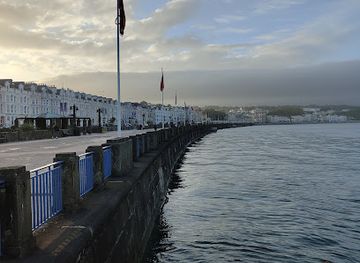
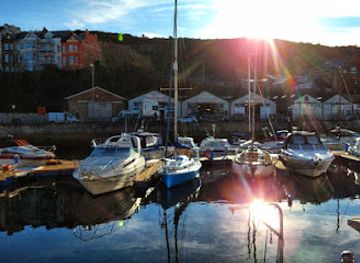
Douglas Head is the rocky southern promontory of Douglas, on the eastern coast of the Isle of Man. Rising above the entrance to Douglas Bay, it provides a changing sequence of sea views towards the town, the harbour, the open Irish Sea and, in clear weather, the distant outline of the Manx coast. The headland itself is compact, but its slopes, roads and coastal paths have a distinctly different atmosphere from the busy seafront below, with wind-shaped vegetation, exposed rock and broad views across the water.Read more about Douglas Head
Victorian Leisure and Coastal Character
Exploring Douglas Head
When is the best time to visit Douglas Head?
Best: June–August · 18–21°C| Month | High (°C) | Rainfall (mm) |
|---|---|---|
| January | 10 | 90 |
| February | 10 | 80 |
| March | 10 | 70 |
| April | 11 | 60 |
| May | 14 | 50 |
| June (best) | 18 | 40 |
| July (best) | 21 | 40 |
| August (best) | 21 | 50 |
| September | 18 | 60 |
| October | 15 | 70 |
| November | 13 | 80 |
| December | 11 | 90 |
Getting to and around Douglas Head
How to get there
Transportation
Best attractions in Douglas Head
The principal attraction on Douglas Head is the Great Union Camera Obscura, a historic optical building where mirrors project views of Douglas Bay into a darkened interior, offering an unusual interpretation of the surrounding landscape. Outside, the headland provides open coastal viewpoints towards Douglas, the harbour and the Irish Sea, with the changing light making the bay particularly rewarding for photography. The former Marine Drive gives the area its strongest sense of Victorian resort history, while the Douglas Head Lighthouse stands as a maritime marker near the seaward end of the promontory. Walking around the headland is less about covering a long network of trails than about combining short stretches of road, coastal path and viewpoint with the atmosphere of an exposed Manx shore. The nearby Douglas seafront, harbour and promenade are outside the headland's compact geographic core but form the natural wider excursion, adding museums, transport links, horse trams and town-centre amenities.
-
Tourist attraction
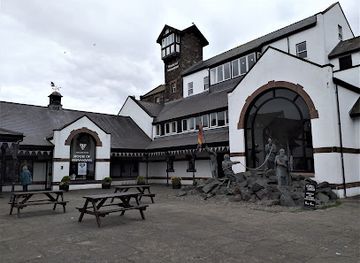
House of Manannan
Explore the rich history and vibrant culture of the Isle of Man at the House of Manannan, where the past comes alive through immersive exhibits.
-
Tourist attraction
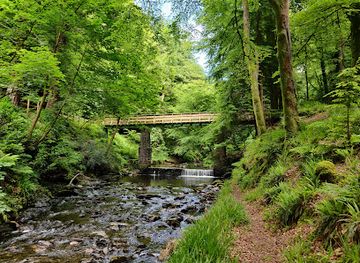
Glen Helen
Explore Glen Helen, a serene national forest in the Isle of Man, perfect for hiking, picnicking, and immersing in nature's beauty.
-
Tourist attraction
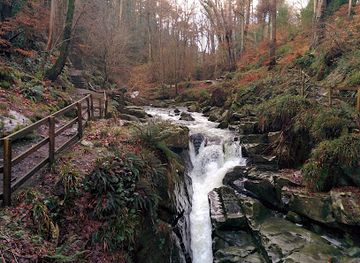
Ballaglass Glen
Explore the tranquil beauty of Ballaglass Glen, a stunning national forest in the Isle of Man featuring waterfalls, lush pathways, and serene landscapes.
-
Tourist attraction
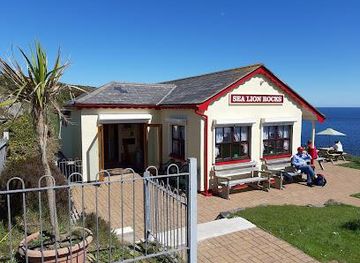
Groudle Glen Railway
Experience the charm of the Groudle Glen Railway, a historic narrow-gauge railway nestled in the Isle of Man's lush landscapes, offering a delightful journey through nature.
Best landmarks in Douglas Head
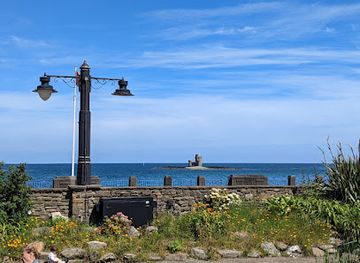
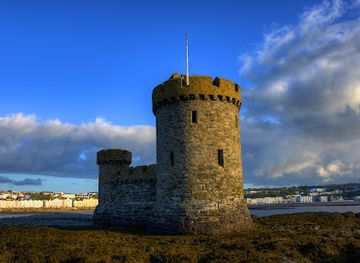
Douglas Head's defining natural landmark is the rocky promontory itself, which forms the southern side of the entrance to Douglas Bay and gives elevated views across the harbour and open sea. The Douglas Head Lighthouse is the most recognisable maritime structure on the headland, representing the area's role in guiding vessels towards Douglas. The Great Union Camera Obscura is its most distinctive built heritage feature: the 1892 attraction uses mirrors and optical design to present a panoramic image of the bay. The Marine Drive landscape is another important historical landmark, preserving the relationship between Victorian resort culture, scenic transport and the coast. The Tower of Refuge, visible in Douglas Bay, is a major Douglas landmark but stands offshore from the town rather than on Douglas Head, and should not be confused with the headland's own lighthouse and heritage structures.
-
History museum
Manx Museum
Explore the captivating history and culture of the Isle of Man at the Manx Museum, a must-visit attraction for every traveler.
-
History museum
The Manx Museum
Explore the Isle of Man's vibrant history at The Manx Museum, showcasing artifacts, art, and engaging exhibits for all ages.
-
Garden
Douglas Promenade Gardens
Discover the breathtaking beauty of Douglas Promenade Gardens on the Isle of Man – a perfect oasis for relaxation and scenic views.
-
Historical landmark
Tower of Refuge
Explore the Tower of Refuge, a historic landmark on the Isle of Man, offering breathtaking views and a glimpse into maritime history.
Explore Douglas Head on the map
Plan your trip on one map. See where the top attractions, landmarks, restaurants and hotels are, and book hotels and experiences in a few clicks.
Best hotels in Douglas Head
Best restaurants in Douglas Head
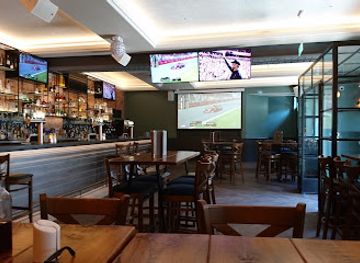
Douglas Head itself has limited dining infrastructure, so most visitors eat in Douglas before or after visiting the headland. The capital offers the island's broadest choice of cafés, restaurants, pubs and takeaway food, with menus reflecting the Isle of Man's maritime location and agricultural hinterland. Local produce may include Manx dairy products, meat, seafood and baked goods, although menus and availability vary by season and establishment. The seafront and town centre are the most convenient places to find refreshments, while visitors making a longer coastal excursion should not assume that food or water will be available on the headland. Farm shops and village eateries elsewhere on the island can add a more rural dimension to a wider itinerary, but they are separate from Douglas Head and may have limited opening patterns.
-
Grill
Jak's Bar & Smokehouse
Experience flavorful grilled dishes and exquisite smokehouse specialties at Jak's Bar & Smokehouse on the Isle of Man.
-
Restaurant
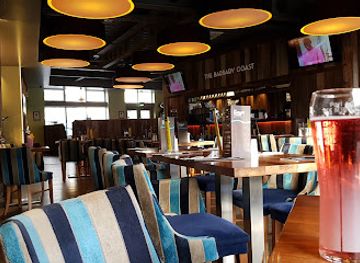
The Barbary Coast Grill & Bar
Experience exquisite dining at The Barbary Coast Grill & Bar in Douglas—where local flavors meet stunning waterfront views.
-
Grill
1886 Bar & Grill
Discover the lively atmosphere and exquisite grill offerings at 1886 Bar & Grill in Douglas - perfect for dining and entertainment.
-
Seafood
Little Fish Cafe
Discover fresh seafood delights at Little Fish Cafe in Douglas - where local flavors meet vibrant dining experiences.
Best bars in Douglas Head
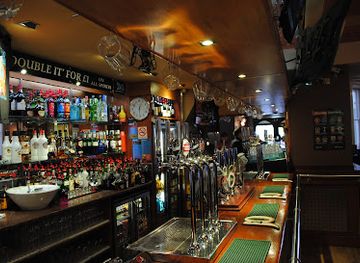
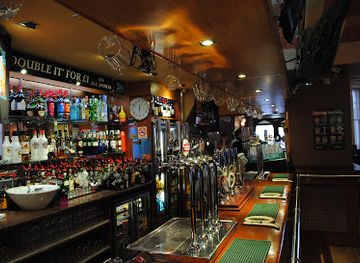
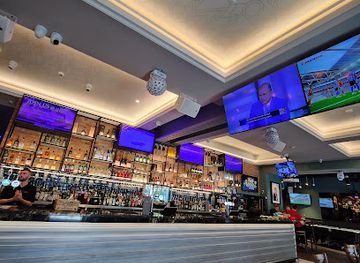
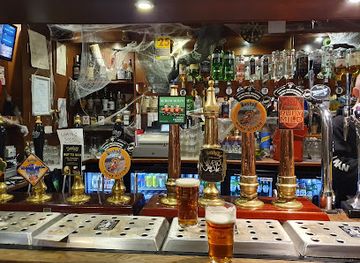
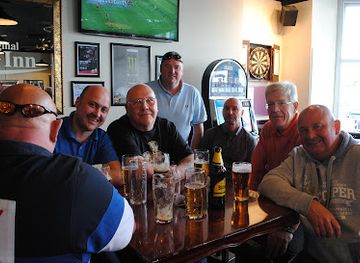
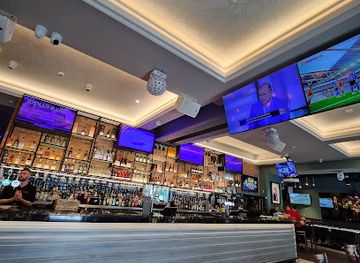
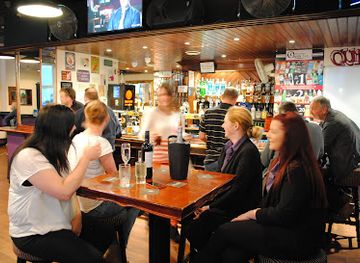
Douglas Head is a quiet coastal area rather than a nightlife district, and there are no grounds for treating the headland as a concentration of bars or nightclubs. Evening entertainment is found mainly in Douglas, where traditional pubs, hotel bars and other licensed venues provide a sociable setting within walking distance or a short journey of the headland. The atmosphere generally centres on conversation, local drinks, live entertainment when scheduled and the town's seafront rather than late-night club culture. The headland itself is better suited to an early evening walk and views across the bay, subject to weather and safe visibility. Visitors should check current arrangements independently, particularly outside the main season, as smaller Isle of Man venues and events can operate on changing schedules.
-
Grill
Jak's Bar & Smokehouse
Discover the culinary delights of Jak's Bar & Smokehouse in Douglas, Isle of Man, where local flavors meet a vibrant atmosphere.
-
Grill
1886 Bar & Grill
Experience the vibrant culinary scene at 1886 Bar & Grill in Douglas, Isle of Man, where delicious food meets lively entertainment.
-
Pub
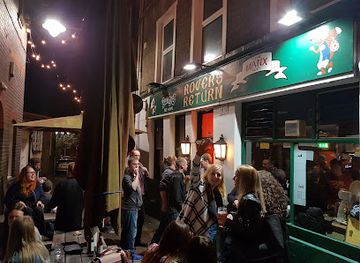
Rovers Return
Discover the charm of Rovers Return, a cozy pub in Douglas, Isle of Man, where locals and tourists mingle over great drinks and warm hospitality.
-
Live music bar
The Original Quids Inn
Experience the vibrant nightlife of Douglas at The Original Quids Inn, where live music, karaoke, and sports come together in a lively atmosphere.
Best nightclubs in Douglas Head
Douglas Head is a quiet coastal area rather than a nightlife district, and there are no grounds for treating the headland as a concentration of bars or nightclubs. Evening entertainment is found mainly in Douglas, where traditional pubs, hotel bars and other licensed venues provide a sociable setting within walking distance or a short journey of the headland. The atmosphere generally centres on conversation, local drinks, live entertainment when scheduled and the town's seafront rather than late-night club culture. The headland itself is better suited to an early evening walk and views across the bay, subject to weather and safe visibility. Visitors should check current arrangements independently, particularly outside the main season, as smaller Isle of Man venues and events can operate on changing schedules.
-
Night club
1886 Bar & Grill
1886 Bar & Grill in Douglas: A vibrant venue for exceptional cocktails, delicious food, and live music in the heart of the Isle of Man.
-
Pub
Rovers Return
Discover the welcoming ambiance of Rovers Return, a charming pub in Douglas, Isle of Man, perfect for experiencing local culture and cuisine.
-
Live music bar
The Original Quids Inn
Experience the vibrant nightlife at The Original Quids Inn, a must-visit live music and karaoke bar on the Isle of Man.
-
Pub
Brendan O'Donnell's
Discover the vibrant charm and local culture at Brendan O'Donnell's Pub in Douglas, Isle of Man—where great food and live music await.
Best shops in Douglas Head
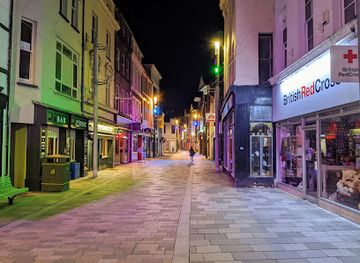
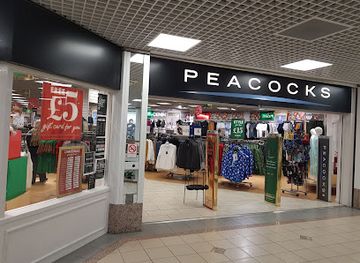
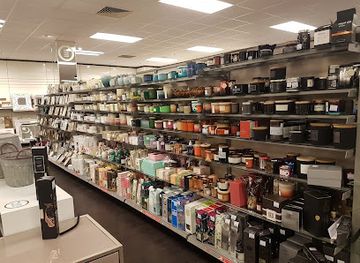
Douglas Head has little conventional shopping, so visitors should use Douglas for provisions, gifts and practical equipment. The capital's town centre and seafront contain the island's most substantial concentration of shops, while local products found around Douglas and elsewhere on the Isle of Man may include Manx food and drink, crafts, artwork, textiles and souvenirs reflecting the island's maritime and rural identity. Visitors interested in regional produce can also look for farm shops and independent sellers beyond the capital, although these are separate destinations and operating arrangements vary. It is sensible to purchase picnic supplies, water or outdoor essentials in Douglas before walking on the headland, where retail facilities are limited and the experience is primarily scenic and historical rather than commercial.
-
Shopping mall
The Strand Shopping Centre
Discover the vibrant shopping experience at The Strand Shopping Centre in Douglas, Isle of Man, where retail therapy meets local charm.
-
Department store
TK Maxx
Explore TK Maxx in Douglas for unbeatable fashion and home essentials at discount prices—your treasure hunt awaits!
-
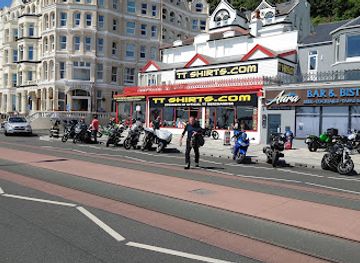
Custom t-shirt store
TT Shirts.com
Discover unique custom t-shirts in Douglas, Isle of Man at TT Shirts.com, the perfect souvenir shop for travelers.
-
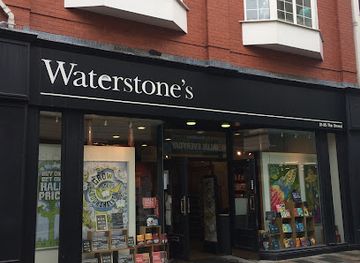
Book store
Waterstones
Discover a literary paradise at Waterstones in Douglas, where books come alive and culture thrives in the heart of the Isle of Man.
Get your free copy of our complete guide to Douglas Head, delivered straight to you.
Everything on this page, from attractions and restaurants to essentials and local phrases, in one PDF you can read offline, print or share.
Already have an account? Sign in
Your Douglas Head guide is ready.
We'll send it to · Not you? Sign out

Getting your guide ready…
We are putting together a fresh copy of the Douglas Head guide. This can take up to a minute.
This can take a few moments. If your browser asks, choose Allow so the download can start. You'll find the guide in your Downloads folder.
Nothing happened? Download it again
Sorry, the guide is taking longer than usual. Please try again in a minute, or get it by email instead.
Douglas Head essentials
Currency and Payment
Safety
Emergency Situations
Do's and Don'ts
Local Tips
From Eve
Local phrases worth knowing
You don't need to get them perfect. A few words go a long way, and locals appreciate the effort.
Basics
| English | Local | Say it |
|---|---|---|
| Hello | Laare | [lah-reh] |
| Goodbye | Slane lhiu | [slan-eh lee-oo] |
| Yes | Yea | [yea] |
| No | Nagh | [nah] |
| Please/You're welcome | Cur dooyrt | [koor doyrt] |
| Thank you | Gura mie ayd | [goo-rah mee ayd] |
| Excuse me/Sorry | Dy jarroo | [dee yar-roo] |
| How are you? | Connee t'ou? | [kon-ee too] |
| Fine. And you? | Aalin. As oo? | [ah-lin. as oo] |
| Do you speak English? | Jeeagh dty ghraih Gaelg? | [jee-akh dtee grah gaelg] |
| I don't understand | Cha nel feme aym | [kha nel fehm ay-m] |
Eating & Drinking
| English | Local | Say it |
|---|---|---|
| I'd like to see the menu, please | Ta mish gra dy yeeagh y chiamys, my sailliu | [tah mish grah dee yee-akh ee khee-amys, mee sahl-yoo] |
| I don't eat meat | Cha row meein aym | [kha roh meen ay-m] |
| Cheers! | Slaynt! | [slaint] |
| I would like to pay, please | Ta mee gra dy phagail, my sailliu | [tah mee grah dee fah-gail, mee sahl-yoo] |
Emergencies
| English | Local | Say it |
|---|---|---|
| Help! | Cooney! | [koo-neh] |
| Go away! | Imman dy choraa! | [im-man dee khor-ah] |
| Call the Police! | Cur y Polis! | [koor ee pol-iss] |
| Call a doctor! | Cur dorrys! | [koor dor-iss] |
| I'm lost | Ta mee gra dy chailleil | [tah mee grah dee khal-yell] |
| I'm ill | Ta mee chorped | [tah mee khor-ped] |
Shopping
| English | Local | Say it |
|---|---|---|
| I'd like to buy... | Ta mish gra dy eeast... | [tah mish grah dee ee-ast] |
| I'm just looking | Shegin mish kione | [sheg-in mish kee-neh] |
| How much is it? | Cre va shen? | [kreh vah shen] |
| That's too expensive | Ta shen roau stiagh | [tah shen roh stee-akh] |
| Can you lower the price? | Vel oo coayl y phadjer? | [vel oo kweel ee fad-jer] |
Time & Numbers
| English | Local | Say it |
|---|---|---|
| What time is it? | Cre'n am yndaa eh? | [krehn am un-dah eh] |
| It's one o'clock | Ta un a-clog echey | [tah oon ah-klogg eh-khee] |
| Half past (10) | Lheihys feed (jeih) | [lhey-hiss feed (jay)] |
| Morning | Oie vie | [oy veh] |
| Afternoon | Aghin-oon | [ah-gheen oon] |
| Evening | Oie hie | [oy hee] |
| Yesterday | Jeheiney | [jay-eh-nee] |
| Today | Jiu | [jyoo] |
| Tomorrow | Yindaa | [un-dah] |
| 1 | Un | [oon] |
| 2 | Jeih | [jay] |
| 3 | Tree | [tree] |
| 4 | Kiare | [kee-ah-reh] |
| 5 | Queig | [kwee] |
| 6 | Shey | [she] |
| 7 | Shiaght | [shee-akt] |
| 8 | Oie | [oy] |
| 9 | Nuy | [noo-ee] |
| 10 | Jeih | [jay] |
Transport & Directions
| English | Local | Say it |
|---|---|---|
| Where's a/the...? | Kiaull raad ...? | [kee-owl rad] |
| What's the address? | Cre'n ennym yndaa? | [krehn en-im un-dah] |
| Can you show me (on the map)? | Vel oo er-y-fa dy chooish mee (ar y charder)? | [vel oo er-ee-fah dee khoo-ish mee (ar ee khard-er)] |
| When's the next (bus)? | Quoi raad yndaa'n cheet (boayl)? | [kwee rad un-dahn kheet (bool)] |
| A ticket (to ....) | Billee (rish ...) | [bil-ee (rish)] |
History of Douglas Head
A Maritime Headland
Douglas Head occupies the southern side of the approach to Douglas Bay, a naturally important position for vessels entering the island's principal eastern harbour. Its exposed setting made navigation and coastal signalling significant, while the headland's relationship with the bay shaped the growth of Douglas as a port and resort. The surrounding waters also form part of a wider maritime landscape associated with shipping, fishing and communication across the Irish Sea, although the headland itself remained largely open and windswept before its later development for visitors.
The Lighthouse and Navigation
The Douglas Head Lighthouse was established in the nineteenth century to assist vessels approaching Douglas Bay. Its construction belongs to the period when improved coastal lighting formed part of a wider programme of safer navigation around the British Isles. The lighthouse stands near the seaward end of the headland and is principally appreciated from the surrounding coastal landscape rather than as a conventional visitor attraction. Its presence records Douglas Head's continuing practical importance beside a harbour that was becoming increasingly significant to the Isle of Man's trade and tourism.
The Victorian Marine Drive
As Douglas expanded into a fashionable seaside resort during the nineteenth century, Douglas Head was incorporated into the town's landscape of promenades, scenic roads and recreational excursions. The Marine Drive was developed to give visitors an elevated route above the coast, allowing the headland to be experienced as a destination rather than simply as a navigational feature. Transport infrastructure and pleasure facilities later connected the area more closely with Douglas, and the route became part of the visual identity of the resort. Weather, maintenance and changing patterns of tourism have altered the experience over time, but the headland still conveys that Victorian interest in panoramic coastal travel.
The Great Union Camera Obscura
The Great Union Camera Obscura was built on Douglas Head in 1892, when optical entertainments were popular attractions in seaside resorts. Its system of mirrors offers visitors a projected view of Douglas Bay and the surrounding shoreline, transforming the headland's panorama into an indoor spectacle. The building is an important survivor of the period's leisure culture and demonstrates how technology, landscape and tourism were combined to entertain visitors before modern photographic and digital displays. Its seasonal operation and heritage character make it one of the most distinctive historical features associated with Douglas Head.
Changing Resort Landscapes
Douglas Head's fortunes have followed the wider development of Douglas. The growth of mass tourism, changes in transport and the decline of some Victorian leisure infrastructure reduced the prominence of earlier attractions, while the headland remained valuable as an open coastal viewpoint and heritage setting. Today, the lighthouse, Marine Drive landscape and Camera Obscura are read alongside the broader history of Douglas as a port and seaside resort. Conservation of historic structures and responsible access are important to retaining the headland's character in a place exposed to weather and coastal conditions.
Douglas Head in Photos
Browse through our photo collection highlighting the charm and character of the destination.
Cities in Douglas Head
The towns and cities of Douglas Head, and the easiest places to base yourself.
-
-

-

-

-

-


Swipe for more cities
Neighbouring destination travel guides
The closest destinations to Douglas Head, if you have time for more than one.
-

-
-

-

-


Swipe for more destinations
Explore more

Explore more of Isle of Man
Discover the Isle of Man: A captivating blend of natural beauty, rich history, and vibrant culture nestled in the Irish Sea, perfect for a tranquil yet adventurous getaway.
Explore Isle of Man