

The Dover Castle, London Travel Guide
A small Marylebone mews pub with late-Georgian roots, best approached as a short heritage stop rather than a major London attraction.
The Dover Castle at 43 Weymouth Mews is a compact Marylebone pub with historic roots and a distinctly local feel. Set back from the main streets, it reflects the scale of the area’s old service lanes rather than a grand London landmark. Expect a small, low-key stop shaped by Georgian urban fabric, with the appeal lying in atmosphere, not spectacle.
A brief summary to The Dover Castle
- 43 Weymouth Mews, London, W1G 7EQ, GB
- Click to display
- Duration: 0.5 to 3 hours
- Mid ranged
-
 Mixed
Mixed
- Mobile reception: 4 out of 5

Know before you go
Hi, I'm Eve. Here are a few practical things to know before exploring The Dover Castle.
- Treat this as a heritage pub stop in Marylebone, not a major landmark; it works best when folded into a wider walk through the area.
- Current trading status is uncertain, so check before setting out if you want to visit the interior rather than just the street setting.
- The mews location is compact and best reached on foot from nearby Tube stations; driving is awkward and parking is limited.
Do you manage this location?
Take control to get all the benefits, like improved information, better appearance, and stronger visibility across AI-powered discovery. Learn more about listing your business on Evendo
Activate your presenceOther nearby places you may find interesting
The closest places of the same kind, if this one is not quite what you had in mind.


Explore The Dover Castle on the Map
A handpicked selection of must-see spots near The Dover Castle, mapped for you.
Unlock the Best of The Dover Castle
Buy tickets
-
No tickets available
Book tours with entry

Book tours without entry

Getting There
-
Tube
Use nearby central London stations such as Baker Street, Bond Street, or Marylebone, then allow roughly 10 to 20 minutes on foot depending on your route.
-
Taxi / ride-hail
Practical for direct access in central London, though traffic, drop-off space, and congestion charges make it less efficient than walking or the Tube.
-
Walking
Best for travellers already in Marylebone; the mews setting is compact and fits naturally into a neighbourhood walk.
-
Cycling
Feasible in central London, but secure parking and space around the mews may be limited, so it is better for short daytime visits.
For the on-the-go comforts that matter to you
-
 Restrooms
-
 Drink Options
-
 Food Options
-
 Seating Areas
-
 Sheltered Areas
-
 Trash Bins
Discover more about The Dover Castle
What it is
The Dover Castle is a former or alternate listing for a historic pub at 43 Weymouth Mews in Marylebone, central London. It belongs to the small class of mews pubs that grew out of the city’s Georgian street pattern, where former service lanes and stable yards were gradually absorbed into everyday neighbourhood life. Its significance is social and architectural rather than monumental: this is a local public house with heritage value, not a major sightseeing site.Setting and atmosphere
The address sits in a narrow mews off the busier Marylebone streets, so the setting feels compact, urban, and close to the grain of the neighbourhood. The surrounding fabric is all brick, narrow lanes, and tightly packed buildings, with little open space and no broad views. If the venue is operating, the experience is likely to be indoors-first, with a small footprint and a traditional pub rhythm. The mood is best described as low-key and local, with the sort of quiet character that comes from being slightly removed from the main pedestrian flow.What a visit feels like
A visit here would usually be brief to moderate: arrive, order a drink or meal, sit for a while, then move on. It suits travellers who like historic pubs, neighbourhood walking, and places that still feel tied to the everyday life of central London. The appeal is in the details around the visit — the mews setting, the sense of age, the contrast between a small pub and the larger city around it. It is not the kind of place that fills a whole day on its own, but it can work well as a pause between Marylebone stops.History and context
Historic references place the pub in the late 18th century, which fits the broader development of Marylebone as a dense Georgian district. The area’s mews were once practical back-of-house streets for horses, deliveries, and service access; over time, some became pubs, workshops, and small residences. That context gives The Dover Castle its interest. It is part of a London pattern where ordinary urban infrastructure has outlasted the uses it was built for, leaving behind places that feel modest but layered.Practical expectations
Current operation is uncertain, so travellers should treat it as a heritage reference point rather than a guaranteed open venue. If it is trading, expect standard pub facilities rather than destination-style amenities: seating, drinks, possibly food, and a small interior. Access may be limited by the mews layout and the age of the building. It is easiest to reach on foot from nearby central London stations, and it works best as part of a wider Marylebone walk rather than as a standalone excursion.












Your all‑in‑one travel companion app
Explore expert travel guides, compare and book tours, experiences, hotels, and more—all from the palm of your hand. Download now for seamless trip planning wherever your wanderlust takes you.


Explore More of London
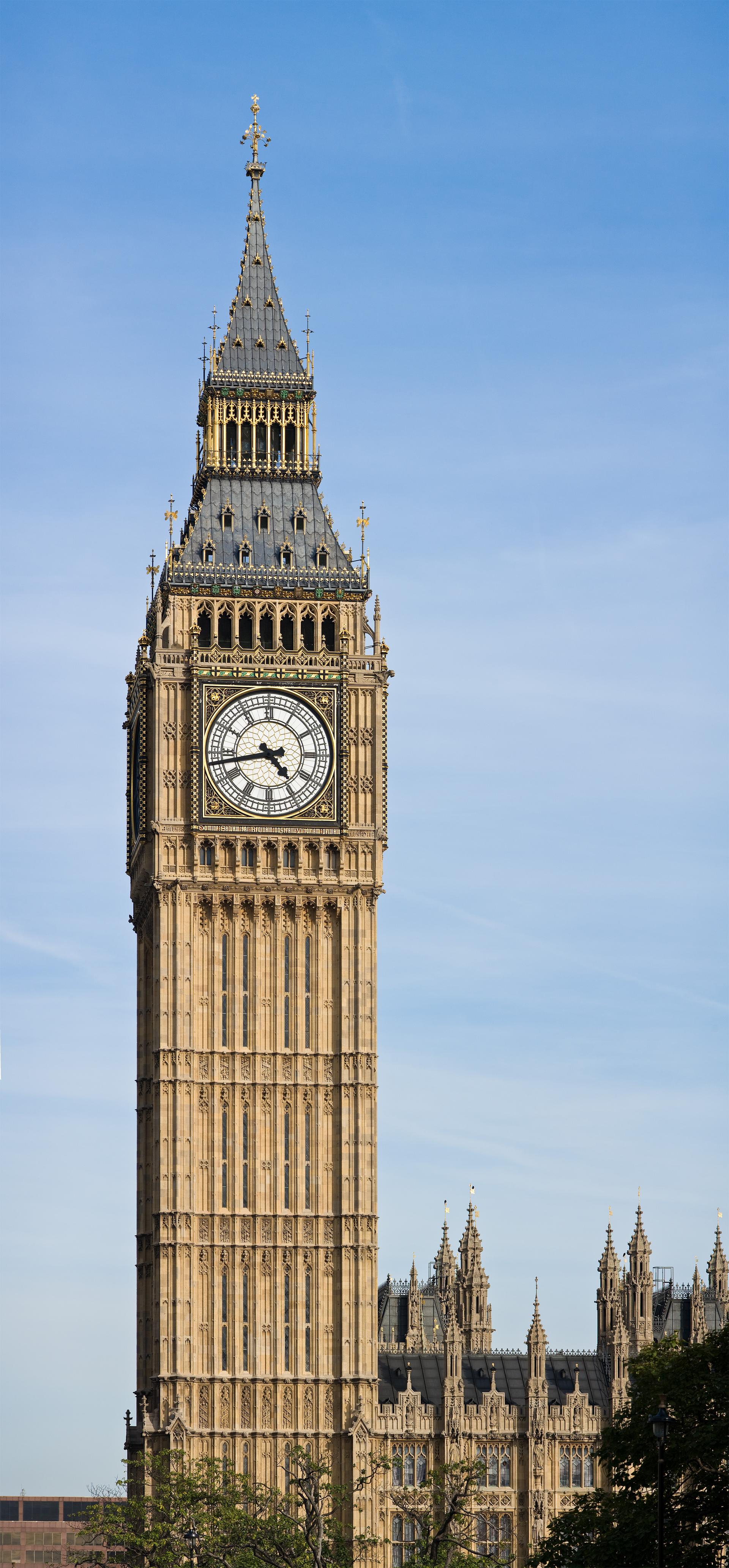
Looking beyond The Dover Castle? Discover London for broader travel guides, local hot-spots, and regional highlights.
Explore London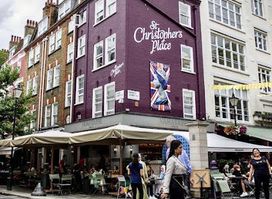
A charming pedestrianised enclave of boutique shops and global dining, tucked just off Oxford Street in central London.
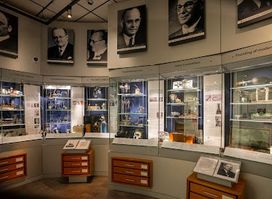
A compact central London museum tracing the history of anaesthesia through historic instruments, medical archives, and a quietly detailed specialist collection.
