Lancaster Gate, London Travel Guide
Victorian elegance meets London's greatest attractions on the edge of Hyde Park
Lancaster Gate is an elegant mid-Victorian residential and commercial district in central London, situated on the northern edge of Hyde Park and Kensington Gardens. This prestigious Bayswater neighbourhood features stunning stuccoed terraces with classical architecture, housing embassies, offices, and the Lancaster Gate Hotel. The area offers direct access to world-class parks, museums, and transport links, making it an ideal base for exploring London's cultural attractions and enjoying peaceful green spaces.
A brief summary to Lancaster Gate
- London, GB
- Duration: 1.5 to 4 hours
- Mid ranged
-
 Outdoor
- Mobile reception: 5 out of 5

Know before you go
Hi, I'm Eve. Here are a few practical things to know before exploring Lancaster Gate.
- Visit the Italian Gardens in Kensington Gardens early morning for peaceful exploration and excellent photography before crowds arrive. This 150-year-old ornamental water garden is believed to be a gift from Prince Albert to Queen Victoria.
- Use Lancaster Gate station on the Central Line for direct access to Oxford Circus and the West End theatreland. Purchase a Travelcard for unlimited travel across London's zones during your stay.
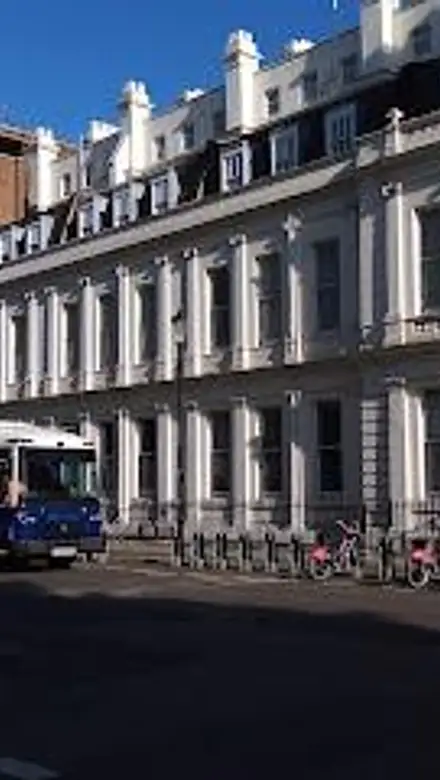
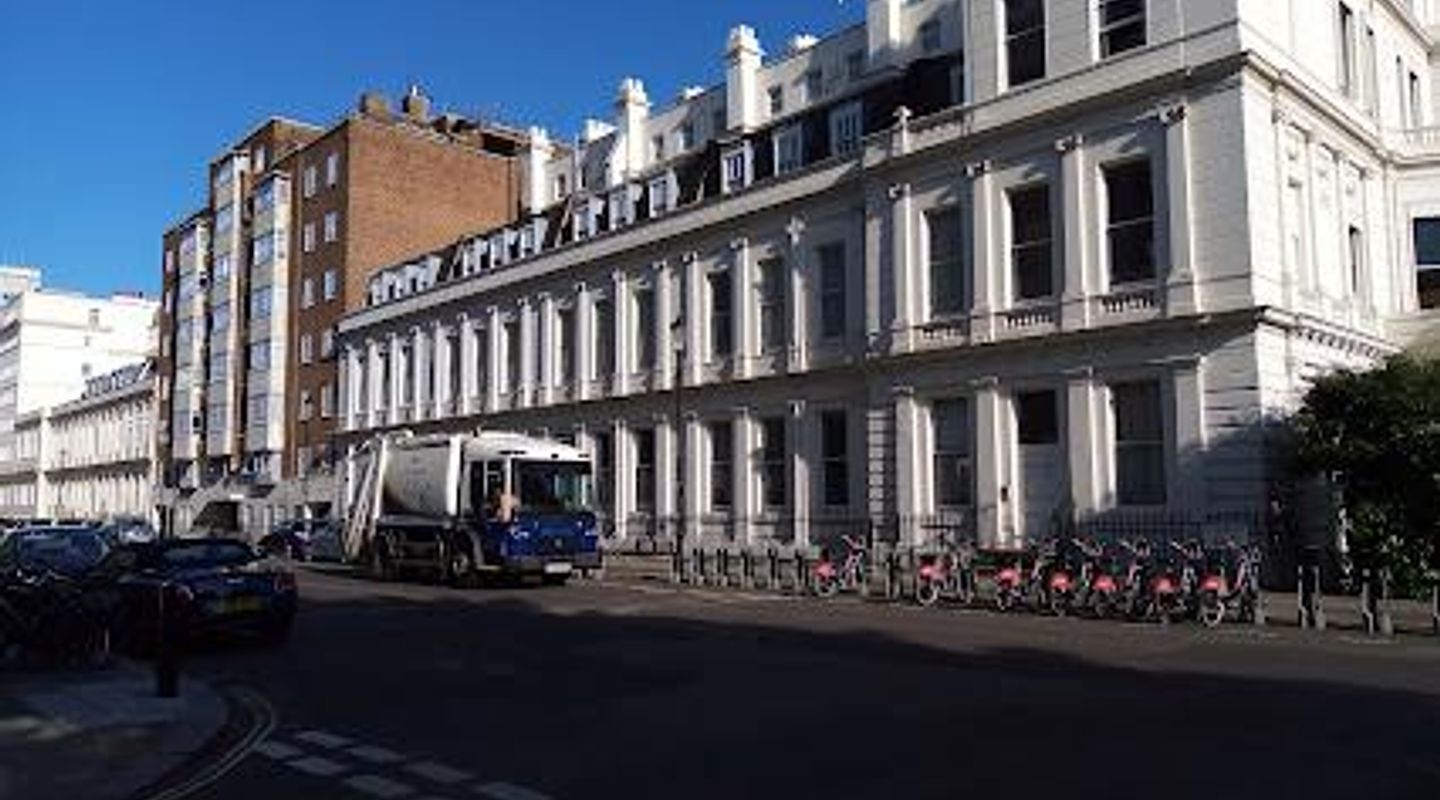
- Explore the architectural details of the Victorian terraces on foot. The stuccoed facades featuring English Baroque and French touches represent some of London's finest mid-19th century residential design.
- Walk through Hyde Park to reach the Royal Albert Hall, the Diana Memorial Fountain, and the Serpentine. The park offers boating, cycling, and peaceful green spaces away from central London's bustle.
- Avoid the Congestion Charge by using public transport. Paddington Station is a 10-minute walk away and offers the Heathrow Express for airport connections, plus multiple Underground lines.
Do you manage this location?
Take control to get all the benefits, like improved information, better appearance, and stronger visibility across AI-powered discovery. Learn more about listing your business on Evendo
Activate your presenceOther nearby places you may find interesting
The closest places of the same kind, if this one is not quite what you had in mind.



Explore Lancaster Gate on the Map
A handpicked selection of must-see spots near Lancaster Gate, mapped for you.
Unlock the Best of Lancaster Gate
Buy tickets
-
No tickets available
Book tours with entry
-
No tours available


Getting There
-
Underground (Tube)
Lancaster Gate station on the Central Line (Zone 1) is located directly at the neighbourhood and provides 5-minute access on foot. The Central Line connects directly to Oxford Circus and Tottenham Court Road for West End theatreland, and to Bank for the City. Nearby Queensway and Bayswater stations on the Circle, District, and Hammersmith & City lines offer additional options. Standard Travelcard fares apply; a Day Travelcard costs approximately £9–15 depending on zones. Service runs from approximately 5:30 AM to midnight daily, with reduced night service on selected routes.
-
National Rail and Airport Express
Paddington Station is a 10-minute walk (approximately 0.6 km) from Lancaster Gate and provides National Rail services across the UK, the Elizabeth Line for rapid connections to central London, and the Heathrow Express to London's largest airport. The Heathrow Express takes approximately 15 minutes and costs around £6.50–11 for a single journey depending on advance booking. Paddington also connects to the Bakerloo, Circle, District, and Hammersmith & City lines. Train services operate from early morning until late evening with varying frequencies.
-
Bus
Multiple bus routes serve Lancaster Gate, including the 94, 148, 274, and night bus N207, providing connections across London including to the West End, Victoria, and surrounding neighbourhoods. Bus fares are approximately £1.75 for a single journey within London zones, or included in a Travelcard. Buses operate 24 hours on selected routes; standard daytime service runs from approximately 5:00 AM to midnight. Real-time tracking is available via Transport for London's Journey Planner app.
-
Car and Parking
Lancaster Gate sits on the A40 Bayswater Road and is accessible by car, but the area falls within London's Congestion Charge Zone (£15 per day, Monday–Friday 7:00 AM–10:00 PM). Public car parks are available nearby but are expensive, typically £3–6 per hour or £15–25 per day. Resident permit parking is restricted. Public transport is strongly recommended over driving due to congestion and parking costs.
For the on-the-go comforts that matter to you
-
 Restrooms
-
 Drink Options
-
 Drinking Water
-
 Food Options
-
 Seating Areas
-
 Picnic Areas
-
 Trash Bins
-
 Information Boards
Discover more about Lancaster Gate
A Victorian Architectural Gem
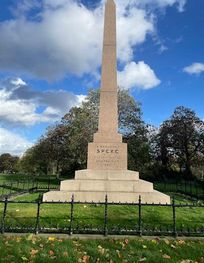
Lancaster Gate stands as one of London's most distinguished mid-19th century residential developments, immediately north of Kensington Gardens in the Bayswater district. The neighbourhood consists of two long terraces of stuccoed houses overlooking the park, separated by a wide gap that opens onto a square. Originally known as Upper Hyde Park Gardens until 1865, the area was renamed Lancaster Gate after the nearby entrance to Kensington Gardens, itself named in honour of Queen Victoria as Duke of Lancaster. The terraces showcase an eclectic classical style featuring English Baroque details and French architectural touches, designed by renowned architects Sancton Wood and John Johnson. Construction began in the late 1850s on the site of former nursery and tea gardens, taking at least a decade to complete. Today, many exteriors remain largely intact, though interiors have been substantially reconstructed behind the preserved facades.Historic Significance and Modern Uses
The development was planned in 1856–57 and represents one of the two grandest 19th-century housing schemes lining the northern side of Hyde Park and Kensington Gardens, alongside Hyde Park Gardens. The original centrepiece was Christ Church, Lancaster Gate, an asymmetrical Gothic composition with a distinctive needle spire designed by F. & H. Francis. The church served as one of London's best-known religious buildings until structural issues led to its demolition in 1977; only the tower and spire survive today, now part of the Spire House residential development completed in 1983. The neighbourhood's prestige has attracted diverse occupants over the decades—many properties remain in exclusive residential use commanding premium prices, while others function as embassies, corporate offices, and hospitality venues. For decades, Lancaster Gate served as the headquarters of The Football Association, with the term becoming synonymous with English football administration before the organisation relocated.Gateway to London's Greatest Attractions
Situated immediately adjacent to Hyde Park and Kensington Gardens, Lancaster Gate provides unparalleled access to London's most celebrated green spaces and cultural institutions. Hyde Park stretches across 350 acres and offers boating on the Serpentine, the Diana Memorial Fountain, and extensive walking paths. Kensington Gardens, seamlessly connected to Hyde Park, features the Italian Gardens—a magnificent 150-year-old ornamental water garden believed to be a gift from Prince Albert to Queen Victoria—along with the Albert Memorial and Kensington Palace. The neighbourhood sits within walking distance of South Kensington's museum quarter, home to the Science Museum, Natural History Museum, and Victoria and Albert Museum. Notting Hill, famous for its colourful Victorian houses and the Portobello Road Market, lies just a short stroll away, while the West End's theatreland is accessible via the Central Line.Exceptional Transport Connectivity
Lancaster Gate benefits from exceptional public transport infrastructure that connects travellers throughout London and beyond. Lancaster Gate station on the Central Line (Zone 1) is just minutes away on foot, providing direct access to Oxford Circus, Tottenham Court Road, and the West End. Nearby Queensway and Bayswater stations offer additional Underground options, while Paddington Station—a 10-minute walk away—provides National Rail services, the Heathrow Express for airport connections, and access to the Elizabeth, Bakerloo, Circle, District, and Hammersmith & City lines. Numerous bus routes, including the 94, 148, 274, and night bus N207, serve the area with excellent connections across London. The neighbourhood sits on the A40 Bayswater Road, making it accessible by car, though the Congestion Charge Zone and expensive public car parks make public transport the preferred option.Residential Character and Contemporary Development
Today, Lancaster Gate maintains its status as one of London's most desirable addresses, with properties commanding premium prices in the residential market. The neighbourhood preserves its Victorian character while accommodating modern uses—the Lancaster Gate Hotel, housed in a traditional townhouse with a stuccoed facade reminiscent of the Edwardian era, exemplifies this blend of heritage and contemporary hospitality. The area attracts business travellers, international visitors, and London explorers seeking proximity to major attractions without sacrificing the tranquil sophistication that defines the neighbourhood. The quiet residential streets contrast sharply with the vibrant energy of nearby Notting Hill and the West End, creating a balanced environment where visitors can enjoy peaceful park walks and cultural exploration within moments of each other.












Your all‑in‑one travel companion app
Explore expert travel guides, compare and book tours, experiences, hotels, and more—all from the palm of your hand. Download now for seamless trip planning wherever your wanderlust takes you.


Explore More of London
Looking beyond Lancaster Gate? Discover London for broader travel guides, local hot-spots, and regional highlights.
Explore London