Queen Caroline's Temple, London Travel Guide
Free Guide: A small classical pavilion in Kensington Gardens, Queen Caroline's Temple rewards a brief stop on a walk along the Long Water and nearby royal landmarks.


A brief summary of Queen Caroline's Temple
A small classical pavilion in Kensington Gardens, Queen Caroline's Temple rewards a brief stop on a walk along the Long Water and nearby royal landmarks.
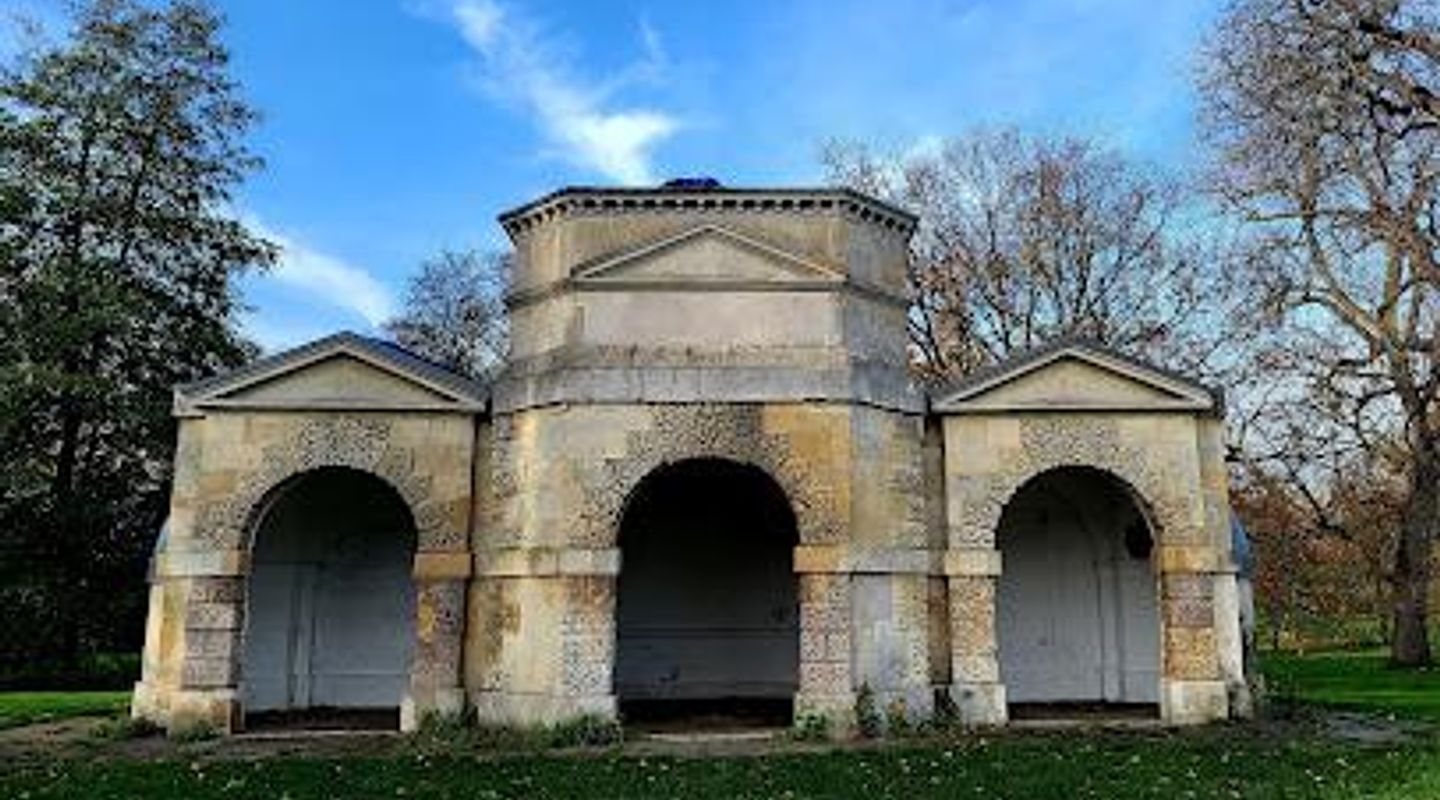
Queen Caroline's Temple is a small 18th-century garden pavilion in Kensington Gardens, best seen as part of a slow walk beside the Long Water. It is not a standalone attraction, but a compact classical monument with royal landscape history, quiet views, and a calm, reflective atmosphere. Most visitors pause briefly for photos before moving on to nearby park landmarks.
On-site amenities
 Restrooms
 Drink options
 Food options
 Seating areas
 Sheltered areas
 Information boards
- Address
- London W8 4PU
- Website
Getting there
Tube
Bus
Walking
Cycling
Discover more about Queen Caroline's Temple
What it is
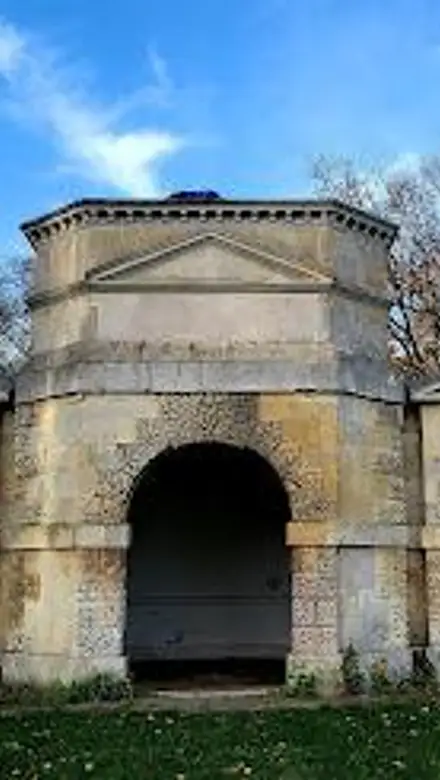
Queen Caroline's Temple is a small classical summerhouse in Kensington Gardens, set within one of London's most carefully shaped royal park landscapes. Built for Queen Caroline in the 1730s and later restored to its intended use, it reads less like a grand monument than a refined garden feature. Its appeal lies in its scale: modest, symmetrical, and designed to be viewed in relation to water, lawns, and trees rather than as a building to enter and explore.
Setting and atmosphere
The temple stands near the Long Water, where the park opens into broad lawns, tree-lined paths, and long sightlines. The atmosphere is quiet and measured, with a strong sense of spacing between features. You are more likely to hear footsteps, birds, and the low hum of park traffic than any crowd noise. On a clear day, the pavilion sits neatly in the landscape, giving the area a composed, almost formal feel that reflects Kensington Gardens' royal origins.
What visitors actually do
Most people encounter Queen Caroline's Temple as one stop on a wider walk through Kensington Gardens. A visit is usually brief: you stop, look, take a few photographs, and continue toward the Long Water, the Italian Gardens, Kensington Palace, or the Albert Memorial. There is no ticketed interior experience and no need to plan a long stay. The best visits are unhurried and low-key, especially if you enjoy historic parks, landscape design, and places where architecture is inseparable from its setting.
History and context
Kensington Gardens was reshaped in the early 18th century as part of the royal landscape around Kensington Palace, with Queen Caroline playing a major role in its development. The temple belongs to that period of ornamental garden building, when decorative structures were used to frame views and give walks a sense of sequence. Its later use as a park keeper's home and subsequent restoration add another layer to its story, but the site remains most compelling as a surviving piece of designed landscape rather than a major historic monument.
Practical expectations
This is a free, outdoor stop that suits walkers, photographers, and anyone combining several park sights in one outing. Paths in Kensington Gardens are generally straightforward, though the exact route and access point will shape the experience. Facilities are better thought of as park-wide than temple-specific, with cafés, toilets, and information boards elsewhere in the gardens. Come in mild, dry weather if possible, and expect a short visit unless you are building a longer loop through the park.
Evendo Review Centre
 Google
Guest reviews
Best time to go
Quietest: Jan, Feb & Dec · before 6am or from 9pm
Busy times are Evendo estimates for a typical year, to help you plan. Actual crowds vary with events, school holidays and the weather.
Explore Queen Caroline's Temple on the map
A handpicked selection of must-see spots near Queen Caroline's Temple, mapped for you.
Get your free copy of our complete guide to Queen Caroline's Temple, delivered straight to you.
Everything on this page, from opening hours and how to get there to Eve’s tips and the best time to go, in one PDF you can read offline, print or share.
Already have an account? Sign in
Your Queen Caroline's Temple guide is ready.
We'll send it to · Not you? Sign out

Getting your guide ready…
We are putting together a fresh copy of the Queen Caroline's Temple guide. This can take up to a minute.
This can take a few moments. If your browser asks, choose Allow so the download can start. You'll find the guide in your Downloads folder.
Nothing happened? Download it again
Sorry, the guide is taking longer than usual. Please try again in a minute, or get it by email instead.
Unlock the best of Queen Caroline's Temple
Skip-the-line tickets, guided tours with entry, and walking tours of the area, booked in a few clicks.


Other nearby places you may find interesting
The closest places of the same kind, if this one is not quite what you had in mind.
-
-
-
-
-


Swipe for more places
More to explore near Queen Caroline's Temple
-
 Best experiences near Queen Caroline's Temple
-
 Best hotels near Queen Caroline's Temple
-
 Best landmarks near Queen Caroline's Temple
-
 Best attractions near Queen Caroline's Temple
-
 Best shops near Queen Caroline's Temple
-
 Best restaurants near Queen Caroline's Temple
-
 Best bars near Queen Caroline's Temple


Do you manage this location?
Take control to get all the benefits, like improved information, better appearance, and stronger visibility across AI-powered discovery.
Explore more

Explore more of London
Explore London: A city of iconic landmarks, rich history, vibrant culture, and endless attractions that cater to every taste, making it a must-visit destination.
Explore London
Explore more of United Kingdom
Discover the United Kingdom: A blend of rich history, stunning landscapes, and vibrant cities, offering a unique travel experience for every visitor.
Explore United Kingdom