
Lord's Cricket Ground
The world's most prestigious cricket venue and the undisputed 'Home of Cricket' since 1814.
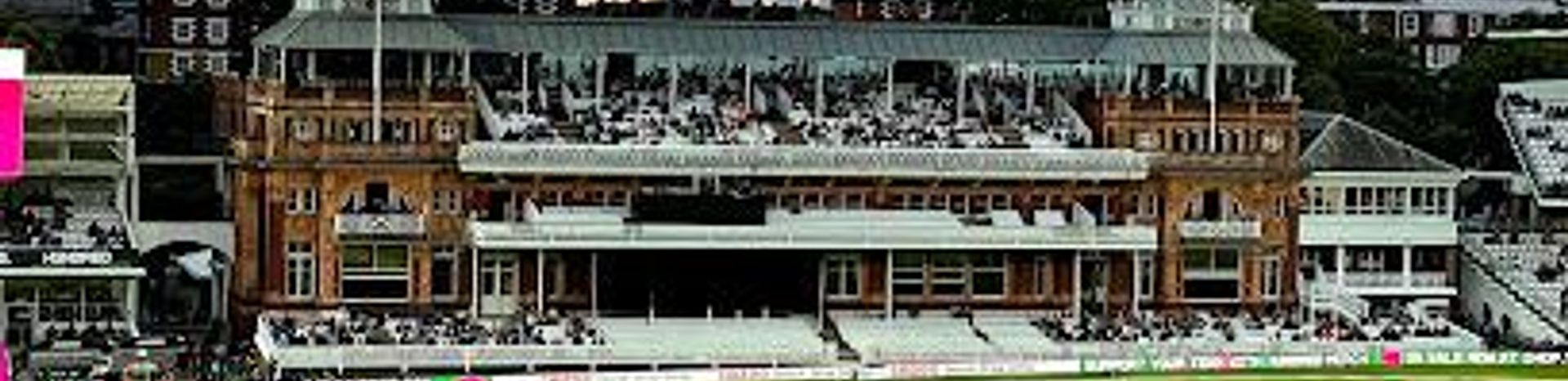
Nestled in St John's Wood, Lord's Cricket Ground stands as the world's most prestigious cricket venue and the undisputed 'Home of Cricket'. Founded in 1814 by Thomas Lord, this iconic ground has hosted over two centuries of cricket history, from the first Ashes series to five Men's World Cup finals. The distinctive pink terracotta Victorian pavilion, completed in 1889–90, overlooks the famous sloping pitch and the legendary Long Room where players make their ceremonial walk to the field. Today, Lord's remains the headquarters of the Marylebone Cricket Club (MCC) and a living monument to cricket's traditions, seamlessly blending heritage with modern facilities.
A brief summary to Lord's Cricket Ground
- St John's Wood Rd, London, NW8 8QN, GB
- +442076168500
- Visit website
- Duration: 1.5 to 4 hours
- Mid ranged
-
 Outdoor
- Mobile reception: 5 out of 5
Local tips
- Book tours in advance, especially during major match days. Non-match days offer quieter access to the pavilion and Long Room. MCC members enjoy exclusive access through the Grace Gates.
- The ground's famous slope influences play significantly; observe how fielders position themselves differently on the north and south ends of the pitch.
- Visit the MCC Museum to explore cricket's history, including the boundary flag from the earliest known Ashes series and artifacts spanning over two centuries.
- The Long Room walk through the pavilion is cricket's most iconic ceremonial passage; if attending a match, arrive early to appreciate this historic space.
- St John's Wood station is the closest Underground stop, just a short walk away. The area offers excellent restaurants and cafes for pre- or post-match dining.

For the on-the-go comforts that matter to you
- Restrooms
- Drink Options
- Drinking Water
- Food Options
- Seating Areas
- Sheltered Areas
- Information Boards
- Visitor Center
Getting There
-
London Underground
St John's Wood station on the Jubilee Line is the closest Underground stop, approximately 5–7 minutes' walk from Lord's. Exit toward St John's Wood Road and follow signs to the ground. Service runs frequently throughout the day, with typical journey times of 15–25 minutes from central London depending on your starting point. Single fares range from £1.75–£3.00 depending on zones traveled.
-
Bus Service
Multiple bus routes serve the St John's Wood area, including routes 13, 82, and 113, which stop near Lord's on St John's Wood Road. Journey times from central London typically range from 20–40 minutes depending on traffic and starting location. Single bus fares are £1.75 for journeys within London. Buses run throughout the day with frequent service during peak hours.
-
Taxi or Ride-Share
Taxis and ride-share services (Uber, Bolt) are readily available throughout London. Journey times from central London typically range from 15–30 minutes depending on traffic conditions. Fares vary based on starting location and time of day, generally ranging from £12–£25 from central areas. On match days, services may experience higher demand and longer wait times.
-
Parking
Street parking in St John's Wood is limited and operates under controlled permit zones. Several paid car parks are located within 5–10 minutes' walk, including the St John's Wood Centre car park. Parking charges typically range from £2.50–£4.00 per hour, with daily rates around £15–£25. Arrive early on match days as spaces fill quickly.
Lord's Cricket Ground location weather suitability
-
 Any Weather
-
 Clear Skies
-
 Mild Temperatures
Discover more about Lord's Cricket Ground
The Founding Vision and Three Relocations
Lord's Cricket Ground owes its existence to Thomas Lord, a Yorkshireman born in 1755 who combined his passion for cricket with shrewd business acumen. In 1787, at just 32 years old, Lord established the first cricket ground at Dorset Fields (now Dorset Square), responding to the needs of elite cricket patrons who sought a dedicated venue away from shared public spaces. The inaugural match on May 31, 1787, saw Middlesex defeat Essex by 93 runs, with Lord himself opening the innings. This original seven-acre field could accommodate over 2,000 spectators and featured covered refreshment areas—revolutionary for its time. As London expanded, Lord relocated his ground twice more. In 1809, rising rents forced a move to Lisson Grove, but this proved short-lived when the Regent's Canal was constructed through the site. Undeterred, Lord secured land at St John's Wood in 1814, where the ground remains to this day. On June 22, 1814, the Marylebone Cricket Club (MCC) played Hertfordshire in the first match at the current location, establishing what would become cricket's most hallowed ground. Lord's foresight in securing this final location proved invaluable; the ground has remained uninterrupted for over 210 years.Architectural Evolution and the Iconic Pavilion
The most recognizable structure at Lord's is the distinctive pink terracotta pavilion, designed by architects Thomas and Frank Verity and completed in 1889–90. This Grade II* listed building replaced two earlier pavilions, the first destroyed by fire in 1825. The pavilion's most celebrated feature is the Long Room, a 93-foot gallery offering unobstructed views of the playing area. This space holds profound significance in cricket culture: players walk through the Long Room as they enter and exit the field, a ceremonial passage that has witnessed countless historic moments. The pavilion's architecture reflects Victorian craftsmanship, with pyramidal roofs capped by ornate cast-iron and wrought-iron lanterns adorning its end pavilions. Beyond the pavilion, Lord's has undergone continuous modernization while preserving its character. The Grand Stand, designed by architect Nicholas Grimshaw and opened by Prince Philip in 1998, seats 6,000 spectators across two tiers. The Media Centre, completed in 1999, features a striking curved design that has become an architectural landmark in its own right. The 2017 Warner Stand and the 2021 Compton and Edrich Stands represent ongoing investment in facilities, while the ground's distinctive north-to-south slope—a natural feature that influences play—remains unchanged, adding unique character to every match.The Slope and Playing Characteristics
One of Lord's most distinctive features is its famous slope, which descends gently from north to south. This natural gradient profoundly influences cricket played here, affecting ball movement, fielding positions, and batting strategies. The slope has challenged and fascinated players for generations, becoming an integral part of Lord's identity. Combined with the ground's particular soil composition and microclimate, the slope creates playing conditions found nowhere else in world cricket, making Lord's a unique test of skill and adaptability.Historic Moments and Global Significance
Lord's has been the stage for cricket's most defining moments. In 1928, the Ashes urn was presented to the MCC, cementing the ground's role in cricket's greatest rivalry. Don Bradman's legendary score of 254 for Australia in 1930 remains etched in cricket folklore. The ground hosted the first-ever Men's Cricket World Cup in 1975, followed by subsequent finals in 1979, 1983, 1999, and most memorably in 2019, when England defeated New Zealand in a Super Over after a tied match—a moment that captivated the world. The Women's World Cup finals in 1993 and 2017 further established Lord's as the premier venue for cricket's greatest occasions. Beyond international cricket, Lord's hosts the annual Eton versus Harrow match, a fixture dating to 1805 that represents cricket's deep roots in English education and tradition. The ground also serves as home to Middlesex County Cricket Club since 1877, maintaining its role in domestic cricket's highest level.The Marylebone Cricket Club and Cricket's Governance
The MCC, founded in 1787, moved to Lord's in 1814 and has remained its custodian ever since. The Club is not merely a sports organization but the guardian of cricket's Laws, having codified the first standardized rules in 1788. The MCC's influence extends globally; it remained the arbiter of cricket's rules and regulations until the International Cricket Council assumed broader governance responsibilities. Today, the MCC continues as the world's most active cricket club, with Lord's serving as its headquarters and spiritual home. The Grace Gates, a memorial created in 1923 to honor the legendary cricketer William Gilbert Grace, stand as the principal entrance, welcoming visitors and players alike.Modern Legacy and Cultural Significance
In the 21st century, Lord's has successfully balanced preservation with progress. The ground hosted archery during the 2012 London Olympics, demonstrating its versatility as a world-class venue. Today, Lord's represents more than a cricket ground; it embodies the sport's values of sportsmanship, fair play, and tradition. The MCC's ongoing commitment to diversity, equity, and inclusion initiatives reflects cricket's evolution while honoring its heritage. For players, Lord's remains the ultimate stage—a place where legacies are forged and cricket history is written. For spectators, a visit to Lord's offers connection to over two centuries of sporting excellence and the timeless traditions that define the game.Iconic landmarks you can’t miss

3 Abbey Rd.
0.5 km
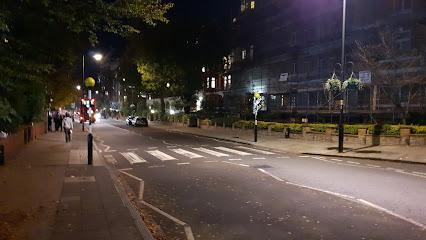
World-famous recording studio in London where The Beatles and many legends crafted music history since 1931.
5 Abbey Rd.
0.5 km
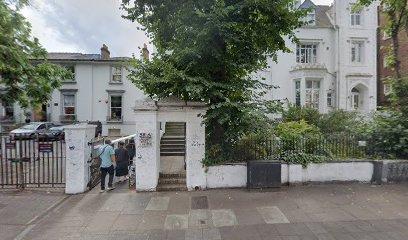
World’s oldest purpose-built recording studio and iconic Beatles landmark in London’s St John’s Wood.
London Central Mosque
0.5 km
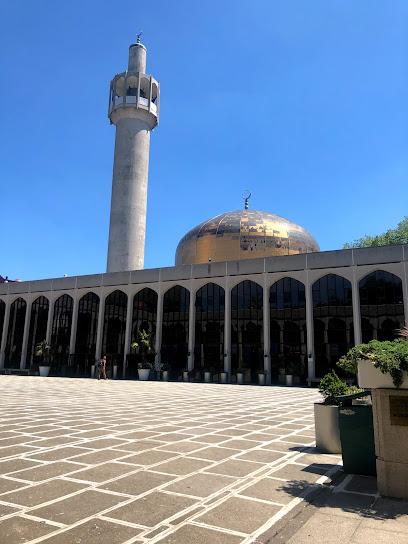
London's iconic Islamic cultural landmark blending spiritual tradition with modern community engagement.
The Paddington Partnership
1.3 km
Experience the vibrant community and rich culture of Paddington through the initiatives of The Paddington Partnership, a hub for local engagement and development.
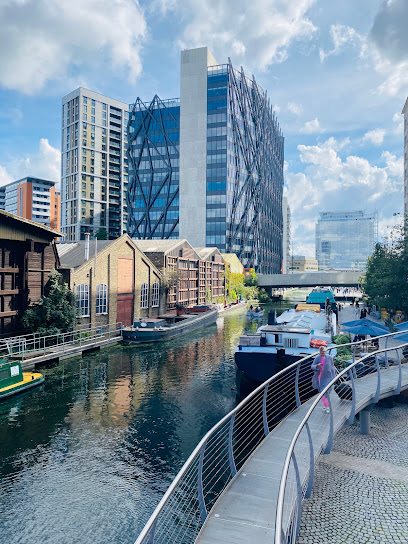
Sussex Gardens
1.8 km
A serene Victorian garden oasis nestled in the historic Tyburnia district, blending lush greenery with elegant architecture in central London.
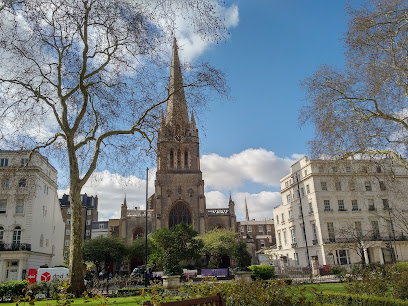
Former EMI House (Beatles album cover photo)
2.0 km
Where The Beatles' iconic Please Please Me album cover was photographed in 1963.
Space Apart Hotel
2.1 km
Modern serviced apartments in historic Kensington Gardens Square, offering stylish comfort and easy access to London’s top attractions.

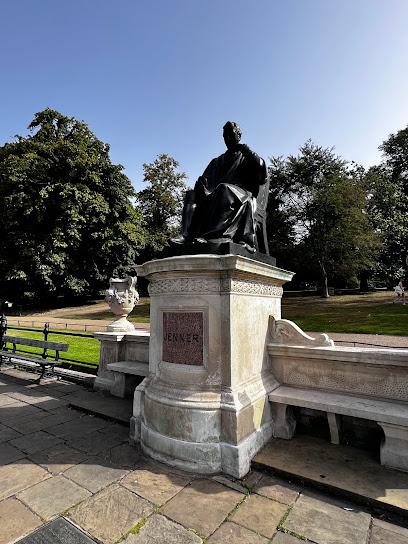
Edward Jenner Memorial
2.2 km
Victorian marble tribute to the physician who conquered smallpox and invented vaccination.
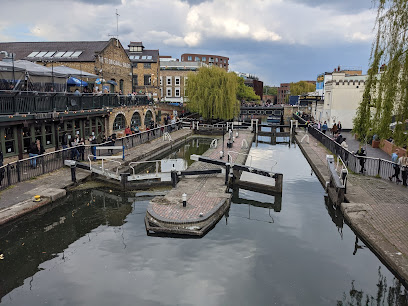
Iron Footbridge over Regent’s Canal (Camden)
2.2 km
Historic iron footbridge offering scenic canal views and vibrant access to Camden’s lively markets and cultural heart.
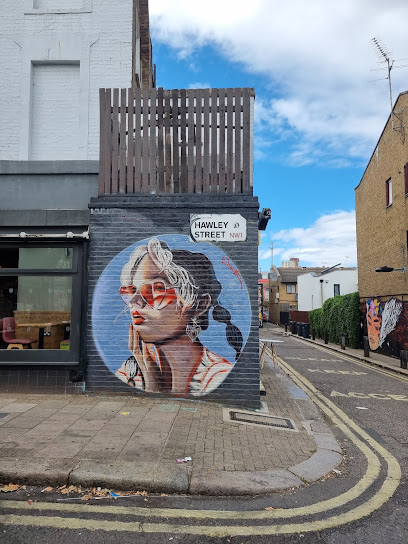
Hawley Street Art
2.3 km
Discover Camden’s vibrant Hawley Street Art, a dynamic outdoor gallery celebrating creativity, culture, and iconic urban murals.
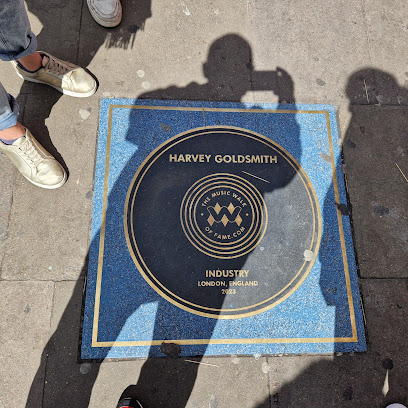
The Music Walk of Fame
2.3 km
Explore the Music Walk of Fame in Camden, honoring iconic artists with unforgettable tributes in the heart of London's music scene.
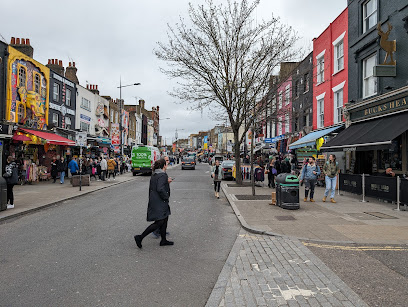
Camden point
2.3 km
Discover Camden Point in London, a vibrant tourist attraction where scenic beauty meets rich culture, making it a must-visit destination for all travelers.
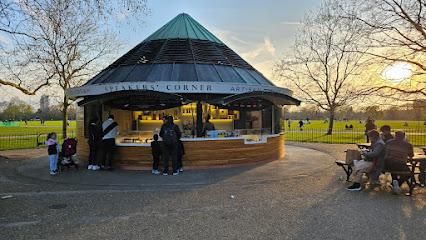
Speakers' Corner
2.3 km
Historic Speakers' Corner in Hyde Park: London's iconic open-air forum for free speech and public debate since the 19th century.
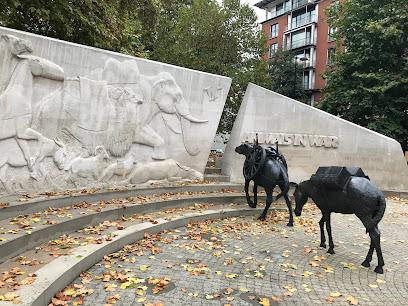
Animals In War Memorial
2.3 km
A poignant tribute in central London to the animals that served and died in wars alongside British and Allied forces, from horses and mules to dogs and pigeons.
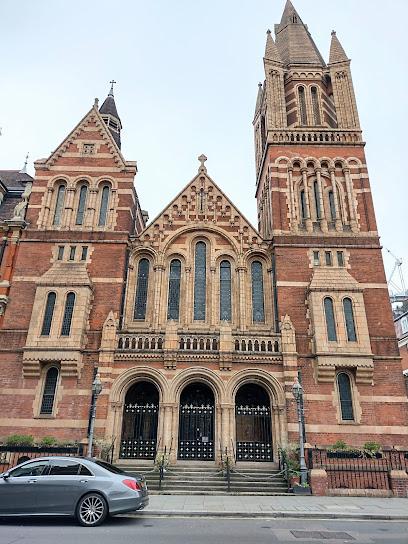
Ukrainian Catholic Cathedral
2.4 km
A historic London landmark blending Alfred Waterhouse’s architecture with vibrant Ukrainian Catholic tradition in the heart of Mayfair.
Unmissable attractions to see

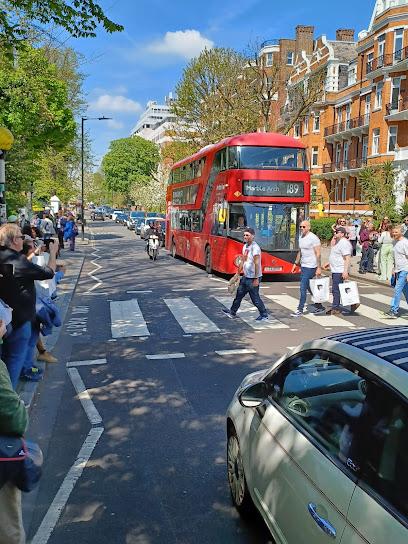
Abbey Road crossing
0.4 km
The world-famous zebra crossing where The Beatles immortalized their legacy on Abbey Road in London’s St John’s Wood.
Abbey Road Studios
0.5 km
The world’s first purpose-built recording studio, immortalized by The Beatles and a beacon of musical innovation since 1931.
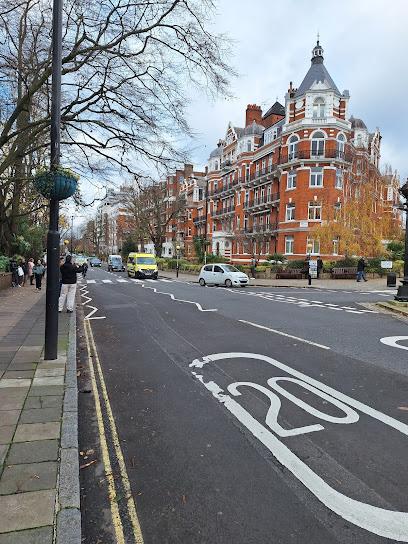
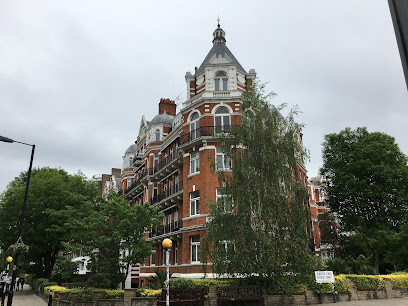
St. John's Wood
0.6 km
Elegant village charm meets iconic landmarks and green spaces just minutes from central London in St John's Wood.
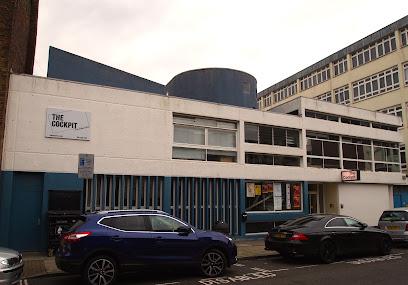
The Cockpit
0.6 km
Intimate in-the-round theatre in Marylebone offering cutting-edge performances and a vibrant creative community.
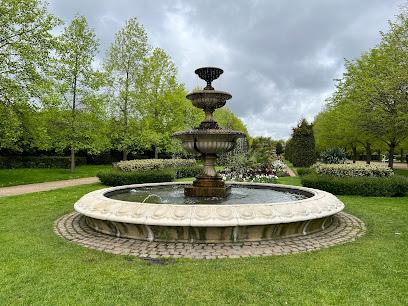
The Regent's Park
1.1 km
A grand Regency park in central London, with rose gardens, a boating lake, Primrose Hill views, and London Zoo, all within easy reach of the city centre.
Abbey Rd.
1.1 km
Iconic London street and world-famous recording studios where The Beatles made history and music innovation thrives.
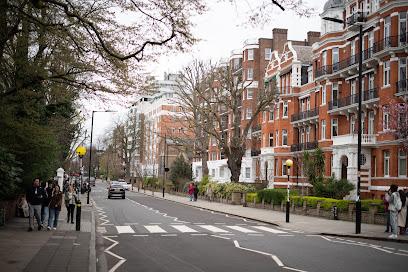
The Sherlock Holmes Museum
1.2 km
Step inside the legendary detective’s Victorian home and immerse yourself in the world of Sherlock Holmes at 221B Baker Street.
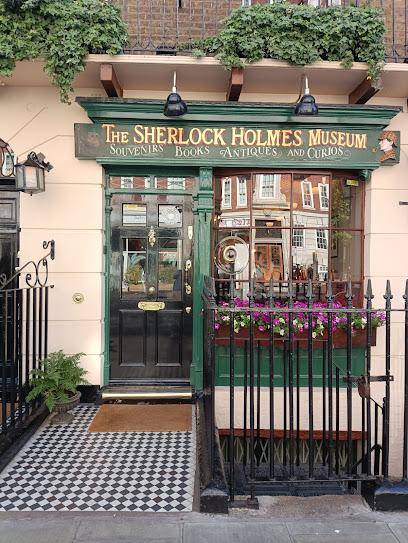
221B Baker St
1.2 km
Step into the legendary Victorian home of Sherlock Holmes at 221B Baker Street, London’s iconic address of mystery and literary heritage.
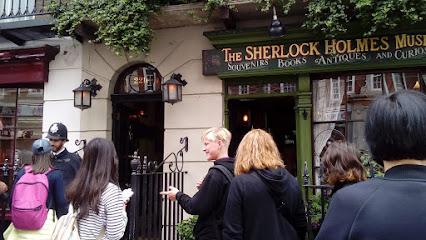
Jason's Trips Ltd
1.2 km
Historic narrowboat cruises reveal London's hidden waterways and 200 years of canal heritage.
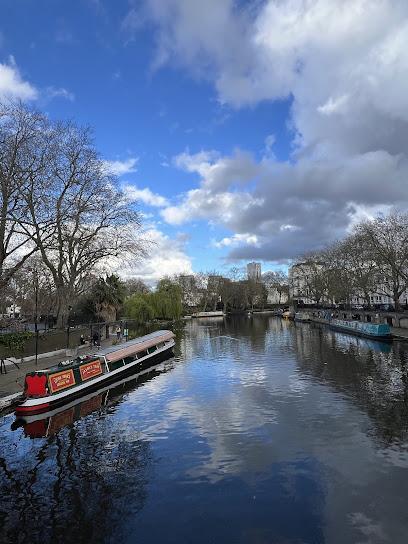
The Fan Bridge
1.2 km
A captivating kinetic footbridge at Paddington Basin that opens like a Japanese fan, blending engineering brilliance with artistic design.
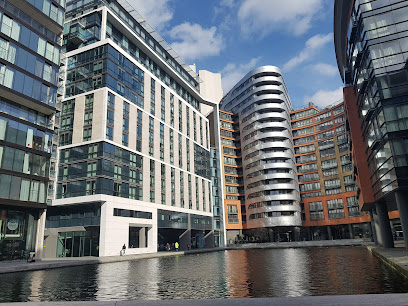
Paddington Basin
1.3 km
A modern canal basin in west London where historic waterways meet sleek architecture, waterside dining, and a relaxed urban vibe.
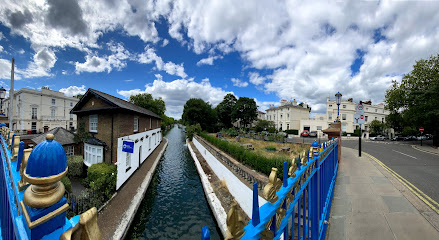
The Wonderpass
1.3 km
Discover The Wonderpass, a vibrant and artistic pedestrian underpass at Baker Street that turns a simple crossing into a captivating cultural journey.
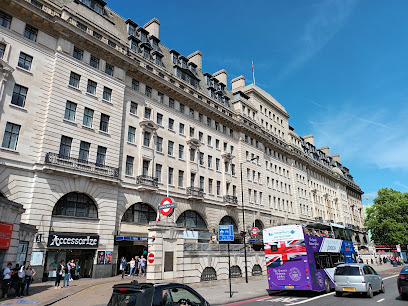
St Mary's Church, Bryanston Square
1.3 km
Discover the architectural beauty and serene atmosphere of St Mary's Church in Bryanston Square, a must-visit historical landmark in London.
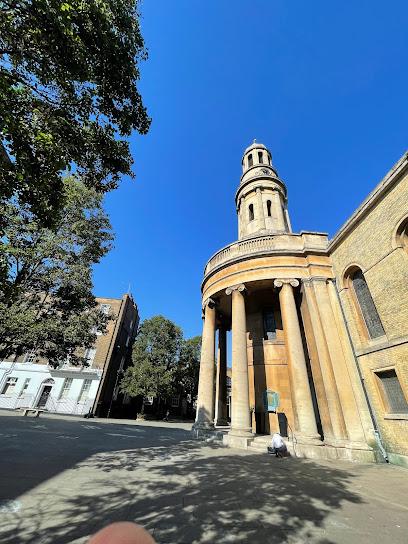
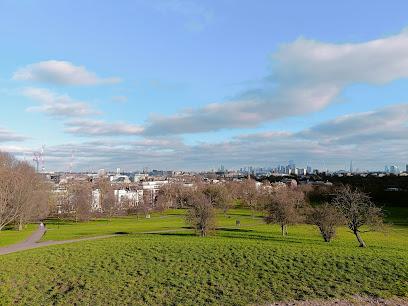
Primrose Hill
1.3 km
Historic hilltop park in London offering stunning city views, Victorian charm, and a rich tapestry of cultural heritage.
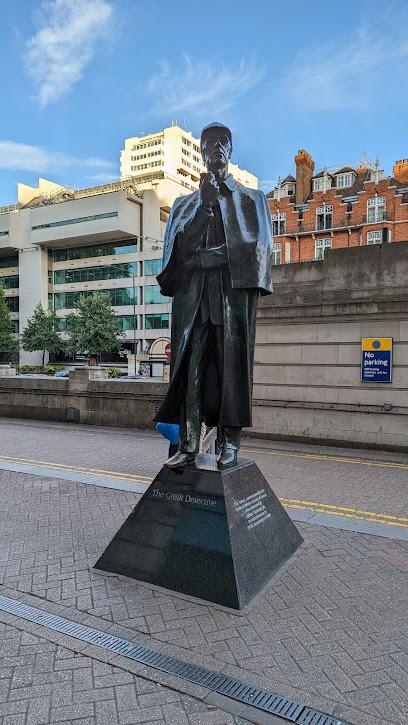
Sherlock Holmes Statue
1.3 km
Iconic bronze statue near Baker Street celebrating Sherlock Holmes, London’s legendary fictional detective and literary icon.
Essential places to dine

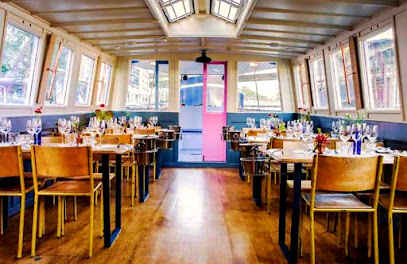
London Shell Co. - The Prince Regent
1.2 km
Savor exceptional British seafood aboard a charming canal barge cruising the historic Regent's Canal in Central London.
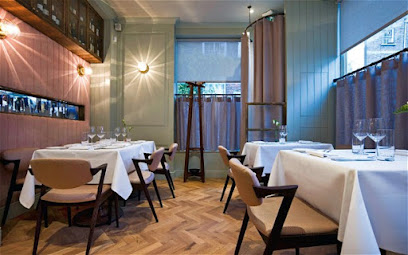
104 Restaurant by Richard Wilkins
2.1 km
A refined modern French gem in Notting Hill offering intimate dining, exquisite tasting menus, and impeccable service in a cozy setting.
Jamon Jamon
2.1 km
Experience authentic Spanish tapas and vibrant Mediterranean flavors in a lively NW1 London setting with rustic charm and inviting atmosphere.
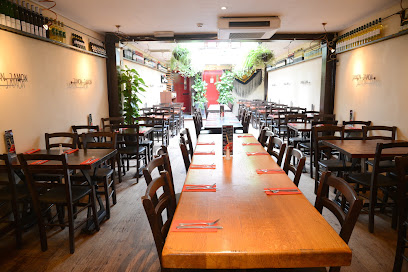
Laz @Camden
2.1 km
Discover authentic Turkish cuisine and warm hospitality in Camden’s cozy Laz restaurant, where tradition meets vibrant London vibes.
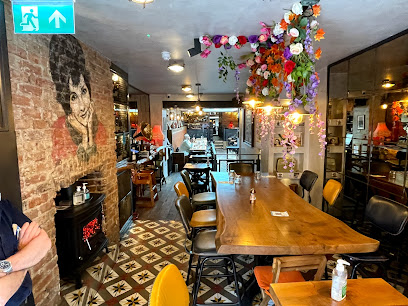
Goodfare Italian Restaurant
2.2 km
Cozy Camden Italian eatery serving authentic pizzas, pastas, and seafood with warm hospitality and a lively street-side vibe.
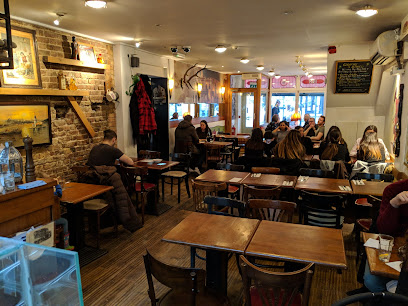
Cocotte Notting Hill
2.2 km
Experience authentic French rotisserie chicken in a cozy, farm-to-table setting on vibrant Westbourne Grove, Notting Hill.
wagamama camden
2.2 km
Fresh Japanese-inspired dishes and vibrant communal dining in the heart of Camden’s eclectic market scene.
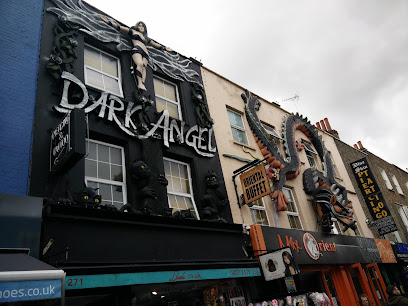
Mildreds Camden
2.2 km
Discover vibrant international vegan cuisine and lively atmosphere at Mildreds Camden, a cornerstone of London’s plant-based dining scene.
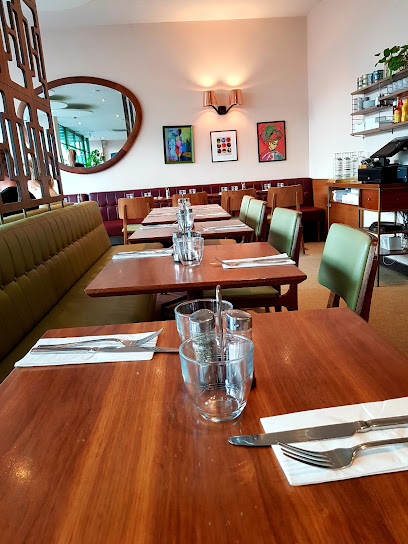
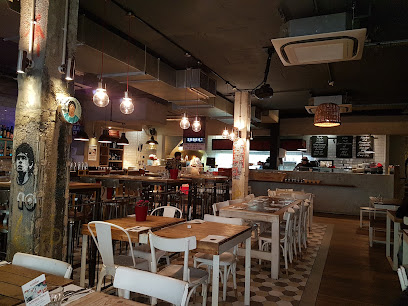
Rossopomodoro Camden
2.2 km
Experience authentic Neapolitan pizza and classic Italian dishes in the vibrant heart of Camden, London.
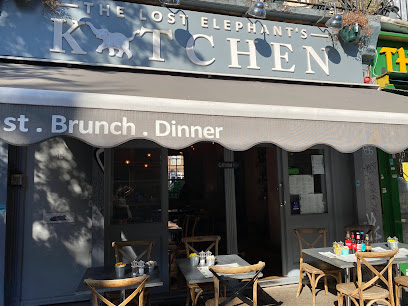
The Lost Elephant's Kitchen
2.3 km
Discover the vibrant flavors of London at The Lost Elephant's Kitchen - your destination for delightful bistro dining in the heart of the city.
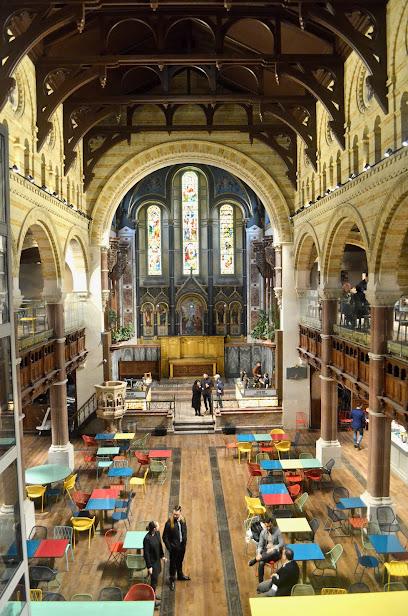
Mercato Mayfair
2.3 km
Experience diverse global street food in a stunning restored church at the heart of London’s Mayfair district.
Apricity Restaurant
2.3 km
Sustainable fine dining in Mayfair blending seasonal British produce with innovative, low-waste culinary artistry.
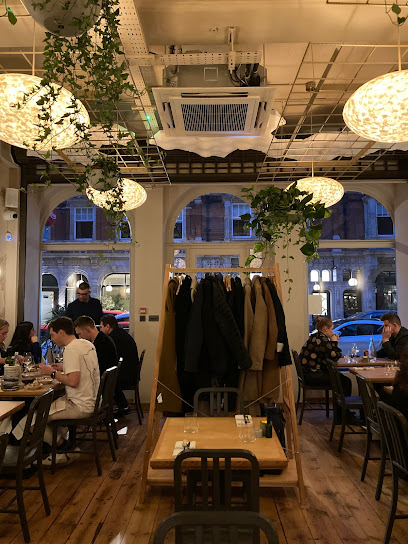
Portland
2.3 km
Michelin-starred modern European dining in Fitzrovia, blending seasonal British ingredients with refined, creative flavors in an intimate setting.
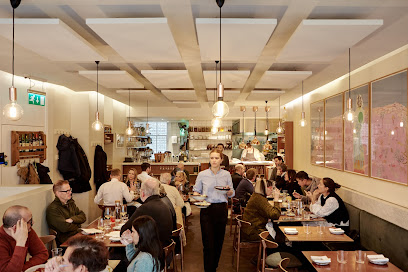
Il Sugo
2.3 km
A cozy family-run Italian restaurant in Camden serving hearty, authentic dishes with generous portions and warm hospitality.
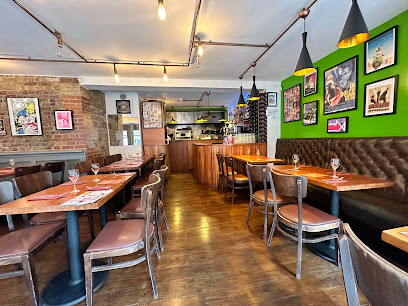
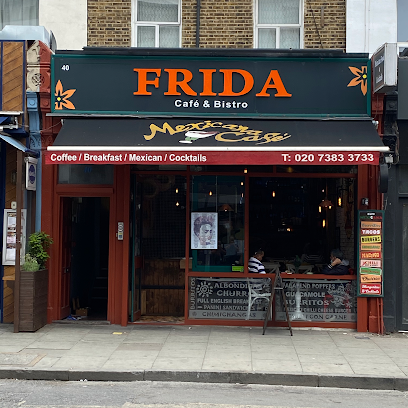
Frida Camden
2.4 km
Authentic Mexican cuisine with vibrant flavors and a lively atmosphere in the heart of Camden, London.
Markets, malls and hidden boutiques

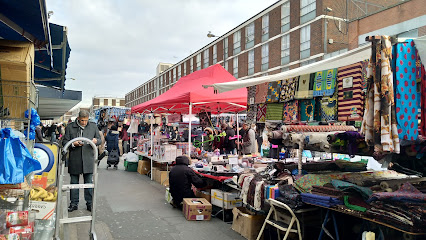
Church Street Market
0.7 km
A bustling multicultural market in Westminster offering fresh produce, antiques, street food, and vibrant local culture from Monday to Saturday.
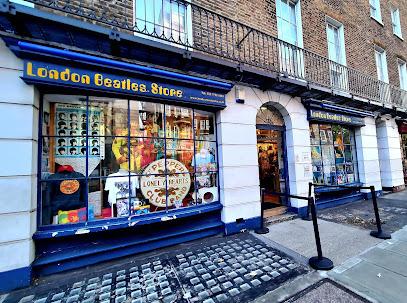
London Beatles Store
1.2 km
A vibrant Beatles memorabilia haven on Baker Street celebrating the timeless legacy of the Fab Four.
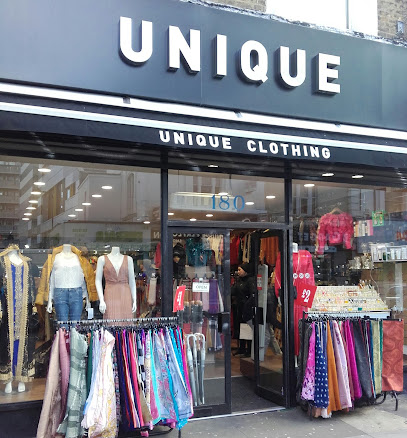
Unique London
2.1 km
A vibrant clothing boutique on Kilburn High Road, offering unique fashion finds and personal service in a diverse, lively London neighbourhood.
Zakka Camden
2.2 km
Discover artist-designed cushions and design-led gifts at this quirky Camden Market gem, blending Japanese zakka charm with London's creative pulse.

Shop
2.2 km
A compact, ever-changing Camden Market shop serving eclectic vintage, designer finds and small-run curios in the Stables’ maze-like atmosphere.
Cyberdog
2.2 km
Step into Cyberdog, Camden’s neon-lit rave shop where futuristic fashion meets pounding techno beats in a vibrant club-like setting.
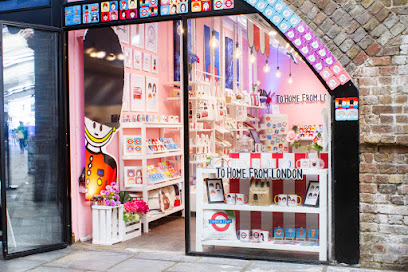
To Home From London
2.2 km
Camden's go-to for handcrafted London souvenirs: witty mugs, sturdy totes, and homewares that pack whimsy and quality into every piece.
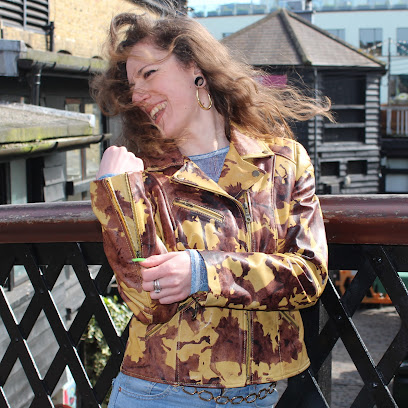
Camden Threads - An online shop for the best independent brands and vintage boutiques
2.2 km
Discover curated vintage and indie fashion treasures in Camden Stables Market's historic heart – where retro meets rebellious style. (112 characters)
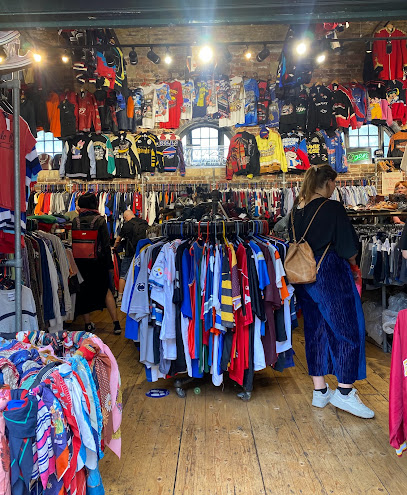
What Goes Around Comes Around
2.2 km
Dive into Camden's retro Americana vault at What Goes Around Comes Around, where vintage varsity jackets, Levi’s, and 80s tracksuits await in the Stables Market.
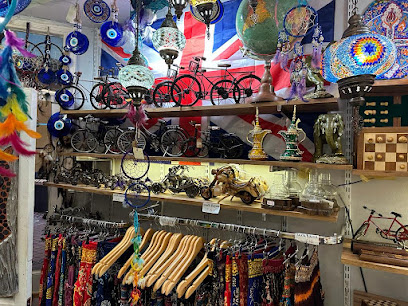
KESKIN GIFT
2.2 km
Discover handmade wonders at Keskin Gift, where Camden's craft spirit shines through chess sets, masks, and artisanal jewelry in the iconic Lock Market.
The London Shop
2.2 km
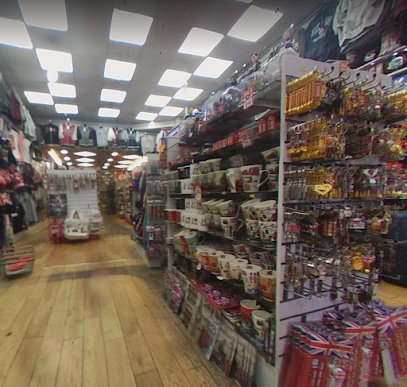
Friendly and affordable gift shop in vibrant Queensway, London, open daily with a welcoming atmosphere and great souvenirs.
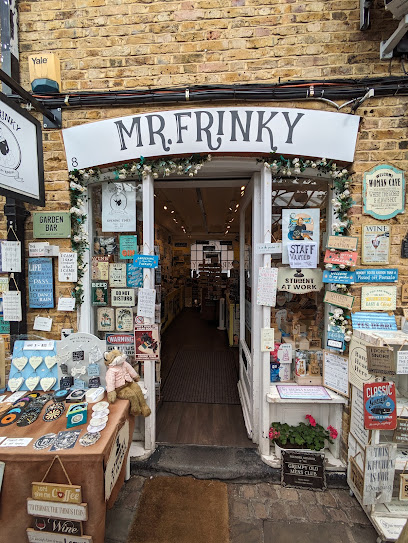
Mr Frinky
2.2 km
Compact, colourful and cheeky — a Camden Lock stall for witty signs, magnets and small‑batch souvenirs with retro flair.
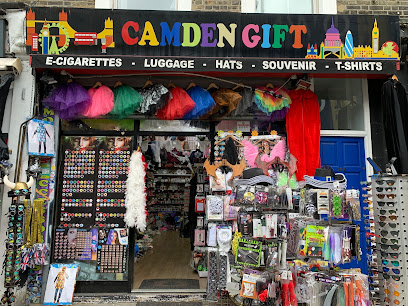
Camden Gift
2.3 km
Quirky Camden souvenirs, stylish gear, and luggage relief on vibrant Chalk Farm Road—a slice of alternative London in one eclectic stop.
Rokit Camden
2.3 km
Discover sustainable vintage fashion and unique retro styles at Rokit Camden, London’s iconic destination for timeless clothing and accessories.
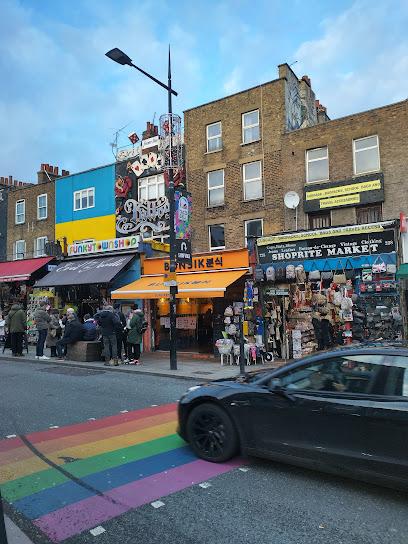
Camden Lock Market
2.3 km
Discover Camden Lock Market, a vibrant blend of history, culture, and eclectic shopping by London’s iconic Regent’s Canal.
Essential bars & hidden hideouts

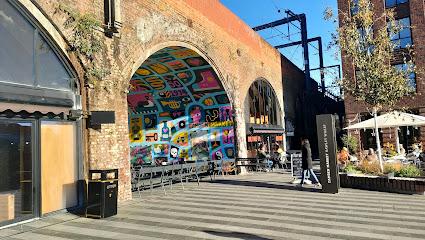
The Dickens Tavern
1.6 km
Classic British pub with hearty fare and ales, nestled in Paddington’s vibrant heart near London Paddington Station.
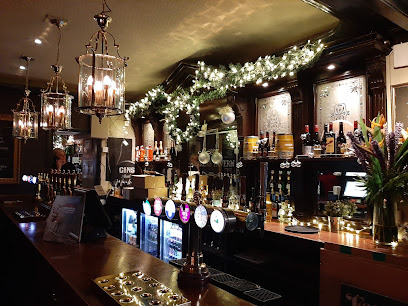
Purl London
1.8 km
Discover Purl London, a speakeasy-style cocktail bar in Marylebone offering expertly crafted drinks in a cozy vintage setting.
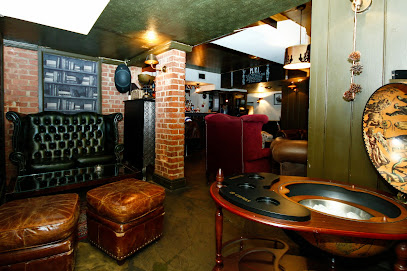
The Victoria, Paddington
1.8 km
Step into The Victoria, Paddington, a historic Victorian pub blending timeless charm, rich heritage, and refined British dining in a warm, inviting setting.
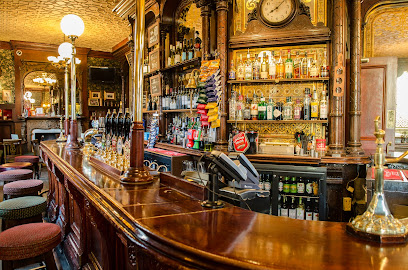
The Churchill Bar & Terrace
1.9 km
Sophisticated cocktail bar and terrace in central London, blending classic British charm with modern elegance and a vibrant social scene.
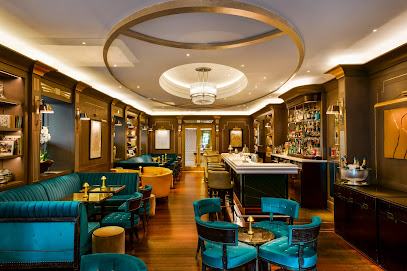
All About Eve
2.2 km
1950s cocktail glamour meets Camden's karaoke chaos in this retro-inspired bar with inventive drinks and heated terrace vibes.
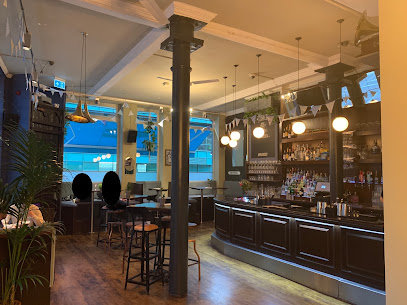
The Quiet Night Inn
2.2 km
Lively Notting Hill pub with roof terrace, local brews, games, live sports, and open mic nights—perfect for casual hangs and private events.
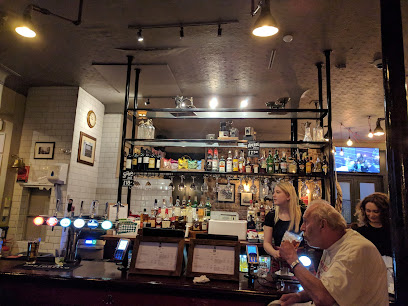
Canalside Bar
2.3 km
Sip cocktails by the Regent's Canal in King's Cross, where trendy lounge vibes meet waterside serenity in London's revitalized heart.
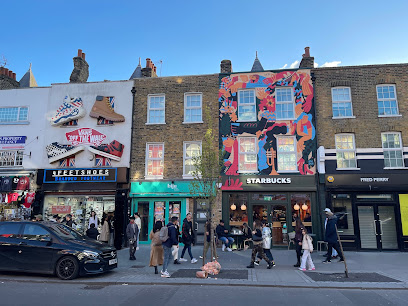
Bucks Head
2.3 km
Lively Camden pub with roof terrace views, pub grub, real ales, and festive vibes opposite Buck Street Market—perfect for soaking up the neighborhood's electric energy.
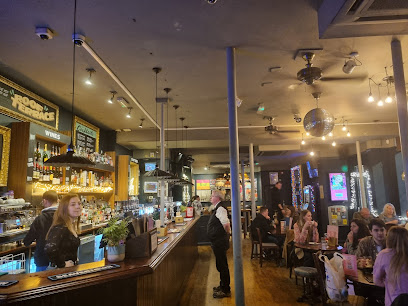
The Elephants Head
2.3 km
Scruffy Victorian boozer on Camden High Street: jukebox rock anthems, Full English feasts, and late-night singalongs in London's alternative epicenter.
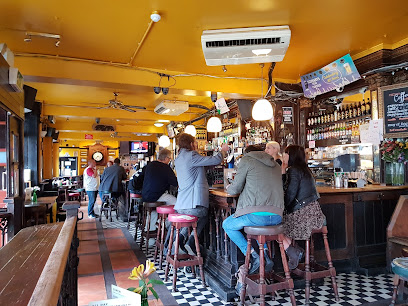
The Hawley Arms
2.3 km
Camden’s intimate music pub — cosy sofas, punters and live gigs in a scuffed, music-filled setting.
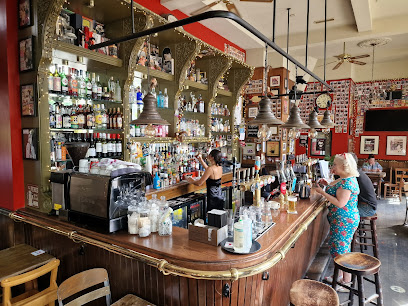
Camden Head
2.3 km
A Victorian‑charm pub on Camden High Street — hearty plates, rotating ales and comedy‑night energy that turns lively after dark.
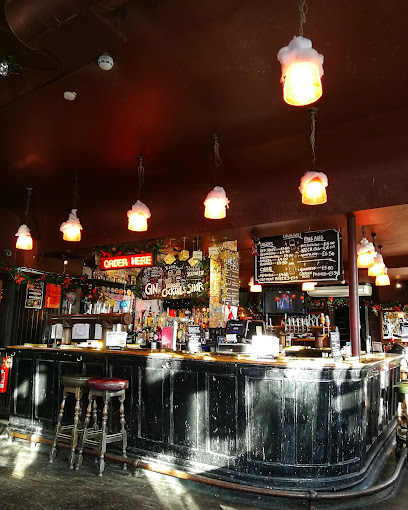
The World's End
2.3 km
Camden’s legendary pub and live music venue blending rich history, vibrant nightlife, and authentic local spirit in the heart of London.
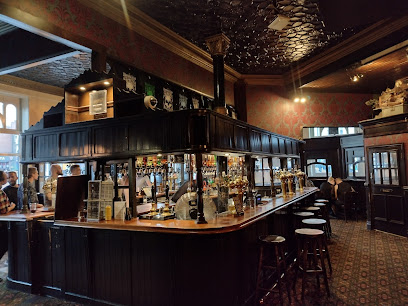
Simmons Bar | Camden Town
2.3 km
Neon-lit, budget-friendly cocktail bar in Camden with teapot cocktails, karaoke and a chaotic, retro-packed interior for groups and nights out.
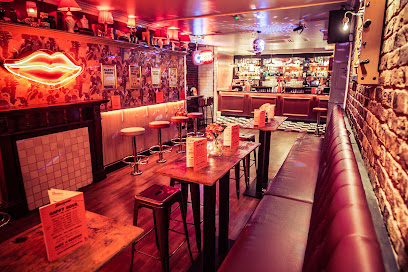
Be At One - Camden
2.3 km
Ignite your night with 100+ cocktails, 2-for-1 happy hours, and Camden's fiercest bartenders shaking up classics and wild inventions.
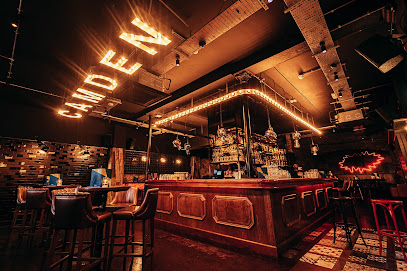
The Camden Eye
2.3 km
Experience the vibrant ambiance of The Camden Eye, a must-visit pub and restaurant in the heart of Camden, London, offering delicious food and lively events.
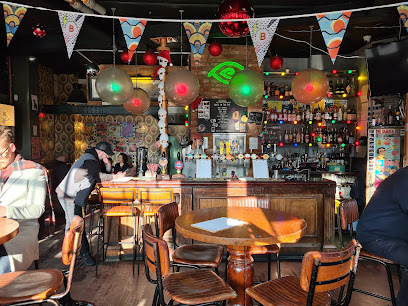
Nightclubs & after hour spots

Privilege Entertainment Ltd
1.9 km
Discover the pulsating nightlife at Privilege Entertainment Ltd, London's premier entertainment agency and nightclub, where unforgettable experiences await.

Lockside
2.2 km
Canal views, craft cocktails, and DJ-fueled nights atop Camden Market's vibrant West Yard—a daytime diner turned electric nightlife escape.
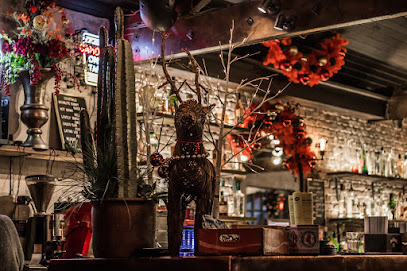
Club Stable
2.2 km
Historic Camden stables turned electrifying nightclub: dance in Victorian horse stalls amid live music, cabaret, and pulsing beats in London's nightlife epicenter.
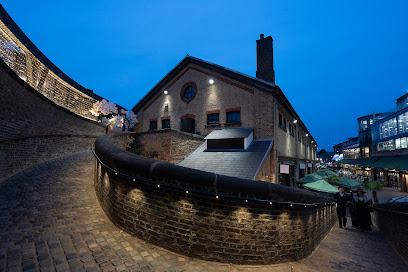
Monster Queen
2.2 km
Dive into Camden's dark heart at Monster Queen: intimate club nights pulsing with goth electronica, historic vibes, and non-stop energy till dawn.

Club Swizzle
2.2 km
Dive into acrobatic cabaret mayhem at the Roundhouse: Swizzle Boys flip chairs, Reuben Kaye slays with wit, and the bar becomes your front-row thrill ride in Camden's hottest 2018 spectacle.
Soul City
2.2 km
A Saturday-night Camden basement party celebrating soul, disco and funk with DJ-led, record-minded sets in The Jazz Cafe’s atmospheric room.
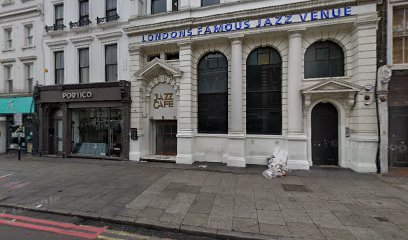
Max's Other Flat
2.3 km
Discover a vibrant nightlife experience at Max's Other Flat, a must-visit nightclub in London offering electrifying music and unforgettable moments.
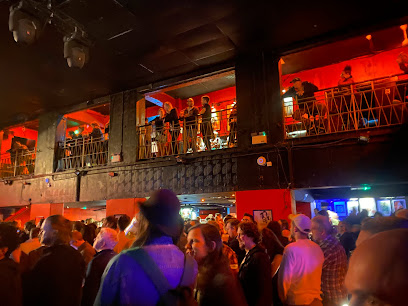
Electric Ballroom
2.3 km
A gritty, multi-level Camden music hall where loud live bands and club nights collide beneath theatrical lighting and raised balconies.
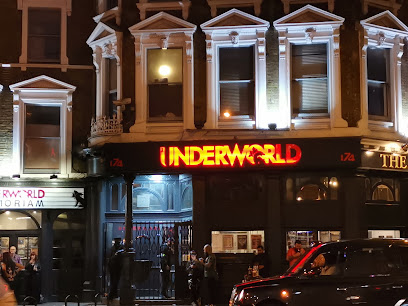
The Underworld
2.3 km
Dive into Camden's throbbing heart of rock and metal at this legendary basement club, where intimate gigs unleash mosh pits and unforgettable riffs.
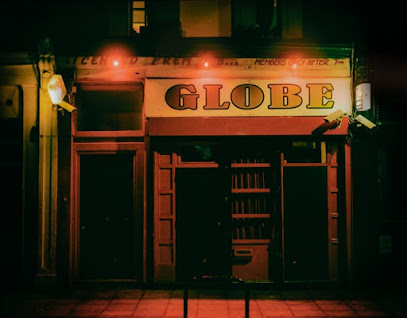
The Globe
2.4 km
Traditional London pub by day, lively late‑night bar and club by night—large, hireable rooms and a warm, characterful interior.
Subteranian
2.5 km
A compact underground club on Acklam Road delivering dense, DJ-led electronic nights with an intimate, bass-heavy atmosphere.
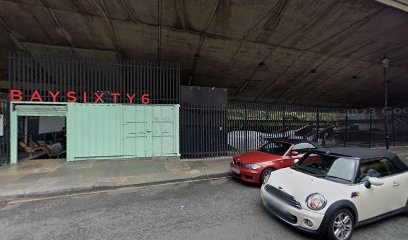
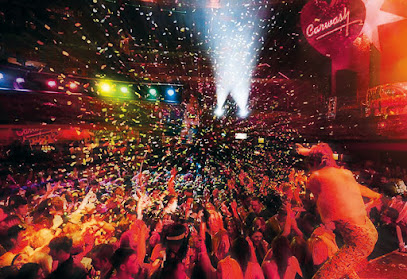
Carwash Nightclub
2.5 km
Europe's longest-running disco since 1989: sequins, funk beats, and joyful dancing in Mayfair's retro heart. Join the glitter-fueled party!
Notting Hill Arts Club
2.8 km
West London's sweaty basement cradle of music legends since '97—coffee by day, live gigs and club nights till 2am in an intimate den of funk, jazz, and raw talent.
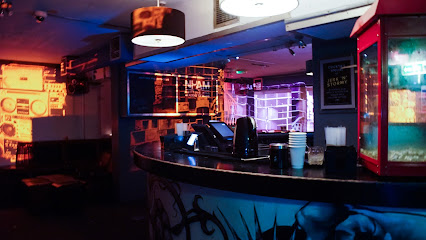
Electric House
2.8 km
Experience the vibrant social scene at Electric House, a chic social club in Notting Hill, London, blending style, comfort, and culinary delights.
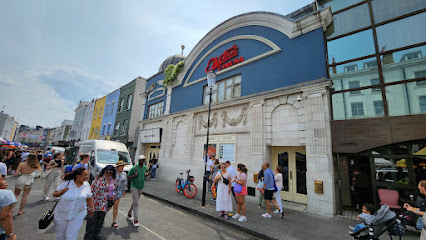
The Duke of Wellington
2.8 km
Historic Young's pub on Portobello Road: Victorian screens, market views, British roasts, and Notting Hill legends in every pint.
For the vibe & atmosphere seeker
- Romantic
- Scenic
- Unique
- Entertaining
- Lively
For the design and aesthetic lover
- Vintage Styles
- Modern Designs
- Art Deco Styles
For the architecture buff
- Historic
- Landmarks
- Art & Design
- Viewpoints
For the view chaser and sunset hunter
- Iconic Views
- Panoramas
For the social media creator & influencer
- Instagrammable
- Photo Spots
- Architectural Shots
For the eco-conscious traveler
- Protected Area
- Locally Managed
For the kind of experience you’re after
- Cultural Heritage
- Photowalk
- Day Trip
- Myth & Legends
For how adventurous you want the journey to be
- Easy Access
- Public-Transport Accessible
Location Audience
- Family Friendly
- Senior Friendly
- Wheelchair Access
- Solo Friendly
- Couple Friendly
- Business Friendly


