
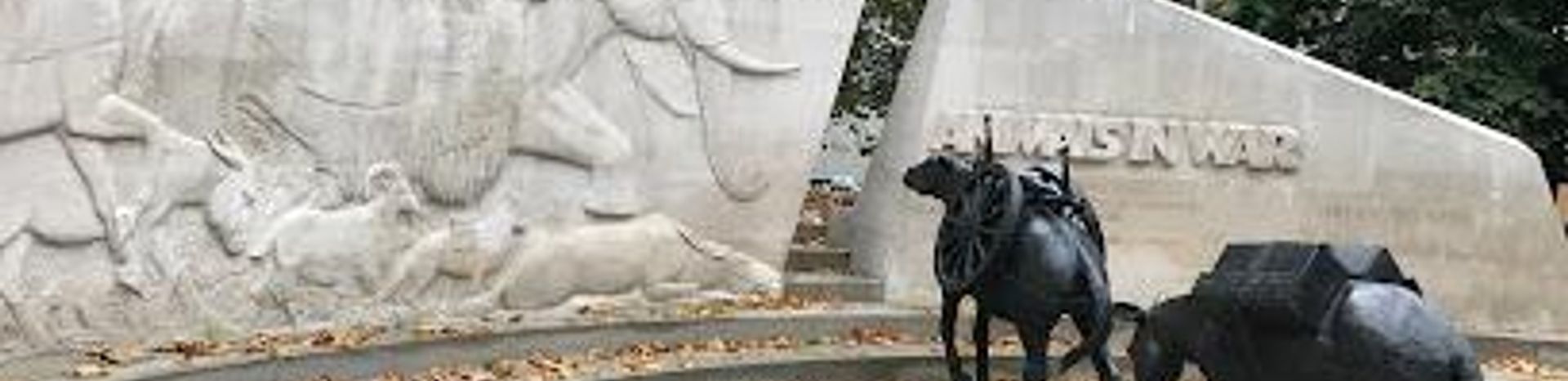
Animals in War Memorial, London
A poignant tribute in central London to the animals that served and died in wars alongside British and Allied forces, from horses and mules to dogs and pigeons.
Standing on Park Lane at the edge of Hyde Park, the Animals in War Memorial is a powerful tribute to the countless animals that served and died alongside British and Allied forces throughout history. Designed by sculptor David Backhouse and unveiled in 2004, the monument features a curved Portland stone wall carved with images of animals in conflict, bronze mules ascending steps, and a horse and dog gazing into the distance. It honours horses, mules, dogs, pigeons, elephants, and many other creatures whose loyalty and sacrifice often went unrecorded in official histories.
A brief summary to Animals In War Memorial
- Brook Gate, London, W1K 7QF, GB
- +442076416000
- Visit website
- Duration: 0.5 to 1.5 hours
- Free
-
 Outdoor
- Mobile reception: 5 out of 5
Local tips
- Visit early in the morning or late in the afternoon to avoid the busiest times and crowds from nearby attractions.
- Take time to read all the inscriptions on the stone wall; they provide powerful context and deepen the emotional impact of the memorial.
- Combine your visit with a walk through Hyde Park or a look at nearby monuments like the Wellington Arch and the nearby RAF Bomber Command Memorial.

For the on-the-go comforts that matter to you
- Seating Areas
- Trash Bins
- Information Boards
Getting There
-
Underground
From central London, take the Central line to Marble Arch Underground Station; the memorial is a short walk from the station exit, clearly visible on Park Lane near the junction with Upper Brook Street.
-
Bus
Several bus routes serve Park Lane near Hyde Park Corner and Marble Arch; alight at a stop close to the junction of Park Lane and Upper Brook Street for direct access to the memorial.
-
Walking
From central Mayfair or the southern end of Oxford Street, it is a 10–15 minute walk to the memorial along Park Lane, with clear views of Hyde Park and surrounding landmarks.
Animals In War Memorial location weather suitability
-
 Any Weather
-
 Mild Temperatures
-
 Clear Skies
Discover more about Animals In War Memorial
A Monument to Silent Service
On the eastern edge of Hyde Park, near the junction of Park Lane and Upper Brook Street, stands the Animals in War Memorial, a moving tribute to the millions of animals that served in wars and campaigns under British and Allied command. Unveiled in November 2004 by HRH The Princess Royal, the memorial was inspired by Jilly Cooper’s book *Animals in War* and funded by public donations. It commemorates not just the animals of the First and Second World Wars, but all creatures who have served in conflicts throughout history, from ancient times to modern deployments. The central inscription makes its purpose clear: this monument is dedicated to all the animals that served and died alongside British and Allied forces in wars and campaigns throughout time.Design and Symbolism
The memorial is a carefully composed work of art and remembrance. A 17-metre curved wall of Portland stone forms the backdrop, engraved with carvings of animals in war: horses, mules, dogs, pigeons, elephants, and others, their forms emerging from the stone as if struggling through the chaos of battle. Two bronze mules, laden with equipment, climb steps towards a gap in the wall, symbolising the arduous journey of animals into conflict. On the upper level, a bronze horse and a bronze dog stand facing north into the park, looking out over the gardens as if bearing witness to the loss of their comrades. The design evokes both the burden carried by these animals and a quiet hope for a more compassionate future.Animals of War
During the First World War alone, eight million horses and countless mules and donkeys died, transporting ammunition, supplies, and wounded soldiers across the Western Front and other theatres. Mules proved invaluable for their stamina in extreme climates and difficult terrain, from the mud of Flanders to the mountains of Italy. Dogs served as messengers, mine detectors, and rescuers, often working under fire to locate buried soldiers. Pigeons carried vital messages when other communication failed, sometimes flying through storms and gunfire to deliver information that saved lives. Elephants, camels, oxen, cats, canaries, and even glow worms all played roles in supporting military operations, their contributions woven into the fabric of 20th-century warfare.Words That Remember
The inscriptions on the memorial are as powerful as its sculptures. Alongside the main dedication, the simple phrase “They had no choice” speaks volumes about the animals’ lack of agency in war. On the reverse side of the wall, a longer text explains that many and various animals were employed over the centuries, and as a result millions died; from the pigeon to the elephant, they all played a vital role in every region of the world in the cause of human freedom. These words ensure that the animals’ service is not forgotten, acknowledging their suffering and sacrifice in a way that official histories often overlooked. The memorial also serves as a place where people come to remember their own beloved pets, adding a deeply personal layer to its public significance.A Place for Reflection
Today, the Animals in War Memorial is both a war memorial and a space for quiet contemplation. It invites visitors to reflect on the cost of war not only for humans but for the animals drawn into it. The location, at the edge of one of London’s great parks, offers a contrast between the tranquillity of the green space and the harsh realities depicted in the stone and bronze. It is a place where school groups, veterans, families, and individuals pause to read the inscriptions, to photograph the sculptures, or simply to stand in silence, acknowledging the loyalty and courage of creatures who served without question. In doing so, it transforms a simple stretch of pavement into a site of national and emotional significance.Iconic landmarks you can’t miss

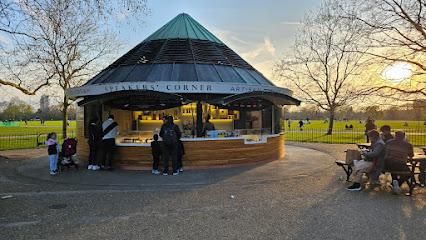
Speakers' Corner
0.1 km
Historic Speakers' Corner in Hyde Park: London's iconic open-air forum for free speech and public debate since the 19th century.
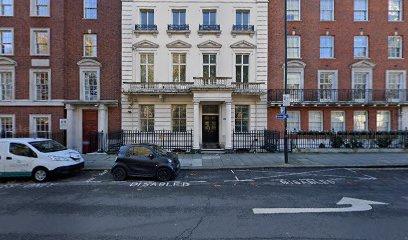
38 Grosvenor Sq
0.4 km
Historic mid-19th-century Italianate residence in London’s prestigious Grosvenor Square, a symbol of aristocratic and diplomatic heritage.
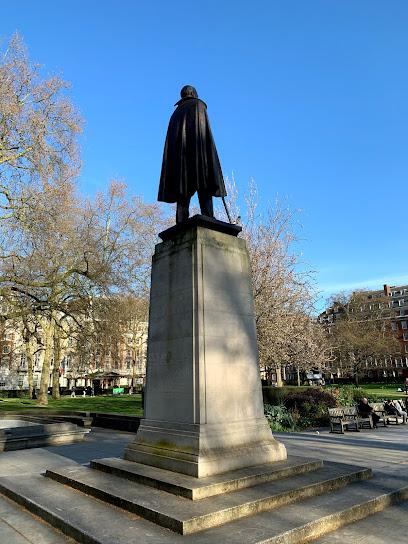
Roosevelt Memorial
0.4 km
A dignified tribute to Franklin D. Roosevelt in the historic heart of London’s Grosvenor Square, symbolizing enduring Anglo-American friendship.
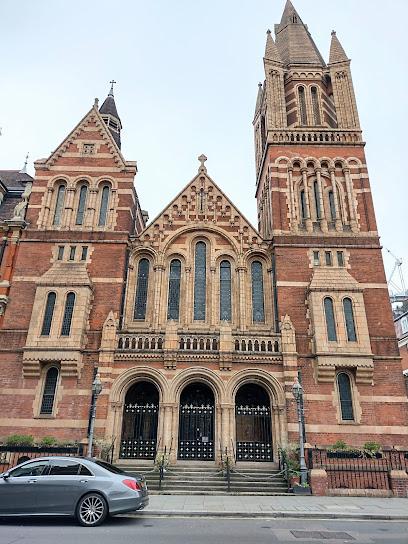
Ukrainian Catholic Cathedral
0.6 km
A historic London landmark blending Alfred Waterhouse’s architecture with vibrant Ukrainian Catholic tradition in the heart of Mayfair.
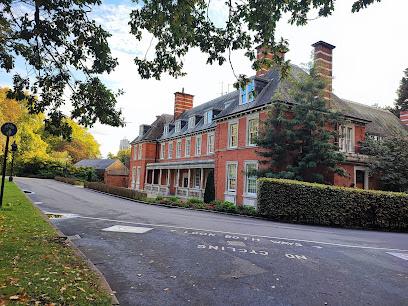
The Old Police House
0.6 km
Historic police station and visitor hub nestled in the heart of Hyde Park, blending heritage with the tranquility of London’s iconic green space.
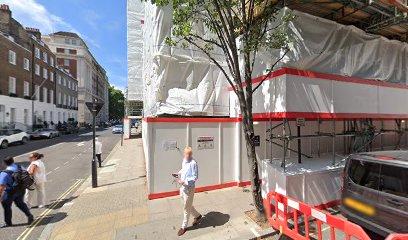
Former EMI House (Beatles album cover photo)
0.7 km
Where The Beatles' iconic Please Please Me album cover was photographed in 1963.
Norwegian War Memorial
0.8 km
A solemn granite tribute in Hyde Park honoring British-Norwegian friendship and support during World War II.

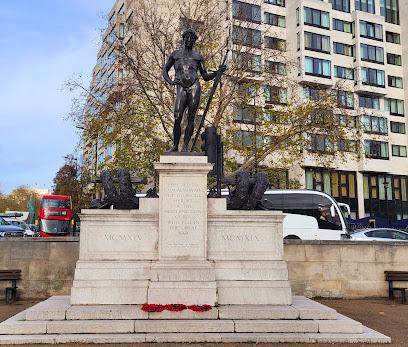
Machine Gun Corps Memorial
1.0 km
A striking WWI memorial at Hyde Park Corner, blending classical art and the harsh realities of mechanized warfare to honor the Machine Gun Corps’ sacrifice.
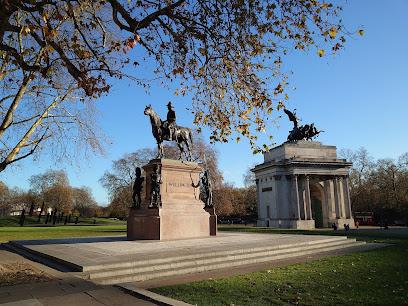
Equestrian Statue of the Duke of Wellington
1.0 km
Historic bronze statue honoring the Duke of Wellington’s military triumphs and contributions to London’s cityscape, unveiled in 1844.
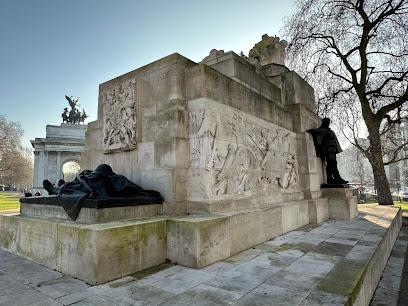
Royal Artillery Memorial
1.0 km
A powerful and realistic tribute to the Royal Artillery’s sacrifice, featuring a monumental stone howitzer and evocative bronze figures at Hyde Park Corner.
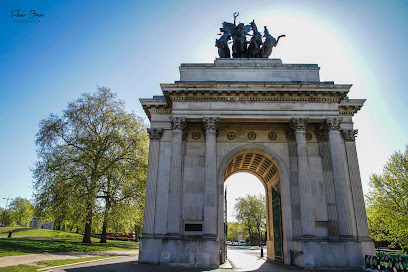
Wellington Arch
1.0 km
Discover Wellington Arch, London's majestic neoclassical triumphal arch with rich history, stunning views, and iconic Quadriga sculpture.
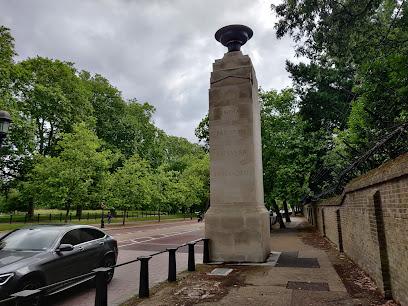
Commonwealth Memorial Gates
1.1 km
A solemn gateway honoring five million Commonwealth servicemen and women who fought for freedom in two world wars.
Savile Row
1.2 km
Explore the elegance of Savile Row, London's renowned street for bespoke tailoring and luxury fashion, where craftsmanship meets tradition.
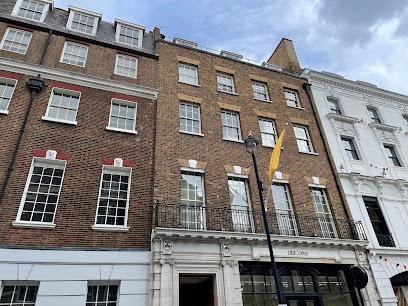
The Paddington Partnership
1.2 km
Experience the vibrant community and rich culture of Paddington through the initiatives of The Paddington Partnership, a hub for local engagement and development.
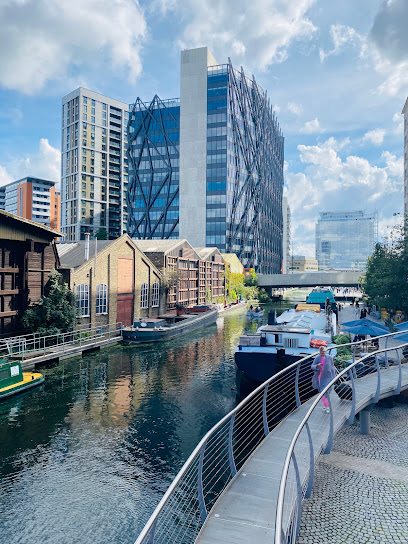
Liberty’s clock
1.2 km
Discover the charm of Liberty's Clock, an iconic landmark in Carnaby, London, embodying the city’s rich heritage and architectural beauty.
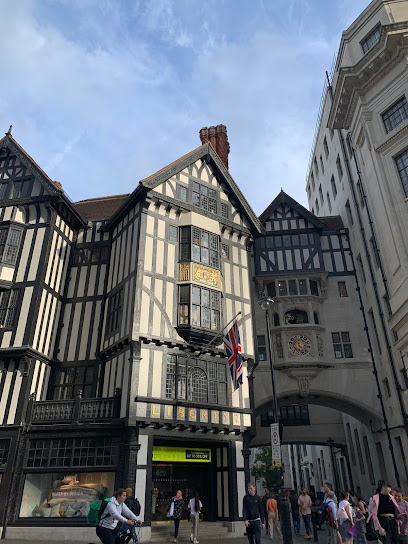
Unmissable attractions to see

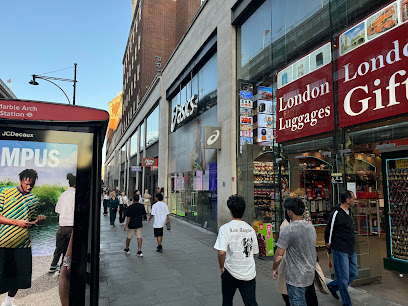
London Gifts
0.3 km
A lively London-themed gift shop on Oxford Street offering quick souvenirs with a vibrant but sometimes challenging shopping experience.
Moco Museum London
0.3 km
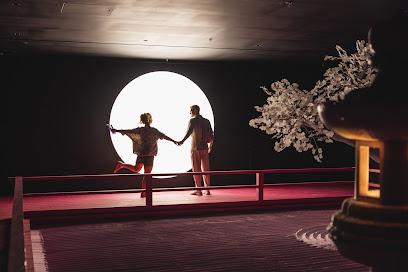
Immersive modern and contemporary art experience featuring iconic masters and digital innovations at London's vibrant Marble Arch.
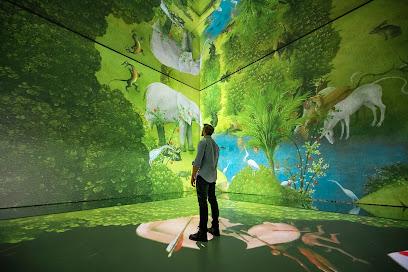
Frameless Immersive Art Experience
0.4 km
Step inside iconic artworks at Frameless, London’s immersive art experience where technology and creativity unite to mesmerize and inspire.
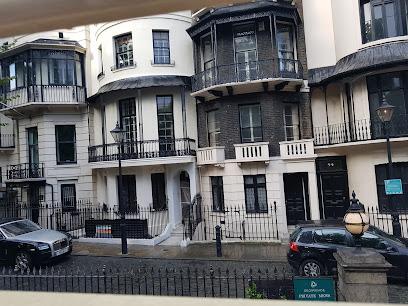
Park Ln
0.4 km
Prestigious Park Lane in London blends historic grandeur with luxury hotels, upscale shops, and serene Hyde Park views along its iconic 1.1 km stretch.
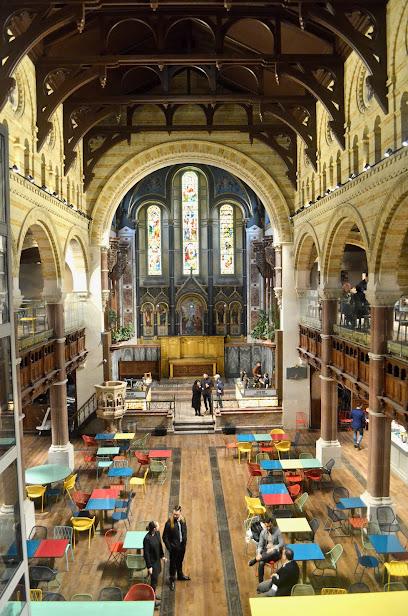
Mercato Mayfair
0.4 km
Discover a vibrant, sustainable food hall set within the historic St. Mark's Church, blending global flavors with Gothic grandeur in Mayfair.
Grosvenor Sq
0.4 km
Grosvenor Square: London's historic garden square blending aristocratic heritage, American diplomacy, and modern urban renewal in Mayfair.
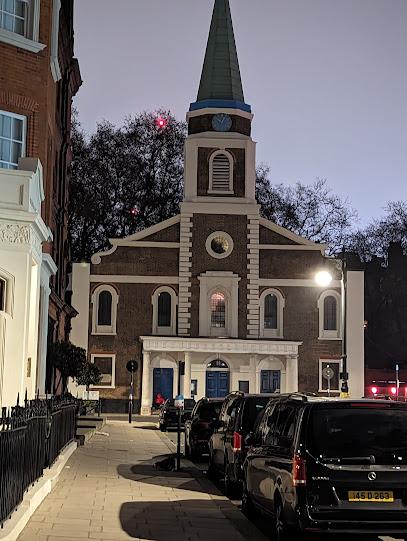
Grosvenor Chapel
0.5 km
Historic 18th-century Mayfair chapel blending Georgian elegance with Anglo-Catholic tradition and wartime American ties.
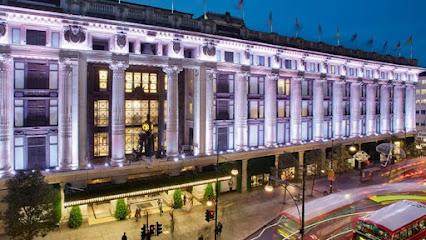
Selfridges
0.5 km
Discover Selfridges London, a historic Oxford Street icon blending luxury shopping, innovative experiences, and cultural heritage across six vibrant floors.
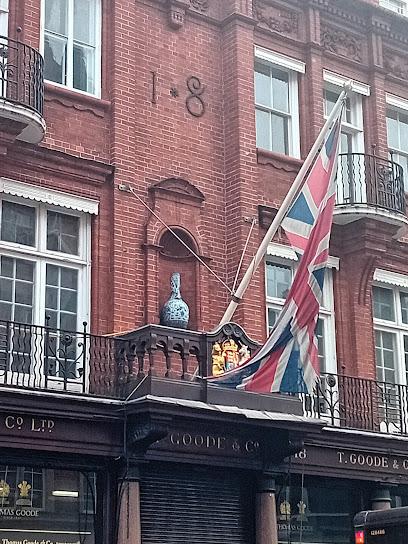
Thomas Goode & Co
0.5 km
Discover nearly two centuries of exquisite craftsmanship and royal heritage at Thomas Goode & Co, London's premier luxury tableware emporium in Mayfair.
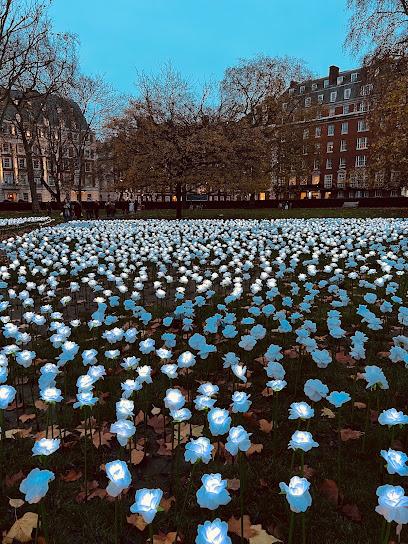
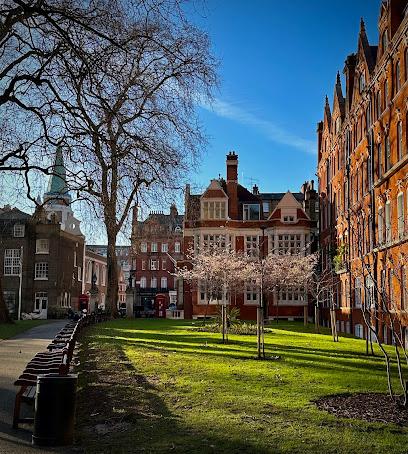
Mount Street Gardens
0.5 km
A historic and tranquil garden oasis in Mayfair, blending Victorian charm with seasonal beauty and rich London heritage.
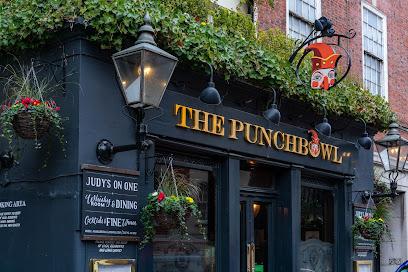
The Punch Bowl
0.6 km
Experience the warmth and charm of The Punch Bowl, a quintessential British pub in Mayfair, London, offering delectable cuisine and a vibrant atmosphere.
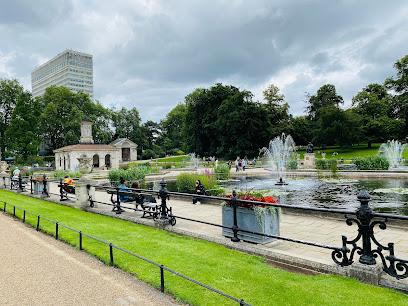
Hyde Park
0.6 km
Explore Hyde Park, London's vast historic Royal Park and vibrant green sanctuary in the heart of the city.
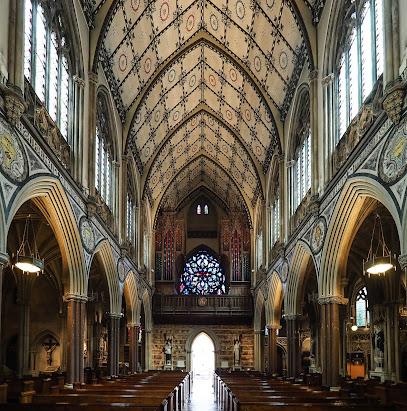
Catholic Church of the Immaculate Conception, Mayfair
0.6 km
Historic Jesuit Catholic church in Mayfair, London, renowned for its Gothic Revival architecture and vibrant spiritual community.
Montagu Square
0.7 km
A grand Georgian garden square in Marylebone, famous for its elegant architecture and as the former home of John Lennon, Ringo Starr and Jimi Hendrix.
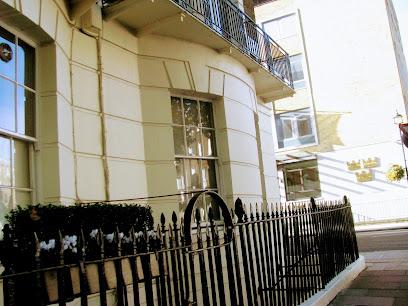
St Christopher's Place
0.7 km
A charming pedestrianised enclave of boutique shops and global dining, tucked just off Oxford Street in central London.
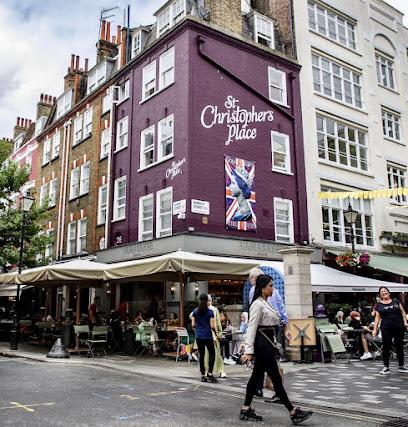
Essential places to dine

Apricity Restaurant
0.5 km
Sustainable fine dining in Mayfair blending seasonal British produce with innovative, low-waste culinary artistry.
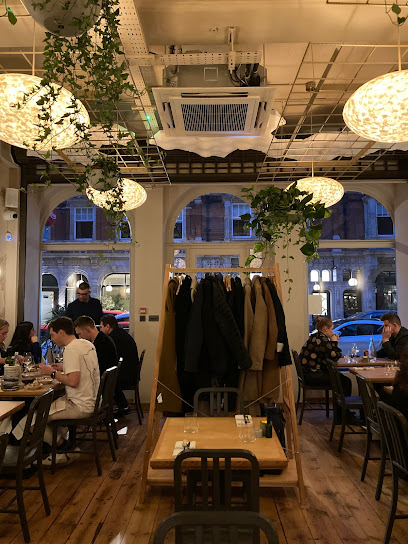
Ormer Mayfair Restaurant
1.0 km
Michelin-starred modern British dining in an elegant 1930s-style Mayfair setting, offering inventive tasting menus and impeccable service.
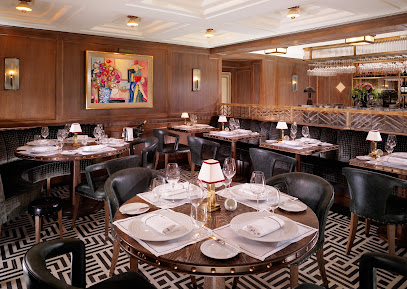
Dinner by Heston Blumenthal
1.0 km
Experience two Michelin-starred historic British cuisine reimagined with modern artistry at Dinner by Heston Blumenthal in the heart of Knightsbridge.
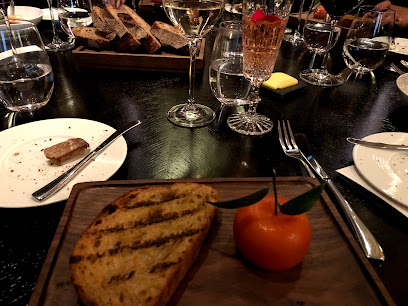
HIDE
1.1 km
Discover refined Modern European cuisine with panoramic Green Park views at HIDE, a Michelin-starred gem blending innovation and elegance in Mayfair.
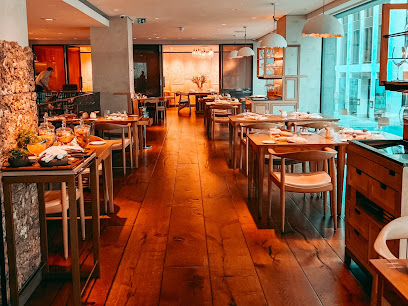
The Grenadier
1.1 km
Discover The Grenadier, a historic and haunted London pub steeped in military legacy and timeless charm in the heart of Belgravia.
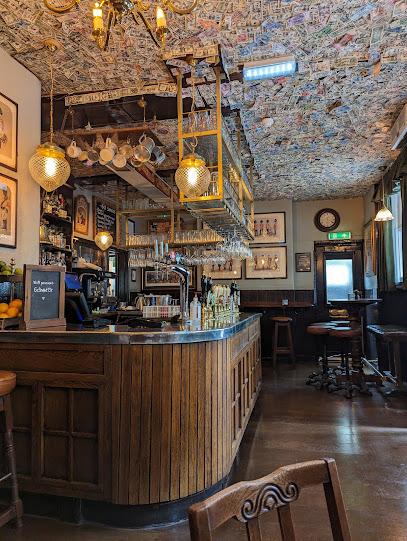
Little Social
1.1 km
Stylish Mayfair bistro offering refined modern British small plates with an intimate atmosphere and excellent wine selection.
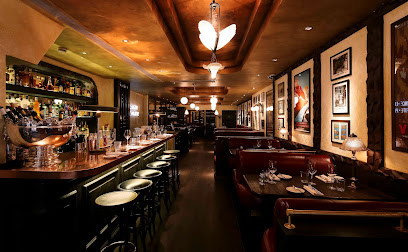
sketch
1.1 km
An iconic Mayfair venue blending avant-garde art, Michelin-starred dining, and whimsical design for an unforgettable London experience.
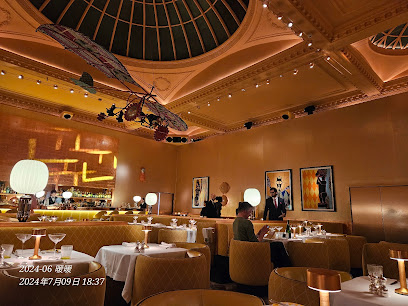
Starbucks Coffee
1.3 km
A vibrant Starbucks café in Carnaby offering expertly crafted coffee, fresh food, and a lively urban atmosphere in central London.
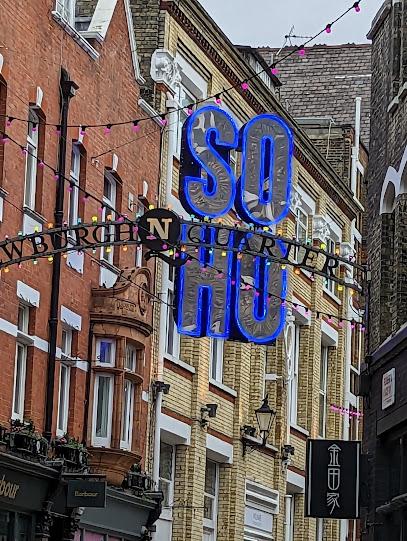
Kingly Court
1.3 km
Discover a world of flavors in London’s vibrant Kingly Court, where global cuisine meets Soho’s lively spirit.
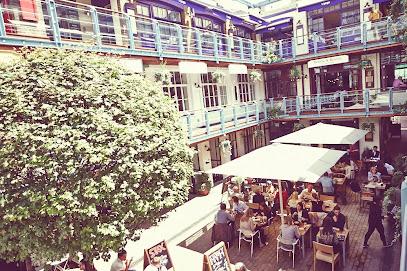
Seven Park Place by William Drabble
1.3 km
An intimate Michelin-starred restaurant in Mayfair offering refined British-French cuisine by Chef William Drabble in an elegant Art Deco setting.
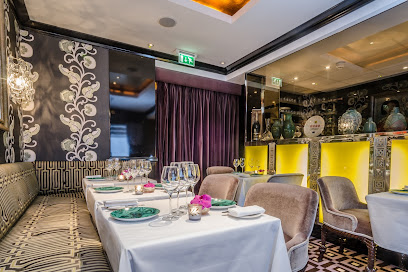
NOPI
1.3 km
Experience vibrant Mediterranean and Middle Eastern flavors in Soho at NOPI, Ottolenghi’s innovative restaurant known for shareable, seasonal dishes.
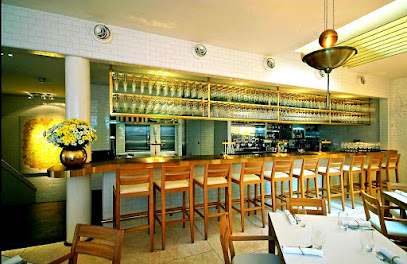
Quaglino's
1.3 km
Glamorous basement brasserie with live music, cocktails, and theatrical dining in St. James's.
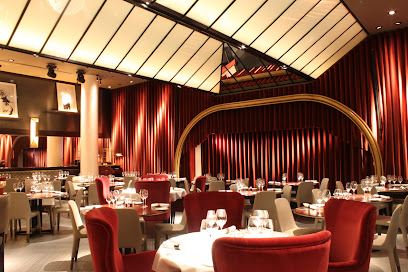
Great British Restaurant
1.4 km
Elegant British dining in the heart of St James’s, blending traditional flavors with modern sophistication in a tranquil hotel setting.
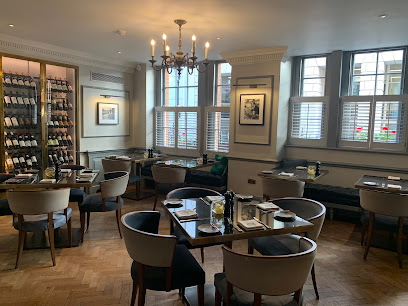
Bob Bob Ricard Soho
1.4 km
Experience glamorous British & French dining in Soho with iconic booths and a unique ‘Press for Champagne’ button at every table.
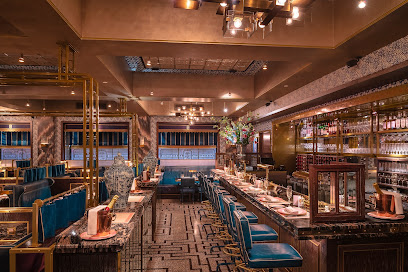
Portland
1.4 km
Michelin-starred modern European dining in Fitzrovia, blending seasonal British ingredients with refined, creative flavors in an intimate setting.
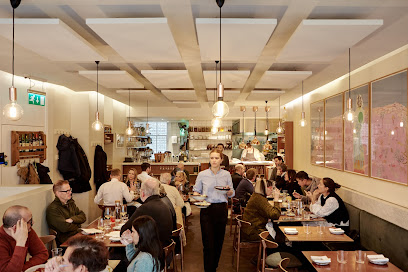
Markets, malls and hidden boutiques

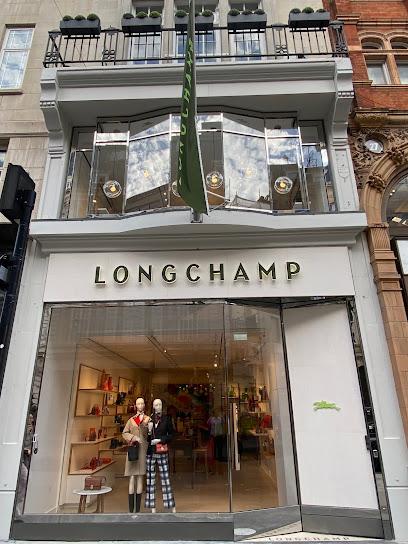
LONGCHAMP
1.0 km
Discover French luxury and craftsmanship at Longchamp’s elegant Bond Street boutique in London’s exclusive Mayfair district.
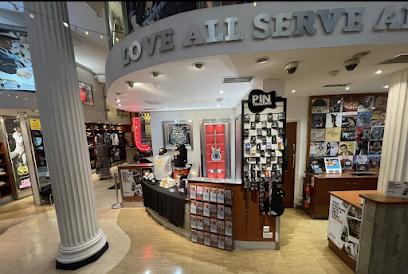
Hard Rock London Rock Shop
1.0 km
Discover exclusive rock ’n’ roll merchandise and iconic memorabilia at London’s legendary Hard Rock Rock Shop on Old Park Lane.
Charbonnel et Walker
1.1 km
Britain’s first luxury chocolatier since 1875, nestled in Mayfair’s Royal Arcade – where tradition, truffles and royal patronage meet in every exquisite box.
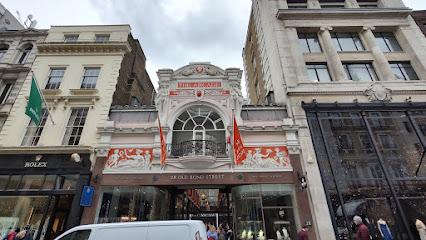
28 The Royal Arcade
1.1 km
Step into London's oldest Victorian shopping arcade, where historic charm meets luxury boutiques in the heart of Mayfair.
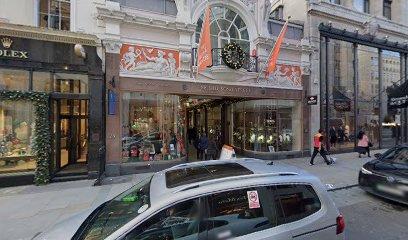
Oxford St
1.2 km
Europe’s busiest shopping street, Oxford Street offers iconic department stores, high-street fashion, and vibrant retail energy in central London.
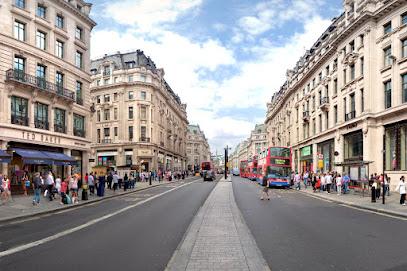
Regent St.
1.2 km
London's elegant mile of style, where Regency architecture meets world-class flagship stores and timeless shopping heritage.
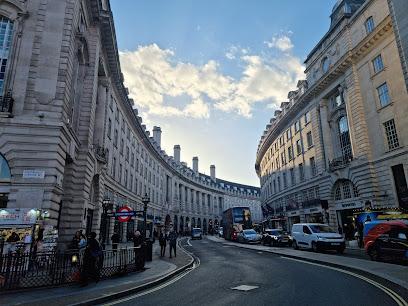
Beyond Retro Soho
1.2 km
Dive into Soho's ultimate vintage vault: two floors of era-spanning fashion, weekly drops, and pop-up vibes for the preloved obsessed.
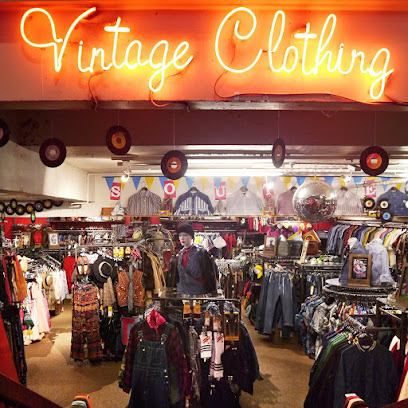
Hamleys
1.2 km
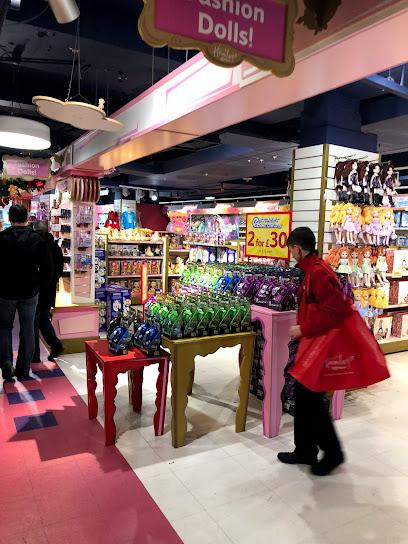
Seven floors of toy wonder in London's most iconic toy shop since 1760.
237 Oxford St
1.2 km
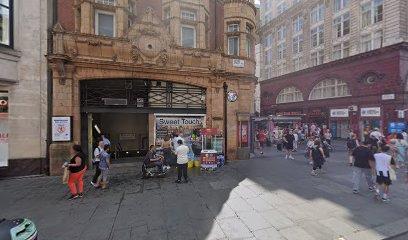
Step into the heart of London’s shopping legacy at 237 Oxford Street, where history meets modern retail energy.
Liberty
1.2 km
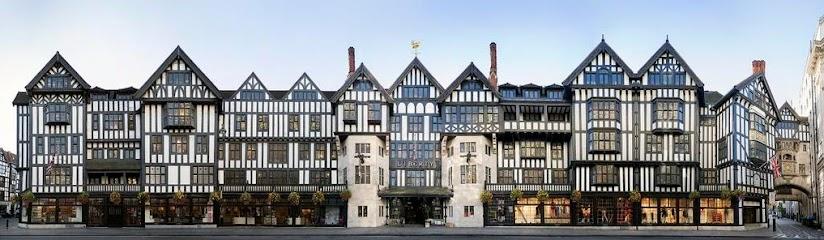
Discover Liberty London, a Tudor revival icon blending heritage craftsmanship, luxurious fabrics, and timeless design in the heart of London’s West End.
Burlington Arcade
1.3 km
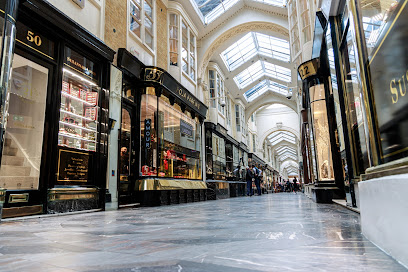
Discover a luxurious shopping experience at Burlington Arcade, where timeless elegance meets exquisite craftsmanship in the heart of London.
Kingly Ct
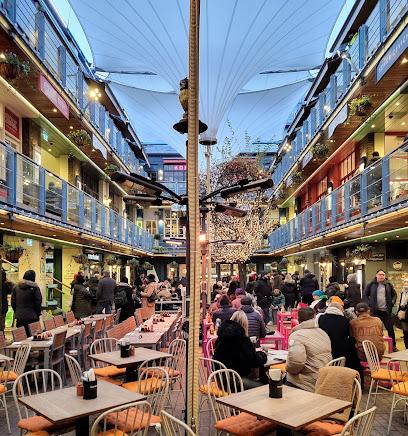
1.3 km
A vibrant three-storey courtyard in Soho offering eclectic global dining and unique shops in a lively, relaxed atmosphere.
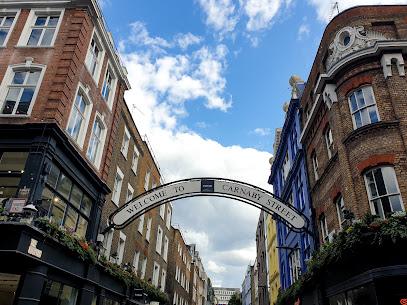
Carnaby St
1.3 km
London's iconic fashion hub where 1960s counterculture meets contemporary style across 14 vibrant streets.
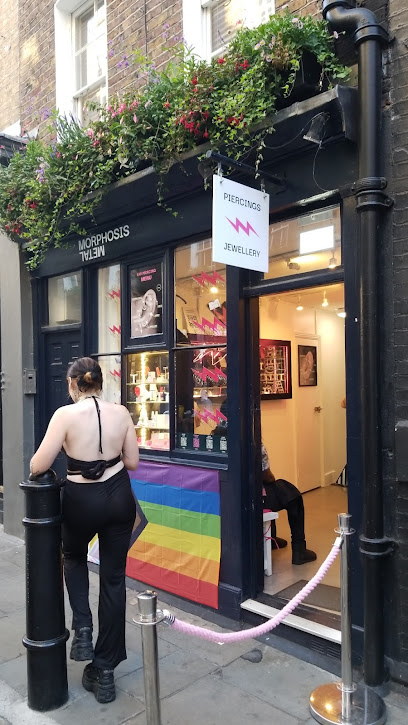
Canvas Collection
1.3 km
Discover handmade ceramics, jewelry, and accessories in Carnaby's artistic gift haven—unique treasures from London's creative makers.
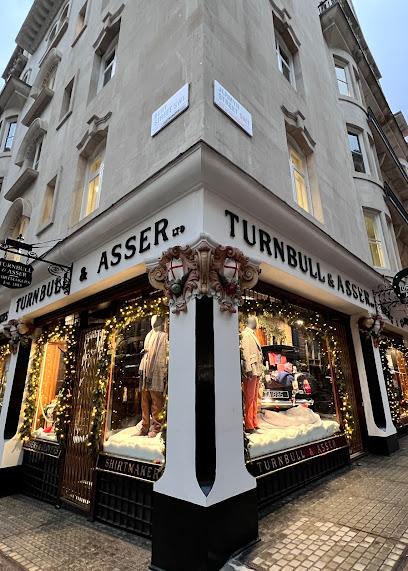
Turnbull & Asser Jermyn Street
1.3 km
Discover Turnbull & Asser on Jermyn Street, the quintessential British shirtmaker blending heritage craftsmanship with timeless elegance since 1885.
Essential bars & hidden hideouts

The Churchill Bar & Terrace
0.5 km
Sophisticated cocktail bar and terrace in central London, blending classic British charm with modern elegance and a vibrant social scene.
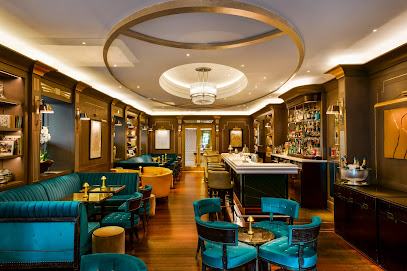
Purl London
0.8 km
Discover Purl London, a speakeasy-style cocktail bar in Marylebone offering expertly crafted drinks in a cozy vintage setting.
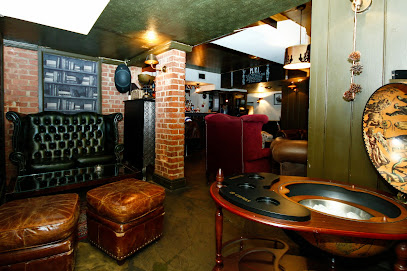
The Victoria, Paddington
1.0 km
Step into The Victoria, Paddington, a historic Victorian pub blending timeless charm, rich heritage, and refined British dining in a warm, inviting setting.
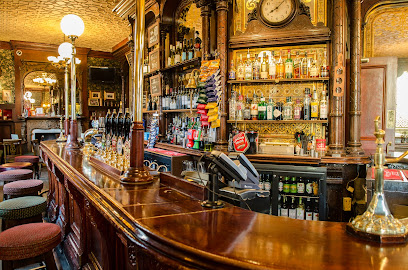
Below
1.1 km
Discover Below at HIDE, a hidden Mayfair cocktail bar offering expertly crafted seasonal drinks and rare spirits beneath a Michelin-starred restaurant.
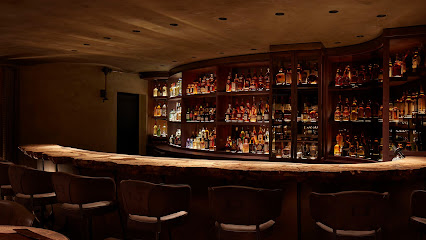
The Argyll Arms
1.2 km
Step into The Argyll Arms, a Victorian-era pub gem in Soho blending historic charm, real ales, and hearty British fare near Oxford Circus.
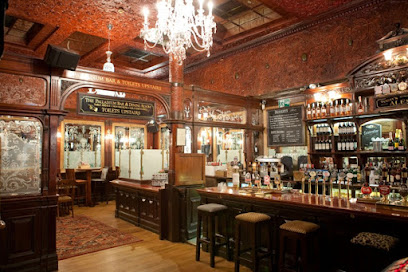
The Dickens Tavern
1.3 km
Classic British pub with hearty fare and ales, nestled in Paddington’s vibrant heart near London Paddington Station.
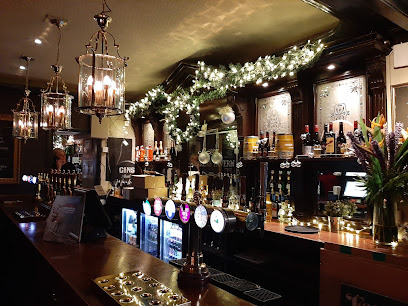
Cahoots London
1.3 km
Step into a 1940s London underground tube station and enjoy creative cocktails in a vibrant, theatrical vintage setting.
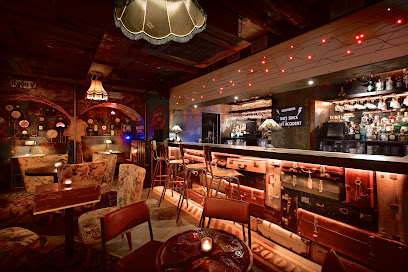
Disrepute - Soho
1.3 km
Descend into Soho's glamorous underworld at Disrepute, where 1960s scandal meets masterful cocktails in velvet-clad vaults—Soho's seductive late-night escape.
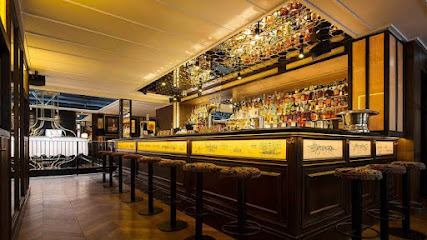
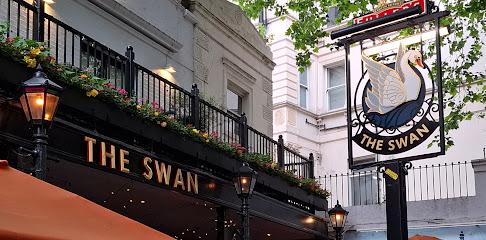
The Swan, Hyde Park
1.3 km
Historic coaching inn turned vibrant pub overlooking Hyde Park, blending rich London heritage with classic British dining and lively social scenes.
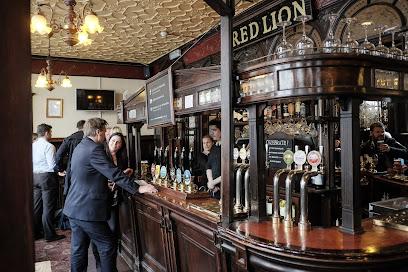
The Red Lion, Mayfair
1.5 km
Historic Victorian pub in Mayfair famed for its political heritage and classic London charm, steps from Downing Street.
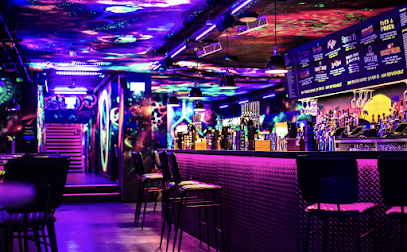
NQ64 Soho
1.5 km
Dive into a neon-lit world of retro arcade games and themed cocktails in the heart of Soho’s vibrant nightlife scene.
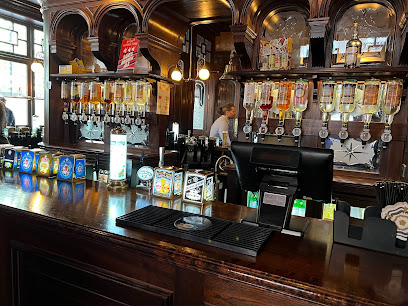
Duke of Argyll
1.6 km
Step into the Duke of Argyll for authentic Victorian pub charm, affordable ales, and a warm Soho atmosphere in central London.
The Thin White Duke
1.6 km
Discover Soho’s intimate cocktail bar inspired by David Bowie, blending bespoke drinks, award-winning dim sum, and creative recording studios.
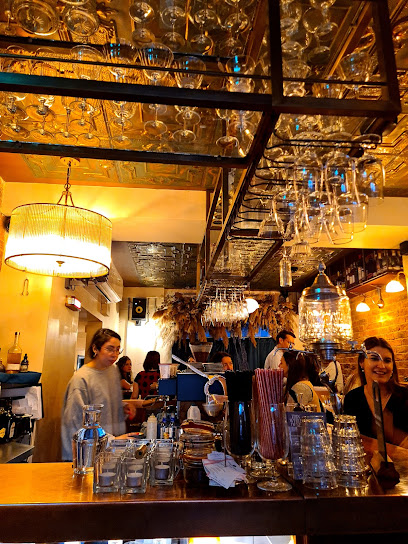
Basement Sate
1.6 km
Discover Soho’s chic basement bar where decadent desserts meet expertly crafted cocktails in an intimate, stylish setting.
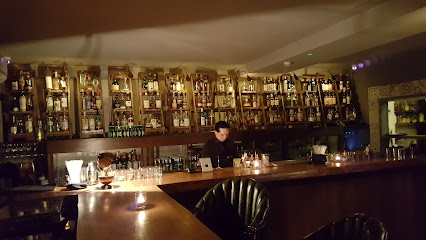
Punch Room
1.6 km
An exclusive Fitzrovia cocktail bar where historic punch traditions meet innovative craft mixology in a cozy, club-like setting.
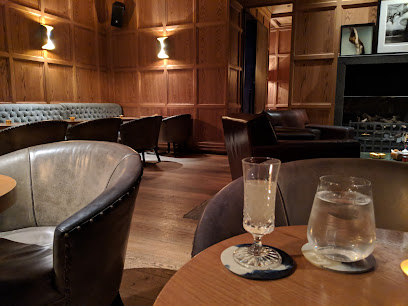
Nightclubs & after hour spots

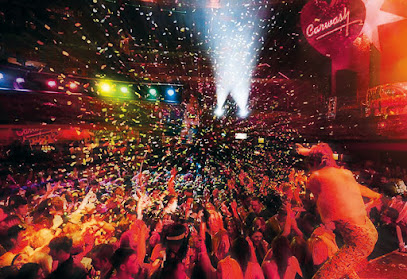
Carwash Nightclub
0.9 km
Europe's longest-running disco since 1989: sequins, funk beats, and joyful dancing in Mayfair's retro heart. Join the glitter-fueled party!
LUXX CLUB LONDON
1.0 km
Experience Mayfair’s premier luxury nightclub with dazzling lights, top DJs, and exclusive VIP vibes at LUXX CLUB LONDON.
Tabu London
1.2 km
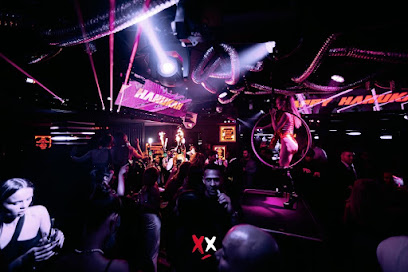
Escape Mayfair's polish for Tokyo's neon-lit Shinjuku alleys at Tabu London—retro gaming vibes, caged dancers, hip-hop beats, and upscale bites fuel epic nights.
Privilege Entertainment Ltd
1.3 km
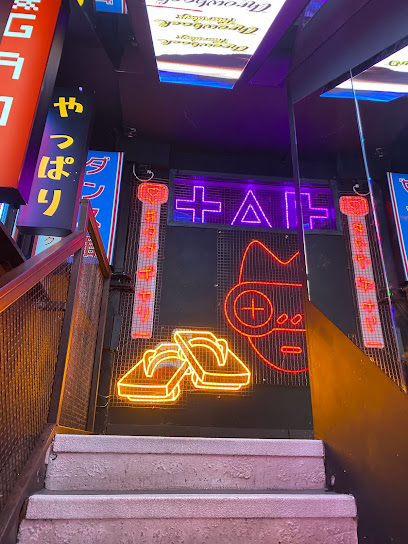
Discover the pulsating nightlife at Privilege Entertainment Ltd, London's premier entertainment agency and nightclub, where unforgettable experiences await.
The Cuckoo Club
1.4 km
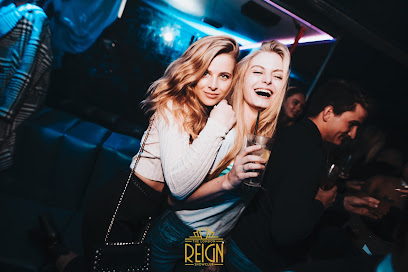
Exclusive Mayfair nightclub and restaurant blending glamorous design, contemporary cuisine, and vibrant nightlife in London’s upscale scene.
The Scotch of St James
1.5 km
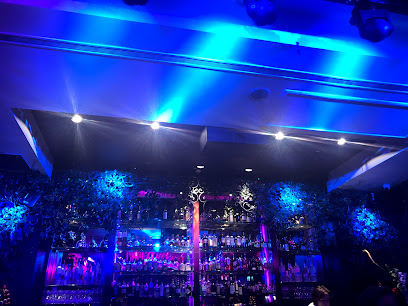
Legendary Mayfair speakeasy where 60s rock stars jammed and today's elite dance till dawn in velvet-clad intimacy.
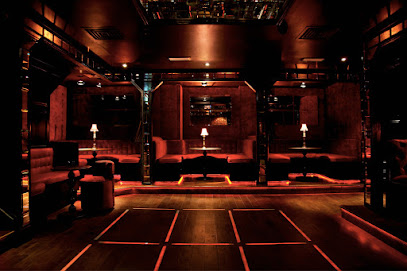
Sunset night club
1.5 km
Dive into Soho's electric nightlife at Sunset Night Club, where thumping beats, craft cocktails, and dawn-chasing energy define unforgettable nights in London's vibrant core.
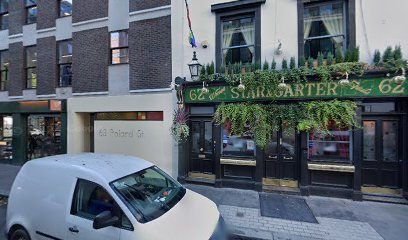
Bordello London
1.6 km
Dive into Soho's seductive basement beats at Bordello London, where Wardour Street's nightlife legacy ignites late-night frenzy on weekends.
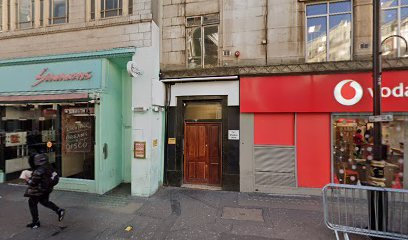
101 Nightclub London
1.6 km
Soho's raw Saturday night pulse: intimate beats, crowded floors, and unfiltered London club energy on Wardour Street.
St Moritz Club
1.6 km
Soho's retro basement nightclub: 1960s vibes meet modern beats in an intimate, wood-paneled haven beneath a Swiss chalet restaurant.
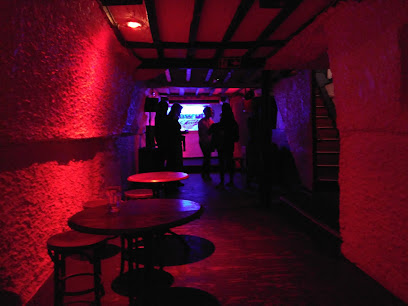
The Windmill Soho | Restaurant, Cabaret & Nightclub in Soho, London
1.6 km
Soho's legendary cabaret den revived: burlesque bites, theatrical feasts, and all-night beats in a historic hotspot of hedonism.
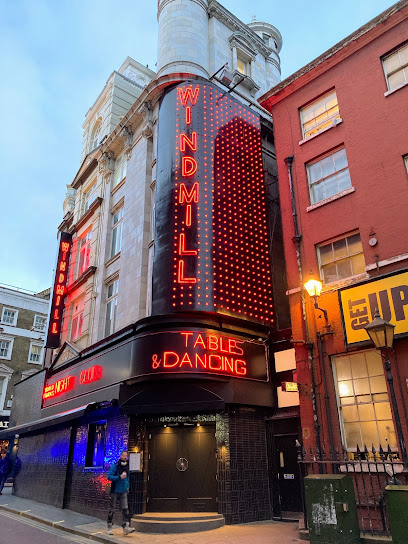
The Box Soho
1.6 km
A clandestine Soho cabaret where decadent staging, provocative shows and high‑end cocktails collide in an intense late‑night theatre.
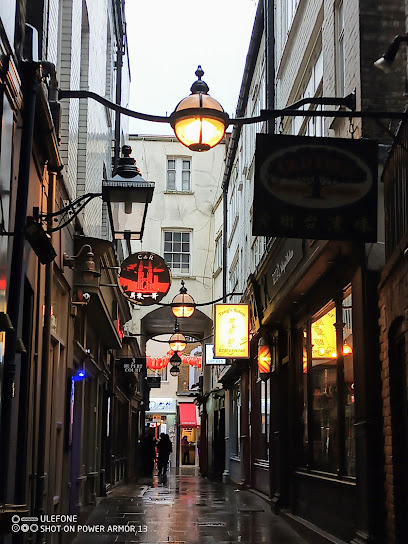
Versity Camp Nightclub
1.6 km
Dive into Soho's beating heart at Versity Camp Nightclub, where thumping bass, inventive cocktails, and an electric crowd fuel unforgettable nights until dawn.
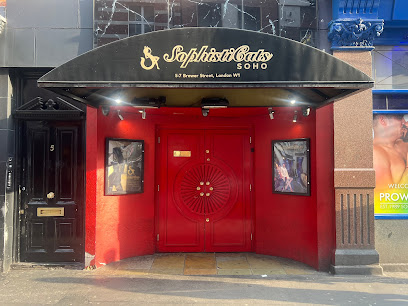
Sophisticats Soho
1.7 km
An intimate, late‑night Soho gentlemen’s club on Brewer Street offering staged performances, VIP seating and an upmarket, discreet atmosphere.
Luxe Club
1.7 km
Experience London's vibrant nightlife at Luxe Club, a central hotspot for music, dancing, and late-night entertainment.
For the vibe & atmosphere seeker
- Tranquil
- Scenic
- Unique
For the design and aesthetic lover
- Minimalist Designs
- Modern Designs
For the architecture buff
- Historic
- Landmarks
- Art & Design
- Viewpoints
For the view chaser and sunset hunter
- Iconic Views
- Panoramas
For the social media creator & influencer
- Instagrammable
- Photo Spots
- Selfie Spots
- Architectural Shots
For the eco-conscious traveler
- Public-Transport Accessible
For the kind of experience you’re after
- Cultural Heritage
- Mindfulness
- Meditation Spot
For how adventurous you want the journey to be
- Easy Access
Location Audience
- Family Friendly
- Senior Friendly
- Child Friendly
- Teen Friendly
- Wheelchair Access
- Solo Friendly
- Couple Friendly
- Solo Female Friendly


