
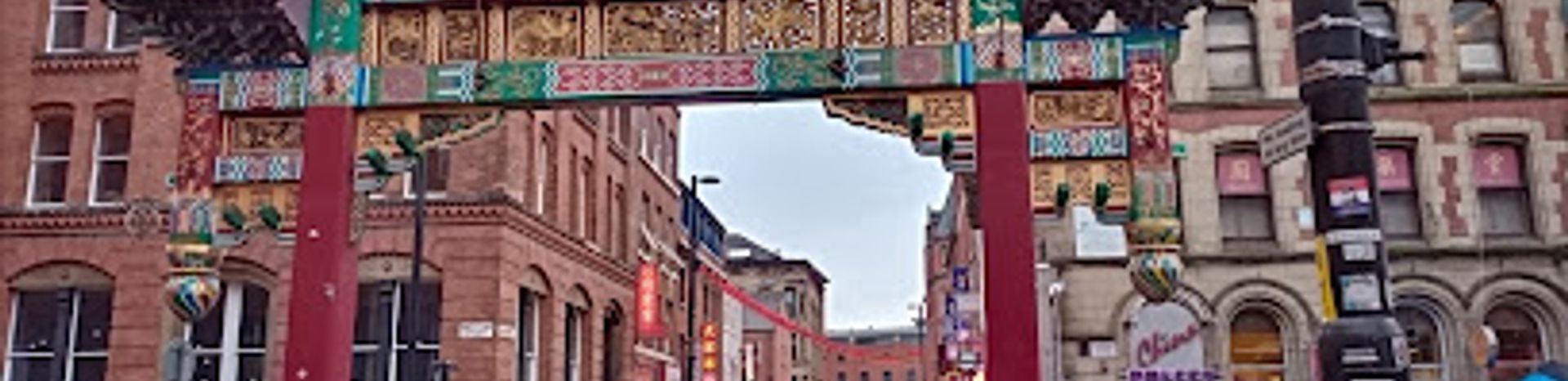
Chinese Imperial Arch
Europe's only imperial Chinese arch, a stunning gateway to Manchester's vibrant multicultural heart.
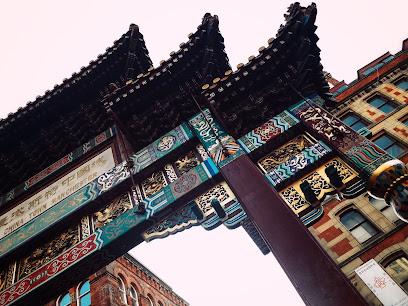
Standing majestically at the heart of Manchester's Chinatown on Faulkner Street, the Chinese Imperial Arch is Europe's first and only true imperial Chinese gateway. Built in China and assembled between Christmas 1986 and Easter 1987, this ornate structure features intricate dragons, phoenixes, ceramics, and gold leaf detailing. A gift from Manchester City Council to the Chinese community, it symbolizes the city's deep cultural ties and marks one of Britain's most vibrant multicultural neighborhoods.
A brief summary to Arch of Chinatown
- 46 Faulkner St, Manchester, M1 4FH, GB
- Duration: 0.5 to 2 hours
- Free
-
 Outdoor
- Mobile reception: 5 out of 5
Local tips
- Visit during late afternoon or early evening when the arch is beautifully illuminated and the surrounding restaurants and shops are bustling with activity.
- Explore the surrounding Faulkner Street to experience the full diversity of Asian cuisines, from traditional Cantonese to contemporary Beijing, Sichuan, and Southeast Asian restaurants.
- The arch is best photographed from street level looking upward to capture the intricate dragon and phoenix details, or from across the street for full structural composition.
- The area is pedestrian-friendly with a grid-like street layout; allow time to wander the side streets and discover hidden supermarkets, bakeries, and traditional medicine shops.
- Check for seasonal community events and celebrations, particularly around Chinese New Year, when the neighborhood hosts special festivities and cultural performances.

For the on-the-go comforts that matter to you
- Food Options
- Drink Options
- Restrooms
- Information Boards
- Seating Areas
Getting There
-
Public Transport
Manchester Piccadilly railway station is approximately 800 meters away, accessible via a 10-minute walk through the city center. Alternatively, Deansgate-Castlefield station is 1.2 kilometers away with a 15-minute walk. Local buses serve the area frequently; the arch is on Faulkner Street in Manchester city center. No fare required for walking; public transport tickets range from £1.75 to £4.50 depending on zone.
-
City Center Walking
From Manchester Town Hall, the arch is approximately 400 meters away via a 5-minute walk south through the city center. The route is entirely flat, well-lit, and passes through busy shopping and commercial streets. Ideal for those already exploring central Manchester.
-
Taxi or Rideshare
Taxis and rideshare services (Uber, Bolt) operate throughout Manchester. Journey time from Manchester Piccadilly station is approximately 5-8 minutes depending on traffic. Estimated fare ranges from £6 to £12. The arch location is 46 Faulkner Street, Manchester M1 4FH.
-
Parking and Driving
Street parking on Faulkner Street is extremely limited due to the narrow historic streets and high pedestrian traffic. Nearby car parks include Arndale Centre Car Park (300 meters away) and Deansgate Car Park (500 meters away), with typical rates of £2-£4 per hour. The arch itself sits beneath active traffic, so vehicle access is maintained but stopping is not permitted.
Arch of Chinatown location weather suitability
-
 Any Weather
Discover more about Arch of Chinatown
A Gateway Built Across Continents
The Chinese Imperial Arch stands as a remarkable feat of international cultural exchange. Specially constructed in China, this ornate gateway was shipped to Manchester in three enormous containers and painstakingly assembled on-site between Christmas 1986 and Easter 1987 by specialist craftsmen from Beijing. The arch was presented as an official gift from Manchester City Council to the Chinese community, commemorating the city's twinning with Wuhan and celebrating the deep bonds between Manchester and its Chinese population. At its completion, it became Europe's first and only true imperial Chinese arch, a distinction it maintains today.Architectural Splendor and Symbolic Design
The arch rises as an imposing structure adorned with traditional symbols of prosperity and renewal. Dragons and phoenixes, rendered in vibrant red and gold, dominate the design alongside intricate ceramic work, lacquer detailing, and gold leaf embellishments. These elements reflect authentic imperial Chinese architectural traditions, making the structure not merely decorative but deeply symbolic. The paifang, as it is known in Chinese tradition, serves as a threshold between the mundane city streets and the cultural heart of Chinatown, inviting visitors to step into a distinct community space within Manchester's urban fabric.Restoration and Resilience
The arch's journey has not been without challenges. Manchester's damp climate proved incompatible with the traditional Chinese mortar mix originally used in its construction, which reportedly included pigs' blood. Over the years, this incompatibility caused the mortar to expand, leading to cracking and dislodging of ornate roof tiles. In 2012 and 2013, the Manchester Chinatown Community Group organized charity events, including a dry land dragon boat race, to fund essential restoration work. Manchester and Cheshire Construction Company undertook comprehensive conservation repairs, replacing the original mortar with a climate-appropriate mixture while preserving the arch's aesthetic integrity through delicate repair, redecoration, and gilding work.The Heart of Manchester's Chinese Community
The arch sits at the center of the second largest Chinatown in the United Kingdom and the third largest in Europe. Faulkner Street, where the arch stands, has transformed from a 19th-century cotton warehouse district into a vibrant multicultural hub. The first Chinese settlers arrived in Manchester in the early 20th century, primarily engaged in the laundry trade. Following the British Nationality Act of 1948 and Hong Kong's rapid urbanization, significant migration waves brought former farmers and their families seeking new livelihoods. The opening of Manchester's first Chinese restaurant, Ping Hong, in 1948 marked the beginning of the community's culinary presence. By the 1970s, with the establishment of a Hong Kong government office and Bank of China, Chinatown had fully matured into a cultural and commercial center.Evolution of Cuisine and Culture
While early Chinese immigrants primarily served anglicized Chinese food through takeaways, the 1960s saw the opening of authentic Cantonese establishments like Kwok Man tea house. In recent decades, the demographic composition of Manchester's Chinese population has shifted significantly. The influx of Chinese university students from Beijing and Shanghai has driven demand for the drier, spicier cuisines of northern and central China. Today, Faulkner Street boasts a remarkable diversity of Asian cuisines, with Chinese, Japanese, Korean, Nepali, Malaysian, Singaporean, Thai, and Vietnamese restaurants, shops, bakeries, and supermarkets creating a truly pan-Asian cultural destination.A Living Symbol of Cultural Heritage
The arch remains more than a static monument; it is a living symbol of Manchester's commitment to cultural diversity and community integration. Positioned where traffic flows beneath its ornate structure, the arch seamlessly integrates into the daily life of the neighborhood rather than existing as a cordoned-off museum piece. Its presence on Faulkner Street anchors the identity of Manchester's Chinatown and serves as a welcoming gateway for both residents and visitors exploring one of England's most dynamic multicultural neighborhoods.Iconic landmarks you can’t miss

Arch of Chinatown
0.0 km
Europe's only imperial Chinese arch, a stunning gateway to Manchester's vibrant multicultural heart.
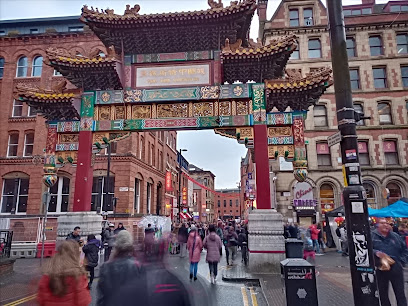
Connaught Building
0.1 km
Discover the historic Connaught Building in Manchester, a captivating landmark reflecting the city’s rich architectural heritage and vibrant urban spirit.
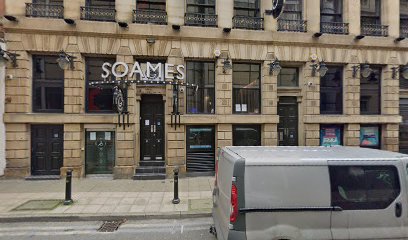
St. Peter's Square
0.2 km
Manchester’s historic St Peter's Square blends rich heritage, iconic architecture, and vibrant urban life at the heart of the city centre.
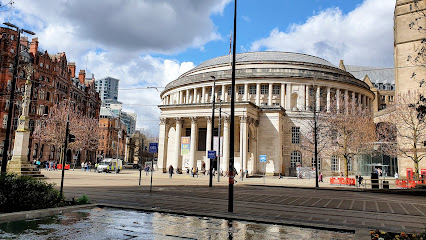
Manchester City Council
0.3 km
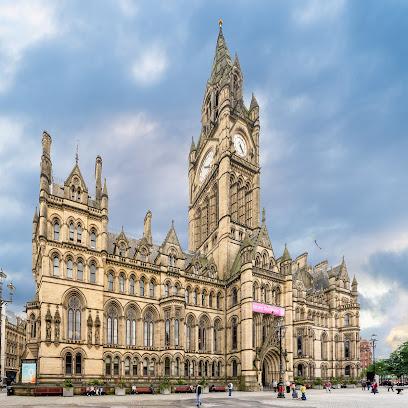
Manchester City Council’s majestic Town Hall in Albert Square: a Victorian Neo-Gothic masterpiece and symbol of civic heritage.
Albert Memorial
0.4 km
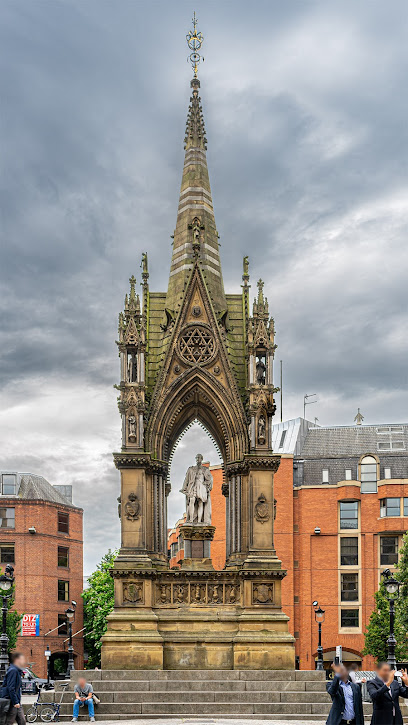
A grand Victorian Gothic monument in Albert Square celebrating Prince Albert’s legacy through art, science, and culture.
John Bright Statue
0.4 km
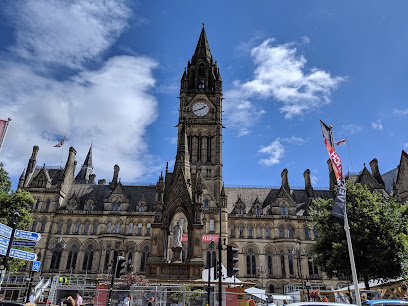
A marble tribute in Albert Square honoring John Bright’s legacy as a champion of free trade and social reform in Victorian Manchester.
Canada House, Manchester
0.4 km
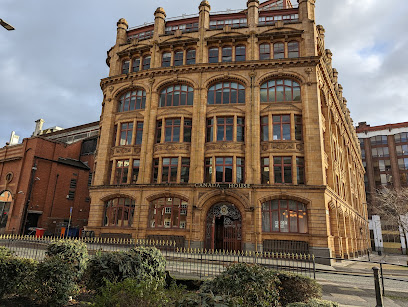
Discover Canada House, a majestic Grade II listed cotton warehouse in Manchester, embodying the city’s rich industrial heritage and architectural splendor.
Historic England
0.4 km
Explore the rich heritage of England at Historic England in Manchester, where history meets preservation and community engagement.
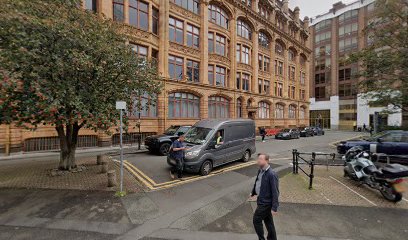
Statue of the Duke of Wellington
0.4 km
A commanding Victorian bronze statue in Piccadilly Gardens honoring the Duke of Wellington’s military valor and political legacy.
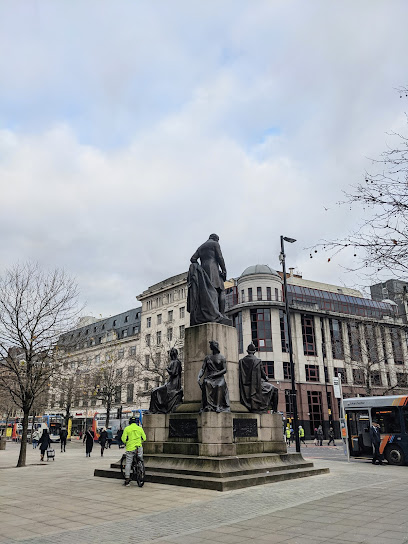
Peterloo Massacre Monument
0.4 km
A powerful stone memorial in Manchester honoring the victims of the 1819 Peterloo Massacre and the fight for democracy.
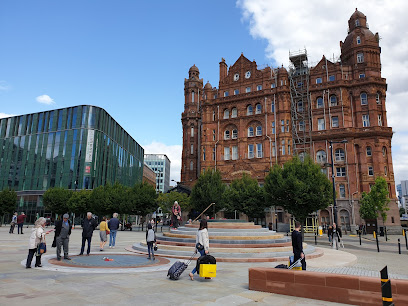
Mulberry Passage
0.5 km
Discover Mulberry Passage, a hidden Manchester alleyway celebrating John Dalton’s atomic theory through captivating art and historic charm.
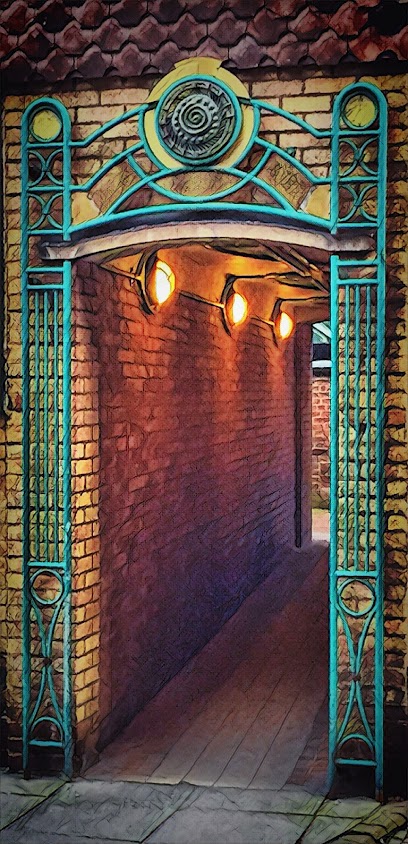
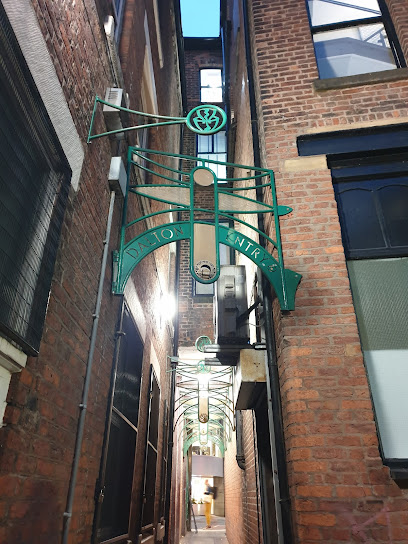
Dalton Entry
0.5 km
Discover Dalton Entry, a hidden Manchester alley honoring John Dalton’s atomic theory and scientific legacy through art and history.
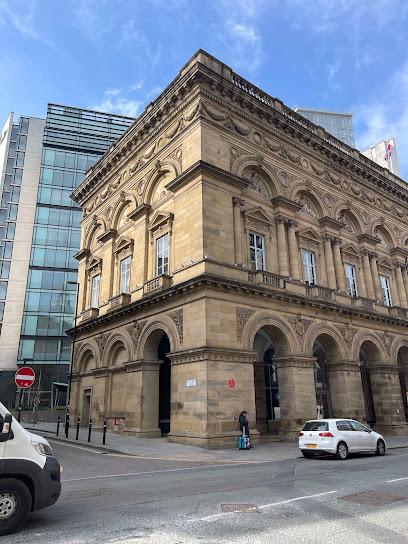
Free Trade Hall
0.5 km
Historic landmark on the Peterloo Massacre site, blending Victorian architecture with a rich legacy of music and political activism.
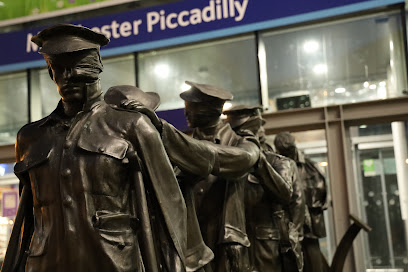
Victory Over Blindness
0.6 km
A powerful bronze memorial at Manchester Piccadilly honoring WWI veterans blinded in battle, symbolizing resilience and solidarity at eye level.
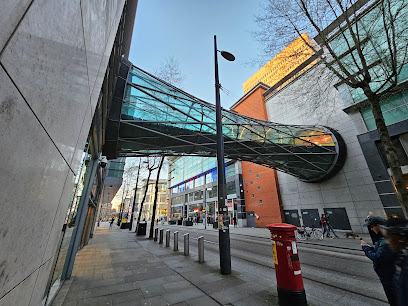
The Undamaged Red Post Box
0.6 km
A resilient symbol of hope standing where devastation once reigned on Manchester's Corporation Street.
Unmissable attractions to see

Chinatown
0.1 km
Discover Manchester Chinatown’s vibrant streets filled with authentic Asian cuisine, rich culture, and festive charm in the city’s heart.
Manchester Art Gallery
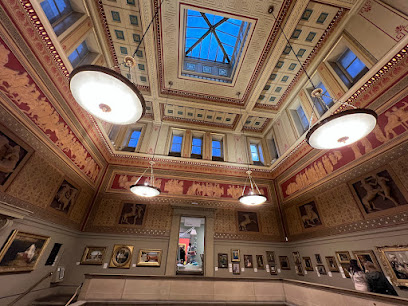
0.1 km
Explore centuries of art and design in Manchester’s historic and dynamic city-centre gallery with free entry and family-friendly spaces.
The Portico Library
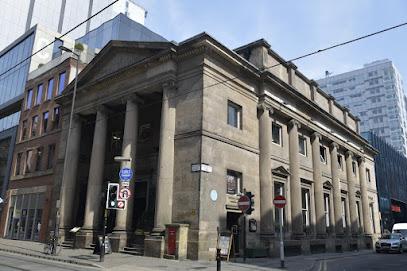
0.2 km
Discover Manchester’s historic Portico Library, a Greek Revival architectural gem and vibrant cultural hub since 1806.
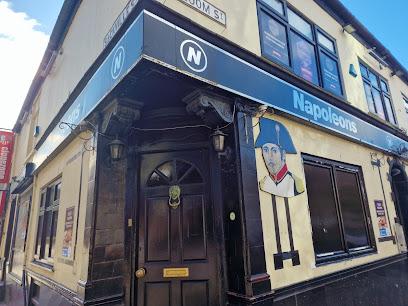
拿破仑(Napoleons) Restaurant and KTV
0.2 km
Discover the ultimate dining and karaoke experience at Napoleons Restaurant and KTV in Manchester, where every meal is a celebration of flavor and fun.
The Molly House
0.2 km
Discover the delightful atmosphere and diverse culinary offerings at The Molly House, Manchester's favorite bar and restaurant for tapas and drinks.
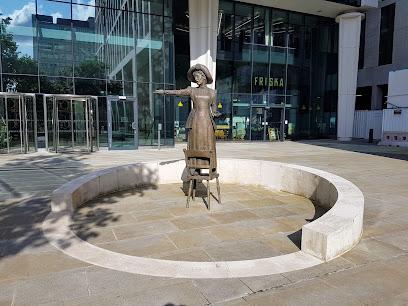
Emmeline Pankhurst Statue
0.2 km
Celebrate the legacy of Emmeline Pankhurst, Manchester’s pioneering suffragette leader, through this inspiring statue in St. Peter’s Square.
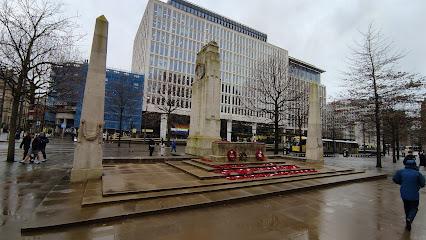
Manchester Cenotaph
0.2 km
Explore the Manchester Cenotaph, a historical landmark honoring the brave souls of the armed forces in the heart of Manchester.
The Cockatoo Club
0.2 km
Manchester’s vibrant cabaret hotspot offering dazzling drag shows, lively bars, and unforgettable LGBTQ+ nightlife in the heart of the Gay Village.
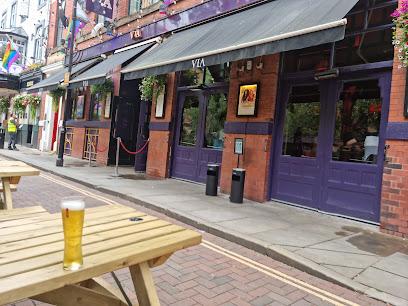
Via Manchester
0.2 km
Discover the lively nightlife of Via Manchester, a premier nightclub and bar on Canal Street, offering unforgettable experiences amidst a vibrant atmosphere.
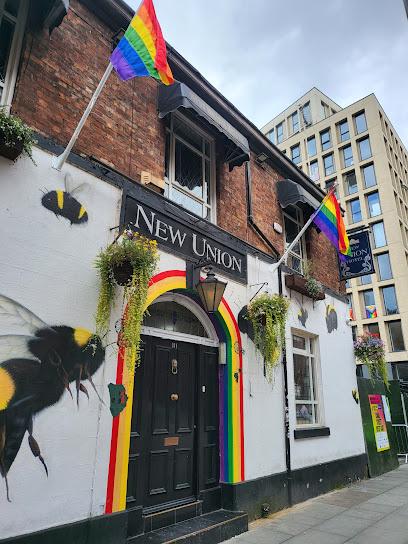
The New Union
0.2 km
Discover the vibrant pulse of Manchester's LGBTQ+ nightlife at The New Union, a welcoming gay bar and pub with lively entertainment.
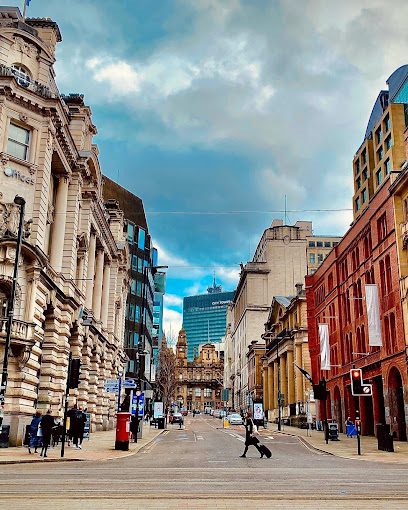
City Tower, Manchester
0.3 km
Manchester’s iconic 30-storey skyscraper offering premium office spaces and panoramic city views in the heart of the vibrant city centre.
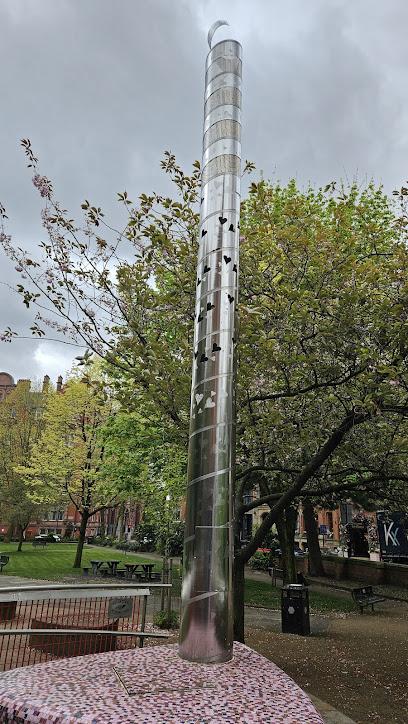
The Beacon Of Hope
0.3 km
A striking and unique memorial in Manchester honoring those living with and lost to HIV/AIDS, symbolizing hope and resilience.
Landmark, St Peter's Square
0.3 km
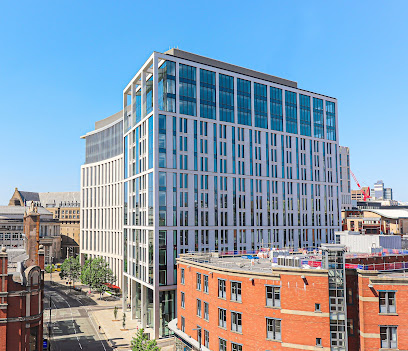
A central corporate hub in Manchester’s St Peter's Square, blending modern office facilities with urban vitality.
Sackville Gardens
0.3 km
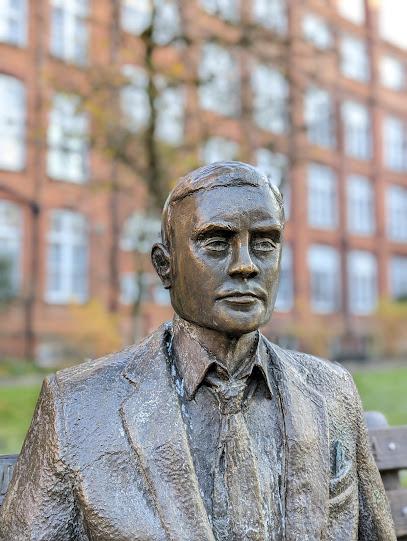
A tranquil urban garden in Manchester, home to the Alan Turing Memorial and vibrant LGBTQ+ cultural events.
The Tree of Life
0.3 km
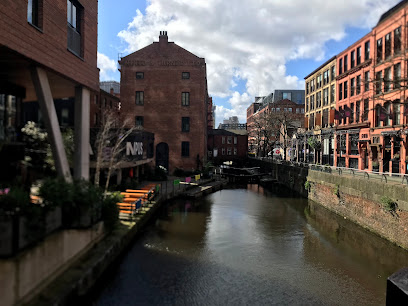
A heartfelt memorial in Manchester’s Gay Village symbolizing hope, resilience, and remembrance for those affected by HIV/AIDS.
Essential places to dine

Higher Ground
0.2 km
A vibrant Manchester bistro blending seasonal British produce with sustainable ethos and refined, shareable dishes in a modern, welcoming setting.
Namii Kitchen & Cocktails
0.2 km
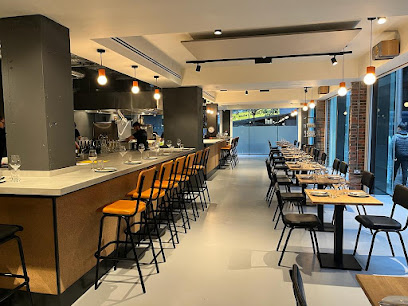
Experience vibrant Vietnamese and pan-Asian flavors with creative cocktails in Manchester’s lively city centre.
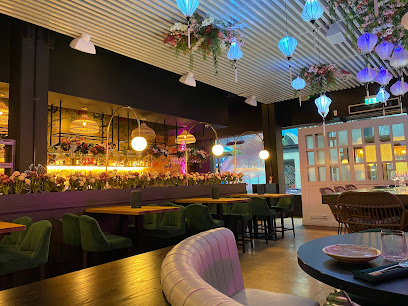
Habesha Restaurant
0.2 km
Discover authentic Ethiopian cuisine and warm hospitality at Habesha Restaurant, Manchester’s beloved spot for traditional injera and hearty stews.
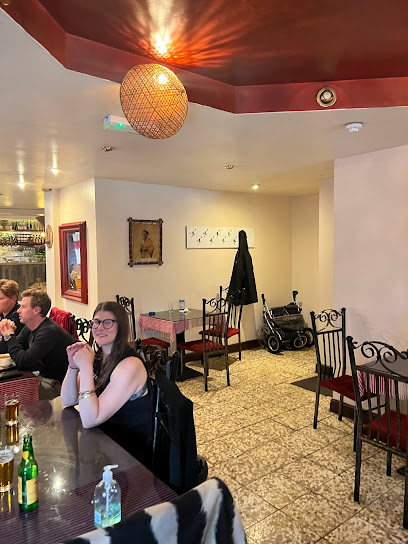
Fumo by San Carlo - Manchester
0.2 km
Sophisticated Italian dining with an art deco flair, vibrant bar scene, and shareable dishes in Manchester’s lively St Peter’s Square.
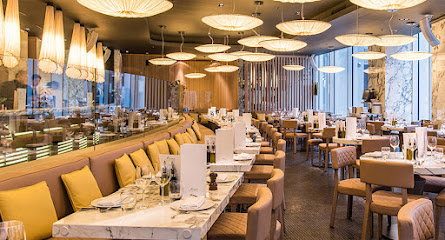
Don Giovanni - Italian Restaurant Manchester
0.3 km
A lively Italian restaurant in Manchester’s city centre blending traditional flavours with modern style and vibrant atmosphere.
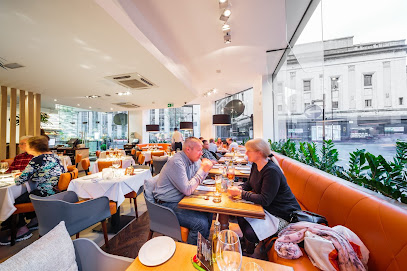
Grand Pacific
0.3 km
Experience Manchester’s gothic-inspired Pan-Asian cocktail bar with stunning décor, lively atmosphere, and expertly crafted drinks in the city center.
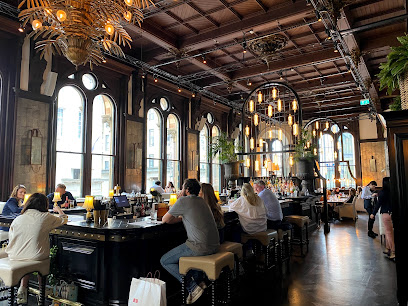
Browns Manchester
0.3 km
Victorian elegance meets contemporary British cuisine in Manchester's most distinguished brasserie.
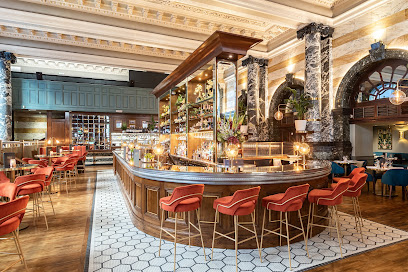
Adam Reid at The French
0.3 km
Experience innovative Northern British fine dining with theatrical flair in Manchester’s iconic Midland Hotel.
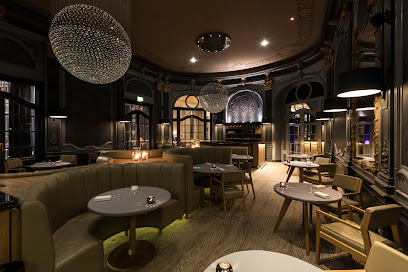
Mount Street Dining Room & Bar
0.4 km
Classic British dining with northern flair in the elegant, historic setting of Manchester’s Midland Hotel.
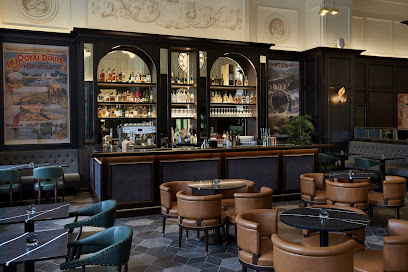
Armenian Taverna & Restaurant
0.4 km
Manchester's authentic Armenian culinary institution, recently modernized yet rooted in five decades of tradition.
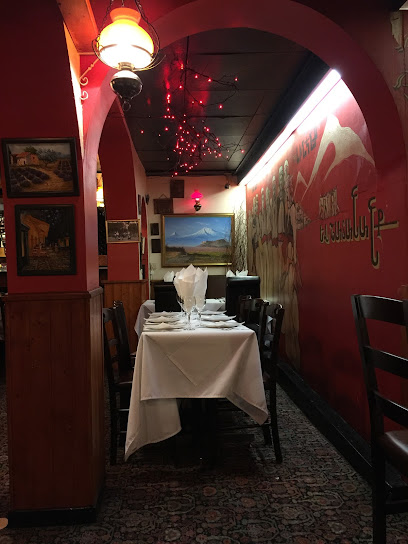
10 Tib Lane
0.4 km
A refined French-inspired restaurant and cocktail bar in Manchester’s historic core, blending seasonal small plates with natural wines and crafted cocktails.
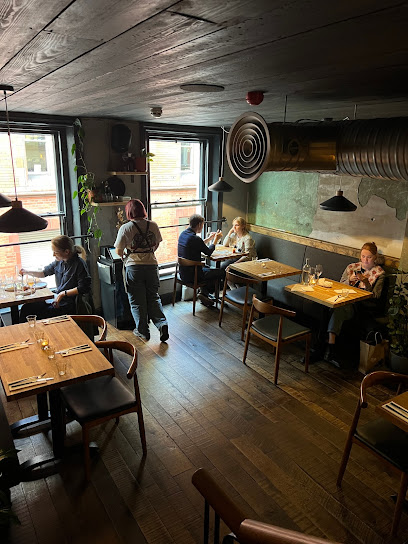
Kala
0.4 km
Modern European bistro blending classic and contemporary flavours in Manchester’s vibrant King Street district.
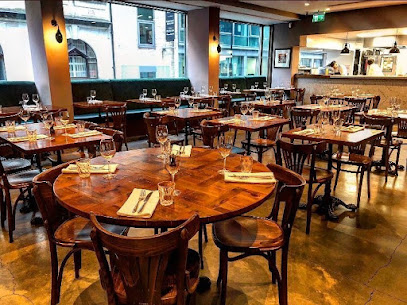
Store Street Exchange Restaurant
0.4 km
Modern British dining with rotisserie specialties and craft cocktails in Manchester’s vibrant Piccadilly hub.
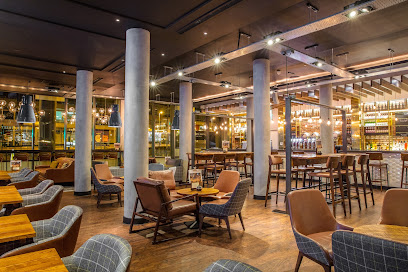
Miller & Carter Manchester
0.4 km
Classic British steakhouse on Manchester’s King Street, serving expertly aged premium steaks in a warm, elegant setting with attentive service.
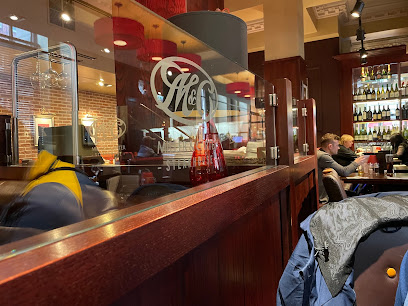
Sam's Chop House
0.4 km
Experience traditional British chophouse dining with locally sourced ingredients in Manchester’s cozy, historic atmosphere.
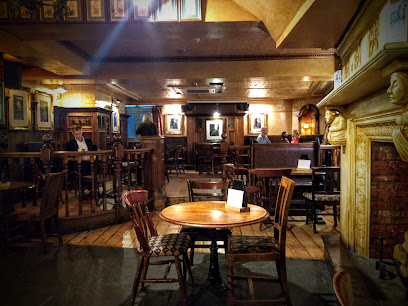
Markets, malls and hidden boutiques

T.La Art & Craft Gallery
0.0 km
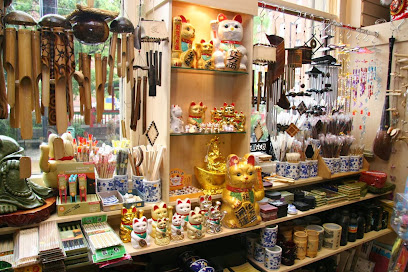
A vibrant Chinese art and craft gallery in Manchester’s Chinatown, showcasing handcrafted treasures and cultural heritage in a warm, welcoming space.
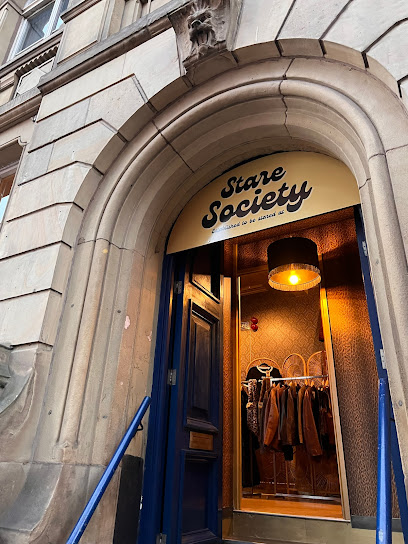
Stare Society
0.0 km
Discover curated vintage clothing and unique home furniture in Manchester’s stylish Stare Society boutique.
Manchester Souvenirs & Convenience Store
0.2 km
Discover authentic Manchester souvenirs and essentials in the heart of the city, blending culture, convenience, and community spirit.
needi
0.4 km
Discover unique, locally crafted gifts with expert personal service in the heart of Manchester’s vibrant Piccadilly at Needi.
The Manchester Shop
0.5 km
Discover Manchester's soul in bee motifs, music tees, and proud souvenirs at this Northern Quarter gem within Afflecks Arcade.
Red and Blue Umbrella
0.5 km
Discover timeless style and friendly service at Manchester’s Red and Blue Umbrella vintage clothing shop on Church Street.
Menkind
0.5 km
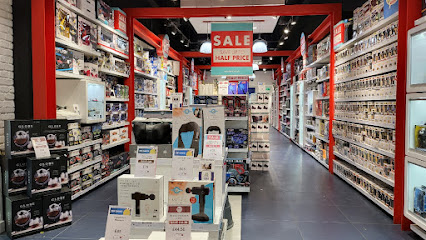
Discover quirky gadgets and unique gifts at Menkind, Manchester Arndale’s vibrant destination for fun and innovative presents.
Laissez Faire UK Fairtrade & Eco Clothes & Gifts
0.5 km
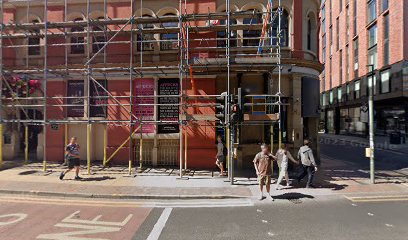
Discover fairtrade and eco-friendly fashion and gifts in the heart of Manchester’s vibrant Church Street district.
Søstrene Grene
0.5 km
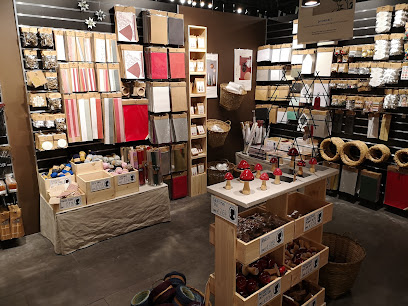
Discover Danish-inspired creativity and cozy home treasures in the heart of Manchester’s vibrant city centre.
Cow Vintage Manchester
0.6 km
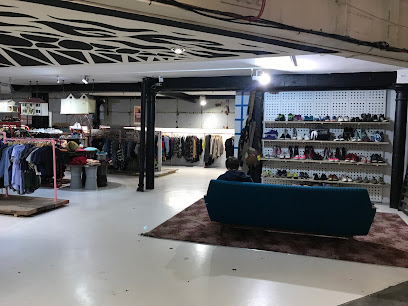
Discover trend-led vintage fashion and sustainable style in Manchester’s creative Northern Quarter at Cow Vintage.
Amazonas Gifts
0.6 km
Discover unique gifts and souvenirs at Amazonas Gifts, nestled in the heart of Manchester Markets Piccadilly.
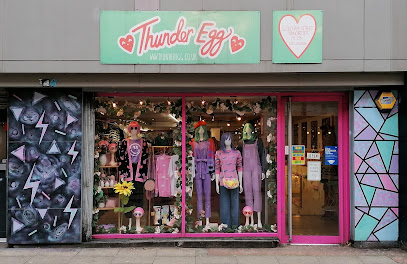
Thunder Egg
0.6 km
Dive into a rainbow of quirky fashion and gifts at Thunder Egg, Manchester's colorful boutique for unique vintage-inspired styles and playful outfits.
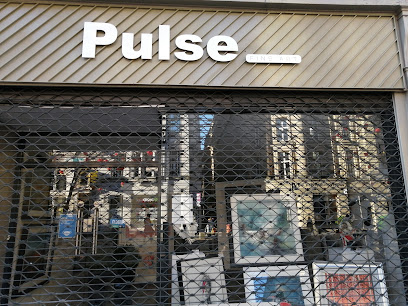
Pulse
0.6 km
Discover unique local treasures and artistic gifts in the heart of Manchester’s historic St Anne’s Square at Pulse.
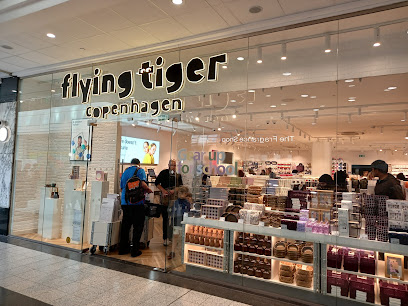
Flying Tiger Copenhagen
0.6 km
Discover playful Danish design and quirky everyday essentials at Flying Tiger Copenhagen in Manchester Arndale’s vibrant Market Street.
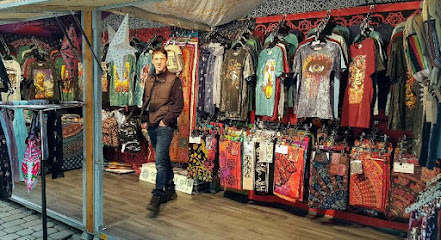
Rams Gift World
0.6 km
Discover unique gifts and local crafts at Rams Gift World, Manchester’s vibrant and eclectic souvenir shop on Market Street.

Essential bars & hidden hideouts

The Alchemist New York Street
0.2 km
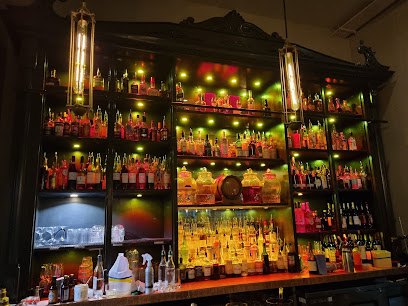
A captivating cocktail theatre and dining experience blending molecular mixology with global cuisine in Manchester’s vibrant city centre.
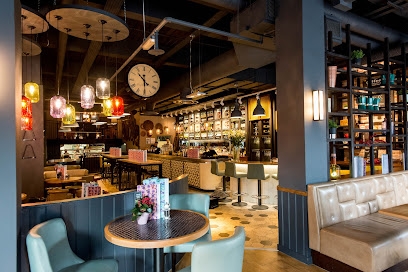
All Bar One Manchester
0.3 km
Stylish wine bar on Manchester’s King Street offering Mediterranean-inspired dishes and a lively, modern atmosphere for casual dining and drinks.
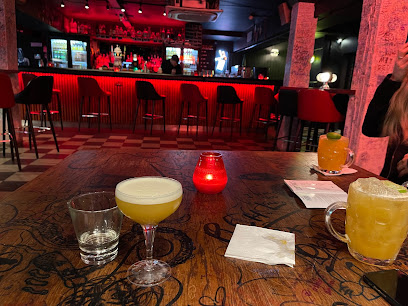
Salt Dog Slim's Manchester
0.4 km
Dive into Salt Dog Slim's Manchester for bold cocktails, American-style hot dogs, and a vibrant nightlife experience in the heart of the city.
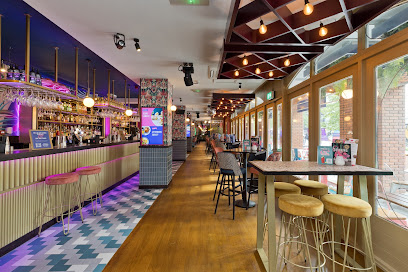
Slug & Lettuce - Albert Square Manchester
0.4 km
Vibrant cocktail bar and restaurant in Manchester’s Albert Square, perfect for lively brunches, evening drinks, and social celebrations.
Gorilla
0.5 km
Manchester's ultimate hybrid haunt: brunch by day, beats by night in a funky bar-club fusion with live gigs and roasts.
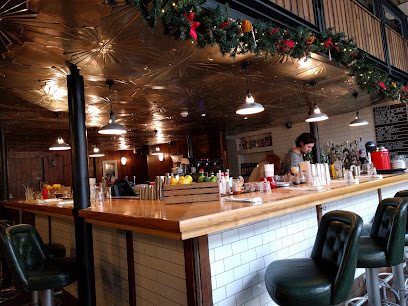
NQ64 Northern Quarter
0.5 km
Retro arcade bar blasting 80s-90s nostalgia with neon cocktails, token games, and basement buzz in Manchester's Northern Quarter.
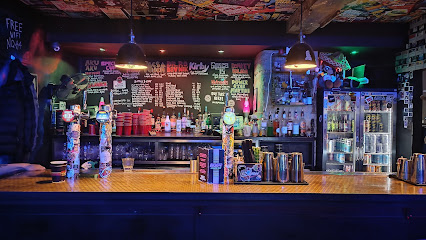
Speak In Code
0.5 km
Discover Speak In Code, Manchester’s innovative cocktail bar blending artisanal mixology, sustainable practices, and a uniquely immersive atmosphere.
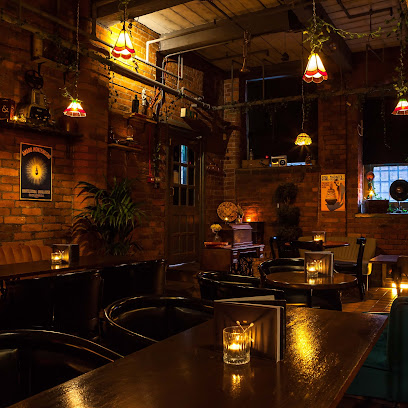
Corbieres Bar
0.5 km
Discover Corbieres Bar, Manchester’s cozy underground spot famed for its eclectic jukebox, vegan-friendly pizzas, and welcoming vibe.
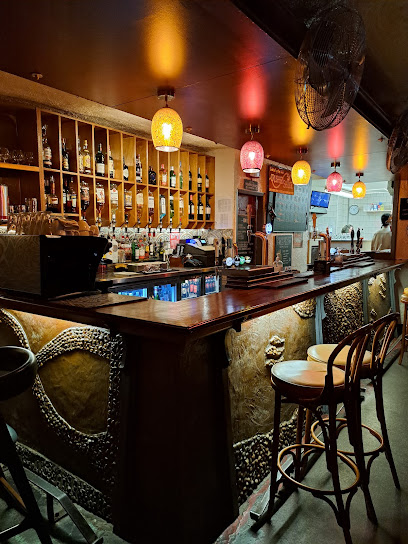
Night & Day Cafe
0.6 km
Manchester's intimate live music heartbeat in the Northern Quarter—where legends launched and nights ignite with raw indie energy.
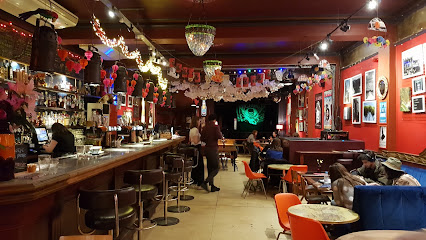
The Daisy
0.6 km
Parisian subterranean cocktail haven in Manchester's Northern Quarter: eclectic vibes, masterful drinks, and weekend DJ magic beneath Evelyn's.
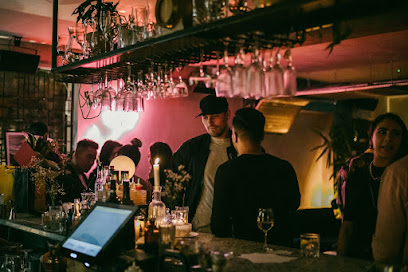
Arcane
0.6 km
Discover Arcane, a cozy Victorian-inspired cocktail bar in Manchester’s city centre, blending inventive drinks with a relaxed, intimate atmosphere.
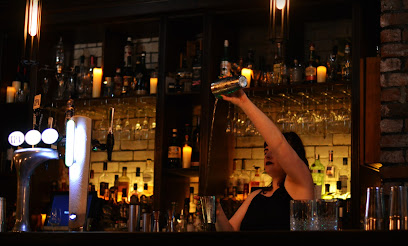
Dusk Til Pawn
0.6 km
Secretive pawn-shop façade, intimate speakeasy interior and a menu of inventive cocktails in Manchester’s Northern Quarter.
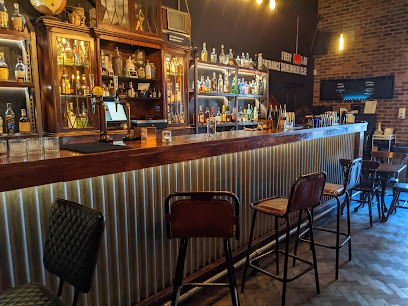
The Britons Protection
0.6 km
Historic Manchester pub famed for its vast whisky selection, traditional charm, lively atmosphere, and welcoming community spirit.
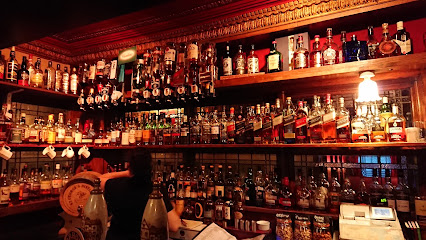
Hold Fast Bar
0.6 km
Dive into Manchester's Northern Quarter basement gem: nautical vibes, retro tiles, banging tunes, and chill nights at Hold Fast Bar.
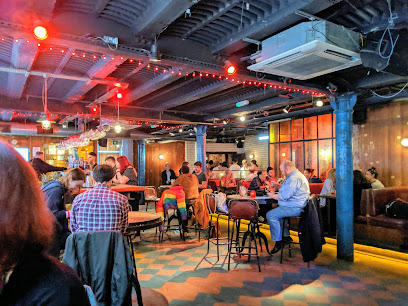
Wilson's Social
0.6 km
All-day Northern Quarter hub: brunch by day, cocktails and beats by night in a multi-level party palace with pool, courtyard, and private den.
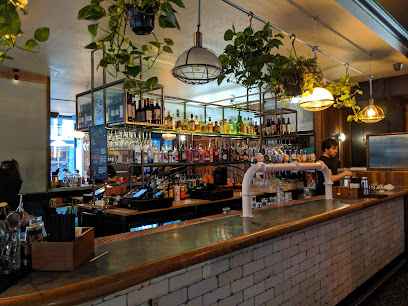
Nightclubs & after hour spots

Satans Hollow
0.1 km
Manchester's infernal punk-rock abyss: demonic decor, dirt-cheap drinks, and mosh-pit mayhem for metalheads and rebels.
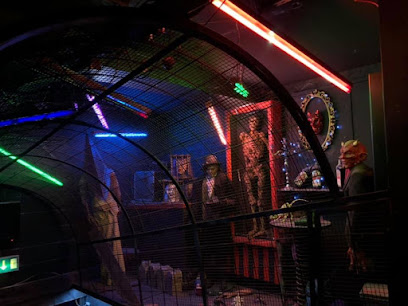
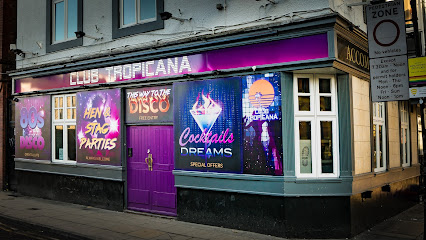
Club Tropicana
0.2 km
Dive into 1980s glamour at Manchester's premier gay nightclub, where drag, DJs, cocktails, and retro beats fuel the Gay Village's electric nightlife.
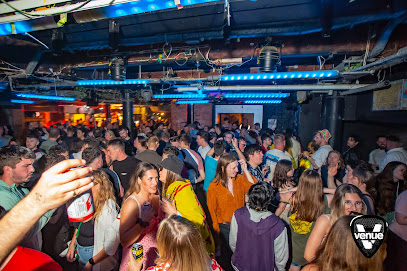
Venue Nightclub
0.5 km
Manchester's underground indie haven: cheap drinks, packed dance floors, and anthems till dawn in Deansgate's electric night scene.
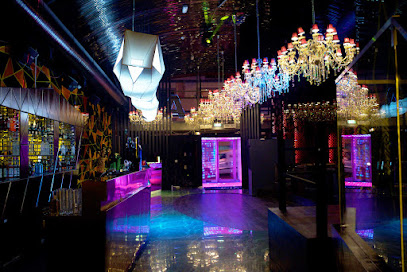
Viva Manchester
0.5 km
Compact stage-driven nightclub on Whitworth Street West — theatrical themed nights, DJ sets and group-friendly table service.
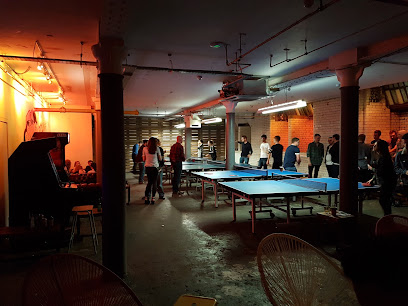
Twenty Twenty Two
0.5 km
Manchester's gritty basement haven where ping pong battles rage under DJ beats and craft brews flow freely in the Northern Quarter's creative underbelly.
Kable
0.6 km
A compact, late‑night basement club on New Wakefield Street, favoured for punchy electronic nights and close‑up DJ sessions.
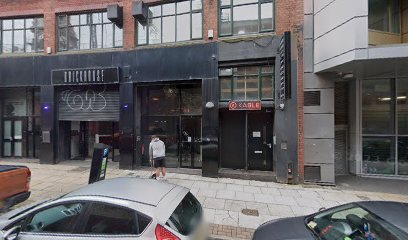
Club Liv Manchester
0.6 km
Experience Manchester’s vibrant nightlife with exclusive VIP vibes, world-class Pan-Asian dining, and a stylish rooftop terrace at Club Liv.
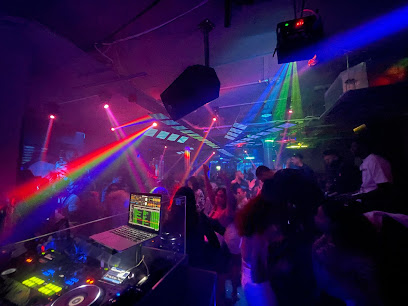
42's
0.6 km
Manchester’s iconic indie nightclub blending rich musical heritage with a lively, inclusive nightlife experience.
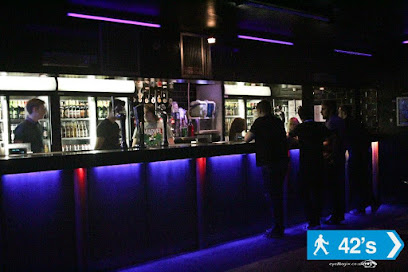
Funkademia
0.6 km
Manchester's longest-running funk and soul night pulses at Mint Lounge in the Northern Quarter—dance to electric disco until dawn in an underground haven.
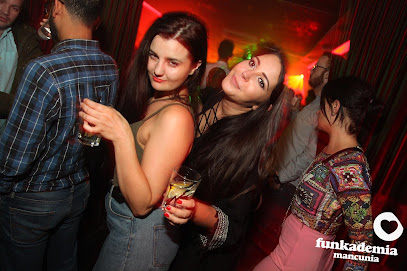
Mint Lounge
0.7 km
Experience Manchester’s Northern Quarter nightlife at Mint Lounge, a lively club with eclectic music, affordable drinks, and an inclusive vibe.
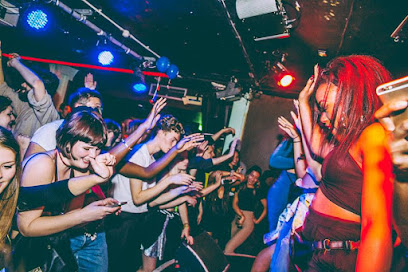
Bliss Club Manchester
0.7 km
Experience Manchester’s authentic late-night vibe at Bliss Club, where music and local energy blend into a spirited urban nightlife hub.

Aatma
0.7 km
Manchester's underground heartbeat: live beats, pizza slices, and all-night vibes in the Northern Quarter's hidden gem.
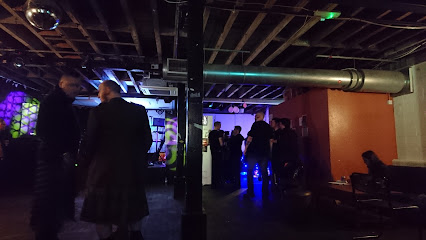
History Nightclub
0.7 km
Experience Manchester’s lively hip hop and house beats at History Nightclub, a large, energetic venue open late into the night.
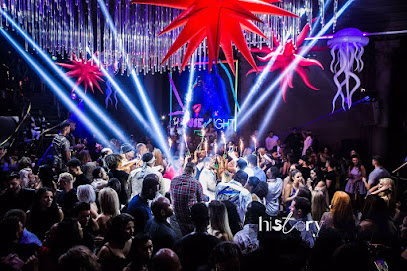
Cargo
0.7 km
Manchester's Printworks powerhouse: light-up dance floors, bottomless brunches, and non-stop beats until dawn in the city's nightlife epicenter.
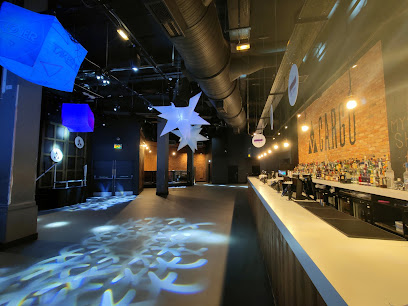
Royal Vida Night Club
0.7 km
Dive into Manchester's underground pulse at Royal Vida, where Castlefield's industrial shadows host thumping beats and endless nights from 11pm to 4am.
For the vibe & atmosphere seeker
- Scenic
- Unique
- Cultural Heritage
- Lively
- Entertaining
For the design and aesthetic lover
- Colorful Aesthetics
- Vintage Styles
- Art & Design
For the architecture buff
- Historic
- Landmarks
- Art & Design
- Heritage Neighborhoods
For the view chaser and sunset hunter
- Iconic Views
- Architectural Shots
For the social media creator & influencer
- Instagrammable
- Photo Spots
- Architectural Shots
- Colorful Backdrops
For the eco-conscious traveler
- Locally Managed
- Public-Transport Accessible
For the kind of experience you’re after
- Cultural Heritage
- Photowalk
- Day Trip
- Festival / Event Nearby
For how adventurous you want the journey to be
- Easy Access
Location Audience
- Family Friendly
- Solo Friendly
- Couple Friendly
- Senior Friendly
- Child Friendly
- Wheelchair Access


