Manchester Albert Square, Manchester Travel Guide
Discover Manchester Albert Square, a stunning Victorian civic space where history, architecture, and vibrant culture converge in the city’s heart.
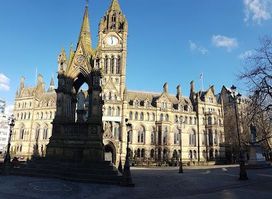
Manchester Albert Square, established in the 1860s, is a historic public square named after Prince Albert. It features iconic Victorian Gothic architecture, including the magnificent Manchester Town Hall and the ornate Albert Memorial. The square serves as a vibrant cultural hub hosting markets, festivals, and public events, embodying Manchester’s rich industrial heritage and civic pride in a lively urban setting.
A brief summary to Manchester Albert Square
- Manchester, GB
- Click to display
- Duration: 0.5 to 2 hours
- Free
-
 Outdoor
- Mobile reception: 5 out of 5

Know before you go
Hi, I'm Eve. Here are a few practical things to know before exploring Manchester Albert Square.
- Visit during the Christmas market season to experience festive stalls and lively cultural events.
- Take time to admire the detailed carvings and sculptures on the Albert Memorial and Town Hall façade.
- Explore nearby streets to see a mix of Victorian and Edwardian architecture surrounding the square.
- Check if guided tours of the Manchester Town Hall interiors are available once restoration is complete.
Do you manage this location?
Take control to get all the benefits, like improved information, better appearance, and stronger visibility across AI-powered discovery. Learn more about listing your business on Evendo
Activate your presenceOther nearby places you may find interesting
The closest places of the same kind, if this one is not quite what you had in mind.



Explore Manchester Albert Square on the Map
A handpicked selection of must-see spots near Manchester Albert Square, mapped for you.
Getting There
-
Tram
Take the Manchester Metrolink tram to St Peter’s Square stop, approximately a 10-minute walk to Albert Square. Trams run frequently with tickets costing around £3-£5 one way.
-
Bus
Several bus routes serve stops near Albert Square, including numbers 1, 2, and 3. Travel time varies from 15 to 30 minutes from Manchester Piccadilly. Single fares cost about £2.50.
-
Taxi
Taxis from central Manchester locations take 5-15 minutes depending on traffic. Expect fares between £5 and £10.
-
Walking
If staying in central Manchester, Albert Square is accessible on foot within 15-25 minutes from major hotels. The terrain is flat and pedestrian-friendly.
For the on-the-go comforts that matter to you
-
 Restrooms
-
 Drink Options
-
 Food Options
-
 Seating Areas
-
 Information Boards
Discover more about Manchester Albert Square
Origins and Historical Significance of Albert Square
Manchester Albert Square was laid out in the 1860s during the city's rapid growth in the Industrial Revolution. Named after Prince Albert, consort to Queen Victoria, the square was designed as a grand civic space reflecting Manchester’s newfound wealth and cultural importance. It quickly became a focal point for public life, hosting political rallies, celebrations, and commemorations that have shaped the city’s identity. The square’s centerpiece is the Albert Memorial, unveiled in 1867, which honors Prince Albert with a marble statue sheltered by a richly decorated Gothic canopy symbolizing Victorian ideals of progress and enlightenment.Architectural Masterpieces Surrounding the Square
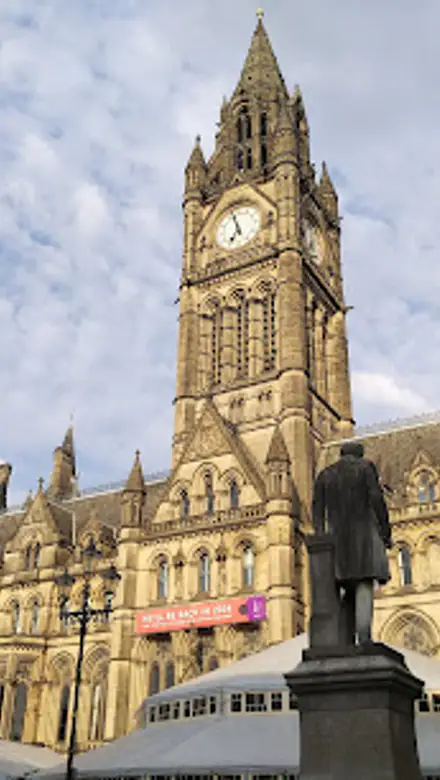
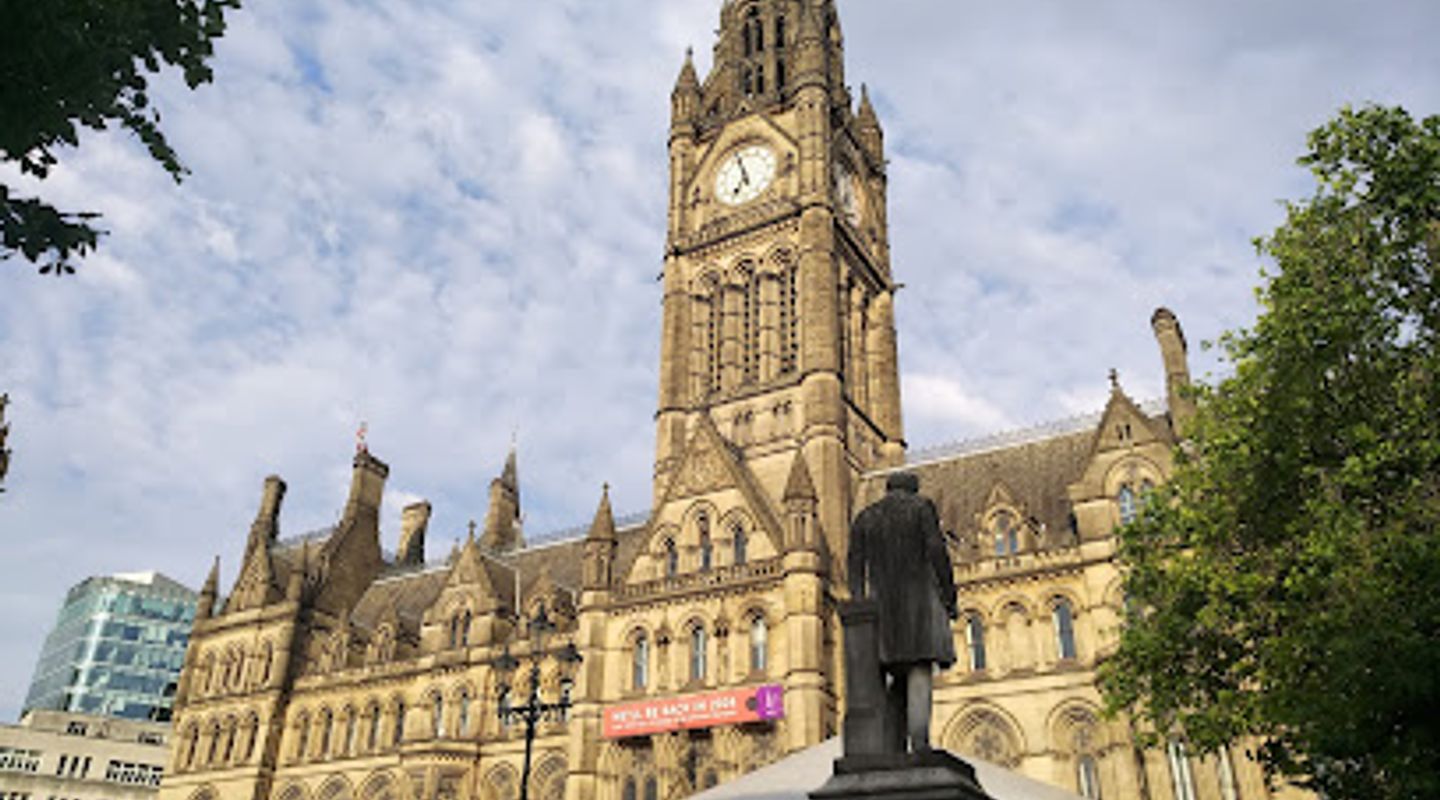
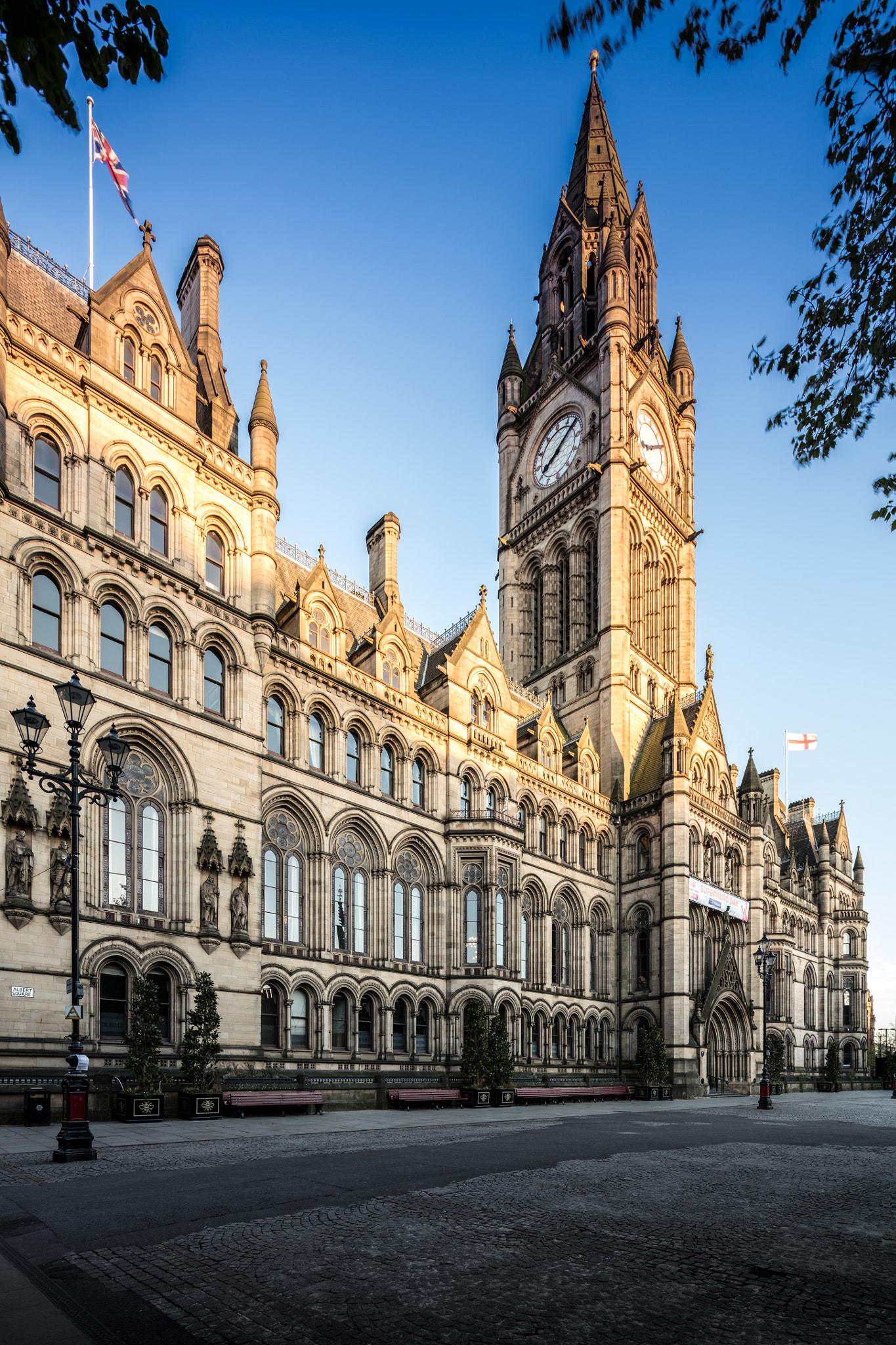
Dominating Albert Square is the Manchester Town Hall, completed in 1877 and designed by Alfred Waterhouse. This Victorian Neo-Gothic masterpiece is renowned for its soaring clock tower, intricate stone carvings, and grand ceremonial interiors including the Great Hall adorned with Ford Madox Brown’s historic murals. The Town Hall is considered one of the finest municipal buildings in the UK and a Grade I listed architectural treasure. Surrounding the square are other Victorian and Edwardian buildings with Gothic and Renaissance influences, such as St Andrew’s House and the Northern Assurance Building, creating a visually rich and historically layered environment.The Albert Memorial and Iconography
The Albert Memorial, designed by Thomas Worthington with a statue by Matthew Noble, is the largest and most distinctive monument in the square. Its ornate stone canopy features carvings representing the arts, sciences, continents, and seasons, reflecting Prince Albert’s wide-ranging interests and influence. The memorial stands as a symbol of Victorian civic pride and cultural aspiration, dwarfed only by the imposing Town Hall nearby. The square also hosts statues of notable local figures such as John Bright and Abel Heywood, linking Manchester’s industrial past with its political and social history.A Living Cultural and Social Space
Albert Square remains a vibrant hub for community life and cultural events. It regularly hosts the city’s popular Christmas markets, food festivals, art exhibitions, and public gatherings. The pedestrianized layout encourages social interaction and leisure, enhanced by tree planting and carefully maintained paving. The square’s open space and historic ambiance make it a favored venue for both celebratory events and civic demonstrations, continuing its long tradition as Manchester’s civic heart.Preservation and Modern Context
Designated a conservation area since 1972, Albert Square is protected for its architectural and historical significance. Recent developments around the square have been designed to complement rather than compete with the historic buildings, maintaining the area’s distinctive character. Restoration efforts, such as the return of the Victorian fountain for Queen Victoria’s Diamond Jubilee, underscore the commitment to preserving the square’s heritage while accommodating modern urban needs.Experiencing Albert Square Today
Visitors to Albert Square can admire the intricate Gothic details of the Albert Memorial and the grandeur of the Town Hall’s exterior. Though the Town Hall is undergoing restoration, its imposing presence dominates the square. The atmosphere combines historical reverence with contemporary urban life, offering a unique glimpse into Manchester’s Victorian legacy and its ongoing role as a cultural and civic gathering place.More to explore near Manchester Albert Square













Your all‑in‑one travel companion app
Explore expert travel guides, compare and book tours, experiences, hotels, and more—all from the palm of your hand. Download now for seamless trip planning wherever your wanderlust takes you.


Explore More of Manchester
Looking beyond Manchester Albert Square? Discover Manchester for broader travel guides, local hot-spots, and regional highlights.
Explore Manchester