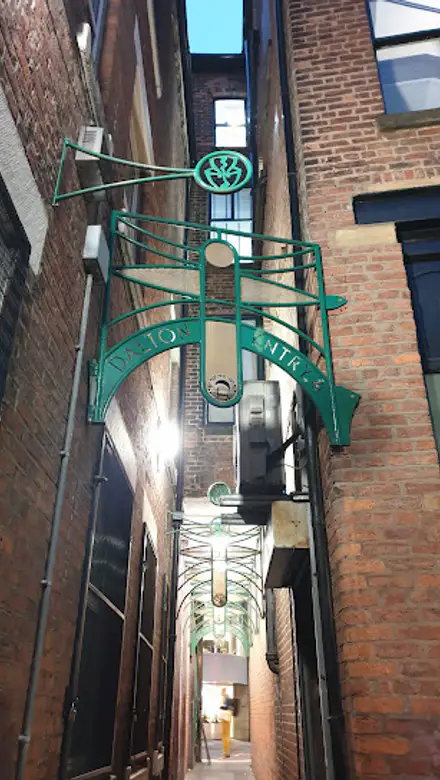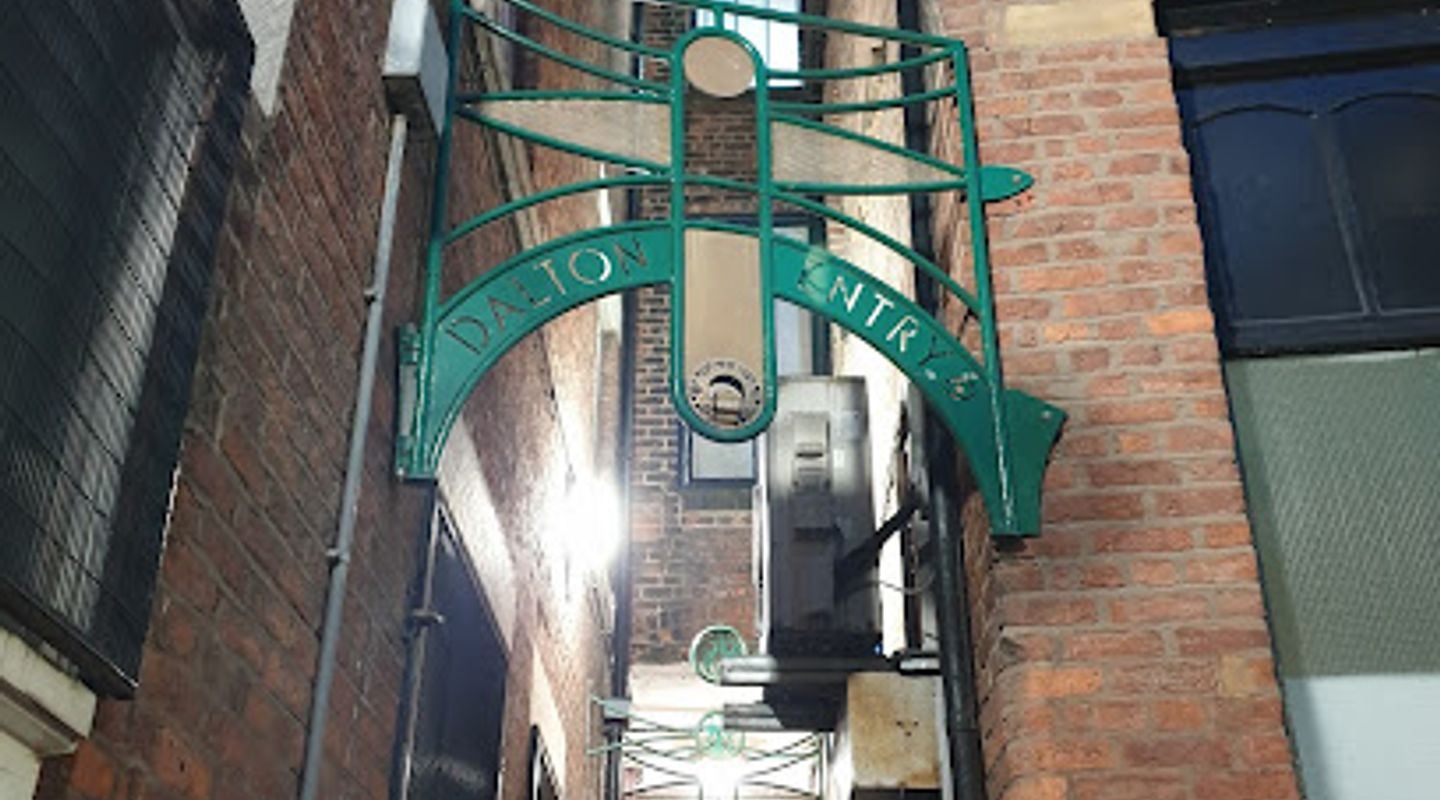
Dalton Entry, Manchester Travel Guide
Discover Dalton Entry, a hidden Manchester alley honoring John Dalton’s atomic theory and scientific legacy through art and history.
Dalton Entry is a narrow, historic passageway in Manchester city centre, named after John Dalton, the pioneering 19th-century scientist who revolutionized atomic theory. This hidden alley near John Dalton Street and the Arndale Centre features artistic metalwork celebrating Dalton’s contributions to chemistry and meteorology, offering a unique glimpse into Manchester’s rich scientific heritage and Victorian urban fabric.
A brief summary to Dalton Entry
- Unnamed Road, Manchester, Manchester, M2 6LE, GB
- Duration: 0.25 to 1 hours
- Free
-
 Outdoor
- Mobile reception: 4 out of 5

Know before you go
Hi, I'm Eve. Here are a few practical things to know before exploring Dalton Entry.
- Visit during daylight hours to fully appreciate the intricate metalwork and sculptures.
- Combine your visit with nearby landmarks like John Rylands Library and St. Mary’s Roman Catholic Church.
- Wear comfortable shoes as the passageway is narrow and may have uneven surfaces.
- Look for the sculptures representing the classical elements at the alley’s end, symbolizing Dalton’s scientific impact.
Do you manage this location?
Take control to get all the benefits, like improved information, better appearance, and stronger visibility across AI-powered discovery. Learn more about listing your business on Evendo
Activate your presenceOther nearby places you may find interesting
The closest places of the same kind, if this one is not quite what you had in mind.


Explore Dalton Entry on the Map
A handpicked selection of must-see spots near Dalton Entry, mapped for you.
Getting There
-
Metrolink Tram
From Manchester Piccadilly Station, take the Metrolink tram towards Victoria or Deansgate-Castlefield, then walk approximately 8-12 minutes to Dalton Entry. Trams run frequently with tickets costing around £3-£5.
-
Bus
Several bus routes serve the Deansgate area near John Dalton Street, including services from Manchester Coach Station. Travel time is about 10-15 minutes depending on traffic, with single fares around £2-£3.
-
Walking
Dalton Entry is accessible on foot from Manchester city centre landmarks like Albert Square or the Arndale Centre within 5-10 minutes. The terrain is urban pavement but the passageway is narrow and may not be suitable for wheelchairs.
For the on-the-go comforts that matter to you
-
 Information Boards
Discover more about Dalton Entry
A Tribute to a Scientific Pioneer
Dalton Entry is a discreet yet significant passageway in central Manchester, dedicated to John Dalton, a renowned chemist, physicist, and meteorologist of the 19th century. Dalton’s groundbreaking atomic theory, which proposed that matter is composed of indivisible atoms and that chemical reactions involve the rearrangement of these atoms, marked a turning point in scientific understanding. His work not only put Manchester on the map as a centre of innovation but also influenced fields such as colorblindness research and weather forecasting.The Passageway’s Historical and Urban Context
Nestled off John Dalton Street, Dalton Entry runs parallel to St. Mary's Roman Catholic Church and is close to landmarks like John Rylands Library and the Arndale Centre. This narrow lane, also known as Mulberry Passage or Five Parts Alley, reflects the Victorian-era urban fabric of Manchester, where hidden alleys and ginnels threaded through the city centre. The name “Five Parts Alley” references the five principles of Dalton’s atomic theory, symbolically linking the physical space to his scientific legacy.Artistic Commemoration in Metalwork
Though some related installations like Boardman’s Entry have been dismantled, Dalton Entry still showcases artistic metalwork inspired by chemical apparatus, created by local artists in 1988. These subtle details celebrate Dalton’s scientific achievements and offer visitors a tactile connection to his legacy. Sculptures representing the classical elements—air, water, earth, and fire—stand at the alley’s end, symbolizing the transition from ancient alchemical beliefs to modern atomic science.Dalton Entry’s Role in Manchester’s Cultural Fabric
Dalton Entry is more than a passageway; it is a cultural landmark that embodies Manchester’s identity as a city of science and industry. It invites exploration of the city’s lesser-known historic routes and hidden corners, connecting visitors to stories of Victorian innovation and urban life. The alley’s proximity to other historic sites enriches a walking experience through Manchester’s layered history.Experiencing Dalton Entry Today
Today, Dalton Entry offers a quiet, intriguing detour from the bustling city streets. Its compact size and hidden nature make it a unique spot for those interested in history, science, and urban exploration. The passageway’s modest scale contrasts with the grand narratives of Dalton’s discoveries, providing an intimate setting to reflect on the impact of one man’s ideas on the world.Legacy and Commemoration
In 2016, Manchester celebrated the 250th anniversary of John Dalton’s birth with a blue plaque and various honors, reaffirming his importance to the city. Dalton Entry stands as a physical reminder of his enduring influence, encouraging visitors to appreciate the intersection of science, history, and place in Manchester’s story.












Your all‑in‑one travel companion app
Explore expert travel guides, compare and book tours, experiences, hotels, and more—all from the palm of your hand. Download now for seamless trip planning wherever your wanderlust takes you.


Explore More of Manchester
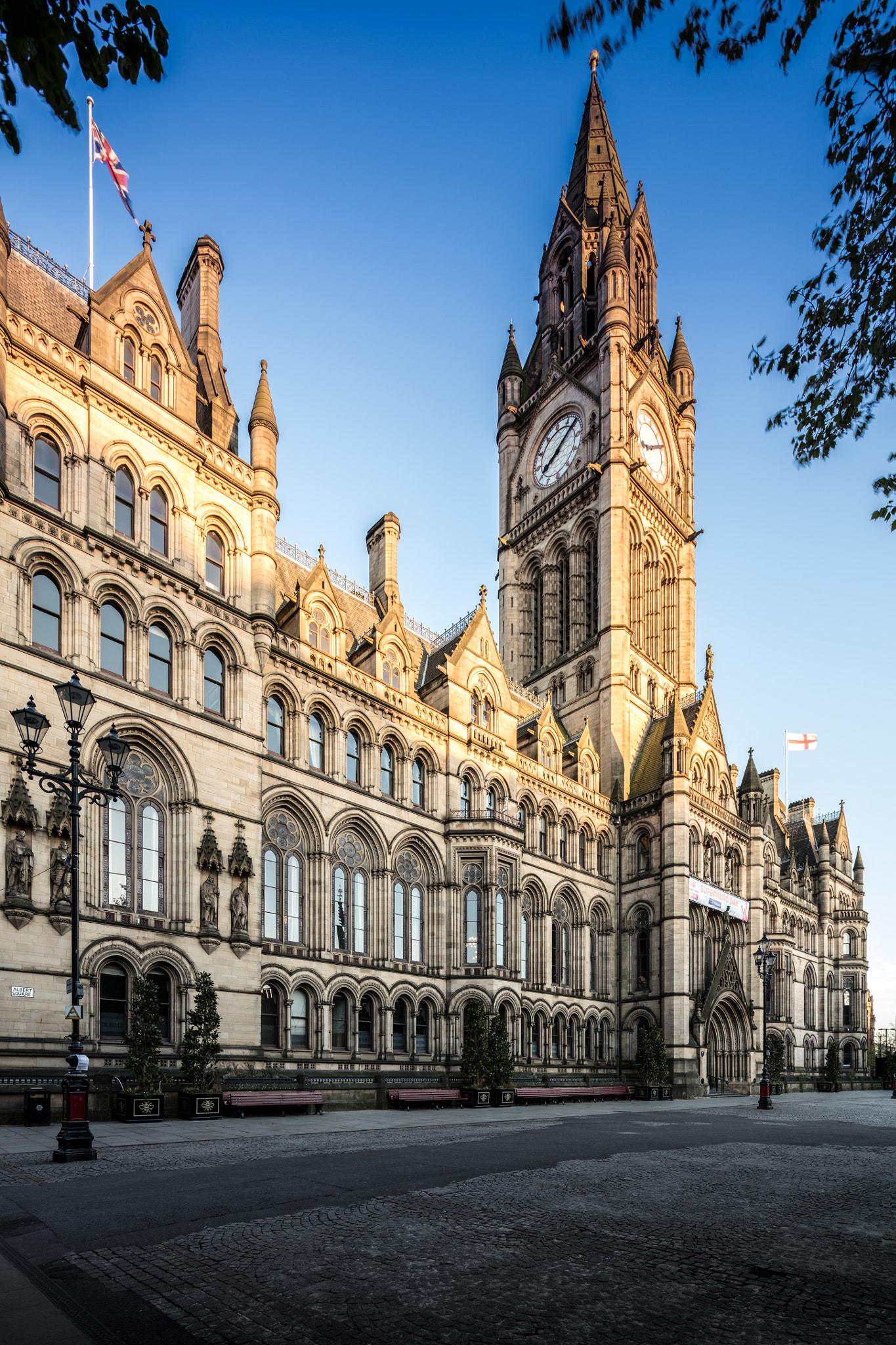
Looking beyond Dalton Entry? Discover Manchester for broader travel guides, local hot-spots, and regional highlights.
Explore Manchester
A powerful bronze memorial at Manchester Piccadilly honoring WWI veterans blinded in battle, symbolizing resilience and solidarity at eye level.
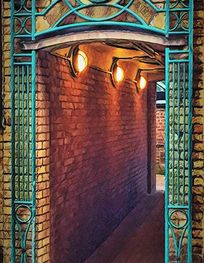
Discover Mulberry Passage, a hidden Manchester alleyway celebrating John Dalton’s atomic theory through captivating art and historic charm.