
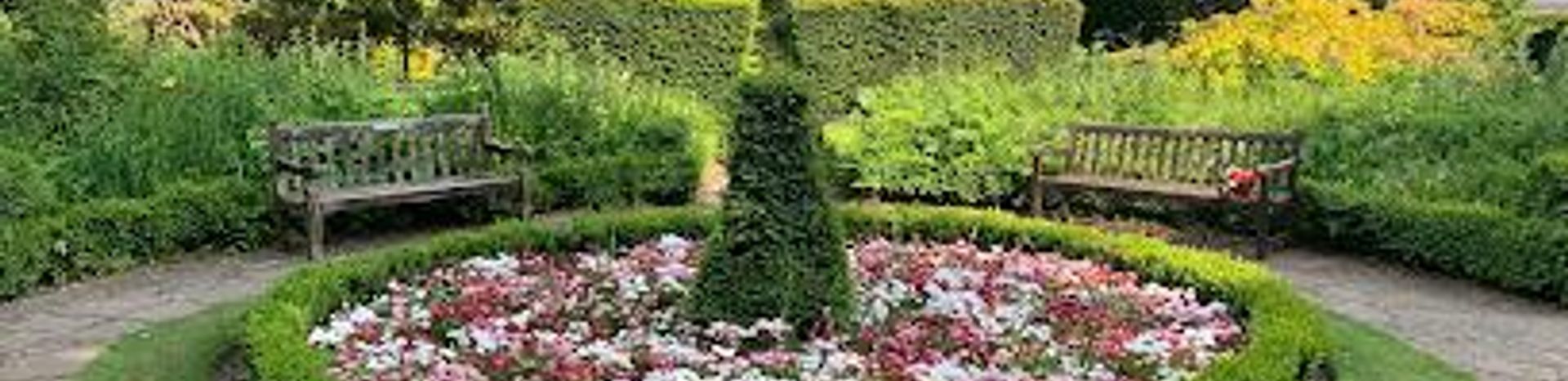
Calderstones Park and Mansion House, Liverpool
A historic Liverpool park blending ancient mysteries, Georgian elegance, botanical beauty, and vibrant cultural life in a tranquil urban setting.
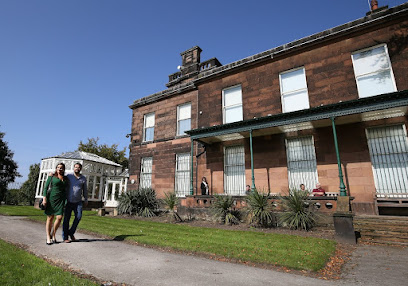
Calderstones Park is a sprawling 126-acre public park in Liverpool's Allerton area, centered around the historic Calderstones Mansion House, a restrained neo-classical mansion built in 1828. The park features ancient landmarks like the Neolithic Calder Stones and the 1,000-year-old Allerton Oak, alongside botanical gardens, playgrounds, and a restored outdoor Art Deco theatre. The Mansion House now serves as The Reader’s International Centre for Shared Reading, blending literature, wellbeing, and local heritage in a beautifully preserved setting.
A brief summary to Calderstones Park
- Calderstones Mansion House, Calderstones Rd, Liverpool, L18 3JB, GB
- +441512333000
- Duration: 1 to 4 hours
- Free
-
 Outdoor
- Mobile reception: 4 out of 5
- Monday 12 am-12 am
- Tuesday 12 am-12 am
- Wednesday 12 am-12 am
- Thursday 12 am-12 am
- Friday 12 am-12 am
- Saturday 12 am-12 am
- Sunday 12 am-12 am
Local tips
- Visit the Calderstones Story exhibition inside the Mansion House to explore 5,000 years of local history through interactive displays.
- Don’t miss the Allerton Oak, a thousand-year-old tree supported by props, with a fascinating legend tied to local medieval courts.
- Check the schedule for performances at the restored Garden Theatre for a unique open-air cultural experience.
- Explore the Storybarn, a family-friendly attraction with storytelling sessions and an ice cream parlour, perfect for children.
- Take time to enjoy the botanical garden areas and peaceful walking paths throughout the park’s 126 acres.

For the on-the-go comforts that matter to you
- Restrooms
- Drink Options
- Food Options
- Seating Areas
- Information Boards
Getting There
-
Bus
Take Liverpool City Line buses 61 or 62 from Liverpool city centre, with a journey time of approximately 25 to 35 minutes. Services run frequently throughout the day, and a standard single fare costs around £2.50. The nearest stop is Calderstones Park, a short walk from the Mansion House. Note that services may be less frequent on Sundays.
-
Train and Walk
Use the Merseyrail train to Mossley Hill station from Liverpool Lime Street, a 10-minute journey. From Mossley Hill, it is a 20-minute walk through residential areas to Calderstones Park. The train fare is approximately £3.50 single. Walking paths are paved but include some gentle slopes.
-
Car
Driving from central Liverpool takes about 15 to 25 minutes depending on traffic. Calderstones Park has limited free parking near the Mansion House, but spaces can fill up on weekends. The roads around the park are residential, so parking restrictions apply; plan accordingly.
Calderstones Park location weather suitability
-
 Any Weather
-
 Rain / Wet Weather
-
 Clear Skies
-
 Mild Temperatures
-
 Windy Conditions
Discover more about Calderstones Park
A Noble Beginning and Architectural Heritage
Calderstones Mansion House was constructed in 1828 for Joseph Need Walker, a local lead shot manufacturer, embodying a restrained neo-classical Georgian style with ashlar stonework. Originally set within 93 acres of parkland, the mansion and its extensive stables and coachhouse reflect the wealth and tastes of Liverpool’s mercantile elite in the 19th century. In 1875, the estate was acquired by Charles MacIver, co-founder of the Cunard Line, before being bequeathed to Liverpool Corporation in 1902 and transformed into a public park. The mansion has served various roles including council offices, a tea-room, and an event venue, and since 2019 has been revitalized as The Reader’s International Centre for Shared Reading, dedicated to literature and wellbeing.Ancient Mysteries: The Calder Stones and Allerton Oak
At the heart of Calderstones Park lie the Calder Stones, a remarkable collection of six sandstone megaliths dating back some 5,000 years to the Neolithic era. These intricately carved stones were originally part of a prehistoric burial chamber, making them among Liverpool’s oldest known monuments. The stones have inspired local myths and scholarly debate, with theories about their ceremonial and astronomical significance. Nearby stands the venerable Allerton Oak, estimated to be around 1,000 years old, historically linked to the local Hundred Court and supported today by props to preserve its legacy after damage from a 19th-century explosion.Botanical Treasures and Garden Theatre
The park also includes a botanical garden established post-World War II, inspired by Liverpool’s historic botanic traditions. Although the original glasshouses closed in the 1980s, the garden’s legacy continues with cultivated plant collections and themed garden areas such as a Japanese garden and bog garden. Behind the Mansion House, the Garden Theatre, built in the 1940s in an Art Deco style, hosts open-air performances and community events. Recently restored with lottery funding, it preserves a rich cultural heritage of wartime entertainment and local arts.The Reader Charity and Cultural Revival
Since 2013, The Reader charity has been the steward of Calderstones Mansion House, transforming it into a unique centre that promotes shared reading and community wellbeing. Alongside the Mansion, The Reader developed the Storybarn, a children’s attraction featuring interactive storytelling and an ice cream parlour. Their restoration work also includes the preservation and exhibition of the Calder Stones, offering visitors an immersive experience of Liverpool’s ancient history through interactive displays and heritage volunteers.Natural Beauty and Recreational Appeal
Calderstones Park is a verdant urban oasis offering a mix of woodland, ponds, open lawns, and family-friendly amenities. It provides playgrounds, picnic areas, and walking paths, making it a popular destination for leisure and relaxation. The park’s blend of natural features, historical landmarks, and cultural venues creates a tranquil yet lively atmosphere cherished by locals and visitors alike.Legacy and Community Connection
The park’s history is deeply intertwined with Liverpool’s broader narrative, including links to the city’s maritime heritage and complex past involving the transatlantic trade. Ongoing research and community engagement aim to deepen understanding of these connections. Calderstones Park remains a place where history, nature, and culture converge, offering a rich and layered experience that reflects Liverpool’s evolving identity.Iconic landmarks you can’t miss

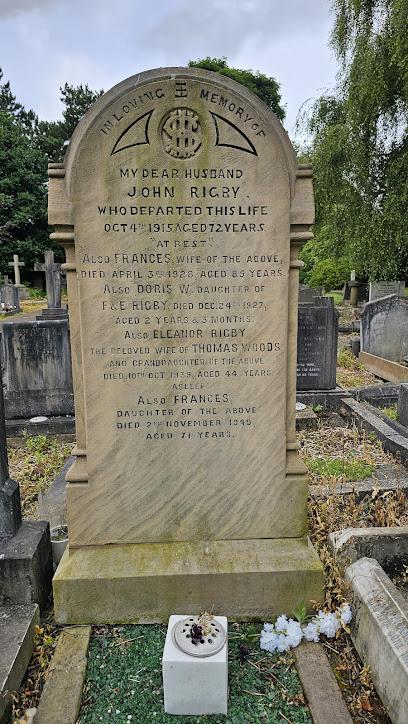
Eleanor Rigby Gravesite
1.8 km
Visit the poignant gravesite of Eleanor Rigby, the real-life inspiration behind The Beatles’ haunting song, nestled in historic Woolton churchyard.
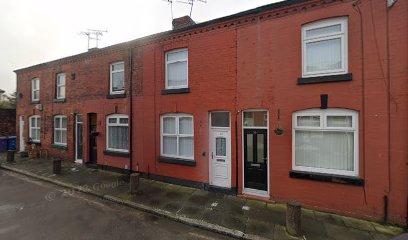
12 Arnold Grove
2.5 km
The humble Victorian birthplace of George Harrison, where The Beatles' quiet genius began his extraordinary journey.
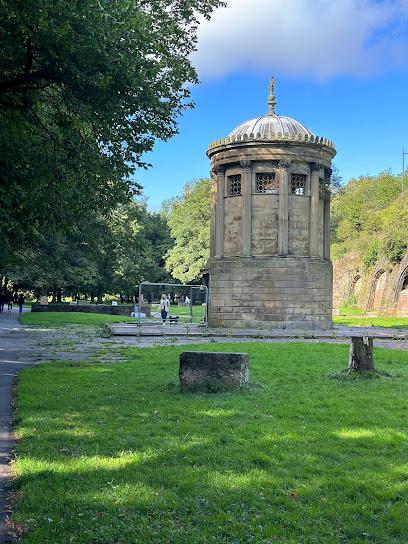
Huskisson Memorial
5.5 km
A solemn mausoleum in Liverpool honoring William Huskisson, the first prominent victim of a railway accident and a figure of complex historical legacy.
Red Brick Market Liverpool
5.6 km
Discover the eclectic charm of Red Brick Market in Liverpool, a hub for local crafts, delicious street food, and vibrant community events.
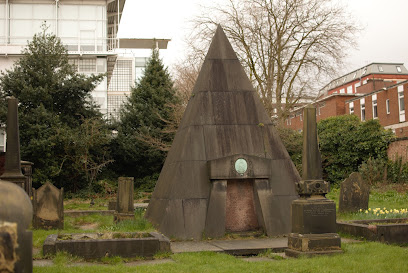
William MacKenzie's Tomb
5.7 km
Explore the tranquil beauty and historical significance of William MacKenzie's Tomb in Liverpool, a must-visit destination for history and nature lovers.
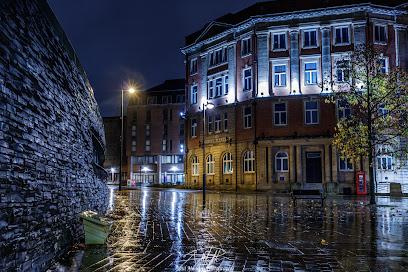
Mount Pleasant
5.7 km
Explore the heart of Liverpool, a city rich in maritime history, vibrant culture, and the legendary birthplace of The Beatles.
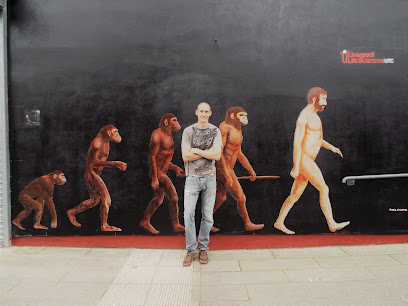
Evolution of Man Mural by Paul Curtis
5.8 km
Discover the Evolution of Man Mural in Liverpool, a stunning street art piece that captures the journey of humanity through vibrant colors and intricate details.
The Christmace Truce Memorial Statue - St Luke's Church
5.8 km
A powerful tribute to the 1914 Christmas Truce, set within Liverpool’s evocative Bombed Out Church, symbolizing peace and unity amid war.
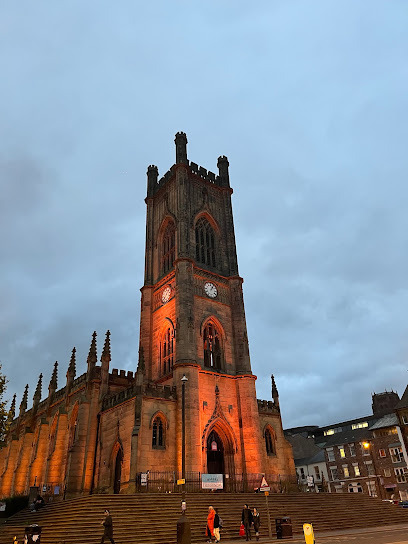
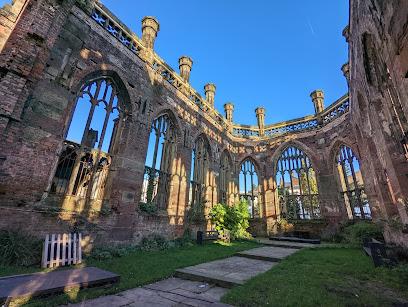
St Luke’s Bombed Out Church
5.8 km
A roofless Gothic memorial where wartime tragedy transformed into cultural renaissance and timeless celebration.
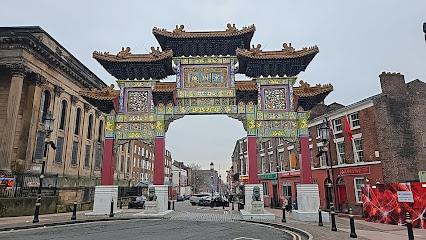
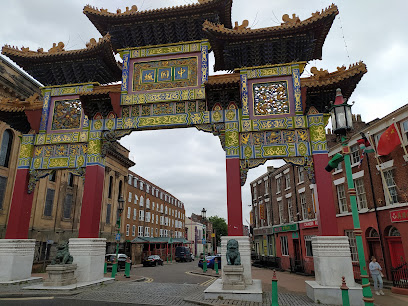
Chinese Arch
5.8 km
Europe’s tallest Chinese ceremonial arch, a vibrant gateway to Liverpool’s historic Chinatown and symbol of enduring cultural ties with Shanghai.
Quirky Quarter
5.9 km
Explore Quirky Quarter, Liverpool's vibrant hub of creativity, art, and culture, perfect for a unique tourist experience.
For All Liverpool's Liver Birds (Wings) by Paul Curtis
6.0 km
Explore the vibrant artwork 'For All Liverpool's Liver Birds (Wings)' by Paul Curtis, a celebration of Liverpool's maritime heritage and cultural identity.
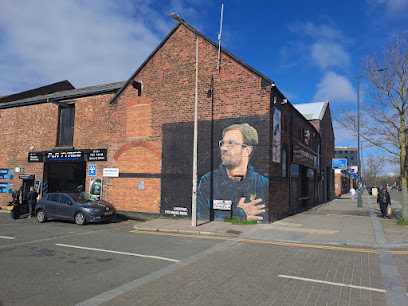
Wade Smith Mural by Paul Curtis
6.1 km
Explore the Wade Smith Mural by Paul Curtis in Liverpool, a vibrant expression of art reflecting the city's dynamic culture and heritage.
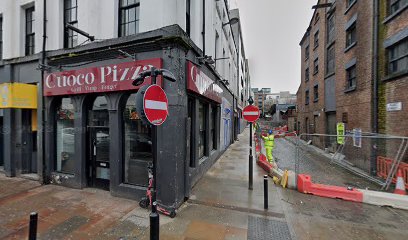
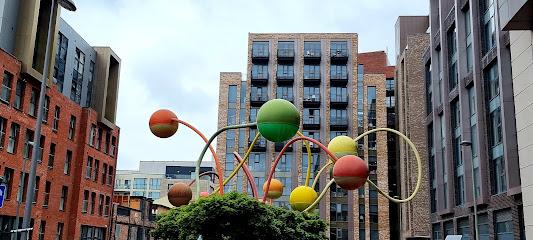
Wolstenholme Square
6.3 km
A historic Georgian square reborn through art and regeneration, crowned by a vibrant public sculpture.
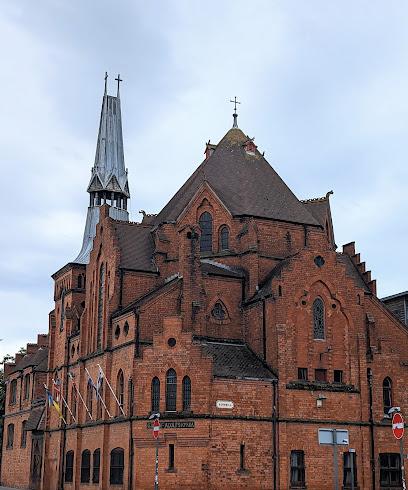
Nordic Church and Cultural Centre
6.3 km
Discover the beauty and cultural richness of the Gustav Adolf Scandinavian Church in Liverpool, a serene hub celebrating Nordic traditions.
Unmissable attractions to see

Strawberry Field
0.7 km
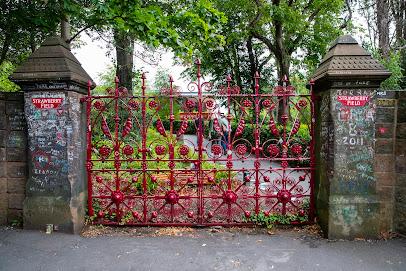
Explore the legendary Strawberry Field in Liverpool—John Lennon’s childhood sanctuary, Beatles heritage site, and vibrant community centre with gardens, café, and exhibition.
251 Menlove Avenue - John Lennon home
1.0 km
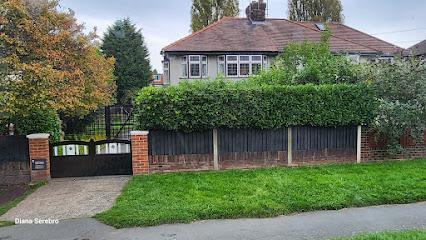
Explore the restored 1950s childhood home of John Lennon in Liverpool, where the Beatles’ legend began and history still resonates.
St Barnabas Penny Lane
1.6 km
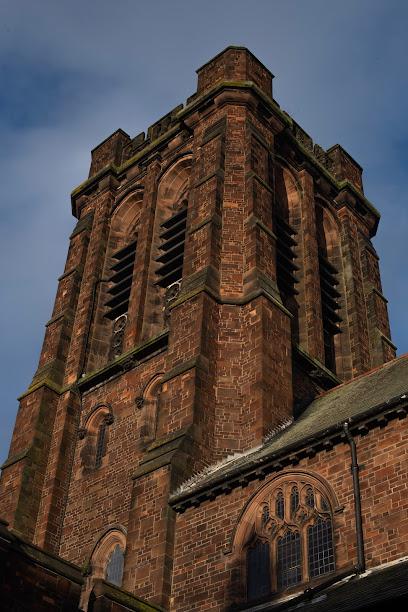
Discover the enchanting St Barnabas Penny Lane in Liverpool, a vibrant church and live music venue rich with history and cultural significance.
The Penny Lane
1.6 km
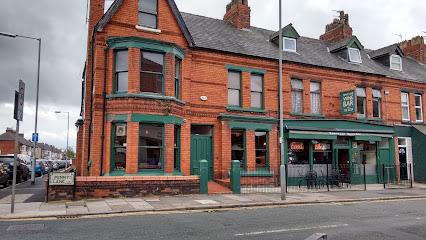
Explore the legendary Penny Lane in Liverpool, a cultural gem featuring delightful pubs, historic charm, and a rich connection to The Beatles.
The Penny Lane Shopping Centre
1.7 km
A vibrant community shopping centre in Liverpool’s L15, offering diverse stores, accessibility, and extended hours for a convenient retail experience.
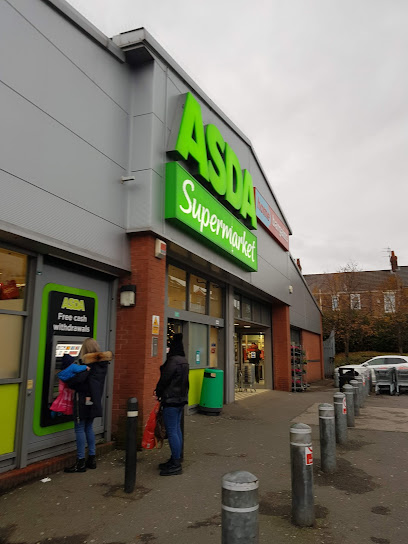
St Peter's Church
1.8 km
Historic 18th-century Church of England parish church in Liverpool, a landmark of architectural variety and community heritage.
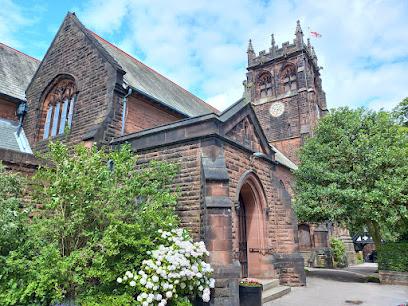
Penny Ln
1.8 km
Explore Penny Lane, Liverpool’s legendary street immortalized by The Beatles, where music history and local charm converge in a timeless tribute.
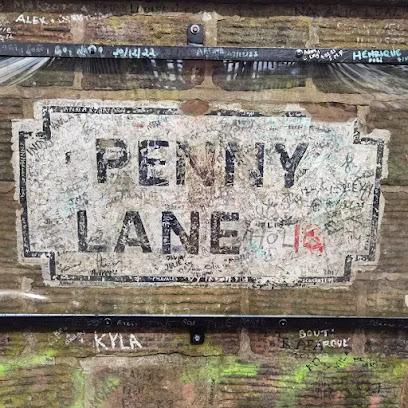
Woolton Village
2.0 km
Historic Woolton Village blends medieval roots, Victorian charm, and Beatles heritage in a tranquil Liverpool suburb.
Sudley House
2.0 km
Discover Sudley House, Liverpool’s hidden Victorian gem with original art masterpieces and tranquil gardens in a historic merchant’s home.
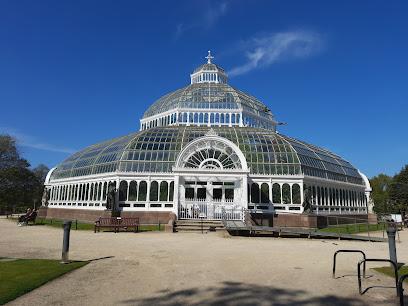
Sefton Park Palm House
2.7 km
Step into Liverpool’s Victorian treasure, Sefton Park Palm House, where exotic plants and rich history bloom beneath a soaring glass dome.
Sefton Park
2.9 km
Explore Sefton Park’s vast Victorian landscapes, iconic Palm House, serene lake, and rich cultural heritage in the heart of Liverpool.
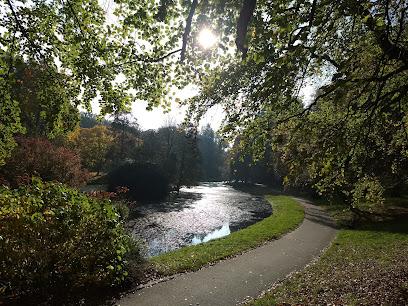
Wavertree Botanic Gardens
4.1 km
Discover Liverpool’s historic green oasis with stunning cherry blossoms, tranquil gardens, and family-friendly spaces open year-round.
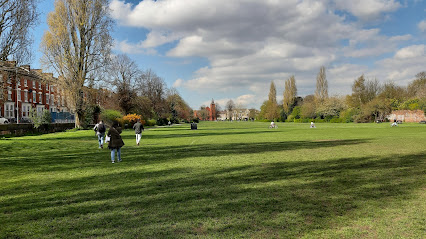
Princes Park
4.2 km
A historic Victorian park in Liverpool with serene lake views, vibrant sports facilities, and family-friendly playgrounds nestled in elegant surroundings.
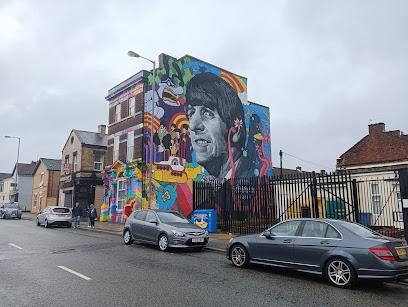
Ringo Starr Mural
4.5 km
A vibrant, large-scale mural celebrating Ringo Starr’s Liverpool roots and musical legacy in the heart of Toxteth.
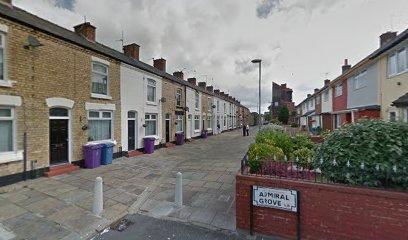
10 Admiral Grove
4.5 km
Explore the modest Victorian home where Ringo Starr grew up, a cornerstone of Beatles history nestled in Liverpool’s vibrant Toxteth district.
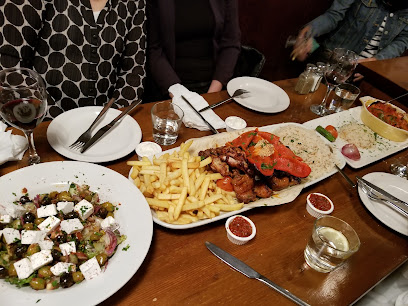
Essential places to dine

Gustum Bar & Restaurant
1.4 km
A vibrant grill and Mediterranean restaurant on Liverpool’s Rose Lane, blending bold flavors with warm hospitality in a lively urban setting.
Spire
1.6 km
Modern European dining with seasonal creativity and a plush, welcoming atmosphere in Liverpool’s vibrant Wavertree district.
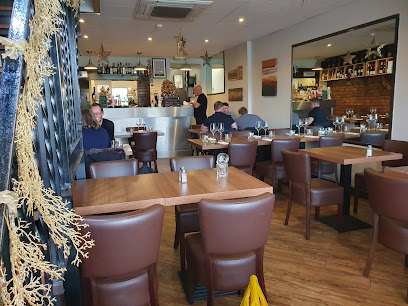
5 Fifty Bistro
2.5 km
A cozy, intimate bistro on Aigburth Road serving refined European-inspired dishes in a warm, welcoming setting.
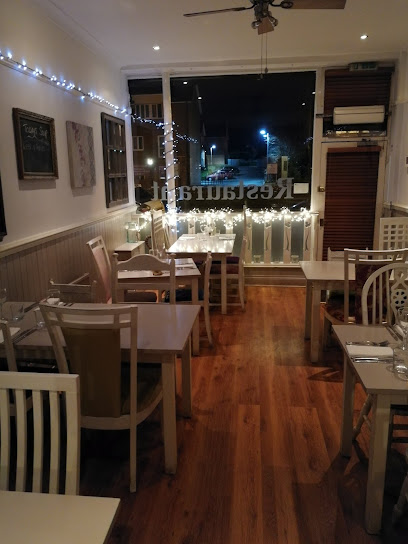
Belzan
2.8 km
A lively Liverpool bistro blending seasonal British small plates, natural wines, and warm hospitality in a vibrant neighbourhood setting.
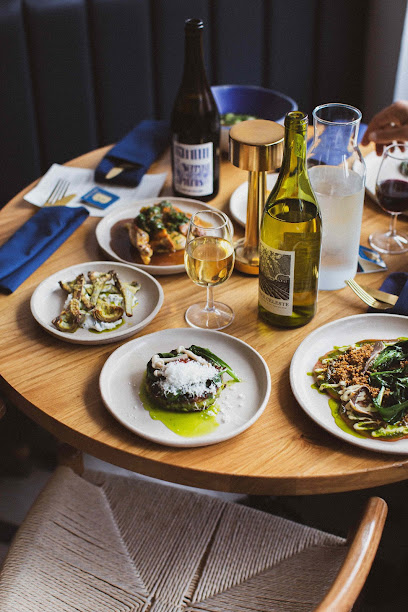
The Art School Restaurant
5.4 km
Elegant fine dining in a stunning Victorian setting near Hope Street, blending local ingredients with artistic culinary flair.
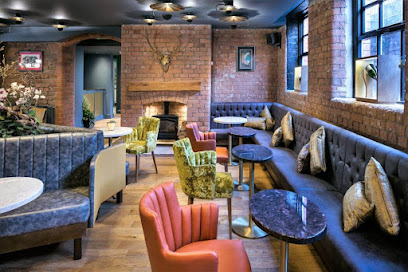
The Quarter
5.5 km
Vibrant Mediterranean dining with fresh Italian flavours in Liverpool’s historic Georgian Quarter, open daily till late.
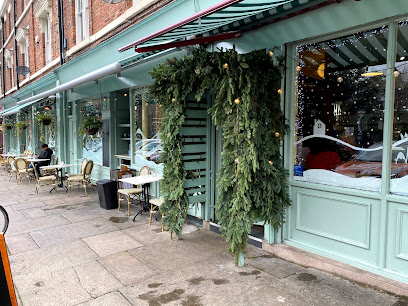
The London Carriage Works
5.5 km
Historic elegance meets refined British cuisine in Liverpool’s boutique Hope Street Hotel dining gem.
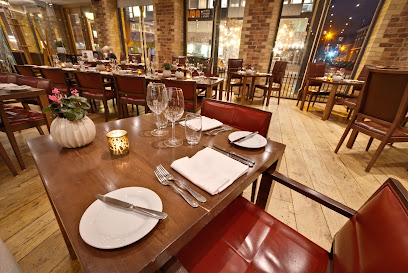
Roski Restaurant
5.8 km
An intimate Modern British dining experience in Liverpool, blending MasterChef-winning creativity with seasonal elegance and warm hospitality.
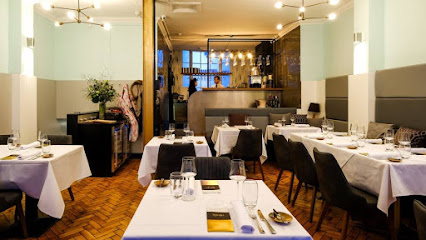
Chamber 36 City Centre
5.8 km
Discover vibrant Pan-Asian flavors and crafted cocktails in a serene, stylish setting at Liverpool’s Chamber 36 City Centre.
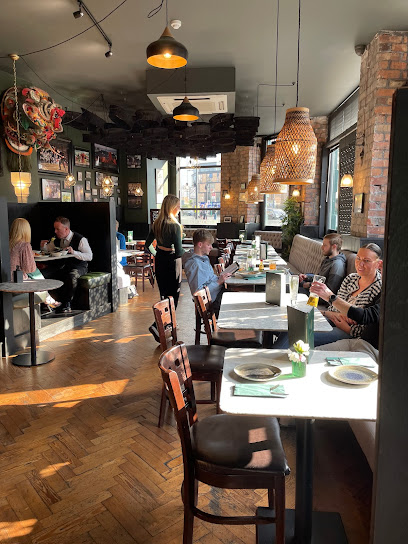
Cowshed Liverpool
5.9 km
A cozy, intimate steakhouse in Liverpool’s city centre, serving expertly cooked beef with attentive service and a unique historic setting.
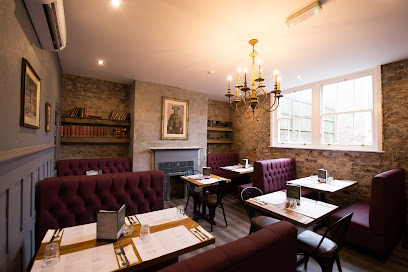
Camp and Furnace
5.9 km
Industrial charm meets vibrant nightlife at Camp and Furnace, Liverpool’s premier restaurant, bar, and live events venue.
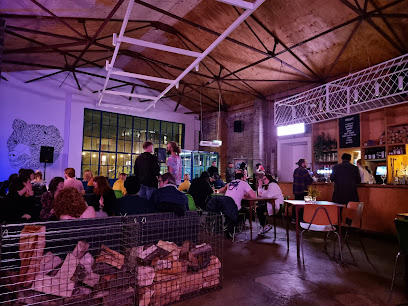
Restaurants Liverpool
5.9 km
Authentic Italian cuisine meets Liverpool’s creative Baltic Triangle in a stylish, welcoming setting perfect for casual daytime dining.
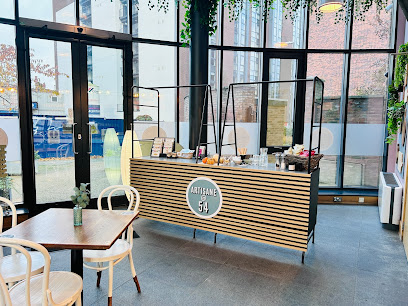
Maray Bold Street
6.0 km
Discover vibrant Mediterranean and Middle Eastern small plates with bold flavours and plant-based options in the heart of Liverpool’s Bold Street.
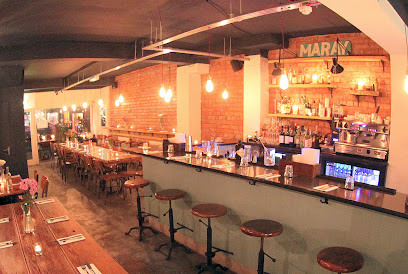
MumsKitchen Liverpool
6.0 km
Savor the essence of Liverpool at MumsKitchen—where fresh ingredients meet flavorful takeaway meals.
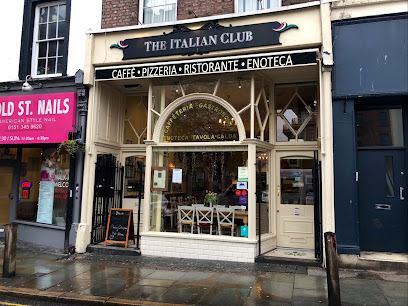
The Italian Club
6.0 km
Experience authentic Italian flavors and warm hospitality in the heart of Liverpool’s Bold Street at The Italian Club.
Markets, malls and hidden boutiques

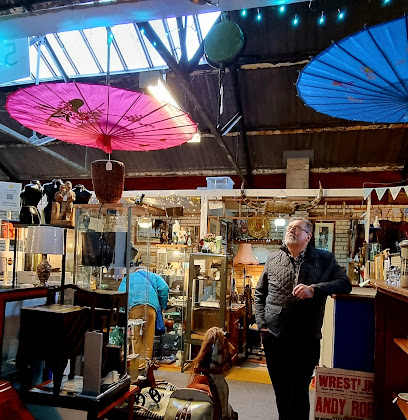
Penny Lane Emporium
1.8 km
Discover unique vintage treasures and antiques in a warm, nostalgic setting at Liverpool’s Penny Lane Emporium.
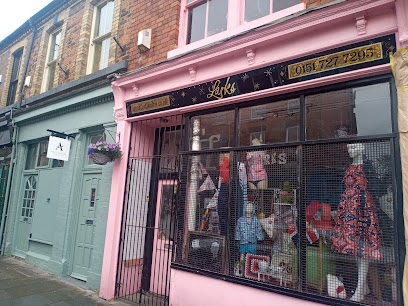
Larks
3.5 km
Discover unique vintage fashion, gifts, and homeware in a vibrant, bohemian shop nestled in Liverpool’s iconic Lark Lane.
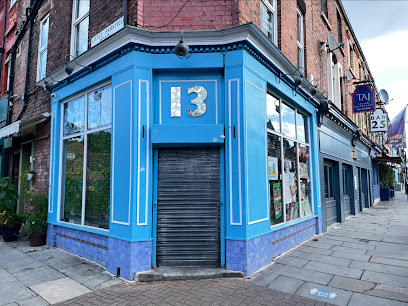
Number 13
3.5 km
Discover unique gifts and local charm at Number 13, a welcoming boutique on Liverpool’s vibrant Lark Lane.
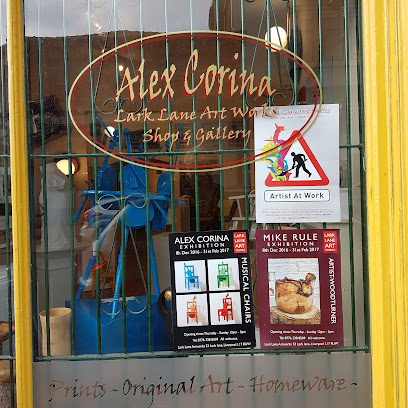
Lark Lane Gallery
3.5 km
Discover unique gifts and local art in the heart of Liverpool’s bohemian Lark Lane at Lark Lane Gallery.
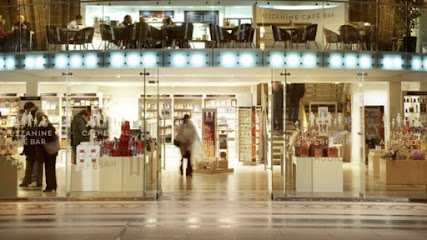
Liverpool Cathedral Shop
5.6 km
Discover unique gifts and spiritual treasures at Liverpool Cathedral Shop, supporting heritage and community within Britain’s largest cathedral.
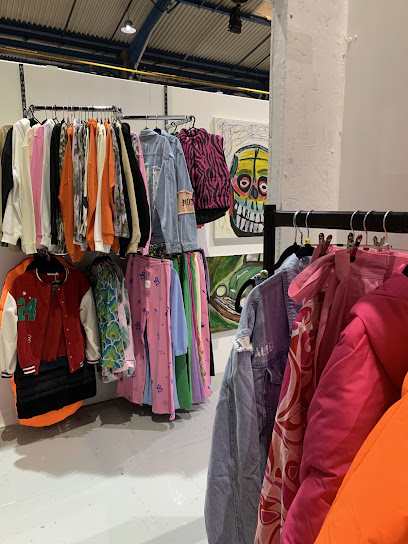
Unique Fashion Boutique
5.7 km
Discover exclusive ladies' fashion and accessories in a cozy Liverpool boutique known for personalized style and unique collections.
Ingraved Alternative Gift Store
5.7 km
Discover unique, handcrafted gifts and art in Liverpool’s vibrant Red Brick Market at Ingraved Alternative Gift Store.
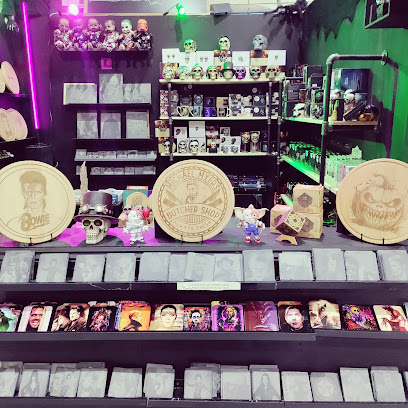
The Liverpool Crystal Shop
5.7 km
Discover shimmering crystals and healing gems in Liverpool's edgy Red Brick Market, where Baltic Triangle creativity meets earth's ancient energies.
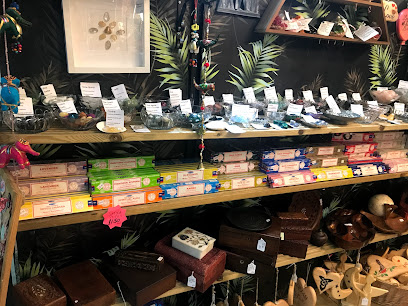
Gift Insanity
5.9 km
Discover Liverpool’s most delightful gift shop, where quirky and unique treasures await every occasion on St James Street.
69A
5.9 km
Discover unique antiques and vintage treasures in Liverpool’s vibrant Renshaw Street at 69A, where history meets style.
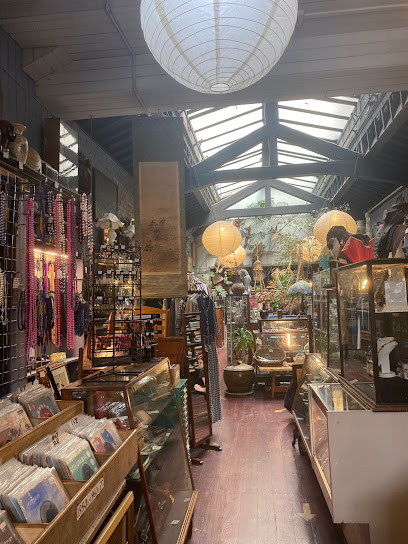
Pop Boutique
6.0 km
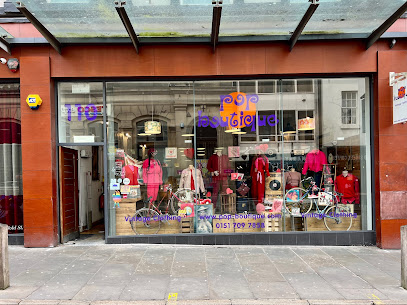
Explore Pop Boutique in Liverpool for unique vintage clothing treasures that reflect timeless style and local creativity.
The Hippy Hole
6.0 km
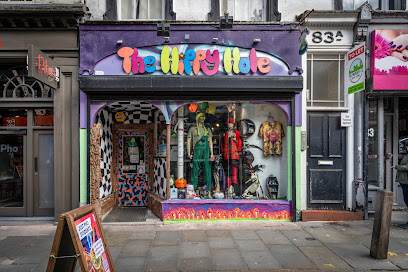
Discover handmade tie-dye fashion and bohemian treasures bursting with color and spirit on Liverpool’s vibrant Bold Street.
Albert Dock Mini Market (previously named Hajaj General Super Store)
6.0 km
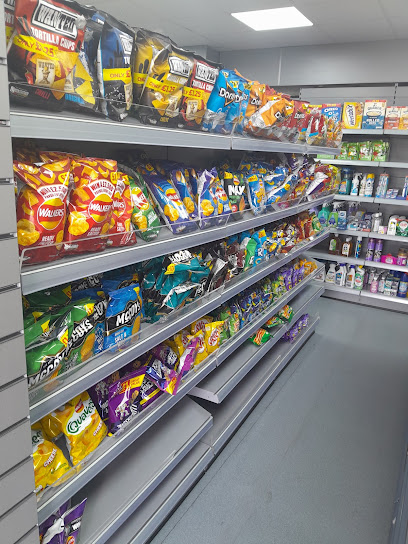
Discover local flavors and convenience at Albert Dock Mini Market, the heart of Liverpool’s grocery shopping, offering a vibrant selection for every traveler.
Shared Earth
6.0 km
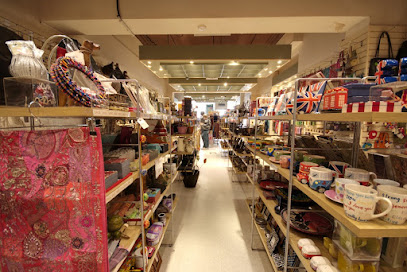
Discover unique, sustainable gifts at Shared Earth, Liverpool’s hub for fair trade treasures and ethical craftsmanship.
Utility Gift Store
6.0 km
Quirky gifts and unique designs on Liverpool's Bold Street – your indie haven for Moomin magic, scented candles, and cards that say it best. Dog-friendly delight.
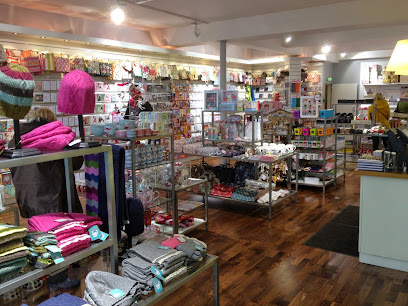
Essential bars & hidden hideouts

The Font
5.5 km
A lively Liverpool bar famed for cheap cocktails, homemade burgers, and a welcoming atmosphere since 2001.
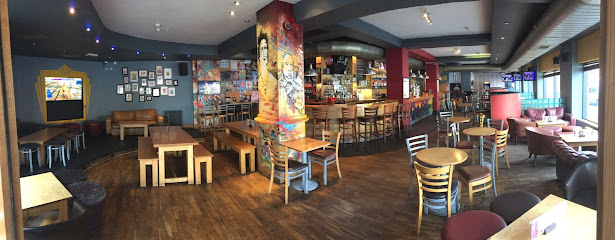
The Pen Factory
5.5 km
Industrial-chic bistro bar on Liverpool’s Hope Street with seasonal small plates, lively atmosphere, and a popular beer garden.
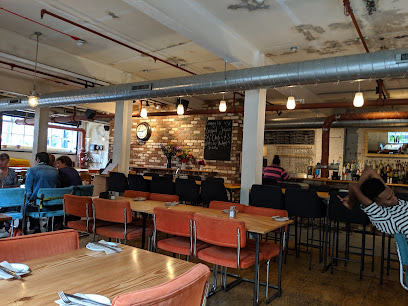
Liverpool Arts Bar
5.6 km
A vibrant creative hub in a historic Masonic Hall, blending local art, live performances, and crafted drinks on Liverpool’s iconic Hope Street.
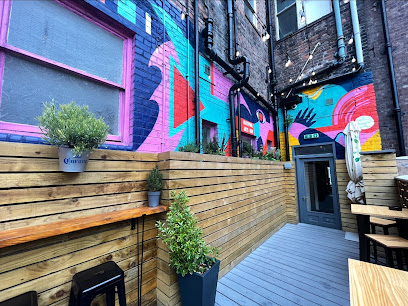
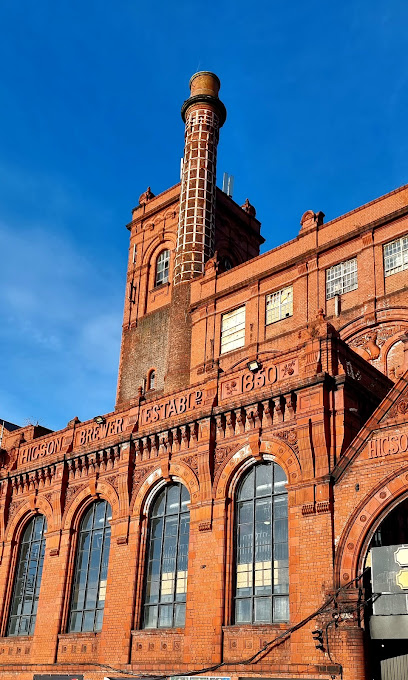
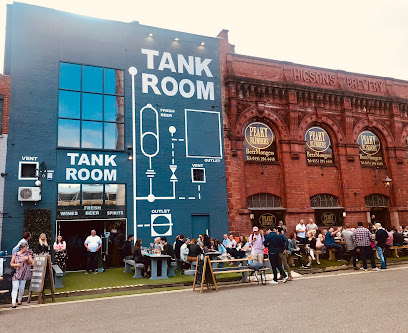
The Tank Room
5.7 km
Liverpool's ruin bar in a fermentation tank: tank-fresh beers, live music, cocktails, and industrial quirk in Cains Brewery Village.
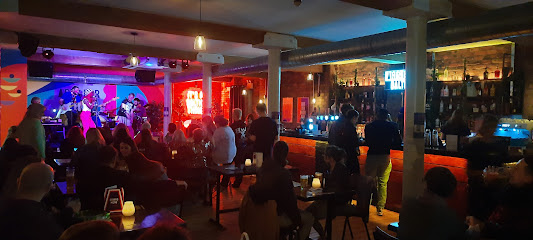
Arts Bar Baltic
5.8 km
A studio‑style café by day and intimate music-and-art bar by night in Liverpool’s Baltic Triangle.
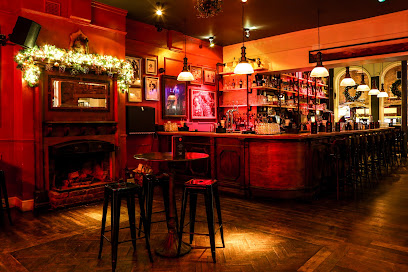
Red Door
5.8 km
A lively cocktail bar on Berry Street offering expertly crafted drinks, vibrant music, and a buzzing rooftop atmosphere in the heart of Liverpool.
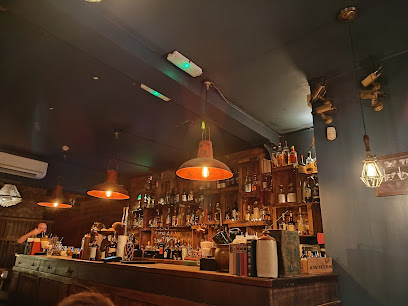
Berry and Rye
5.9 km
Knock to uncover Liverpool's speakeasy soul: jazz-infused cocktails, whiskey whispers, and Prohibition magic behind Berry Street's black door.
Botanical Garden
5.9 km
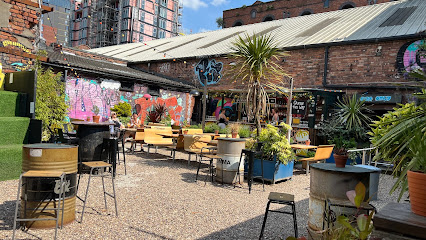
A plant‑filled, seasonal outdoor bar in the Baltic Triangle specialising in gin, street food and relaxed live music under festoon lights.
The Oracle
5.9 km
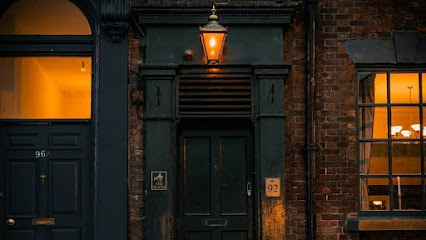
Liverpool's secret speakeasy where cocktails meet close-up magic—buzz in for illusions, tarot, and vintage vibes that defy reality.
Salt Dog Slim's
5.9 km
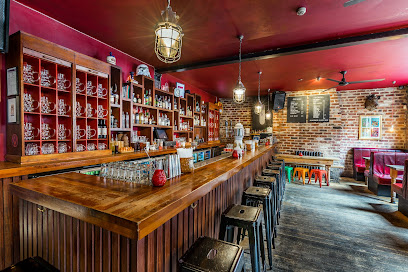
Liverpool's dive bar legend: world beers, fiery cocktails, chili dogs, and secret speakeasy vibes on Seel Street.
Bar Bodega
6.0 km
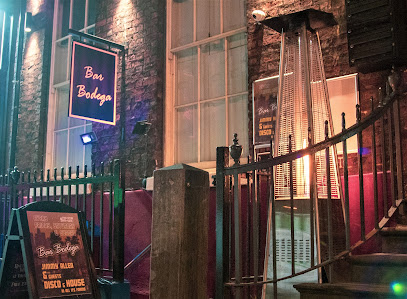
Liverpool's underground disco den: Ibizan house beats in a brick cellar nightclub, pulsing late into the night with cocktails and private party vibes.
Yard
6.0 km
Container bar buzz in Liverpool's creative Baltic Triangle – craft drinks, street art vibes, and industrial cool await.
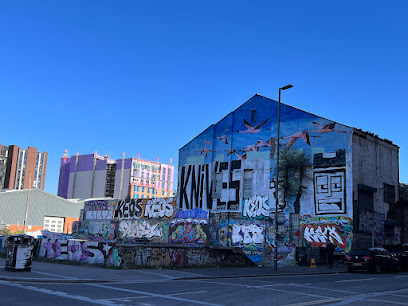
Hobo Kiosk
6.0 km
Liverpool's tiniest, quirkiest pub: vintage chaos, craft pours, and community vibes in the Baltic Triangle's creative heart.
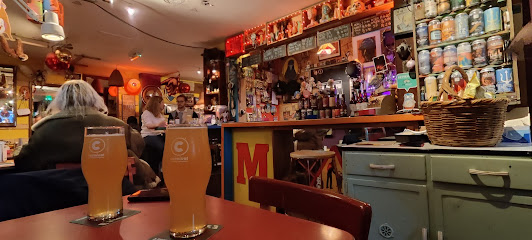
The Duck and Swagger
6.0 km
Cozy Baltic Triangle pub serving hearty scouse, all-day brekkies, and local ales in multi-roomed splendor—Liverpool's welcoming hidden gem.
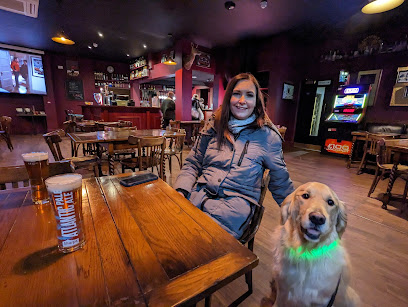
MOLOKO
6.1 km
A music-led cocktail bar in the Old Stables with a beer garden, late DJs and an over-25s disco energy for evening socialising.
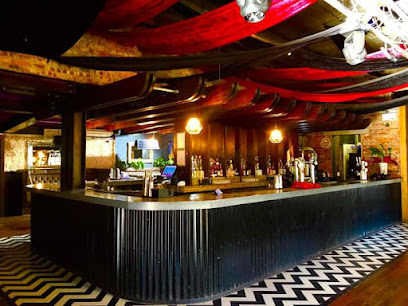
Nightclubs & after hour spots

The Blue Angel Nightclub
5.9 km
Liverpool's dingy dive for 60s rock legends, dirt-cheap drinks, and sweaty throwback dances—where The Beatles once rocked and students still rage till dawn.
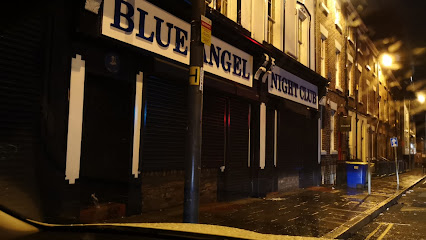
Cool It
6.0 km
A multi-level, student-friendly nightclub on Seel Street offering loud DJ nights, bargain entry and packed late‑night dancefloors.
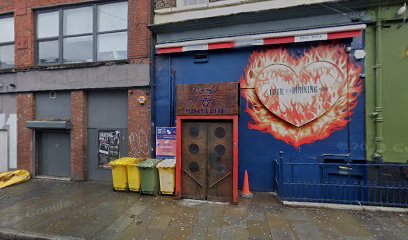
Pure Nightlounge
6.0 km
Liverpool’s boutique R&B nightspot with VIP booths, tight dancefloor energy and a late-night, fashion-forward vibe.
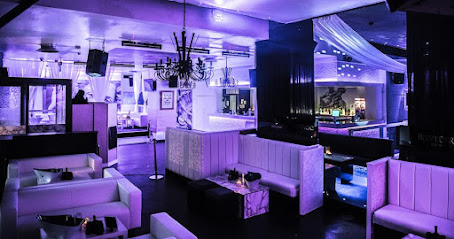
Heebie Jeebies
6.0 km
Liverpool's eclectic nightlife heart: multi-level bar, live music basement, courtyard hangs, and anthemic nights until dawn on Seel Street.
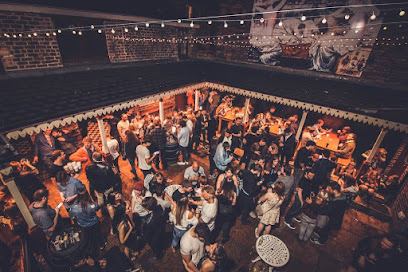
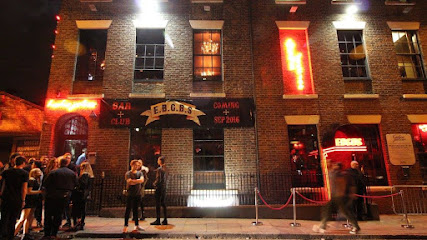
EBGBS
6.0 km
Liverpool's gritty basement nightclub where live indie gigs, craft cocktails, and underground vibes fuel epic nights until 4am in the heart of Seel Street.
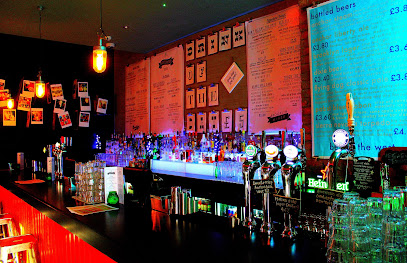
BrooklynMixer
6.0 km
Liverpool's original R&B haven on Seel Street: three floors of hip-hop beats, craft cocktails, leather lounges, and private party vibes from dusk till dawn.
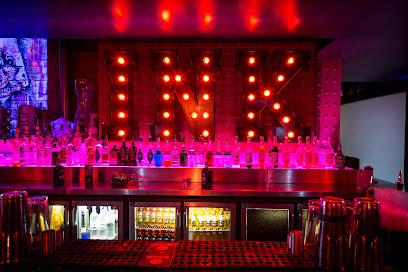
Ink Bar Liverpool
6.1 km
Liverpool's premier R&B and house nightclub, where stylish cocktails, thumping beats, and luxury vibes fuel unforgettable nights on Wood Street.
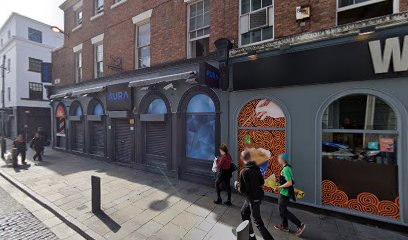
Aura
6.1 km
Dive into Liverpool's pulsating beats at Aura Nightclub, where Afrobeats and R&B fuel intimate, high-energy nights in Ropewalks' vibrant core.
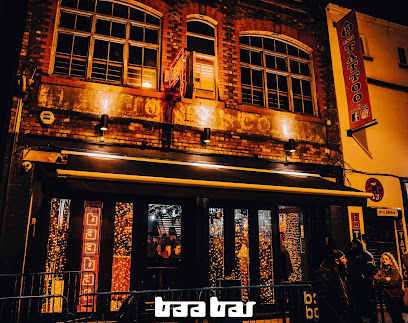
Baa Bar Liverpool
6.1 km
Two floors of house and R&B beats, £2 shooters, and courtyard vibes in Liverpool's nightlife epicenter—perfect for students and party-hoppers alike.
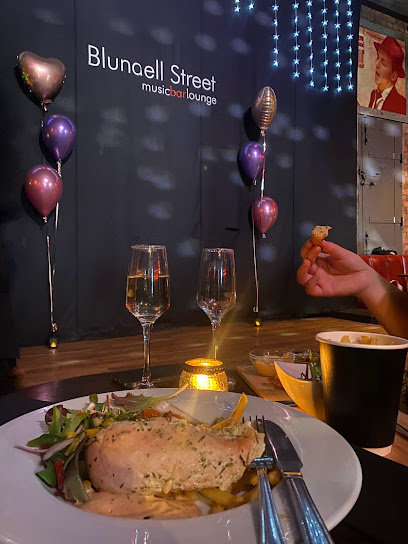
Supper Club at Blundell Street
6.2 km
Liverpool's ultimate supper club: fuel up on hearty meals, then dance the night away to drag shows, tributes, and non-stop hits near Echo Arena.
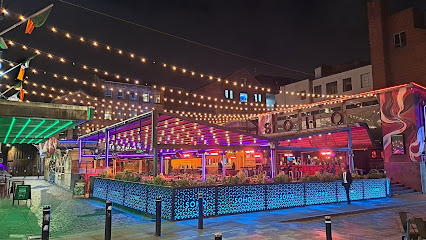
Concert Square Bars And Clubs Liverpool
6.2 km
Discover the energetic nightlife of Liverpool at Concert Square Bars and Clubs, where diverse bars and clubs create an unforgettable experience.
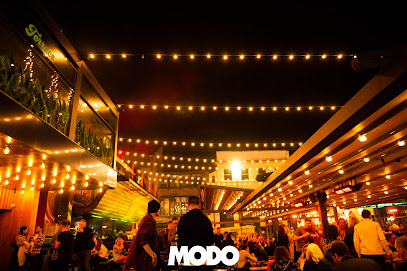
Modo, Liverpool
6.2 km
Liverpool's Concert Square legend: multi-room nightclub with cocktails, sports screens, heated terrace, and epic party spaces for every vibe.
LEVEL Nightclub Liverpool
6.3 km
Liverpool’s expansive multi-floor nightclub offering diverse music, VIP areas, and a buzzing party atmosphere in the heart of Ropewalks.
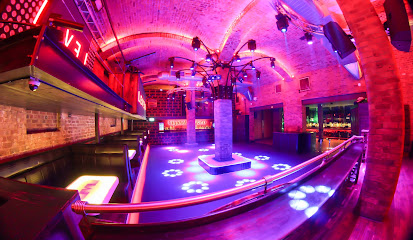
ELECTRIK WAREHOUSE
6.3 km
Liverpool's multi-floor warehouse nightclub: three dance floors of dance, RnB, indie, and chart hits in quirky industrial surrounds, open Thu-Sat till 4am.
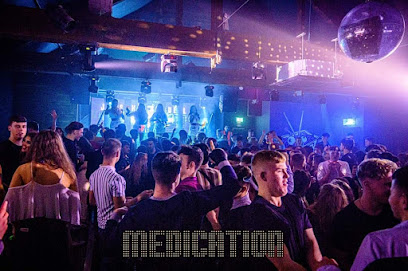
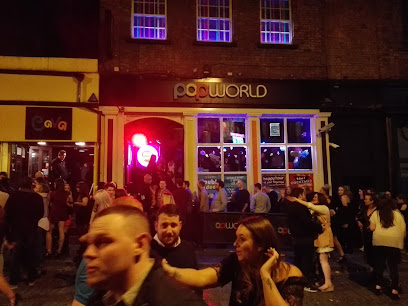
Popworld - Liverpool
6.4 km
Liverpool's ultimate cheesy pop haven: 90s bangers, cheap drinks, and dance-'til-dawn vibes in the heart of Ropewalks.
For the vibe & atmosphere seeker
- Relaxing
- Tranquil
- Scenic
- Fun-filled
- Unique
For the design and aesthetic lover
- Vintage Styles
- Art Deco Styles
- Rustic Designs
For the architecture buff
- Historic
- Landmarks
- Parks & Gardens
- Heritage Neighborhoods
For the view chaser and sunset hunter
- Iconic Views
- Panoramas
- Sunset Spots
For the social media creator & influencer
- Instagrammable
- Photo Spots
- Selfie Spots
- Architectural Shots
For the eco-conscious traveler
- Public-Transport Accessible
- Locally Managed
- Protected Area
- Leave-No-Trace Critical
For the kind of experience you’re after
- Cultural Heritage
- Photowalk
- Nature Escape
- Day Trip
- Weekend Getaway
- Festival / Event Nearby
For how adventurous you want the journey to be
- Easy Access
Location Audience
- Family Friendly
- Senior Friendly
- Child Friendly
- Teen Friendly
- Wheelchair Access
- Pet Friendly
- Solo Friendly
- Couple Friendly
- Vegetarian Friendly
- Vegan Friendly


