Pope's Grotto Travel Guide
Free Guide: Explore Alexander Pope’s enchanting 18th-century grotto, a sparkling mineral museum and poetic sanctuary on the banks of the Thames in Twickenham.


A brief summary of Pope's Grotto
Explore Alexander Pope’s enchanting 18th-century grotto, a sparkling mineral museum and poetic sanctuary on the banks of the Thames in Twickenham.
Alexander Pope's Grotto in Twickenham is the last surviving part of the poet’s 1720 villa, a unique subterranean chamber adorned with minerals and geological specimens from across the world. This Grade II* listed heritage site embodies the birth of the English Landscape Garden Movement and offers a rare glimpse into 18th-century culture, literature, and garden design. Restored recently, it invites visitors to explore its historic chambers and reflect on Pope’s poetic legacy.
On-site amenities
 Restrooms
 Information boards
 Seating areas
- Address
- Radnor House Independent School, 21 Cross Deep, Twickenham TW1 4QG
- Website
Getting there
Public Transport
Car
Walking
Discover more about Pope's Grotto
A Poetic Vision Carved in Stone
Alexander Pope, one of the foremost English poets of the early 18th century, established his villa and gardens in Twickenham in 1719. The villa itself was demolished in 1808, but the grotto remains as the sole surviving element of this historic estate. Conceived as a classical nymphaeum—a decorative imitation of a natural cave—the grotto was designed as a museum of geology and a contemplative retreat. Pope, who suffered lifelong health issues and was largely self-educated, filled the grotto with an extraordinary collection of minerals and stones sourced from England and abroad, including rare specimens from Peru, Egypt, Cornwall, and the Giant's Causeway in Ireland.
Architectural and Natural Wonders Intertwined
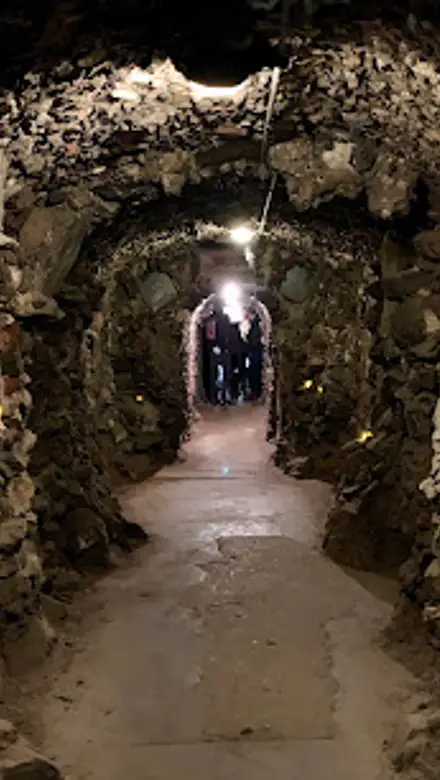
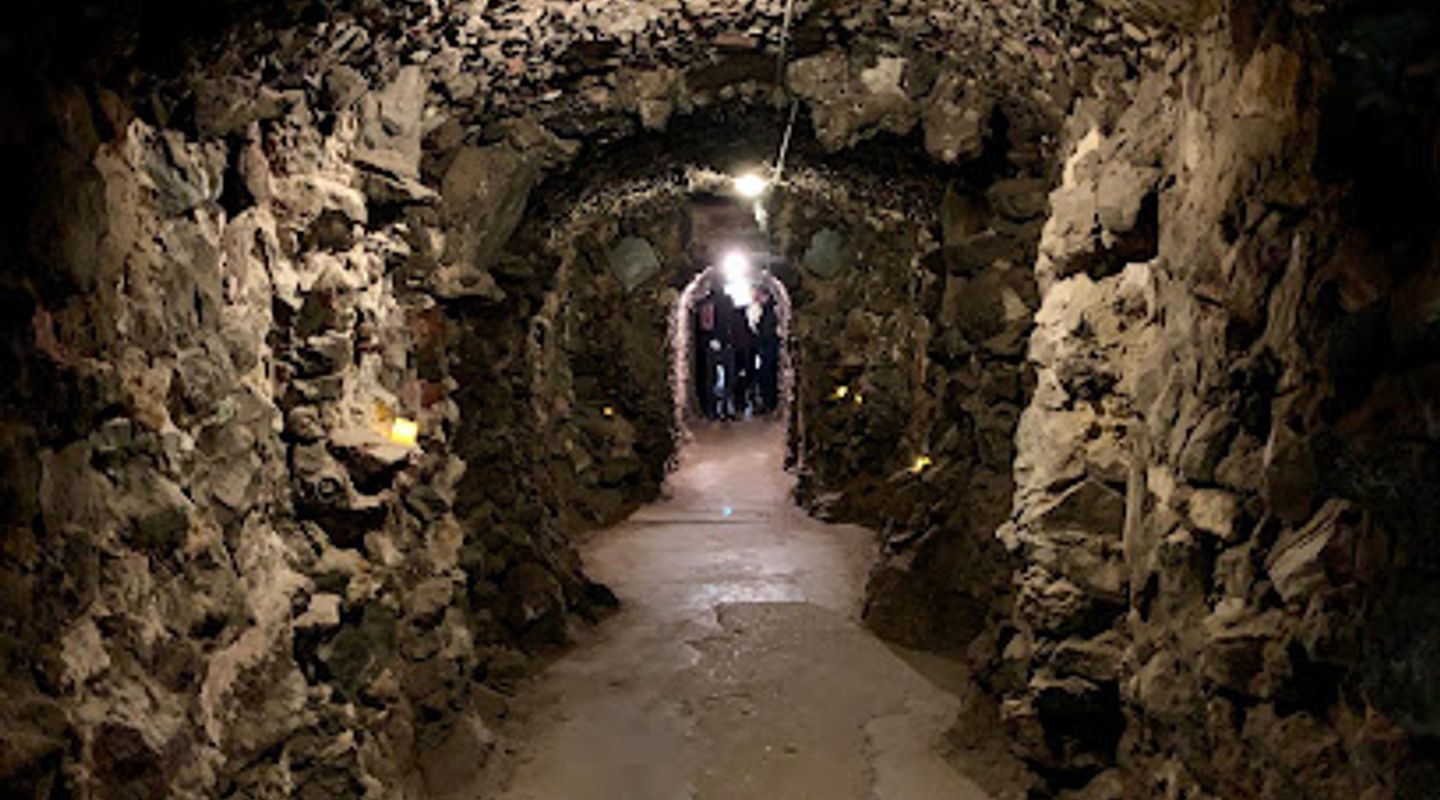
The grotto’s design cleverly integrates natural and man-made elements. Its chambers are encrusted with colorful ores, crystals, stalactites, and fossils, arranged in geological layers. Water features, reflective surfaces, and views towards the River Thames enhance the sensory experience, creating a sparkling, almost magical atmosphere reminiscent of candlelight and river reflections from Pope’s era. The grotto was connected by a subterranean tunnel to the villa’s gardens, symbolizing a harmonious relationship between art, nature, and science.
Historical Significance and Cultural Impact
Pope’s Grotto is recognized as a seminal site in British cultural history and the English Landscape Garden Movement. It inspired admiration and imitation in the 18th century and remains a symbol of the period’s exploration of man’s relationship with nature. The grotto attracted notable visitors such as Samuel Johnson and Jonathan Swift and was celebrated in poetry and art, including works by J.M.W. Turner. Despite the villa’s demolition, the grotto’s enduring presence preserves Pope’s legacy as a poet, garden designer, and early geologist enthusiast.
Conservation and Public Engagement
After decades of deterioration and inappropriate repairs, a major conservation project was completed in 2024, supported by Historic England, the National Lottery Heritage Fund, and other organizations. The restoration included stabilizing the mineral encrustations, removing cement mortar, uncovering historic brickwork, and installing subtle LED lighting to replicate original effects. The Pope’s Grotto Preservation Trust now opens the grotto regularly to the public, offering educational tours and events that celebrate its history and significance.
Visitor Experience and Atmosphere
Visitors today can explore the grotto’s atmospheric chambers and appreciate the intricate mineral displays and architectural features. The site’s tranquil setting by the Thames and its unique blend of natural and artistic elements provide a contemplative environment. The grotto’s story of creativity, resilience, and cultural heritage invites reflection on the enduring power of poetry and landscape design.
Legacy of a Literary and Geological Pioneer
Alexander Pope’s Grotto stands as a testament to the poet’s multifaceted genius—as a literary figure, garden designer, and early advocate of geology. It embodies his lifelong quest to merge art with nature and science. The grotto continues to inspire scholars, students, and visitors worldwide, preserving a vital piece of 18th-century British heritage and the spirit of innovation that defined Pope’s life and work.
Evendo Review Centre
 Google
Guest reviews
Best time to go
Quietest: Jan, Feb & Dec · before 8am or from 9pm
Busy times are Evendo estimates for a typical year, to help you plan. Actual crowds vary with events, school holidays and the weather.
Explore Pope's Grotto on the map
A handpicked selection of must-see spots near Pope's Grotto, mapped for you.
Get your free copy of our complete guide to Pope's Grotto, delivered straight to you.
Everything on this page, from opening hours and how to get there to Eve’s tips and the best time to go, in one PDF you can read offline, print or share.
Already have an account? Sign in
Your Pope's Grotto guide is ready.
We'll send it to · Not you? Sign out

Getting your guide ready…
We are putting together a fresh copy of the Pope's Grotto guide. This can take up to a minute.
This can take a few moments. If your browser asks, choose Allow so the download can start. You'll find the guide in your Downloads folder.
Nothing happened? Download it again
Sorry, the guide is taking longer than usual. Please try again in a minute, or get it by email instead.
Other nearby places you may find interesting
The closest places of the same kind, if this one is not quite what you had in mind.
-
-
-
-
-


Swipe for more places
More to explore near Pope's Grotto

 Best experiences near Pope's Grotto
 Best hotels near Pope's Grotto
 Best landmarks near Pope's Grotto
 Best attractions near Pope's Grotto
 Best shops near Pope's Grotto
 Best restaurants near Pope's Grotto
 Best bars near Pope's Grotto
Do you manage this location?
Take control to get all the benefits, like improved information, better appearance, and stronger visibility across AI-powered discovery.
Explore more

Explore more of Middlesex
Discover Middlesex: A blend of historic charm and modern excitement, offering scenic beauty, cultural events, and easy access to London.
Explore Middlesex
Explore more of United Kingdom
Discover the United Kingdom: A blend of rich history, stunning landscapes, and vibrant cities, offering a unique travel experience for every visitor.
Explore United Kingdom