Richmond Bridge, London Travel Guide
Free Guide: Richmond Bridge, London's oldest Thames crossing, blends 18th-century Palladian elegance with timeless riverside charm.


A brief summary of Richmond Bridge
Richmond Bridge, London's oldest Thames crossing, blends 18th-century Palladian elegance with timeless riverside charm.
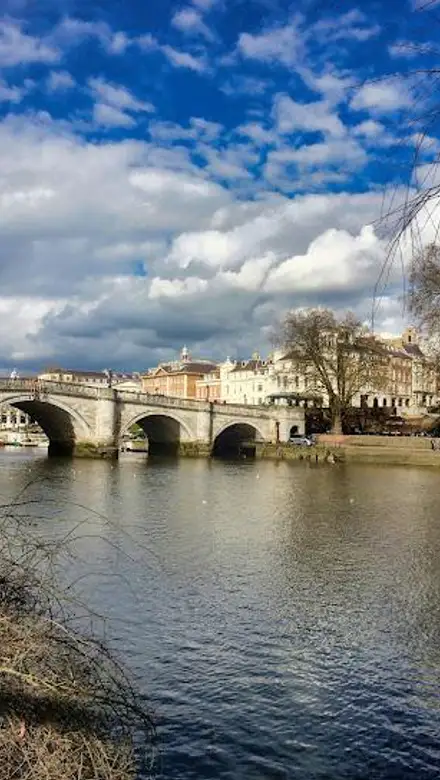
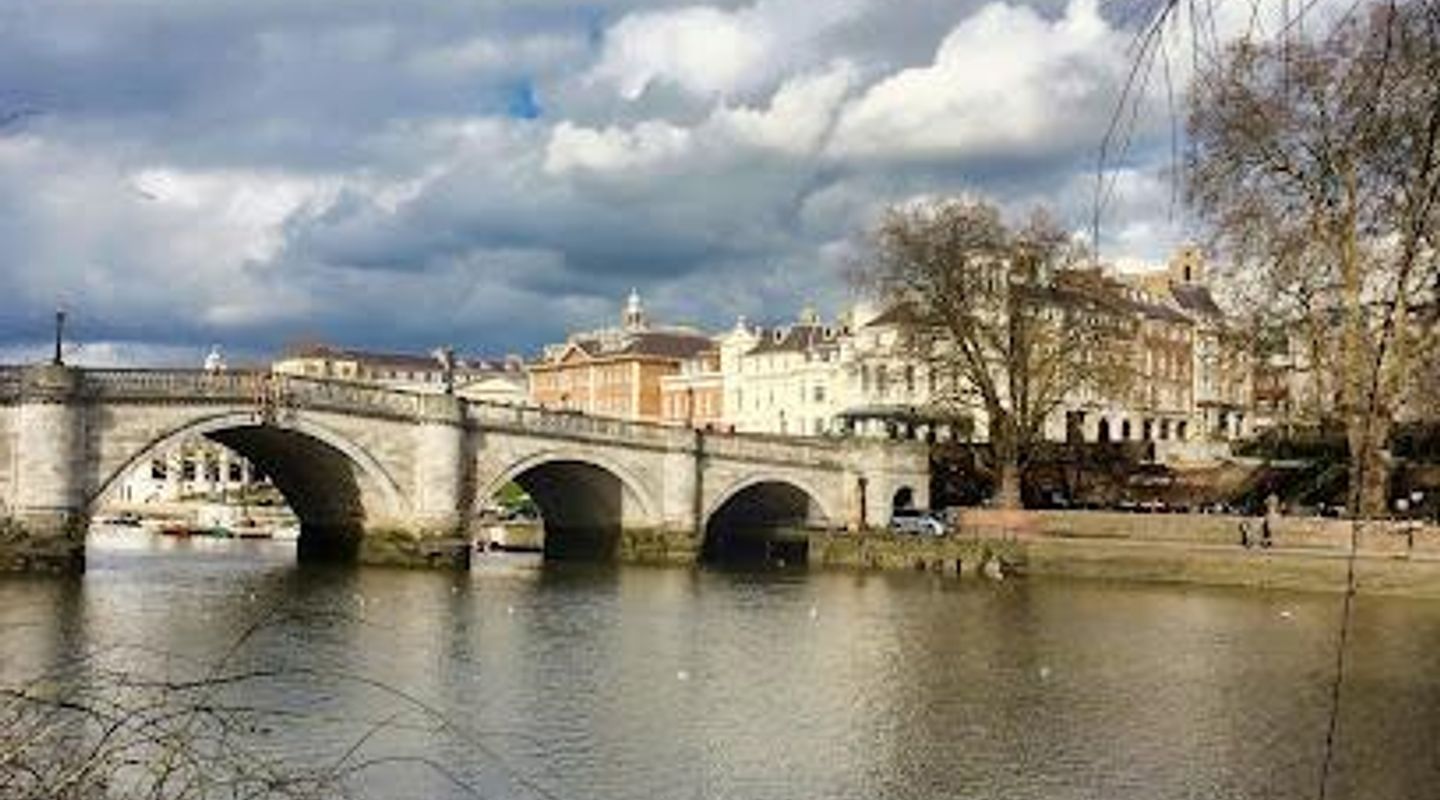
Richmond Bridge, completed in 1777, is the oldest surviving bridge spanning the River Thames in London. Built of Portland stone in elegant Palladian style by architect James Paine, it replaced a medieval ferry crossing and has been widened carefully to preserve its historic appearance. The bridge connects Richmond town centre to Twickenham and remains a cherished architectural and cultural landmark, admired for its timeless beauty and scenic riverside setting.
On-site amenities
 Seating areas
 Information boards
 Restrooms
 Drink options
 Food options
- Address
- A305, Richmond TW9 1EW
Getting there
Public Transport
Bus
Car
Discover more about Richmond Bridge
Origins and Architectural Vision
Richmond Bridge was conceived in response to the growing need to replace a ferry crossing that had served the area since medieval times. As traffic increased, local inhabitants petitioned for a permanent stone bridge, leading to an Act of Parliament in 1773 that appointed commissioners to oversee its construction. The principal architect, James Paine, was a celebrated proponent of Palladian architecture, and he designed the bridge using Portland stone, a material renowned for its durability and aesthetic appeal. The foundation stone was laid on 23 August 1774 by the Hon. Henry Hobart, marking the beginning of a significant engineering project.
Construction and Early Reception
Construction was contracted to Thomas Kerr for £10,900, with work progressing steadily until the bridge opened to carriages on 12 January 1777, although final completion extended to December that year. The bridge was praised early on for its elegance and harmonious integration with the surrounding landscape. Contemporary accounts, such as one in The London Magazine in 1779, lauded it as "one of the richest landscapes nature and art ever produced by their joint efforts," drawing comparisons to the works of Claude Lorraine. The bridge quickly became a subject for artists, including J.M.W. Turner, who created numerous sketches and a finished watercolor capturing its graceful form.
Widening and Preservation Efforts
By the early 20th century, Richmond Bridge faced challenges from increasing traffic congestion. In response, a new bridge was built nearby in 1933 to divert heavy traffic, allowing Richmond Bridge to be widened between 1937 and 1938. The widening increased the bridge's width from 24 feet 9 inches to 36 feet, yet the original appearance was meticulously preserved by numbering and reusing the facing stones and carefully matching the Portland stone refacing. The subtle difference in brickwork is visible only from underneath the arches, maintaining the bridge's historic character while accommodating modern needs.
Cultural Significance and Scenic Appeal
Richmond Bridge stands as a symbol of Richmond's heritage and its unique position as the only London borough with the Thames flowing through its centre. It is admired not only for its architectural merit but also for its picturesque setting, offering iconic views of the river and the surrounding landscape. The bridge has inspired artists and visitors alike for over two centuries and remains a beloved feature of the Thames, celebrated for blending natural beauty with human craftsmanship.
Legacy and Modern Status
The bridge's bicentenary was celebrated in 1977, underscoring its status as London's oldest surviving Thames crossing. It is Grade I listed, recognizing its exceptional historic and architectural importance. Today, Richmond Bridge continues to serve pedestrians and vehicles, linking Richmond and Twickenham while preserving the charm and elegance of 18th-century design. Its enduring presence enriches the cultural fabric of the area and offers a tangible connection to London's past.
Visitor Experience and Surroundings
Visitors to Richmond Bridge can appreciate its classical lines and the craftsmanship of its stonework, enhanced by the tranquil riverside environment. The bridge’s location on the A305 places it amidst Richmond’s scenic parks and historic town centre, making it a focal point for cultural heritage and leisurely riverside strolls. The subtle architectural details and the views upstream and downstream provide a serene and photogenic setting, inviting reflection on centuries of history and the evolving relationship between nature and urban life.
Evendo Review Centre
 Google
Guest reviews
Best time to go
Quietest: Jan, Feb & Dec · before 6am or at 10pm
Busy times are Evendo estimates for a typical year, to help you plan. Actual crowds vary with events, school holidays and the weather.
Explore Richmond Bridge on the map
A handpicked selection of must-see spots near Richmond Bridge, mapped for you.
Get your free copy of our complete guide to Richmond Bridge, delivered straight to you.
Everything on this page, from opening hours and how to get there to Eve’s tips and the best time to go, in one PDF you can read offline, print or share.
Already have an account? Sign in
Your Richmond Bridge guide is ready.
We'll send it to · Not you? Sign out

Getting your guide ready…
We are putting together a fresh copy of the Richmond Bridge guide. This can take up to a minute.
This can take a few moments. If your browser asks, choose Allow so the download can start. You'll find the guide in your Downloads folder.
Nothing happened? Download it again
Sorry, the guide is taking longer than usual. Please try again in a minute, or get it by email instead.
Unlock the best of Richmond Bridge
Skip-the-line tickets, guided tours with entry, and walking tours of the area, booked in a few clicks.


Other nearby places you may find interesting
The closest places of the same kind, if this one is not quite what you had in mind.
-

-
-
-
-


Swipe for more places
More to explore near Richmond Bridge

 Best experiences near Richmond Bridge
 Best hotels near Richmond Bridge
 Best landmarks near Richmond Bridge
 Best attractions near Richmond Bridge
 Best shops near Richmond Bridge
 Best restaurants near Richmond Bridge
 Best bars near Richmond Bridge
Do you manage this location?
Take control to get all the benefits, like improved information, better appearance, and stronger visibility across AI-powered discovery.
Explore more

Explore more of London
Explore London: A city of iconic landmarks, rich history, vibrant culture, and endless attractions that cater to every taste, making it a must-visit destination.
Explore London
Explore more of United Kingdom
Discover the United Kingdom: A blend of rich history, stunning landscapes, and vibrant cities, offering a unique travel experience for every visitor.
Explore United Kingdom