

Hammersmith Bridge
Victorian engineering marvel spanning the Thames with a turbulent history of bombs, closures, and remarkable resilience.
Hammersmith Bridge is a historic Victorian suspension bridge spanning the River Thames between Hammersmith and Barnes in west London. Opened in 1887 and designed by Sir Joseph Bazalgette, the engineer famous for London's sewage system, this Grade II* listed structure represents a triumph of 19th-century engineering. Its distinctive green and gold paintwork, iconic wrought-iron towers, and dramatic history—including three bomb attacks and numerous structural challenges—make it one of London's most resilient and architecturally significant crossings.
A brief summary to Hammersmith Bridge
- Hammersmith Bridge, London, W6 9XF, GB
- Duration: 0.5 to 2 hours
- Free
-
 Outdoor
- Mobile reception: 5 out of 5
Local tips
- Visit during off-peak hours (mid-morning or early afternoon on weekdays) to avoid congestion and enjoy the bridge's architectural details without crowds.
- Walk to the south side to explore Barnes, including the converted wetland nature reserve and St Paul's School, which offer peaceful green spaces and cultural interest.
- Photograph the bridge from the riverbanks at sunrise or sunset to capture the distinctive green and gold paintwork in golden light, particularly striking from the upstream side.
- Time your visit to coincide with the University Boat Race (typically late March or early April) to witness the historic event that passes directly beneath the bridge, though expect significant crowds.
- Check current access restrictions before visiting, as the bridge occasionally closes for maintenance or structural work; pedestrian access is generally available when vehicle traffic is restricted.

For the on-the-go comforts that matter to you
- Seating Areas
- Information Boards
Getting There
-
London Underground
Hammersmith Station (District, Circle, and Hammersmith & City lines) is approximately 400 metres north of the bridge. Journey time from central London is 20–35 minutes depending on your starting point. Exit the station and follow signs toward the river; the bridge is a straightforward 8–10 minute walk downhill. This is the most convenient public transport option.
-
Bus
Multiple bus routes serve the Hammersmith area, including routes 9, 10, 27, 72, 190, and 391, which stop near Hammersmith Bridge Road and the bridge approaches. Journey times vary from 30–60 minutes depending on your starting location and traffic conditions. Buses run frequently throughout the day and evening.
-
Cycling
The bridge is accessible by bicycle from both the Hammersmith and Barnes sides via established cycle routes. Journey times from central London range from 25–45 minutes depending on your route. Note that bicycles are permitted to cross the bridge at all times, even during vehicle closures. Secure cycle parking is available on both approaches.
-
Walking
From Hammersmith town center, the bridge is approximately 1.2 kilometres away via a 15–20 minute walk along the riverside path or through local streets. The route is relatively flat and well-signposted. From Barnes, the bridge is similarly accessible via a pleasant walk through the village. Walking offers the best opportunity to appreciate the bridge's architectural details and the surrounding Thames landscape.
Hammersmith Bridge location weather suitability
-
 Any Weather
-
 Clear Skies
-
 Mild Temperatures
Discover more about Hammersmith Bridge
From Innovation to Necessity: The Bridge's Twin Legacies
Hammersmith Bridge stands as a monument to two distinct eras of Victorian engineering. The original bridge, completed in 1827 and designed by William Tierney Clark, was the first suspension bridge ever built across the River Thames and the longest suspension crossing in the world at the time of its opening. This engineering marvel featured innovative chain and suspension rod technology that captured the imagination of engineers and the public alike. However, within decades, the original structure proved inadequate for the demands of modern traffic. At just 14 feet wide at its towers, it could barely accommodate horse-drawn omnibuses traveling in both directions without endangering pedestrians. By the 1870s, the bridge's limitations had become critical. In 1870, when approximately 11,000 to 12,000 spectators crowded onto the bridge to watch the University Boat Race—an annual event that passes directly beneath the structure—the bridge swayed dramatically under their combined weight. This alarming incident, combined with a boat collision in 1882 that caused structural damage, prompted Parliament to authorize a replacement in 1883.Bazalgette's Masterpiece: Engineering and Aesthetics United
Sir Joseph Bazalgette, already celebrated for revolutionizing London's sewage system, was tasked with designing the new bridge. Construction began in 1884, with a temporary bridge erected alongside to maintain traffic flow. The new Hammersmith Bridge opened on 11 June 1887, officially inaugurated by the Prince of Wales. Bazalgette's design was a triumph of Victorian engineering: 700 feet long and 43 feet wide, constructed primarily of wrought iron with a cost of £82,117—equivalent to approximately £11.5 million in modern currency. The bridge's most distinctive feature is its striking green and gold color scheme, specified by Bazalgette in his original plans from the early 1880s. Contrary to popular belief, this palette was not chosen to match Harrods department store, though the store's nearby furniture depository in Barnes may have influenced the decision. The ornamental flourishes and elegant proportions of Bazalgette's design transformed the bridge into an architectural landmark that has endured for over 135 years. Remarkably, the current bridge rests on the original stone pier foundations constructed for Tierney Clark's 1827 structure, creating a physical continuity between the two engineering generations.A Bridge Under Siege: Bombs, Closures, and Resilience
Despite its robust construction, Hammersmith Bridge has endured an extraordinarily turbulent history. As a vital transportation artery, any closure creates significant congestion across west London, making it an unfortunate target for political violence. The bridge has survived three bomb attacks. The first occurred on 29 March 1939, when the Irish Republican Army planted a device in a suitcase on the walkway. A passerby, Maurice Childs, discovered the smoking bag and threw it into the river; the explosion sent a 60-foot column of water skyward, though the bridge sustained only minor damage. A second IRA bomb detonated moments later, collapsing some girders on the west side but failing to destroy the structure. On 26 April 1996, the Provisional IRA planted two large Semtex devices—the largest Semtex bomb ever found in Britain at that time—on the south bank. Despite activated detonators, the bombs failed to ignite. The most successful attack came on 1 June 2000, when a Real IRA splinter group detonated a bomb underneath the Barnes span, causing significant damage. Following this attack, the bridge remained closed for two years while repairs were completed. When it reopened, strict weight restrictions were imposed: only single-decker buses could cross, and a 7.5-tonne weight limit remains in effect today.Structural Challenges and Modern Preservation
Beyond terrorist threats, the bridge has faced relentless structural challenges. In 1984, the Barnes-side tower bearings failed under heavy load and required replacement. By 2019, critical faults were discovered in the structure, prompting the immediate ban of motor vehicles. A year later, new sensors revealed that these faults had worsened significantly in just hours, likely due to a heatwave. The closure was extended to pedestrians, bicycles, and river traffic, preventing crowds from gathering to watch the famous Boat Race—a poignant echo of the 1870 incident that had originally necessitated the bridge's replacement. As a Grade II* listed structure and beloved west London landmark, the decision was made to repair rather than rebuild. The bridge's heritage value and engineering significance were deemed too important to sacrifice. Following the 2000 bomb attack, the bridge received a complete restoration to its original 1887 color scheme and new lighting was installed. Today, Hammersmith Bridge remains under the stewardship of Hammersmith and Fulham Council, which assumed responsibility in 1985. The bridge stands as a testament to Victorian engineering resilience and the enduring importance of heritage preservation in modern London.Connections Across the Thames
The bridge links the London Borough of Hammersmith and Fulham on the north side with the London Borough of Richmond upon Thames on the south. In Barnes, the southern approach connects to a transformed landscape: four disused 19th-century reservoirs have been converted into a wetland nature reserve, creating an unexpected ecological sanctuary in urban west London. Nearby stands St Paul's School, which relocated from the City of London to Barnes in 1968, adding to the area's cultural significance.Iconic landmarks you can’t miss

Hammersmith Bridge
0.0 km
Victorian engineering marvel spanning the Thames with a turbulent history of bombs, closures, and remarkable resilience.

Mr Mathias Winkler
0.7 km
Discover exceptional healthcare at Mr. Mathias Winkler's practice in London’s Charing Cross Hospital, where patient care meets expertise.

Queen Victoria Monument
1.9 km
A majestic tribute to Queen Victoria, blending imperial grandeur with rich symbolism in the heart of London’s royal landscape.

142 Cromwell Rd
2.9 km
Historic Victorian office building in prestigious South Kensington, steps from world-class museums and transport hubs.

Kensington War Memorial
3.0 km
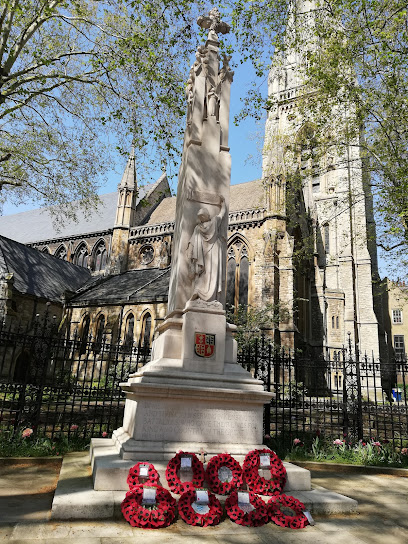
A solemn gothic cross memorial honoring Kensington’s fallen soldiers, set beside the historic St Mary Abbots Church.
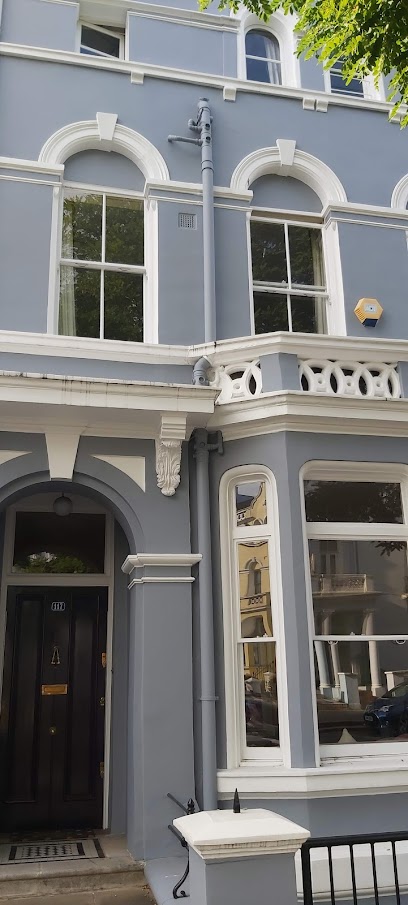
Howard Staunton Blue Plaque
3.0 km
Commemorating Howard Staunton, 19th-century chess master and organizer of the first international chess tournament, at his London blue plaque.
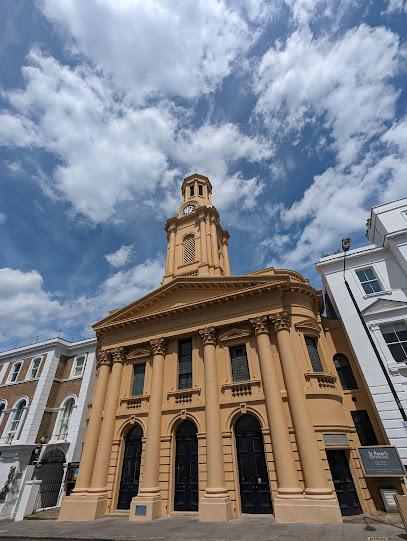
St Peter's Church, Notting Hill
3.1 km
A serene Victorian Anglican church blending classical architecture, rich history, and community spirit in the heart of Notting Hill.
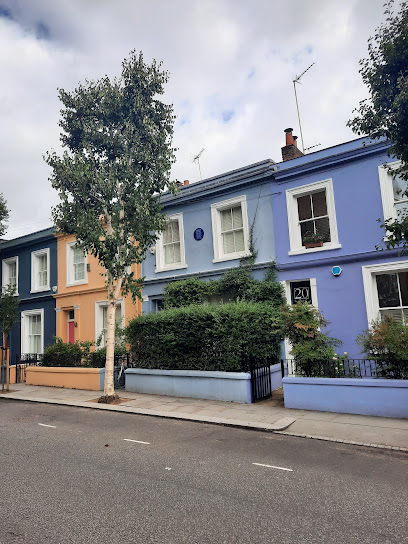
George Orwell Plaque
3.2 km
A literary landmark on vibrant Portobello Road celebrating George Orwell’s enduring legacy in London’s cultural heart.
The Castle
3.4 km
Experience the charm of a traditional British pub at The Castle on Portobello Road, offering delicious food and a vibrant atmosphere in the heart of London.
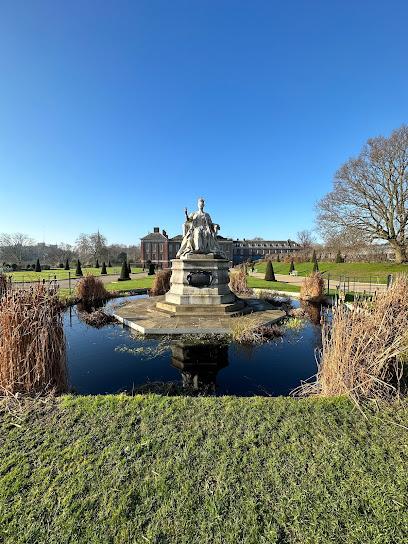
Queen Victoria Statue
3.4 km
Explore the Queen Victoria Statue in Kensington Palace Gardens, a serene and historic landmark celebrating Britain's beloved monarch amid lush greenery.
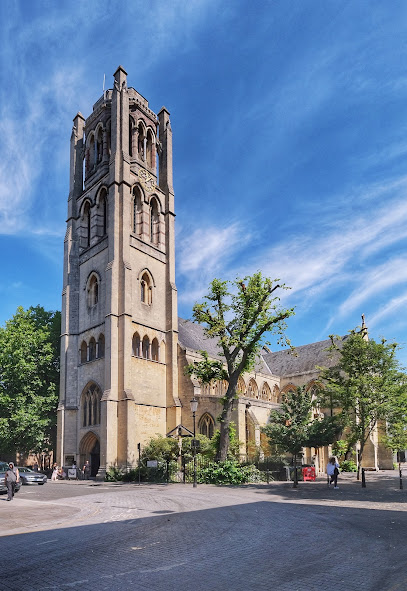
All Saints' Church, Notting Hill
3.5 km
Explore the architectural beauty and serene atmosphere of All Saints' Church, a must-visit Anglican church and cultural hub in Notting Hill, London.
St Augustine's Church
3.5 km
Discover the architectural beauty and serene ambiance of St Augustine's Church in South Kensington, a hidden gem in London's spiritual landscape.
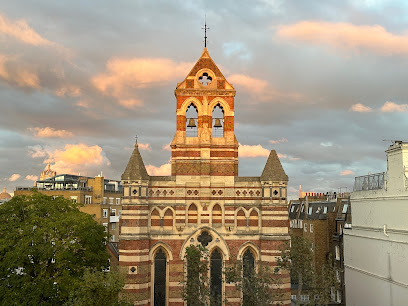
The Tabernacle
3.6 km
Discover The Tabernacle in Notting Hill, a vibrant community center and performing arts venue showcasing London's rich cultural tapestry.
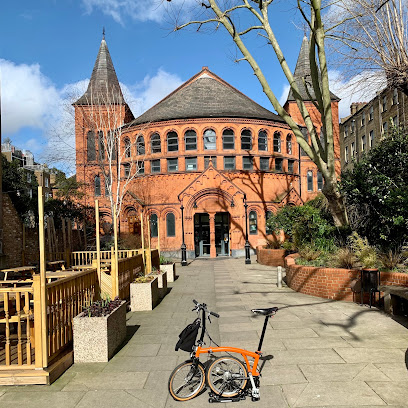
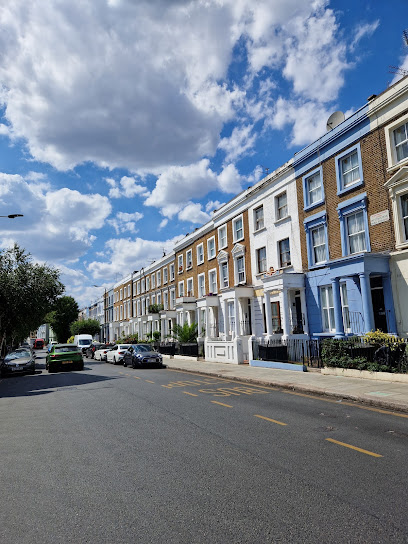
Notting Hill House of Colors
3.6 km
Explore the vibrant colors and artistic spirit of Notting Hill at the House of Colors, a must-visit destination for art lovers and curious travelers.
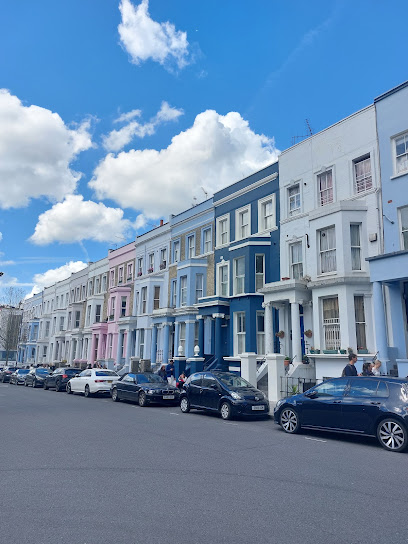
Round Pond
3.7 km
A 295-year-old ornamental lake where royal heritage, model yachts, and London wildlife converge.
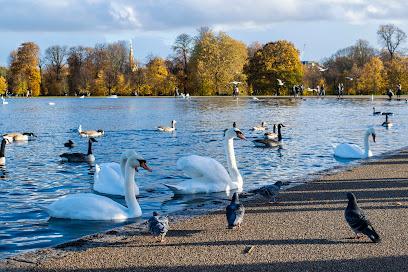
Unmissable attractions to see

DNA VR
0.4 km
Dive into thrilling virtual worlds at DNA VR Hammersmith, London's cutting-edge VR arcade and escape room venue for all ages and groups.
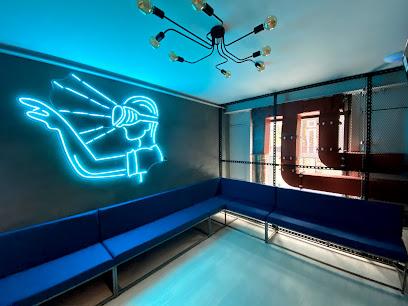
The William Morris Society
0.5 km
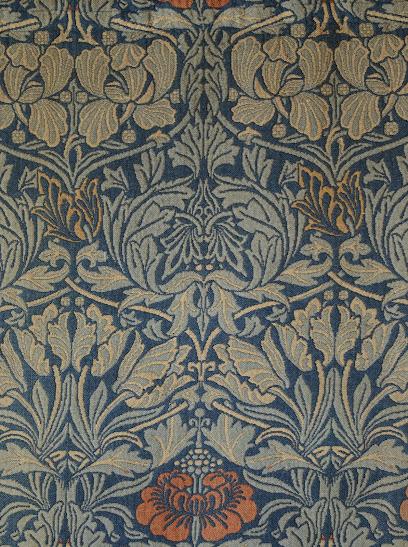
Explore the inspiring legacy of William Morris at his historic London home, a hub for art, design, and social activism.
Olympia Events
1.5 km
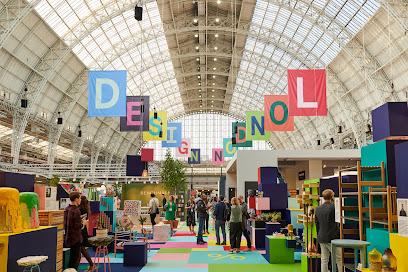
Historic Victorian architecture meets cutting-edge event spaces in London’s premier exhibition and entertainment destination.
Premium Tours
1.8 km
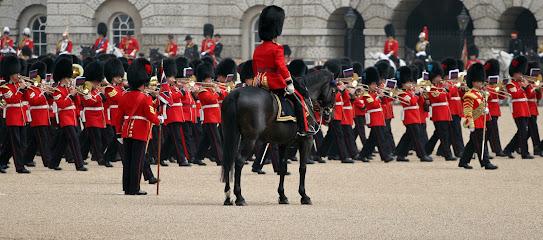
Discover the best of London with Premium Tours, offering diverse sightseeing experiences and knowledgeable guides to enhance your journey.
Hogarth's House
1.8 km
Step into the tranquil 18th-century home of William Hogarth, where art, history, and garden stories blend in Chiswick’s peaceful retreat.
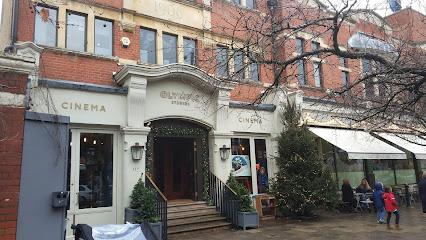
Olympic Studios
1.8 km
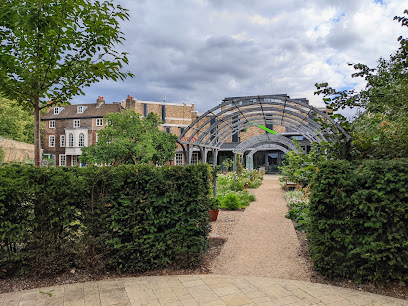
Historic Olympic Studios in Barnes blends legendary music heritage with a boutique cinema experience in a beautifully restored Edwardian venue.
Bush Hall
1.8 km
Historic Edwardian dance hall turned vibrant live music venue and event space in the heart of Shepherd's Bush, London.

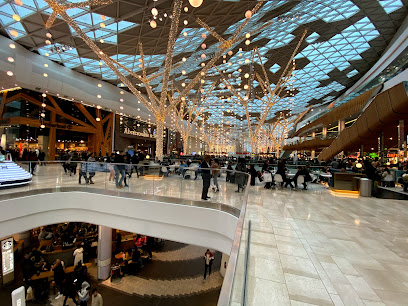
Westfield London
2.0 km
Westfield London: A dynamic shopping and lifestyle hub blending luxury, entertainment, and festive charm in the heart of Shepherd's Bush.
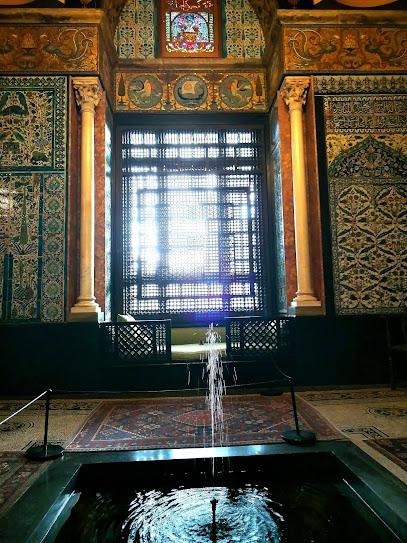
Leighton House
2.1 km
Explore the exquisite Victorian studio-home of Frederic Leighton, where art, architecture, and Orientalist design create a timeless cultural treasure.
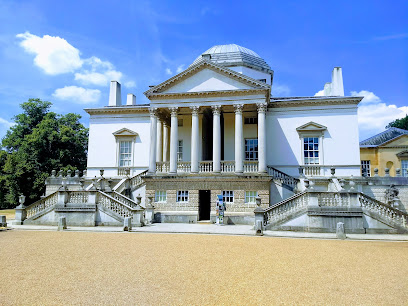
Chiswick House and Gardens
2.1 km
Explore the birthplace of the English Landscape Garden and a stunning 18th-century Palladian villa set in 65 acres of historic, free-to-enter gardens.
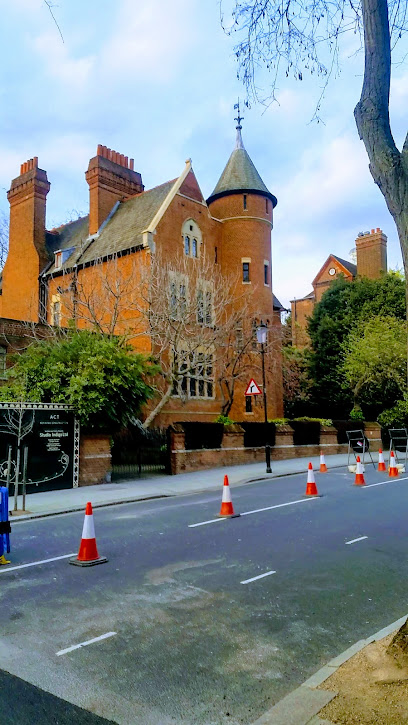
The Tower House
2.1 km
Discover The Tower House, William Burges’ iconic Victorian Gothic Revival home, a masterpiece of architectural artistry and rich symbolism in London.
KidZania London
2.1 km
Explore careers and creativity at KidZania London, an interactive children's amusement centre in the heart of Westfield London Shopping Centre.

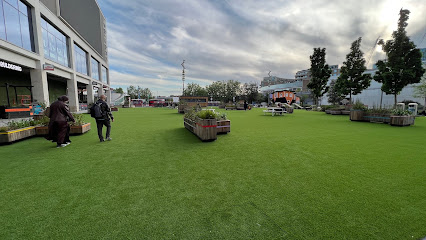
Upside Down House - Westfield White City
2.2 km
Step into London’s vibrant Upside Down House at Westfield White City for a mind-bending photo adventure that flips reality on its head.
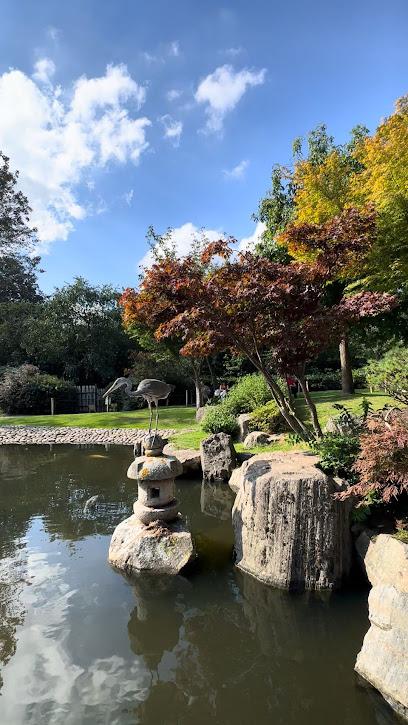
Kyoto Garden
2.2 km
A tranquil Japanese garden in London’s Holland Park, gifted by Kyoto to celebrate cultural friendship and seasonal beauty.
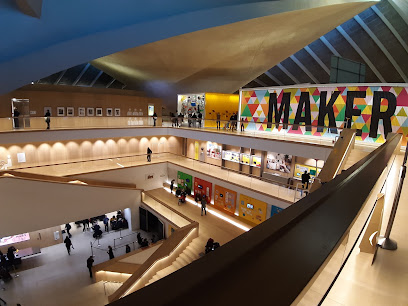
the Design Museum
2.3 km
Explore the cutting-edge world of design in London’s iconic museum, where creativity meets culture and innovation shapes everyday life.
Essential places to dine

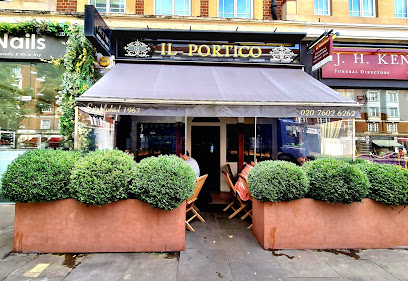
Il Portico
2.2 km
Authentic Northern Italian dining with family warmth and timeless charm in the heart of Kensington.
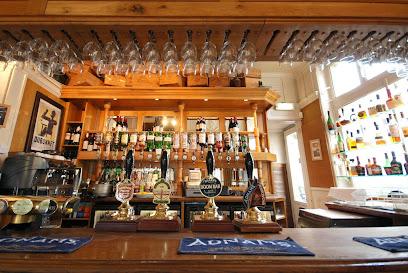
The Ladbroke Arms
2.8 km
A charming gastropub in Notting Hill offering refined British cuisine, standout Sunday roasts, and a welcoming garden terrace.
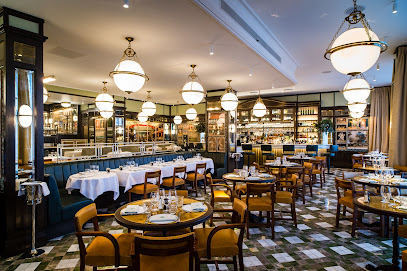
The Ivy Kensington Brasserie
2.9 km
Classic British brasserie charm meets lively Kensington atmosphere in this elegant all-day dining hotspot on High Street.
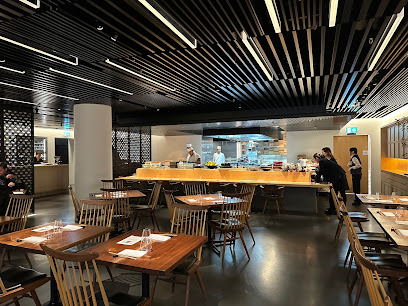
Akira Restaurant at Japan House London
2.9 km
Experience authentic Japanese elegance and exquisite omakase dining in the heart of Kensington at Akira Restaurant, Japan House London.
Dishoom Kensington
2.9 km
Experience the vibrant flavours and Art Deco charm of Bombay’s iconic Irani cafés at Dishoom Kensington, London’s stylish Indian dining destination.
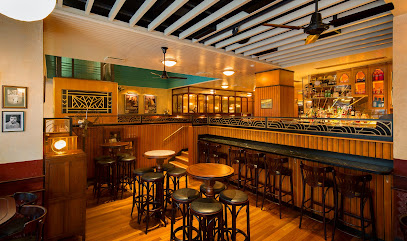
Alexandrie Restaurant
3.0 km
Experience authentic Egyptian flavors and elegant dining in the heart of Kensington with Alexandrie’s refined Mediterranean cuisine.
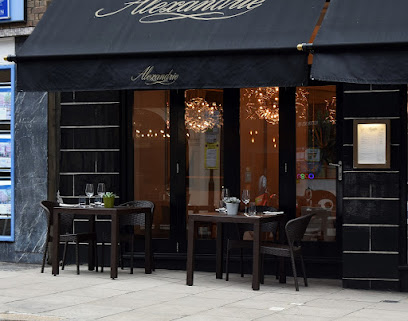
Grato
3.0 km
Cozy Italian dining with handmade pasta and warm hospitality in the tranquil heart of Kensington Square, London.
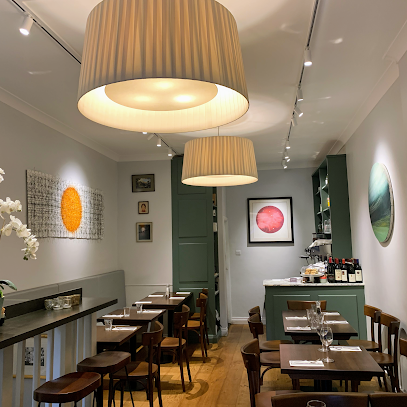
Zuaya London
3.1 km
Discover modern Latin American cuisine with vibrant flavors, stylish ambiance, and exceptional cocktails in the heart of Kensington.
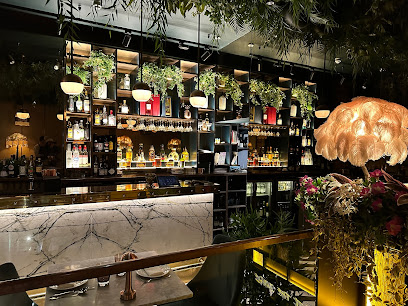
Prezzo Italian Restaurant London Kensington
3.1 km
Cozy Italian dining in the heart of Kensington with classic pasta, pizza, and family-friendly options in a stylish, relaxed setting.
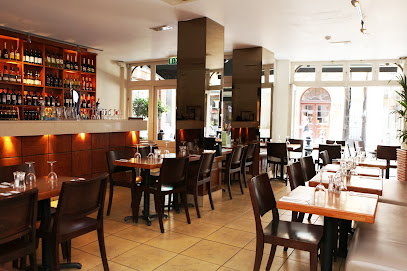
Core by Clare Smyth
3.1 km
Experience three-Michelin-starred modern British cuisine by Clare Smyth in an elegant Notting Hill setting, where sustainability meets culinary artistry.
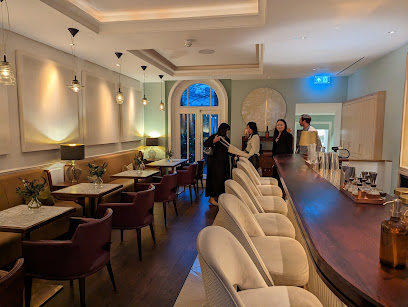
Gold
3.2 km
Stylish modern European dining with wood-roasted seasonal plates and inventive cocktails on iconic Portobello Road in vibrant Notting Hill.
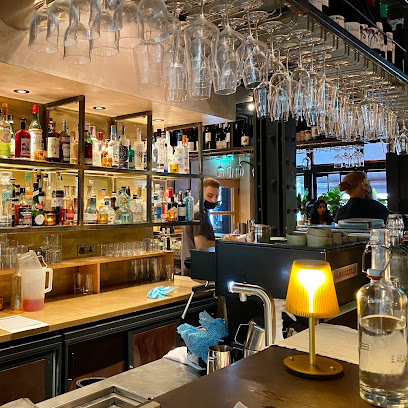
Spaghetti House Italian Restaurant Kensington High Street
3.2 km
Authentic Italian flavors and cozy charm await at Spaghetti House on Kensington High Street, perfect for casual dining in central London.
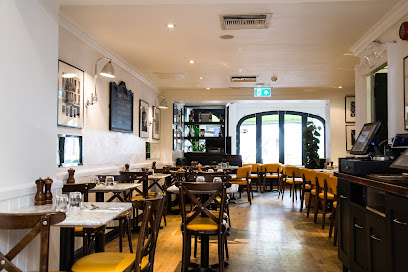
The Shed
3.2 km
A rustic, family-run gem in Notting Hill serving sustainable, farm-to-table British cuisine with a warm, unpretentious atmosphere.
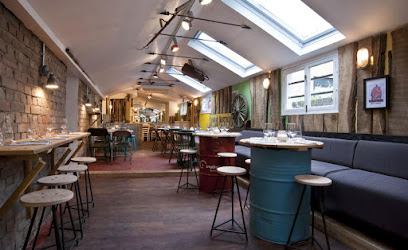
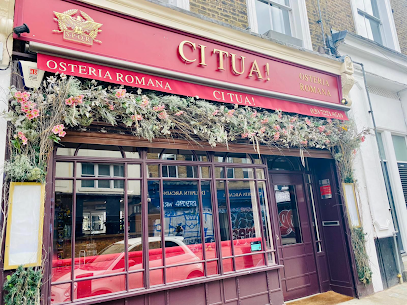
Ci Tua Osteria Romana
3.3 km
Experience authentic Roman cuisine and warm Italian hospitality in the heart of London’s vibrant Portobello Road.
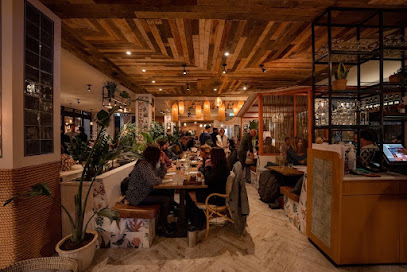
Ollie's House Restaurant (Chelsea)
3.3 km
A vibrant Pan-Asian fusion restaurant in Chelsea serving fresh, bold flavours in a bright, tropical-inspired setting with creative cocktails.
Markets, malls and hidden boutiques

The London Heritage
2.0 km
A boutique heritage hotel in Canary Wharf blending historic elegance with modern luxury and wellness amenities.
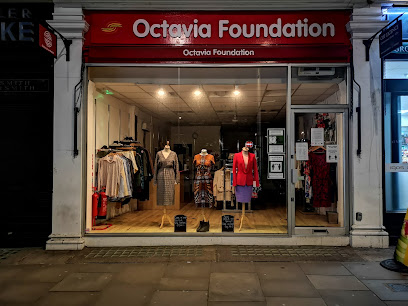
Octavia Foundation - Kensington
2.2 km
Discover designer bargains and vintage treasures at this Kensington High Street charity shop, funding life-changing support for local communities in true Octavia Hill spirit.
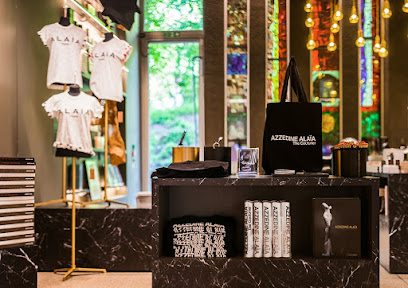
the Design Museum Shop - High Street Shop
2.2 km
Curated design haven on Kensington High Street: books, homewares, and innovative gifts celebrating creativity from the Design Museum.
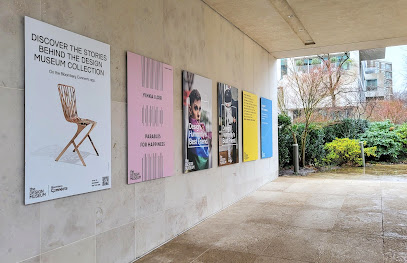
the Design Museum Shop
2.3 km
Curated gifts, books and design objects from the Design Museum’s High Street, Atrium and Exhibition shops—where form, craft and everyday use meet.
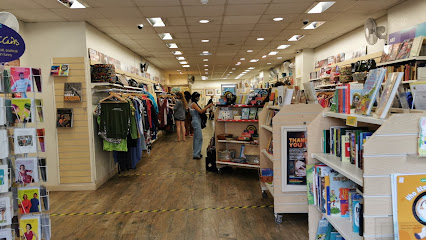
Oxfam Shop - Kensington High Street
2.5 km
Unearth ethical treasures on Kensington High Street at this vibrant Oxfam shop, where second-hand style funds global change amid London's posh shopping scene.
Jigsaw
3.0 km
Refined British womenswear on Kensington High Street, where timeless tailoring meets contemporary elegance in a stylish boutique haven.
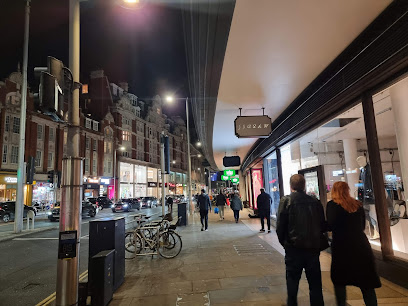
Good
3.0 km
Discover timeless designer vintage at Good, where Kensington Church Street's charm meets sustainable high fashion in a curated second-hand paradise.

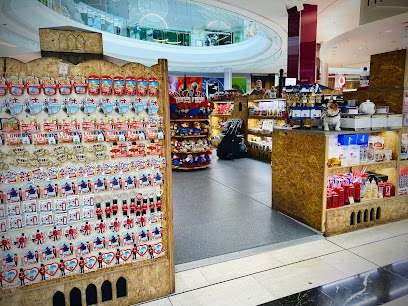
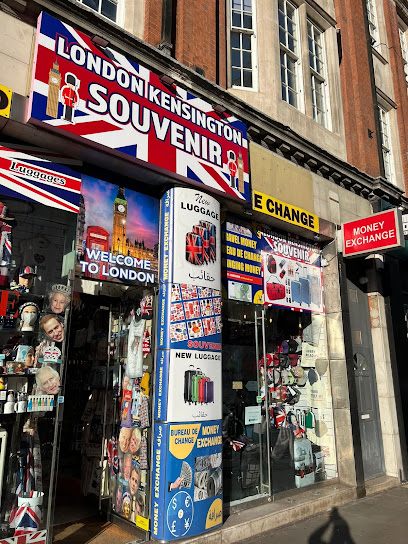
London Souvenir Kensington
3.0 km
Kensington High Street's go-to for authentic London souvenirs: red buses, royal trinkets, and Union Jack delights in a shopper's paradise.
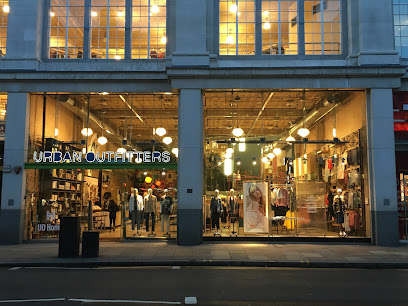
Urban Outfitters
3.1 km
Trendy threads and eclectic home vibes on London's iconic Kensington High Street – Urban Outfitters delivers boho-chic shopping with a creative edge.
Notting hill store
3.1 km
Explore Notting Hill's local convenience store, your one-stop shop for groceries, unique souvenirs, and reliable luggage storage.
Paul Smith - Notting Hill
3.1 km
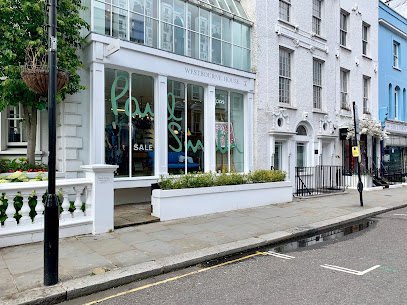
Classic British tailoring meets playful innovation at Paul Smith's elegant Notting Hill flagship in historic Westbourne House.
The gift store
3.2 km
Discover quirky handmade crafts and Notting Hill treasures at this vibrant Pembridge Road gem, where every shelf holds a unique story from London's creative heart.
Portobello Gifts Shop London
3.2 km
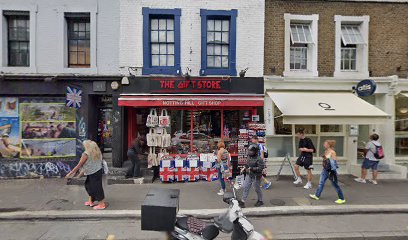
Retro souvenirs and nostalgic trinkets on Notting Hill's iconic Portobello Road—a treasure hunt for affordable London mementos amid market vibrancy.
RETRO GIFTS RETAIL
3.2 km
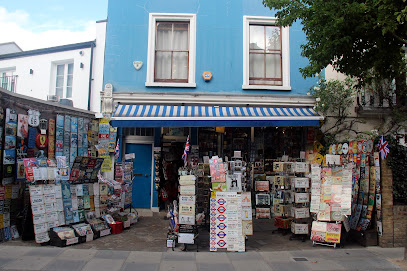
Discover nostalgic treasures at Retro Gifts Retail on Portobello Road—retro charms, quirky novelties, and market magic in Notting Hill's vibrant heart.

Appletree boutique
3.2 km
A small Notting Hill boutique specialising in retro‑inspired prints, colourful womenswear and standout accessories for playful, individual styling.

Essential bars & hidden hideouts

The Curtains Up
1.4 km
A cozy West Kensington pub blending hearty British fare, lively theatre, and warm local charm for a memorable experience.

Evans & Peel Detective Agency
2.6 km
Step into a secret 1920s detective office for immersive cocktails, live jazz, and a playful mystery-solving speakeasy experience in London’s Earl’s Court.
Prince of Wales
3.0 km
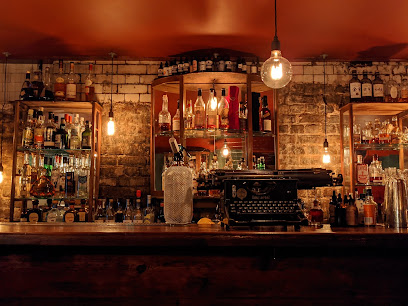
A cosy Kensington pub of warm wood, classic pints and a surprising Thai menu tucked behind a Victorian façade.
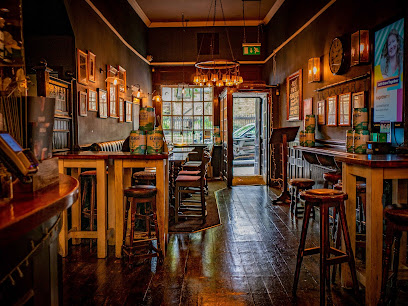
High Spirit Cocktail Bar
3.0 km
A friendly, compact cocktail bar on Kensington High Street serving well-made classics and creative seasonal drinks in a warm, music-led setting.
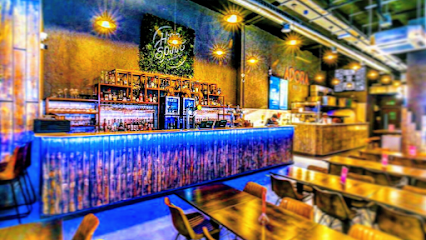
The Builders Arms
3.0 km
A classic Kensington pub with cosy period character, modern British comfort food and a lively, neighbourhood atmosphere.
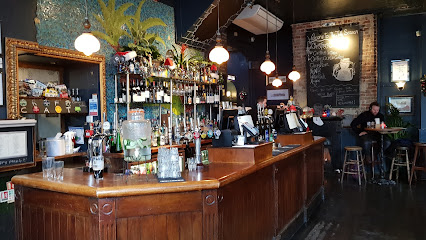
The Churchill Arms, Kensington
3.0 km
London's floral-festooned pub icon: Churchill memorabilia, pioneering Thai eats, and blooming facades since 1750 in vibrant Kensington.
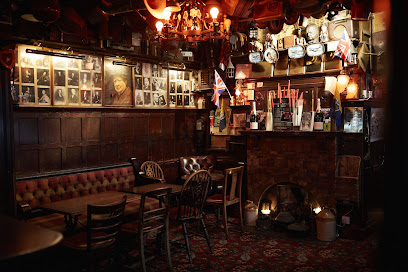
The Henderson Bar & Kitchen
3.1 km
Notting Hill's carnival-inspired bar serving twisted British classics from breakfast to cocktails on a sunny terrace—honoring Russ Henderson's legacy.
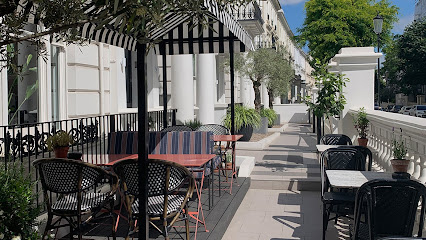
AMARO BAR - London
3.1 km
Elegant Kensington cocktail bar blending Savoy mastery with inventive twists, vintage rarities, and intimate speakeasy charm on High Street.
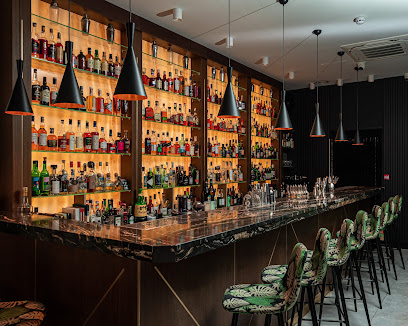
Piano Kensington
3.2 km
Live piano requests, cocktails and casual late-night bites in the Royal Garden Hotel — a music-led, relaxed Kensington night out.

Naked & Famous Bar
3.2 km
A cozy, retro-styled Notting Hill basement bar focused on tequila and mezcal with bold, handcrafted cocktails.
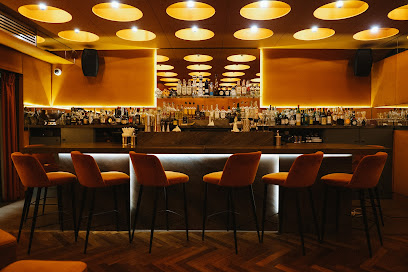
The Sun In Splendour
3.2 km
Historic Notting Hill pub with yellow charm, hearty fare, craft pours, and a secret garden haven on bustling Portobello Road.
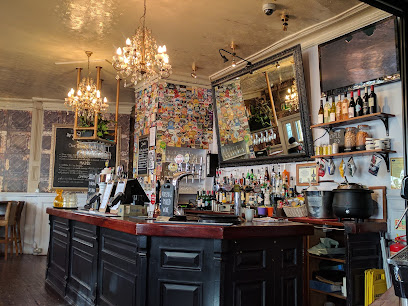
The Owl and Monkey Cocktail Bar
3.2 km
A stylish South Kensington cocktail bar blending tropical design, sustainable mixology, and warm hospitality for memorable nights.
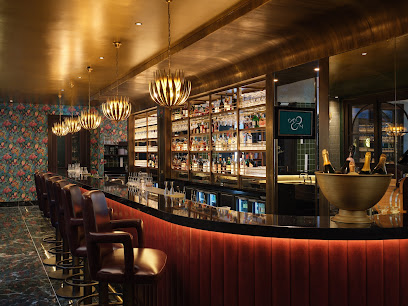
The Earl of Lonsdale
3.2 km
Step into Victorian Notting Hill pub charm at The Earl of Lonsdale, where etched glass, duck-under doors, and Yellow Earl lore create an unmissable Samuel Smith's haven amid Portobello buzz.
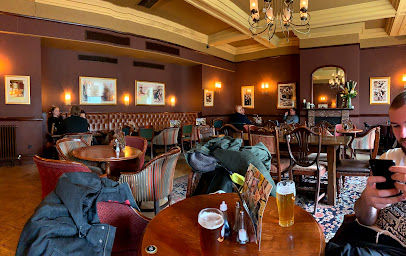
Stables Bar
3.2 km
Elegant Kensington cocktail haven in a former stable, blending equestrian heritage with inventive mixology and cosy conservatory vibes opposite lush gardens.
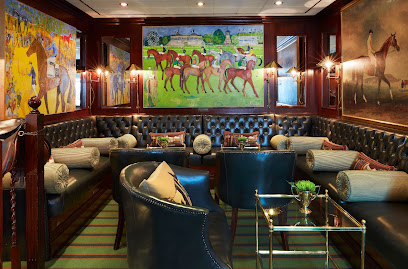
The Elgin
3.3 km
Opulent Notting Hill gastropub with historic charm, seasonal British dishes, gin haven, beer garden buzz, and versatile private event spaces.
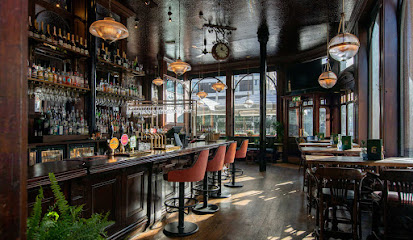
Nightclubs & after hour spots

Ricco London
1.7 km
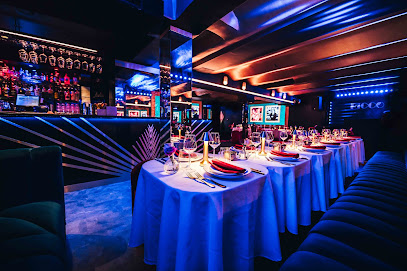
A plush, performance‑led lounge in Kensington Olympia where cocktails, Mediterranean sharers and cabaret create theatrical late‑night nights.
Lost In Disco
1.8 km
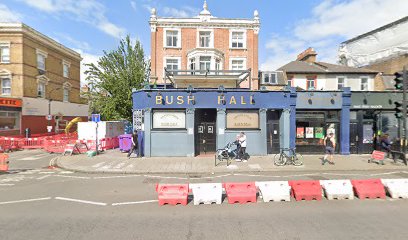
An intimate West London disco night celebrating 1970s–80s funk, soul and floor-filling classics with DJs, guest singers and a glittering dancefloor.
Notting Hill Arts Club
3.2 km
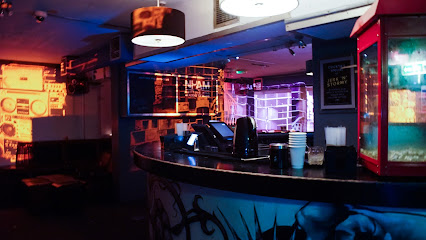
West London's sweaty basement cradle of music legends since '97—coffee by day, live gigs and club nights till 2am in an intimate den of funk, jazz, and raw talent.
The Duke of Wellington
3.3 km
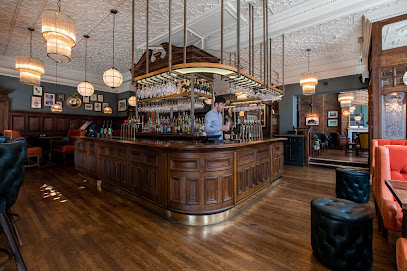
Historic Young's pub on Portobello Road: Victorian screens, market views, British roasts, and Notting Hill legends in every pint.
Electric House
3.3 km
Experience the vibrant social scene at Electric House, a chic social club in Notting Hill, London, blending style, comfort, and culinary delights.
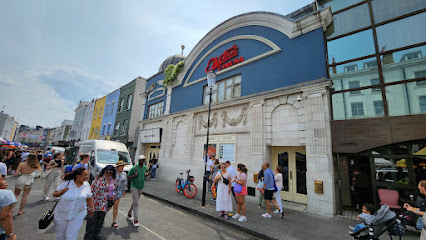
Le Fez
3.3 km
Experience Putney’s premier Moroccan-inspired nightclub with lush lounges, vibrant dancefloors, and unforgettable late-night entertainment.
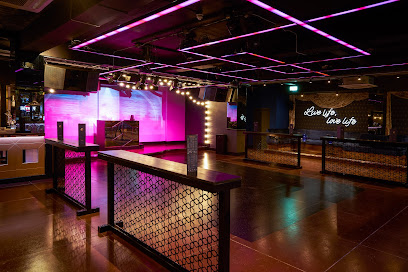
B London
3.6 km
Dive into South Kensington's electric nightlife at B London, where sophisticated beats and stylish crowds fuel unforgettable nights from 9pm till dawn.
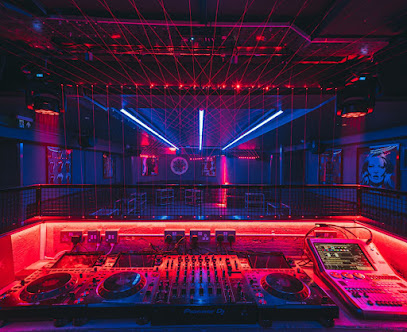
The Globe
3.6 km
Traditional London pub by day, lively late‑night bar and club by night—large, hireable rooms and a warm, characterful interior.
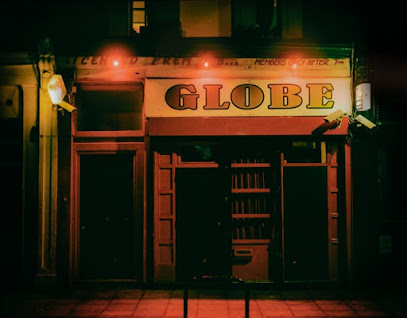
Metric
3.7 km
A compact, collegiate nightclub beneath Imperial College’s Beit Quadrangle — lively student nights, intimate dancefloor and a campus-centred party vibe.
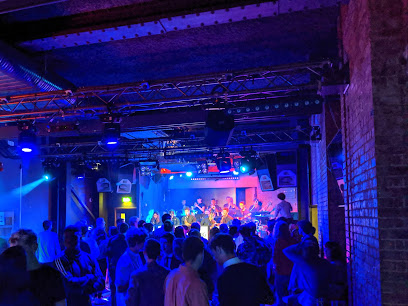
Dolce Night Club , London
3.7 km
Elite VIP nightclub in South Kensington blending luxurious design, R&B beats, and high-end cocktails for unforgettable weekend revelry.
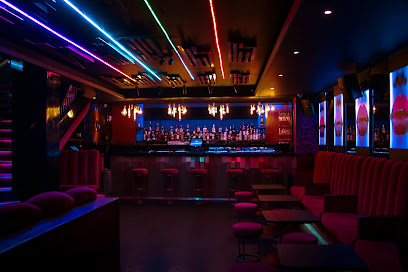
Subteranian
3.8 km
A compact underground club on Acklam Road delivering dense, DJ-led electronic nights with an intimate, bass-heavy atmosphere.
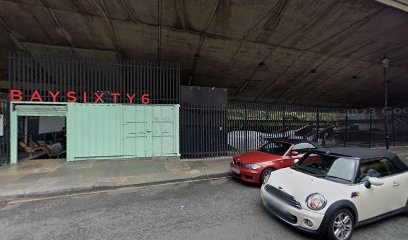
Privilege Entertainment Ltd
4.5 km
Discover the pulsating nightlife at Privilege Entertainment Ltd, London's premier entertainment agency and nightclub, where unforgettable experiences await.

The Clapham Grand
5.1 km
Experience the vibrant nightlife of London at The Clapham Grand, a premier events venue offering live music, comedy, and unforgettable parties.
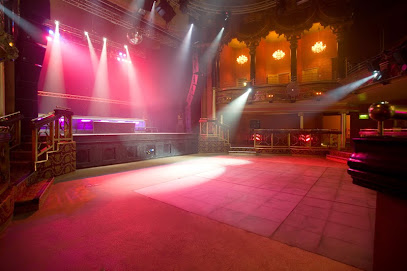
LUXX CLUB LONDON
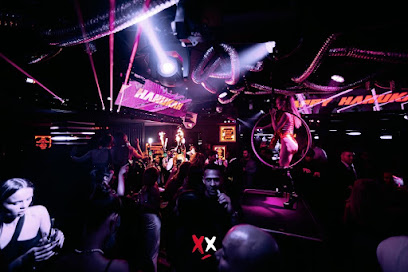
6.3 km
Experience Mayfair’s premier luxury nightclub with dazzling lights, top DJs, and exclusive VIP vibes at LUXX CLUB LONDON.
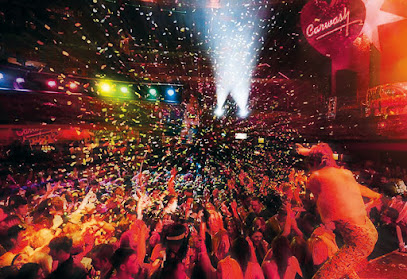
Carwash Nightclub
6.4 km
Europe's longest-running disco since 1989: sequins, funk beats, and joyful dancing in Mayfair's retro heart. Join the glitter-fueled party!
For the vibe & atmosphere seeker
- Scenic
- Unique
- Adventurous
For the design and aesthetic lover
- Industrial Designs
- Vintage Styles
- Art Deco Styles
For the architecture buff
- Historic
- Landmarks
- Viewpoints
For the view chaser and sunset hunter
- Iconic Views
- Panoramas
- Waterfront
- Sunset Spots
For the social media creator & influencer
- Instagrammable
- Photo Spots
- Architectural Shots
For the eco-conscious traveler
- Protected Area
- Public-Transport Accessible
For the kind of experience you’re after
- Myth & Legends
- Cultural Heritage
- Photowalk
- Day Trip
For how adventurous you want the journey to be
- Easy Access
Location Audience
- Family Friendly
- Senior Friendly
- Wheelchair Access
- Solo Friendly
- Couple Friendly


