

Free Middlesex Travel Guide & Mobile App
Explore Middlesex with free travel guides. Discover regional history, expert tips, proposed trips, and audio guides on web or mobile app.


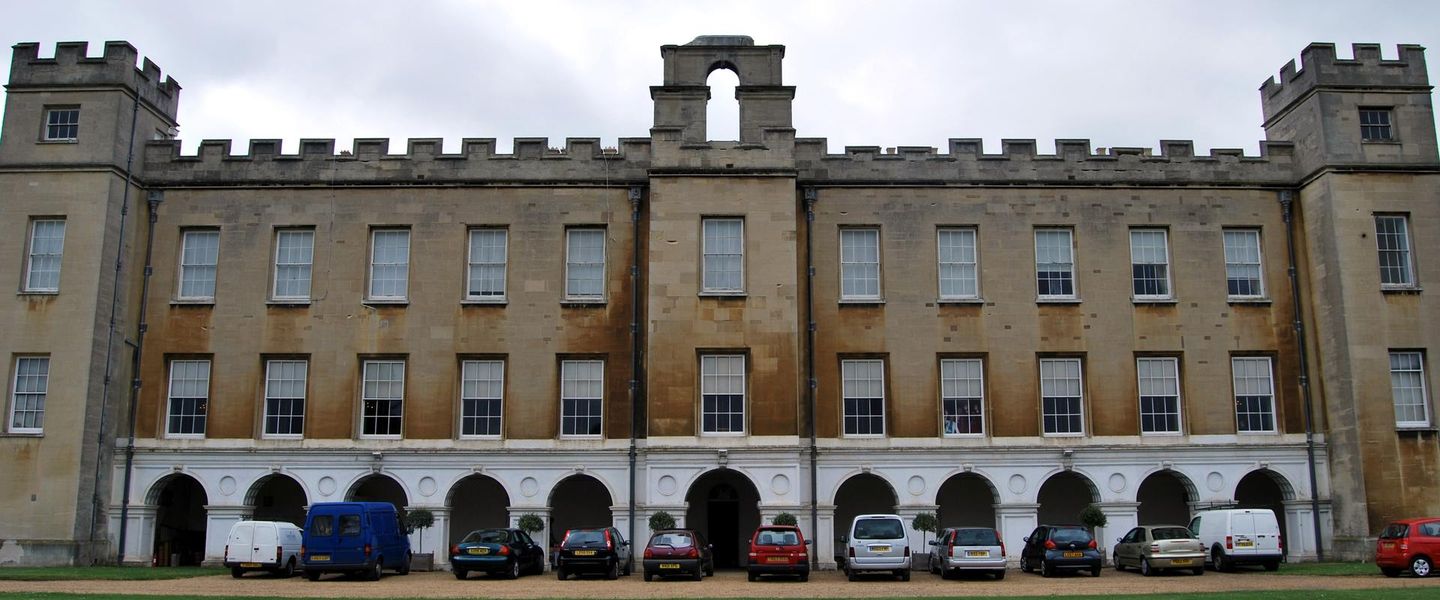


Explore Middlesex’s historic houses, waterways, aviation heritage, diverse food culture and suburban landscapes across west and north-west London.
Read more about Middlesex
When is the best time to visit Middlesex?
Best: June–August · 21–23°C| Month | High (°C) | Rainfall (mm) |
|---|---|---|
| January | 7 | 50 |
| February | 7 | 40 |
| March | 10 | 45 |
| April | 13 | 50 |
| May | 17 | 55 |
| June (best) | 21 | 60 |
| July (best) | 23 | 65 |
| August (best) | 23 | 60 |
| September | 20 | 55 |
| October | 15 | 50 |
| November | 11 | 55 |
| December | 8 | 60 |
Getting to and around Middlesex
How to get there
Transportation
Top city travel guides in Middlesex
The cities of Middlesex, and the easiest places to base yourself.
-

-

-

-


Swipe for more cities
Destinations in Middlesex
Resorts, valleys and scenic spots worth a trip of their own.

Swipe for more destinations
Best attractions in Middlesex
Middlesex’s attractions are dispersed across modern west and north London rather than concentrated in one historic centre. Country-house visitors can explore Syon House in Brentford, Osterley Park in Hounslow and Chiswick House, whose classical architecture and landscaped grounds reflect the estates that once surrounded London. Brentford adds canals, riverside walks and the London Museum of Water and Steam, where industrial technology explains the city’s historic water supply. Aviation is another strong theme: the Royal Air Force Museum at Hendon presents aircraft and military history, while the Battle of Britain Bunker at Uxbridge focuses on wartime operations and air defence. Wembley offers major sporting and entertainment events, although dates and access vary. Parks, reservoirs, canals and open spaces provide opportunities for walking and cycling, while Southall, Ealing, Wembley and Hounslow bring food, festivals and cultural venues shaped by international communities. Because attractions are linked by a metropolitan transport system rather than a rural touring route, checking travel times and opening arrangements is central to planning.
-
Bridge
Tower Bridge
Walk across London’s most famous bridge, explore its high-level walkways and glass floors, and discover the Victorian engineering behind this iconic landmark.
-
Ferris wheel
lastminute.com London Eye
Experience breathtaking 360-degree views of London’s iconic skyline from the world’s tallest cantilevered observation wheel.
-
Castle
Tower of London
Explore the Tower of London, a historic fortress and royal palace guarding centuries of British history and the dazzling Crown Jewels.
-
Shopping Centre
Westfield London
Westfield London: A vibrant shopping and entertainment destination blending style, variety, and festive spirit in Shepherd’s Bush.


Best landmarks in Middlesex
Middlesex’s most recognisable landmarks reveal its connections with aristocratic estates, transport, war and modern London. Syon House in Brentford, with its formal interiors and long association with the Percy family, represents the survival of an important historic estate beside the Thames. Osterley Park is another major country-house landmark, its grand Neoclassical house and designed landscape showing how wealthy families created rural-looking retreats close to the capital. Chiswick House is significant for its pure classical design and influential 18th-century gardens. The Grand Union Canal and Brentford’s waterways form a quieter but distinctive industrial landmark, marking the former county’s role in national transport. In north-west London, Wembley Stadium is a modern civic and sporting symbol, while the Battle of Britain Bunker at Uxbridge preserves a more concealed military landscape beneath the surface of suburban London. The Royal Air Force Museum at Hendon adds an architectural and technological landmark through its collection of historic aircraft. Heathrow’s runways and terminals, although primarily infrastructure rather than sightseeing monuments, are equally important to the modern identity of western Middlesex.
-
Cultural landmark
Big Ben
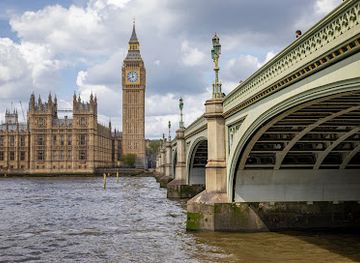
Discover the timeless chimes and Gothic grandeur of Big Ben, London's iconic bell nestled within the majestic Elizabeth Tower.
-
Cathedral
St. Paul's Cathedral
Discover St. Paul's Cathedral, a Baroque architectural marvel crowned by a majestic dome, standing proudly over London’s skyline for over 300 years.
-
Government office
Palace of Westminster
The iconic Neo-Gothic heart of British democracy, where a thousand years of history meets architectural grandeur.
-
Pub
The Captain Kidd
Historic riverside pub with authentic maritime charm, classic ales, and scenic Thames views in London’s Wapping district.


Explore Middlesex on the map
Plan your trip on one map. See where the top cities, national parks and sights are, and book hotels and experiences in a few clicks.
Best hotels in Middlesex
Best restaurants in Middlesex
Dining in Middlesex reflects both its historic role as London’s suburban hinterland and the international character of contemporary west and north-west London. Southall is especially known for Punjabi and wider South Asian restaurants, sweet shops, bakeries and specialist food stores, while Wembley, Hounslow, Ealing and Hayes offer varied Indian, Middle Eastern, East African, European and British choices. Traditional pubs and gastropubs remain part of the landscape around older settlements and leafy neighbourhoods, and cafés are prominent in Ealing, Chiswick and Brentford. Markets and independent grocers are useful for spices, breads, sweets, fresh produce and prepared food, often revealing regional traditions more clearly than formal restaurants. Riverside and canal-side areas provide occasional modern dining settings, while the former county’s proximity to central London means that menus range from inexpensive casual food to ambitious contemporary cooking. Visitors should distinguish local specialities from dishes associated with the wider United Kingdom, as Middlesex’s strongest culinary identity lies in its diversity and suburban food culture rather than in one exclusive regional cuisine.
-
Restaurant
sketch
An iconic Mayfair venue blending avant-garde art, Michelin-starred dining, and whimsical design for an unforgettable London experience.
-
Asian fusion
Inamo Covent Garden
Experience cutting-edge interactive dining with bold Pan-Asian flavours in the vibrant heart of Covent Garden.
-
Restaurant
The Pheasant Inn & Restaurant Heathrow (over 18s only)
A refined adult-only pub and restaurant near Heathrow offering generous British fare, excellent gluten-free options, and warm hospitality.
-
Japanese
Marugame Udon Middlesex Street
Experience freshly handcrafted Japanese udon and crispy tempura in a lively open kitchen setting at Marugame Udon Middlesex Street, London’s authentic udon destination.


Best bars in Middlesex
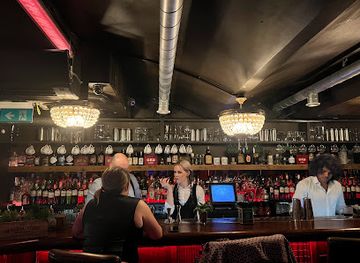
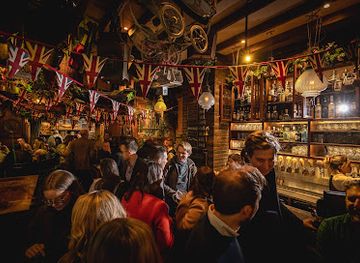
Evening life in Middlesex varies from traditional pubs and neighbourhood restaurants to busy entertainment around Wembley and the larger commercial centres. Brentford, Ealing, Chiswick, Hounslow, Southall and Wembley each have different evening rhythms, with pubs, breweries, wine bars, cafés, live music and international restaurants more prominent than a single county-wide nightlife district. Wembley becomes particularly busy during concerts and sporting events, while Ealing and Chiswick offer a broader selection of established pubs and contemporary bars. In suburban and residential districts, nightlife generally winds down earlier than in central London and is often centred on dining or local social venues rather than large clubs. Visitors seeking a late-night club scene may need to travel into central London, which is outside the historic county, while those staying near Heathrow should check their return transport because airport-area accommodation is not usually surrounded by extensive evening entertainment.
-
Cocktail bar
Cahoots London
Step into post-war London at Cahoots, a vintage-themed cocktail bar where history meets theatrical mixology in lively Carnaby.
-
Pub
Dirty Dicks
Historic London pub with quirky charm, classic ales, and lively atmosphere near Liverpool Street Station.
-
Pub
The Old Orchard
A charming gastropub in Harefield offering stunning views, refined British cuisine, and a warm, welcoming atmosphere.
-
Pub
Mr Fogg's Tavern
Step into Victorian-era charm and savor inventive cocktails and hearty British fare in the heart of Covent Garden.


Best nightclubs in Middlesex
-
 Cocktail bar
Zoo Bar & Club
Experience London's vibrant nightlife at Zoo Bar & Club, a lively hotspot in Leicester Square with dynamic music, multiple bars, and a youthful crowd.
-
Nightclub
Ministry of Sound
Experience London’s legendary Ministry of Sound, where world-class DJs, cutting-edge sound, and electrifying nights come alive.
-
Pub
Fort St George
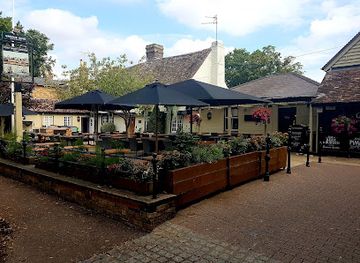
Traditional pub on Midsummer Common serving Greene King beers and meals with outdoor seating facing open grass.
-
Pub
The Elgin
Historic Notting Hill pub with Victorian elegance, gastropub delights, gin haven, beer garden bliss, and versatile event spaces for unforgettable gatherings.

Best shops in Middlesex
Shopping in Middlesex is strongest in its high streets, market areas and specialist food quarters rather than in a single traditional county market. Southall is a major destination for South Asian groceries, textiles, jewellery, clothing, sweets and household goods, with shops reflecting the area’s Punjabi and wider international communities. Wembley and Ealing offer a mixture of independent retailers, cafés, restaurants and familiar high-street chains, while Hounslow and Uxbridge serve as larger suburban shopping centres. Brentford and Chiswick are better suited to browsing independent shops, homeware, antiques, books and smaller galleries, although the exact retail mix changes over time. Farmers’ markets and food halls, where operating, provide opportunities to buy British produce alongside imported ingredients, but dates should be checked locally. Useful regional purchases include specialist teas and spices, confectionery, baked goods, craft items and London-themed gifts; visitors should not expect a single Middlesex craft tradition comparable with a rural county’s pottery or textiles.
-
Clothing Shop
Cyberdog
Step into Cyberdog, Camden’s neon-lit rave shop where futuristic fashion meets pounding techno beats in a vibrant club-like setting.
-
Bridal shop
Always & Forever - Wedding Dresses London
Premier family-run bridal boutique in Hounslow offering over 700 gowns and personalized, pressure-free service for your perfect wedding dress.
-
Gift shop
SUCK UK Alternative Gifts (OXO Tower)
Discover quirky, clever gifts and homewares at SUCK UK’s flagship store in London’s iconic OXO Tower.
-
African goods shop
Middlesex Textiles
Discover London’s premier West African fabric store offering vibrant, high-quality textiles with unmatched variety and service since 1969.


Get your free copy of our complete guide to Middlesex, delivered straight to you.
Everything on this page, from attractions and restaurants to essentials and local phrases, in one PDF you can read offline, print or share.
Already have an account? Sign in
Your Middlesex guide is ready.
We'll send it to · Not you? Sign out

Getting your guide ready…
We are putting together a fresh copy of the Middlesex guide. This can take up to a minute.
This can take a few moments. If your browser asks, choose Allow so the download can start. You'll find the guide in your Downloads folder.
Nothing happened? Download it again
Sorry, the guide is taking longer than usual. Please try again in a minute, or get it by email instead.
Middlesex essentials
Currency and Payment
Safety
Emergency Situations
Do's and Don'ts
Local Tips
From Eve
Local phrases worth knowing
You don't need to get them perfect. A few words go a long way, and locals appreciate the effort.
Basics
| English | Local | Say it |
|---|---|---|
| Hello | Hello | [həˈloʊ] |
| Goodbye | Goodbye | [ɡʊdˈbaɪ] |
| Yes | Yes | [jɛs] |
| No | No | [noʊ] |
| Please/You're welcome | Please/You're welcome | [pliːz/jʊr ˈwɛlkəm] |
| Thank you | Thank you | [θæŋk ju] |
| Excuse me/Sorry | Excuse me/Sorry | [ɪkˈskjuːz mi/ˈsɔːri] |
| How are you? | How are you? | [haʊ ɑːr ju] |
| Fine. And you? | Fine. And you? | [faɪn. ənd ju] |
| Do you speak English? | Do you speak English? | [du ju spiːk ˈɪŋɡlɪʃ] |
| I don't understand | I don't understand | [aɪ doʊnt ˌʌndərˈstænd] |
Eating & Drinking
| English | Local | Say it |
|---|---|---|
| I'd like to see the menu, please | I'd like to see the menu, please | [aɪd laɪk tu si ðə ˈmɛnju, pliːz] |
| I don't eat meat | I don't eat meat | [aɪ doʊnt iːt miːt] |
| Cheers! | Cheers! | [tʃɪrz] |
| I would like to pay, please | I would like to pay, please | [aɪ wʊd laɪk tu peɪ, pliːz] |
Emergencies
| English | Local | Say it |
|---|---|---|
| Help! | Help! | [hɛlp] |
| Go away! | Go away! | [ɡoʊ əˈweɪ] |
| Call the Police! | Call the Police! | [kɔl ðə pəˈliːs] |
| Call a doctor! | Call a doctor! | [kɔl ə ˈdɒktər] |
| I'm lost | I'm lost | [aɪm lɔst] |
| I'm ill | I'm ill | [aɪm ɪl] |
Shopping
| English | Local | Say it |
|---|---|---|
| I'd like to buy... | I'd like to buy... | [aɪd laɪk tu baɪ...] |
| I'm just looking | I'm just looking | [aɪm dʒʌst ˈlʊkɪŋ] |
| How much is it? | How much is it? | [haʊ mʌtʃ ɪz ɪt] |
| That's too expensive | That's too expensive | [ðæts tu ɪkˈspɛnsɪv] |
| Can you lower the price? | Can you lower the price? | [kæn ju ˈloʊər ðə praɪs] |
Time & Numbers
| English | Local | Say it |
|---|---|---|
| What time is it? | What time is it? | [wʌt taɪm ɪz ɪt] |
| It's one o'clock | It's one o'clock | [ɪts wʌn əˈklɒk] |
| Half past (10) | Half past (10) | [hɑːf pæst (10)] |
| Morning | Morning | [ˈmɔːrnɪŋ] |
| Afternoon | Afternoon | [ˌɑːftərˈnuːn] |
| Evening | Evening | [ˈiːvnɪŋ] |
| Yesterday | Yesterday | [ˈjɛstərdeɪ] |
| Today | Today | [təˈdeɪ] |
| Tomorrow | Tomorrow | [təˈmɔroʊ] |
| 1 | 1 | [wʌn] |
| 2 | 2 | [tu] |
| 3 | 3 | [θri] |
| 4 | 4 | [fɔr] |
| 5 | 5 | [faɪv] |
| 6 | 6 | [sɪks] |
| 7 | 7 | [sɛvən] |
| 8 | 8 | [eɪt] |
| 9 | 9 | [naɪn] |
| 10 | 10 | [tɛn] |
Transport & Directions
| English | Local | Say it |
|---|---|---|
| Where's a/the...? | Where's a/the...? | [wɛrz ə/ðə...?] |
| What's the address? | What's the address? | [wʌts ði əˈdrɛs?] |
| Can you show me (on the map)? | Can you show me (on the map)? | [kæn ju ʃoʊ mi (ɑn ðə mæp)?] |
| When's the next (bus)? | When's the next (bus)? | [wɛnz ðə nɛkst (bʌs)?] |
| A ticket (to ....) | A ticket (to ....) | [ə ˈtɪkɪt (tu ....)] |
History of Middlesex
Prehistoric landscapes and early settlement
The land that became Middlesex was occupied long before the county existed. Archaeological evidence from the Thames valley, gravel terraces and northern London records prehistoric activity, including settlement, farming and movement along waterways. The landscape was once more heavily wooded and wet than today, with the Thames and its tributaries influencing where communities could live and travel. Later roads, fields and urban development have obscured much of this early environment, but archaeological discoveries continue to show that the area was not simply an empty hinterland around London.
Roman roads and the growth of London’s hinterland
Roman London transformed the surrounding territory by creating roads, bridges, estates and supply networks. Routes through what is now Middlesex connected the capital with settlements and military or commercial centres to the west and north. The Thames, the Brent valley and established trackways helped organise movement, while agricultural land supplied the expanding city. Although the most substantial Roman remains lie in central London and neighbouring counties, Middlesex’s modern road alignments and settlement patterns partly reflect this Roman framework.
The medieval county of Middlesex
Middlesex emerged as a county in the early medieval period, its name meaning roughly the territory of the Middle Saxons. It surrounded the City of London on the north and west, with the Thames forming much of its southern boundary. Medieval parishes, manors and market settlements developed across agricultural land, while the proximity of London gave the county strategic and economic importance. Churches, manor houses, field patterns and old village centres preserved fragments of this pre-industrial structure even as suburban expansion later changed the landscape.
Royal estates and Tudor transformation
Middlesex became closely connected with the monarchy and aristocratic landholding as London expanded. Royal residences and hunting landscapes in and around the county shaped places such as Hampton, Hounslow and Isleworth, while religious foundations and wealthy estates controlled substantial areas before the Reformation. The dissolution of the monasteries in the 16th century redistributed land and altered local institutions. Surviving houses and gardens, including later buildings at Syon and Osterley, reflect the long development of elite estates close to the capital.
Civil War and the contested approaches to London
During the English Civil War, Middlesex occupied a strategically important position between London and the royalist forces operating from the west. Brentford was the scene of battles in 1642 and 1643, as control of crossings and roads leading towards the capital became contested. The conflict affected local estates, transport routes and communities, even though the county’s importance derived largely from its proximity to London rather than from a single prolonged campaign. The battles remain part of Brentford’s historical identity.
Canals, industry and suburban expansion
The 18th and 19th centuries brought canals, turnpike roads, railways and factories to Middlesex. The Grand Junction Canal, now the Grand Union Canal, connected the west of London with the national waterway network, supporting coal, timber, building materials and other goods. Brentford, Hounslow, Acton and neighbouring districts developed industrial activity, while railways encouraged commuting and speculative housing. Villages and market settlements gradually became suburbs, tying Middlesex ever more closely to London’s economy and daily life.
Aviation, war and the modern metropolis
The 20th century brought major changes through aviation, mass communications, road building and wartime mobilisation. RAF stations and airfields around Hendon, Uxbridge and nearby districts played important roles in the development of British military aviation and air defence. Heathrow, opened after the Second World War as London Airport, became one of the world’s major international gateways and reshaped western Middlesex. In 1965 the administrative county was abolished, with most of its territory incorporated into Greater London, but Middlesex survives in postal usage, institutions, historic identity and local memory.
Middlesex in Photos
Browse through our photo collection highlighting the charm and character of the destination.
Neighbouring regions of Middlesex
The closest regions to Middlesex, if you have time for more than one.
-

-

-

-

-


Swipe for more regions
Explore more

Explore more of United Kingdom
Discover the United Kingdom: A blend of rich history, stunning landscapes, and vibrant cities, offering a unique travel experience for every visitor.
Explore United Kingdom