
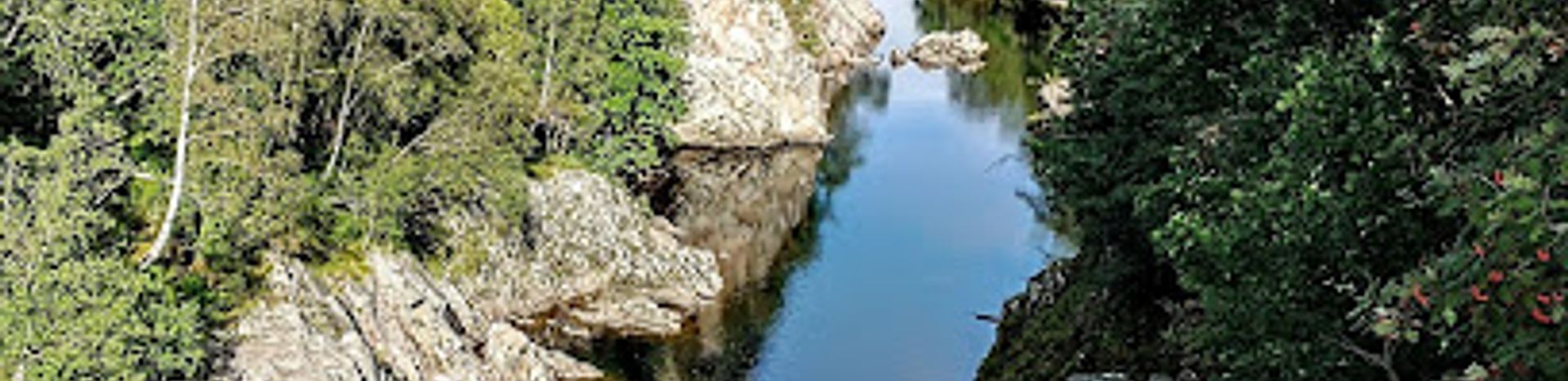
Dulsie Bridge
An 18th-century military bridge spanning a Highland gorge, where history and wild nature meet above the River Findhorn near Nairn.
Spanning a narrow gorge over the River Findhorn near Nairn, Dulsie Bridge is an 18th-century stone arch bridge built in 1755 as part of a military road network. Standing some 18 meters above the riverbed, this historic crossing offers dramatic views of the wild river and surrounding Highland scenery. A small parking area and short trail provide easy access to safe viewpoints, making it a peaceful stop for history lovers and nature enthusiasts exploring the Scottish Highlands.
A brief summary to Dulsie Bridge
- Old Military Rd, Nairn, IV12 5UR, GB
- Duration: 0.5 to 1.5 hours
- Free
-
 Outdoor
- Mobile reception: 4 out of 5
Local tips
- Visit early in the morning or late afternoon to avoid any potential crowds and enjoy the best light for photography.
- Wear sturdy footwear; the path near the bridge can be uneven and slippery, especially after rain.
- Bring a picnic; there are picnic tables at the parking area, making it a pleasant spot for a short break in the Highlands.

For the on-the-go comforts that matter to you
- Restrooms
- Drink Options
- Drinking Water
- Food Options
- Seating Areas
- Picnic Areas
- Trash Bins
- Information Boards
Getting There
-
Car
From Nairn, follow the A96 west then turn onto the Old Military Road; the drive takes about 20–25 minutes. There is a small parking area right at the bridge, but the space is limited and can fill up on busy days.
-
Public Transport + Walk
Take a bus from Nairn to nearby villages such as Cawdor or Nairn itself, then arrange a local taxi or walk along quiet country roads; the final approach on foot takes about 30–40 minutes and is suitable for confident walkers on well-maintained paths.
-
Cycling
Cyclists can reach Dulsie Bridge via the Old Military Road from Nairn; the ride takes roughly 45–60 minutes, with some rolling terrain and narrow sections, so a road or hybrid bike is recommended.
Dulsie Bridge location weather suitability
-
 Any Weather
-
 Rain / Wet Weather
-
 Mild Temperatures
Discover more about Dulsie Bridge
A Highland Military Crossing
Dulsie Bridge is a striking 18th-century stone arch bridge that carries an old military road across the River Findhorn, just south of Nairn in the Scottish Highlands. Built in 1755 by Major William Caulfield and men from Lord Robert Manner’s Regiment, it was part of a wider network of military roads constructed to improve government control and troop movement through the Highlands after the Jacobite uprisings. The bridge was built from Ardclach granite at a cost of around £150, a significant sum at the time, and its elegant single arch spans a narrow, rocky gorge with the river rushing far below.Engineering Against the Odds
The bridge’s design is both functional and impressive, rising about 18 meters above the riverbed. Its keystone sits high above the steep-sided gorge, a testament to the skill and daring of 18th-century stonemasons who worked at such heights with rudimentary tools. The structure was part of a strategic route linking key military locations, and its survival speaks to the quality of its construction. In an era when Highland roads were often rough tracks, Dulsie Bridge represented a major engineering achievement, allowing reliable passage over a challenging natural obstacle.Surviving the Great Flood
One of the most remarkable chapters in the bridge’s history is its survival of the infamous Muckle Spate of 1829, a catastrophic flood that swept away many surrounding farmhouses, mills, and other bridges along the Findhorn. The floodwaters rose to the top of the smaller arch and came within just three feet of the main keystone, yet the bridge held firm. This event remains the most devastating flood recorded in the area, and Dulsie Bridge’s endurance through it has become a local legend, underscoring its resilience and importance in the landscape.A Landscape of History and Nature
The bridge is set in a wild, picturesque stretch of the River Findhorn, where the water tumbles through rocky gorges and cascades below the arch. The surrounding area is rich in Highland history, with connections to figures like Robert Burns, who is believed to have stayed at a nearby farmhouse during his Highland tour in 1787. The combination of dramatic natural scenery and tangible military history makes Dulsie Bridge more than just a crossing; it is a place where the stories of soldiers, engineers, and the power of nature converge.Visiting the Bridge Today
Today, Dulsie Bridge is a quiet, off-the-beaten-path destination that rewards those who seek out its charm. A small parking area at the top of the bridge provides convenient access, and a short, well-maintained trail leads to safe viewpoints where visitors can admire the arch, the river, and the gorge. The site is ideal for a brief stop during a Highland drive, offering opportunities for photography, quiet reflection, and a sense of stepping back into 18th-century Scotland. There are no formal facilities at the bridge itself, but the immediate surroundings are well-suited for a picnic or a short walk along the old military road.Iconic landmarks you can’t miss

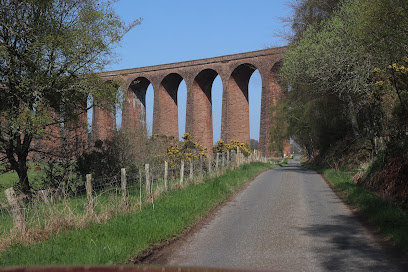
Culloden Viaduct
17.0 km
Scotland’s longest masonry viaduct, a stunning 29-arch railway bridge spanning the River Nairn valley near historic Culloden Battlefield.
Leanach Farm
18.1 km
Experience authentic Highland farm life with luxury comfort, scenic views, and historic sites just minutes from Inverness.

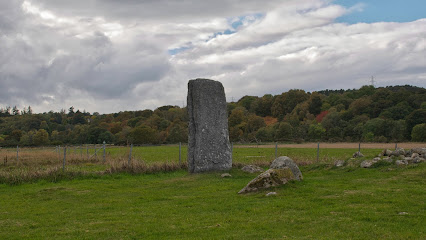
Milton of Clava
18.1 km
Explore ancient Bronze Age burial cairns and standing stones in a serene Scottish setting near the historic Culloden Moor.
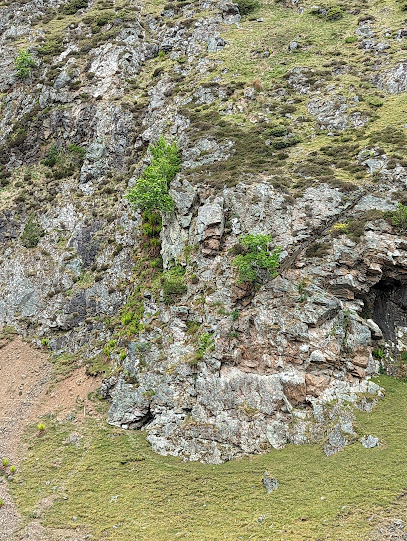
Soldiers Head
18.6 km
Discover Soldiers Head near Inverness, a natural Highland landmark steeped in history and local legend, offering stunning views and cultural significance.
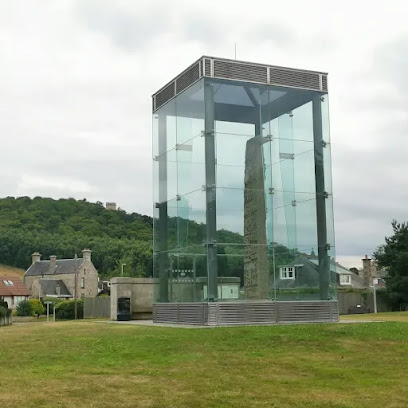
Sueno's Stone
21.4 km
Scotland's tallest Pictish monument—a 6.5-metre enigma carved with battle scenes and royal ceremony.
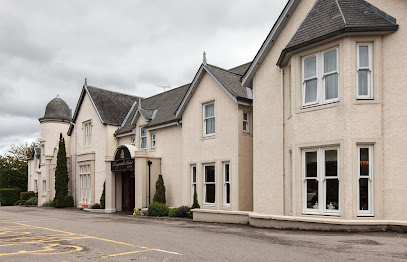
Culloden House Hotel
21.6 km
Elegant Georgian mansion with historic charm, fine dining, and tranquil gardens near Inverness in the Scottish Highlands.
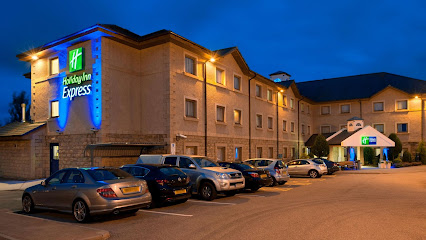
Holiday Inn Express Inverness, an IHG Hotel
24.3 km
Comfortable, eco-friendly hotel in Inverness offering modern rooms, free breakfast, and easy access to Highland attractions.
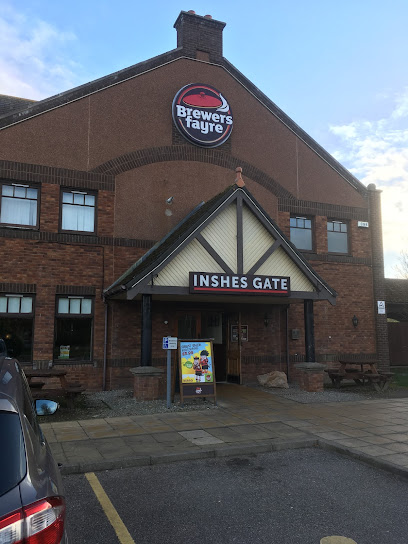
Inshes Gate Brewers Fayre
24.4 km
Experience the warmth of family dining at Inshes Gate Brewers Fayre, featuring delicious British cuisine in a welcoming atmosphere.
Asliesk Castle (remains)
25.5 km
Explore the ivy-clad ruins of Asliesk Castle, a 16th-century Scottish tower house steeped in history and legend near Elgin, Moray.
Kingsmills Hotel
25.6 km
Historic elegance meets modern luxury with spa, pool, fine dining, and tranquil grounds just minutes from Inverness city center.
The Broad Stone, Inverness
26.0 km
Discover Inverness’s ancient Broad Stone, a mysterious medieval relic with a storied past nestled between city parks.
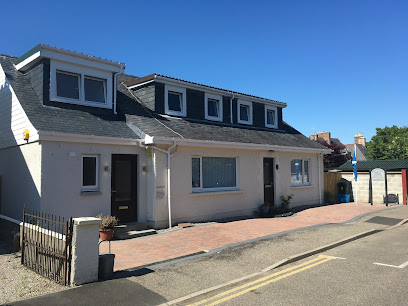
Silverstrands Guest House
26.1 km
Discover the charm of Inverness at Silverstrands Guest House, where comfort meets Scottish hospitality in a picturesque setting.
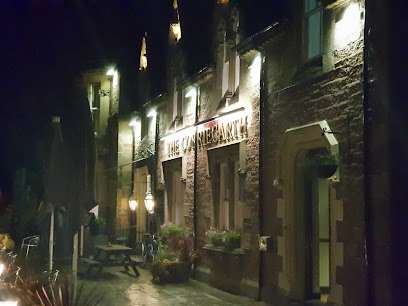
The Corriegarth
26.2 km
Cozy and friendly Highland hotel with a charming pub, quality dining, and peaceful rooms near Inverness city center.
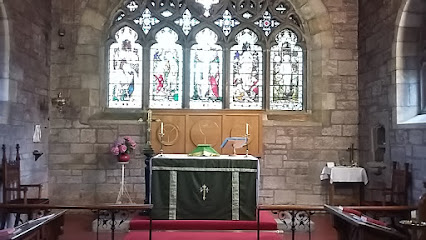
St John's Scottish Episcopal Church, Inverness
26.2 km
Explore the serene beauty and architectural splendor of St John's Scottish Episcopal Church, a historic landmark in the heart of Inverness.
Inverness Scotland
26.4 km
Inverness, the vibrant Highland capital, offers historic charm, stunning river views, and easy access to Loch Ness and Scotland’s majestic landscapes.
Unmissable attractions to see

Ardclach Bell Tower
4.5 km
Discover Ardclach Bell Tower, a rare 17th-century fortified watchtower and belfry perched above the Scottish Highlands’ tranquil parish church.
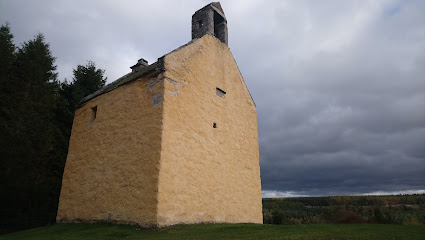
ACE Adventures & Hideaways - Activity Centre, Camping & Glamping
8.5 km
Thrilling white water rafting, high ropes, and peaceful glamping in the heart of the Scottish Highlands’ stunning wilderness.
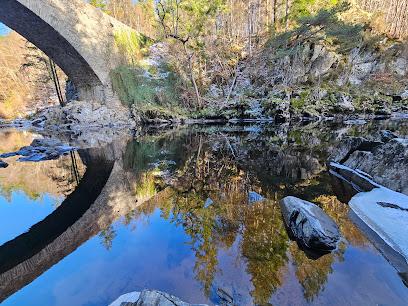
Randolph's Leap
10.5 km
Discover the legendary gorge where the River Findhorn narrows into a breathtaking leap of nature and history near Forres.
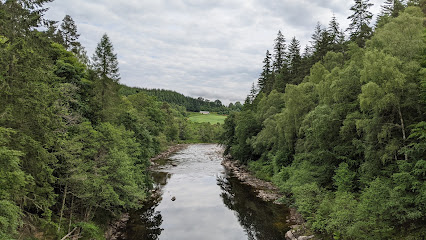
Cawdor Castle and Gardens
11.5 km
Explore the enchanting 14th-century Cawdor Castle and its stunning gardens, where history, legend, and Highland beauty unite.

Logie Steading
11.7 km
Discover artisan crafts, fresh local food, and scenic river walks at Logie Steading, a historic farmstead turned vibrant visitor centre in the heart of Scotland’s Findhorn Valley.
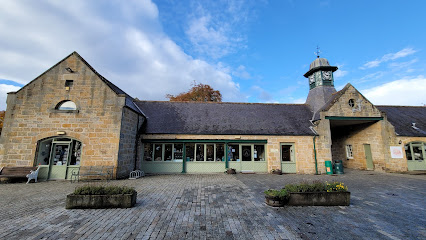
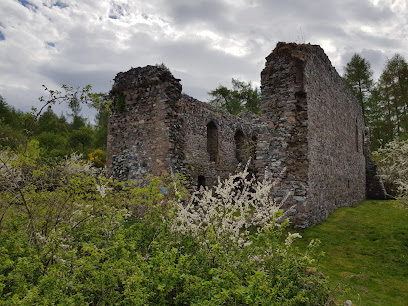
Rait Castle
11.7 km
Explore Rait Castle, a stunning heritage landmark in Nairn, offering rich history and picturesque views for every traveler.
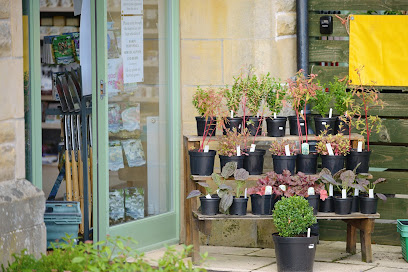
Logie Steading Farm & Garden Shop
11.7 km
A charming rural hub near Forres offering local plants, award-winning beef, artisan crafts, and family-friendly gardens in historic farm buildings.
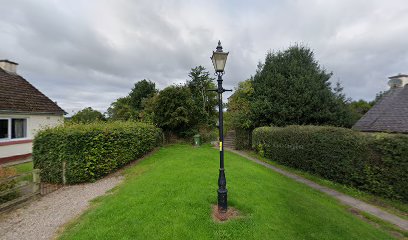
Auldearn Castle
14.2 km
Explore the historic 12th-century motte and dovecote of Auldearn Castle, a royal Scottish stronghold steeped in medieval and Civil War history.
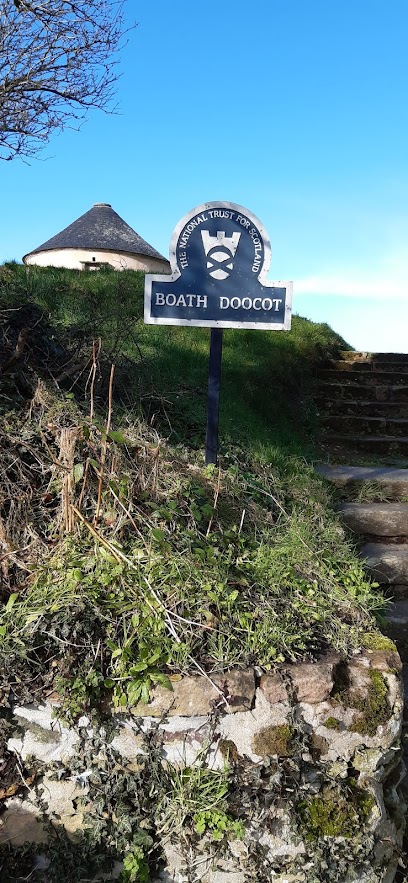
Boath Doocot
14.2 km
Explore the historic 17th-century Boath Doocot, a circular dovecote perched on a mound overlooking the battlefield plains near Auldearn village.
Wester Hardmuir Fruit Farm
14.7 km
Pick your own soft fruit, enjoy homemade treats, and taste the Highlands at this friendly family-run farm near Nairn.
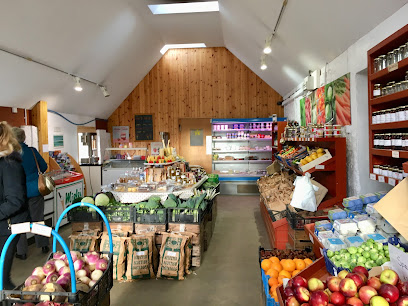
Sainsbury's
15.1 km
A convenient and comprehensive supermarket in Nairn’s Balmakeith Business Park, offering fresh produce, bakery delights, and everyday essentials.
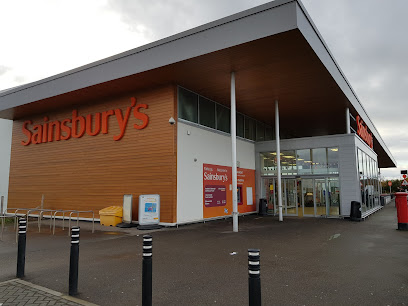
SKY Delights
15.8 km
A cozy health food deli in Nairn offering fresh, wholesome bites and a welcoming atmosphere for health-conscious visitors.
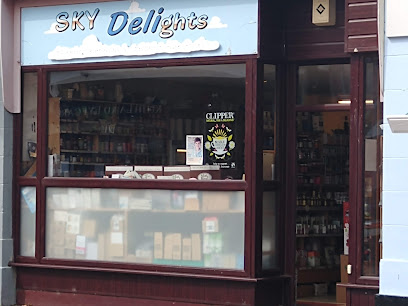
Co-op Food - Nairn - High Street
15.8 km
Conveniently located Co-op Food store on Nairn High Street, offering fresh groceries and essentials daily from early morning to late evening.
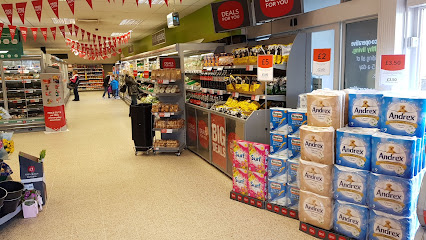
Castle Square
15.8 km
Historic Castle Square in Nairn, where medieval roots meet charming coastal town life and vibrant community culture.
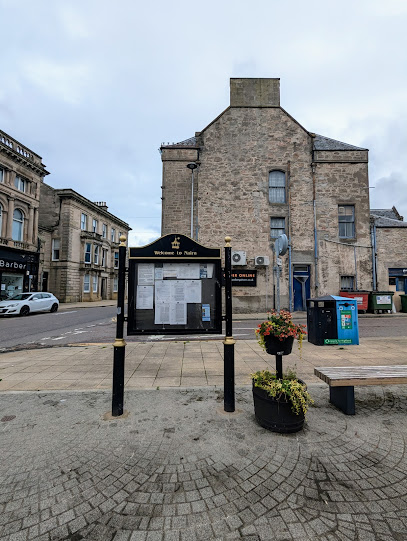
Scottish Exotic Animal Rescue
15.9 km
A compassionate refuge in Nairn offering sanctuary and education for exotic animals through immersive, appointment-based visits.
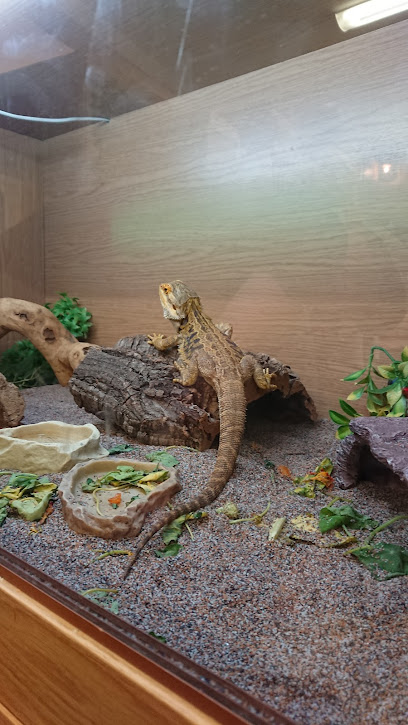
Essential places to dine

Cawdor Tavern
12.1 km
Highland hospitality meets contemporary cuisine in a welcoming village pub.
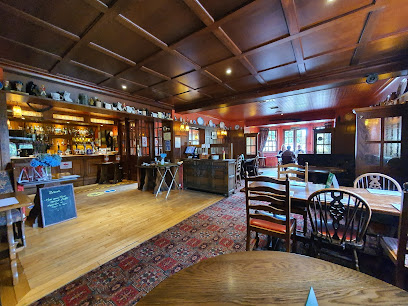
Boath House Restaurant & Rooms
14.4 km
Elegant Highland retreat blending historic charm with innovative dining and serene gardens near Nairn.
Boath Garden Cafe
14.4 km
A tranquil garden café nestled within Boath House’s walled garden, offering fresh, seasonal dishes in a serene Highland setting.
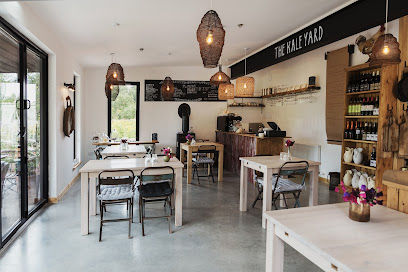
Househill Cafe
14.4 km
Experience vibrant brunch and lunch delights with a sustainable touch in the cozy, stylish setting of Househill Cafe, Nairn.
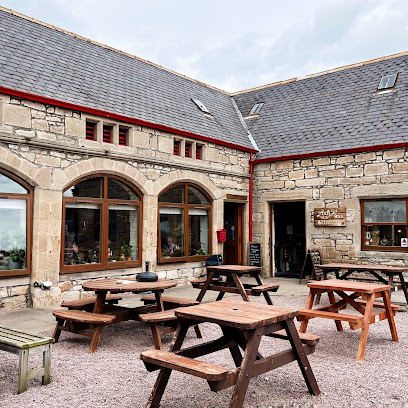
The Classroom Bistro
15.6 km
A welcoming bistro in Nairn serving fresh, locally sourced Scottish dishes with a modern twist and accommodating diverse dietary needs.
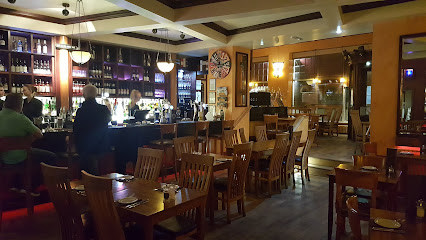
Uncle Bob's Bar
15.7 km
Experience the lively atmosphere at Uncle Bob's Bar in Nairn—your destination for great drinks, sports action, and community vibes.
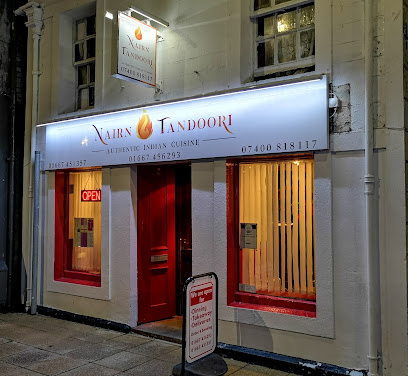
Nairn Tandoori
15.8 km
A reliable Indian restaurant on Nairn’s High Street, serving aromatic curries, tandoori grills, and generous portions in a relaxed, family-friendly setting.
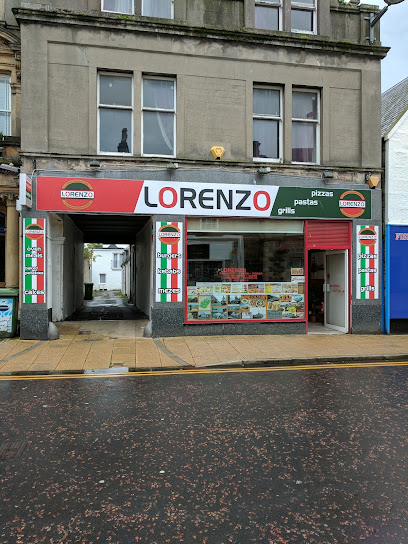
Lorenzo
15.8 km
A no-frills pizza takeaway on Nairn’s High Street, serving hot, generous slices for a casual evening meal by the Moray Firth.
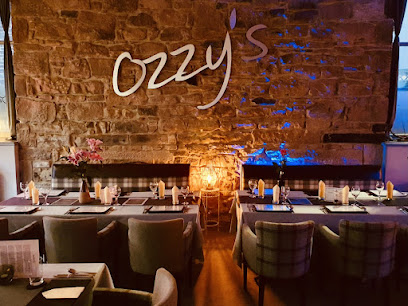
Ozzy's Fine Dining Restaurant
15.8 km
A unique blend of Scottish and Kurdish fine dining in the heart of Nairn, served with passion and impeccable hospitality.
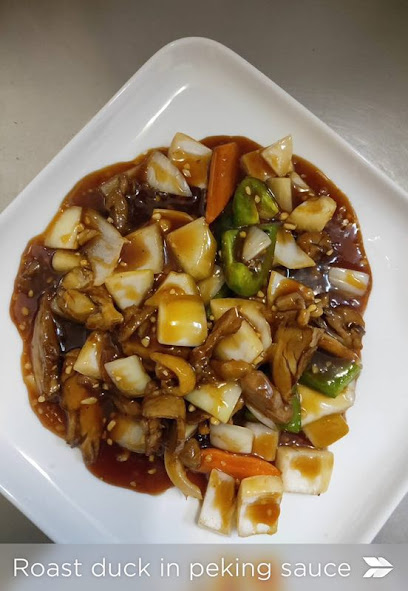
Thai Cottage
15.8 km
Authentic Thai flavours in a relaxed, no-frills setting on Nairn’s High Street – perfect for a satisfying, affordable dinner.
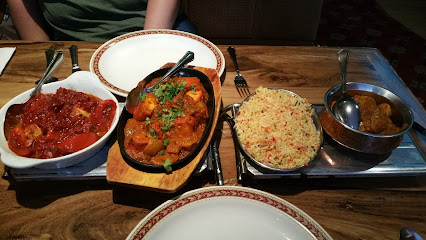
The Royal Bengal
15.8 km
Experience authentic Indian and Bangladeshi cuisine in a smart, welcoming setting on Nairn’s High Street, blending rich flavors with attentive service.
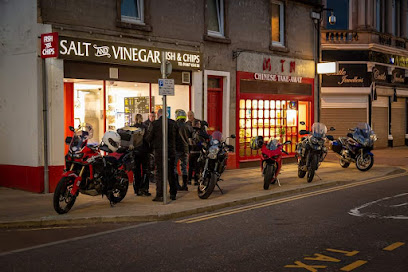
Salt & vinegar
15.8 km
Discover the authentic taste of Britain's favorite dish at Salt & Vinegar, where fresh fish meets golden chips in beautiful Nairn.
Aurora Hotel & Italian Restaurant
15.8 km
Cozy Scottish coastal hotel with authentic Italian dining and warm hospitality in the heart of Nairn.
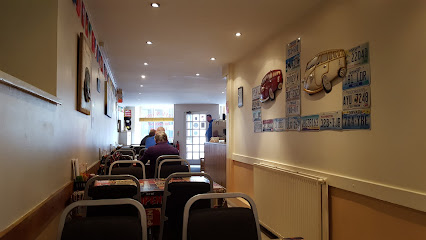
Cafe Nairn
15.9 km
Generous Highland breakfasts and exceptional value on Nairn's High Street.
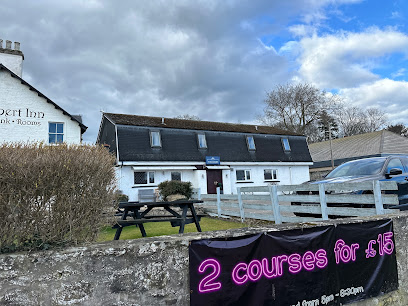
The Leerie
15.9 km
Cozy up to fresh Scottish seafood and international flavors in the welcoming ambiance of The Leerie, Nairn’s charming culinary gem.
Markets, malls and hidden boutiques

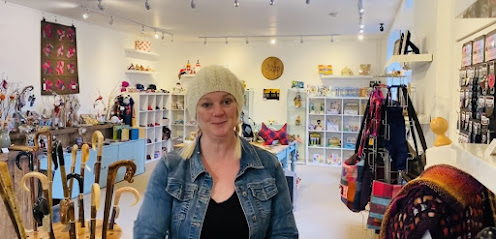
Hellygog
11.7 km
Discover Hellygog, a charming craft and gift shop nestled in the historic Logie Steading, blending artisan creativity with scenic Scottish heritage.
MacMuddles Shop
12.2 km
Discover unique antiques and curiosities in the charming, historic village of Cawdor at MacMuddles Shop.
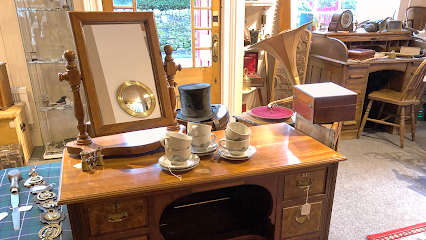
Auldearn Antiques
12.6 km
Discover timeless antiques and architectural treasures at Auldearn Antiques, a family-run gem in Nairn with over 35 years of expertise.
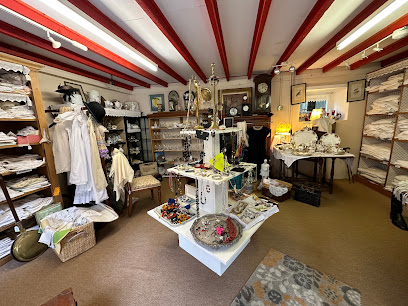
Home Bargains
15.1 km
Affordable everyday essentials and more at Home Bargains, Nairn’s trusted discount retailer in Balmakeith Business Park.
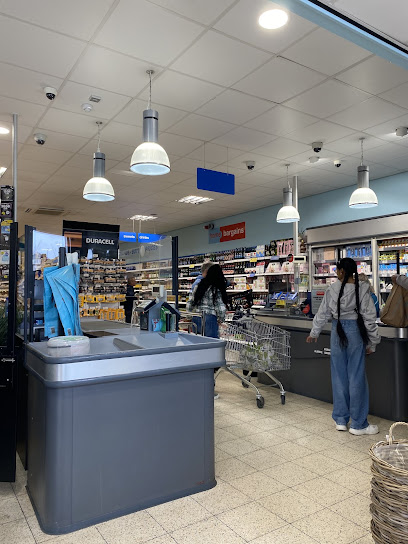
KLAS Clothing
15.6 km
A charming vintage clothing shop in Nairn, perfect for unique, sustainable fashion finds with a retro twist.
The Highland Weigh
15.7 km
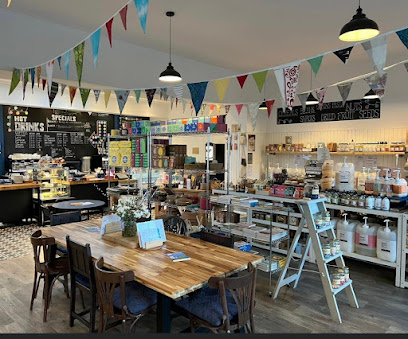
Nairn’s welcoming zero-waste shop and vegetarian café blending sustainable living with community spirit and delicious organic coffee.
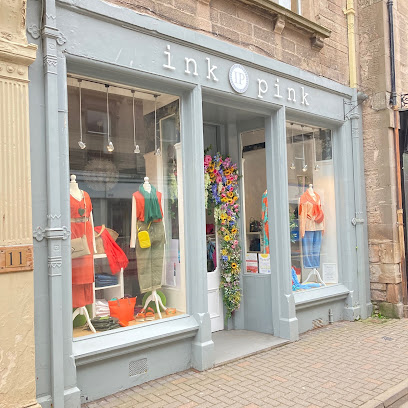
Ink And Pink
15.7 km
Explore the latest trends at Ink And Pink, Nairn's premier ladies' clothing shop, where style meets comfort in a charming boutique setting.
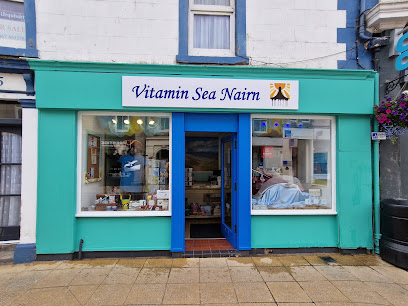
Vitamin Sea Nairn
15.8 km
Explore Vitamin Sea Nairn, a charming gift shop in Nairn, for unique souvenirs and local treasures reflecting the beauty of the Scottish coastline.
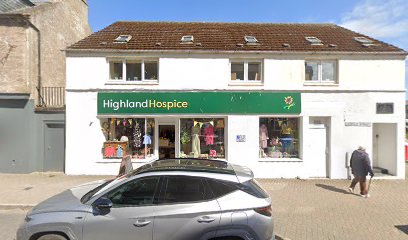
Highland Hospice - Nairn Shop
15.8 km
Discover unique treasures and support compassionate hospice care at Highland Hospice - Nairn Shop, a beloved charity retail destination in the Scottish Highlands.
The Original Factory Shop (Nairn)
15.8 km
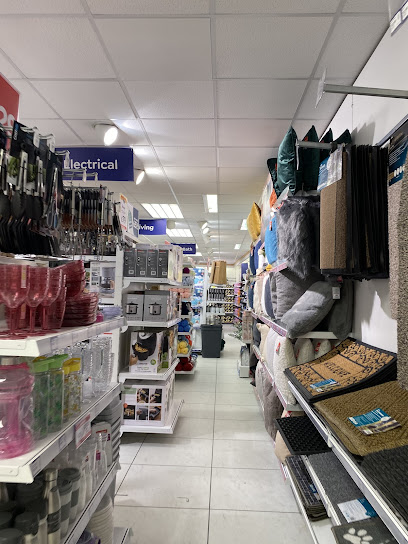
Discover unbeatable discounts on fashion, beauty, and more at The Original Factory Shop in Nairn’s vibrant High Street.
British Red Cross shop, Nairn
15.8 km
Explore the British Red Cross shop in Nairn for unique finds and sustainable shopping while supporting a great cause.

Bridgemill Direct
15.8 km
Your trusted source for quality outdoor clothing and gear in Nairn, bridging adventure with reliable equipment for all ages.
Nickel & Dime
15.8 km
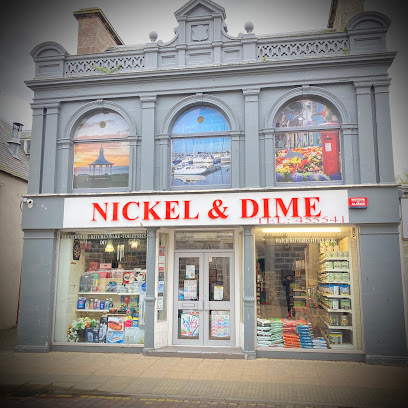
Explore Nickel & Dime in Nairn: your go-to hardware shop for quality tools, paints, and unique home improvement essentials.
Brambles
15.8 km
Discover unique ladies’ fashions and accessories at Brambles, Nairn’s charming boutique on Leopold Street.

Maggies Hippylicious Dreams
15.8 km
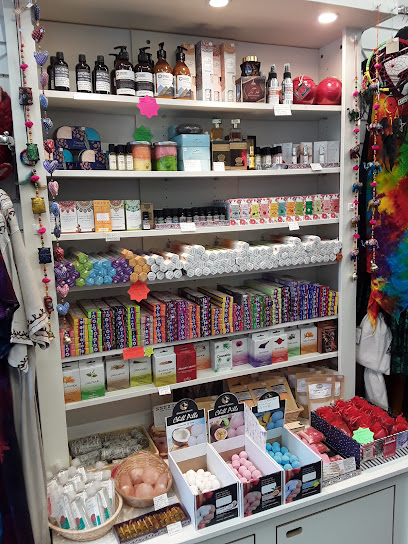
Quirky bohemian shop on Nairn's High Street offering vintage clothing, handmade crafts, and alternative lifestyle treasures.
Essential bars & hidden hideouts

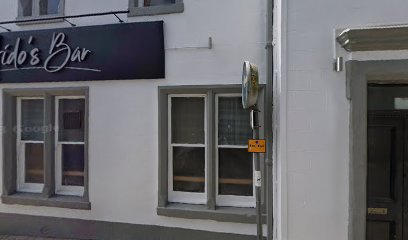
Aido's bar
15.7 km
Aido's Bar offers a cozy, friendly pub experience in Nairn with local ales, live music, and a welcoming atmosphere for all visitors.
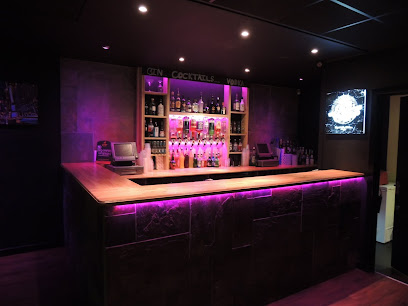
The Play House
15.8 km
Experience Nairn’s vibrant nightlife at The Play House, a lively nightclub and bar known for energetic music, dancing, and social fun.
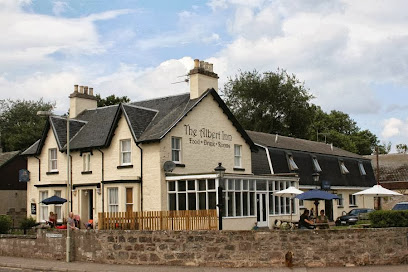
The Albert Inn
15.8 km
Cozy Scottish pub and hotel in Nairn offering exceptional steaks, warm hospitality, and a charming Highland atmosphere.
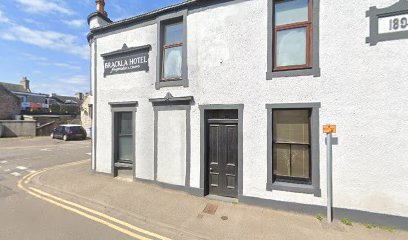
Brackla Hotel
16.0 km
A friendly and lively bar with comfortable hotel rooms, perfect for relaxing and socializing in the heart of Nairn.
The Clubhouse B&B
16.3 km
Boutique coastal B&B in Nairn offering modern comfort, friendly service, and easy beach access for a peaceful Highland getaway.
Claymore Bar
16.9 km
A cozy and friendly Highland pub in Grantown-on-Spey offering hearty drinks, lively entertainment, and genuine Scottish hospitality.
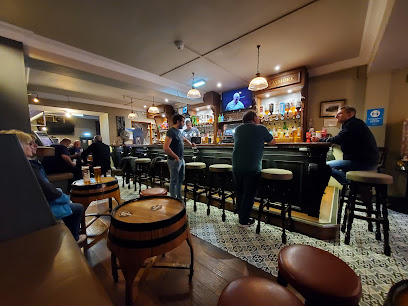
The Craig Bar
17.1 km
A lively Grantown-on-Spey pub famed for its exceptional pies, warm atmosphere, and authentic Highland hospitality.
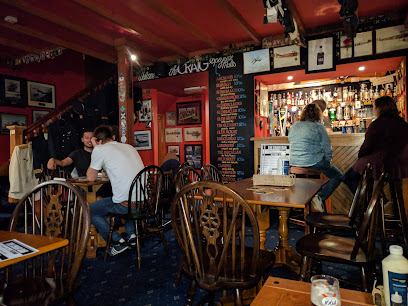
Lochanully Bar
18.1 km
A cozy Highland bar nestled in tranquil birch woods, perfect for relaxing after exploring the Cairngorms and surrounding natural beauty.
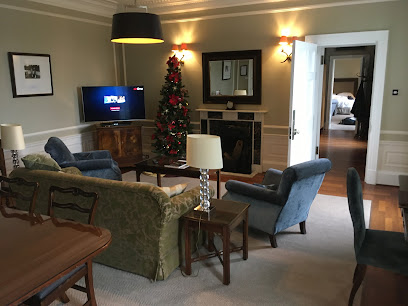
Thistle Bar
20.2 km
Cozy and friendly bar on Forres High Street, offering affordable drinks and a warm local atmosphere every day from 11am to 10pm.
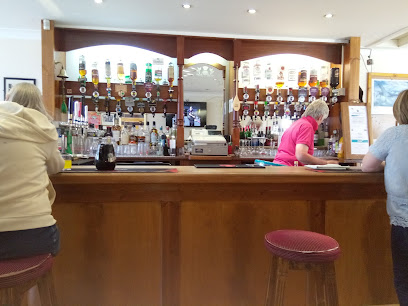
Legends
20.3 km
Lively pub with hearty fare, live weekend music, and a welcoming atmosphere in the heart of Forres.
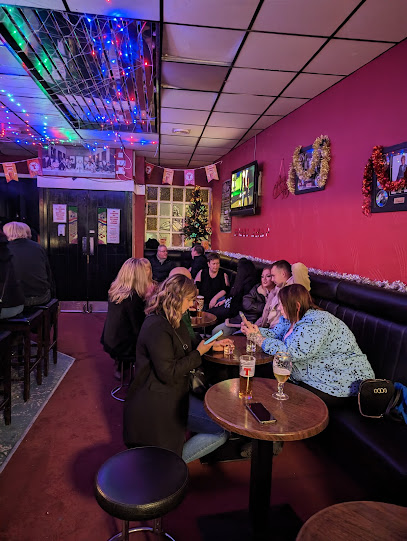
Sloe & Steady
20.4 km
Discover Forres’ cozy cocktail haven where creative drinks and a warm atmosphere blend for an unforgettable night out.
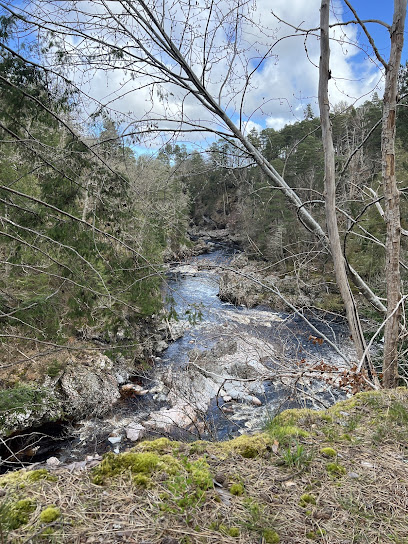
The Boat Country Inn & Restaurant
22.5 km
A cozy Highland inn blending rustic charm, hearty Scottish cuisine, and scenic mountain views in the heart of Boat of Garten.
The Snow Goose
24.3 km
Cozy up by the fire at The Snow Goose, Inverness’s charming pub serving hearty Highland classics in a warm, welcoming setting.
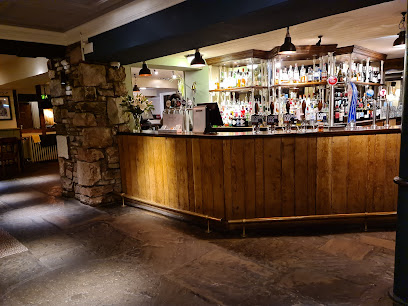
Dows Bar
25.3 km
A welcoming gastropub in Inverness blending local flavors, craft beers, and lively sports in a family-friendly setting.
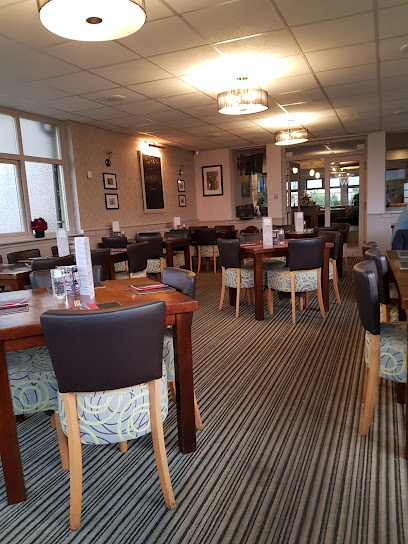
The Union Tavern
25.5 km
A cozy Fortrose pub offering local ales, live traditional music, and a warm, welcoming atmosphere on the Black Isle.
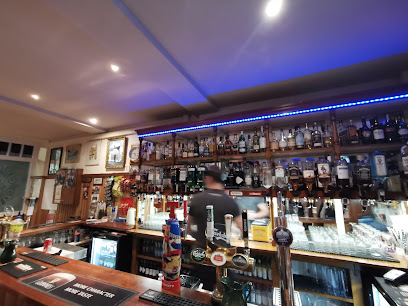
Nightclubs & after hour spots

Xplosive Discos
15.5 km
Experience the vibrant nightlife at Xplosive Discos in Nairn, where unforgettable music and karaoke fun await every visitor.
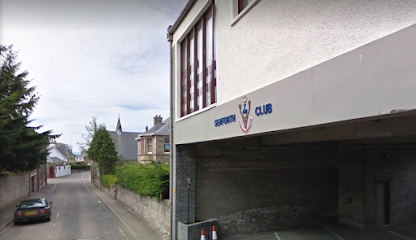
Seaforth Club
15.9 km
Experience Nairn’s vibrant social heart at Seaforth Club, where community spirit meets lively nightlife in a welcoming setting.
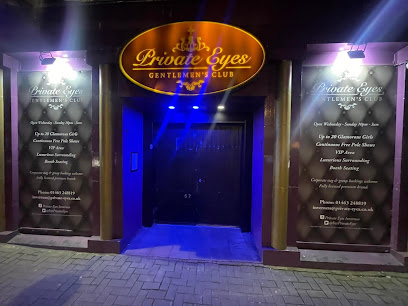
Private Eyes Inverness
26.8 km
Experience Inverness’s vibrant nightlife at Private Eyes, where stylish decor meets great music and a welcoming party atmosphere.
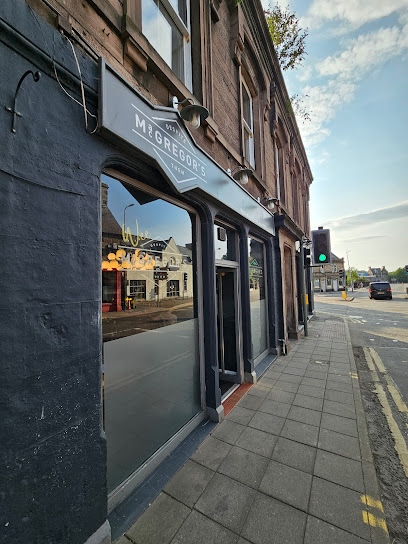
MacGregor's
26.9 km
Experience the lively atmosphere of MacGregor's in Inverness, offering delicious food and a great selection of drinks in a vibrant setting.
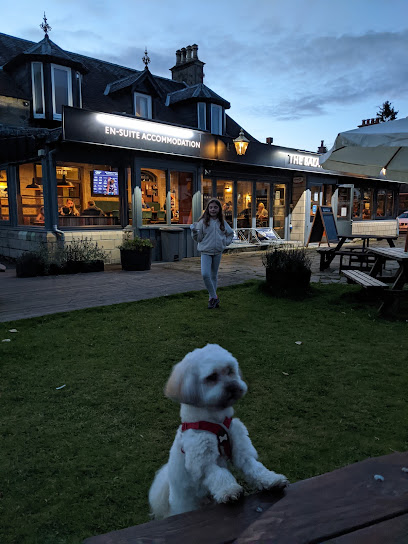
the Balavoulin
28.8 km
A lively, dog-friendly pub with hearty meals and cozy rooms, perfectly placed for exploring Aviemore and the Cairngorms.
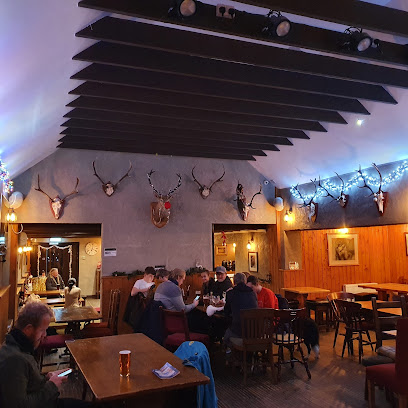
The Winking Owl, Craft Ale Pub & Bar
28.8 km
Discover The Winking Owl in Aviemore for a delightful experience of craft ales, local flavors, and a warm, inviting atmosphere.
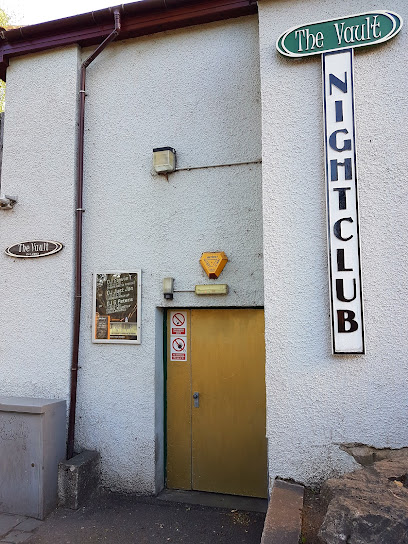
The Vault
29.1 km
Experience Aviemore’s vibrant nightlife at The Vault, a lively nightclub blending modern beats with Highland charm every weekend.
Mambos
29.3 km
Experience the vibrant nightlife at Mambos in Aviemore, where local charm meets a lively bar atmosphere for an unforgettable evening.
The Aviemore Inn pub and grill
30.2 km
Experience the warmth of Scottish hospitality at The Aviemore Inn, the perfect pub and grill in the heart of Aviemore for travelers and locals alike.
Woodshed Bar
30.7 km
Experience the warmth and charm of Woodshed Bar in Aviemore, where delightful drinks and a cozy atmosphere await you.
The Pine Marten Bar
31.9 km
Experience the warmth of Scottish hospitality at The Pine Marten Bar, where delicious food and breathtaking views combine for an unforgettable visit.
Shmelgin
35.3 km
Experience the authentic flavors of Nepal at Shmelgin, Elgin's premier Nepalese restaurant, known for its warm atmosphere and delicious dishes.
Zed Bar
35.3 km
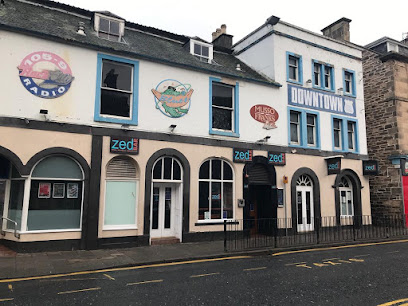
Experience the vibrant nightlife at Zed Bar in Elgin, where great drinks and lively atmosphere await every visitor.
Joannas Nightclub
35.3 km
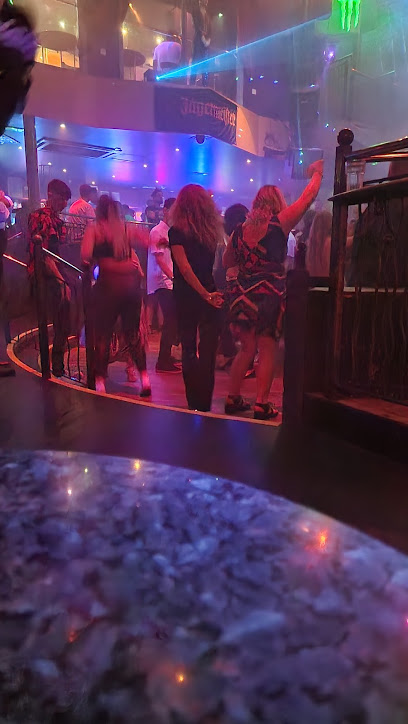
Lively and casual nightclub in Elgin’s town centre, offering weekend late-night music, dancing, and social vibes in a friendly local setting.
Diceys
35.3 km
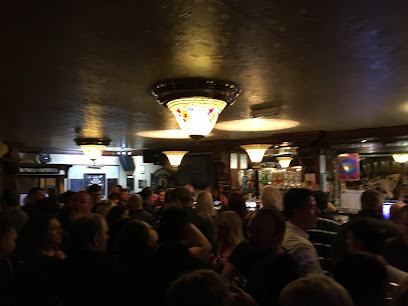
Experience the lively ambiance and local brews at Diceys, Elgin's favorite pub for relaxation and entertainment.
For the vibe & atmosphere seeker
- Relaxing
- Tranquil
- Scenic
- Unique
For the design and aesthetic lover
- Rustic Designs
- Vintage Styles
For the architecture buff
- Historic
- Landmarks
- Heritage Neighborhoods
For the view chaser and sunset hunter
- Iconic Views
- Waterfront
For the social media creator & influencer
- Instagrammable
- Photo Spots
- Aesthetic Corners
For the eco-conscious traveler
- Low Impact
- Public-Transport Accessible
For the kind of experience you’re after
- Cultural Heritage
- Photowalk
- Nature Escape
- Day Trip
For how adventurous you want the journey to be
- Easy Access
Location Audience
- Family Friendly
- Senior Friendly
- Child Friendly
- Teen Friendly
- Wheelchair Access
- Pet Friendly
- Solo Friendly
- Couple Friendly
- Solo Female Friendly


