
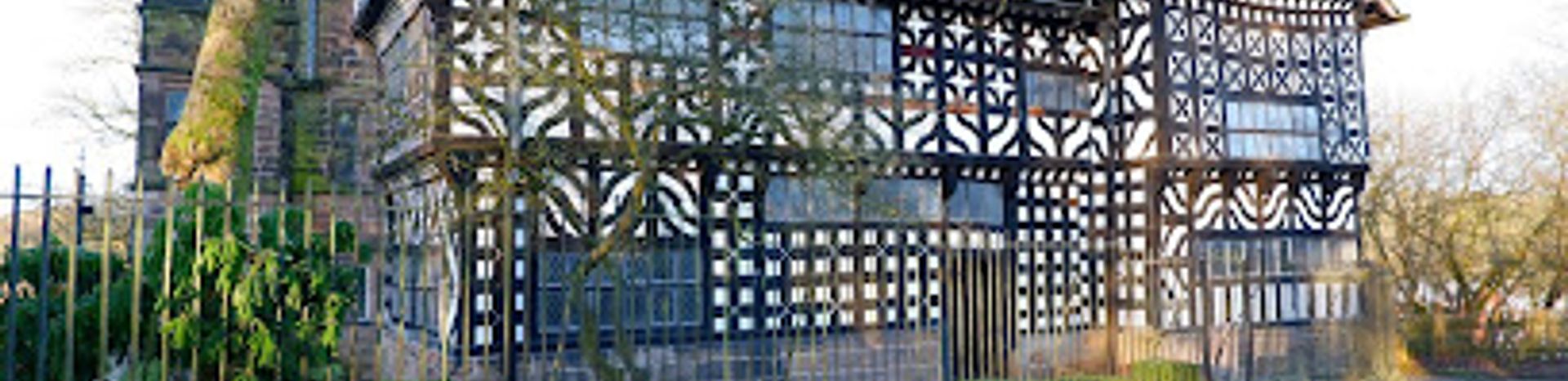
Hall i' th' Wood Museum, Bolton
A rare Tudor manor house in Bolton, famous as the home where Samuel Crompton invented the Spinning Mule, now a museum of domestic and industrial history.
Hall i' th' Wood is a rare surviving Tudor manor house in Bolton, Greater Manchester, now serving as a museum. Built in the early 16th century as a half-timbered hall, it later gained a grand Jacobean stone front and became a multi-occupancy home for local industrial families. It is most famous as the home where Samuel Crompton invented the Spinning Mule in 1779, a machine that revolutionised the cotton industry. The house was saved from ruin by William Lever (Lord Leverhulme) in 1899 and opened as a museum in 1902, preserving period rooms, 17th–18th century furniture, and stories of Bolton’s textile heritage.
A brief summary to Hall i' th' Wood Museum
- Hall I' Th' Wood Ln, Bolton, BL1 8UA, GB
- +441204332377
- Visit website
- Duration: 1 to 2 hours
- Free
-
 Mixed
Mixed
- Mobile reception: 4 out of 5
Local tips
- Check the museum’s official website before visiting, as the building is currently closed for essential structural repairs and may only be accessible for special tours or events.
- Wear comfortable shoes with good grip; the historic floors are uneven and there are steps between rooms and to the toilets outside the main hall.
- Ask about special access arrangements if you cannot climb stairs; photographs of the first-floor rooms are available at the bottom of the stairs for those unable to reach them.

For the on-the-go comforts that matter to you
- Restrooms
- Drinking Water
- Seating Areas
- Information Boards
- Visitor Center
Getting There
-
Public transport
The nearest train station is Hall i' th' Wood, about a 6-minute walk from the museum. Bolton Interchange, the main transport hub with bus and rail connections, is around 2.4 miles away; local bus services 525, 527, 541 and 986 run from there to stops near the museum.
-
By car
The museum is easily reached by road via the M60, M61 and M6 motorways. There is a car park directly outside the hall, suitable for visitors arriving by car.
Hall i' th' Wood Museum location weather suitability
-
 Any Weather
-
 Mild Temperatures
Discover more about Hall i' th' Wood Museum
A Tudor Hall in the Heart of Bolton
Standing quietly in a leafy corner of Bolton, Hall i' th' Wood is a rare and precious survivor of early 16th-century domestic architecture. Originally built as a timber-framed manor house for wealthy yeomen farmers, its exposed black-and-white beams and stone-flagged roof speak of a time when this was truly a hall in the wood, surrounded by fields and woodland. Over the centuries, the house evolved: a grand Jacobean stone front was added in the 17th century, and later extensions turned it into a multi-occupancy home for several families, each with their own entrance and staircase. This layered history is still visible in the building’s layout, where Tudor craftsmanship meets later stone additions and industrial-era modifications.Samuel Crompton and the Spinning Mule
Hall i' th' Wood is best known as the home where Samuel Crompton lived with his family in the late 18th century. In one of its rooms, around 1779, he designed and built the first Spinning Mule, a machine that could spin fine, strong cotton yarn suitable for muslin and revolutionised the textile industry. Known locally as the ‘Hall i’ th’ Wood wheel’, this invention helped transform Bolton and the wider North of England into a powerhouse of cotton manufacturing. The museum preserves the rooms where Crompton lived and worked, with displays including a partially constructed replica of the Spinning Mule and the upright organ he built himself, offering a tangible connection to one of Britain’s most important industrial innovators.A Museum of Domestic and Industrial Life
The museum today presents a vivid picture of 17th and early 18th-century domestic life in Lancashire. Period rooms are furnished with heavy oak furniture, a large tester bed, and a Lancashire-style kitchen, while the dairy and other service spaces show how food and household tasks were managed in a large yeoman household. Alongside these domestic scenes, the museum interprets the building’s later industrial phase, when it housed multiple working families and became a crucible of textile innovation. Informative displays explain the evolution of the house, its various owners and tenants, and the broader story of Bolton’s rise as a cotton town, making it a compelling destination for anyone interested in social and industrial history.Preservation and Public Legacy
By the late 19th century, Hall i' th' Wood had fallen into disrepair and was at risk of being lost. Its rescue came in 1899 when the industrialist William Lever (later Lord Leverhulme) purchased the building, funded essential restoration, and presented it to the people of Bolton in 1902 as a museum in memory of Samuel Crompton. This act of civic generosity ensured that the hall survived as a Grade I listed building and a focal point for local heritage. Today, the museum continues to celebrate both the architectural significance of the house and its role in the story of the Industrial Revolution, offering visitors a chance to step back into a world of timber frames, candlelight, and the quiet genius of a young inventor whose machine changed an industry.Iconic landmarks you can’t miss

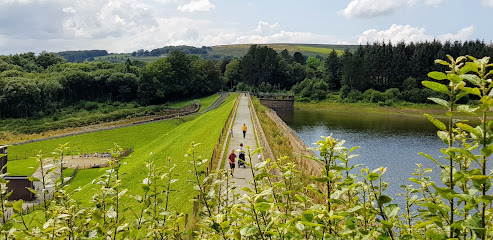
Wayoh Reservoir
5.2 km
Discover the tranquil beauty of Wayoh Reservoir in Bolton, a perfect retreat for nature lovers and outdoor enthusiasts alike.
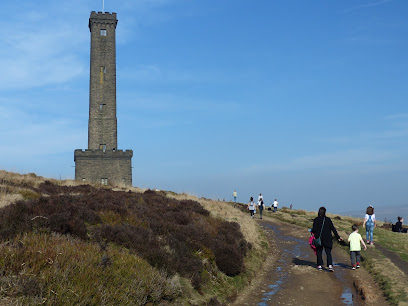
Peel Tower
7.2 km
Historic Peel Tower on Holcombe Hill offers panoramic views and a tribute to Sir Robert Peel’s legacy near Bury.
Robert Peel Statue
8.0 km
Honouring Bury’s most famous son: the 1851 bronze statue of Sir Robert Peel, twice Prime Minister and founder of the modern police force.

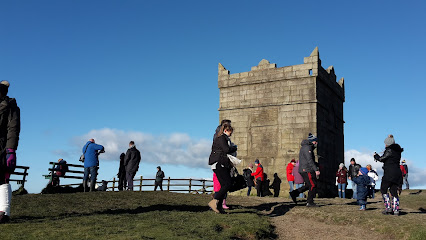
Rivington Pike Tower
8.3 km
Historic 18th-century hunting lodge atop Rivington Pike offering panoramic Lancashire views and rich cultural heritage within scenic Lever Park.
Rivington Pike
8.3 km
Discover the breathtaking views and rich history at Rivington Pike, a perfect hiking destination in Lancashire for nature lovers and adventurers alike.
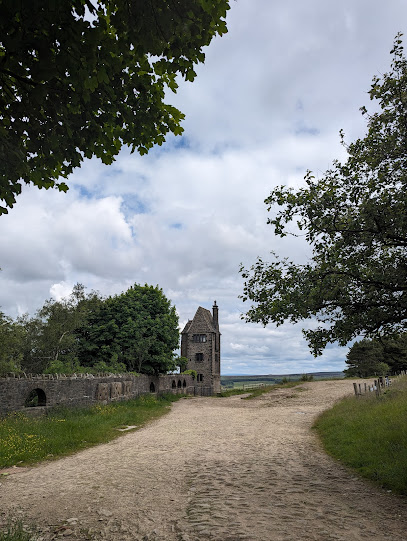
Lumb Viaduct
10.4 km
Discover the historic Victorian Lumb Viaduct, a stunning railway landmark offering scenic walks and cycling across Lancashire’s Rossendale Valley.
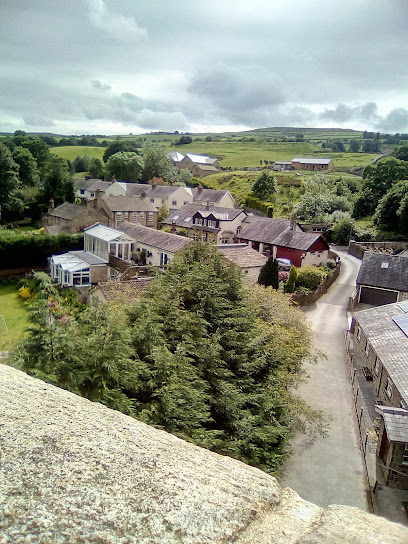
Sussex Avenue
10.8 km
Discover the charm of Bury from Sussex Avenue, your convenient gateway to local attractions and experiences in this historic English town.
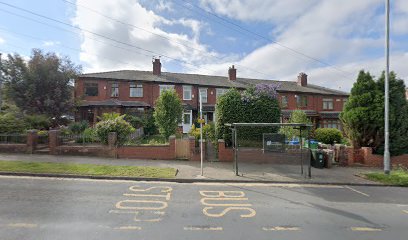
Sussex Close
11.7 km
Discover the charm of Wigan through Sussex Close, your essential bus stop to explore local attractions and immerse in the vibrant culture.

Heaton Park Papal Monument
13.1 km
A granite testament to faith and history where 200,000 gathered for a papal milestone in 1982.
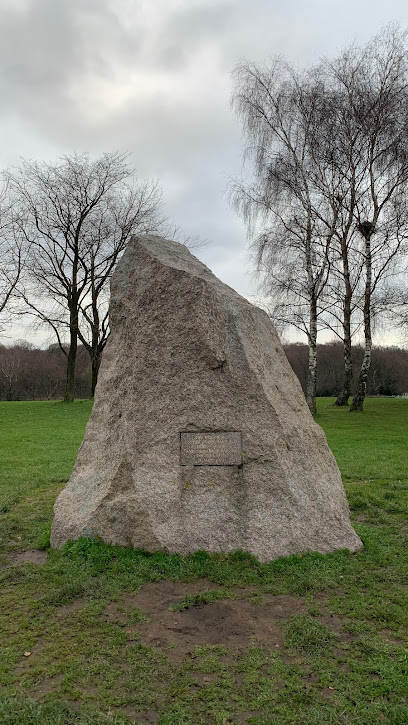
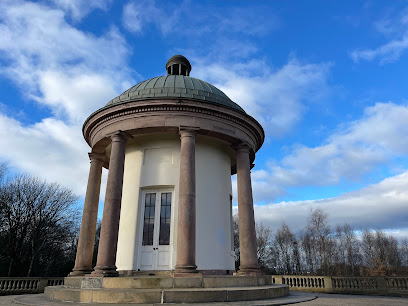
Heaton Park Temple
13.1 km
Discover the tranquil neoclassical Heaton Park Temple, perched atop Manchester’s largest park with stunning city views and rich historic charm.
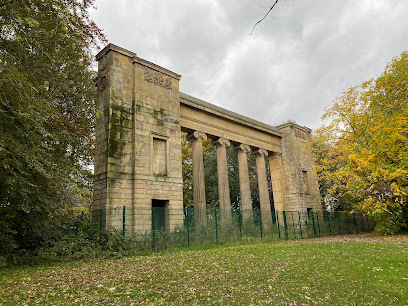
Manchester Old Town Hall Colonnade
13.3 km
A neoclassical relic of Manchester’s first Town Hall, relocated and preserved as a serene monument in Heaton Park.
Barton Swing Aqueduct
14.7 km
Explore the world’s only swing aqueduct, a Victorian engineering marvel carrying the Bridgewater Canal over the Manchester Ship Canal since 1894.
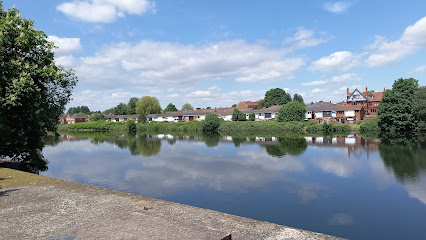
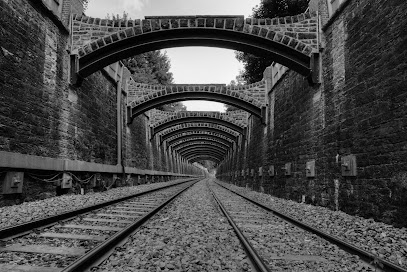
Chorley's Flying Arches
16.2 km
Discover Chorley’s rare Victorian Flying Arches, a unique blend of historic railway engineering and modern heritage preservation.
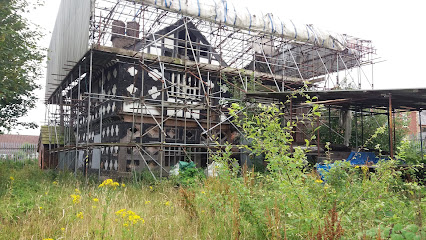
Tonge Hall
16.4 km
Discover Tonge Hall, a rare Elizabethan timber-framed manor in Middleton, blending Tudor grandeur with poignant history and ongoing restoration.
Salford Lads Club
16.7 km
A Victorian youth sanctuary where music history, social purpose, and community spirit converge.
Unmissable attractions to see

Market Place Shopping Centre
2.3 km
Historic charm meets modern shopping and entertainment at Bolton’s Market Place Shopping Centre, a vibrant hub for all ages.

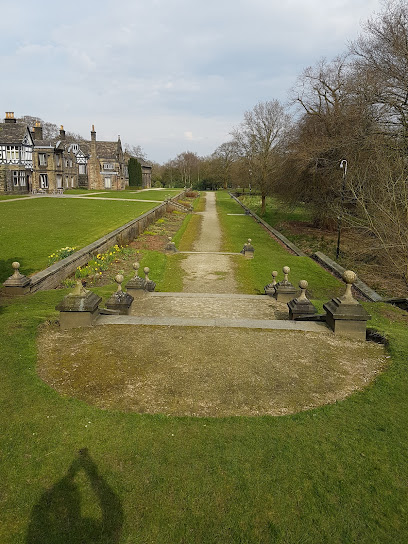
Smithills Hall
2.4 km
Explore Smithills Hall, a historic Bolton manor blending medieval charm, Victorian elegance, haunting tales, and serene gardens on the West Pennine Moors.
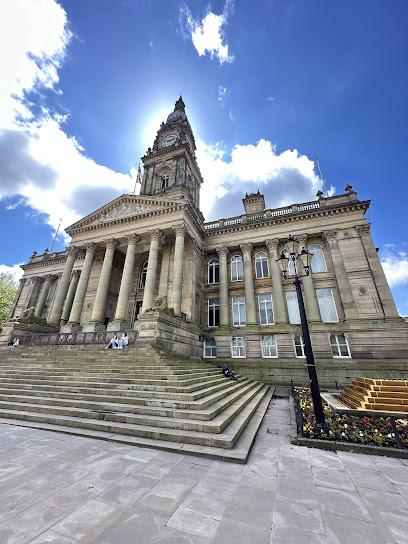
Victoria Sq
2.6 km
Victoria Square is Bolton’s iconic civic hub where historic grandeur meets lively community spirit in the heart of the town.
Jumbles Country Park
2.7 km
Peaceful reservoir walks, accessible trails, and woodland serenity await at Bolton’s Jumbles Country Park.
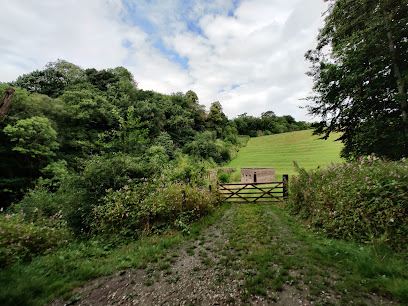
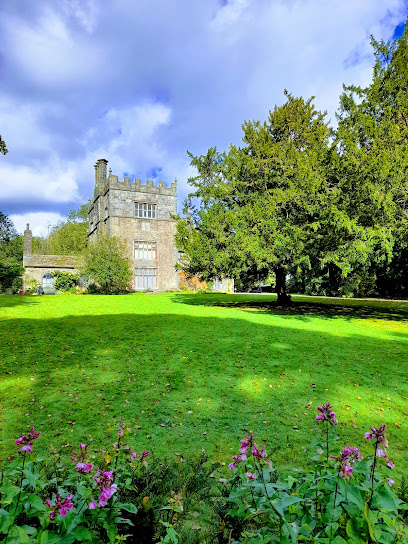
Turton Tower
3.7 km
Discover 600 years of history in a tranquil Tudor manor nestled in beautiful woodlands near Bolton, with gardens, a café, and engaging volunteer guides.
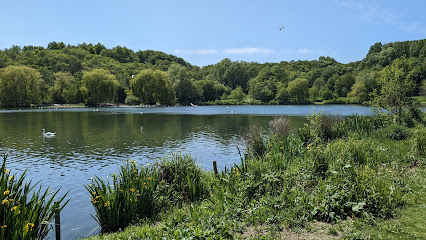
Moses Gate Country Park
4.8 km
Explore Bolton’s largest nature reserve with lakes, woodlands, wildlife, and family-friendly trails at Moses Gate Country Park.
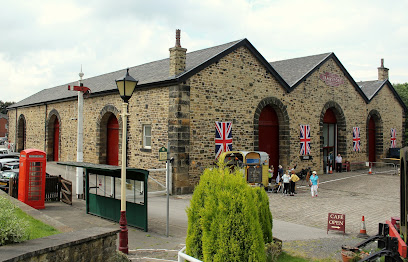
Bury Transport Museum
7.9 km
Explore vintage vehicles and interactive exhibits in a historic 1848 railway warehouse celebrating Northwest England’s transport heritage.
East Lancashire Railway
7.9 km
Step aboard the East Lancashire Railway for scenic steam and diesel journeys through historic Lancashire, starting at the iconic Bury Bolton Street Station.
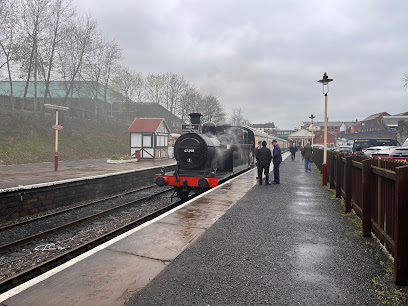
Radcliffe Tower
8.3 km
Discover the rich history and architectural beauty of Radcliffe Tower, a must-visit landmark in Manchester that encapsulates the essence of local heritage.
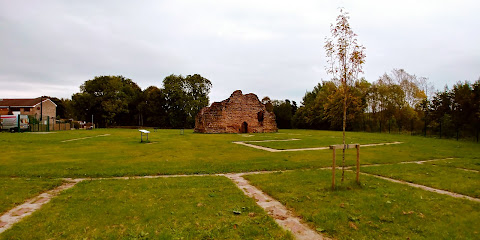
Rivington Terraced Gardens
8.8 km
A magical Edwardian hillside garden of terraces, follies, and lakes, now open to all beneath Rivington Pike.

Eagle & Child Inn
9.2 km
Historic Lancashire pub with five centuries of stories, ghosts, and award-winning hospitality.
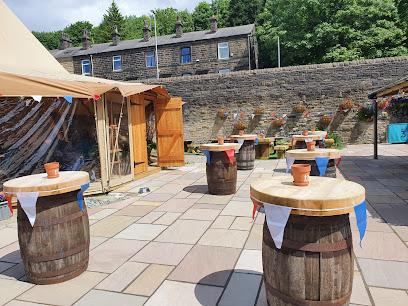
Liverpool Castle
9.6 km
Discover the history and beauty of Liverpool Castle, a stunning architectural gem nestled in the heart of Bolton, England.

Go Ape Rivington
9.8 km
Experience thrilling treetop adventures and breathtaking reservoir views at Go Ape Rivington, Lancashire’s premier high ropes course.

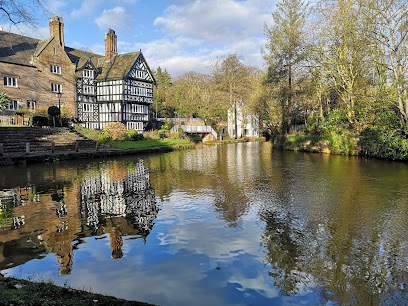
Alance Bridge
10.5 km
Explore the beauty of Alance Bridge, a historical landmark in Bolton, where culture meets nature in a serene setting.

Worsley Delph
11.3 km
Historic canal basin and underground mine entrance in Worsley, showcasing the heart of Britain’s Industrial Revolution heritage.
Essential places to dine

Nick's Restaurant
7.6 km
Experience exquisite Modern European cuisine in a lively, cozy setting with attentive service at Nick's Restaurant in Horwich, Bolton.

Ewe Restaurant and Bar
9.0 km
Modern British cuisine meets stylish comfort in Bolton’s Ewe Restaurant and Bar, perfect for memorable meals and special occasions.

Crowded House Restaurant
9.0 km
A vibrant blend of modern British dining, quirky charm, and lively bar culture in the heart of Bury.
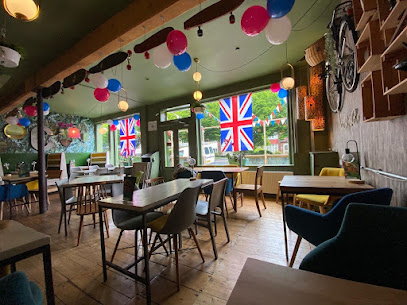
Northern Crafthouse
9.6 km
A vibrant brew house in Whitefield blending modern style, craft beers, and hearty American comfort food in a welcoming atmosphere.
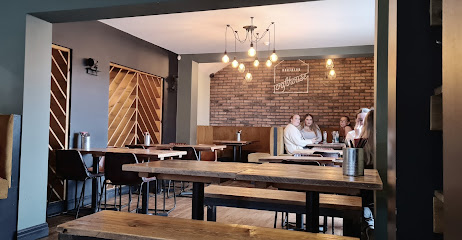
The Cherry Tree at Blackrod
11.5 km
A vibrant modern British gastropub in Bolton offering classic dishes, elegant events, and a welcoming atmosphere for all occasions.

Retreat Adlington
12.3 km
A vibrant grill and cocktail bar in Adlington offering quality steaks, pizzas, and a welcoming atmosphere for all occasions.
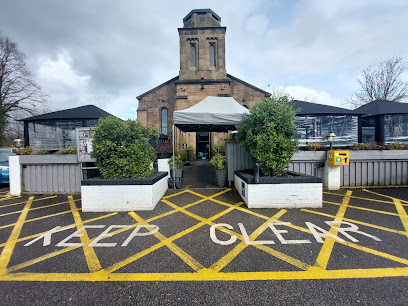
Restaurant Metamorphica
13.0 km
Exclusive fine dining in Haslingden offering innovative British tasting menus in an intimate, handcrafted setting by Chef Steven Halligan.
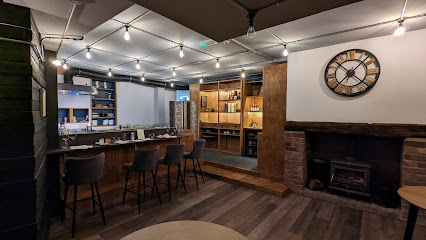
Fat Olive Restaurant
15.0 km
Experience vibrant Mediterranean and British flavors in a welcoming, lively setting at Wigan’s beloved Fat Olive Restaurant.

Gallimore's Fine Restaurant
15.3 km
Contemporary British dining in Wigan’s historic town centre, offering quality menus in a stylish, welcoming setting.

Encore Restaurant
15.3 km
Modern British cuisine and vibrant cocktails meet stylish celebrations in the heart of Chorley’s Brewers Print Building.
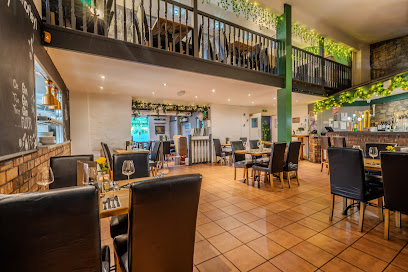
The Wheel Restaurant
15.4 km
Experience award-winning, student-prepared cuisine in a warm, welcoming setting at Wigan’s unique Wheel Restaurant.

The Botanist Media City
16.3 km
A botanical-themed restaurant and bar in MediaCityUK offering creative cocktails, hanging kebabs, live music, and striking Salford Quays views.
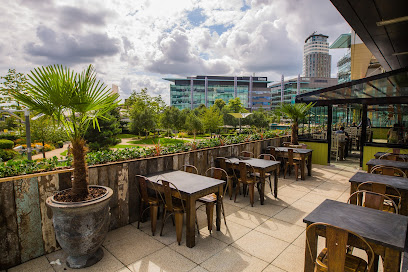
The Alchemist MediaCity UK
16.5 km
Experience innovative cocktails and global cuisine in a striking futuristic setting overlooking Salford’s historic quays at MediaCity UK.
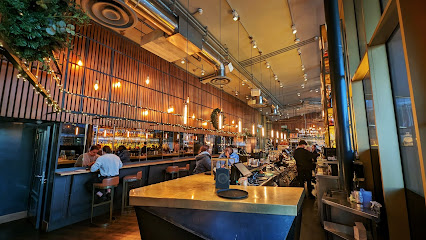
Nando's Salford Quays
16.5 km
Savor flame-grilled PERi-PERi chicken in a lively, accessible setting at Nando's Salford Quays, where Portuguese and South African flavors meet Manchester’s vibrant quayside.
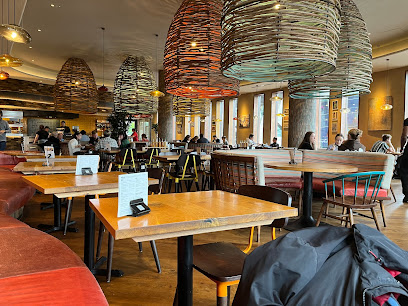
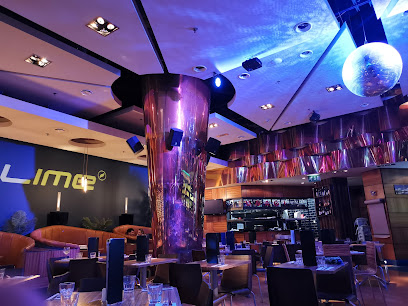
Lime
16.6 km
Savor grilled delights and Asian fusion by Salford Quays' waterfront, where relaxed lunches flow into lively nights in a spacious, vibrant venue.
Markets, malls and hidden boutiques

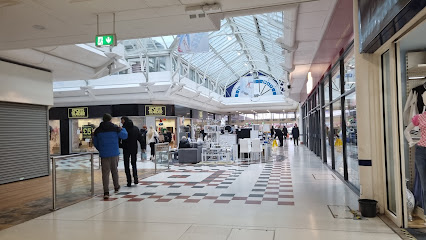
Salford Shopping Centre
15.2 km
Affordable shopping precinct in Salford's Pendleton, with free parking, daily essentials, and community conveniences under one roof.
Crissys Gifts For All Occasions
15.6 km
Explore Crissys Gifts For All Occasions in Blackburn for unique gifts and souvenirs that capture the essence of your visit.
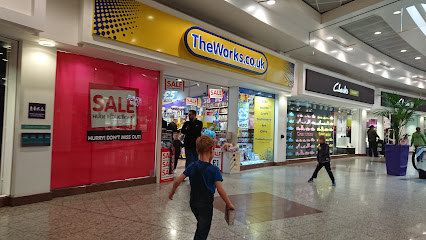
The Works
16.6 km
Unleash creativity at unbeatable prices: books, crafts, toys and more in Salford Quays' discount haven.
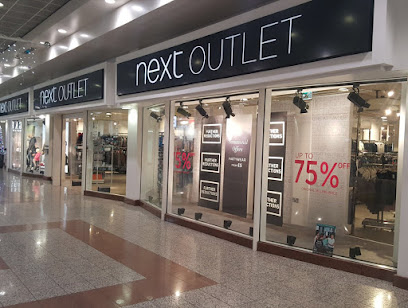
Next Outlet
16.6 km
Discounted designer fashion, homewares and shoes in Salford Quays' bustling MediaCityUK hub – style-savvy shopping with premium brands at outlet prices.
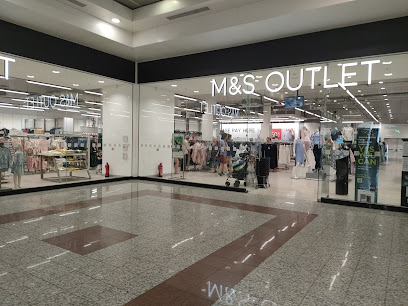
M&S Outlet
16.6 km
Bargain-hunting haven in Salford Quays: M&S discounted fashion, homeware, and beauty amid MediaCityUK's creative buzz.
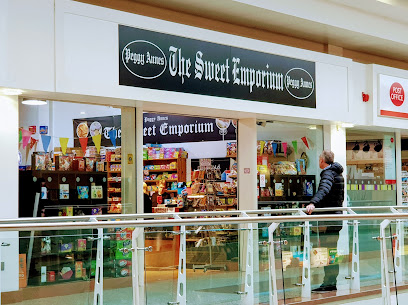
The Sweet Emporium
16.6 km
Discover UK's vastest sweet collection at The Sweet Emporium in MediaCityUK—a family-run paradise of nostalgic candies, retro treats, and global confections that sparks joy for every sweet tooth.
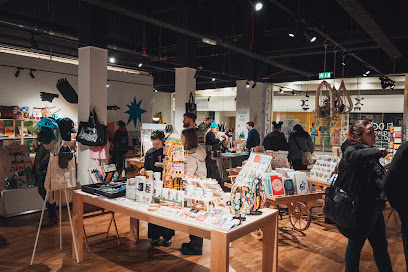
Flock and Gaggle
16.7 km
Discover handcrafted gifts and local artistry in MediaCity UK's creative gem, where independent makers shine amid Salford's quayside buzz.
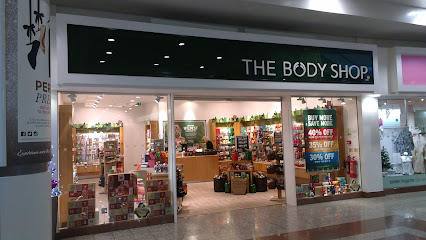
The Body Shop
16.7 km
Compact MediaCityUK branch of The Body Shop with core cruelty‑free ranges, seasonal gifts and refill options on the Salford Quays Quayside.
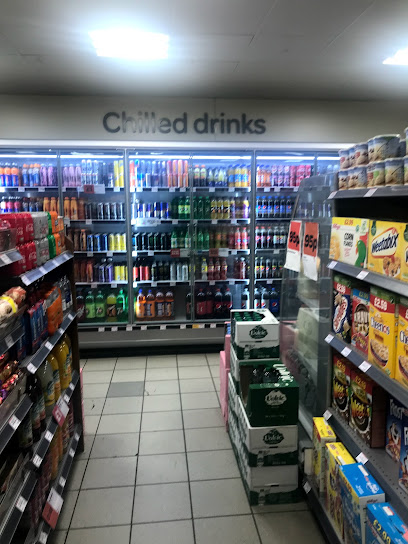
SPAR Salford Quays
17.2 km
Small, practical 24-hour convenience store on Trafford Road serving Salford Quays visitors, residents and shift workers.
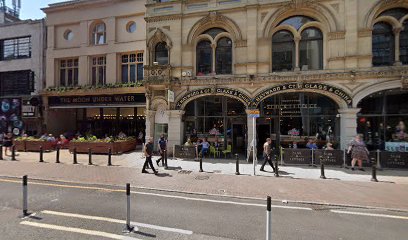
Once Upon a Smile
17.3 km
Explore Once Upon a Smile in Manchester for unique clothing that reflects your personal style.
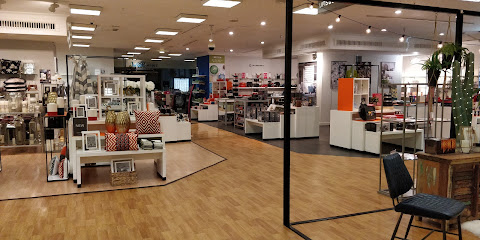
House of Fraser
17.4 km
Discover House of Fraser in Manchester, where fashion meets home decor in a stylish shopping experience. Explore designer brands and unique finds.
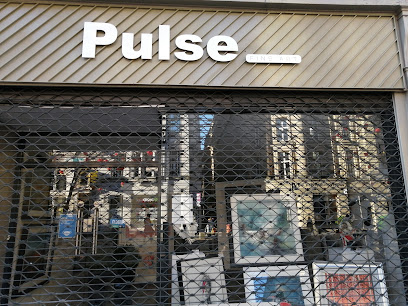
Pulse
17.4 km
Discover unique local treasures and artistic gifts in the heart of Manchester’s historic St Anne’s Square at Pulse.
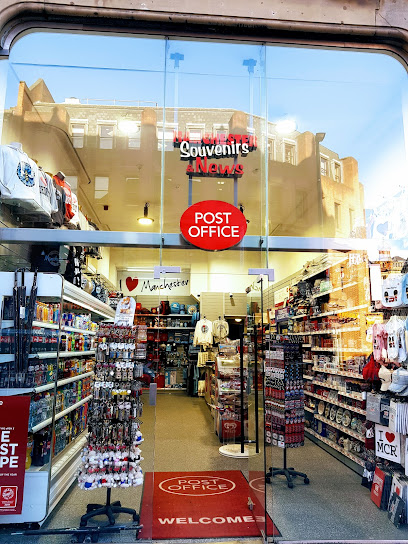
Manchester Souvenirs Gifts & Presents Geek Elf Elux Bars Luggage storage locker
17.5 km
Authentic Manchester souvenirs and gifts with local charm, plus convenient luggage storage in the heart of Deansgate.
Rams Gift World
17.5 km
Discover unique gifts and local crafts at Rams Gift World, Manchester’s vibrant and eclectic souvenir shop on Market Street.

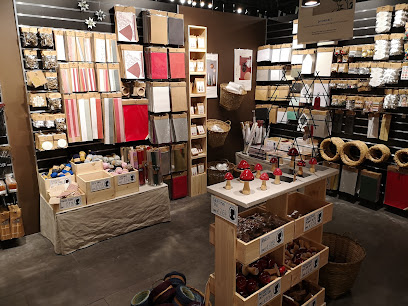
Søstrene Grene
17.5 km
Discover Danish-inspired creativity and cozy home treasures in the heart of Manchester’s vibrant city centre.
Essential bars & hidden hideouts

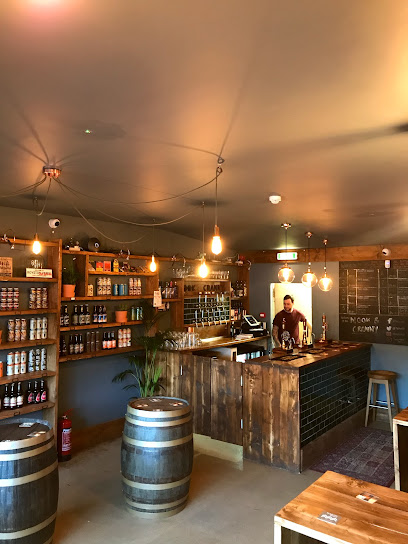
The Nook & Cranny Bromley Cross
1.6 km
A cozy, community-focused tap house in Bromley Cross serving quality cask ales in a warm, inviting atmosphere.
Piggy Banks
2.9 km
A friendly, affordable bar in Bolton offering a great selection of ales and simple food in a cozy, welcoming setting near the train station.
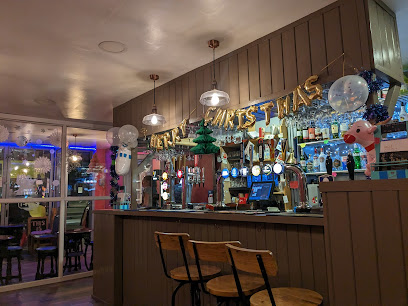
The Rivington
8.0 km
A stylish gastropub in Horwich offering fresh, quality dishes and a welcoming atmosphere for families and friends.
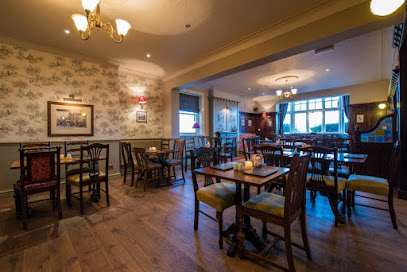
Waggon & Horses
8.6 km
A lively traditional British pub in Westhoughton offering hearty fare, well-kept beers, and a welcoming community atmosphere.
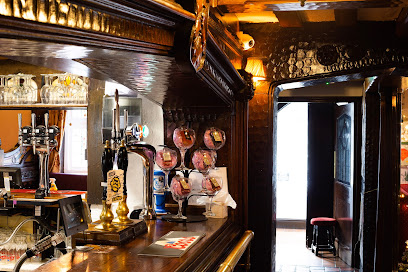
Sherringtons Bar
15.1 km
A welcoming and lively bar in Wigan offering great drinks and a cozy atmosphere for locals and visitors alike.
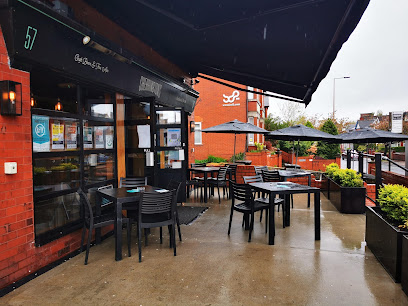
Riley's Taproom and Wine Bar
15.2 km
A stylish and welcoming taproom in Chorley offering craft beers, fine wines, and a cozy atmosphere for relaxed socializing.

The Shed Chorley
15.2 km
A vibrant micro bar in Chorley offering rustic charm, live music, and signature wine and cheese platters every weekend.

The Dressers Arms | Pub & Rooms
15.3 km
Charming countryside pub and cozy rooms offering hearty food, local ales, and warm hospitality in scenic Wheelton, Chorley.

The Wiend Bar
15.3 km
Energetic cocktail bar and nightclub in Wigan offering strong drinks, vibrant DJ sets, and a lively atmosphere for late-night socializing.
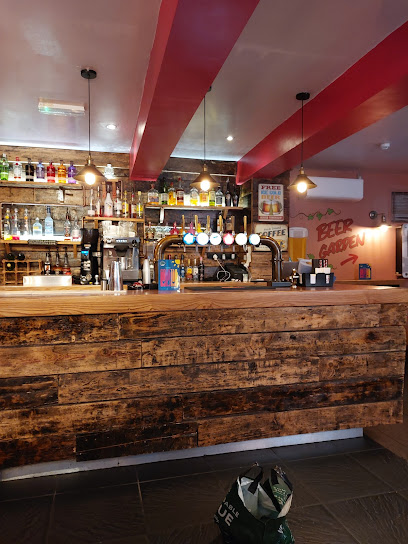
Little Fifteen
15.3 km
Stylish wine bar and Italian restaurant in Wigan, blending vibrant atmosphere with classic design and a curated wine selection.
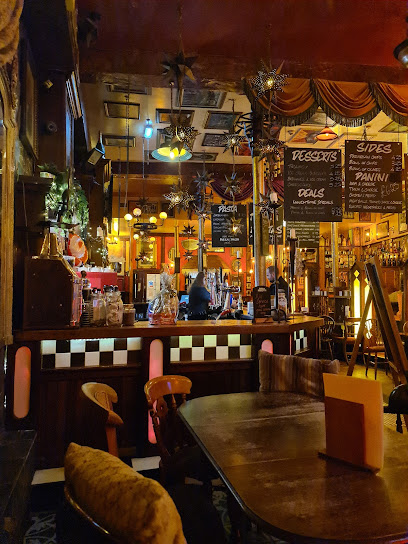
The Dockyard
16.3 km
Rugged dockside pub in MediaCityUK: cask ales, hearty pies, and industrial charm for after-work vibes and Quays camaraderie.
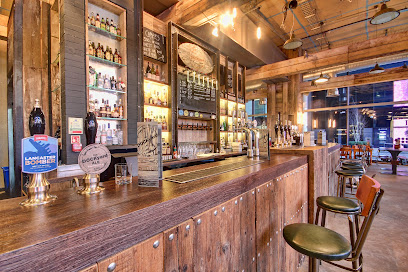
SEVEN BRO7HERS BEERHOUSE Media City
16.3 km
Craft beer haven in MediaCityUK: house-brewed IPAs, pizzas, and lively vibes await at Seven Bro7hers' Salford outpost, perfect for post-work pints or casual hangs.
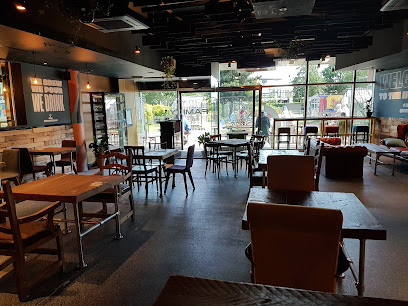
Reflexion Lounge Manchester Shisha
16.5 km
Luxury glass-fronted shisha lounge on Salford Quays, blending waterfront views, flavorful hookahs, Moroccan teas, and plush VIP vibes for unforgettable evenings.
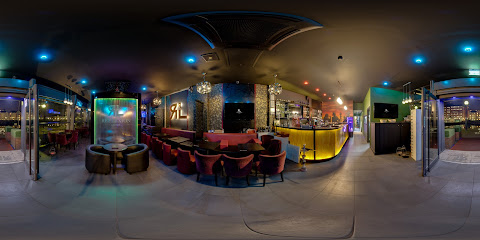
Craftbrew
16.6 km
Salford Quays' craft beer haven: artisan brews, tapas, and coffee in industrial-chic style, from dawn brunch to midnight pours.
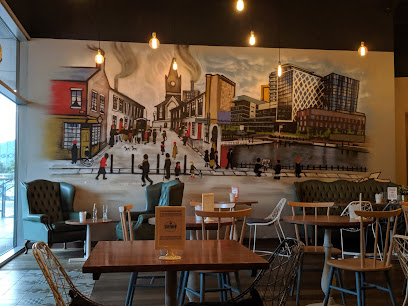
11 Central
16.7 km
Riverside bar in MediaCityUK serving craft brews and bites amid Salford's creative quayside energy—ideal for relaxed evenings with canal views.
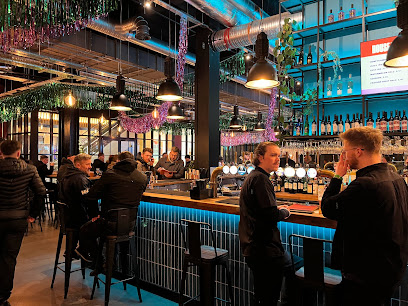
Nightclubs & after hour spots

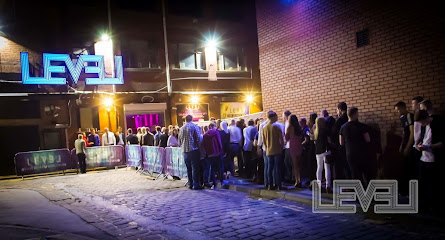
Level Nightclub
2.6 km
Experience Bolton’s vibrant nightlife at Level Nightclub, where dynamic music, affordable drinks, and lively atmosphere create unforgettable nights.
Underground
6.0 km
Experience classic rave vibes and late-night energy at Underground, Bolton’s intimate clubbing hotspot in Farnworth.

Ibiza Nightclub
15.4 km
Experience Wigan’s vibrant nightlife at Ibiza Nightclub, where music, dance, and unforgettable Saturday nights come alive until dawn.
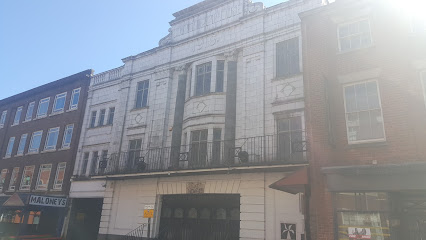
Pure Nightclub
15.4 km
Experience Wigan’s vibrant nightlife at Pure Nightclub, where energetic beats, stylish vibes, and unforgettable late-night memories come alive every Saturday.
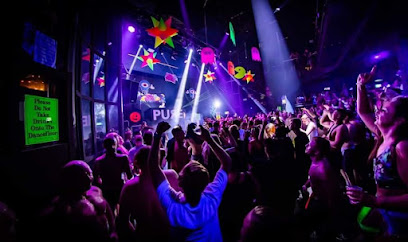
Hidden at Downtex Mill
16.6 km
Manchester's raw warehouse nightclub in a historic mill: underground beats, industrial grit, and all-night raves in Cheetham Hill's creative heart.
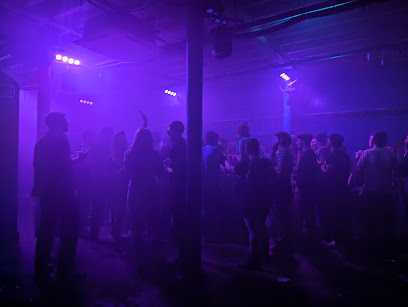
Bijou Club
17.1 km
Manchester's hidden riverside gem: celebrity vibes, secret garden terrace, and LED-lit beats in an exclusive Deansgate nightclub.
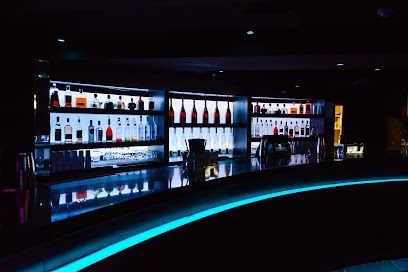
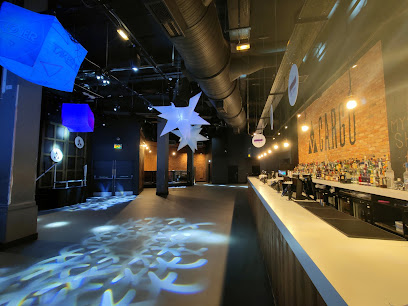
Cargo
17.4 km
Manchester's Printworks powerhouse: light-up dance floors, bottomless brunches, and non-stop beats until dawn in the city's nightlife epicenter.
Club Liv Manchester
17.5 km
Experience Manchester’s vibrant nightlife with exclusive VIP vibes, world-class Pan-Asian dining, and a stylish rooftop terrace at Club Liv.
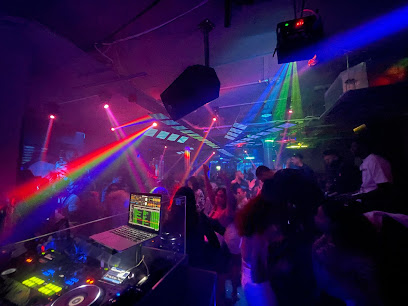
42's
17.6 km
Manchester’s iconic indie nightclub blending rich musical heritage with a lively, inclusive nightlife experience.
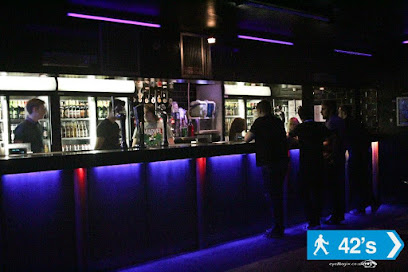
History Nightclub
17.6 km
Experience Manchester’s lively hip hop and house beats at History Nightclub, a large, energetic venue open late into the night.
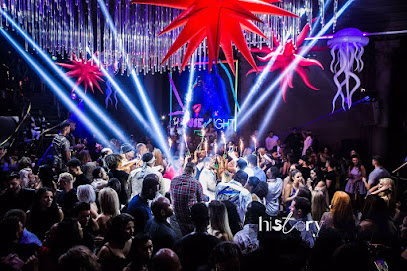
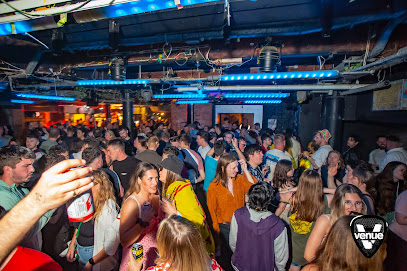
Venue Nightclub
17.6 km
Manchester's underground indie haven: cheap drinks, packed dance floors, and anthems till dawn in Deansgate's electric night scene.
Royal Vida Night Club
17.6 km
Dive into Manchester's underground pulse at Royal Vida, where Castlefield's industrial shadows host thumping beats and endless nights from 11pm to 4am.

Funkademia
17.8 km
Manchester's longest-running funk and soul night pulses at Mint Lounge in the Northern Quarter—dance to electric disco until dawn in an underground haven.

Mint Lounge
17.8 km
Experience Manchester’s Northern Quarter nightlife at Mint Lounge, a lively club with eclectic music, affordable drinks, and an inclusive vibe.

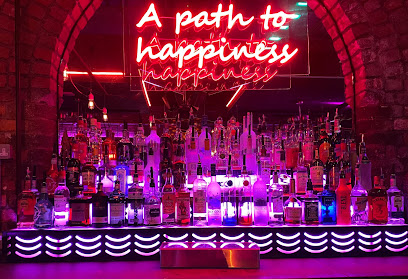
Ark Manchester
17.9 km
Multi-room beats and canal-side cocktails fuel Manchester's electric Deansgate Locks nightlife at Ark—dance, drink, repeat till dawn.
For the vibe & atmosphere seeker
- Relaxing
- Tranquil
- Historic
- Scenic
- Cultural Heritage
For the design and aesthetic lover
- Vintage Styles
- Rustic Designs
For the architecture buff
- Historic
- Landmarks
- Heritage Neighborhoods
For the view chaser and sunset hunter
- Iconic Views
For the social media creator & influencer
- Photo Spots
- Architectural Shots
For the eco-conscious traveler
- Public-Transport Accessible
- Protected Area
For the kind of experience you’re after
- Cultural Heritage
- Photowalk
- Day Trip
For how adventurous you want the journey to be
- Easy Access
- Requires Hike
Location Audience
- Family Friendly
- Senior Friendly
- Child Friendly
- Teen Friendly
- Wheelchair Access
- Solo Friendly
- Couple Friendly
- Solo Female Friendly
- Business Friendly


