
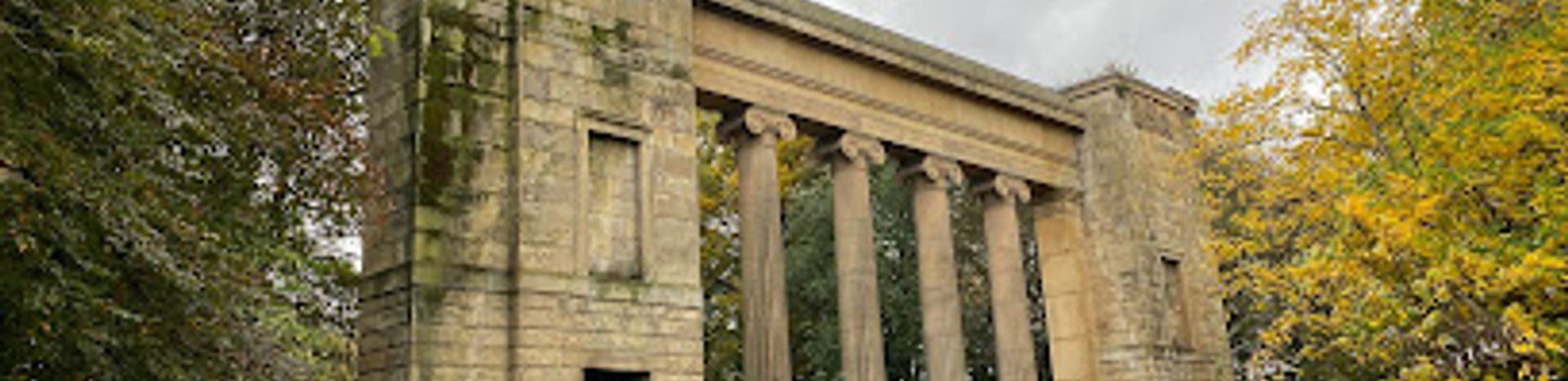
Manchester Old Town Hall Colonnade
A neoclassical relic of Manchester’s first Town Hall, relocated and preserved as a serene monument in Heaton Park.
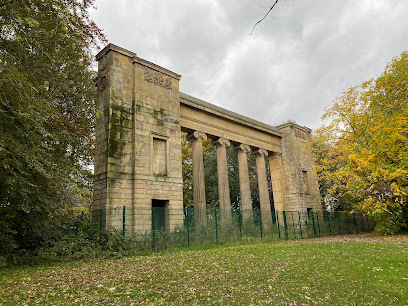
The Manchester Old Town Hall Colonnade is a neoclassical architectural relic originally designed by Francis Goodwin in 1822 as the façade of Manchester's first Town Hall on King Street. Though the original building was demolished in 1912, the iconic colonnade was painstakingly dismantled and relocated to Heaton Park, where it stands today as a testament to Manchester's 19th-century civic pride and architectural heritage.
A brief summary to Manchester Old Town Hall Colonnade
- Manchester, Manchester, GB
- Duration: 0.5 to 1.5 hours
- Free
-
 Outdoor
- Mobile reception: 4 out of 5
Local tips
- Visit during daylight hours to fully appreciate the sandstone details and the surrounding parkland.
- Combine your visit with a walk around Heaton Park’s lake and green spaces for a relaxing experience.
- Bring a camera to capture the contrast between the classical colonnade and natural park scenery.
- Check local updates regarding restoration work or access restrictions before visiting.

For the on-the-go comforts that matter to you
- Restrooms
- Seating Areas
- Information Boards
Getting There
-
Public Transport
Take the Metrolink tram to Heaton Park stop, followed by a 10-15 minute walk through park pathways to reach the colonnade. Tram services run frequently with tickets costing around £3-£5.
-
Bus
Several bus routes serve Heaton Park area from Manchester city centre, with journey times of approximately 20-30 minutes. Tickets typically cost £2-£4. Note that bus frequency may vary on weekends.
-
Car
Driving to Heaton Park is possible with parking available near the park entrances. Travel times vary from 15-25 minutes depending on traffic. Parking may be limited during weekends and events.
Manchester Old Town Hall Colonnade location weather suitability
-
 Any Weather
-
 Clear Skies
-
 Mild Temperatures
-
 Rain / Wet Weather
Discover more about Manchester Old Town Hall Colonnade
A Civic Landmark Born of Manchester’s Growth
The Old Town Hall Colonnade dates back to 1822 when architect Francis Goodwin designed it as the grand façade of Manchester’s first dedicated Town Hall on King Street. This building served as the centre of civic administration during a period when Manchester was rapidly expanding due to the Industrial Revolution and its booming cotton industry. The colonnade’s Ionic columns and sandstone detailing reflected the neoclassical style popular at the time, symbolizing the city’s aspirations and growing prestige.From City Centre to Parkland: The Colonnade’s Journey
By the late 19th century, the original Town Hall was no longer adequate for Manchester’s needs, and a new Gothic Revival Town Hall designed by Alfred Waterhouse was completed in 1877 at Albert Square. The old building was repurposed as a library before being demolished in 1912. However, public outcry and preservation efforts led by figures such as architect Edgar Wood saved the colonnade. Each stone and architectural element was carefully dismantled and transported north to Heaton Park, where it was reassembled as a standalone structure, detached from its original urban context.An Architectural Relic in a Natural Setting
Situated beside a lake within Heaton Park, the colonnade now serves as a tranquil and somewhat enigmatic monument. Its classical lines and weathered sandstone contrast with the surrounding greenery, creating a unique blend of nature and history. The structure stands as a reminder of Manchester’s civic evolution—from its early 19th-century ambitions to its modern identity. Despite some concerns about its preservation and the presence of a modern black metal fence, the colonnade remains a cherished heritage artefact within the park.Symbolism and Significance in Manchester’s Story
The colonnade embodies the spirit of 19th-century Manchester, a city that transformed from a modest town into an industrial powerhouse known as 'Cottonopolis.' As a civic sculpture, it represents the pride and confidence of a city embracing modernity and growth. Its relocation to Heaton Park symbolizes both the loss and preservation of the city’s architectural past, offering visitors a tangible link to Manchester’s rich historical narrative.Current State and Community Perspectives
Today, the colonnade is bordered by a black metal fence, a mark of contemporary intervention reflecting concerns about safety and conservation. Local voices have expressed worries about neglect and decay, while city authorities have indicated ongoing efforts to secure funding for restoration. The hope persists that this neoclassical gem will one day be fully restored and accessible, allowing future generations to appreciate its historical and aesthetic value.Experiencing the Colonnade Today
Visitors to Heaton Park can encounter the colonnade as a peaceful, evocative ruin set amidst natural surroundings. Its classical architecture invites reflection on Manchester’s civic heritage, while the park’s tranquil environment provides a serene backdrop. The colonnade’s presence enriches the park’s cultural landscape, making it a distinctive feature for those interested in history, architecture, and the city’s industrial legacy.Iconic landmarks you can’t miss

Manchester Old Town Hall Colonnade
0.0 km
A neoclassical relic of Manchester’s first Town Hall, relocated and preserved as a serene monument in Heaton Park.
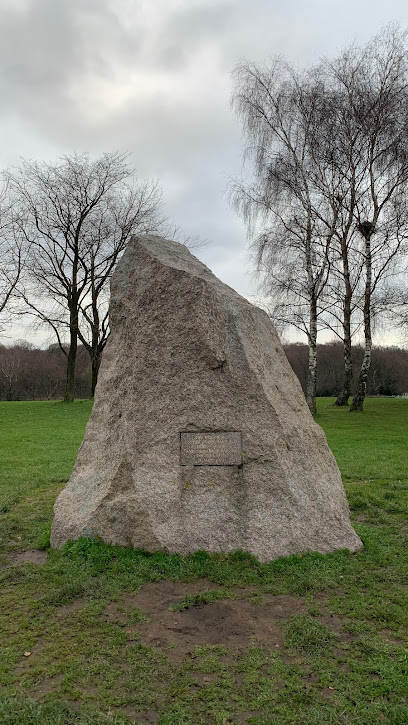
Heaton Park Papal Monument
0.3 km
A granite testament to faith and history where 200,000 gathered for a papal milestone in 1982.
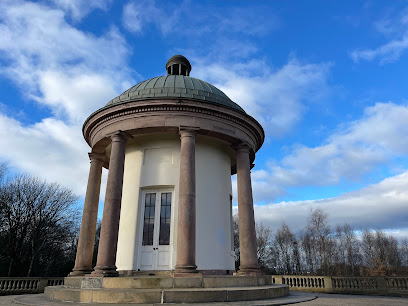
Heaton Park Temple
1.1 km
Discover the tranquil neoclassical Heaton Park Temple, perched atop Manchester’s largest park with stunning city views and rich historic charm.
Lowry Footbridge
4.2 km
A Victorian iron bridge immortalized in art, connecting Manchester's industrial past to its present.
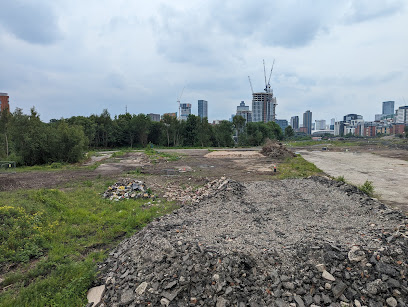
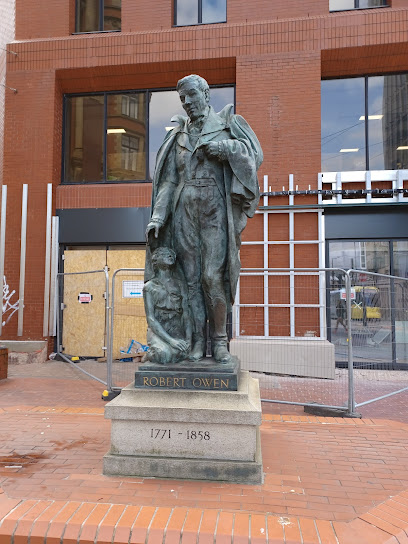
Robert Owen Statue
4.9 km
Honoring Robert Owen, pioneer of social reform and the co-operative movement, through a striking statue in Manchester’s city heart.
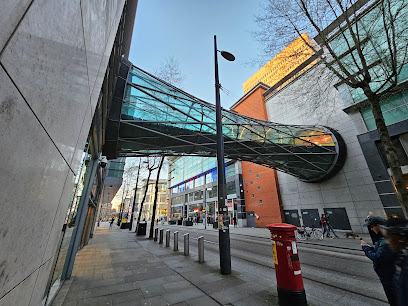
The Undamaged Red Post Box
5.1 km
A resilient symbol of hope standing where devastation once reigned on Manchester's Corporation Street.
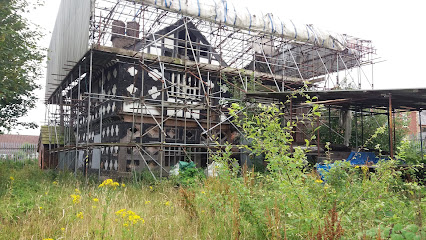
Tonge Hall
5.2 km
Discover Tonge Hall, a rare Elizabethan timber-framed manor in Middleton, blending Tudor grandeur with poignant history and ongoing restoration.
Murrays' Mill
5.4 km
Explore Murrays' Mills, the world’s oldest urban steam-powered cotton mill, where industrial heritage meets modern living in Manchester’s historic Ancoats district.
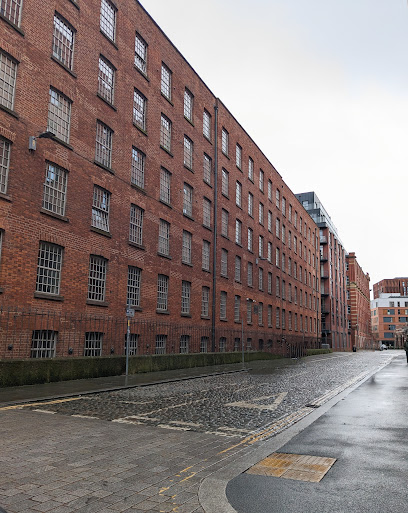
Dalton Entry
5.5 km
Discover Dalton Entry, a hidden Manchester alley honoring John Dalton’s atomic theory and scientific legacy through art and history.
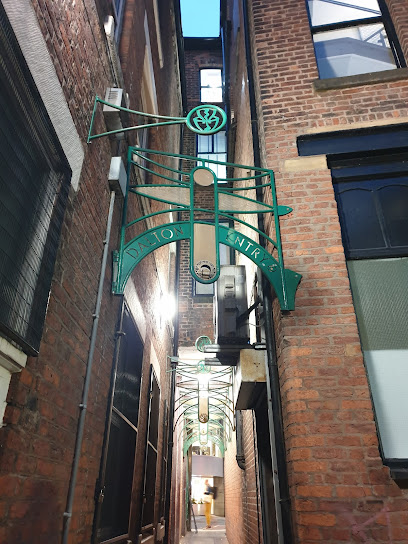
Mulberry Passage
5.5 km
Discover Mulberry Passage, a hidden Manchester alleyway celebrating John Dalton’s atomic theory through captivating art and historic charm.
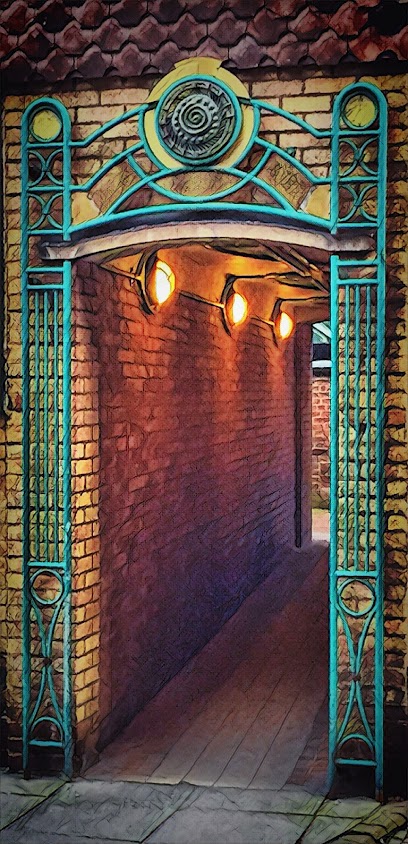
John Bright Statue
5.5 km
A marble tribute in Albert Square honoring John Bright’s legacy as a champion of free trade and social reform in Victorian Manchester.
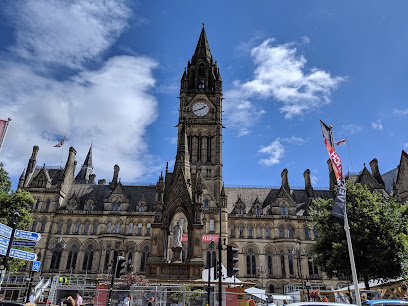
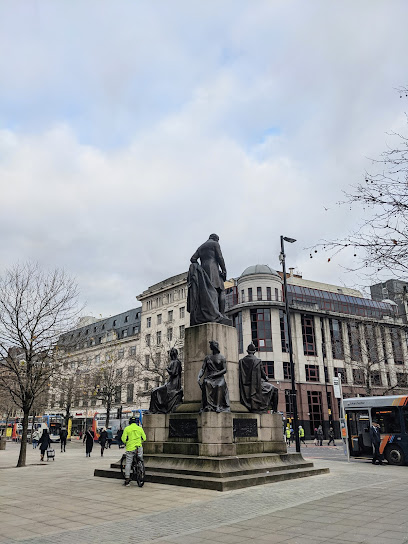
Statue of the Duke of Wellington
5.5 km
A commanding Victorian bronze statue in Piccadilly Gardens honoring the Duke of Wellington’s military valor and political legacy.
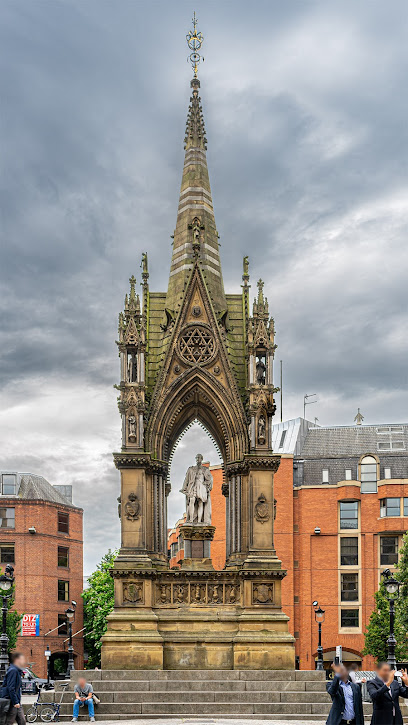
Albert Memorial
5.5 km
A grand Victorian Gothic monument in Albert Square celebrating Prince Albert’s legacy through art, science, and culture.
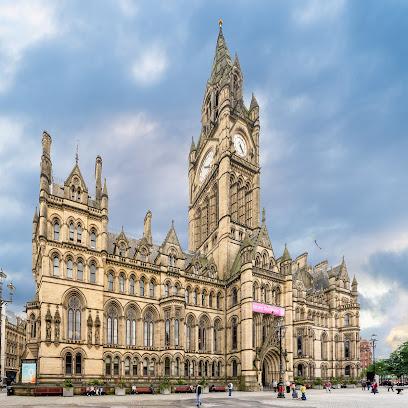
Manchester City Council
5.6 km
Manchester City Council’s majestic Town Hall in Albert Square: a Victorian Neo-Gothic masterpiece and symbol of civic heritage.
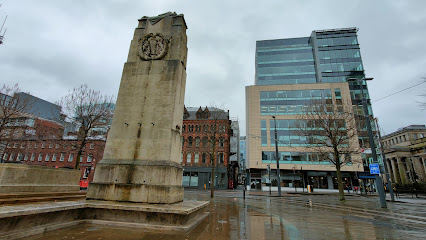
Manchester Cenotaph
5.7 km
Explore the Manchester Cenotaph, a historical landmark honoring those who served in wartime, nestled in the heart of the city and rich in heritage.
Unmissable attractions to see

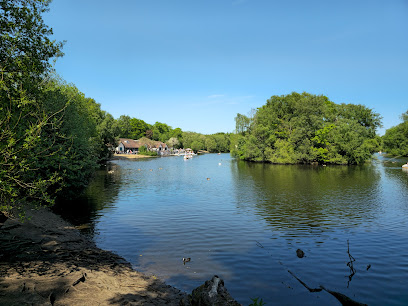
Heaton Park
0.8 km
Explore Manchester’s largest park with historic Heaton Hall, vast green spaces, family attractions, and year-round events in a stunning natural setting.
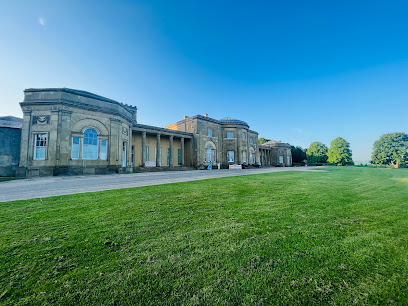
Heaton Hall
0.9 km
Explore Heaton Hall’s exquisite neoclassical architecture and rich history nestled within Manchester’s expansive Heaton Park.
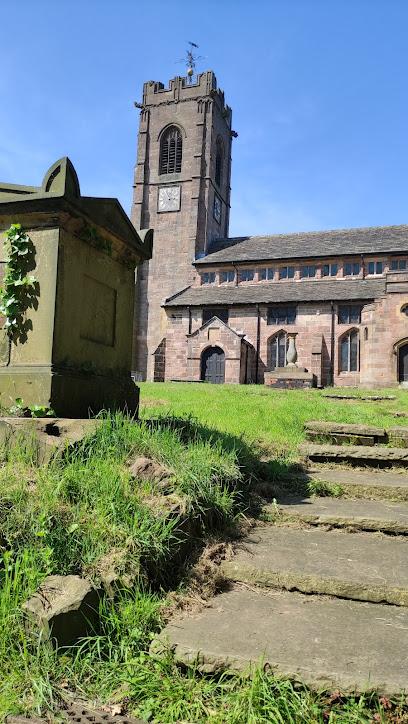
Parish Church of St Mary the Virgin, Prestwich
1.9 km
A historic Grade I listed Anglican church in Prestwich with over 800 years of worship, rich architecture, and poignant community heritage.
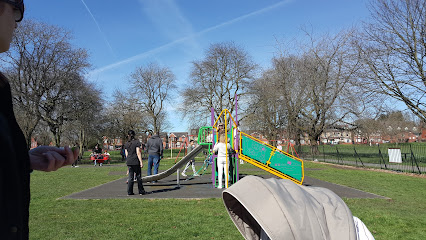
Albert Park
3.2 km
Historic Albert Park in Salford blends Victorian charm with modern sports facilities and vibrant community spirit in a lush urban setting.
Museum of Transport, Greater Manchester
3.3 km
Explore Greater Manchester’s rich public transport heritage through one of Britain’s largest collections of historic buses, trams, and trolleybuses.
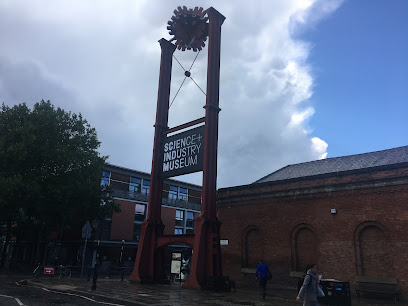
Manchester Jewish Museum
3.9 km
Explore Manchester’s rich Jewish heritage in a beautifully restored 19th-century synagogue, now a vibrant museum and cultural hub.
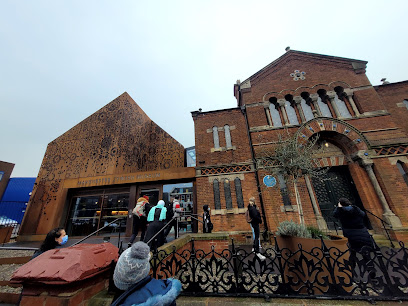
Boggart Hole Clough
4.0 km
Explore Manchester’s ancient woodland where nature’s beauty meets eerie folklore and steep wooded ravines at Boggart Hole Clough.
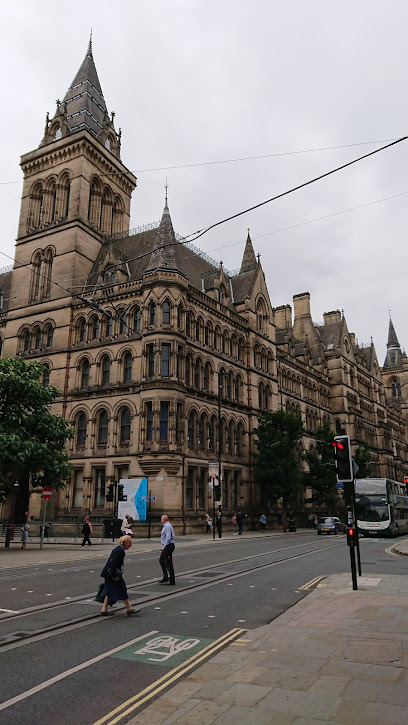
AO Arena
4.6 km
Manchester’s largest indoor arena, AO Arena hosts world-class concerts, sports, and family events in a vibrant urban setting.

Statue of Joseph Brotherton
4.6 km
Honoring Salford’s first MP and social reformer, the Statue of Joseph Brotherton stands proudly in historic Peel Park.
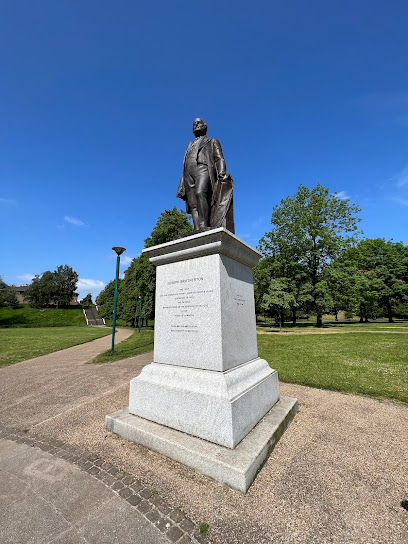
St Michael's Flags & Angel Meadow Park
4.6 km
A historic green oasis in Manchester, where serene parkland meets the poignant legacy of 40,000 paupers buried beneath St Michael's Flags.
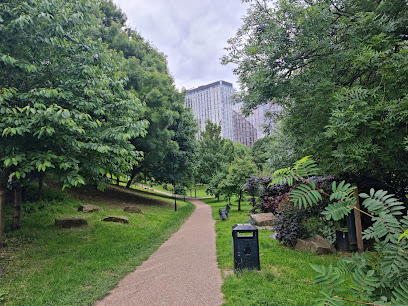
Peel Park
4.7 km
Historic Victorian park in Salford offering riverside walks, family fun, and rich cultural heritage beside the River Irwell.
Uniquely Manchester Ltd
4.8 km
Modern, secure, and flexible self-storage and workspace solutions in the heart of Middleton, Manchester.
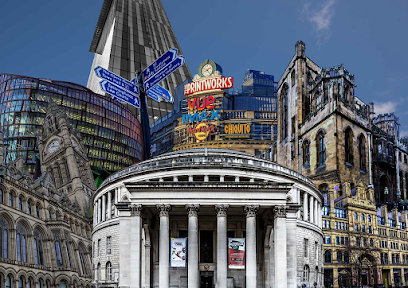
Chetham's Library
4.8 km
Explore England’s oldest public library, a medieval architectural gem and historic hub of revolutionary ideas in Manchester’s heart.
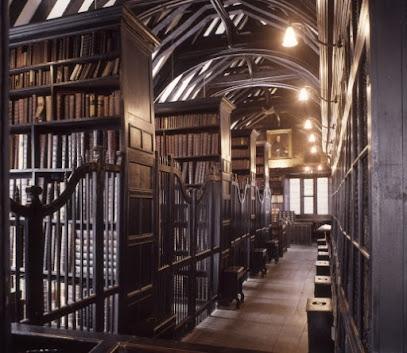
Cathedral Gardens
4.9 km
A vibrant green oasis in Manchester’s medieval quarter, blending history, culture, and nature in the city centre.
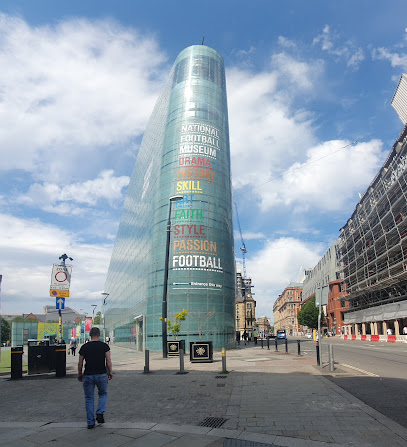
National Football Museum
4.9 km
Explore the world’s greatest football collection and interactive exhibits in Manchester’s iconic National Football Museum.
Essential places to dine

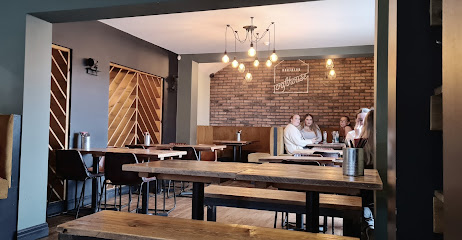
Northern Crafthouse
3.7 km
A vibrant brew house in Whitefield blending modern style, craft beers, and hearty American comfort food in a welcoming atmosphere.
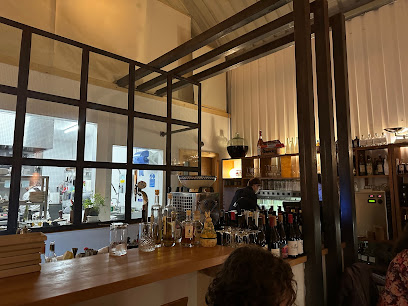
The Sparrows Continental Pasta & Spätzle
4.5 km
Cozy railway-arch eatery in Manchester serving authentic handmade spätzle and Central European pasta with a lively, buzzy atmosphere.
Riva Blu Italian Restaurant & Bar, Manchester
5.0 km
Contemporary Italian dining with cocktails in Manchester's vibrant Corn Exchange.
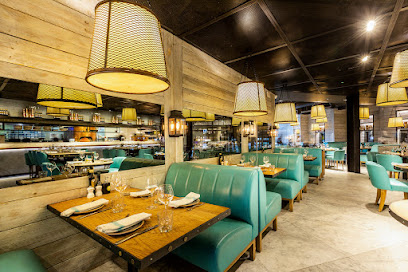
Cosy Club
5.0 km
Eclectic British dining and vibrant bar in Manchester’s historic Corn Exchange with stylish 1970s flair and a welcoming atmosphere.
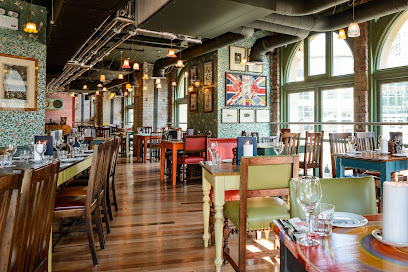
Crowded House Restaurant
5.0 km
A vibrant blend of modern British dining, quirky charm, and lively bar culture in the heart of Bury.
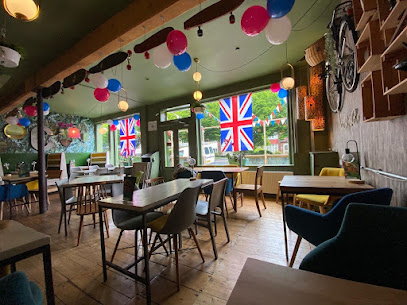
Trof Northern Quarter
5.1 km
A multi-level Northern Quarter gem serving hearty British comfort food, craft beers, and rare bourbons in a lively, rustic setting.
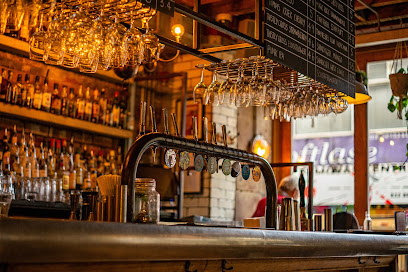
Climat
5.1 km
Sophisticated rooftop dining in Manchester with panoramic views, a Burgundy-focused wine cellar, and inventive seasonal sharing plates.
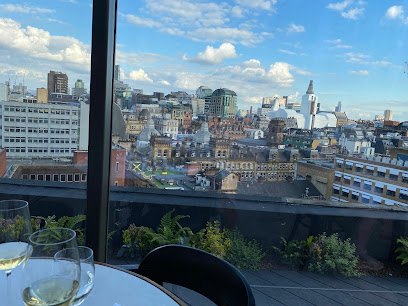
TNQ - The Northern Quarter Restaurant & Bar
5.1 km
A beloved Northern Quarter gem serving seasonal British cuisine with award-winning roasts and warm, attentive service in a relaxed brasserie setting.
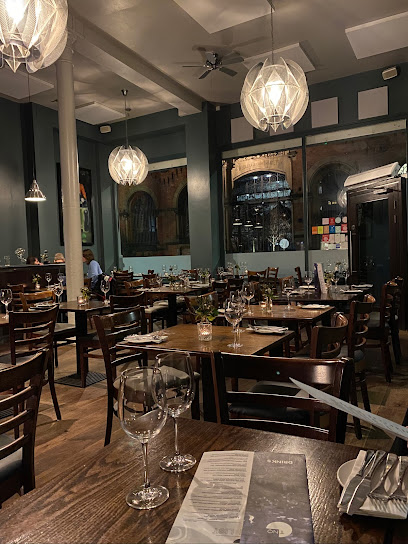
Liquor and Burn
5.1 km
Experience bold Mexican street food and vibrant cocktails in Manchester’s artistic Northern Quarter at Luck Lust Liquor & Burn.
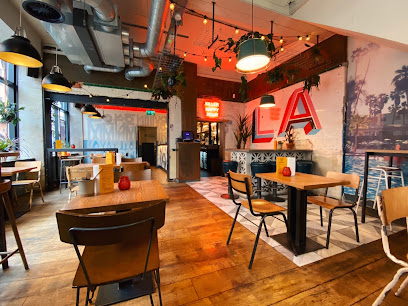
63 Degrees
5.1 km
Experience meticulous French cuisine and elegant dining in Manchester’s vibrant Northern Quarter at 63 Degrees.
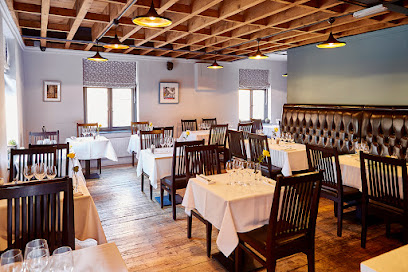
Yard & Coop Manchester
5.1 km
Savor the best buttermilk fried chicken in Manchester’s Northern Quarter with bold flavors, craft beers, and a lively atmosphere.
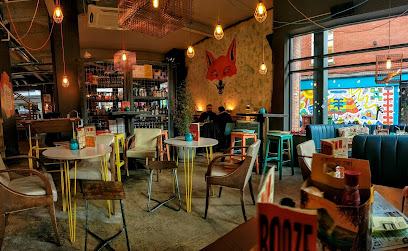
Sicilian NQ - Restaurant and Bar
5.2 km
Authentic Sicilian cuisine and vibrant bar life in Manchester’s Northern Quarter, famed for arancini and inclusive vegan options.
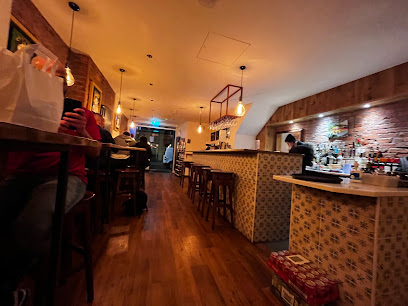
Almost Famous NQ
5.2 km
Bold, indulgent burgers and vibrant vibes in Manchester’s Northern Quarter, a must-visit for burger lovers and casual diners alike.
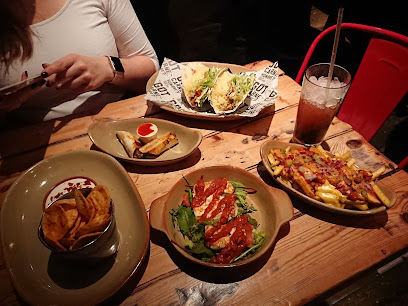
Cane & Grain
5.2 km
Discover Cane & Grain: where traditional American cuisine meets Manchester's vibrant nightlife scene in an unforgettable dining experience.
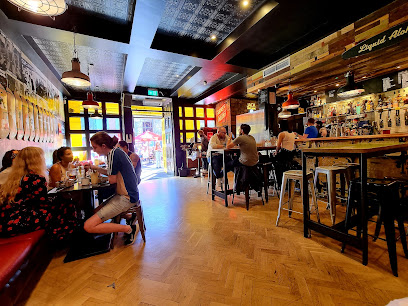
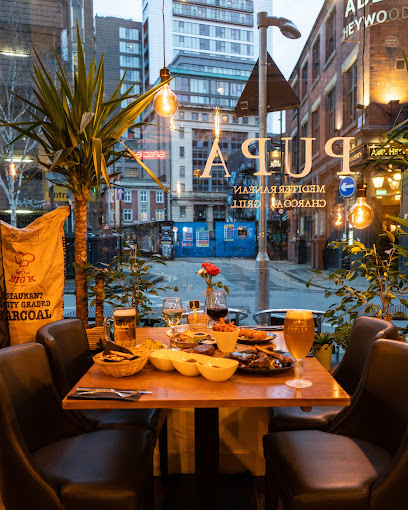
PUPA Restaurant & Bar
5.2 km
Authentic Mediterranean charcoal grill and vibrant atmosphere in Manchester’s Northern Quarter, perfect for steak lovers and lively dining.
Markets, malls and hidden boutiques

Annea Veleta
4.8 km
A curated, maker-focused gift boutique in Ancoats offering handcrafted homewares, stationery and tasteful Manchester-themed keepsakes.
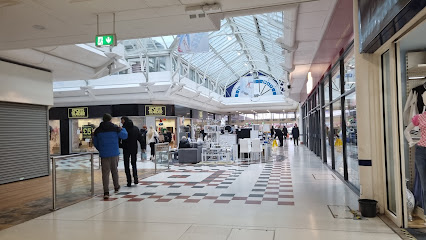
Salford Shopping Centre
4.9 km
Affordable shopping precinct in Salford's Pendleton, with free parking, daily essentials, and community conveniences under one roof.
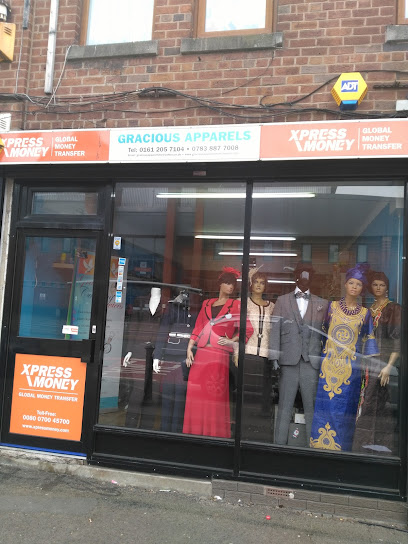
GRACIOUS APPARELS
5.1 km
Discover diverse fashion treasures in Ancoats: custom T-shirts, alterations, designer clothes, and more at this vibrant Manchester clothing hub.
Hoot
5.1 km
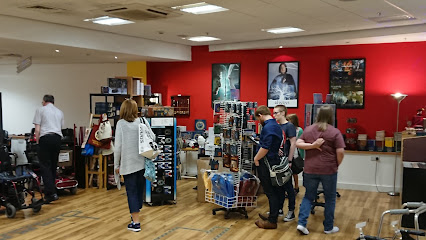
Discover magical gifts and Harry Potter treasures at Hoot, a charming boutique nestled in Manchester Arndale’s vibrant shopping heart.
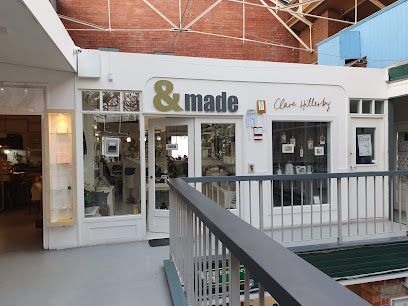
&made
5.1 km
Discover unique handmade gifts and artworks at &made, a creative studio in Manchester’s vibrant Northern Quarter craft hub.
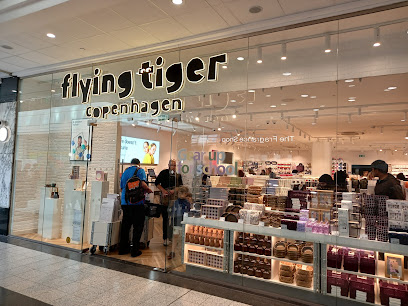
Flying Tiger Copenhagen
5.2 km
Discover playful Danish design and quirky everyday essentials at Flying Tiger Copenhagen in Manchester Arndale’s vibrant Market Street.
Rams Gift World
5.2 km
Discover unique gifts and local crafts at Rams Gift World, Manchester’s vibrant and eclectic souvenir shop on Market Street.

Jessica6 Designs
5.2 km
Discover unique luxury gifts and local artistry at Jessica6 Designs within Manchester’s vibrant Craft & Design Centre.
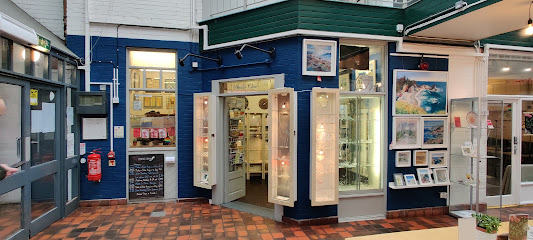
Studio One - Jewellery, Craft, Gifts and Homewares
5.2 km
Discover exquisite handmade jewellery and crafts at Studio One, a vibrant artisan studio within Manchester’s historic Craft and Design Centre.
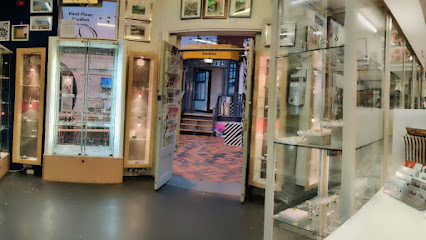
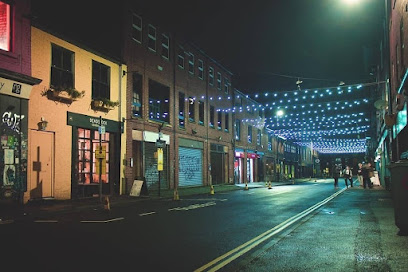
Deadstock General Store
5.2 km
Discover useful beauty at Deadstock General Store, where Liam Jackson curates high-end Japanese designs, artisan gifts, and tailoring in Manchester's Northern Quarter.
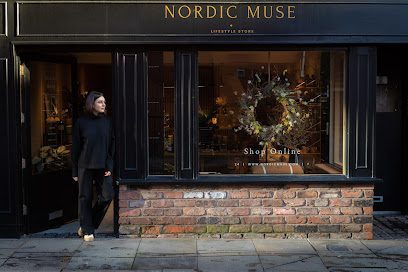
Nordic Muse Lifestyle Store
5.2 km
A quietly curated Northern Quarter boutique for simple, well-crafted jewellery and Nordic-inspired homeware.
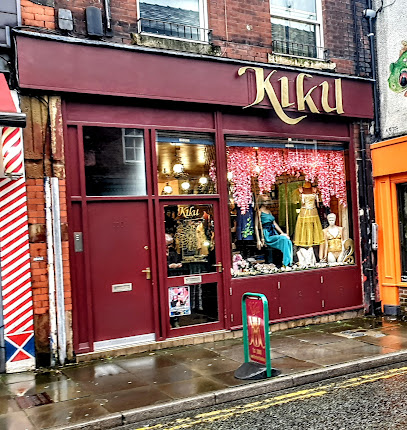
Kiku Boutique
5.2 km
Bespoke corsets and vintage lingerie in Manchester's Northern Quarter: handmade elegance that defies fast fashion.
Amazonas Gifts
5.2 km
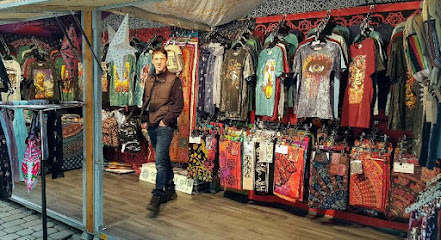
Discover unique gifts and souvenirs at Amazonas Gifts, nestled in the heart of Manchester Markets Piccadilly.
Menkind
5.2 km
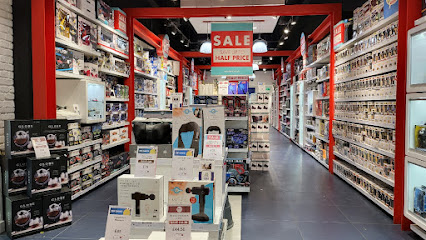
Discover quirky gadgets and unique gifts at Menkind, Manchester Arndale’s vibrant destination for fun and innovative presents.
Søstrene Grene
5.2 km
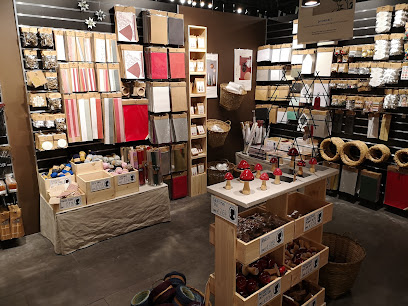
Discover Danish-inspired creativity and cozy home treasures in the heart of Manchester’s vibrant city centre.
Essential bars & hidden hideouts

The Old Wellington
5.0 km
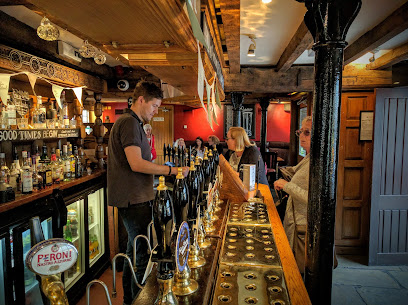
Step into The Old Wellington, a historic Manchester pub blending centuries-old charm with hearty ales and classic British fare in the city centre.
The Washhouse
5.0 km
Step through a washing machine door into Manchester’s secret speakeasy, where inventive cocktails and quirky charm create an unforgettable night out.
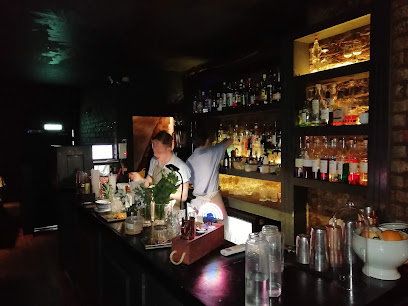
Bar Fringe
5.1 km
A cozy Northern Quarter bar with quirky charm, top Belgian beers, live music, and a welcoming vibe for relaxed socializing.
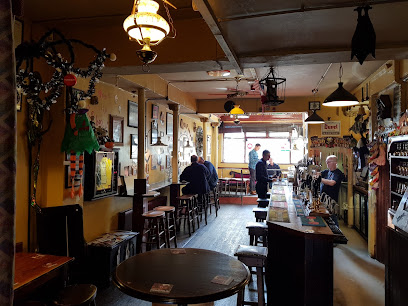
Wolf at the Door
5.1 km
A vibrant Northern Quarter bar serving innovative tapas-style bao buns, craft cocktails, and a lively urban atmosphere.
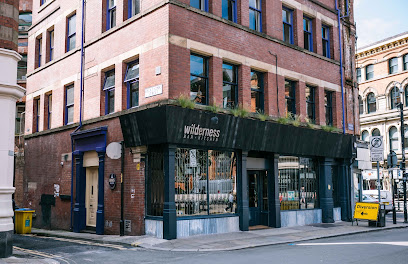
The Crown & Kettle
5.2 km
Grade II-listed Ancoats gem with a world-class tin ceiling, craft beer mastery, and cozy Victorian vibes—Manchester's perfect pub hybrid.
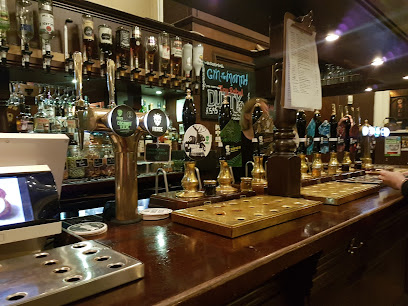
Be At One - Manchester
5.2 km
Lively cocktail bar on Deansgate with 100+ drinks, private hire rooms, and unbeatable happy hour deals in the heart of Manchester nightlife.
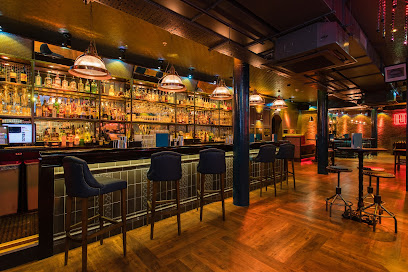
Science And Industry
5.2 km
Sophisticated cocktails and a stylish vibe await you at Science and Industry, the first-floor bar of Cane & Grain in Manchester’s Northern Quarter.
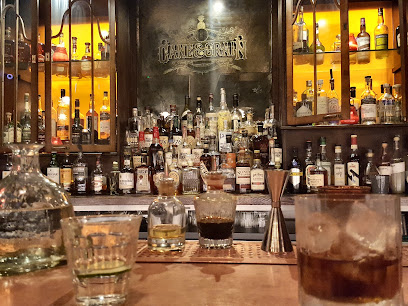
blossom street SOCIAL
5.2 km
Chilled wine bar in Ancoats with vinyl vibes, bottle walls, and pop-up fine dining—where sophisticated sips meet casual social hours in Manchester's creative heart.
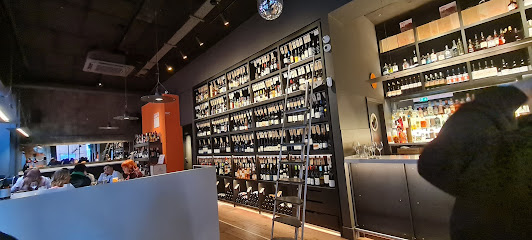
Behind Closed Doors
5.3 km
Descend into debauched delight at this Northern Quarter speakeasy, where retro telephones summon saucy cocktails amid erotic art, neon booths, and funky DJ beats until 4am.
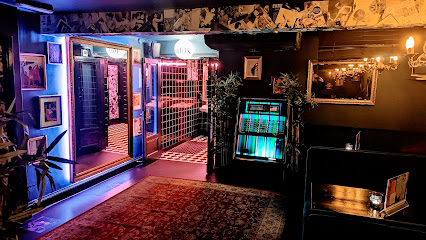
KERB
5.3 km
Intimate natural wine haven in Ancoats: curved peach walls, pet-nat sparklers, and expert tastings in a Scandi-style cocoon.
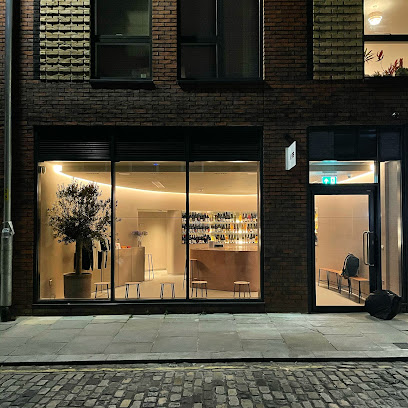
Mean Eyed Cat Bar Manchester
5.3 km
Dive into Manchester’s Northern Quarter for rebellious rock ’n’ roll vibes, free pizza, and legendary dice games at Mean Eyed Cat Bar.
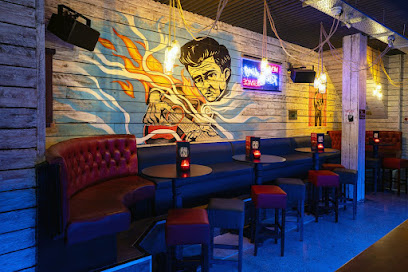
Corbieres Bar
5.3 km
Discover Corbieres Bar, Manchester’s cozy underground spot famed for its eclectic jukebox, vegan-friendly pizzas, and welcoming vibe.
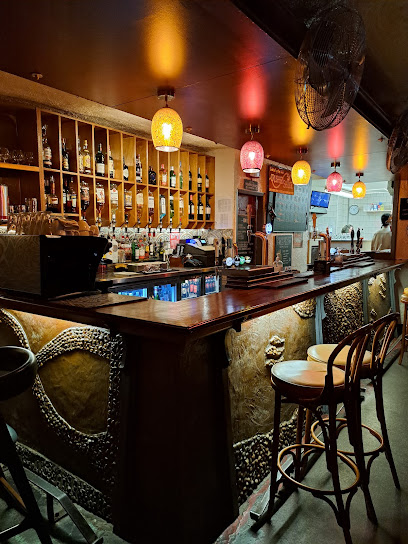
The Edinburgh Castle Pub
5.3 km
Historic Ancoats boozer reborn: cosy Victorian pub vibes meet seasonal gastropub mastery and local brews in Manchester's industrial heart.
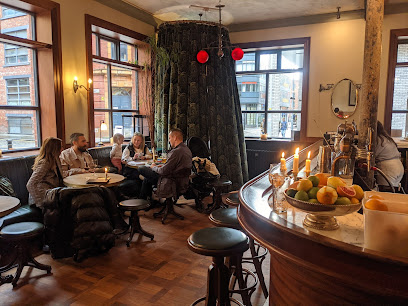
The Daisy
5.3 km
Parisian subterranean cocktail haven in Manchester's Northern Quarter: eclectic vibes, masterful drinks, and weekend DJ magic beneath Evelyn's.
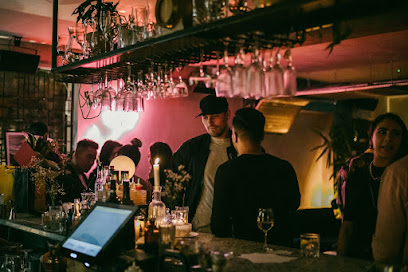
Wilson's Social
5.3 km
All-day Northern Quarter hub: brunch by day, cocktails and beats by night in a multi-level party palace with pool, courtyard, and private den.
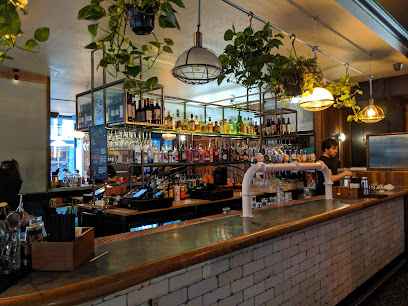
Nightclubs & after hour spots

Hidden at Downtex Mill
4.3 km
Manchester's raw warehouse nightclub in a historic mill: underground beats, industrial grit, and all-night raves in Cheetham Hill's creative heart.
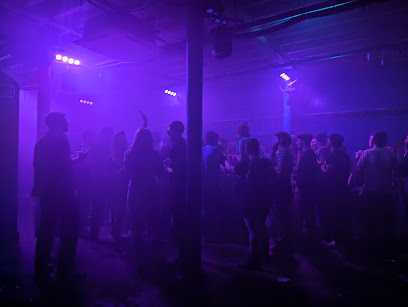
Bijou Club
4.9 km
Manchester's hidden riverside gem: celebrity vibes, secret garden terrace, and LED-lit beats in an exclusive Deansgate nightclub.
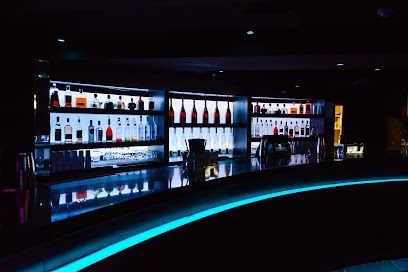
Cargo
5.0 km
Manchester's Printworks powerhouse: light-up dance floors, bottomless brunches, and non-stop beats until dawn in the city's nightlife epicenter.
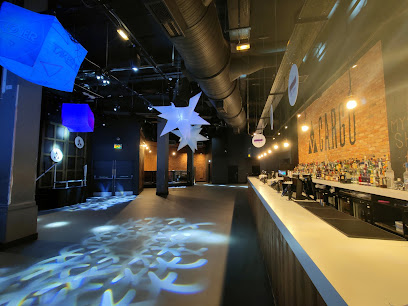
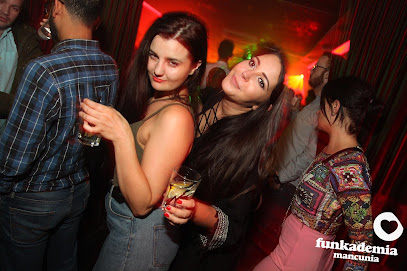
Funkademia
5.3 km
Manchester's longest-running funk and soul night pulses at Mint Lounge in the Northern Quarter—dance to electric disco until dawn in an underground haven.
Mint Lounge
5.3 km
Experience Manchester’s Northern Quarter nightlife at Mint Lounge, a lively club with eclectic music, affordable drinks, and an inclusive vibe.
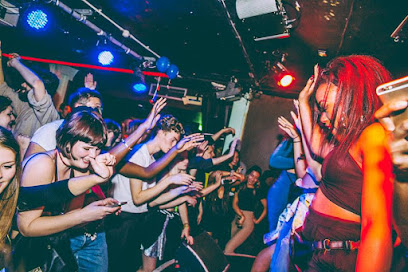
YDSA Events | Queer Clubbing
5.4 km
Dive into Manchester's most inclusive queer rave: grungy beats, diverse dancers, and unapologetic joy at YDSA Events in Ancoats.
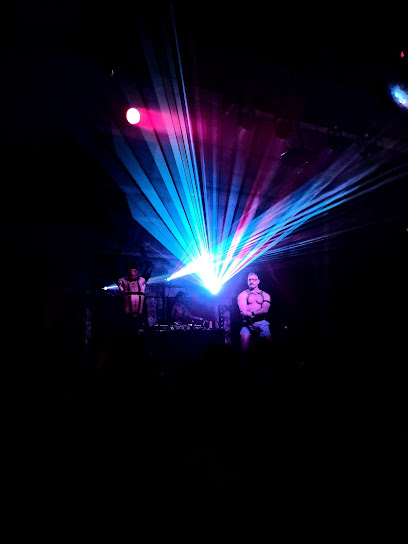
Club Liv Manchester
5.4 km
Experience Manchester’s vibrant nightlife with exclusive VIP vibes, world-class Pan-Asian dining, and a stylish rooftop terrace at Club Liv.
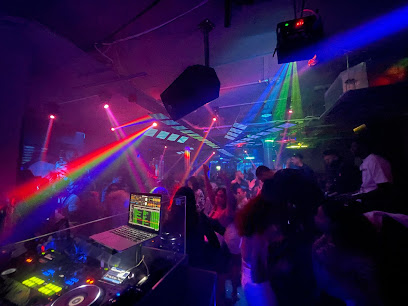
Aatma
5.4 km
Manchester's underground heartbeat: live beats, pizza slices, and all-night vibes in the Northern Quarter's hidden gem.
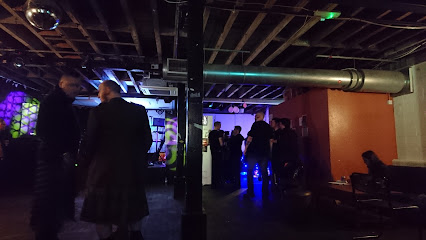
Twenty Twenty Two
5.5 km
Manchester's gritty basement haven where ping pong battles rage under DJ beats and craft brews flow freely in the Northern Quarter's creative underbelly.
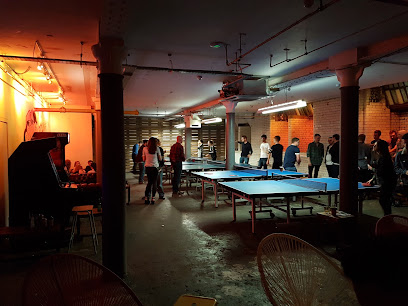
Venue Nightclub
5.6 km
Manchester's underground indie haven: cheap drinks, packed dance floors, and anthems till dawn in Deansgate's electric night scene.
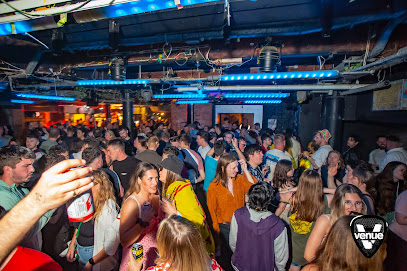
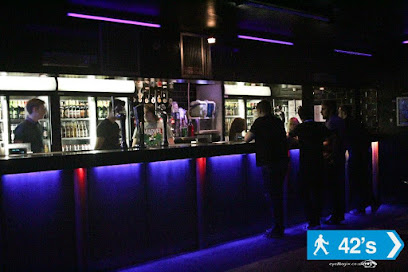
42's
5.6 km
Manchester’s iconic indie nightclub blending rich musical heritage with a lively, inclusive nightlife experience.
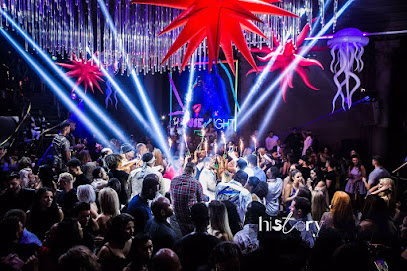
History Nightclub
5.7 km
Experience Manchester’s lively hip hop and house beats at History Nightclub, a large, energetic venue open late into the night.
Royal Vida Night Club
5.8 km
Dive into Manchester's underground pulse at Royal Vida, where Castlefield's industrial shadows host thumping beats and endless nights from 11pm to 4am.
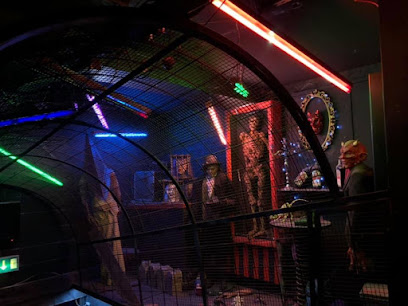
Satans Hollow
5.8 km
Manchester's infernal punk-rock abyss: demonic decor, dirt-cheap drinks, and mosh-pit mayhem for metalheads and rebels.
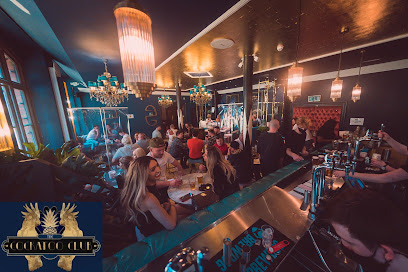
The Cockatoo Club
5.9 km
Discover the electrifying nightlife at The Cockatoo Club in Manchester, where vibrant cabaret performances meet an unforgettable atmosphere.
For the vibe & atmosphere seeker
- Tranquil
- Scenic
- Unique
- Casual
For the design and aesthetic lover
- Vintage Styles
For the architecture buff
- Historic
- Landmarks
For the view chaser and sunset hunter
- Iconic Views
- Waterfront
For the social media creator & influencer
- Instagrammable
- Photo Spots
For the eco-conscious traveler
- Public-Transport Accessible
- Locally Managed
For the kind of experience you’re after
- Cultural Heritage
- Photowalk
- Nature Escape
- Day Trip
For how adventurous you want the journey to be
- Easy Access
Location Audience
- Family Friendly
- Senior Friendly
- Child Friendly
- Teen Friendly
- Wheelchair Access
- Pet Friendly
- Solo Friendly
- Couple Friendly


