
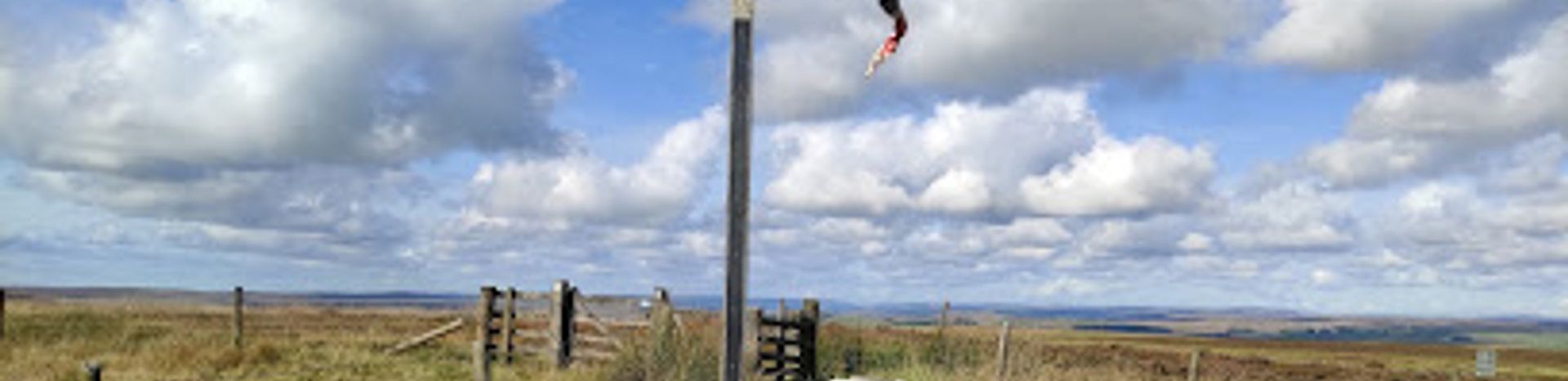
Winter's Gibbet
A haunting 18th-century monument to murder, justice, and the dark moorland history of rural Northumberland.
Winter's Gibbet stands as a haunting monument to a brutal 1791 murder and execution on the remote moorlands near Elsdon in Northumberland. This stark wooden structure marks where William Winter's body was displayed after his hanging, serving as a grim reminder of 18th-century justice. Today, the listed landmark draws visitors seeking to understand the dark history of the Faw Gangs and the crime that shocked rural England.
A brief summary to Winter's Gibbet
- Morpeth, Harwood, NE61 4LE, GB
- Visit website
- Duration: 0.5 to 2 hours
- Free
-
 Outdoor
- Mobile reception: 2 out of 5
Local tips
- Visit in daylight and wear sturdy footwear; the site sits on exposed moorland with uneven terrain and limited shelter from wind and weather.
- Combine your visit with nearby Elsdon village to explore other historical sites and local heritage in the area.
- Bring a camera; the stark wooden structure against the moorland backdrop creates powerful photographs, especially in overcast or golden-hour light.
- Research the full story of William Winter and the Faw Gangs before visiting to deepen your appreciation of the site's historical significance.
- Allow time to simply stand and absorb the atmosphere; the isolation and bleakness of the moorland setting amplify the site's haunting character.

Getting There
-
By Car
From Morpeth town centre, drive approximately 15 kilometres north-west toward Elsdon on the B6341. The gibbet is located on open moorland near Steng Cross, accessible via a rough track off the main road near Harwood. Parking is limited to roadside verges; allow 20–25 minutes from Morpeth. The final approach involves walking across moorland terrain.
-
By Bus
Local buses serve Morpeth and surrounding villages, but services to the moorland site are infrequent and do not stop directly at Winter's Gibbet. From Morpeth, take a bus toward Elsdon or Rothbury, then walk approximately 3–4 kilometres across moorland to reach the gibbet. Journey time varies; check local timetables as services may be seasonal or limited to certain days.
-
Walking from Elsdon
From Elsdon village, a moorland walk of approximately 4–5 kilometres leads to Winter's Gibbet. The route crosses open, exposed terrain with few landmarks; navigation requires a map or GPS. Allow 90–120 minutes depending on fitness and weather. The path can be muddy and waterlogged, particularly in winter and after rain. Wear waterproof clothing and sturdy boots.
-
Guided Tour
Local heritage organisations and walking groups occasionally offer guided visits to Winter's Gibbet as part of moorland or historical tours. These typically depart from Morpeth or Elsdon and include transport and interpretation. Booking in advance is essential; availability is seasonal and limited.
Winter's Gibbet location weather suitability
-
 Clear Skies
-
 Mild Temperatures
Discover more about Winter's Gibbet
A Crime That Shocked Northumbria
On the evening of August 29, 1791, the quiet moorland settlement of Raw Pele became the scene of a brutal murder. Margaret Crozier, a local woman, was attacked and killed in her home by members of the Faw Gangs—nomadic tribes of Romani people who traveled throughout Northumbria. When Margaret's friends Elizabeth Jackson and Mary Temple arrived for an evening visit, they were startled by the sound of a dog barking near a pile of hay outside the house. Unsettled by the disturbance, they urged Margaret to bolt her door as they departed. Hours later, Margaret lay dead, her home ransacked.Investigation and Arrest
Local constables launched a determined investigation, gathering testimony from witnesses who had spotted strangers in the area. The breakthrough came when a loaded mule was discovered near Harlow Hill, carrying evidence of the crime. Three suspects emerged: William Winter, arrested near the village of Horsley, and sisters Jane and Eleanor Clark, apprehended at Ovingham and Barley Moor respectively. All three were connected to the Faw Gangs. Winter's shirt bore bloodstains, which he claimed resulted from a fight within his own tribe—a defense quickly dismissed by authorities who reasoned he would have removed his shirt during such an altercation. The evidence proved overwhelming, and all three were committed to Morpeth Gaol on September 3, 1791.Justice and Public Spectacle
On Friday, August 10, 1792, William Winter, Jane Clark, and Eleanor Clark were hanged at Westgate in Newcastle upon Tyne. Before his execution, Winter admitted his guilt, though the two sisters maintained their innocence to the end. Winter's body was then transported by cart to Steng Cross, where it was hoisted onto a gibbet—a public display intended to deter others from committing similar crimes. Thousands of people gathered to witness the grim spectacle as his corpse was raised into position.The Gibbet's Gruesome Vigil
Winter's body remained suspended from the gibbet for months, exposed to the elements and the ravages of time. The stench from the decomposing remains was so offensive that even horses refused to pass nearby. As the body decayed, Winter's loose bones were collected and suspended in a tarred sack designed to withstand the harsh moorland weather. Over time, this too deteriorated. Local shepherds eventually buried the remaining fragments, and when nothing remained of Winter himself, a wooden mannequin was hung from the gibbet as a continued symbol of justice and warning.Preservation and Legend
The original gibbet eventually succumbed to decay and deliberate destruction—local people believed that splinters of wood from the structure possessed healing properties for toothache, leading them to chip away at it over the years. In 1867, Walter Trevelyon, owner of the land and the Wallington Estate, commissioned a replica gibbet with a wooden mannequin to be erected at the same location, preserving the historical memory of this dark chapter. The gibbet has been remade several times since, and today it stands as a listed building, a stark and solitary monument on the moorland landscape.A Window into 18th-Century Justice
Winter's Gibbet represents far more than a single crime and punishment. It embodies the brutal justice system of the 18th century, when public execution and display served as deterrents to crime. The case also illuminates the complex social tensions of the period, particularly the conflict between settled communities and the traveling Romani population. The gibbet's endurance—rebuilt and preserved across more than two centuries—speaks to the power of local memory and the human impulse to commemorate even the darkest moments of history.Iconic landmarks you can’t miss

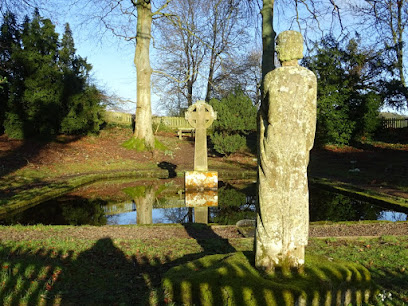
Lady's Well
12.2 km
Discover Lady's Well, a tranquil ancient spring steeped in Roman history and early Christian legend, nestled within Northumberland’s wild beauty.
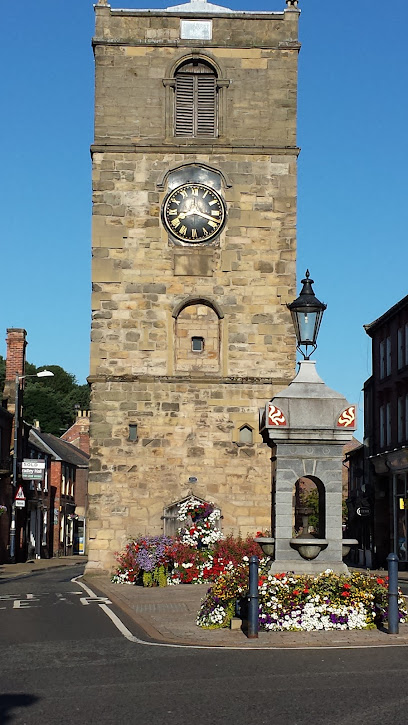
Morpeth Clock Tower
24.0 km
Historic 17th-century clock tower in Morpeth, crafted from medieval stone, featuring a storied belfry and iconic bells with deep local roots.
Search Northumberland, Things to do in Northumberland
31.5 km
Discover the enchanting landscapes, rich heritage, and vibrant culture of Northumberland, the perfect destination for adventure and relaxation.

Warkworth Hermitage
31.7 km
A medieval chapel carved into riverside cliffs, accessible only by boat—where history and legend intertwine.
Westmorland Way
32.7 km
Explore Cramlington from Westmorland Way, your convenient bus stop for seamless access to local attractions and amenities.

Sundial
33.3 km
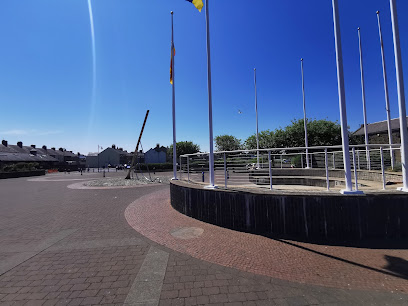
Explore the Sundial in Amble, a unique tourist attraction blending history, art, and stunning coastal views in a serene setting.
Northumberland coastal path
33.4 km
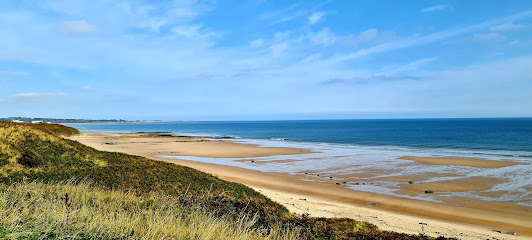
Discover the Northumberland Coastal Path: A 60-mile journey through stunning beaches, cliffs, and charming villages on England's breathtaking coastline.
Amble Harbour Village
33.5 km
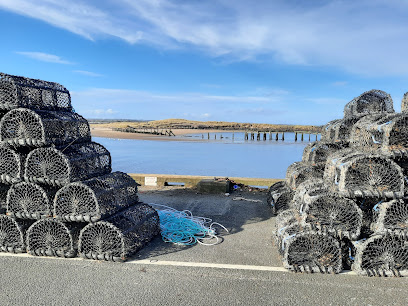
Explore the vibrant Amble Harbour Village, where stunning coastal views meet local artisan markets and fresh seafood delights.
Denton Hall Turret - Hadrian's Wall
34.5 km
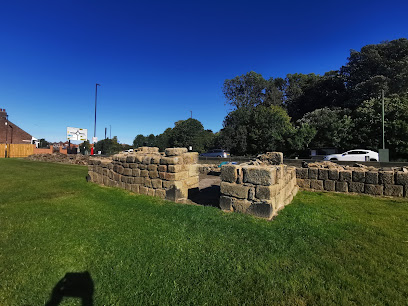
Explore Denton Hall Turret, a Roman watchtower on Hadrian’s Wall, revealing ancient frontier defense in Newcastle’s historic suburbs.
Hunkleton stone
34.9 km
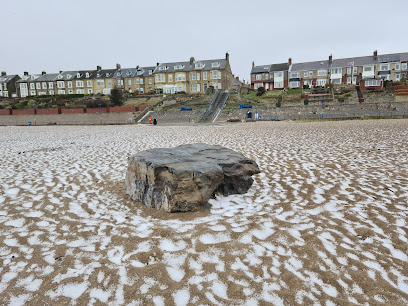
A majestic glacial erratic on Newbiggin Beach, symbolizing natural history and community spirit in Northumberland’s coastal town.
Coquet Island Lighthouse
35.7 km
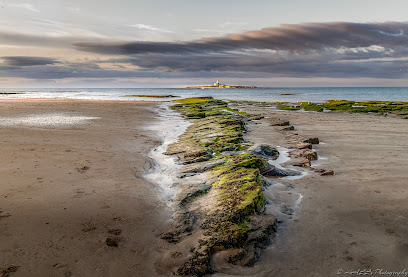
A historic castellated lighthouse on a protected island sanctuary, home to rare seabirds and dramatic coastal views.
Chillingham Castle
36.4 km
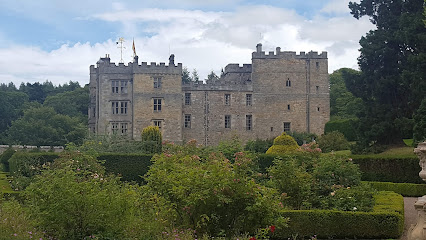
Explore the hauntingly beautiful Chillingham Castle, a medieval fortress that embodies history, legend, and stunning landscapes in Northumberland.
Town Moor
37.0 km
Explore the serene beauty of Town Moor, a vast urban park in Newcastle upon Tyne offering lush landscapes and vibrant wildlife for every traveler to enjoy.
Jesmond Dene Quarry
37.2 km
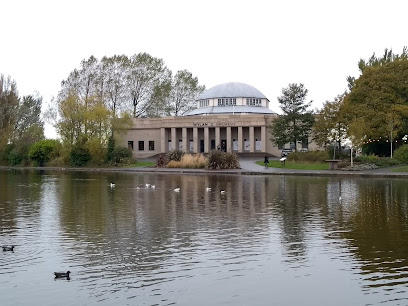
Explore the tranquil beauty of Jesmond Dene Quarry in Newcastle upon Tyne - a perfect retreat for nature lovers and photographers alike.
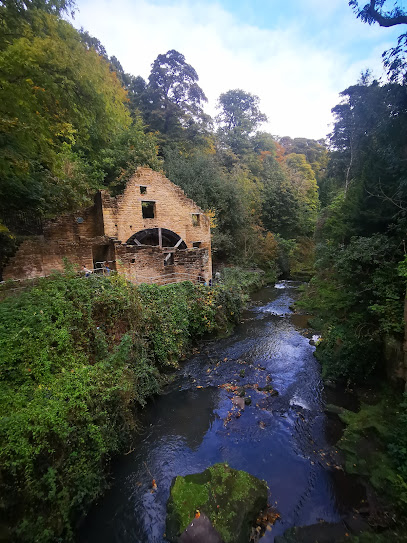
Hole in The Wall
37.3 km
Historic coastal landmark in Blyth featuring a unique hole framing stunning beach views and easy beach access.
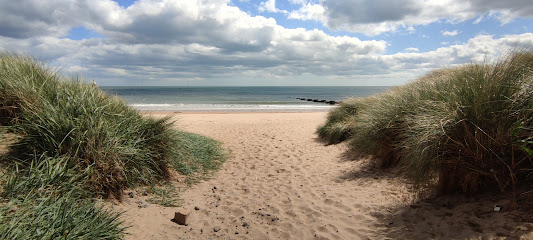
Unmissable attractions to see

National Trust - Wallington
9.3 km
Explore Wallington’s historic house, vast woodlands, tranquil walled garden, and family-friendly trails in Northumberland’s scenic countryside.
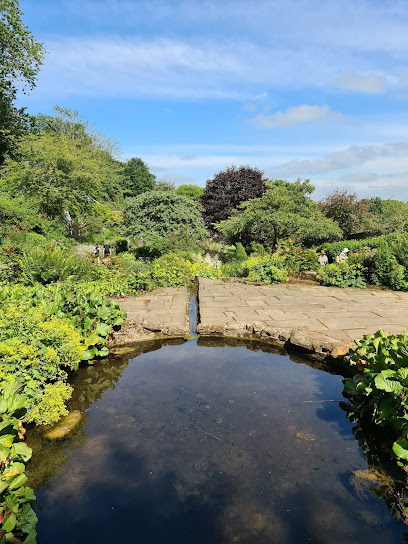
Woodhouses Bastle House
9.5 km
Explore Woodhouses Bastle, a fortified 17th-century farmhouse in Northumberland, embodying the resilience of border life and historic defense.
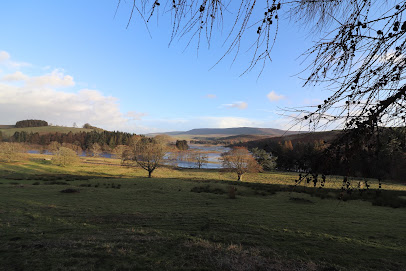
Simonside Hills
10.0 km
Explore the rugged Simonside Hills near Morpeth, where panoramic views, rich wildlife, and ancient legends await atop a distinctive sandstone ridge.
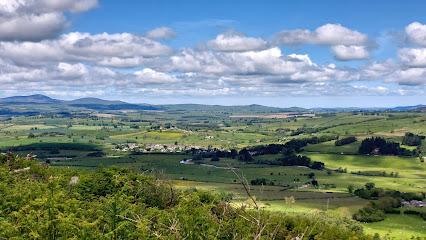
Lordenshaw Hill Fort
12.5 km
Explore Lordenshaw Hill Fort, a captivating 2,000-year-old Iron Age hillfort nestled in Northumberland’s serene National Park landscape.
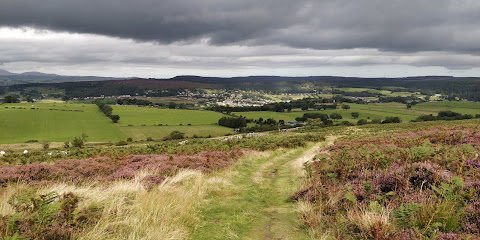
Shaftoe crags
12.8 km
Explore the rugged sandstone heights of Shaftoe Crags with panoramic views, historic stones, and timeless Northumberland landscapes.
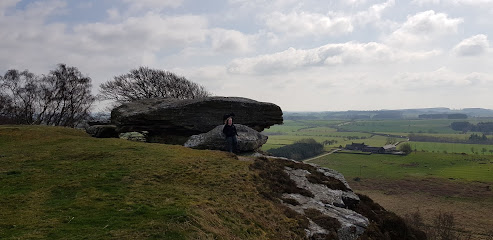
Northumberland National Park
13.1 km
Explore England’s northernmost wilderness where ancient history meets wild landscapes and rare wildlife in Northumberland National Park.
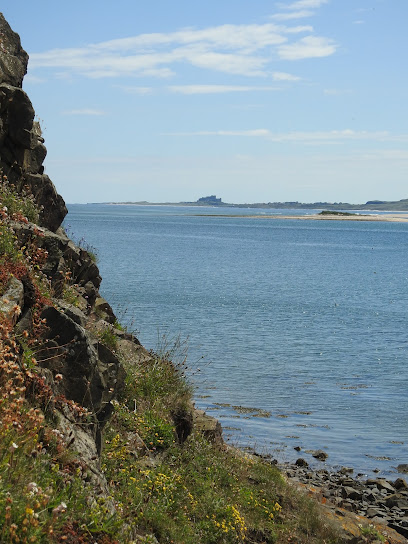
Hareshaw Linn Walk
13.1 km
A magical woodland walk to a stunning nine-metre waterfall rich in rare plants and wildlife in Northumberland National Park.
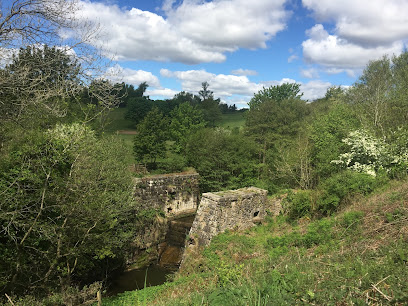
The Drake Stone
14.3 km
Discover Northumberland’s colossal Drake Stone, a legendary glacial boulder with panoramic views and rich local lore.
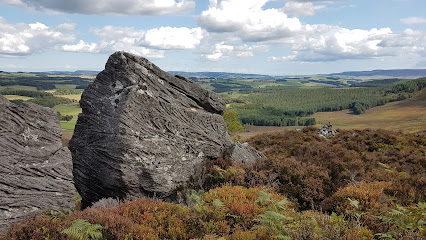
Harbottle Castle
14.3 km
Explore the evocative ruins of Harbottle Castle, a 12th-century fortress overlooking the serene River Coquet valley in Northumberland.
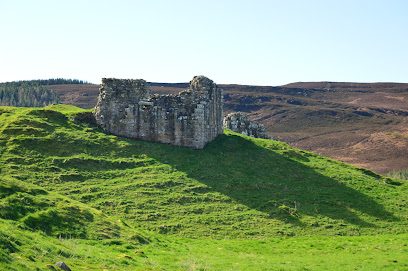
Bolam Lake Country Park
14.7 km
A tranquil Northumberland haven with accessible lakeside trails, abundant wildlife, and a welcoming visitor centre for all ages and abilities.
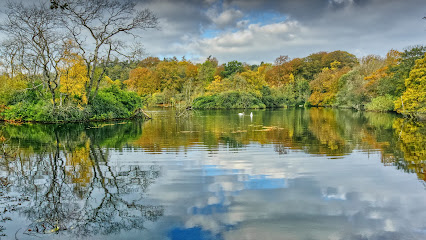
Cragside Formal Garden
15.6 km
Explore the enchanting three-tiered Victorian Formal Garden at Cragside, a historic estate famed for its innovative heritage and stunning rhododendron displays.
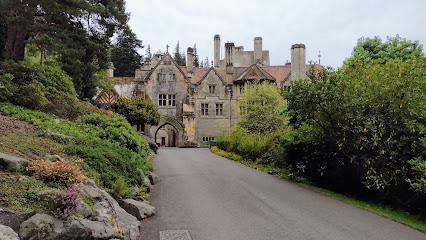
National Trust - Cragside
15.9 km
Discover Cragside, the Victorian inventor’s hydroelectric estate with grand gardens, woodland walks, and family adventures in Northumberland.
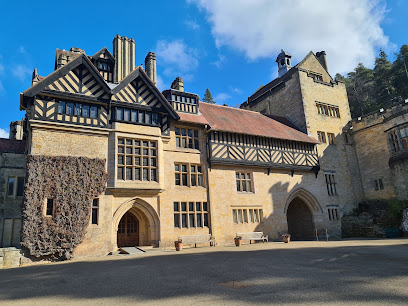
Brinkburn Priory and Manor House
17.5 km
Discover the serene beauty and medieval heritage of Brinkburn Priory, a restored 12th-century Gothic church nestled in Northumberland’s tranquil river valley.
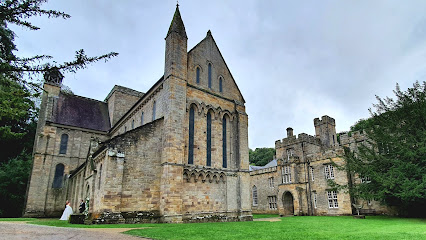
Belsay Hall, Castle and Gardens
17.7 km
Explore a unique blend of Greek revival architecture, medieval castle ruins, and breathtaking Grade I listed gardens carved from an ancient quarry.
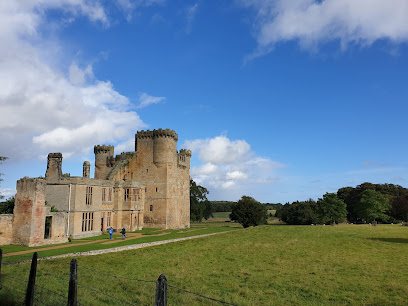
Black Middens Bastle House
18.9 km
A 16th-century fortified farmhouse in Northumberland’s Tarset Valley, built to withstand border reiver raids and now a quiet, evocative ruin cared for by English Heritage.
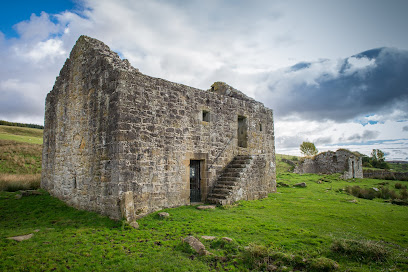
Essential places to dine

The Coach House
8.6 km
Historic British charm and hearty cuisine nestled in the tranquil deer park of Otterburn Hall estate.
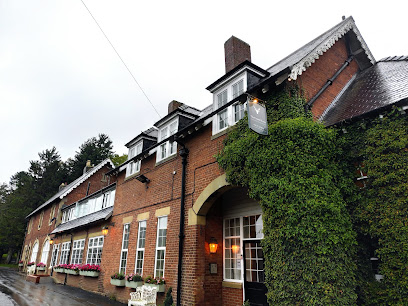
The Three Wheat Heads Inn
13.2 km
A warm, traditional Northumberland inn offering hearty local cuisine, cozy rooms, and stunning countryside views in the charming village of Thropton.
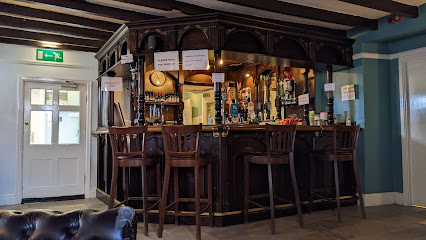
Battlesteads Hotel & Restaurant
17.2 km
Charming rural hotel blending cozy comfort, gourmet dining, and magical stargazing in Northumberland’s serene countryside.
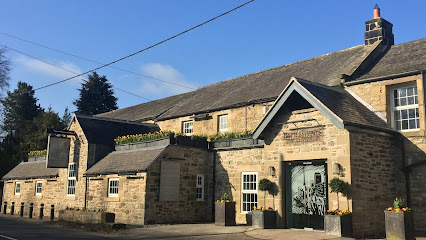
Dobson Restaurant
20.0 km
Experience refined British dining in a grand Georgian setting at Dobson Restaurant, Macdonald Linden Hall, nestled in scenic Northumberland.
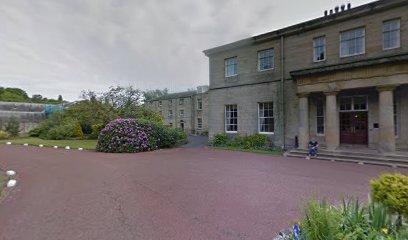
Restaurant Hjem
22.4 km
Michelin-starred Scandinavian fine dining in Northumberland, blending local ingredients with Nordic precision in a warm, intimate setting.
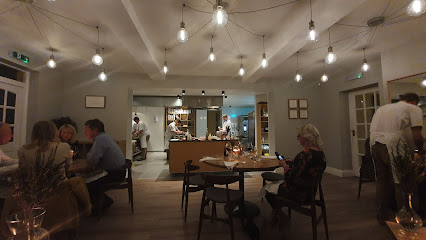
The Cook & Barker Inn
25.5 km
A warm, stylish country pub near Morpeth, serving excellent food and offering comfortable rooms in the heart of Northumberland.
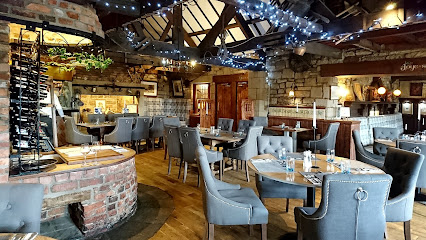
The Bosk
26.8 km
Rustic British cuisine and cozy charm in Alnwick’s tranquil countryside, perfect for relaxed dining and special gatherings.
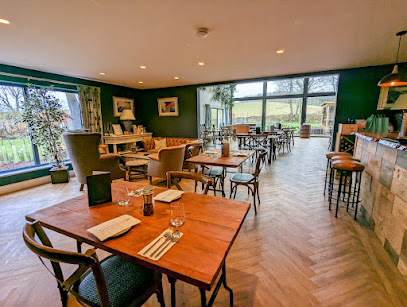
Danielle's Bistro
27.0 km
Cozy family-run bistro blending Mediterranean and British flavors with generous portions and attentive service in the heart of Hexham.
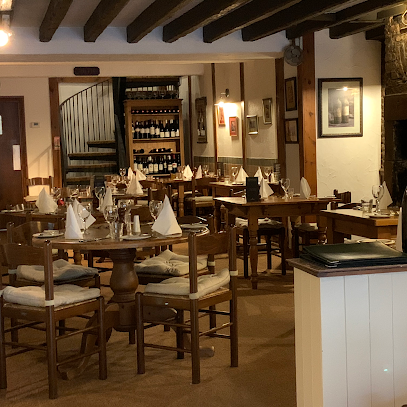
The Snowy Owl
30.9 km
A charming country pub in Cramlington offering rustic British fare, accessible facilities, and a warm, dog-friendly atmosphere.
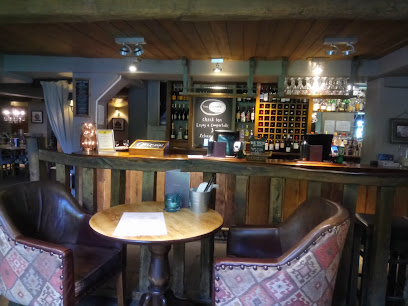
Adam and Eve
31.6 km
A stylish gastropub in Alnwick blending local seasonal produce with creative cocktails in a relaxed, welcoming setting.
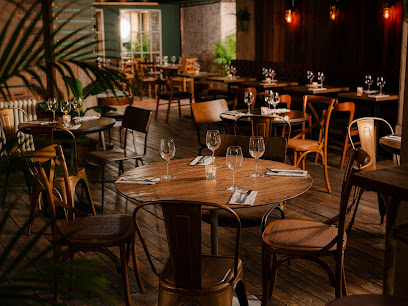
The Market Tavern, Steakhouse and Lodge
31.7 km
A beloved steakhouse and lodge in Alnwick’s heart, offering hearty local fare and warm hospitality near historic landmarks.
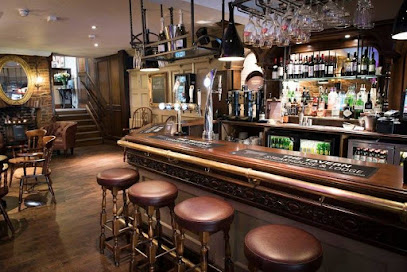
The Dirty Bottles
31.8 km
A charming historic pub, cocktail bar, and boutique hotel in Alnwick blending local character with cozy comfort and hearty fare.
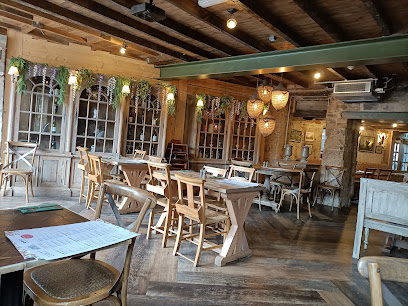
Sonnet Restaurant
31.8 km
A 14-course poetic journey through Northumberland’s finest produce, served in an intimate, literary-inspired Alnwick dining room.
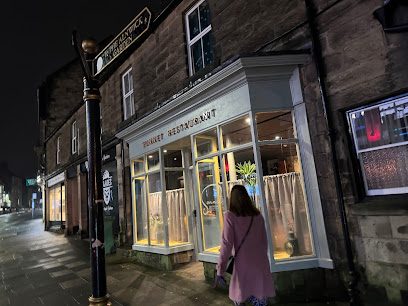
The Treehouse Restaurant
32.3 km
Dine enchanted in the treetops of The Alnwick Garden, where local British flavors meet magical woodland charm and handcrafted rustic elegance.
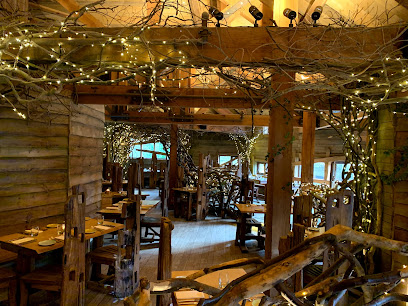
JASPERS BISTRO
33.2 km
A cozy seafood haven in Amble delivering exquisite, locally sourced dishes with personal service and refined charm.
Markets, malls and hidden boutiques

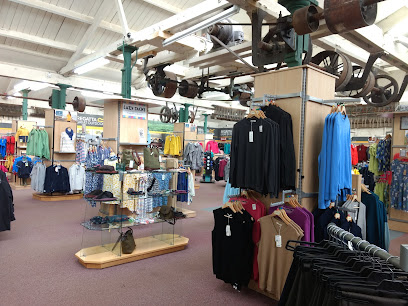
Otterburn Mill Shop and Café, Otterburn
7.7 km
Historic mill shop and cozy café nestled in Northumberland’s scenic Otterburn, blending outdoor gear, homemade food, and tranquil picnic grounds.
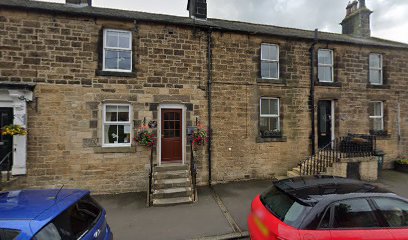
Natural Northumberland
14.4 km
Discover unique local crafts and heartfelt gifts reflecting Northumberland’s rich heritage at this charming Bellingham boutique.
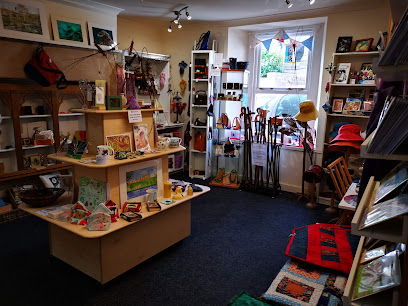
Otterburn Mill Shop, Rothbury
14.5 km
Discover quality walking apparel at Otterburn Mill Shop, Rothbury’s trusted destination for outdoor clothing in Northumberland’s scenic market town.

Elements Art & Craft Gallery
14.6 km
Discover unique handcrafted treasures and local artistry at Elements Art & Craft Gallery in the heart of Rothbury, Northumberland.
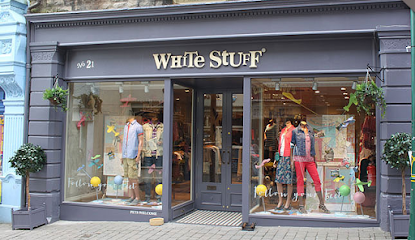
White Stuff Morpeth
24.0 km
Discover stylish, quality clothing and accessories for the whole family at White Stuff Morpeth, where fashion meets friendly service in a charming market town setting.
Sanderson Arcade
24.1 km
A vibrant shopping centre in Morpeth blending popular brands with unique local boutiques and a welcoming atmosphere.
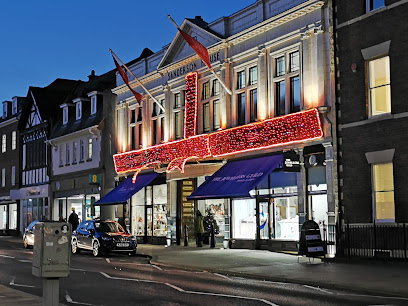
Tesco Extra
26.5 km
A versatile and convenient supermarket hub in Hexham’s Tynedale Retail Park, offering extended hours, fresh produce, clothing, and modern shopping services.

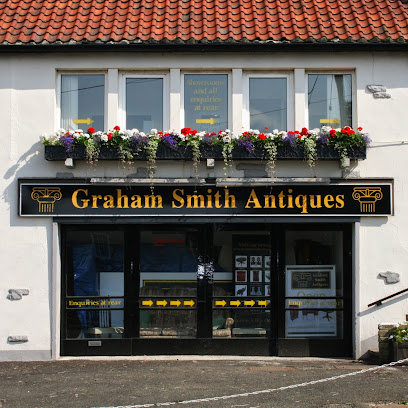
Graham Smith Antiques
28.0 km
Discover exquisite 18th to early 20th-century antiques in the tranquil village setting of Horsley at Graham Smith Antiques.
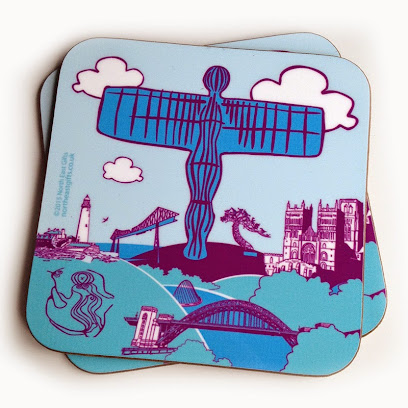
North East Gifts
30.3 km
Discover authentic North East England gifts, local art, and unique memorabilia in a welcoming Prudhoe shop celebrating regional heritage.
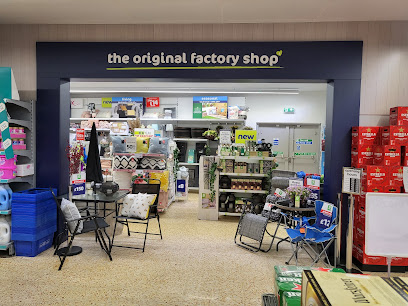
The Original Factory Shop (Co-op Prudhoe)
30.9 km
Discover unbeatable bargains on clothing, homewares, and more at The Original Factory Shop in Prudhoe, your go-to discount shopping destination.
Willowburn Retail Park
31.5 km
A convenient and diverse retail hub in Alnwick offering national brands and local specialties with ample parking and easy A1 access.
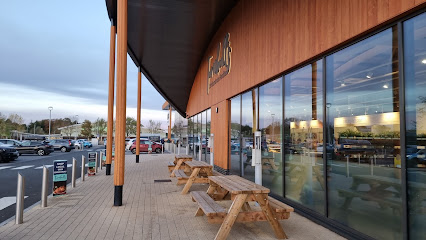
Sports Direct
31.5 km
Explore a vast range of affordable sportswear, bicycles, and outdoor gear at Sports Direct in Ashington, the ultimate destination for sports enthusiasts.
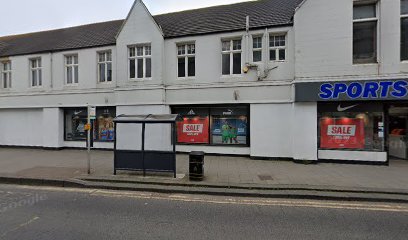
The Original Factory Shop (Alnwick)
31.6 km
Affordable brand-name fashion, footwear, and homeware bargains in the heart of Alnwick’s shopping district.
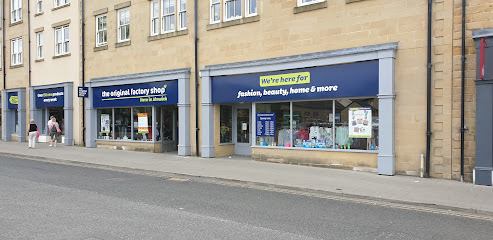
Notes of Northumberland
31.8 km
Experience the enchanting world of handcrafted candles at Notes of Northumberland in Alnwick, where every scent tells a story.
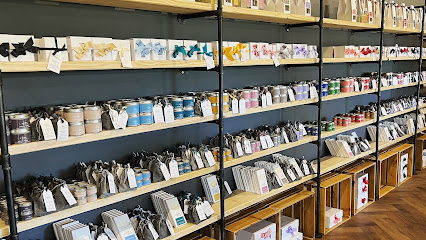
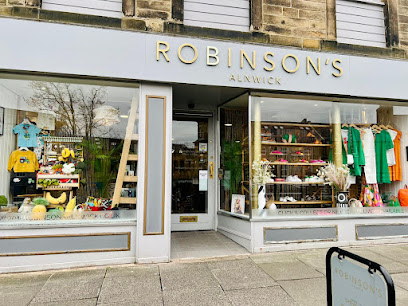
Robinson's
31.8 km
A charming department and gift shop in Alnwick’s historic center offering quality apparel, home furnishings, and friendly service.
Essential bars & hidden hideouts

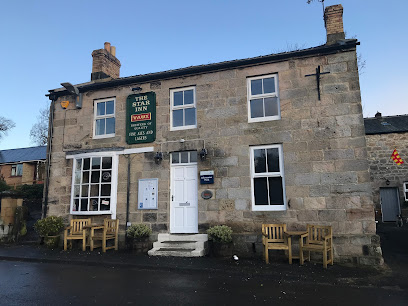
The Star Inn
14.2 km
Historic 14th-century pub in Harbottle offering cozy rooms, excellent food, and a warm community atmosphere in Northumberland’s scenic countryside.
The Turks Head
14.4 km
Historic 16th-century coaching inn in Rothbury offering cozy rooms, local cuisine, and a welcoming pub atmosphere in Northumberland.
The Beresford Arms
19.1 km
Historic coaching inn turned award-winning pub, restaurant, and B&B offering warm hospitality and countryside charm in Whalton, Northumberland.
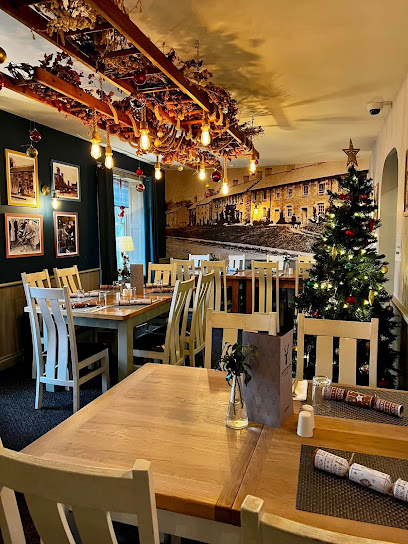
Anglers Arms
19.1 km
A charming four-star country inn in Northumberland offering cozy rooms, hearty cuisine, and warm hospitality in a tranquil rural setting.
The Granby Inn
19.8 km
A welcoming historic village inn in Northumberland offering cozy rooms, hearty food, and classic pub charm in a tranquil countryside setting.
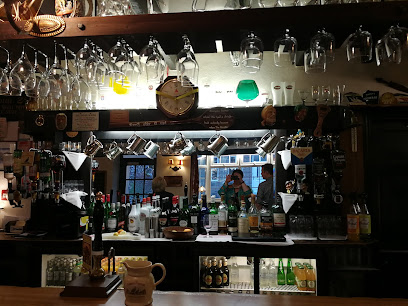
Crazy Horse Saloon n Grill
23.0 km
A lively Wild West-themed bar and grill in Morpeth offering casual dining, sports entertainment, and a pet-friendly atmosphere within Felmoor Holiday Park.
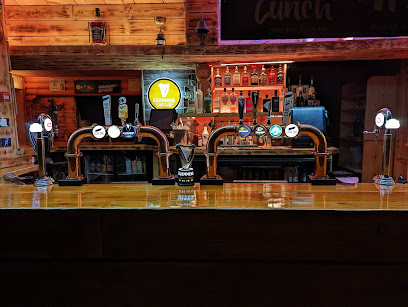
Coast & Country
23.5 km
A tranquil bar and shop nestled in Northumberland’s Percy Wood Golf and Country Club, perfect for relaxing with a drink after outdoor adventures.
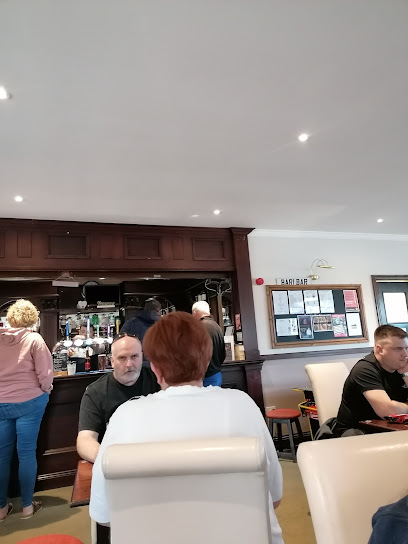
The Black & Grey Morpeth
23.9 km
A lively, dog-friendly bar and pub in Morpeth’s historic centre offering vibrant atmosphere, hearty meals, and welcoming service.
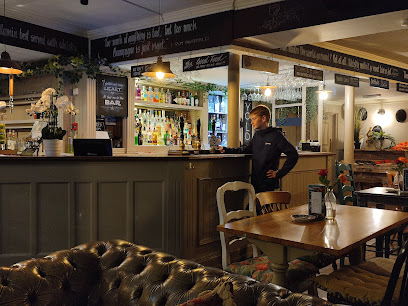
Tap & Spile
24.0 km
A cozy traditional pub in Morpeth with a welcoming fire, six real ales, and a lively community atmosphere.
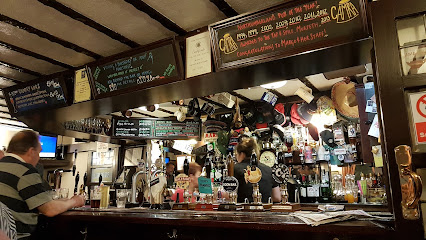
Barluga Morpeth
24.1 km
Modern British dining and vibrant bar in Morpeth’s Sanderson Arcade, offering imaginative cuisine, fine wines, and a welcoming atmosphere.
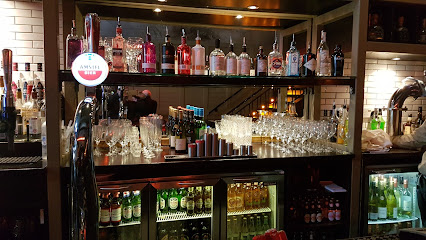
The Northumberland Arms
24.1 km
Charming country pub and boutique hotel in Felton offering fresh local cuisine, luxury rooms, and a warm, welcoming atmosphere.
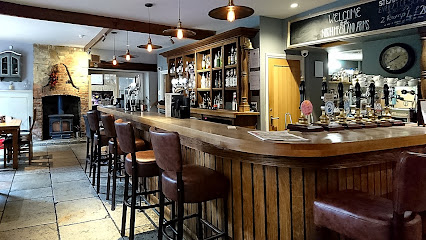
The Foxes Den
24.2 km
A cozy, dog-friendly micro pub in Felton’s riverside basement, famed for real ales and friendly local charm.
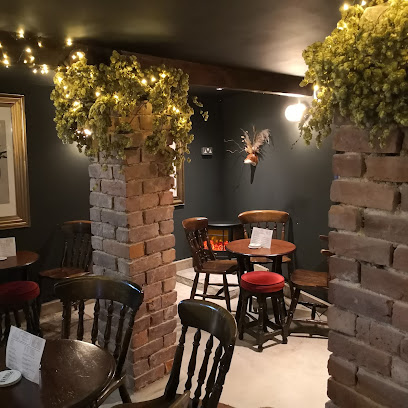
The Black Bull Morpeth
24.2 km
Historic 19th-century pub in Morpeth with classic British fare, riverside views, and a warm, family-friendly atmosphere.
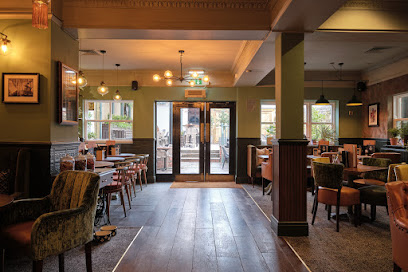
Joiners Arms
24.3 km
A welcoming Northumberland pub in Morpeth serving locally sourced, home-style dishes in a cozy, traditional setting.
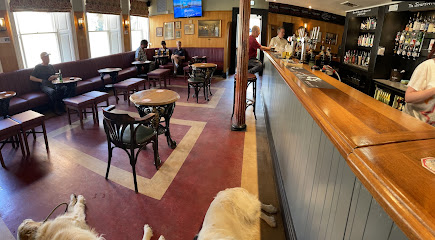
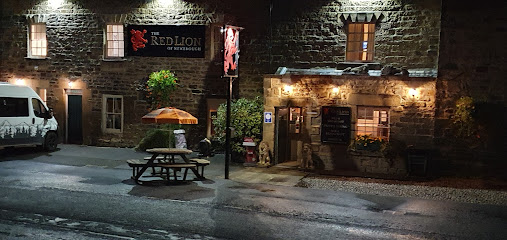
The Red Lion
24.5 km
Historic pub and cozy inn in Newbrough offering hearty British fare, real ales, and welcoming hospitality in the heart of Northumberland.
Nightclubs & after hour spots

Knightrider Discos
24.4 km
Experience Morpeth’s vibrant nightlife at Knightrider Discos, where dynamic beats and lively crowds create unforgettable nights.
The Brick Club, Red Row Working Mens Club
30.2 km
A welcoming traditional working men's club in Morpeth offering authentic local atmosphere, classic ales, and a strong community spirit.
Dance Delicious
31.5 km
Experience vibrant nightlife and modern vibes at Dance Delicious, Ashington’s premier spot for dancing and social fun.
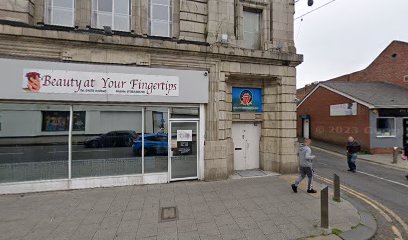
Cosmic Ballroom
38.6 km
Newcastle's longest-running underground club: two floors of electronic beats, guest DJs, and non-stop dancing till dawn in an intimate Stowell Street hideaway.
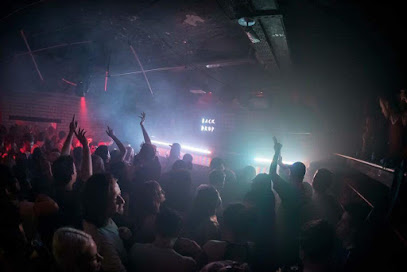
Sinners
38.8 km
Dive into sinfully themed nights at this affordable Newcastle nightclub, where red lights, bold art, and cheap drinks fuel the city's unbeatable party spirit.

Powerhouse
38.8 km
Newcastle’s iconic four-floor nightclub blending rich LGBTQ+ history with vibrant, inclusive nightlife and dynamic music scenes.

Warehouse Night Club(SR44)
38.9 km
Experience Newcastle’s vibrant underground gay nightclub scene at Warehouse Night Club (SR44), where eclectic music and lively parties come alive.
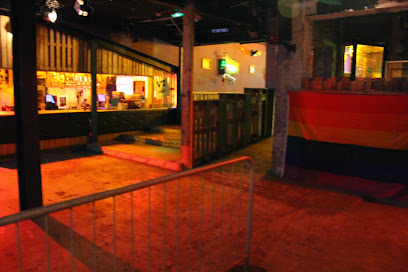
Digital
39.0 km
Experience cutting-edge nightlife with superior sound and vibrant energy at Digital, Newcastle’s premier clubbing destination in Times Square.
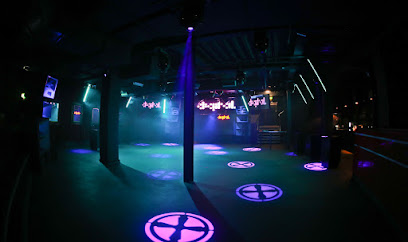
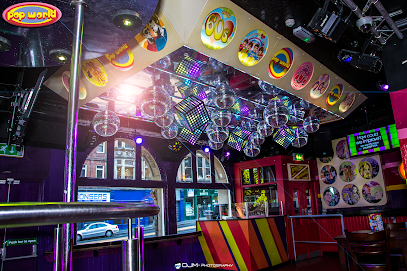
Popworld - Newcastle
39.0 km
A neon-soaked pop party on Newcastle’s Bigg Market—cheap drinks, nostalgic anthems and a packed dancefloor for late-night revelry.
Loca Loca | Newcastle
39.1 km
A compact, neon-lit nightclub on Groat Market serving late-night dance, chart and urban sets in an intimate city-centre setting.

The Social Club
39.1 km
Experience Newcastle’s vibrant nightlife at The Social Club, where music, cocktails, and dancing come alive until the early hours.
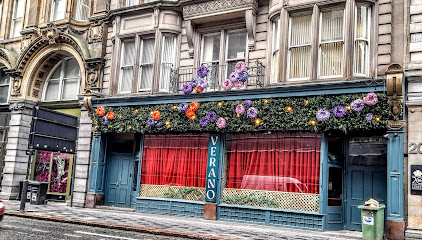
Bohemia Newcastle
39.1 km
Neon-lit cocktail bar and compact club with graffiti murals, a mezzanine dance space and a sheltered courtyard terrace for late-night socialising.
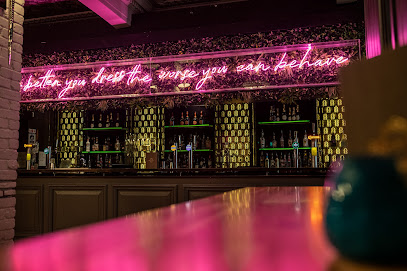
TROPICANA NEWCASTLE
39.1 km
Experience Newcastle’s vibrant nightlife at Tropicana, a lively nightclub blending cocktail sophistication with energetic club beats in the city’s heart.

Greys Club
39.1 km
Experience Newcastle’s iconic nightlife at Greys Club, where vibrant music, a stylish terrace, and lively crowds create unforgettable late-night memories.
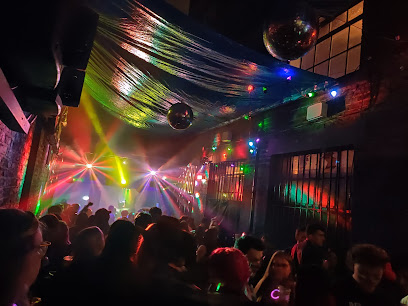
World HQ
39.2 km
A multi‑level warehouse club and arts hub in Curtis Mayfield House with a heavy sound, creative studios above and a grassroots nightlife spirit.
For the vibe & atmosphere seeker
- Adventurous
- Unique
- Scenic
For the design and aesthetic lover
- Rustic Designs
For the architecture buff
- Historic
- Landmarks
For the view chaser and sunset hunter
- Panoramas
For the social media creator & influencer
- Photo Spots
- Architectural Shots
For the eco-conscious traveler
- Protected Area
- Leave-No-Trace Critical
For the kind of experience you’re after
- Myth & Legends
- Cultural Heritage
- Photowalk
- Nature Escape
For how adventurous you want the journey to be
- Requires Hike
- Remote
Location Audience
- Family Friendly
- Solo Friendly
- Couple Friendly
- Senior Friendly


