Wellington Square, Oxford Travel Guide
Free Guide: A tranquil Georgian garden square in Oxford blending rich history, elegant architecture, and serene academic ambiance.


A brief summary of Wellington Square
A tranquil Georgian garden square in Oxford blending rich history, elegant architecture, and serene academic ambiance.
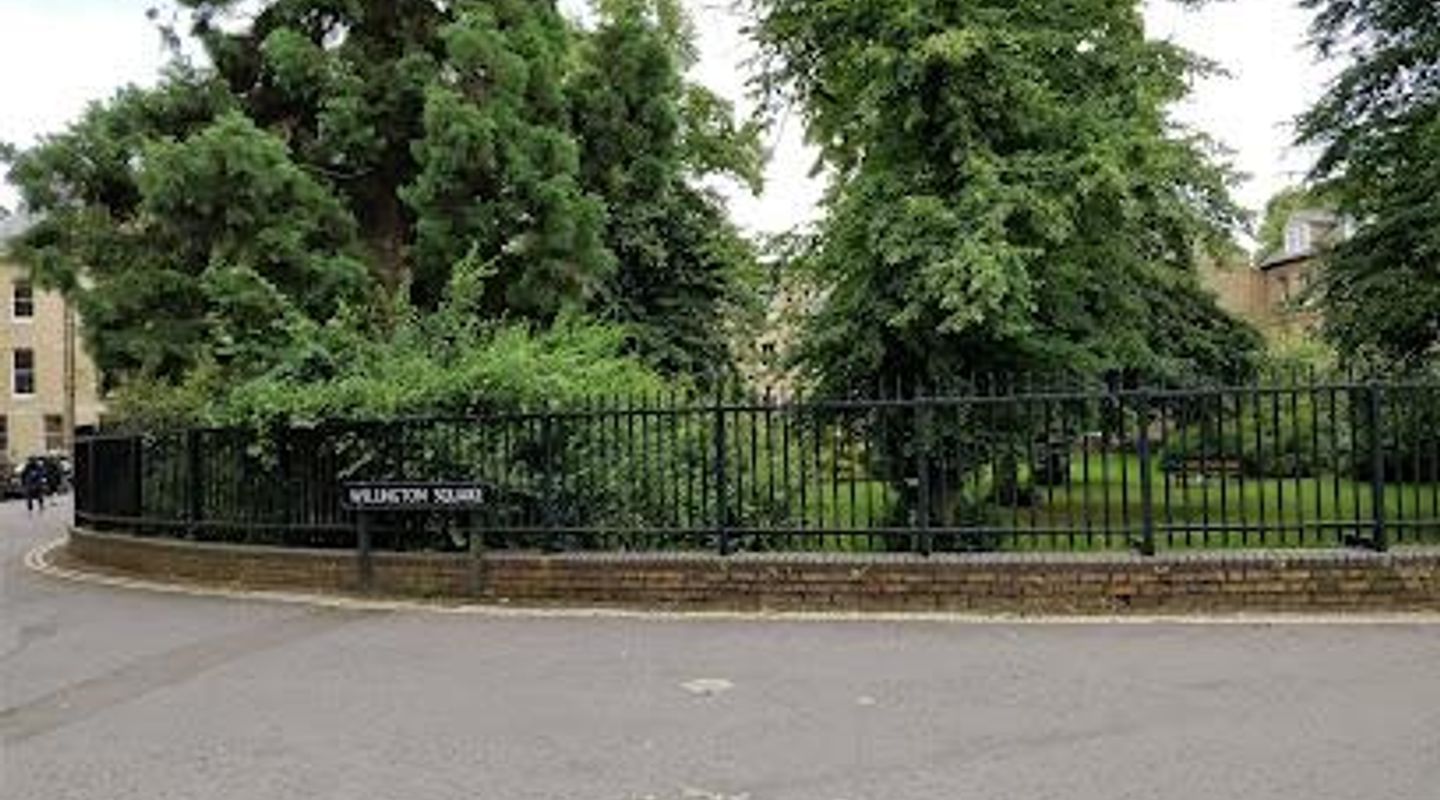
Wellington Square in Oxford is a tranquil, historic garden square surrounded by elegant Georgian architecture. Developed in the 1870s on a site with Civil War earthworks and former workhouse history, it now serves as a peaceful green oasis within the university city, hosting university offices and a central landscaped garden featuring mature trees and shrubs. This quiet square offers a reflective retreat amid Oxford’s rich academic and architectural heritage.
On-site amenities
 Seating areas
 Trash bins
 Information boards
- Address
- Oxford
Getting there
Bus
Taxi
Walking
Discover more about Wellington Square
Origins and Historical Foundations
Wellington Square occupies a site steeped in layered history, beginning as part of the Civil War earthwork defenses in the 1640s. Known locally as ‘Rats and Mice Hill’ during the 18th century, the area later hosted a workhouse built in 1772, which served the city until the mid-19th century. After the workhouse was vacated, the land was acquired by the University of Oxford and transformed into residential housing and a garden square between 1869 and 1876. Named after the Duke of Wellington, Chancellor of the University from 1834 to 1852, the square reflects a significant period of urban expansion and university development.
Architectural Elegance and Urban Design
The buildings encircling Wellington Square are exemplary of late 19th-century Georgian and Victorian styles, designed by Oxford’s city architect E.G. Bruton. These structures exhibit refined neoclassical elements such as ornate facades, sash windows, and wrought iron railings. Rewley House, a notable building within the square, features a stone cartouche commemorating the Duke of Wellington. The layout of the square, with its rounded-rectangular garden at the center, embodies thoughtful urban planning that integrates residential, academic, and administrative functions harmoniously.
Botanical Richness and Garden Features
At the heart of Wellington Square lies a meticulously maintained garden, a verdant sanctuary amid Oxford’s urban fabric. The garden boasts mature trees including a prominent Wellingtonia (Giant Sequoia), sycamore, copper beech, and a cluster of five lime trees arranged centrally. The beds are planted with a variety of evergreens and flowering shrubs such as aucuba, choisya, deutzia, mahonia, and lilac, offering year-round greenery and seasonal interest. Despite its modest size, the garden provides a peaceful environment for study, reflection, and quiet socializing.
Academic Ambiance and Contemporary Use
Surrounded by university departments and administrative offices, Wellington Square exudes an academic atmosphere. It is frequented by students and staff who use the garden as a tranquil spot for reading, discussion, or relaxation between lectures. The square’s calm and contemplative environment contrasts with the bustling city center, making it a cherished retreat within Oxford’s scholarly community.
Community and Access
Wellington Square is open to the public during daylight hours and managed by the University Parks Service. It features a single gated entrance and a limited number of benches, emphasizing its quiet and reserved character. The square’s location in north Oxford places it near other historic neighborhoods and university landmarks, contributing to its role as a peaceful green space within a vibrant academic city.
Legacy and Cultural Significance
Beyond its physical beauty, Wellington Square symbolizes Oxford’s evolution from a defensive and industrial past to a center of learning and culture. The preservation of its architectural and natural features offers visitors a glimpse into the city’s layered history and ongoing commitment to maintaining spaces that foster intellectual and community well-being.
Evendo Review Centre
 Google
Guest reviews
Best time to go
Quietest: Jan, Feb & Dec · before 6am or at 9pm
Busy times are Evendo estimates for a typical year, to help you plan. Actual crowds vary with events, school holidays and the weather.
Explore Wellington Square on the map
A handpicked selection of must-see spots near Wellington Square, mapped for you.
Get your free copy of our complete guide to Wellington Square, delivered straight to you.
Everything on this page, from opening hours and how to get there to Eve’s tips and the best time to go, in one PDF you can read offline, print or share.
Already have an account? Sign in
Your Wellington Square guide is ready.
We'll send it to · Not you? Sign out

Getting your guide ready…
We are putting together a fresh copy of the Wellington Square guide. This can take up to a minute.
This can take a few moments. If your browser asks, choose Allow so the download can start. You'll find the guide in your Downloads folder.
Nothing happened? Download it again
Sorry, the guide is taking longer than usual. Please try again in a minute, or get it by email instead.
Unlock the best of Wellington Square
Skip-the-line tickets, guided tours with entry, and walking tours of the area, booked in a few clicks.

Other nearby places you may find interesting
The closest places of the same kind, if this one is not quite what you had in mind.
-
-
-
-
-


Swipe for more places
More to explore near Wellington Square

 Best experiences near Wellington Square
 Best hotels near Wellington Square
 Best landmarks near Wellington Square
 Best attractions near Wellington Square
 Best shops near Wellington Square
 Best restaurants near Wellington Square
 Best bars near Wellington Square
Do you manage this location?
Take control to get all the benefits, like improved information, better appearance, and stronger visibility across AI-powered discovery.
Explore more

Explore more of Oxford
Discover Oxford, the City of Dreaming Spires – where historic academia meets vibrant culture. Explore its ancient colleges, museums, and scenic waterways for an unforgettable visit.
Explore Oxford
Explore more of United Kingdom
Discover the United Kingdom: A blend of rich history, stunning landscapes, and vibrant cities, offering a unique travel experience for every visitor.
Explore United Kingdom