
North Hinksey Conduit House: Oxford’s Early Water Supply Marvel
Discover Oxford’s 17th-century waterworks marvel perched above the city, blending historic engineering with scenic views and rare heritage graffiti.
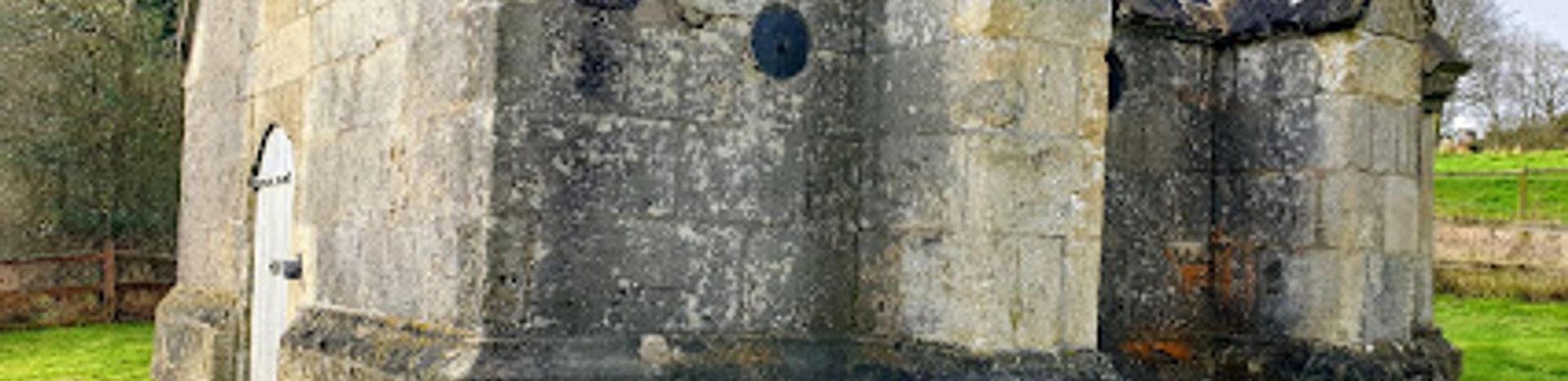
North Hinksey Conduit House, built in 1617, is a historic limestone structure perched on a hillside overlooking Oxford. It housed a large lead cistern that was part of the city’s first piped water system, channeling fresh spring water from North Hinksey to the ornate Carfax Conduit fountain in central Oxford. The building’s robust, chapel-like form features gabled buttresses, a carved coat of arms, and rare 17th- and 18th-century graffiti, making it a unique testament to early civic engineering and heritage.
A brief summary to North Hinksey Conduit House
- Oxford, OX2 9AS, GB
- +443703331181
- Visit website
- Duration: 0.5 to 1.5 hours
- Free
-
 Outdoor
- Mobile reception: 4 out of 5
Local tips
- Visit between April and October when the exterior is open Thursday to Sunday, 10am to 4pm, for the best viewing opportunities.
- Join a pre-scheduled guided tour to access the interior and learn about the conduit house’s engineering and history.
- Wear comfortable shoes as access involves a ten-minute walk from the nearest road along a hillside path.
- Take time to observe the historic graffiti on the exterior walls, dating from the 17th to 19th centuries.

For the on-the-go comforts that matter to you
- Seating Areas
- Information Boards
Getting There
-
Bus and Walking
Take Oxford Bus Service route 4 or 4A towards Botley from central Oxford, which takes approximately 20-30 minutes. From the nearest bus stop at Harcourt Hill, expect a 10-minute uphill walk along a footpath to reach the conduit house. The walk is on uneven terrain and may not be suitable for wheelchair users.
-
Car and Walking
Drive to Harcourt Hill, Oxford, where limited roadside parking is available. From the parking area, a 10-minute walk uphill on a private road and footpath leads to the conduit house. The path is steep and uneven, so sturdy footwear is recommended. Parking is free but limited.
-
Cycling and Walking
Cyclists can follow the cycle routes west from Oxford city centre towards North Hinksey. Secure bike parking is available near Harcourt Hill. From there, a 10-minute uphill walk on a footpath leads to the site. The terrain is hilly and may be challenging for casual cyclists.
North Hinksey Conduit House location weather suitability
-
 Any Weather
-
 Clear Skies
-
 Mild Temperatures
-
 Rain / Wet Weather
Discover more about North Hinksey Conduit House
A Testament to 17th-Century Civic Engineering
North Hinksey Conduit House stands as a remarkable survival of Oxford’s earliest piped water supply system, constructed around 1617. This single-storey building, fashioned from dressed limestone, was designed to protect a vast 20,000-gallon lead cistern that stored clean spring water from North Hinksey. The water was gravity-fed downhill through underground lead pipes stretching over a mile and a half, ultimately reaching the Carfax Conduit fountain in Oxford’s city centre. This system was a pioneering feat of engineering for its time, ensuring the city’s residents had access to fresh drinking water.Architectural Character and Historic Details
The conduit house resembles a small, sturdy chapel or fortress, measuring approximately 13 by 8 metres with walls rising about 4 metres high at the gable ends. Its side walls are reinforced with two gabled buttresses each, and a round-headed doorway on the front gable bears the carved coat of arms of Otho Nicholson, the lawyer who championed the water system. Narrow two-light vents on both gable ends provide limited light to the interior, where the cistern once held water. The stone roof and some coping stones are modern restorations, while the exterior walls display beautifully chiselled graffiti dating from the late 17th to 19th centuries, offering a rare glimpse into the past.Historical Context and Legacy
The conduit house was part of a broader water supply project promoted by Otho Nicholson and linked to the Carfax Conduit fountain, erected to commemorate King James I’s visit to Oxford. Although the original fountain was dismantled in 1787 during street improvements, it was re-erected nearby at Nuneham Park. The underground water channels have largely disappeared from view, but the conduit house remains in its original location, symbolizing early efforts at urban infrastructure and public health. The water system continued to serve Oxford until 1868, marking over two centuries of vital service.Setting and Visitor Experience
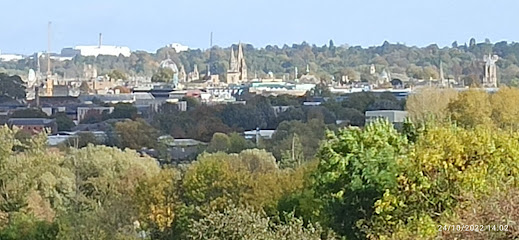
Situated on a hillside above Oxford, the conduit house offers scenic views over the busy ring road and the iconic spires of the city below. Its elevated position provides a tranquil spot to reflect on the ingenuity of early modern engineering amid the natural landscape. Access to the interior is limited to pre-scheduled guided tours, but the exterior can be viewed during open hours from April to October. The site’s quiet atmosphere and historic aura make it a distinctive destination for those interested in heritage and engineering history.Conservation and Public Engagement
The conduit house is maintained with care to preserve its historic fabric, including recent repairs that replaced some stones with finer-grained limestone. It is managed by local heritage organizations dedicated to protecting Oxford’s cultural landmarks. Visitors are encouraged to appreciate the building’s significance as part of Oxford’s water supply history and to respect its fragile condition. Special events and open days provide opportunities to explore the site more closely and learn about its story through guided interpretation.Unique Features and Cultural Significance
Beyond its functional role, the conduit house is notable for its ornate historical graffiti, which adds character and human connection to the stone walls. The structure’s robust design and enduring presence highlight the importance of water infrastructure in shaping urban life. As one of the few surviving examples of early 17th-century waterworks, it holds a unique place in Oxford’s heritage, linking the city’s past to its present landscape and reminding visitors of the ingenuity required to sustain growing urban populations.Iconic landmarks you can’t miss

Oxford Preservation Trust
1.9 km
Discover the architectural beauty and cultural richness of Oxford through the dedicated efforts of the Oxford Preservation Trust.
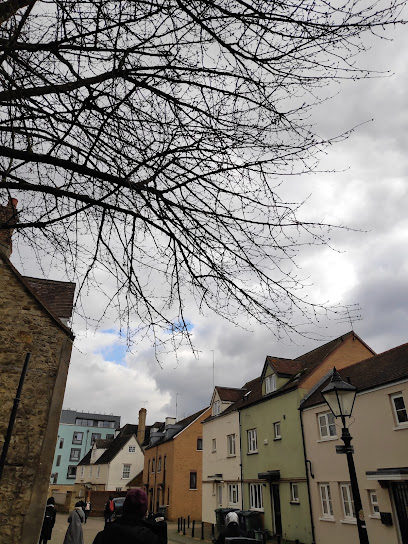
IF Oxford: The Oxford Science and Ideas Festival
1.9 km
Discover cutting-edge science and creative ideas at Oxford’s vibrant annual festival blending research, arts, and community engagement.
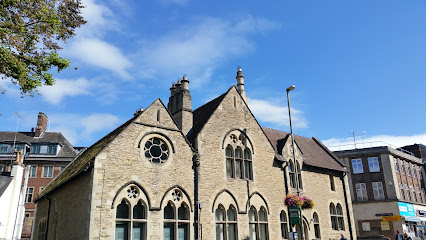
Oxford Ecclesia Walking Tours
2.1 km
Uncover the hidden gems of Oxford with Ecclesia Walking Tours, where history and culture converge in a captivating exploration of this iconic city.
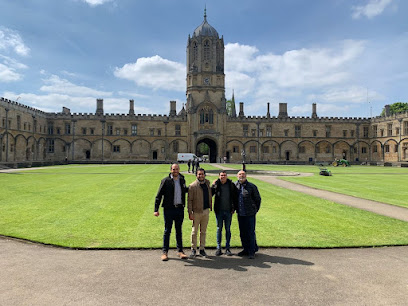
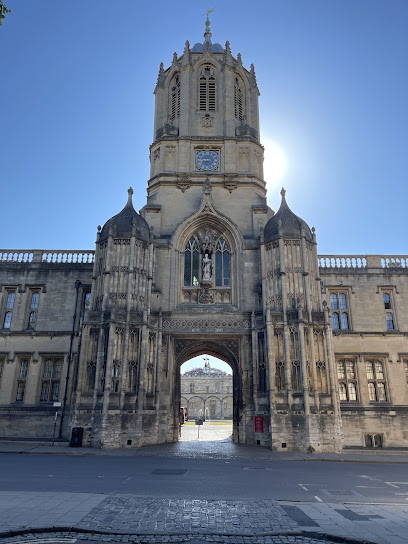
Tom Tower
2.1 km
Historic Gothic bell tower by Christopher Wren at Christ Church, home to the iconic Great Tom bell and a symbol of Oxford’s academic heritage.
Great Jewry Marker
2.1 km
Commemorating Oxford’s medieval Jewish quarter on historic St Aldate’s, a testament to a vibrant community’s enduring legacy.
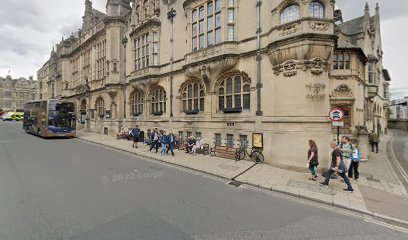
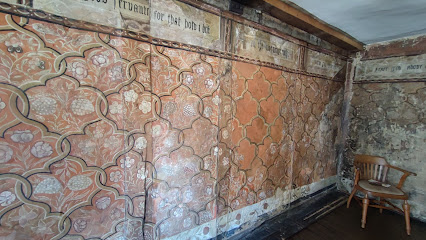
The painted room
2.1 km
Explore The Painted Room in Oxford, a historical museum showcasing exquisite frescoes and captivating artistry that reflects the city's rich cultural heritage.
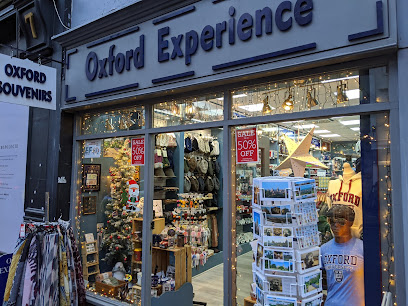
Oxford Experience (University Official Souvenirs)
2.2 km
Discover unique Oxford souvenirs and authentic memorabilia at the Oxford Experience, your ultimate shopping destination in this historic city.
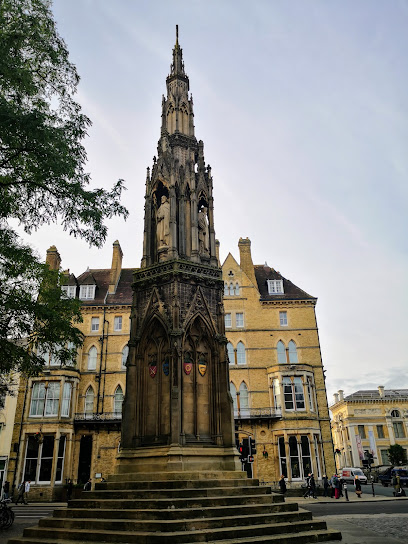
Martyrs' Memorial
2.3 km
A towering Gothic Revival monument in Oxford honoring three Reformation martyrs who stood firm in faith during religious upheaval.
Oxford Magic Walking tours
2.3 km
Explore Oxford's hidden gems and rich history with expert-led Magic Walking Tours, revealing the city's enchanting past and vibrant present.
Oxford Tours UK
2.3 km
Discover Oxford’s rich history and literary heritage through personalized, expert-led walking tours in the city’s vibrant heart.
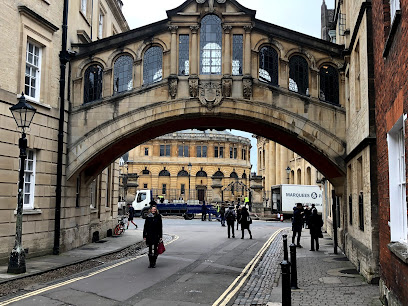
Visit Oxford Tours
2.3 km
Explore the captivating history and stunning architecture of Oxford with expert-guided tours for an unforgettable experience.
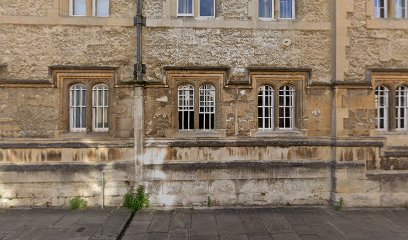
2.1
2.3 km
Discover Oriel Square, Oxford’s historic academic hub where royal heritage meets timeless scholarly tradition in a serene city setting.
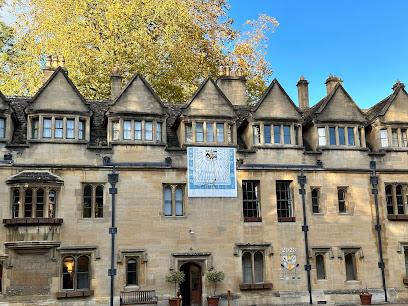
Brasenose College
2.4 km
Historic Oxford college founded in 1509, renowned for its medieval architecture, vibrant student life, and prestigious academic tradition.
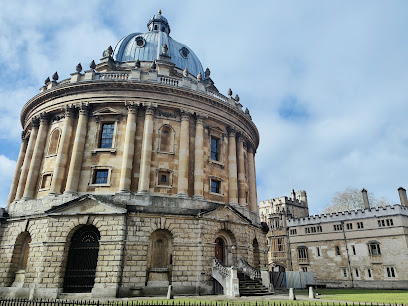
Bodleian Library
2.5 km
Discover the Bodleian Library, an iconic historical landmark in Oxford, home to millions of texts and a hub for cultural events and tours.
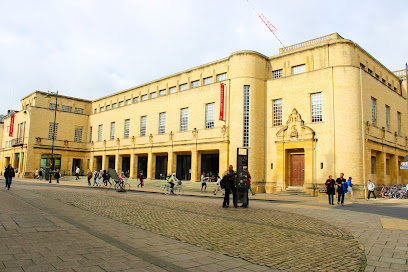
Weston Library
2.5 km
Explore the Weston Library in Oxford - a cultural gem featuring rare manuscripts, stunning architecture, and a vibrant atmosphere for book lovers.
Unmissable attractions to see

Raleigh Park
0.3 km
A serene 27-acre hillside park offering stunning panoramic views of Oxford’s iconic cityscape and tranquil natural surroundings.
46 Bridge St
1.2 km
Elegant Victorian apartments blending historic charm and modern luxury in the heart of Oxford’s vibrant cityscape.

Gasworks Bridge
1.5 km
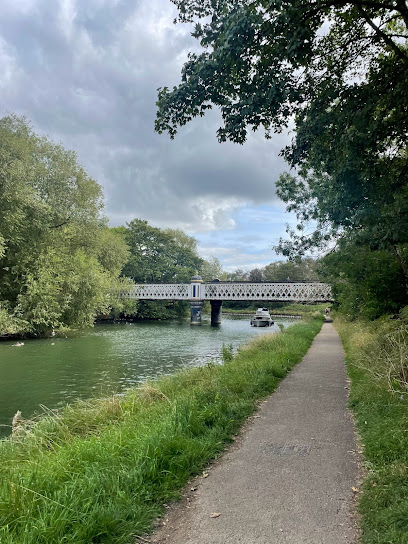
Historic iron footbridge over the Thames linking Oxford’s St Ebbes with Grandpont nature reserve, blending industrial heritage and riverside tranquility.
Chilswell Valley
1.5 km
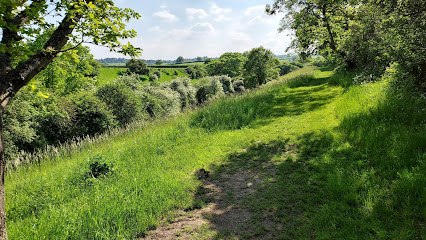
A tranquil woodland valley near Oxford offering accessible trails, rich wildlife, and family-friendly natural charm.
The Ox by Olivia Musgrave
1.7 km
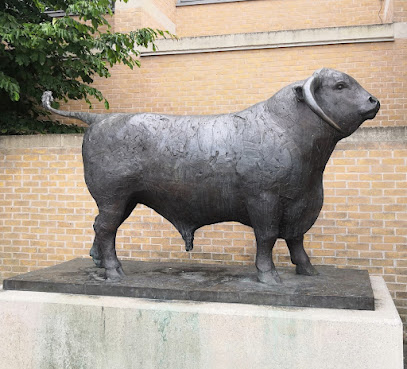
A majestic bronze ox by Olivia Musgrave, symbolizing Oxford’s heritage and welcoming visitors at the city’s railway station.
Park End St
1.7 km
Historic gateway to Oxford’s west, blending Georgian heritage with vibrant modern dining and urban life.
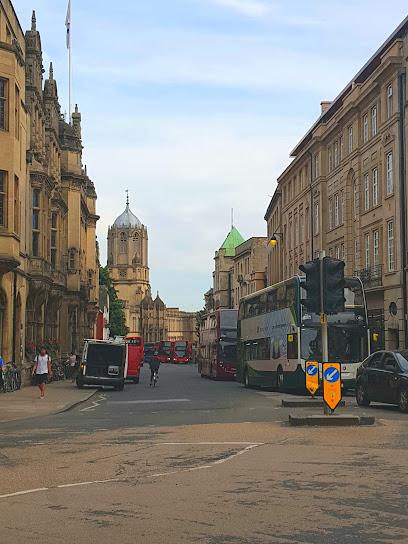
Saint George's Tower
1.8 km
Explore Saint George's Tower, Oxford’s oldest building, offering panoramic city views and a journey through nearly 1,000 years of history.
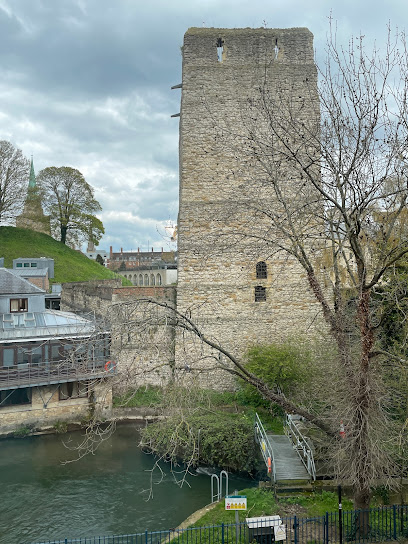
44-46 Oxford Castle
1.8 km
Explore 1,000 years of history from Norman fortress to Victorian prison with panoramic views and immersive storytelling at Oxford Castle & Prison.
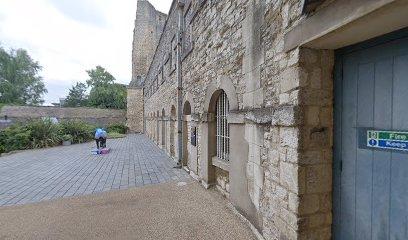
The Oxford Retreat
1.8 km
A lively riverside pub blending cozy dining and vibrant bar life in the heart of historic Oxford.
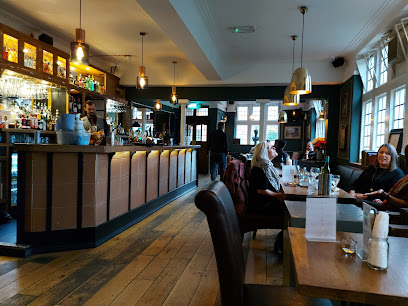
Oxford Castle & Prison
1.8 km
Explore over 1,000 years of Oxford’s history with immersive tours through castle towers, eerie prison cells, and ancient crypts.
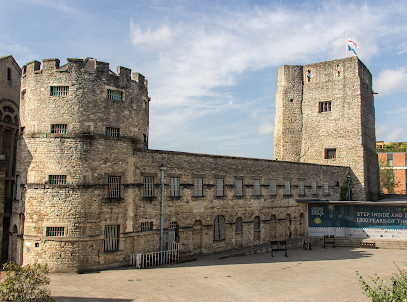
Oxford Castle Quarter
1.8 km
Explore centuries of history and vibrant culture at Oxford Castle Quarter, where medieval heritage meets modern dining and hospitality.
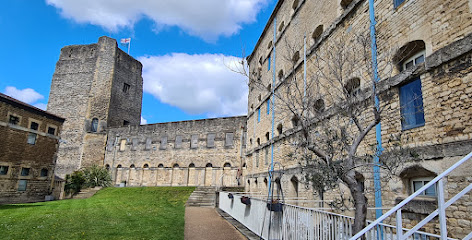
Bill Spectre Ghost Trail
1.8 km
Oxford's most theatrical ghost tour: history, mystery, and illusions in the city's darkest corners.
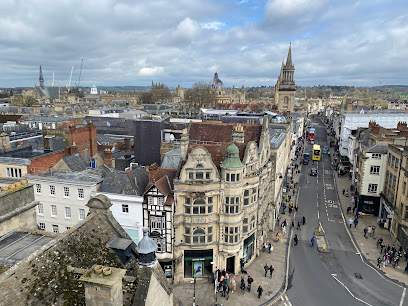
Nuffield College
1.9 km
A pioneering graduate college in Oxford specializing in social sciences, known for its iconic tower and rich academic heritage.
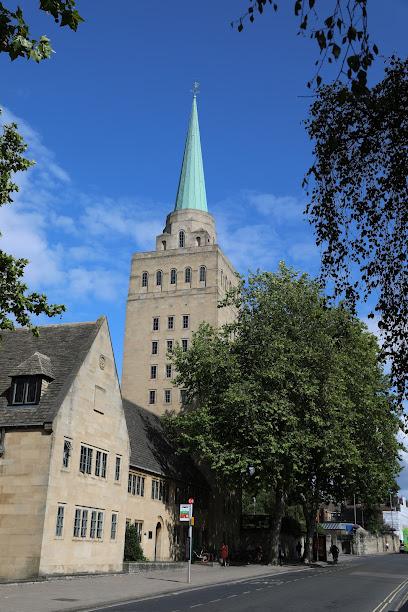
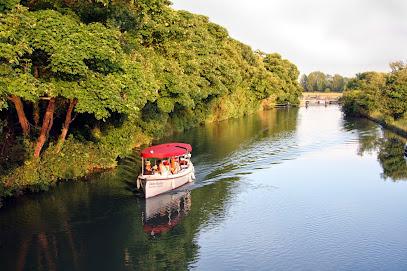
Oxford River Cruises
2.0 km
Discover Oxford’s historic landmarks and river life on elegant electric river cruises along the Thames, offering scenic, cultural, and dining experiences.
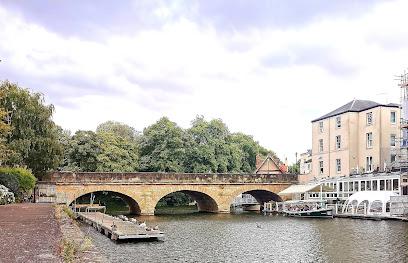
Folly Bridge
2.0 km
Experience the charm of Folly Bridge in Oxford, where scenic views and rich history come together for an unforgettable visit.
Essential places to dine

Lula's Ethiopian and Eritrean Cuisine
1.6 km
Experience authentic Ethiopian and Eritrean flavors in a warm, communal setting at Lula's in the heart of Oxford.
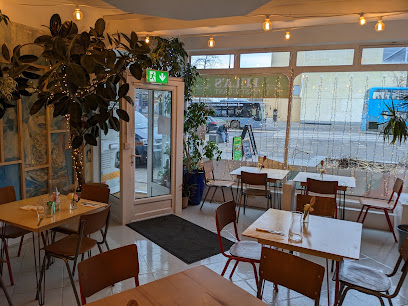
Dirty Bones Oxford
1.7 km
Savor bold American comfort food and creative cocktails in a lively Oxford setting inspired by New York City’s vibrant spirit.

Old Delhi
1.8 km
Explore Old Delhi's rich heritage through stunning architecture, delicious street food, and vibrant markets that reflect India's cultural diversity.
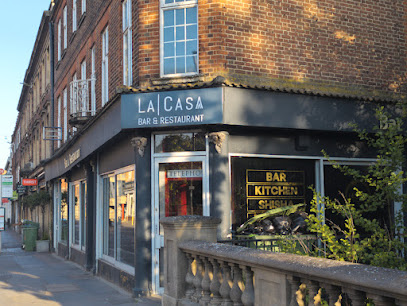
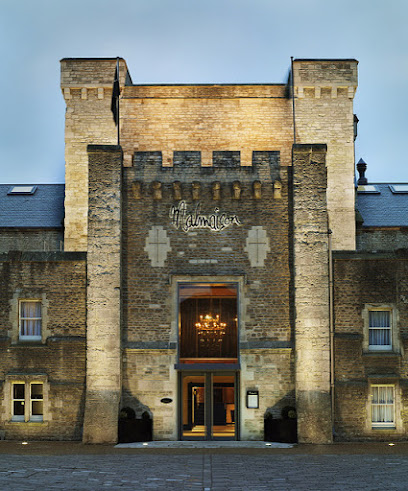
Malmaison Bar & Grill Oxford
1.8 km
Victorian prison cells transformed into an atmospheric brasserie serving modern British cuisine and craft cocktails in Oxford's historic centre.
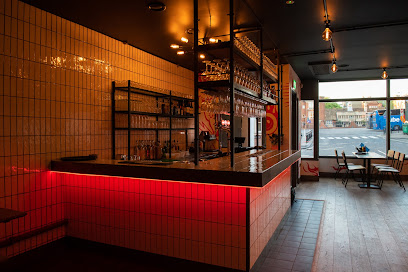
GLUT
1.9 km
Independent Oxford eatery serving generous, tasty burgers and vegan delights in a lively, casual atmosphere on George Street.
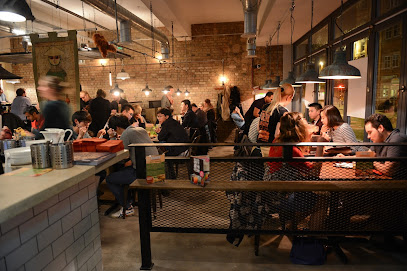
Banana Tree Oxford
2.0 km
Lively Pan-Asian dining with extensive vegan options and vibrant flavors in the heart of Oxford’s George Street.
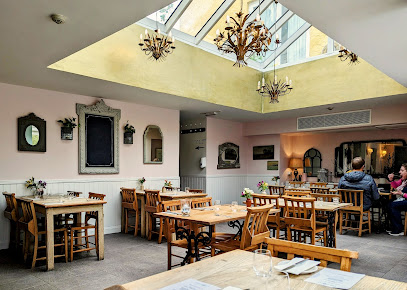
The Folly Restaurant
2.0 km
Elegant riverside dining on the Thames with modern European cuisine and stunning views in the heart of Oxford.
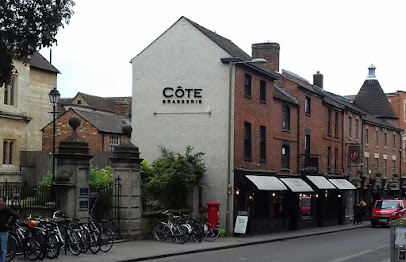
Côte Oxford
2.0 km
Authentic French brasserie cuisine served in a warm, stylish setting at Oxford’s vibrant George Street.
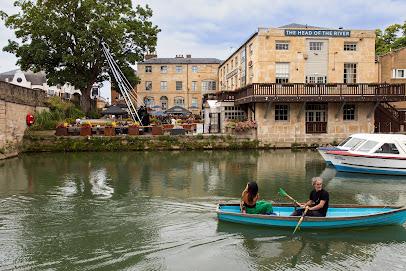
The Head of the River, Oxford
2.0 km
Charming riverside pub, restaurant, and hotel at Oxford’s Folly Bridge, blending British tradition with contemporary dining and cozy waterside stays.
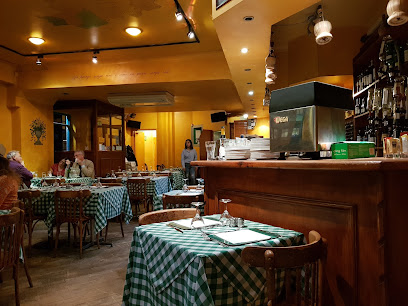
Gino's
2.0 km
Authentic Italian flavors and warm family-run charm await you in the heart of Oxford at Gino's Spaghetti House.
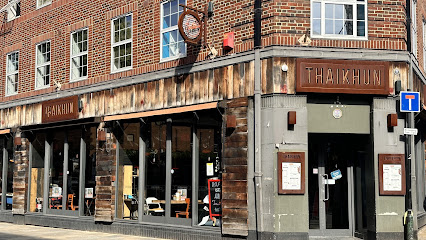
Thaikhun
2.1 km
Experience authentic Thai street food in a vibrant, colorful setting with generous portions and a welcoming atmosphere in Oxford’s city centre.
The Old Bookbinders Ale House
2.1 km
A charming Oxford pub blending traditional ales with authentic French bistro fare in Jericho’s quirky heart.
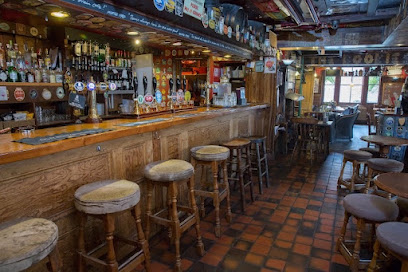
Bbuona
2.1 km
Experience authentic Roman-style pinsa and vibrant Italian flavours in the heart of Oxford at Bbuona Pinsa Bar.
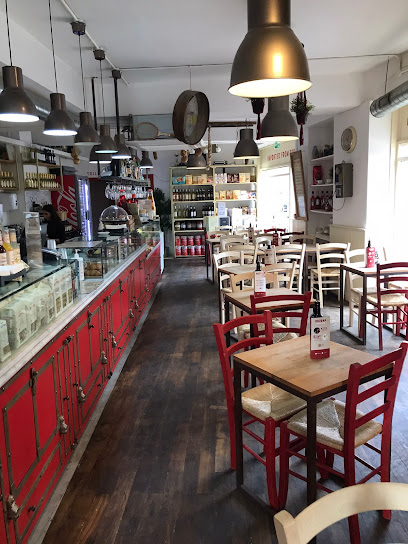
Red Lion Oxford
2.1 km
Historic Oxford gastropub blending traditional British hospitality with contemporary dining in the city centre.
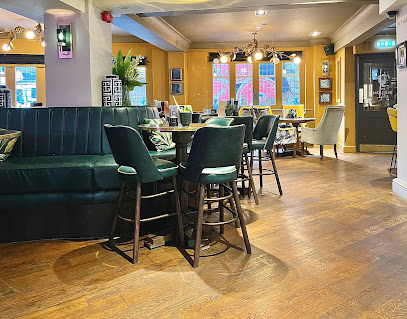
OLD TOM PUB
2.1 km
Historic English pub charm meets authentic Thai cuisine in the heart of Oxford's vibrant city centre.
Markets, malls and hidden boutiques

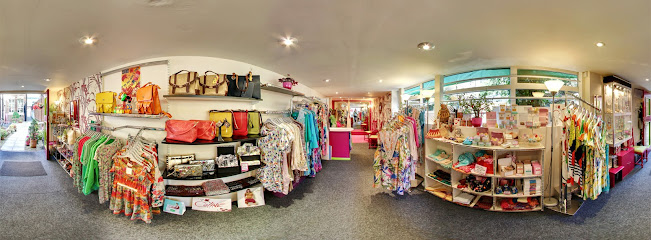
Rainbow and Spoon Boutique - Ladies Fashion in Oxford
1.6 km
Discover Oxford’s beloved independent boutique offering ethically sourced, unique women’s fashion with a personal touch and timeless style.
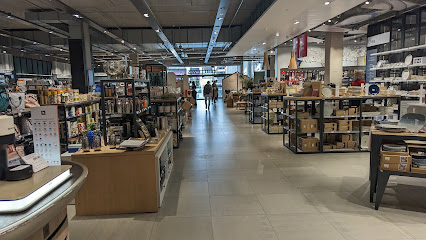
John Lewis & Partners
1.7 km
A spacious, three‑floor department store in Oxford’s Westgate Centre, offering fashion, beauty, home, and technology with helpful service and a relaxed atmosphere.
Miniso UK
1.8 km
Discover affordable, stylish lifestyle treasures and themed collectibles at Miniso UK in Oxford’s vibrant Westgate Shopping Centre.

Oliver Bonas
1.8 km
Discover unique fashion and homeware with a joyful British spirit at Oliver Bonas in Oxford’s Westgate Shopping Centre.
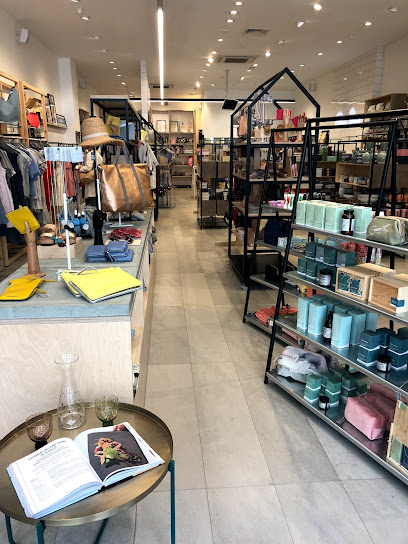
Menkind
1.8 km
Discover quirky gifts and gadgets for all ages at Menkind, Oxford’s vibrant treasure trove in the Westgate Centre.

Westgate Oxford
1.8 km
A vibrant shopping and leisure destination in Oxford’s city centre, blending modern retail with festive charm and cultural events.

Urban Outfitters
1.9 km
Discover eclectic fashion and unique home décor at Urban Outfitters Oxford Castle Street, where modern style meets historic charm.
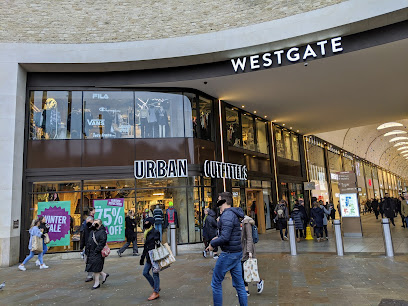
MINOX Boutique
2.0 km
Oxford's premier luxury fashion boutique, curating over 50 designer brands with exceptional service and next-day delivery.

Blue Boar Court, Alfred Street, Oxford, United Kingdom
2.0 km
Explore the vibrant Blue Boar Court Souvenir Shop in Oxford for unique gifts and local treasures that embody the city's rich culture and history.
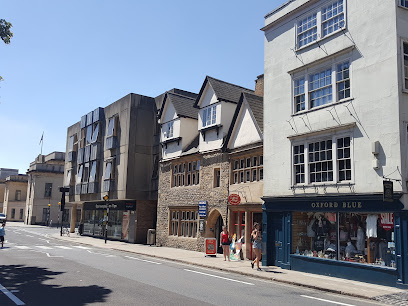
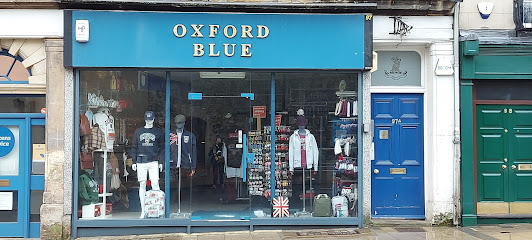
Oxford Blue Trading Ltd
2.1 km
Explore Oxford Blue Trading Ltd for unique gifts and local crafts that embody the charm and spirit of Oxford, perfect for memorable souvenirs.
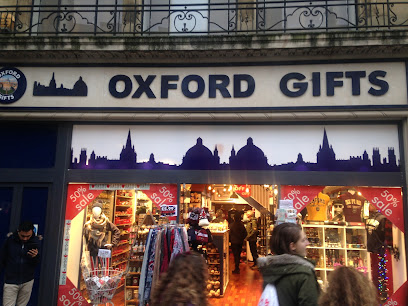
Oxford Gifts
2.2 km
Explore Oxford Gifts for unique souvenirs, artisanal crafts, and local delicacies that celebrate the charm of Oxford.
Christ Church Gift Shop
2.2 km
Discover unique Oxford souvenirs and exclusive Christ Church memorabilia in a charming shop nestled within historic college grounds.
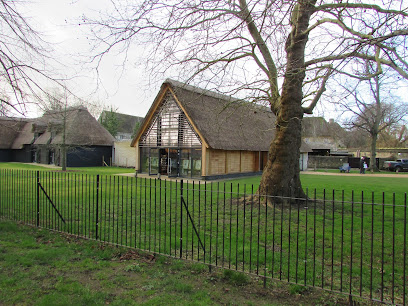
The Chapter House Shop
2.2 km
Discover authentic Oxford heritage through unique gifts and local crafts at The Chapter House Shop within Christ Church’s historic grounds.
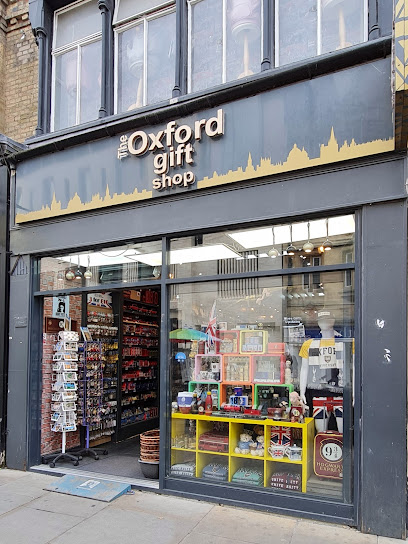
The Oxford Gift Shop
2.2 km
Discover unique Oxford souvenirs and local crafts in the heart of the city at The Oxford Gift Shop, open daily with a warm and welcoming atmosphere.
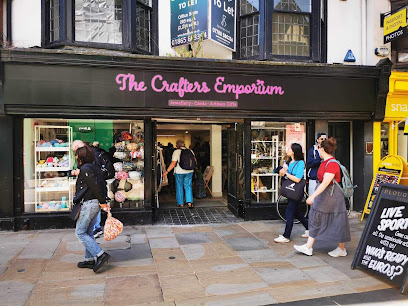
The Crafters Emporium
2.2 km
Discover unique handmade crafts and local artistry at The Crafters Emporium, Oxford’s charming gift shop on historic Cornmarket Street.
Essential bars & hidden hideouts

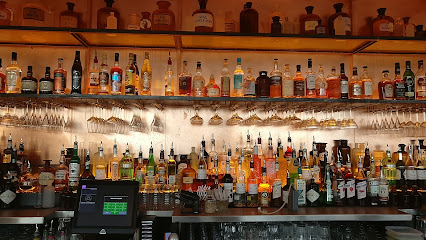
The Alchemist Oxford
1.8 km
Experience Oxford’s theatrical cocktail bar blending innovative drinks and hearty American-inspired dishes in a lively, stylish setting.
Thirst Bar
1.8 km
Lively cocktail bar and nightclub in Oxford with expert bartenders, heated outdoor terrace, and a vibrant late-night atmosphere.
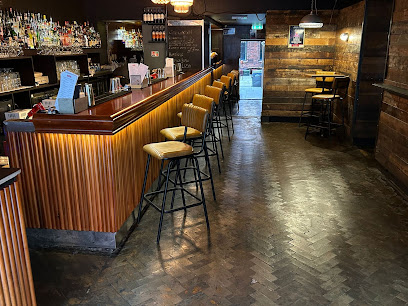
The Lighthouse
1.8 km
A stylish riverside cocktail bar and tapas restaurant blending classic charm with modern flair in the heart of Oxford.
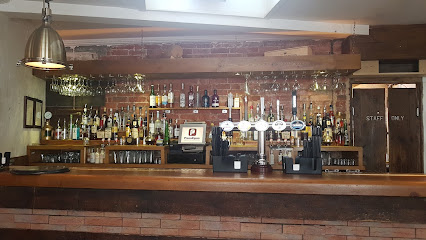
Slug & Lettuce - Oxford
1.9 km
Vibrant cocktail bar and restaurant set within historic Oxford Castle, offering stylish drinks, global cuisine, and lively brunches in a chic, welcoming atmosphere.
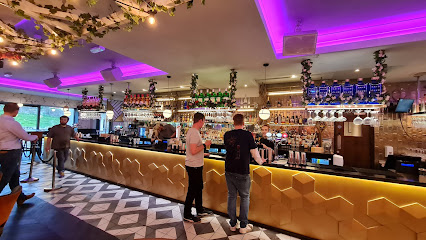
Cow & Creek
2.0 km
A vibrant Oxford pub blending funky neon vibes with hearty burgers, local brews, and a lively social scene for day and night enjoyment.
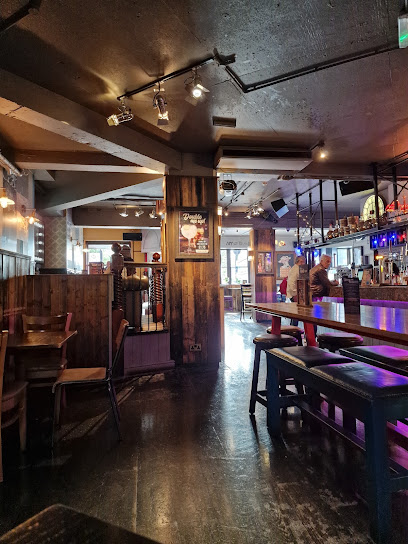
OXO BAR
2.0 km
A stylish and lively cocktail bar in Oxford’s heart, known for expertly crafted drinks and a vibrant social atmosphere.
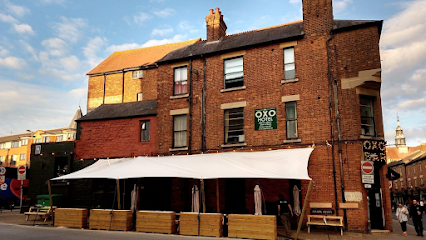
The Royal Blenheim
2.0 km
A historic Oxford pub renowned for exceptional real ales, hearty food, and a welcoming atmosphere blending tradition with modern charm.
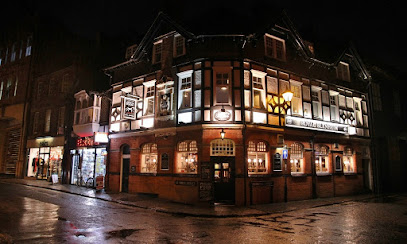
Hanks Bar
2.1 km
Experience Oxford’s vibrant nightlife at Hanks Bar, where classic American style meets energetic dance floors and expertly crafted cocktails.
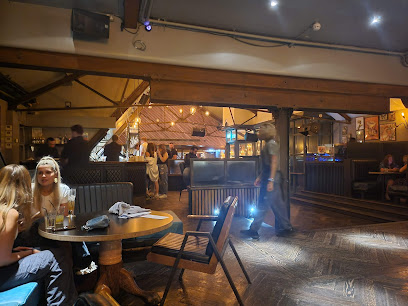
St Aldates
2.1 km
A vibrant Oxford city centre pub serving quality ales, homemade food, and hosting lively events in a welcoming, historic setting.
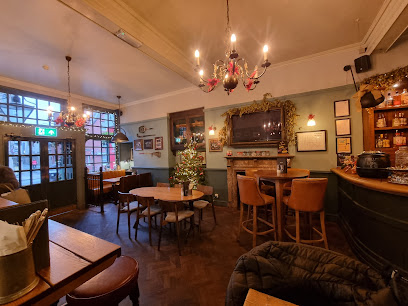
The Three Goats Heads Pub
2.1 km
A historic Oxford pub offering traditional ales, hearty food, and a relaxed, phone-free atmosphere in a charming Victorian setting.
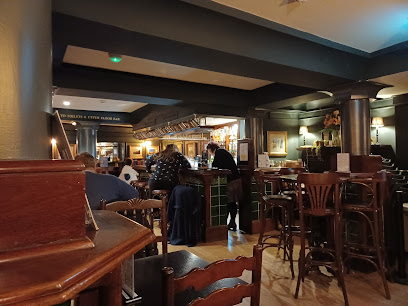
The Grapes
2.1 km
A classic Oxford pub renowned for award-winning ales, hearty food, and warm, friendly hospitality in a historic city-center setting.
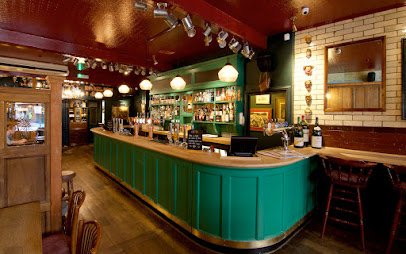
The Varsity Club
2.2 km
Experience Oxford’s best rooftop views and vibrant nightlife at The Varsity Club, a stylish multi-floor venue blending cocktails, music, and cityscape charm.
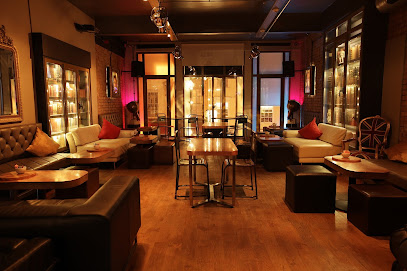
The House
2.2 km
A vibrant cocktail bar in Oxford’s Wheatsheaf Yard, blending expertly crafted drinks with a lively garden and stylish atmosphere.
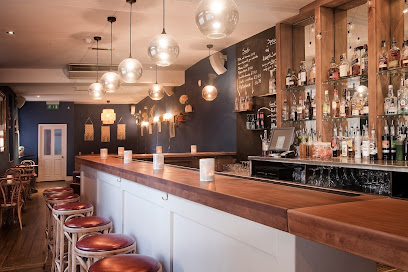
All Bar One Oxford
2.2 km
Lively and stylish wine bar on Oxford’s High Street, perfect for drinks, sharing plates, and social gatherings in a vibrant city setting.
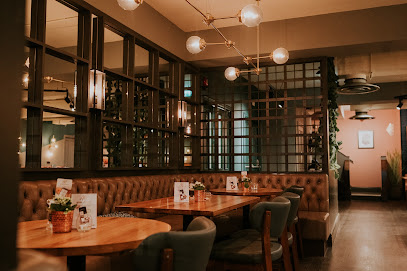
The Rickety Press
2.3 km
A lively Jericho pub blending funky vibes, quality pizzas, inventive burgers, and a welcoming community spirit in the heart of Oxford.
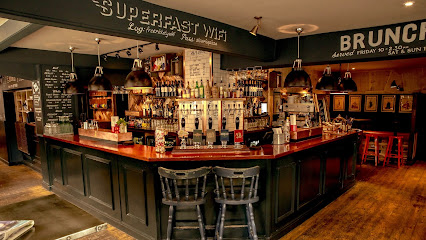
Nightclubs & after hour spots

Kiss Bar
1.7 km
An intimate late-night club in Oxford known for its vibrant atmosphere and close-knit party scene until its recent closure.
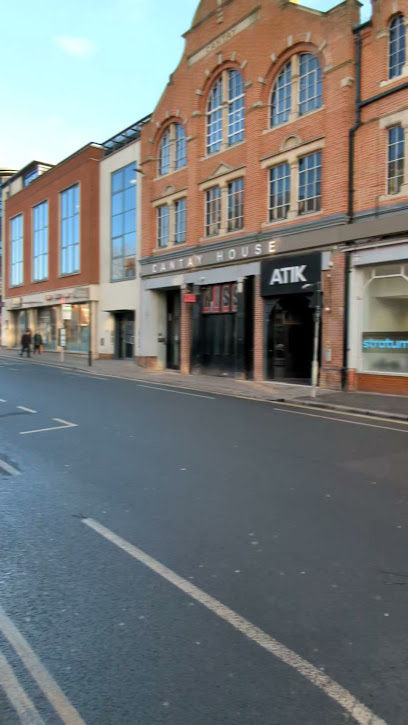
ATIK Oxford
1.7 km
Oxford’s largest nightclub with diverse music rooms, vibrant atmosphere, and strong security, offering a late-night hub for students and locals alike.
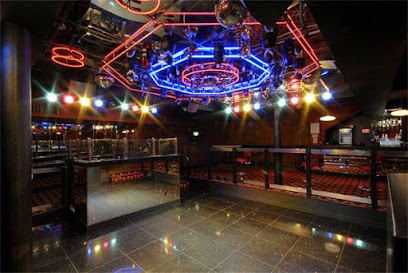
Oxford Leisure Ltd
1.8 km
Experience Oxford’s vibrant nightlife with dynamic music, themed events, and a lively dance floor at Oxford Leisure Ltd.

The Bridge Nightclub
1.8 km
Oxford’s lively student-focused nightclub with diverse music, multiple dance floors, and a spacious pub garden for late-night socializing.
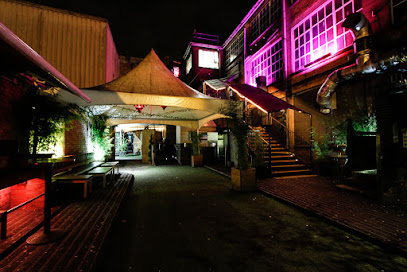
Plush Oxford
2.1 km
Experience Oxford’s vibrant, inclusive nightlife hotspot with great music, cocktails, and a welcoming atmosphere at Plush Oxford.
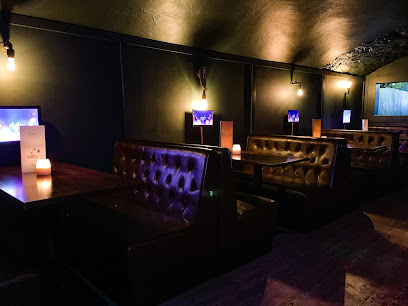
Fever Oxford
2.2 km
Experience Oxford’s vibrant nightlife at Fever, a multi-room nightclub blending live DJs, dynamic music, and a lively party atmosphere.

Mirage Aylesbury
33.5 km
Experience Aylesbury’s vibrant nightlife at Mirage, a lively nightclub offering music, dancing, and late-night fun in the heart of town.
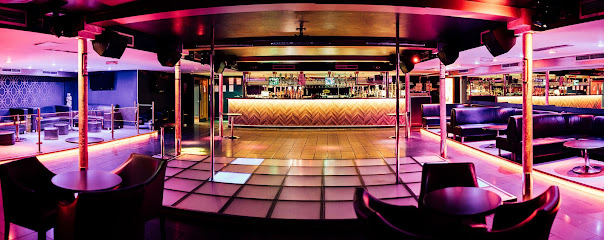
Popworld - Reading
38.3 km
A vibrant pop-themed nightclub in Reading’s city centre, where retro beats meet neon-lit fun for unforgettable nights.

Reading Lola Lo
38.3 km
Experience Reading’s premier tiki-themed nightclub with vibrant cocktails, lively music, and a unique Polynesian atmosphere on Friar Street.
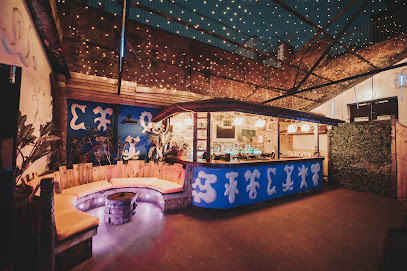
Q Club
38.4 km
Experience Reading’s energetic nightlife at Q Club, a lively nightclub and bar offering music, drinks, and late-night fun on Friar Street.

Gun Street Garden
38.6 km
Experience Reading’s vibrant nightlife in an urban jungle-themed club with diverse music, rooftop bar, and VIP lounges.

The Venue, Bucks
38.7 km
Experience High Wycombe’s vibrant nightlife at The Venue, Bucks – a lively nightclub with great music, friendly staff, and a welcoming atmosphere.

Trilogy Nightclub High Wycombe
38.8 km
A lively multi-room nightclub in High Wycombe offering dynamic music, vibrant crowds, and late-night fun on Paul’s Row.

TWC
39.7 km
Experience the vibrant nightlife and energetic party scene at TWC, Aylesbury’s premier nightclub destination.
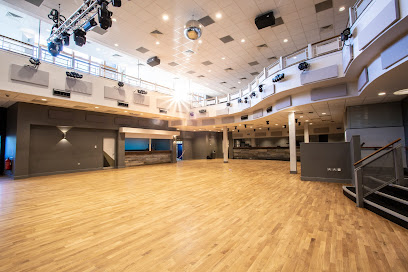
3sixty
40.9 km
Experience vibrant student nightlife and live events at 3sixty, the University of Reading’s premier nightclub and entertainment venue.
For the vibe & atmosphere seeker
- Tranquil
- Scenic
- Unique
For the design and aesthetic lover
- Rustic Designs
- Vintage Styles
For the architecture buff
- Historic
- Landmarks
For the view chaser and sunset hunter
- Iconic Views
- Panoramas
For the social media creator & influencer
- Instagrammable
- Photo Spots
- Architectural Shots
For the eco-conscious traveler
- Public-Transport Accessible
- Leave-No-Trace Critical
- Locally Managed
For the kind of experience you’re after
- Cultural Heritage
- Photowalk
- Nature Escape
- Day Trip
- Weekend Getaway
For how adventurous you want the journey to be
- Easy Access
Location Audience
- Family Friendly
- Senior Friendly
- Child Friendly
- Solo Friendly
- Couple Friendly


