Haddon Hall Travel Guide
Free Guide: Britain's best-preserved medieval and Tudor house—a 900-year-old time capsule where history lives.


A brief summary of Haddon Hall
Britain's best-preserved medieval and Tudor house—a 900-year-old time capsule where history lives.
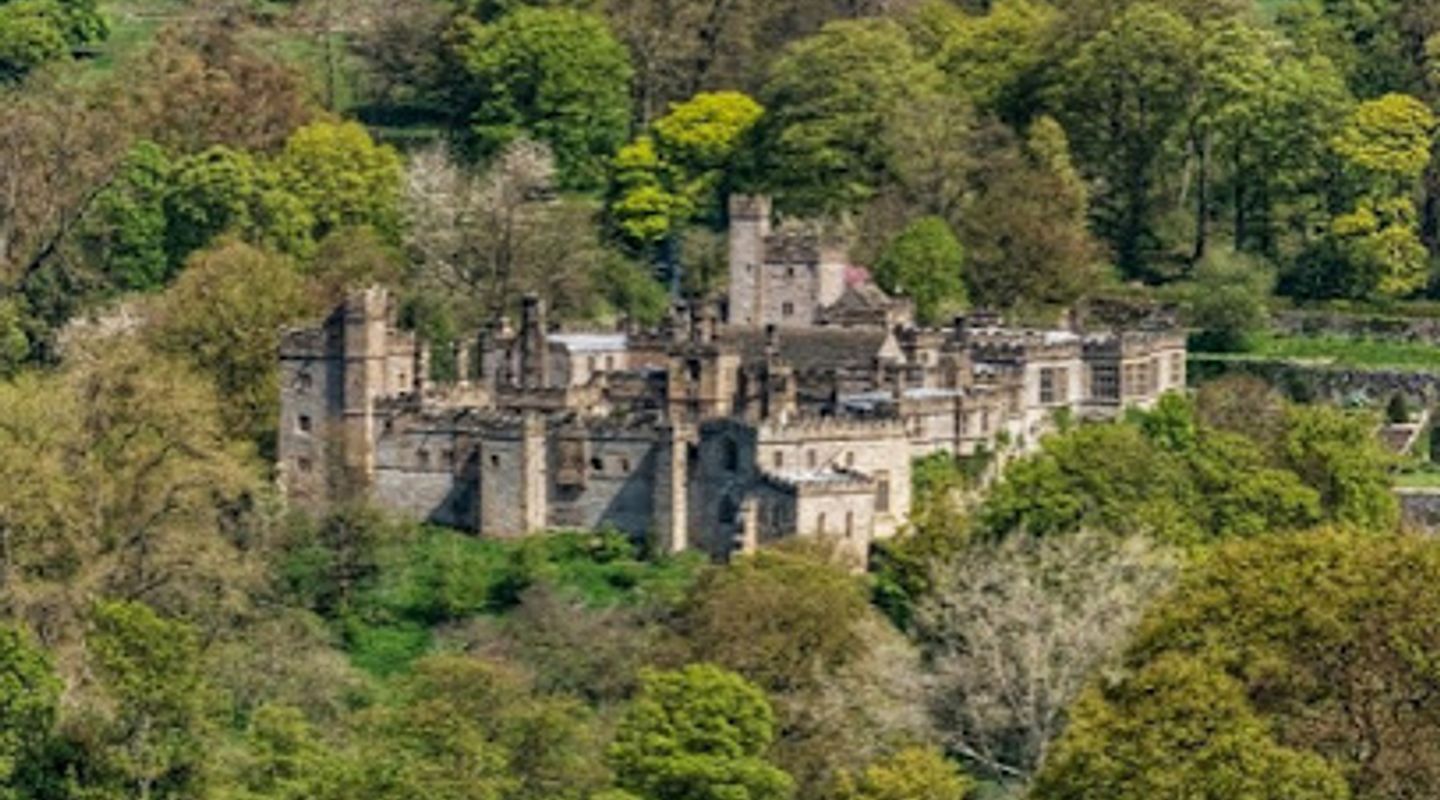
Haddon Hall stands as one of Britain's finest and best-preserved medieval and Tudor houses, a 900-year-old time capsule nestled in the Peak District near Bakewell. Described by architectural historian Simon Jenkins as 'the most perfect house to survive from the Middle Ages,' this remarkable estate showcases untouched Medieval, Tudor, and early Elizabethan interiors, including a 14th-century Banqueting Hall, a celebrated 110-foot panelled Long Gallery, and a 12th-century chapel with original frescoes. The property's extraordinary preservation stems from its unique history: locked and largely abandoned by the Manners family for nearly two centuries, it remained protected from modern alterations. Today, under the stewardship of Lord and Lady Edward Manners, the hall has been brought to life again, revealing lost treasures and opening new areas to visitors. The estate's award-winning Elizabethan Walled Garden, renowned for its summer rose displays, and the newly accessible Medieval Park complete the experience.
On-site amenities
 Restrooms
 Drink options
 Drinking water
 Food options
 Seating areas
 Picnic areas
 Trash bins
 Information boards
 Visitor centre
Opening hours
- Every day10:30 am–4 pm
Opening hours as listed on the venue’s Google Business Profile. Hours can change for services and special events, so check with the venue before you go.
- Address
- The Estate Office, Haddon Hall, Bakewell DE45 1LA
- Phone
- Website
Getting there
By Car
By Bus from Matlock Train Station
By Bus from Derby City Centre
By Taxi
Discover more about Haddon Hall
A Medieval Masterpiece Frozen in Time
Haddon Hall represents one of England's most extraordinary architectural achievements—a virtually unchanged medieval and Tudor residence that has survived over nine centuries of history. What makes Haddon truly exceptional is not merely its age, but its remarkable state of preservation. The house remained largely sealed and uninhabited for nearly two hundred years, from the early 1700s until the early 1900s, when the Manners family chose to lock it away rather than modernise it. During this long dormancy, while bats and spiders became its only inhabitants, the hall was protected from the architectural interventions and 'improvements' that transformed so many of Britain's historic houses. When visitors step through its doors today, they genuinely step back in time, encountering interiors that authentically reflect the lives and tastes of medieval and Tudor nobility.
Architectural Treasures and Historic Interiors
The hall's interior spaces reveal layers of English architectural history. The 14th-century Banqueting Hall commands attention with its original dais table and a magnificent tapestry gifted to the family by Henry VIII himself—a tangible connection to the Tudor court. The celebrated Long Gallery, stretching 110 feet and designed by the Elizabethan master mason Robert Smythson, showcases the refined panelling and proportions that defined Renaissance domestic architecture. The 12th-century chapel contains original fresco seccos, painted plaster decorations that speak to the spiritual life of the medieval household. Beyond these showpieces, the hall contains countless rooms, passages, and chambers that collectively create an immersive portrait of aristocratic life across several centuries. The tapestries, furnishings, and decorative details throughout the house tell stories of the families who inhabited these spaces and the evolving tastes of their era.
Gardens and Landscape: From Medieval Park to Elizabethan Splendour
Haddon's grounds are as historically significant as the house itself. The award-winning Elizabethan Walled Garden, with its celebrated summer display of heritage roses, represents one of the finest examples of Renaissance garden design in England. The garden's formal layout and carefully curated plantings reflect the horticultural knowledge and aesthetic preferences of the Tudor and Elizabethan periods. Beyond the formal gardens, Haddon's Medieval Park—now open to visitors for the first time in recent history—offers guided walks through a Grade I-listed landscape that has remained virtually unchanged for centuries. This untouched parkland, with its ancient trees and open vistas, preserves the medieval conception of landscape design and land management. The current owners are undertaking careful restoration work to return the parkland to its 14th-century form, making Haddon not simply a museum of the past but a living, evolving piece of England's heritage.
Living History Under New Stewardship
For the first time since the 17th century, Haddon Hall is home to the Manners family once again. Lord and Lady Edward Manners have undertaken extensive conservation and restoration work that has brought the house to life in new ways. Their efforts have uncovered lost treasures, restored historic details that had been hidden or forgotten, and opened previously inaccessible areas to visitors. This active stewardship has transformed Haddon from a static monument into a dynamic historic property where conservation and discovery continue. The family's commitment to revealing and preserving the hall's secrets has enriched the visitor experience, allowing people to encounter not just a building but the ongoing story of its care and restoration.
A Favoured Setting for Cinema and Culture
Haddon Hall's authentic medieval and Tudor character has made it one of Britain's most sought-after filming locations. The house has appeared in three film adaptations of Jane Eyre, served as Prince Humperdinck's castle in the cult classic The Princess Bride, and featured in prestigious productions including Elizabeth, Pride and Prejudice, and The Other Boleyn Girl. These appearances testify to the hall's visual authenticity and its power to transport viewers to historical periods. Beyond cinema, the estate hosts exhibitions, events, and educational programmes throughout the year, positioning itself as an active cultural venue rather than a passive historical relic.
Evendo Review Centre
 Google
Guest reviews
Best time to go
Quietest: Jan, Feb & Mar · before 9am or from 5pm
Busy times are Evendo estimates for a typical year, to help you plan. Actual crowds vary with events, school holidays and the weather.
Explore Haddon Hall on the map
A handpicked selection of must-see spots near Haddon Hall, mapped for you.
Get your free copy of our complete guide to Haddon Hall, delivered straight to you.
Everything on this page, from opening hours and how to get there to Eve’s tips and the best time to go, in one PDF you can read offline, print or share.
Already have an account? Sign in
Your Haddon Hall guide is ready.
We'll send it to · Not you? Sign out

Getting your guide ready…
We are putting together a fresh copy of the Haddon Hall guide. This can take up to a minute.
This can take a few moments. If your browser asks, choose Allow so the download can start. You'll find the guide in your Downloads folder.
Nothing happened? Download it again
Sorry, the guide is taking longer than usual. Please try again in a minute, or get it by email instead.
Other nearby places you may find interesting
The closest places of the same kind, if this one is not quite what you had in mind.
-
-
-
-

-


Swipe for more places
More to explore near Haddon Hall

 Best experiences near Haddon Hall
 Best hotels near Haddon Hall
 Best landmarks near Haddon Hall
 Best attractions near Haddon Hall
 Best shops near Haddon Hall
 Best restaurants near Haddon Hall
 Best bars near Haddon Hall
Do you manage this location?
Take control to get all the benefits, like improved information, better appearance, and stronger visibility across AI-powered discovery.
Explore more

Explore more of Peak District
Discover the breathtaking beauty and rich heritage of the Peak District, the UK's first national park, where adventure and tranquility await amidst stunning landscapes.
Explore Peak District
Explore more of United Kingdom
Discover the United Kingdom: A blend of rich history, stunning landscapes, and vibrant cities, offering a unique travel experience for every visitor.
Explore United Kingdom