Stanton Moor, Derbyshire Travel Guide
Explore Stanton Moor’s ancient stone circles, wild moorland beauty, and timeless legends in the heart of Derbyshire’s Peak District.
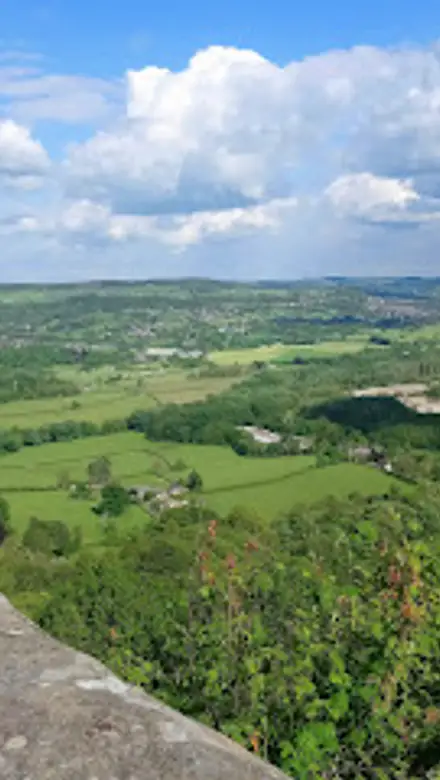
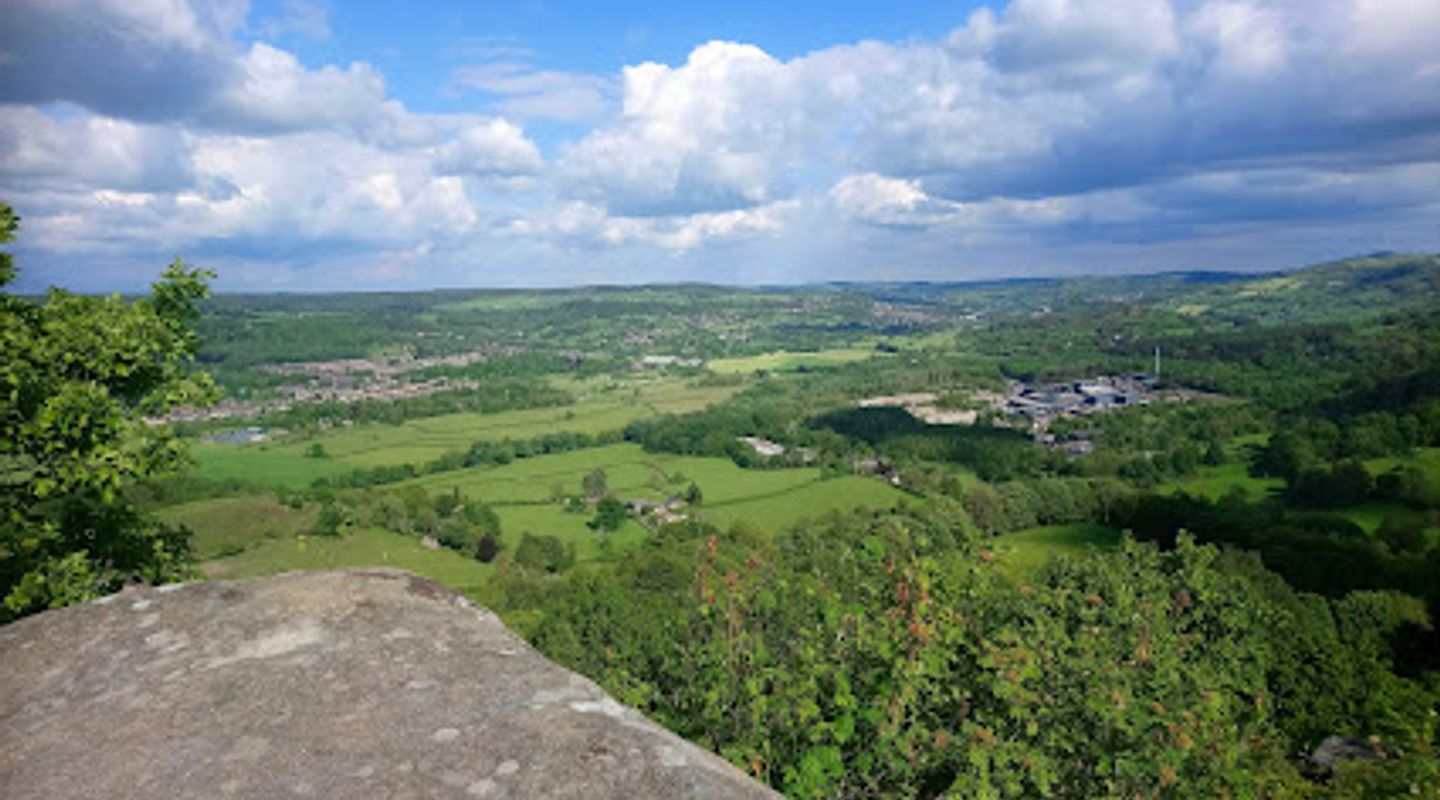
Stanton Moor is a captivating upland area in the Derbyshire Peak District, famed for its Bronze Age stone circles, especially the iconic Nine Ladies. This moorland offers breathtaking natural beauty with wind-sculpted sandstone pillars, heather-covered expanses, and a rich archaeological heritage. Visitors can explore ancient burial mounds, reclaimed quarry woodlands, and enjoy tranquil walks amidst a landscape steeped in legend and history.
A brief summary to Stanton Moor
- 2 Lees Rd, Matlock, Stanton Lees, DE4 2LQ, GB
- Duration: 1 to 4 hours
- Free
-
 Outdoor
- Mobile reception: 4 out of 5

Know before you go
Hi, I'm Eve. Here are a few practical things to know before exploring Stanton Moor.
- Visit during late summer to see the moor covered in vibrant purple heather and enjoy the abundance of bilberries.
- Explore beyond the famous Nine Ladies circle to discover quieter stone circles and reclaimed quarry woodlands.
- Bring binoculars for birdwatching; the moor and surrounding woods host buzzards, kestrels, and various songbirds.
- Wear sturdy footwear as some paths cross uneven terrain, including old quarry areas and heather-covered ground.
- Respect the ancient sites by not climbing on the stones and follow Leave No Trace principles to preserve the moor.
Do you manage this location?
Take control to get all the benefits, like improved information, better appearance, and stronger visibility across AI-powered discovery. Learn more about listing your business on Evendo
Activate your presenceOther nearby places you may find interesting
The closest places of the same kind, if this one is not quite what you had in mind.

Explore Stanton Moor on the Map
A handpicked selection of must-see spots near Stanton Moor, mapped for you.
Getting There
-
Car
Driving from Matlock, Stanton Moor is approximately a 15-minute journey via local roads. Parking is available near the Nine Ladies stone circle, but spaces can be limited during peak times. Roads are narrow and winding, so cautious driving is advised. No parking fees apply.
-
Bus and Walk
Bus services run from Matlock to nearby villages such as Birchover, with journeys lasting around 20-30 minutes. From Birchover, it is a 20-30 minute walk over uneven terrain to the main moorland and stone circles. Wear suitable footwear and check local bus timetables for current schedules.
-
Walking
For those staying in nearby villages like Stanton-in-Peak or Birchover, walking to Stanton Moor is an enjoyable option. Expect 30-60 minutes of walking on mixed terrain including heather moorland and old quarry paths. Paths are mostly unpaved and can be slippery when wet.
For the on-the-go comforts that matter to you
-
 Restrooms
-
 Seating Areas
-
 Information Boards
-
 Picnic Areas
-
 Trash Bins
Discover more about Stanton Moor
Ancient Heritage and Stone Circles
Stanton Moor is renowned for its remarkable archaeological significance, boasting over 70 ancient burial mounds and multiple Bronze Age stone circles. The most famous of these is the Nine Ladies stone circle, composed of ten standing stones arranged in a rough ring, with a legendary backstory of nine ladies turned to stone for dancing on the Sabbath. Other circles, such as Stanton Moor I, III, and IV, lie nearby but are more overgrown, while Doll Tor, a smaller circle with six stones, sits just west of the moor. These sites were likely used for ceremonies and rituals related to life and death, and the moor remains a place of spiritual significance for Druid and pagan worshippers, especially during solstices.Geological and Natural Features
The moor itself is a gritstone outcrop, shaped by natural forces into striking sandstone pillars and cliffs. Its terrain includes heather-covered expanses that turn a vivid purple in late summer, alongside birch woodlands and sphagnum moss in damper areas. The acidic soil supports a unique array of acid-loving plants and wildflowers. Wildlife is abundant, with songbirds, buzzards, kestrels, and even wild deer inhabiting the surrounding woods. The landscape also features remnants of old quarries, now reclaimed by nature, creating serene woodland areas with ferns, streams, and moss-covered stones.Historical Landscape and Land Use
Historically, Stanton Moor was part of a larger unfarmed landscape before the Stanton Enclosure Act of 1809 divided the land into private farmland. The moor was split between local manors, with ornamental rides developed in the 19th century. The western strip of the moor was eventually donated to the National Trust in 1934, preserving its natural and archaeological heritage. The surrounding valleys, carved through Carboniferous Limestone, were once sites of lead mining from the 17th to the mid-19th centuries, adding layers to the area's rich history.Visitor Experience and Atmosphere
Visitors to Stanton Moor can enjoy peaceful walks across varied terrain, from springy turf and heather to reclaimed quarry woodlands. The area offers stunning views over the Peak District, with opportunities for wildlife spotting and photography. Informative signposts guide visitors through the moor’s archaeological sites, enhancing the experience. The moor is accessible year-round and offers a tranquil escape into nature, with a mystical atmosphere heightened by the ancient stones and legends.Modern Features and Conservation
On the northern edge of the moor stands a 45-meter-high TV transmitter mast, supporting digital TV and radio broadcasts. Conservation efforts maintain the moor’s status as a Scheduled Ancient Monument and environmentally sensitive area. The National Trust and local organizations work to protect its archaeological sites, wildlife habitats, and natural beauty, ensuring Stanton Moor remains a treasured destination for future generations.Local Legends and Cultural Significance
The folklore surrounding Stanton Moor enriches its cultural tapestry. The Nine Ladies’ legend and the presence of other named stones like the Cork Stone, Andle Stone, and Cat Stone evoke a sense of mystery and wonder. These stories, alongside the moor’s role in ancient rituals, continue to inspire visitors and local communities, making Stanton Moor a place where history, nature, and myth intertwine.












Your all‑in‑one travel companion app
Explore expert travel guides, compare and book tours, experiences, hotels, and more—all from the palm of your hand. Download now for seamless trip planning wherever your wanderlust takes you.


Explore More of Derbyshire
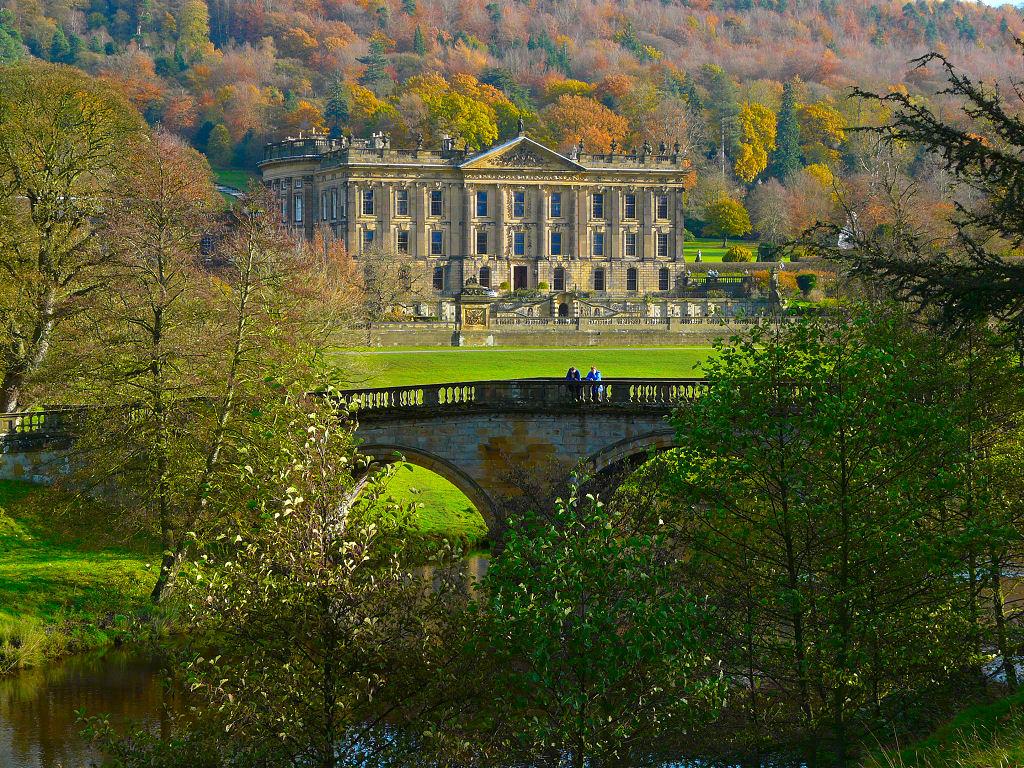
Looking beyond Stanton Moor? Discover Derbyshire for broader travel guides, local hot-spots, and regional highlights.
Explore Derbyshire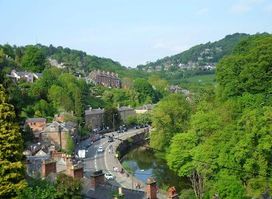
Discover Matlock Dale’s scenic beauty, rich mining heritage, and the thrilling Heights of Abraham hilltop park with panoramic views and family fun.

Explore Stanton Moor’s ancient stone circles and wild moorland, a captivating blend of prehistoric mystery and Peak District natural beauty.