Solomon’s Temple, Peak District Travel Guide
Explore the historic Victorian folly atop Grin Low Hill, offering breathtaking panoramic views of Buxton and the Peak District’s stunning landscapes.
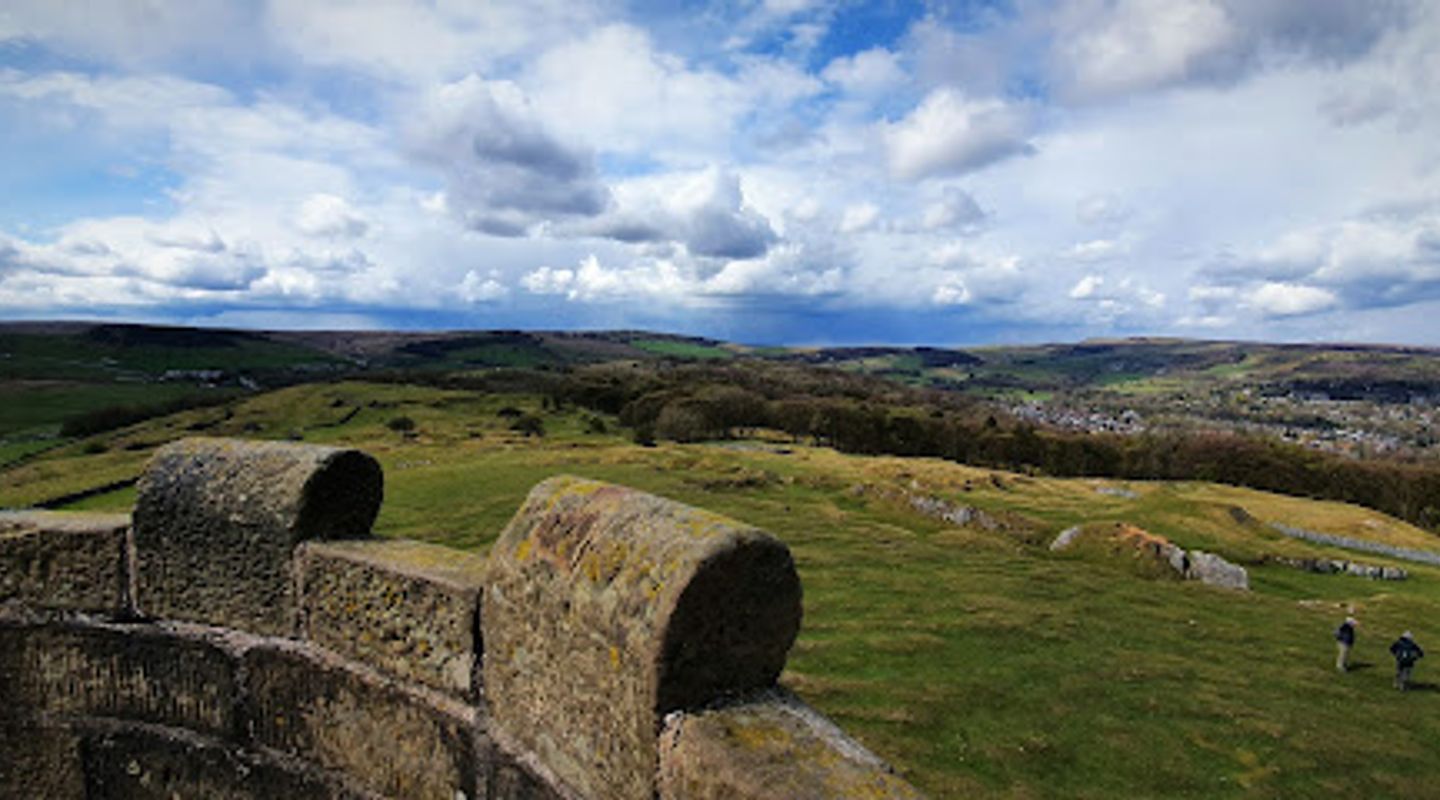
Perched atop Grin Low Hill in Buxton, Solomon’s Temple is a distinctive 20-foot Victorian folly built in 1896 on a Bronze Age burial mound. Offering sweeping 360-degree views of Buxton and the Peak District, this historic landmark invites visitors to explore its spiral staircase and enjoy the surrounding Buxton Country Park with woodland trails and sculpture walks. Free to visit, it combines architectural charm, rich history, and breathtaking scenery.
A brief summary to Solomon’s Temple
- Poole's Cavern visitor centre, Buxton, SK17 9DH, GB
- Click to display
- Click to display
- Duration: 1 to 2.5 hours
- Free
-
 Outdoor
- Mobile reception: 4 out of 5

Know before you go
Hi, I'm Eve. Here are a few practical things to know before exploring Solomon’s Temple.
- Wear sturdy shoes for the uphill walk through Buxton Country Park’s woodland trails to the temple.
- Climb the spiral staircase carefully; steps are narrow and steep.
- Visit on a clear day for the best panoramic views of the Peak District peaks.
- Combine your visit with a tour of nearby Poole’s Cavern for a full day of natural and historical exploration.
Do you manage this location?
Take control to get all the benefits, like improved information, better appearance, and stronger visibility across AI-powered discovery. Learn more about listing your business on Evendo
Activate your presenceOther nearby places you may find interesting
The closest places of the same kind, if this one is not quite what you had in mind.
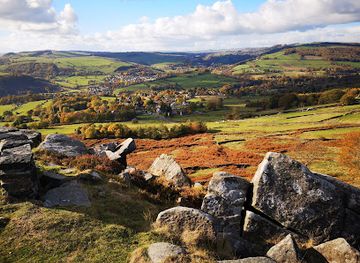
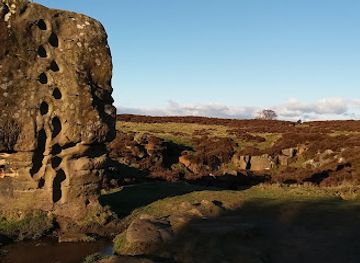
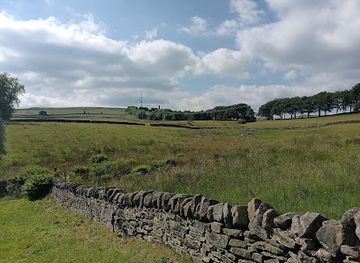
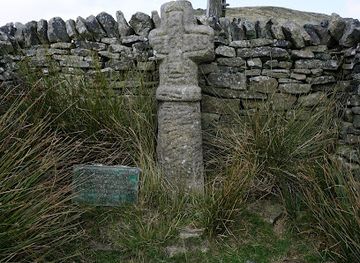
Explore Solomon’s Temple on the Map
A handpicked selection of must-see spots near Solomon’s Temple, mapped for you.
Getting There
-
Public Bus
Take the local bus service from Buxton town center to Poole’s Cavern Visitor Centre, with a journey time of approximately 15-20 minutes. Buses run regularly but check schedules for weekend and holiday variations. From the visitor centre, it is a 20-40 minute walk uphill through Buxton Country Park to Solomon’s Temple.
-
Car
Drive to Poole’s Cavern Visitor Centre car park, which offers pay-and-display parking with free access for Blue Badge holders. From the car park, follow the woodland trails uphill for 20-40 minutes to reach Solomon’s Temple. Parking fees typically range from £2 to £5 depending on duration.
-
Walking
From Buxton town center, enjoy a scenic 30-40 minute walk through Pavilion Gardens and along marked trails leading to Poole’s Cavern and onward to Solomon’s Temple. The route includes some uphill sections and uneven terrain, so suitable footwear is recommended.
For the on-the-go comforts that matter to you
-
 Seating Areas
-
 Picnic Areas
-
 Information Boards
Discover more about Solomon’s Temple
Historical Roots and Architectural Significance
Solomon’s Temple, also known as Grin Low Tower, was constructed in 1896, replacing an earlier tower built by local farmer Solomon Mycock. The current structure is a Grade II-listed Victorian folly designed by architects W.R. Bryden and G.E. Garlick. It was built both as a community project to provide local employment and as a scenic viewpoint. The temple stands atop Grin Low Hill, itself a Bronze Age barrow excavated in 1894, revealing ancient skeletons and artifacts from the Beaker period and Roman times. This layering of history imbues the site with archaeological and cultural depth.Panoramic Vistas Over Buxton and Beyond
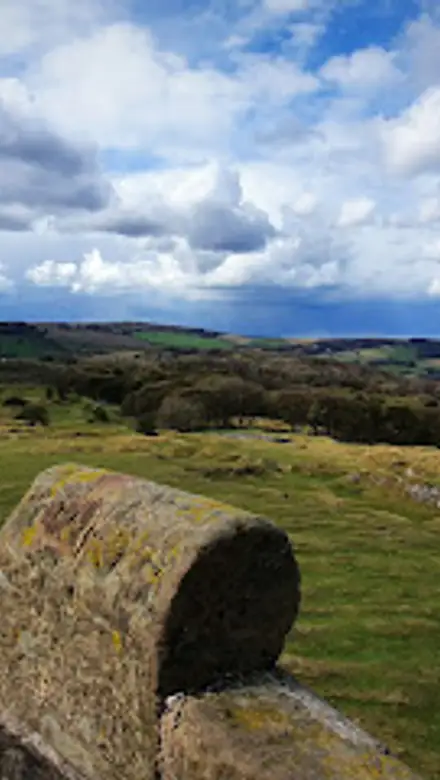
Rising 20 feet above the hilltop at 437 meters (1,434 feet) above sea level, Solomon’s Temple offers spectacular 360-degree views. From its open top platform, visitors can see the spa town of Buxton nestled below, and on clear days, distant landmarks such as Mam Tor, Kinder Scout—the highest point in Derbyshire—and the surrounding Peak District hills stretch into the horizon. The tower’s vantage point makes it a favored spot for contemplation, photography, and appreciating the region’s natural beauty.Setting Within Buxton Country Park
The temple is surrounded by Buxton Country Park, a woodland area rich with remnants of historic lime-burning and quarrying activities. The park features well-marked walking trails, sculpture installations, and picnic areas, providing a peaceful natural environment to complement the temple visit. The walk from Poole’s Cavern Visitor Centre to Solomon’s Temple takes about 20-40 minutes through scenic forest paths, rewarding hikers with both nature and history.Visitor Experience and Practical Details
Visitors can climb the spiral staircase inside the tower, though the steps are narrow and steep, requiring care. The temple is free to access and open year-round, making it an accessible destination for families, solo travelers, and history enthusiasts alike. The surrounding park offers additional amenities such as seating areas and picnic spots. The site’s elevated position means weather can be changeable, so visitors are advised to dress accordingly.Symbolism and Community Legacy
Beyond its physical presence, Solomon’s Temple symbolizes the Victorian era’s philanthropic spirit and community pride. It stands as a testament to Buxton’s industrial heritage and the collective efforts of local people and the Duke of Devonshire. The temple continues to be a beloved landmark, connecting modern visitors with centuries of human activity and natural beauty in the Peak District.Complementary Attractions Nearby
Solomon’s Temple is often visited alongside Poole’s Cavern, a spectacular limestone cave system with guided tours revealing geological wonders and archaeological history. Together, these sites offer a rich blend of natural and cultural exploration within Buxton Country Park, making for a fulfilling day trip in the Derbyshire Peak District.












Your all‑in‑one travel companion app
Explore expert travel guides, compare and book tours, experiences, hotels, and more—all from the palm of your hand. Download now for seamless trip planning wherever your wanderlust takes you.


Explore More of Peak District
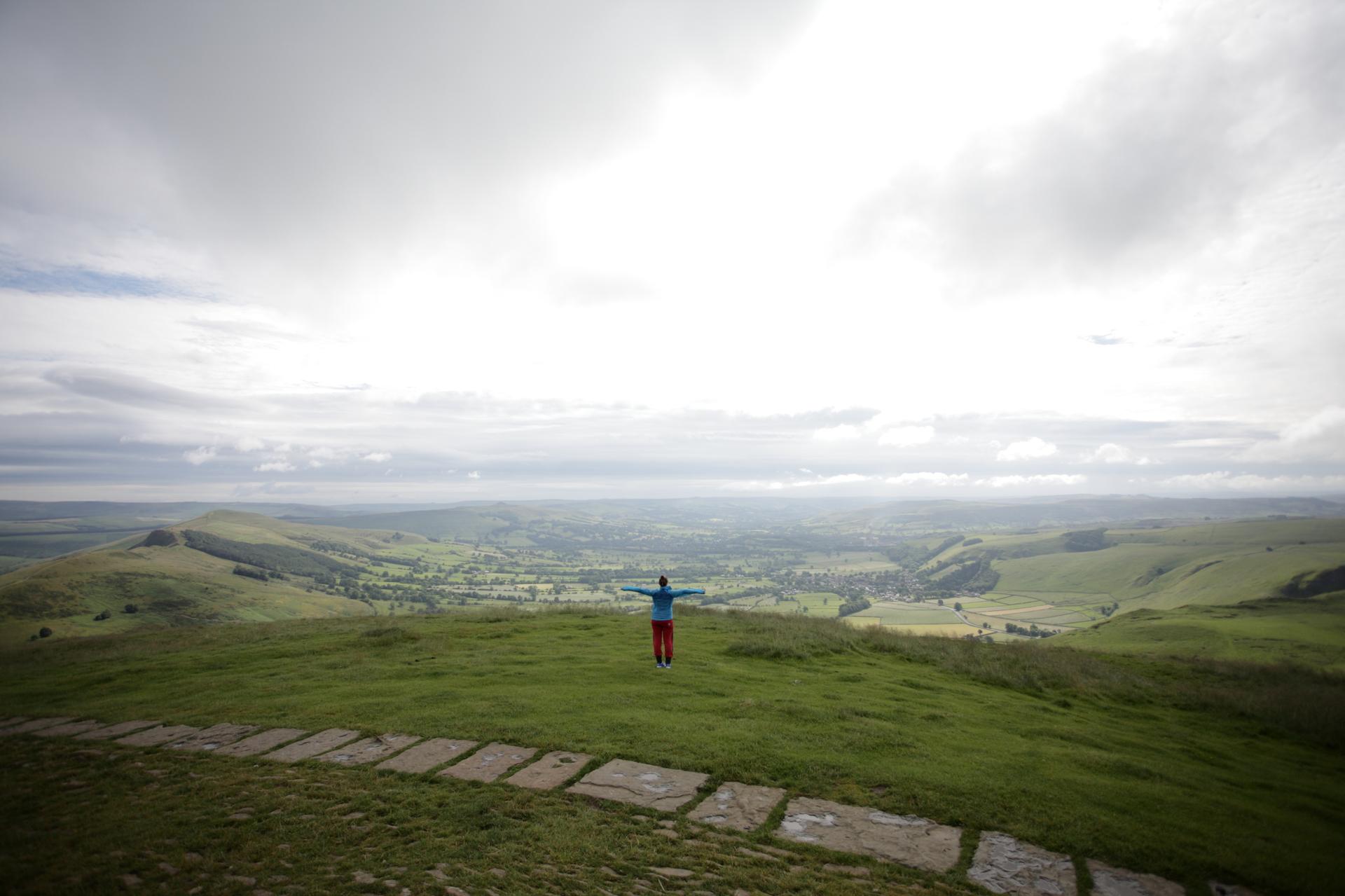
Looking beyond Solomon’s Temple? Discover Peak District for broader travel guides, local hot-spots, and regional highlights.
Explore Peak District