

George Square Travel Guide
Free Guide: Glasgow’s iconic civic square, rich in history, grand architecture, and commemorative monuments celebrating Scotland’s heritage.


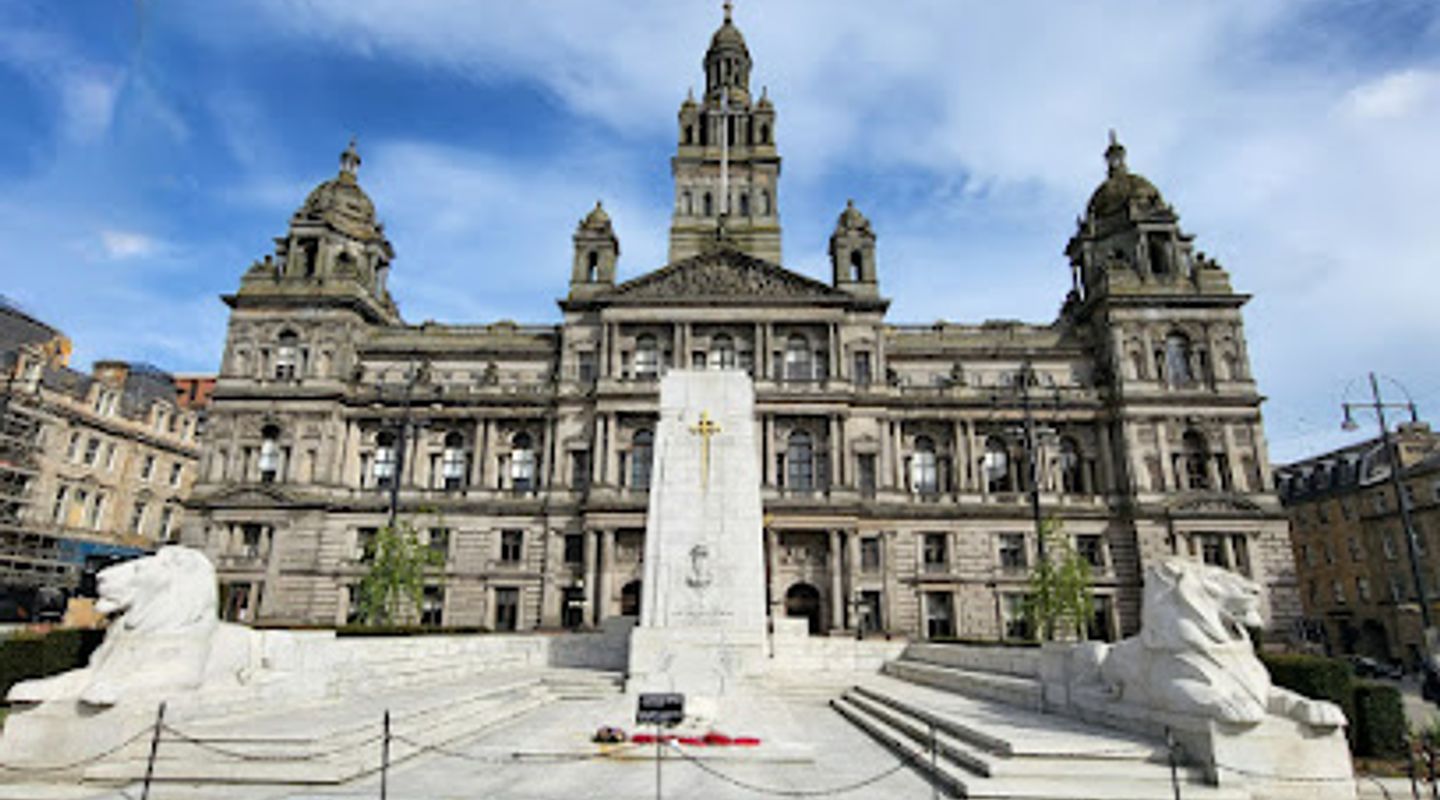
A brief summary of George Square
Glasgow’s iconic civic square, rich in history, grand architecture, and commemorative monuments celebrating Scotland’s heritage.
George Square is Glasgow’s principal civic square, named after King George III and laid out in 1781. Surrounded by grand historic buildings such as the City Chambers and Merchants’ House, the square is renowned for its impressive collection of statues and monuments commemorating famous Scots. It serves as a vibrant public space hosting events year-round and stands as a symbol of Glasgow’s rich heritage and civic pride.
On-site amenities
 Restrooms
 Drink options
 Food options
 Seating areas
 Information boards
Opening hours
- Every dayOpen 24 hours
Opening hours as listed on the venue’s Google Business Profile. Hours can change for services and special events, so check with the venue before you go.
- Address
- Glasgow G2 1DH
- Website
Getting there
Public Transport
Bus
Taxi or Rideshare
Walking
Discover more about George Square
Origins and Early Development of George Square
George Square’s story begins in the late 18th century when the area was transformed from swampy pastureland into a planned urban square. Originally part of Ramshorn Croft, the land was once used for cattle grazing and horse slaughtering. In 1781, the city laid out plans for a grand residential square named after King George III, reflecting Glasgow’s growing wealth from trade and industry. The first houses appeared by 1782, and by the early 19th century, elegant townhouses surrounded the square, marking it as a prestigious address in the expanding city.
Architectural Grandeur and Civic Significance
George Square is framed by architecturally important buildings that reflect Glasgow’s status as the 'Second City of the British Empire.' The east side is dominated by the palatial Glasgow City Chambers, completed in 1889, which remains the headquarters of the city council. On the west side stands the Merchants’ House, home to the guildry and the Glasgow Chamber of Commerce, with its distinctive domed tower topped by a ship on a globe symbolizing Glasgow’s maritime trade heritage. These buildings embody the city’s civic pride and commercial power during the industrial era.
Monuments, Statues, and Commemorations
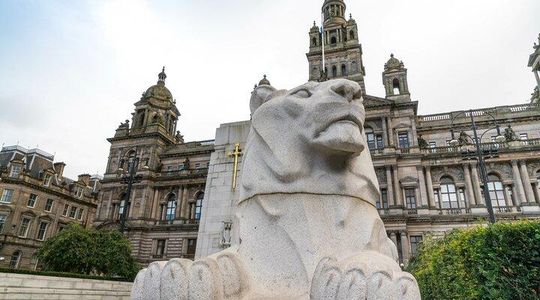
The square is renowned for its rich collection of statues and monuments honoring notable figures such as Robert Burns, James Watt, Sir Robert Peel, and Sir Walter Scott. The centerpiece is an 80-foot tall column dedicated to Sir Walter Scott, serving as a focal point and sundial. The Glasgow Cenotaph, located in front of the City Chambers, solemnly commemorates Glaswegians who fell in World War I, marking the square as a site of remembrance and civic ceremony. The equestrian statues of Queen Victoria and Prince Albert also stand prominently, symbolizing the city’s imperial connections.
Evolution into a Public and Cultural Space
Originally a private residential square, George Square was purchased by Glasgow Corporation in 1876 and opened to the public. Over time, it evolved into the city’s principal civic space, hosting major events such as Piping Live! and Glasgow Loves Christmas. The square’s open lawns, pathways, and flower beds invite locals and visitors alike to gather, relax, and celebrate. Its role as a vibrant venue continues to anchor Glasgow’s cultural life.
Symbolism and Legacy in Glasgow’s Identity
George Square stands as a powerful symbol of Glasgow’s transformation from a medieval town to an industrial powerhouse. Its monuments and architecture reflect the city’s wealth, imperial ambitions, and civic values. The square’s classical design and commemorative statues convey a narrative of progress, memory, and identity, making it a living museum of Glasgow’s history and aspirations.
Contemporary Relevance and Visitor Experience
Today, George Square remains a bustling urban hub, admired for its historic ambiance and lively atmosphere. Visitors can appreciate the blend of architectural styles, explore the stories behind the statues, and experience the square’s role as a gathering place for public celebrations and civic events. Its central location and iconic status make it an essential stop for understanding Glasgow’s past and present.
Evendo Review Centre
 Google
Guest reviews
Best time to go
Quietest: Jan, Feb & Mar · before 6am or from 11pm
Busy times are Evendo estimates for a typical year, to help you plan. Actual crowds vary with events, school holidays and the weather.
Explore George Square on the map
A handpicked selection of must-see spots near George Square, mapped for you.
Get your free copy of our complete guide to George Square, delivered straight to you.
Everything on this page, from opening hours and how to get there to Eve’s tips and the best time to go, in one PDF you can read offline, print or share.
Already have an account? Sign in
Your George Square guide is ready.
We'll send it to · Not you? Sign out

Getting your guide ready…
We are putting together a fresh copy of the George Square guide. This can take up to a minute.
This can take a few moments. If your browser asks, choose Allow so the download can start. You'll find the guide in your Downloads folder.
Nothing happened? Download it again
Sorry, the guide is taking longer than usual. Please try again in a minute, or get it by email instead.
Unlock the best of George Square
Skip-the-line tickets, guided tours with entry, and walking tours of the area, booked in a few clicks.




Other nearby places you may find interesting
The closest places of the same kind, if this one is not quite what you had in mind.
-
-
-
-
-


Swipe for more places
More to explore near George Square

 Best experiences near George Square
 Best hotels near George Square
 Best landmarks near George Square
 Best attractions near George Square
 Best shops near George Square
 Best restaurants near George Square
 Best bars near George Square
Do you manage this location?
Take control to get all the benefits, like improved information, better appearance, and stronger visibility across AI-powered discovery.
Explore more
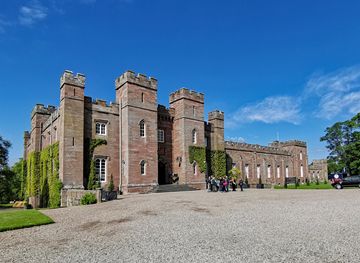
Explore more of Perthshire
Discover Perthshire: Scotland's Heartland of Natural Beauty, Cultural Heritage, and Outdoor Adventure.
Explore Perthshire
Explore more of United Kingdom
Discover the United Kingdom: A blend of rich history, stunning landscapes, and vibrant cities, offering a unique travel experience for every visitor.
Explore United Kingdom
