Fargate, Sheffield Travel Guide
Free Guide: Sheffield's historic pedestrian shopping street where medieval heritage meets modern vibrancy and community gathering.


A brief summary of Fargate
Sheffield's historic pedestrian shopping street where medieval heritage meets modern vibrancy and community gathering.
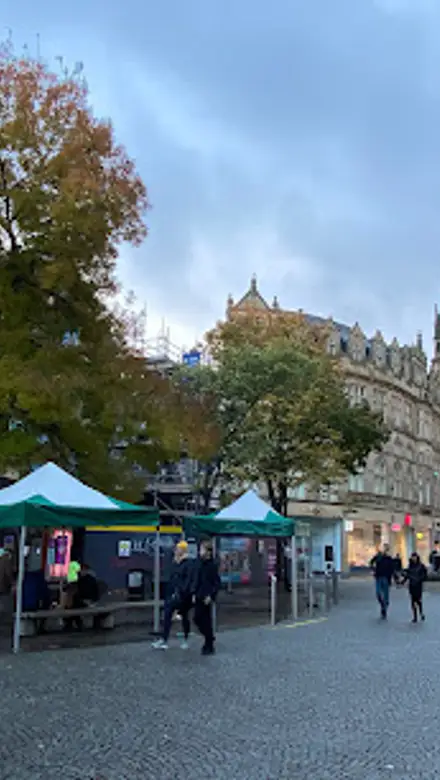
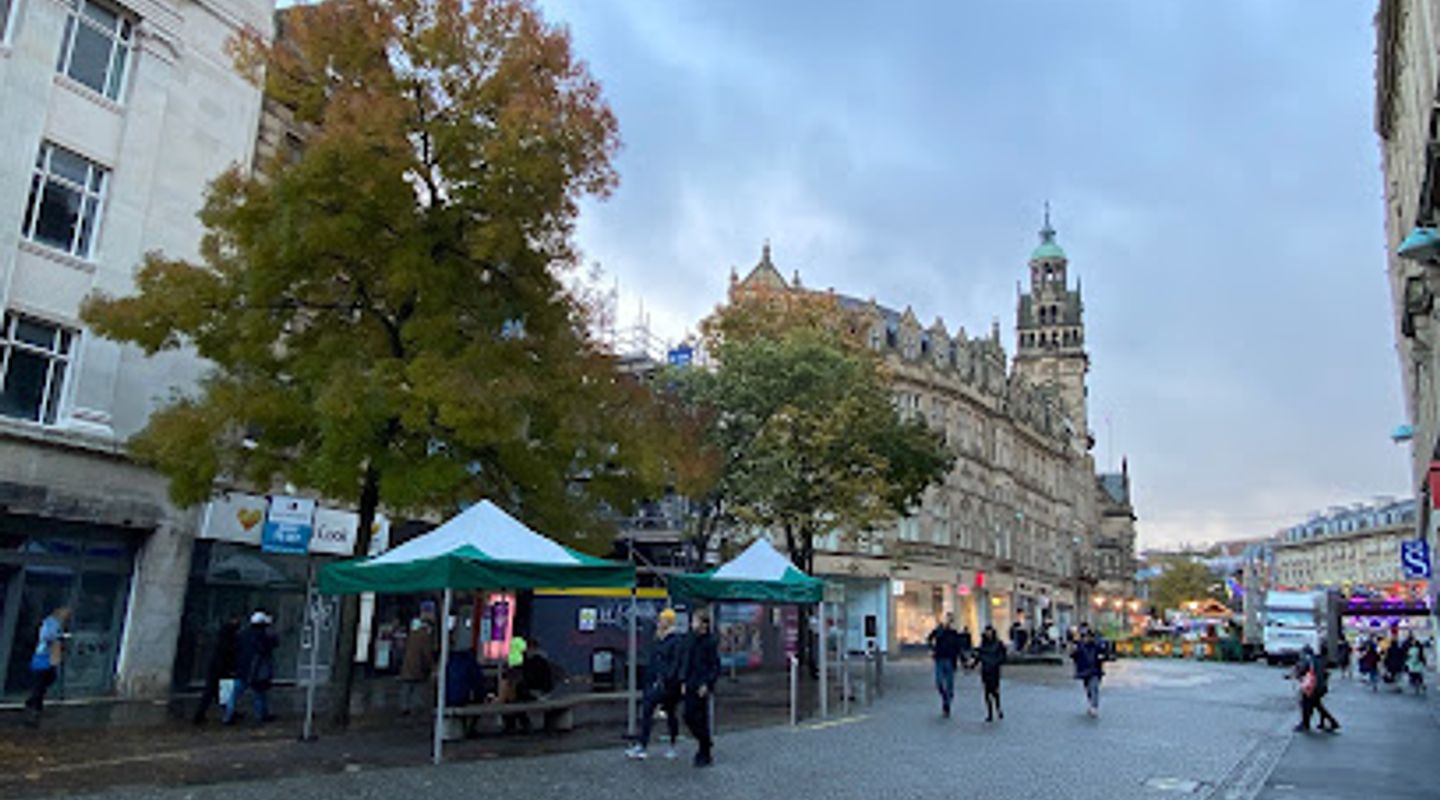
Fargate is Sheffield's vibrant pedestrian shopping street, a historic thoroughfare that has been the heart of the city centre since its pedestrianisation in 1973. Running between Barker's Pool and High Street opposite the cathedral, this lively precinct blends heritage architecture with contemporary retail and hospitality. The street is known for its iconic Coles Corner meeting point, regular Continental Markets featuring European goods, and recent regeneration projects including new dining and drinking venues. Today, Fargate remains a dynamic destination for shopping, dining, and experiencing Sheffield's evolving urban landscape.
On-site amenities
 Restrooms
 Drink options
 Food options
 Seating areas
 Information boards
Opening hours
- Every dayOpen 24 hours
Opening hours as listed on the venue’s Google Business Profile. Hours can change for services and special events, so check with the venue before you go.
- Address
- 38-8 Fargate, Sheffield City Centre, Sheffield S1 2PB
Getting there
Public Transport (Tram)
Walking from Sheffield Railway Station
Bus Services
Parking (Car)
Discover more about Fargate
A Street Shaped by Sheffield's History
Fargate has been central to Sheffield's identity for centuries, though its modern character took shape in 1973 when it became one of the city's first pedestrianised streets. The street runs between Barker's Pool and High Street, positioned opposite Sheffield Cathedral, making it both a commercial hub and a symbolic gateway to the city centre. The most famous landmark is Coles Corner, named after the Cole Brothers department store that once anchored the intersection. This corner became legendary as a meeting point where generations of Sheffield residents gathered, a tradition immortalised in local culture and music. When Cole Brothers relocated to Barker's Pool in 1963, the building was eventually replaced with a modern structure, though a commemorative plaque now honours the store's legacy.
Medieval Foundations and Archaeological Discovery
Beneath Fargate's contemporary surface lies evidence of medieval occupation. In 2005, archaeological excavations beneath Carmel House uncovered a medieval well over three metres deep, cut into the sandstone bedrock. Pottery fragments found within suggested the well was in active use by 1300 AD and was filled in around the time of the English Civil War. Among the artefacts were jugs crafted in the Hallgate area of nearby Doncaster and other ceramics from the Humber Estuary, indicating that medieval Fargate was part of a thriving regional trade network. These discoveries reveal a street with roots stretching back to the medieval period, long before its transformation into a modern shopping destination.
Markets, Events, and Seasonal Vibrancy
Fargate's character shifts throughout the year, particularly when the Continental Market arrives approximately four times annually. This European-style market transforms the pedestrian precinct into a festive gathering space, with stalls offering cheeses, confectionery, clothing, plants, and handcrafted jewellery and ornaments. The street also hosted the Wheel of Sheffield, a 53-metre tall Ferris wheel with 42 gondolas that operated from mid-July 2009 to January 2010, providing panoramic views across the city centre. These events and installations reflect Fargate's role as more than just a shopping street—it is a venue for community gathering and seasonal celebration.
Contemporary Retail and Hospitality Evolution
Today, Fargate continues to evolve as a retail and dining destination. The modern building at Coles Corner houses familiar high-street names including Burger King, Starbucks, and Greggs, serving the constant flow of shoppers and workers. More recently, the street has attracted independent and craft-focused hospitality venues, including The Fargate, a flagship pub opened by Thornbridge & Co in the historic former Yorkshire Bank building. This multi-level venue features a dramatic horseshoe bar on the ground floor with cask ales and craft beers, while the upper floor offers a contemporary pizza kitchen with views across Fargate towards City Hall. Such developments signal a shift towards experiential dining and drinking alongside traditional retail.
Architectural Character and Urban Regeneration
Fargate's architecture reflects layers of Sheffield's development. Victorian stone-fronted buildings like Carmel House stand alongside Georgian brick properties, creating a streetscape of heritage value. The street is undergoing significant regeneration, with new developments including shipping container complexes and enhanced green spaces adding contemporary vibrancy to the historic precinct. These interventions aim to balance preservation of the street's character with modern urban vitality, making Fargate a living example of how historic city centres can adapt to contemporary needs.
A Street for All Seasons
Whether visiting for seasonal markets, shopping, dining, or simply experiencing Sheffield's city centre culture, Fargate offers something throughout the year. Its pedestrianised environment makes it accessible and welcoming, while its blend of heritage, commerce, and community gathering creates a distinctly Sheffield experience. The street remains a focal point where locals and visitors converge, continuing a tradition established long before its formal pedestrianisation.
Evendo Review Centre
 Google
Guest reviews
Best time to go
Quietest: Jan, Feb & Mar · before 6am or from 11pm
Busy times are Evendo estimates for a typical year, to help you plan. Actual crowds vary with events, school holidays and the weather.
Explore Fargate on the map
A handpicked selection of must-see spots near Fargate, mapped for you.
Get your free copy of our complete guide to Fargate, delivered straight to you.
Everything on this page, from opening hours and how to get there to Eve’s tips and the best time to go, in one PDF you can read offline, print or share.
Already have an account? Sign in
Your Fargate guide is ready.
We'll send it to · Not you? Sign out

Getting your guide ready…
We are putting together a fresh copy of the Fargate guide. This can take up to a minute.
This can take a few moments. If your browser asks, choose Allow so the download can start. You'll find the guide in your Downloads folder.
Nothing happened? Download it again
Sorry, the guide is taking longer than usual. Please try again in a minute, or get it by email instead.
Other nearby places you may find interesting
The closest places of the same kind, if this one is not quite what you had in mind.
-
-
-
-
-


Swipe for more places
More to explore near Fargate

 Best experiences near Fargate
 Best hotels near Fargate
 Best landmarks near Fargate
 Best attractions near Fargate
 Best shops near Fargate
 Best restaurants near Fargate
 Best bars near Fargate
Do you manage this location?
Take control to get all the benefits, like improved information, better appearance, and stronger visibility across AI-powered discovery.
Explore more

Explore more of Sheffield
Discover Sheffield: A dynamic city where industrial heritage meets abundant green spaces, thriving culture, and culinary delights in the heart of the UK.
Explore Sheffield
Explore more of United Kingdom
Discover the United Kingdom: A blend of rich history, stunning landscapes, and vibrant cities, offering a unique travel experience for every visitor.
Explore United Kingdom