
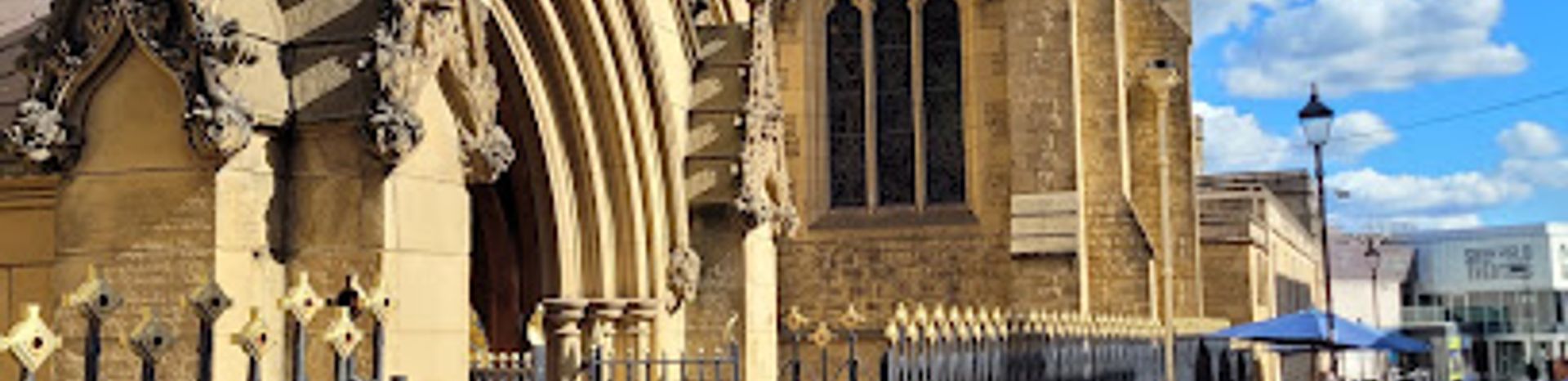
St Marie's Cathedral, Sheffield
A Gothic Revival masterpiece rising from three centuries of hidden faith, now Sheffield's beacon of Catholic heritage.
A magnificent Gothic Revival cathedral in the heart of Sheffield, St Marie's stands as a testament to Catholic resilience and architectural excellence. Completed in 1850 after three centuries of religious suppression, this Grade II listed building features soaring pointed arches, intricate stained glass windows, and ornate interior decoration. The cathedral became the seat of the Diocese of Hallam in 1980 and remains an active place of worship welcoming visitors daily. Its tall spire dominates the Sheffield skyline, while the interior offers peaceful reflection spaces adorned with fine carvings, vibrant tilework, and spiritually significant chapels.
A brief summary to St Marie's Cathedral, Sheffield
- Cathedral House, Norfolk St, Sheffield, Sheffield City Centre, Sheffield, S1 2JB, GB
- +441142722522
- Visit website
- Duration: 0.75 to 2 hours
- Free
-
 Indoor
- Mobile reception: 5 out of 5
Local tips
- Visit on a weekday morning before 10 am for the most peaceful experience with minimal crowds and optimal natural light illuminating the stained glass windows.
- Respect active worship times and services; the cathedral is a functioning place of worship, so maintain quiet and reverent behaviour throughout your visit.
- Photography is permitted but avoid using flash and be discreet, particularly during Mass times or when worshippers are present in the building.
- Allow at least 45 minutes to properly appreciate the architectural details, stained glass, and individual chapels; the interior rewards careful observation.
- Check the cathedral's website for information about guided tours and special events, including occasional choral concerts featuring the historic Lewis Organ.

For the on-the-go comforts that matter to you
- Restrooms
- Drink Options
- Food Options
- Seating Areas
- Information Boards
Getting There
-
Train and Tram
Sheffield Station serves as the main transport hub, combining railway and tram services. The cathedral is approximately 10 minutes' walk from the station; exit through the transport interchange, ascend the steps near the Crucible Theatre, and continue toward Norfolk Street in the city centre. Direct train services connect to Leeds, Manchester, London St Pancras, Edinburgh, Glasgow, and numerous other UK cities.
-
Local Bus Services
Sheffield's city centre bus station is within walking distance of the cathedral. Multiple local bus routes serve the city centre and surrounding areas. The cathedral's location on Norfolk Street makes it easily accessible from various bus routes serving Sheffield's transport network.
-
Private Vehicle and Parking
If driving, the cathedral is located in Sheffield's city centre on Norfolk Street. Multiple car parks operate in the surrounding area, including multi-storey facilities within a short walk. Street parking is available but may be limited during peak hours; check local parking regulations and tariffs.
-
Walking from City Centre
The cathedral is centrally located and easily reached on foot from Sheffield's main shopping areas, theatres, and attractions. It sits near the Crucible and Lyceum theatres, making it a natural stop on a city centre walking route. The building's prominent spire serves as a helpful landmark for navigation.
St Marie's Cathedral, Sheffield location weather suitability
-
 Any Weather
Discover more about St Marie's Cathedral, Sheffield
From Hidden Chapel to Architectural Triumph
The story of St Marie's Cathedral stretches back over three centuries to a time when Catholicism in England was outlawed and practicing the faith risked severe punishment. In 1712, the Duke of Norfolk built a house on Fargate—known as The Lord's House—which concealed a secret Catholic chapel hidden within its roof. Here, Sheffield's Catholics gathered in secrecy to celebrate Mass, their faith sustained through centuries of persecution following Henry VIII's break with Rome. When religious restrictions gradually eased by the early 1800s, Catholics were permitted to build churches, though they had to be set back from public roadways. A modest chapel was constructed in the garden behind The Lord's House, but as Sheffield's population exploded during the Industrial Revolution, Irish and continental European workers swelled the congregation far beyond its capacity.A Vision in Stone and Glass
In 1847, the foundation stone was laid for an entirely new church. Designed by renowned architect Matthew Ellison Hadfield, St Marie's was modelled on the 14th-century church of St Andrew in Heckington, Lincolnshire, following the principles of the Gothic Revival movement championed by the celebrated architect Augustus Welby Northmore Pugin. The building rose in the approved "Middle Pointed" style, with Pugin himself commissioned to design the high altar and a magnificent window. The construction was an enormous undertaking, ultimately costing £10,562—equivalent to approximately £1.5 million in modern currency—and the church remained in debt until 1889. When the cathedral opened on 11 September 1850, it marked the end of three centuries of legal suppression and symbolised the Catholic revival in Sheffield. The Duke of Norfolk family and parishioners contributed generously to its construction and furnishing, ensuring the building would be enriched with fine craftsmanship from the outset.Interior Splendour and Spiritual Spaces
Stepping inside St Marie's reveals a cathedral of remarkable beauty and intricate detail. The soaring interior features pointed arches and ribbed vaults characteristic of Gothic Revival design, while the walls glow with vibrant stained glass windows created by master craftsmen William Wailes and the renowned Hardman & Co workshop. The east window, designed by George Goldie, and the west window, designed by Pugin himself, cast coloured light throughout the sacred space, depicting religious scenes that add layers of spiritual meaning to the architecture. The high altar, crafted at the Myers workshop by Theodore Phyffers from Pugin's design, commands the sanctuary with its alabaster reredos—a masterwork of 19th-century ecclesiastical art. Throughout the cathedral, visitors encounter a series of 19th-century paintings depicting the Stations of the Cross, ornate wooden ceilings with intricate patterning, and decorative tilework commemorating the work of the Sisters of Notre Dame in Sheffield. The cathedral houses several distinct chapels, each with its own character and purpose, offering intimate spaces for prayer and reflection.Transformation and Modern Life
During the Second World War, a bomb destroyed the stained glass windows of the Blessed Sacrament Chapel, and the remaining glass was carefully removed and stored in a mine shaft at Nunnery Colliery for safekeeping. In 1970, following the Second Vatican Council, the cathedral underwent significant reordering. Much of the dark woodwork was removed, new lighting was installed to illuminate the architectural details, and in 1972, a new altar facing the congregation was consecrated, reflecting the liturgical changes of the modern Catholic Church. When the Diocese of Hallam was created in 1980, St Marie's was elevated to cathedral status, becoming the spiritual and administrative centre for Catholics across South Yorkshire and surrounding areas. Today, the cathedral remains a vibrant centre of worship and community life, hosting daily Mass, choral concerts featuring its rare Lewis Organ, and welcoming visitors from around the world.A Living Monument to Faith and Craftsmanship
St Marie's Cathedral represents far more than architectural achievement; it embodies the courage and determination of Sheffield's Catholic community through centuries of adversity. The building's prominence in the city centre, with its distinctive spire towering over Norfolk Street, serves as a visible reminder of faith enduring through suppression, secrecy, and eventual triumph. The cathedral's Grade II listed status recognises its historical and architectural significance, while ongoing restoration work ensures this masterpiece of Victorian ecclesiastical design remains preserved for future generations. Whether approached as a work of art, a historical monument, or a place of spiritual sanctuary, St Marie's offers visitors a profound encounter with Sheffield's religious heritage and the enduring power of human conviction.Iconic landmarks you can’t miss

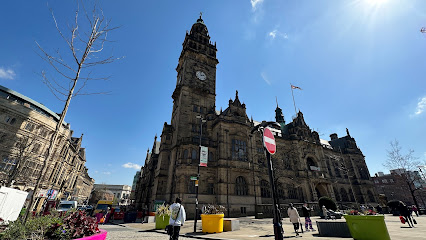
Green Police Box
0.1 km
Sheffield’s unique green and white police box, a charming relic of early 20th-century policing, stands proudly outside the Town Hall as a symbol of local heritage.
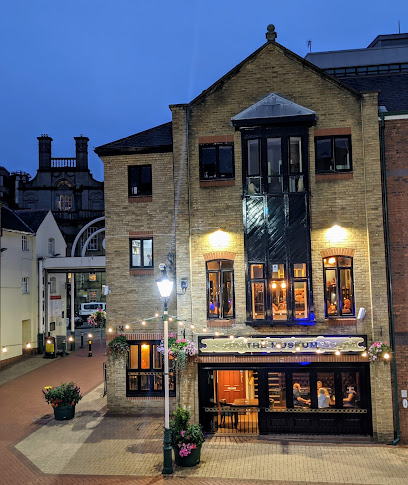
The Museum
0.2 km
Discover the vibrant atmosphere at The Museum, Sheffield's beloved pub and restaurant, where local flavors meet a lively social scene.
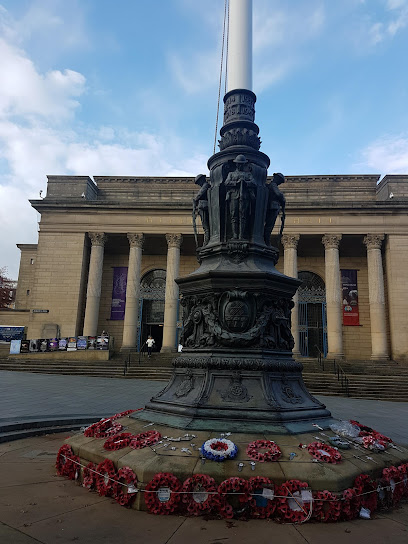
Sheffield War Memorial
0.3 km
A solemn and iconic Grade II* listed cenotaph in Sheffield city centre, honoring the city's wartime sacrifices with striking sculptures and historic symbolism.
Crucible Stack
0.6 km
Explore Sheffield’s iconic Crucible Stack, a rare industrial landmark embodying the city’s pioneering steelmaking heritage and architectural resilience.
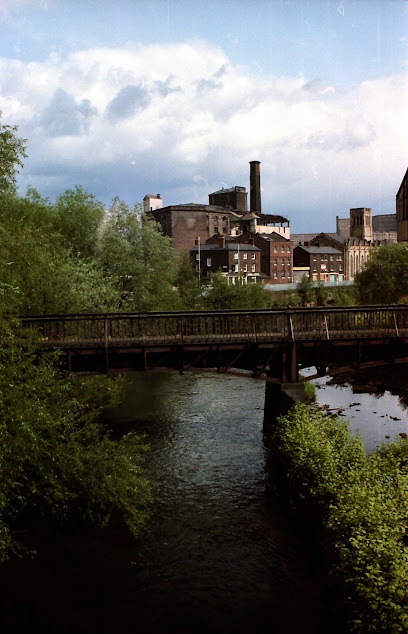
Iron Bridge
0.8 km
Explore Sheffield’s iconic Iron Bridge, a stunning early 20th-century iron landmark offering rich industrial heritage and scenic riverside views.
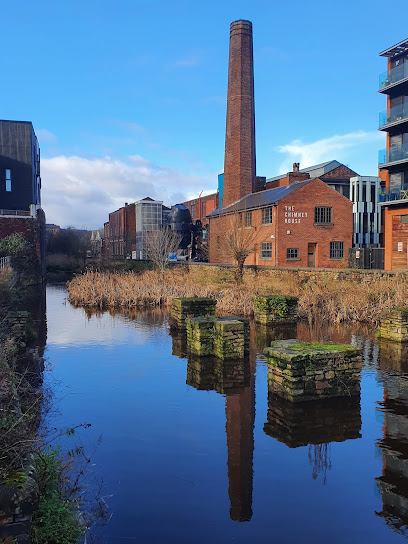
The Chimney House
0.9 km
Award-winning industrial-chic venue in Kelham Island offering intimate events with exceptional food and warm hospitality in Sheffield.
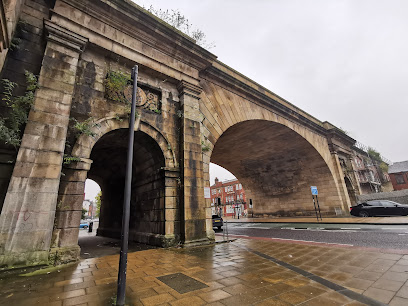
Wicker Arches
0.9 km
A dramatic Victorian railway viaduct running beneath Sheffield city centre, now home to workshops, bars and street art in a gritty, atmospheric urban space.
Godfrey Sykes Memorial
1.5 km
Victorian design genius immortalised in terracotta—Sheffield's tribute to a master craftsman.
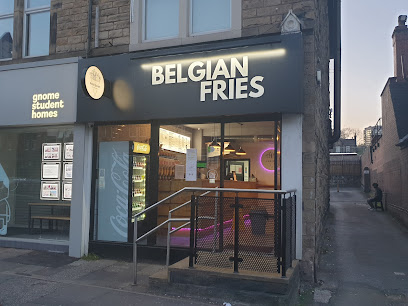
Friesday Belgian Fries
1.8 km
Savor authentic Belgian fries in a cozy diner atmosphere at Friesday Belgian Fries, the perfect quick bite in Sheffield.
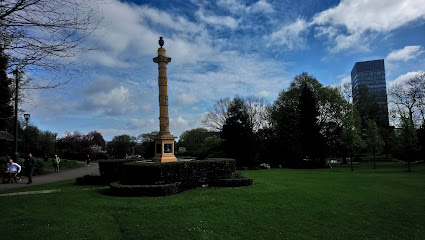
Rose Garden
2.3 km
Experience the tranquil beauty of Sheffield's Rose Garden, a lush oasis of vibrant blooms and serene pathways perfect for relaxation and exploration.
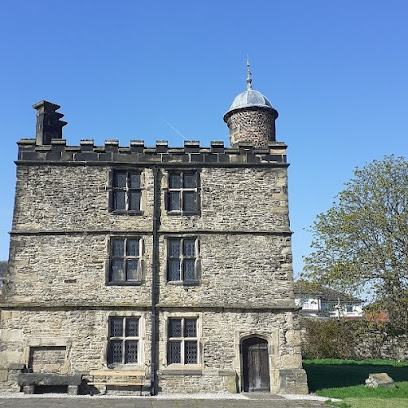
Sheffield Manor Lodge
2.3 km
Experience the historical charm and scenic beauty of Sheffield Manor Lodge, a premier events venue and heritage site in Sheffield.
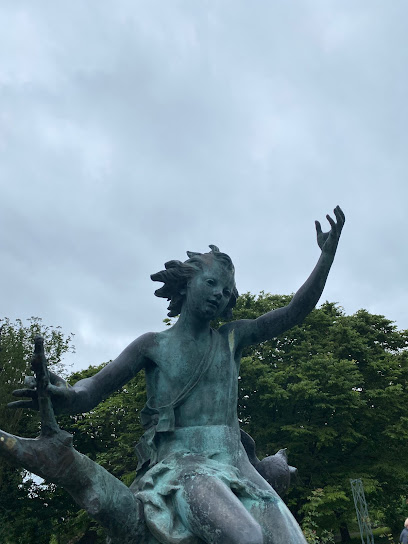
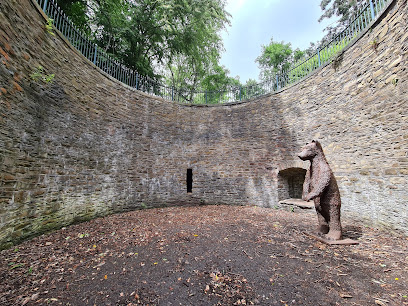
Bear pit
2.3 km
Victorian heritage meets natural history at Sheffield's finest surviving bear pit, a Grade II listed landmark within beloved botanical gardens.
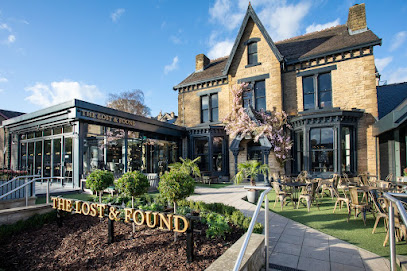
Lost & Found Sheffield
2.4 km
Experience the vibrant nightlife at Lost & Found Sheffield, a charming bar and pub with creative cocktails, delicious food, and a welcoming atmosphere.
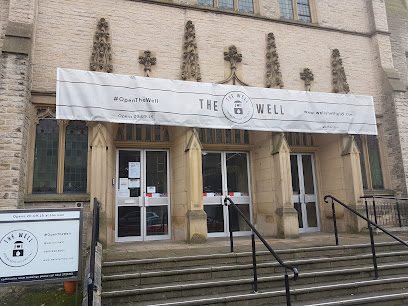
The Well Sheffield
2.5 km
Explore The Well Sheffield, a vibrant Baptist church in Sharrow, blending rich community spirit with stunning architecture and cultural events.
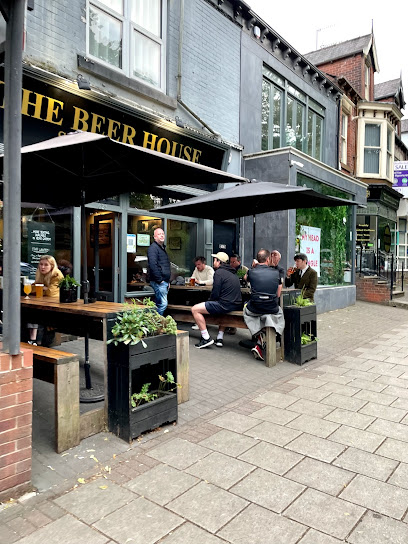
The Beer House
2.6 km
Experience the vibrant atmosphere and extensive beer selection at The Beer House, Sheffield's favorite pub for locals and visitors alike.
Unmissable attractions to see

Fargate
0.1 km
Sheffield’s vibrant pedestrian precinct blending historic charm, lively markets, and modern urban culture in the city centre.
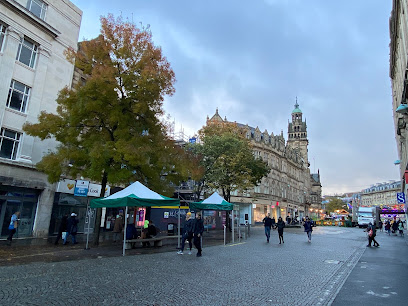
The Chocolate Factory
0.1 km
Discover Yorkshire’s first bean-to-bar craft chocolate factory where artisan passion meets rich cacao heritage in Sheffield’s vibrant Harvest Works.
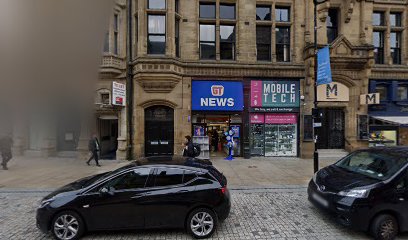
The Montgomery
0.1 km
A vibrant Sheffield City Centre theatre and art centre offering diverse performances and cultural exhibitions in a charming architectural setting.
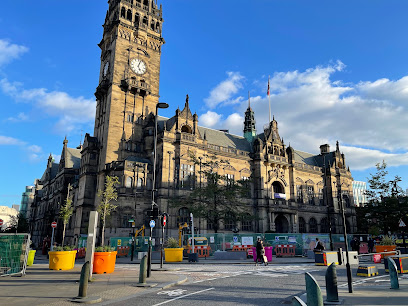
Victoria Hall
0.1 km
Historic Methodist landmark and vibrant events venue at Sheffield city centre’s cultural heart on Norfolk Street.
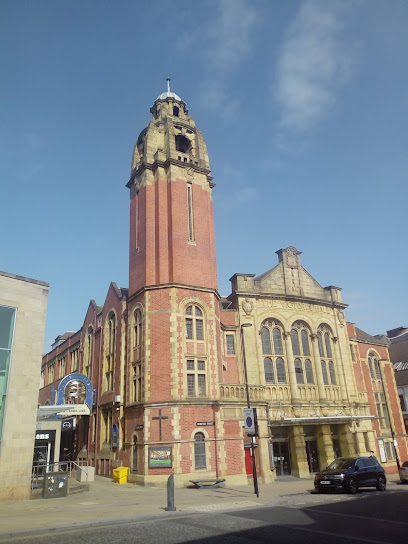
Sheffield Christmas Markets
0.1 km
Sheffield's festive celebration of local traders, alpine charm, and seasonal magic across the city centre.
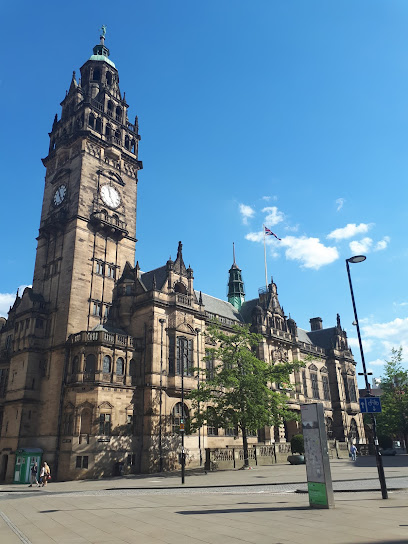
Starbucks Coffee
0.1 km
A welcoming Starbucks coffeehouse in Sheffield’s Tudor Square, blending global brand comfort with local cultural vibrancy.
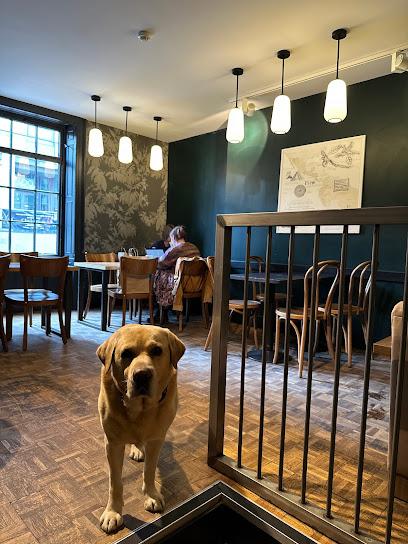
Crucible Theatre
0.1 km
Experience world-class theatre and iconic snooker in Sheffield’s intimate and historic Crucible Theatre.
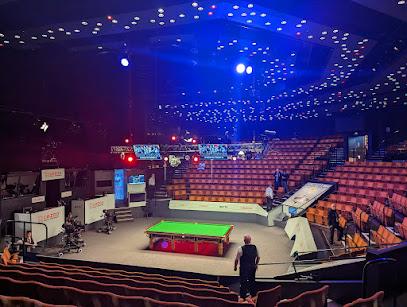
Fronteer Gallery
0.1 km
Independent artist-led gallery showcasing thought-provoking contemporary art in Sheffield City Centre.

Winter Garden
0.1 km
A verdant urban sanctuary: Europe's largest glasshouse brings tropical paradise to Sheffield's heart.
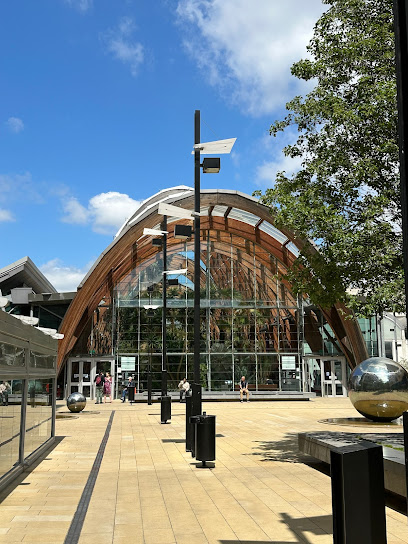
Cutlers' Hall Hospitality
0.1 km
Victorian grandeur meets modern event excellence in Sheffield's most prestigious banquet hall.

Sheffield Town Hall
0.1 km
Discover the architectural splendor and rich history of Sheffield Town Hall, a must-visit landmark in the heart of Sheffield City Centre.
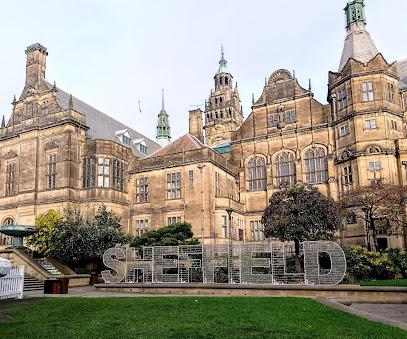
Orchard Square
0.1 km
A vibrant open-air shopping and leisure destination in Sheffield, blending retail, culture, and community in a historic city-centre setting.
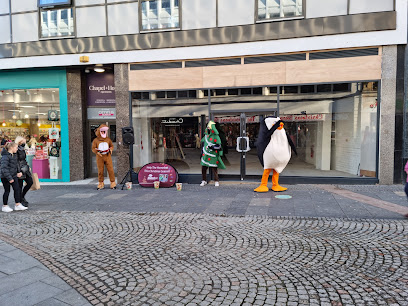
Changing Places Toilet
0.2 km
Sheffield's accessible changing facility for people with complex care needs in the city centre.
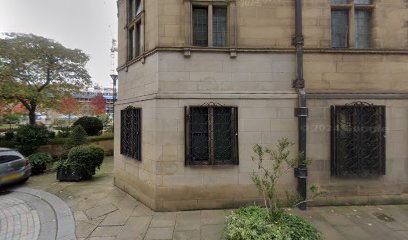
Graves Gallery
0.2 km
Free art sanctuary above Sheffield's Central Library, showcasing centuries of British and European masterpieces in peaceful contemplation.
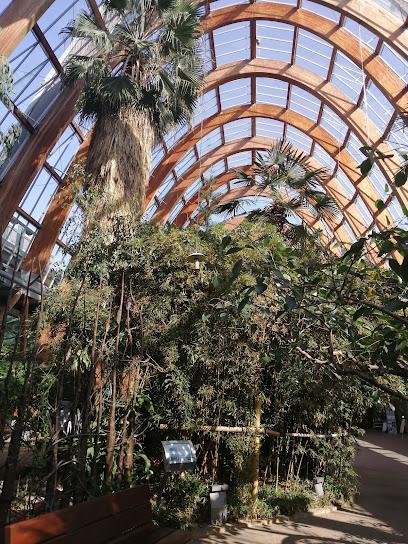
Sheffield Winter Garden
0.2 km
A stunning tropical glasshouse oasis in Sheffield city centre, home to over 2,500 exotic plants and free to explore year-round.
Essential places to dine

VeroGusto
0.0 km
Experience authentic Italian fine dining in a cozy Georgian townhouse with exquisite homemade dishes and an exceptional wine list in Sheffield.
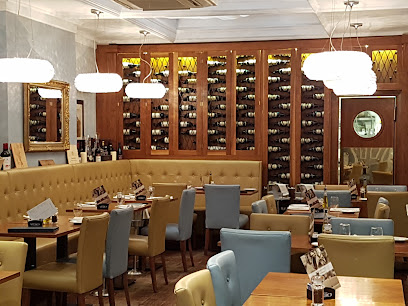
Miller & Carter Sheffield City
0.1 km
Experience premium British steakhouse dining with expert cuts, elegant ambiance, and attentive service in Sheffield’s vibrant city centre.
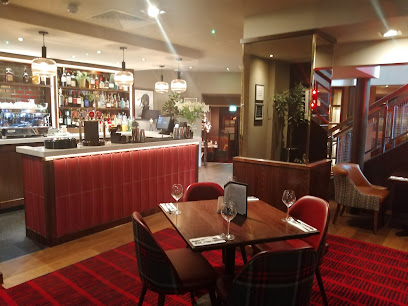
Mama’s & Leonies
0.1 km
Experience hearty Italian classics and warm hospitality in the heart of Sheffield City Centre at Mama’s & Leonies.
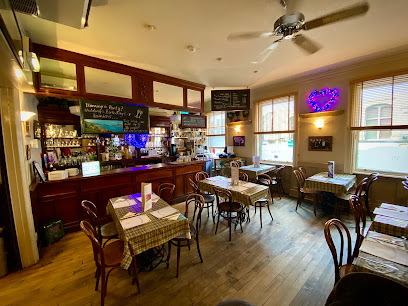
Ego Mediterranean Restaurant & Bar, Sheffield
0.1 km
Modern Mediterranean dining with gluten-free and vegan options, friendly service, and a vibrant bar in Sheffield City Centre.
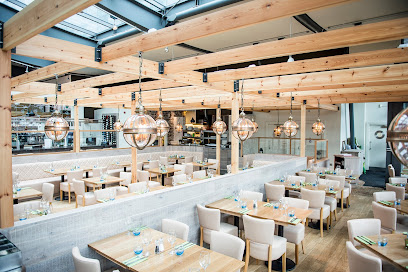
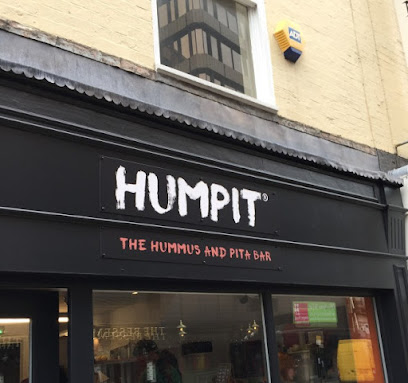
Humpit- The Hummus & Pita Bar
0.2 km
Affordable vegan Mediterranean delights in Sheffield’s city centre, specializing in hummus, pita, and falafel with generous portions and fresh flavors.
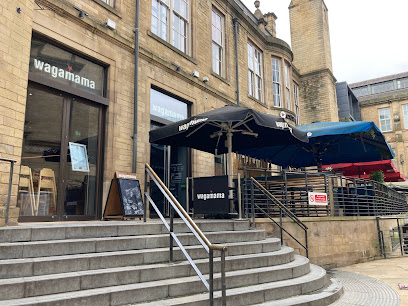
wagamama sheffield city centre
0.2 km
Discover fresh, bold Asian flavours and a welcoming communal vibe at Wagamama in Sheffield’s vibrant Leopold Square.
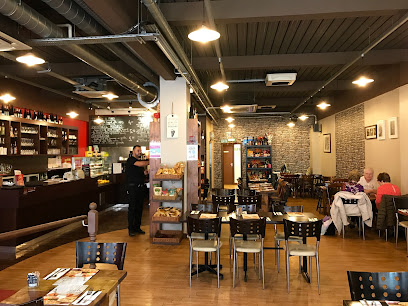
Caffe Piazza
0.2 km
Authentic Italian pizzas and Mediterranean dishes served fresh daily in Sheffield’s vibrant city centre cafe.
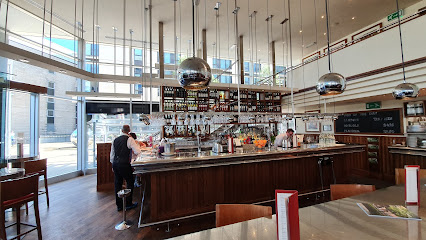
Piccolino Sheffield
0.2 km
Experience authentic Italian flavors and chic alfresco dining in the heart of Sheffield’s Millennium Square at Piccolino.
Grazie
0.2 km
Experience authentic Southern Italian flavors with fresh handmade pasta and warm hospitality in the heart of Sheffield City Centre.
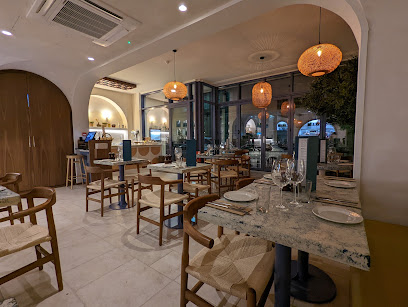
Cubana Tapas Bar
0.2 km
Experience authentic Cuban tapas, vibrant Latin music, and lively salsa dancing in the heart of Sheffield’s city centre.
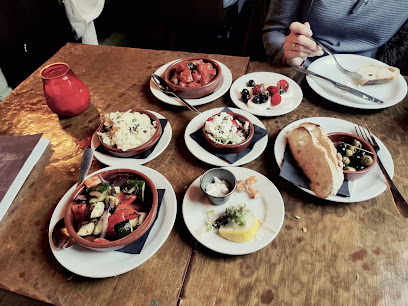
The Botanist Sheffield
0.2 km
A lush, botanical-themed bar and restaurant in Sheffield city centre offering inventive cocktails, hearty meals, live music, and a vibrant social scene.
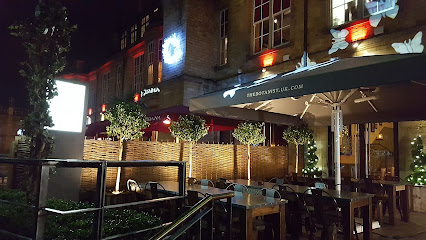
La Bottega
0.2 km
Experience authentic Italian craftsmanship and artisanal flavors in the heart of Sheffield City Centre at La Bottega.
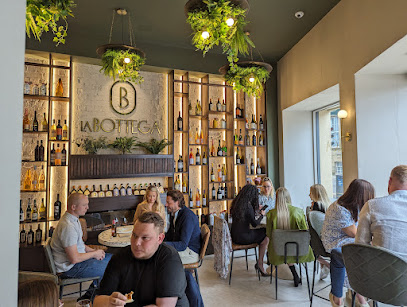
Bella Italia - Sheffield St Paul's
0.2 km
Classic Italian dining with warm service and diverse menu options in Sheffield’s vibrant city centre.
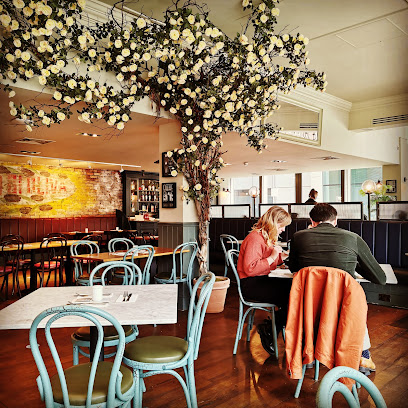
Browns Sheffield
0.2 km
Elegant British brasserie in Sheffield city centre offering classic and contemporary dishes in a refined, inviting atmosphere.
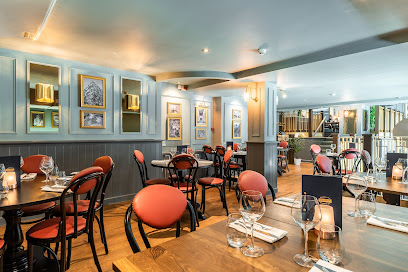
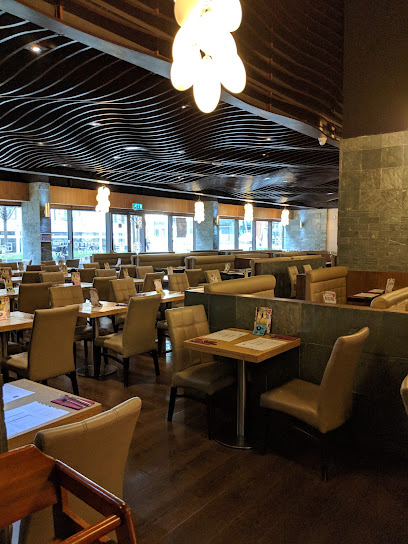
COSMO All You Can Eat World Buffet Restaurant | Sheffield
0.3 km
Explore over 150 dishes from around the world at COSMO Sheffield’s vibrant all-you-can-eat buffet in the city centre.
Markets, malls and hidden boutiques

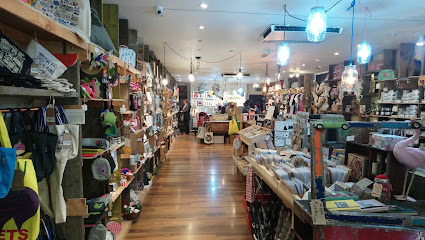
Bird’s Yard Sheffield
0.1 km
A compact, owner-curated Aladdin’s cave of local makers and quirky design-led gifts in the heart of Sheffield.
skytrend
0.1 km
Explore Sheffield's Skytrend Jewellery Store for exquisite craftsmanship and unique pieces that capture the essence of elegance.
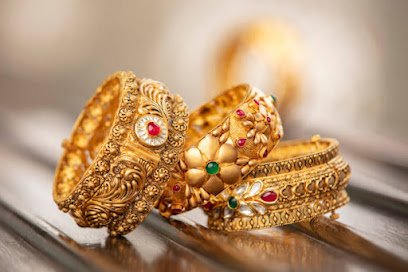
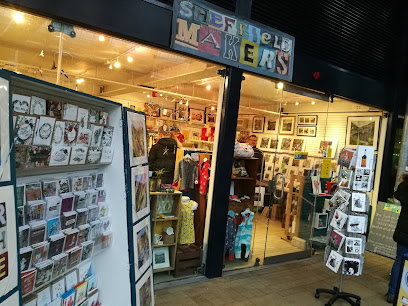
Sheffield Makers
0.1 km
Discover Sheffield's handmade soul in the Winter Garden: unique gifts from local makers, blending craft heritage with fresh creativity.
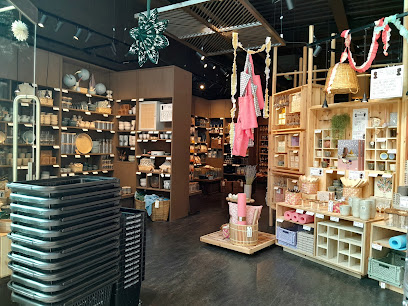
Søstrene Grene
0.4 km
Discover Scandinavian charm and creative inspiration at Søstrene Grene, Sheffield’s boutique for art supplies, home décor, and unique gifts.
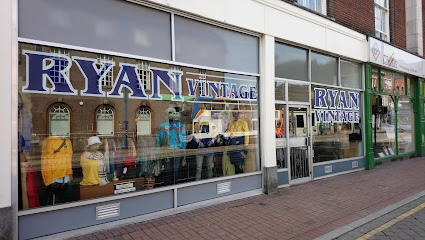
Ryan Vintage
0.4 km
Discover timeless style and sustainable fashion treasures at Ryan Vintage, Sheffield’s premier vintage clothing boutique in the city centre.
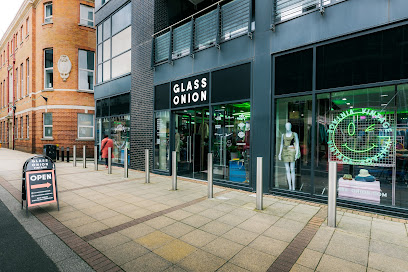
Glass Onion Sheffield
0.5 km
Explore Sheffield’s premier vintage clothing store blending sustainable fashion with stylish, curated collections in a unique urban setting.
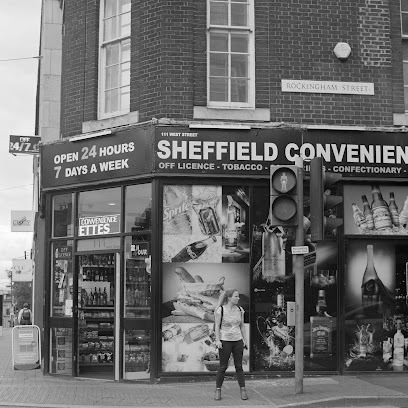
Sheffield Convenience Store
0.5 km
Your go-to convenience store in Sheffield City Centre for snacks, drinks, and travel essentials, open late night for all your needs.
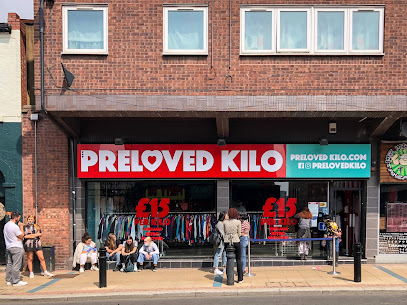
Preloved Kilo
0.5 km
Discover vintage treasures priced by weight at Preloved Kilo, Sheffield’s vibrant hub for sustainable and stylish pre-loved clothing.
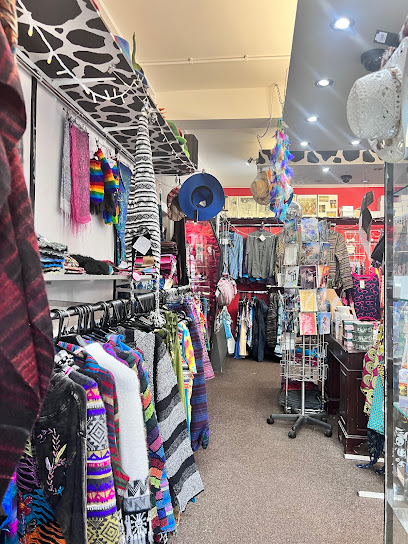
Mint (New name coming soon)
0.5 km
Discover Sheffield City Centre’s eclectic boutique blending fashion, jewelry, and unique local treasures on vibrant Division Street.
Rocky Horrors
0.5 km
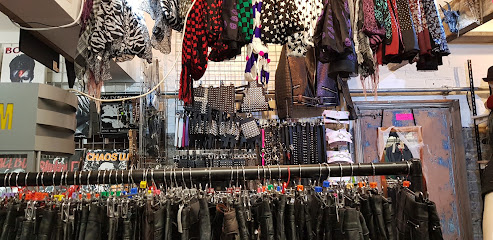
Discover bold rock-inspired boots and shoes at Rocky Horrors, Sheffield’s iconic alternative footwear shop in the city centre.
The Alternative Store
0.6 km
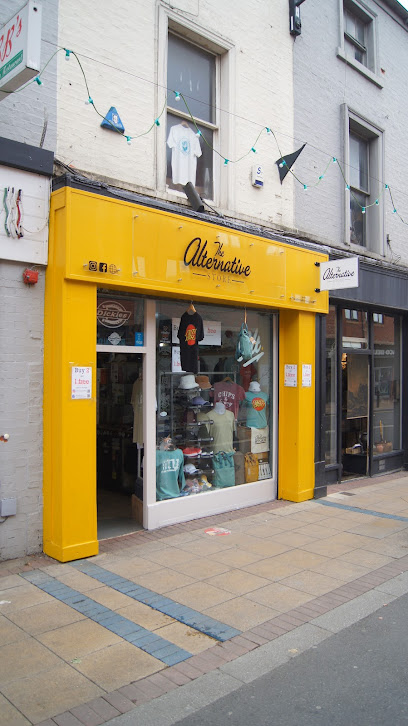
Sheffield's fiercely independent hub for unique streetwear, hats, and jewellery since 1992—quality alternative fashion with local flair and eco-conscious craft.
Vulgar
0.6 km
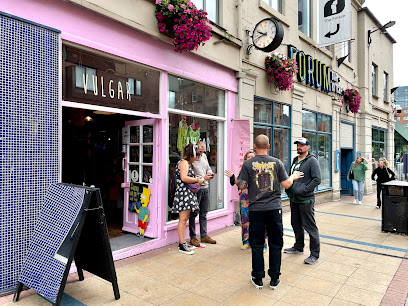
Explore Sheffield’s vibrant vintage scene at Vulgar, a uniquely decorated shop with friendly service and eclectic fashion finds.
The Savage Sister
0.6 km
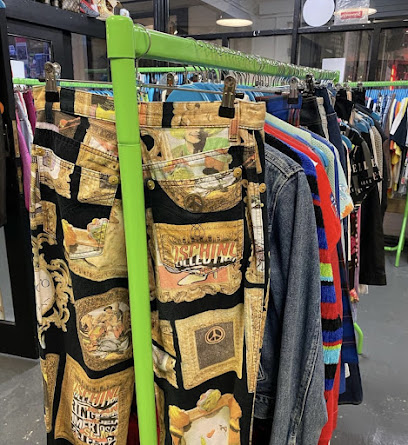
Discover rare vintage designer treasures from the '90s and '00s in Sheffield’s stylish and sustainable boutique, The Savage Sister.
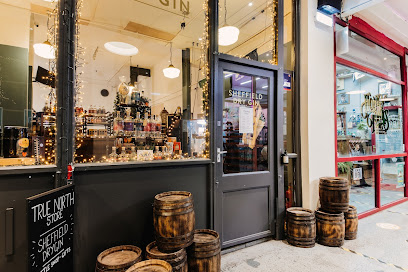
True North Store
0.6 km
Discover Sheffield’s craft spirit heritage at True North Store, a hub for artisan gins and unique local gifts in the heart of the city centre.
Shady Gifts
0.6 km
Bold, handmade sarcastic and drag-themed gifts in Sheffield’s vibrant city centre, perfect for unique and cheeky presents.

Essential bars & hidden hideouts

The Head of Steam Sheffield
0.1 km
A converted Victorian bank turned busy craft‑beer pub on Tudor Square — big beer list, good vegan choices and a social, theatre‑friendly vibe.
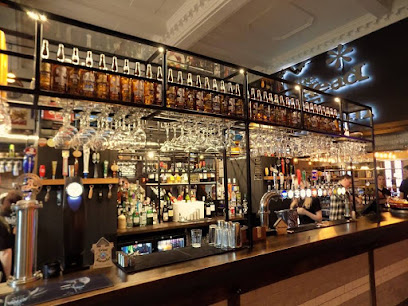
Public
0.1 km
Quirky underground cocktail haven in a repurposed Victorian toilet—creative drinks, intimate vibes, and Sheffield's inventive spirit in every sip.
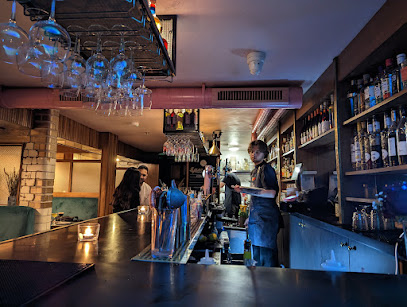
Cheap Dates
0.1 km
Affordable cocktails and lively vibes await at Sheffield’s beloved dive bar, Cheap Dates, in the heart of Orchard Square.
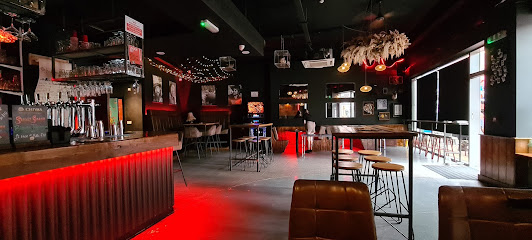
The Champagne Bar
0.1 km
A stylish city centre champagne bar offering classic cocktails and fine wines in Sheffield’s vibrant heart.
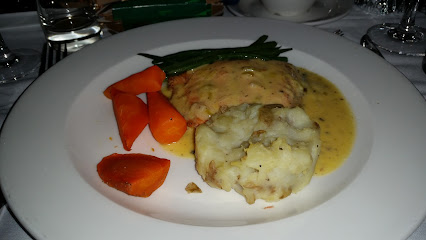
All Bar One Sheffield
0.2 km
Stylish Sheffield wine bar on Leopold Street for tapas, cocktails, brunch, and urban vibes near theatres and shops.
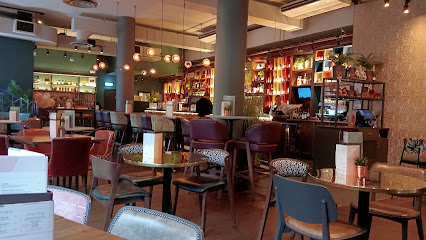
Bamboo Door
0.2 km
A vibrant tiki-themed cocktail bar in Sheffield City Centre, famed for exotic rum drinks and lively late-night vibes.
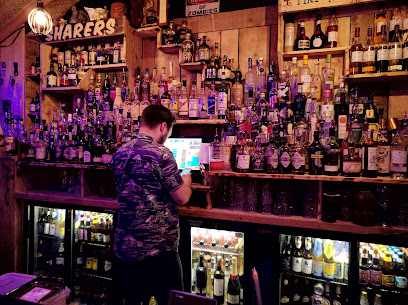
The Dove & Rainbow
0.2 km
Sheffield’s vibrant rock pub with live music, cold ales, and an inclusive atmosphere in the heart of the city centre.
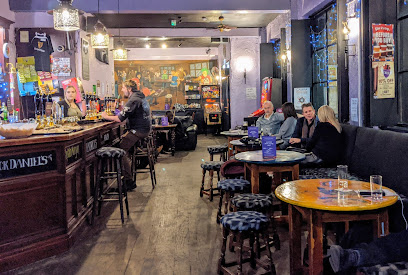
Kuckoo Sheffield
0.3 km
Inventive cocktails and pulsating beats define this Leopold Square gem, where Sheffield's nightlife ignites in a whirlwind of creativity and energy.
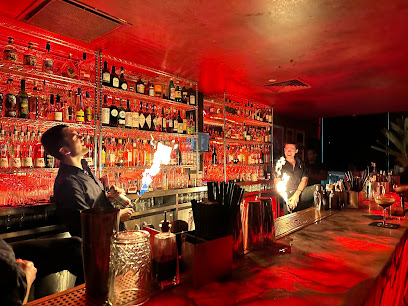
Yates - Sheffield
0.3 km
Sheffield's all-day dynamo: daytime pub grub and sports, nighttime DJ beats and cocktails in the city centre buzz.
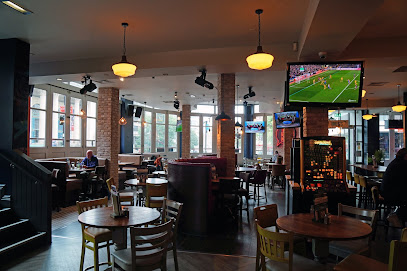
Slug & Lettuce - Sheffield
0.3 km
Vibrant Sheffield cocktail bar where every hour feels like happy hour—brunch by day, cocktails and dancing by night in stylish city centre surrounds.
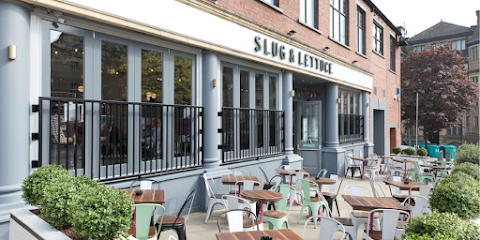
The Three Tuns, S1
0.3 km
A vibrant traditional pub in Sheffield City Centre, famed for excellent ales, hearty food, and lively karaoke and comedy nights.
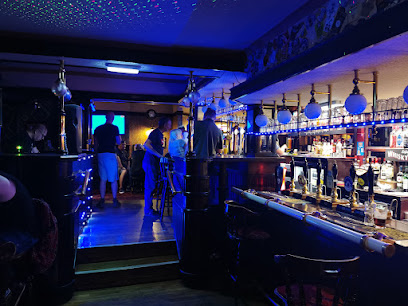
Trippets Lounge Bar
0.5 km
Sheffield's intimate jazz lounge where live music, gins, and tapas-style plates create an unforgettable evening retreat in the city centre.
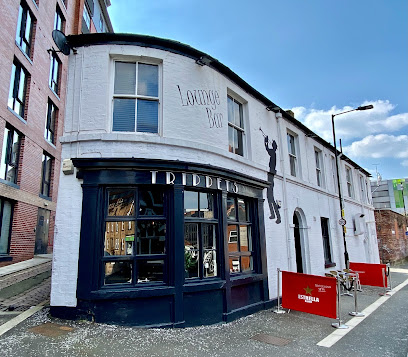
Rutland Arms
0.5 km
Sheffield’s beloved city centre pub offering world-class craft beers, inventive pub grub, and a vibrant, inclusive atmosphere.
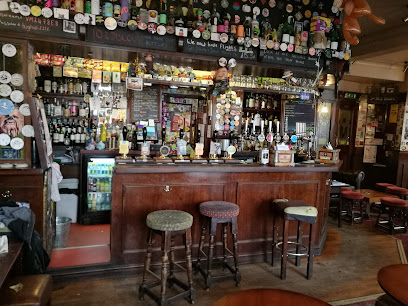
Frog & Parrot
0.6 km
Lively British pub and live music venue in Sheffield City Centre, known for quality ales, traditional food, and vibrant nightlife.
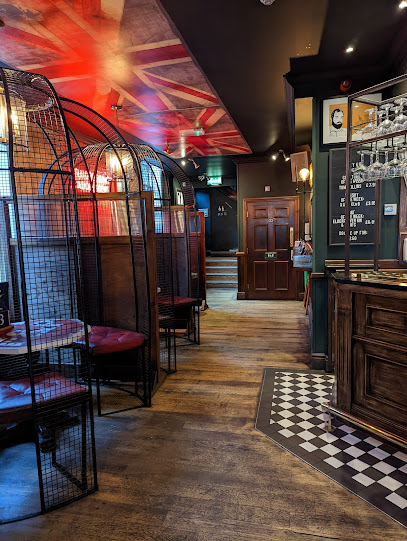
BrewDog Sheffield
0.6 km
Discover BrewDog Sheffield, a lively craft beer bar with a spacious beer garden, modern industrial style, and an impressive selection of brews in the heart of Sheffield.
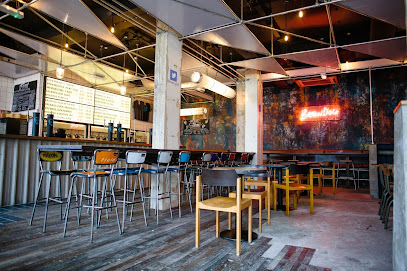
Nightclubs & after hour spots

Tank
0.2 km
A gritty, late‑night underground club on Arundel Gate — loud sound, house and techno nights, and a compact, rave‑style dancefloor.
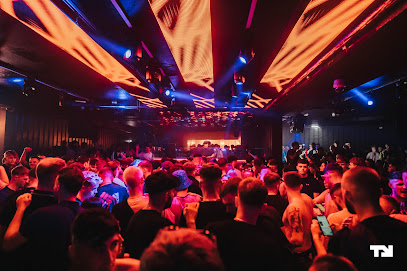
The Viper Rooms
0.4 km
Sheffield's stylish split-level nightclub: upscale cocktails on the terrace lounge, eclectic beats on the dancefloor—dress sharp for urban nights that pulse till dawn.
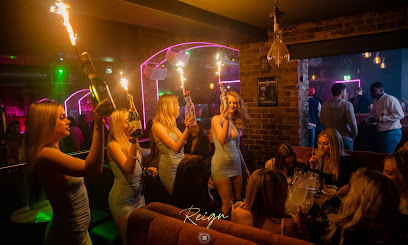
Popworld - Sheffield
0.4 km
A vibrant nightclub in Sheffield city centre, Popworld offers lively pop beats, affordable drinks, and a welcoming party atmosphere every weekend.
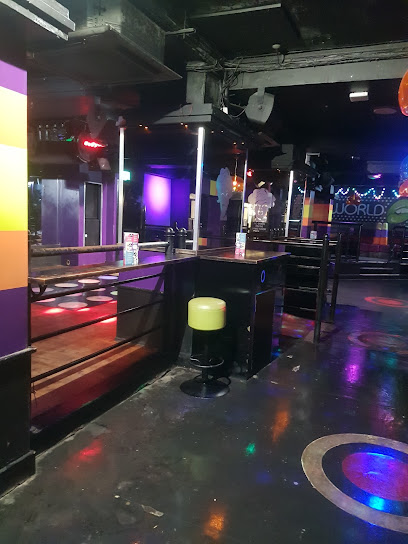
Plot 22
0.5 km
Immerse in Sheffield's underground beats at Plot 22: no phones, pure rave energy, techno to jungle in an intimate 120-cap haven.
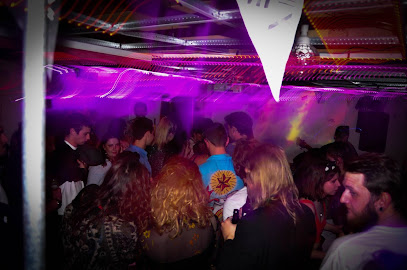
ONYX Nightclub Sheffield
0.5 km
Dive into Sheffield's raucous nightlife at ONYX, where neon quirks, bass-heavy beats, and cheap thrills fuel epic nights till dawn in the city centre.
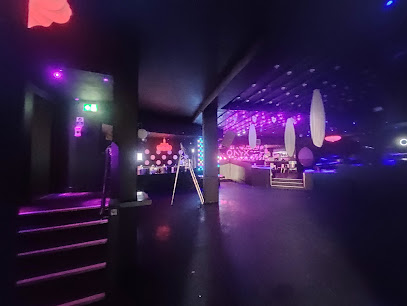
Fez Sheffield
0.5 km
Dive into Sheffield’s vibrant electronic dance scene at Fez, the city centre’s intimate nightclub with pulsating beats and dazzling laser shows.
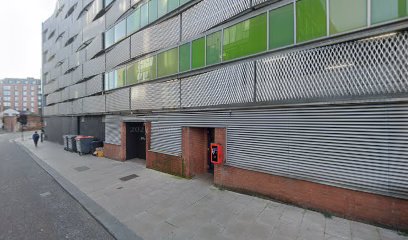
Code Sheffield
0.5 km
Sheffield's ultimate nightclub: massive dance floor, six bars, LED lights, and epic nights till 6am—student favorites and global DJs collide in city-centre chaos.
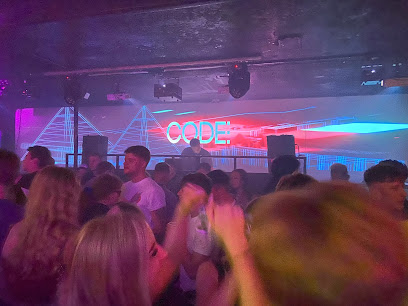
Al Ahsa Night Club
0.5 km
Dance the night away at Al Ahsa Night Club, Sheffield's premier disco destination for unforgettable nightlife experiences.
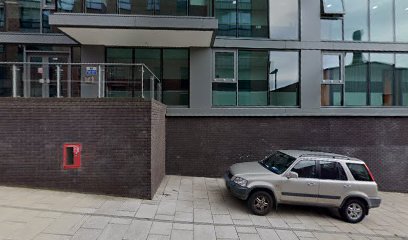
The Leadmill
0.6 km
Sheffield's 40-year heartbeat of live music, club nights, and comedy in a gritty, immersive venue near the station—where crowds roar and nights ignite.
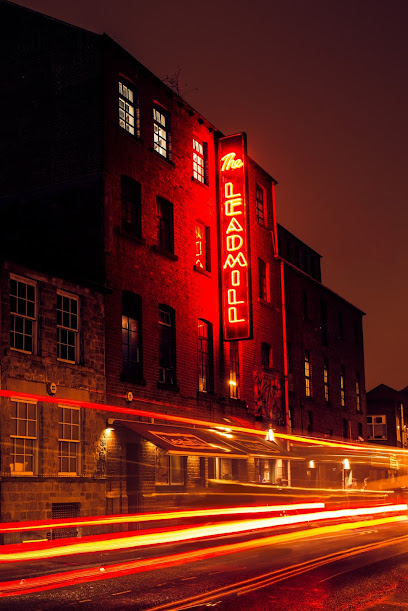
Corporation
0.7 km
Sheffield’s iconic nightclub with non-stop dance beats and an electric atmosphere in the heart of the city centre.
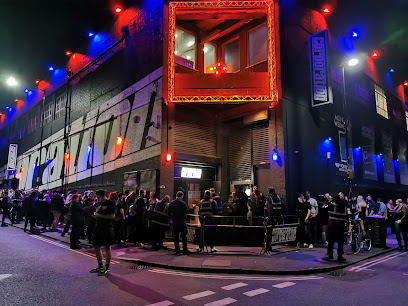
The Night Kitchen
0.7 km
Dive into Sheffield's industrial heartbeat at The Night Kitchen, where former cutlery factory walls pulse with electronic beats until dawn in a raw, inclusive nightlife haven.
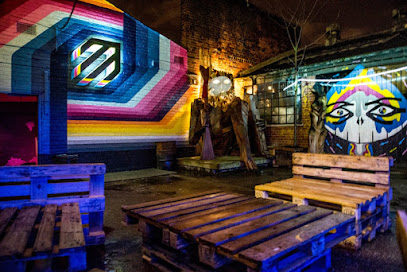
Dempseys Bar and Club
0.9 km
Sheffield's enduring gay bar and club: two floors of drinks, dances, karaoke, and late-night energy from noon till dawn in the city centre.
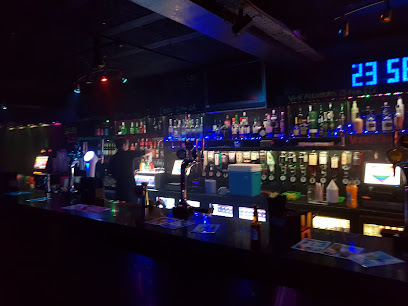
Temple Sheffield
1.0 km
Dive into Sheffield's underground heartbeat at Temple Nightclub, where beats thump till 6am, drinks flow affordably, and nights ignite with raw energy.
Waikiki Beach Bar
16.4 km
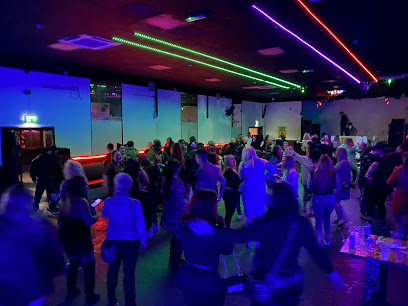
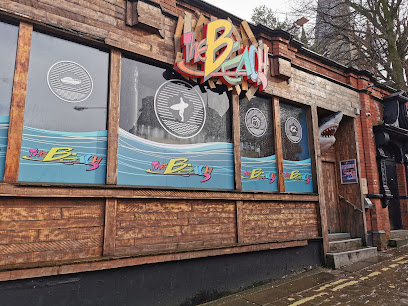
Experience the vibrant nightlife at Waikiki Beach Bar, Derbyshire's go-to destination for dancing, drinks, and unforgettable memories.
Volt Nightclub
18.9 km
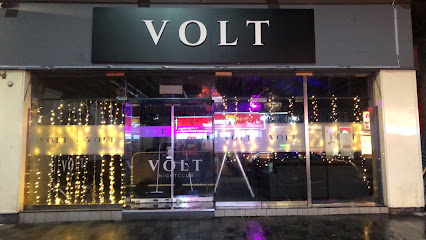
Experience Barnsley's vibrant nightlife at Volt Nightclub, where lively music, dazzling lights, and affordable drinks create unforgettable nights.
For the vibe & atmosphere seeker
- Romantic
- Tranquil
- Zen
- Scenic
- Unique
For the design and aesthetic lover
- Vintage Styles
- Art Deco Styles
For the architecture buff
- Historic
- Landmarks
- Art & Design
- Sacred Sites
- Heritage Neighborhoods
For the view chaser and sunset hunter
- Iconic Views
- Panoramas
For the social media creator & influencer
- Instagrammable
- Photo Spots
- Architectural Shots
For the eco-conscious traveler
- Protected Area
- Locally Managed
For the kind of experience you’re after
- Mindfulness
- Meditation Spot
- Spiritual / Energy Spot
- Myth & Legends
- Cultural Heritage
- Photowalk
- Day Trip
For how adventurous you want the journey to be
- Easy Access
Location Audience
- Family Friendly
- LGBT Friendly
- Senior Friendly
- Child Friendly
- Wheelchair Access
- Solo Friendly
- Couple Friendly
- Solo Female Friendly


