

Aynsley China Ltd, Sutherland Travel Guide
Historic British bone china manufacturer in Stoke-on-Trent, blending craftsmanship and heritage since 1775.
Aynsley China Ltd, located in Longton, Stoke-on-Trent, is a historic British chinaware shop rooted in the heart of 'The Potteries.' Established in 1775 by John Aynsley, it became renowned for fine bone china tableware and tea sets, blending craftsmanship with elegant design. Though the original factory closed in 2014, the site remains a symbol of Stoke-on-Trent’s rich ceramic heritage and the enduring legacy of British porcelain artistry.
A brief summary to Aynsley China Ltd
- Atlas Works/Sutherland Rd, 139 Sutherland Rd, Stoke-on-Trent, Longton, ST3 1HZ, GB
- Click to display
- Duration: 1 to 2 hours
- Mid ranged
-
 Outdoor
- Mobile reception: 4 out of 5
- Monday 9 am-5 pm
- Tuesday 9 am-5 pm
- Wednesday 9 am-5 pm
- Thursday 9 am-5 pm
- Friday 9 am-4 pm
- Saturday 10 am-5 pm
- Sunday 11 am-12 am

Know before you go
Hi, I'm Eve. Here are a few practical things to know before exploring Aynsley China Ltd.
- Visit during weekday mornings for a quieter experience and better access to the factory shop.
- Explore nearby Potteries museums and heritage sites to deepen your understanding of Stoke-on-Trent’s ceramic history.
- Look for collectible Aynsley china pieces featuring hand gilding and traditional floral patterns.
- Check the opening hours as they vary on weekends and public holidays.
Do you manage this location?
Take control to get all the benefits, like improved information, better appearance, and stronger visibility across AI-powered discovery. Learn more about listing your business on Evendo
Activate your presenceOther nearby places you may find interesting
The closest places of the same kind, if this one is not quite what you had in mind.





Explore Aynsley China Ltd on the Map
A handpicked selection of must-see spots near Aynsley China Ltd, mapped for you.
Getting There
-
Train and Bus
Travel to Longton railway station from Stoke-on-Trent or nearby cities, with a journey time of approximately 15-25 minutes. From Longton station, take a local bus or taxi for a 5-10 minute ride to Sutherland Road. Train tickets typically cost £5-£10 one way, with buses costing around £2-£4.
-
Car
Driving to Aynsley China Ltd from central Stoke-on-Trent takes about 15 minutes via A50 and local roads. Parking is limited near the factory; on-street parking may be available but check restrictions. Fuel costs vary, and congestion can occur during peak hours.
-
Taxi
Local taxis from Stoke-on-Trent city center to the Aynsley China site take around 15 minutes, costing approximately £10-£15. Taxis offer direct and flexible access but may be subject to availability.
For the on-the-go comforts that matter to you
-
 Restrooms
-
 Drink Options
-
 Food Options
-
 Seating Areas
-
 Information Boards
Discover more about Aynsley China Ltd
Origins of a British Porcelain Icon
Founded in 1775 by John Aynsley in Lane End (now Longton), Aynsley China Ltd began as a small enamelling workshop before evolving into a celebrated manufacturer of fine bone china. John Aynsley was among Stoke-on-Trent’s earliest master potters, pioneering the production of richly decorated tea wares, breakfast services, and dessert sets. His early work popularized lusterware porcelain throughout the district, establishing a foundation for the company’s long-standing reputation.Expansion and Industrial Significance
In 1861, John Aynsley’s grandson expanded the business by constructing the Portland Works on Sutherland Road, Longton. This state-of-the-art factory allowed Aynsley China to flourish during the Victorian era, producing luxurious hand-painted and gilded tableware that appealed to both British aristocracy and an emerging middle class. The company’s craftsmanship earned it a Royal Warrant in 1891, marking its status as a purveyor of fine china to Queen Victoria and subsequent British monarchs.The Potteries and Stoke-on-Trent Heritage
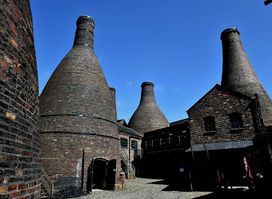
Aynsley China was part of the wider Staffordshire Potteries, a polycentric industrial area composed of six towns including Longton, known collectively as 'The Potteries.' This region was the epicenter of British ceramic production from the 18th century, benefiting from abundant local clay, coal, and skilled artisans. The Potteries shaped Stoke-on-Trent’s identity, economy, and skyline, with iconic bottle ovens and factories that produced world-renowned brands like Wedgwood, Spode, and Royal Doulton alongside Aynsley.Modern Challenges and Legacy
Despite its historic success, Aynsley China faced economic pressures in the late 20th and early 21st centuries. Ownership changes included acquisition by Waterford Glass in 1970 and later the Belleek Pottery Group in 1997. The Stoke-on-Trent factory closed in 2014 due to declining orders and high costs, though the factory shop remained open for some time afterward. The closure marked the end of nearly 240 years of continuous production in the Potteries, reflecting broader shifts in British manufacturing and global competition.Artistry and Collectability
Aynsley China is celebrated for its fine bone china, combining durability with delicate, intricate decoration often featuring hand gilding in gold and platinum. Its pieces are prized by collectors worldwide for their craftsmanship and historical significance. The brand’s designs exemplify British porcelain artistry, maintaining a legacy that continues to influence ceramic enthusiasts and artisans.Visiting the Site Today
Located at Atlas Works on Sutherland Road in Longton, the former Aynsley China factory stands as a testament to Stoke-on-Trent’s industrial heritage. While production has ceased, the site and its legacy remain important for understanding the evolution of British ceramics and the cultural significance of the Potteries region. Visitors can appreciate the historical context of the factory within the broader story of Stoke-on-Trent’s pottery industry.












Your all‑in‑one travel companion app
Explore expert travel guides, compare and book tours, experiences, hotels, and more—all from the palm of your hand. Download now for seamless trip planning wherever your wanderlust takes you.


Explore More of Sutherland

Looking beyond Aynsley China Ltd? Discover Sutherland for broader travel guides, local hot-spots, and regional highlights.
Explore Sutherland
Explore the historic and tranquil Hartshill Park, a lush nature reserve with ponds, woodland, and rich heritage in Stoke-on-Trent.
Step into a living Victorian pottery factory and discover the rich heritage of Staffordshire ceramics at Gladstone Pottery Museum.
