Dumbarton Castle, Stirling Travel Guide
Explore Dumbarton Castle, a historic fortress atop a volcanic rock with panoramic views and over 1,500 years of Scottish history.
Perched dramatically on Dumbarton Rock, a volcanic plug formed 340 million years ago, Dumbarton Castle boasts over 1,500 years of history as a royal fortress, military stronghold, and prison. Visitors can climb more than 500 steep steps to explore Georgian military architecture, the Governor’s House, and enjoy panoramic views over the River Clyde, Loch Lomond, and Argyll. This iconic Scottish landmark reveals layers of history from Viking sieges to the Scottish Wars of Independence.
A brief summary to Dumbarton Castle
- Castle Rd, Dumbarton, G82 1JJ, GB
- Click to display
- Click to display
- Duration: 2 to 4 hours
- Mid ranged
-
 Outdoor
- Mobile reception: 4 out of 5
- Monday 10 am-4 pm
- Tuesday 10 am-4 pm
- Wednesday 10 am-4 pm
- Saturday 10 am-4 pm
- Sunday 10 am-4 pm

Know before you go
Hi, I'm Eve. Here are a few practical things to know before exploring Dumbarton Castle.
- Wear sturdy, comfortable shoes to manage the steep and numerous stone steps throughout the castle grounds.
- Check the weather forecast and avoid visiting on very windy days, as some upper areas may be closed for safety.
- Purchase tickets online in advance, especially during peak seasons, to ensure entry and access to all areas.
- Allow at least 2 to 3 hours to fully explore the castle, its fortifications, Governor’s House, and enjoy the panoramic views.
- Visitors with limited mobility should be aware the site is steep and rocky with no alternative routes to stairs.
Do you manage this location?
Take control to get all the benefits, like improved information, better appearance, and stronger visibility across AI-powered discovery. Learn more about listing your business on Evendo
Activate your presenceOther nearby places you may find interesting
The closest places of the same kind, if this one is not quite what you had in mind.
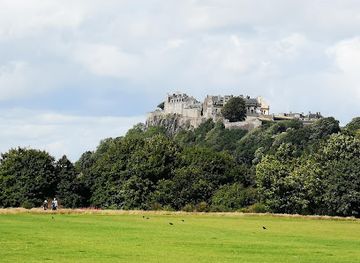
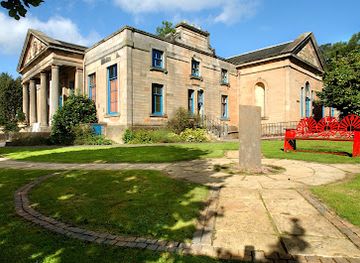
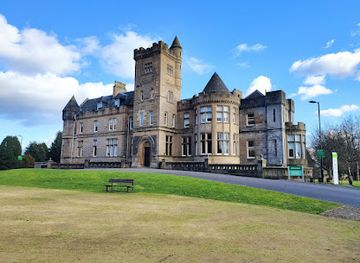
Explore Dumbarton Castle on the Map
A handpicked selection of must-see spots near Dumbarton Castle, mapped for you.
Unlock the Best of Dumbarton Castle
Buy tickets
-
No tickets available
Book tours with entry


Getting There
-
Car
Driving from central Glasgow takes approximately 40 to 50 minutes via the A82 and A814. Parking is available near the castle, but spaces can be limited during peak times. There is a moderate walk uphill to the castle entrance, so plan accordingly.
-
Train and Bus
Take a train from Glasgow Queen Street to Dumbarton Central, which takes about 40 minutes. From the station, local buses or a 20-minute walk will bring you to Dumbarton Castle. Bus services may be less frequent on weekends.
-
Walking
For those staying in Dumbarton town center, walking to the castle takes around 30 minutes. The route includes some uphill sections and uneven terrain, so suitable footwear is recommended.
For the on-the-go comforts that matter to you
-
 Restrooms
-
 Seating Areas
-
 Information Boards
Discover more about Dumbarton Castle
Ancient Origins and Geological Majesty
Dumbarton Castle sits atop Dumbarton Rock, a striking volcanic plug formed approximately 340 million years ago. This basalt outcrop rises 240 feet above the surrounding landscape, dominating the confluence of the River Clyde and River Leven. The rock’s geological formation is a dramatic backdrop to the castle’s long history, making it one of Scotland’s most visually impressive fortresses. The site’s natural defenses and commanding views made it a strategic stronghold for over 1,500 years.Historical Stronghold of the Kingdom of Strathclyde
Originally known as Alt Clut or the Rock of the Clyde, Dumbarton Rock was the capital of the ancient Brittonic Kingdom of Strathclyde. By the 9th century, it was a densely settled fortress town, but suffered a devastating Viking siege lasting 15 weeks before falling in 870 AD. The castle’s medieval phase began in the early 13th century under Alexander II, who built the fortress as a defense against Norwegian incursions. Over centuries, Dumbarton Castle played a pivotal role in Scottish history, including serving as a royal residence, a prison for figures like William Wallace, and a refuge for Mary, Queen of Scots before her exile to France in 1548.Military Architecture and Later Fortifications
The castle’s architecture reflects its evolving military importance. In the 18th century, extensive artillery fortifications were added to defend the River Clyde from naval threats, with Georgian structures such as the Governor’s House providing a residence for the castle’s commanders. These fortifications saw use through the Jacobite uprisings and even into World War II. Today, visitors can explore these well-preserved defenses alongside the remains of medieval walls and towers, gaining insight into centuries of military strategy.Visitor Experience and Panoramic Views
Exploring Dumbarton Castle involves ascending over 500 steps, some steep and narrow, rewarding climbers with breathtaking panoramic views across the Clyde estuary, Loch Lomond, and the Argyll hills. The climb leads to the summit at the White Tower Crag, where the vistas extend to the peak of Ben Lomond on clear days. The Governor’s House features exhibitions and a shop, while information boards throughout the site detail the castle’s rich history. The rugged terrain and historic stairways provide an adventurous experience, though the site is not suitable for visitors with limited mobility.Preservation and Access Considerations
Managed by Historic Environment Scotland, Dumbarton Castle is open seasonally with varying hours, and admission is ticketed with concessions available. The site’s steep and rocky nature means access can be challenging, especially in adverse weather when upper areas may close for safety. Facilities include restrooms and informational displays, but food services are limited, so visitors should plan accordingly. The castle remains a protected historical landmark, preserving Scotland’s heritage and offering a tangible connection to its ancient past.Legacy and Cultural Significance
Dumbarton Castle’s legacy extends beyond its military and royal functions. It was central to the Kingdom of Strathclyde, witnessed Viking raids, and served as a symbol of Scottish resilience through medieval conflicts and wars of independence. Its commanding position and enduring presence have inspired legends and historical narratives, making it a cultural treasure. Today, it stands not only as a monument to Scotland’s turbulent history but also as a scenic destination for those seeking to immerse themselves in the country’s rich heritage and stunning natural beauty.












Your all‑in‑one travel companion app
Explore expert travel guides, compare and book tours, experiences, hotels, and more—all from the palm of your hand. Download now for seamless trip planning wherever your wanderlust takes you.


Explore More of Stirling
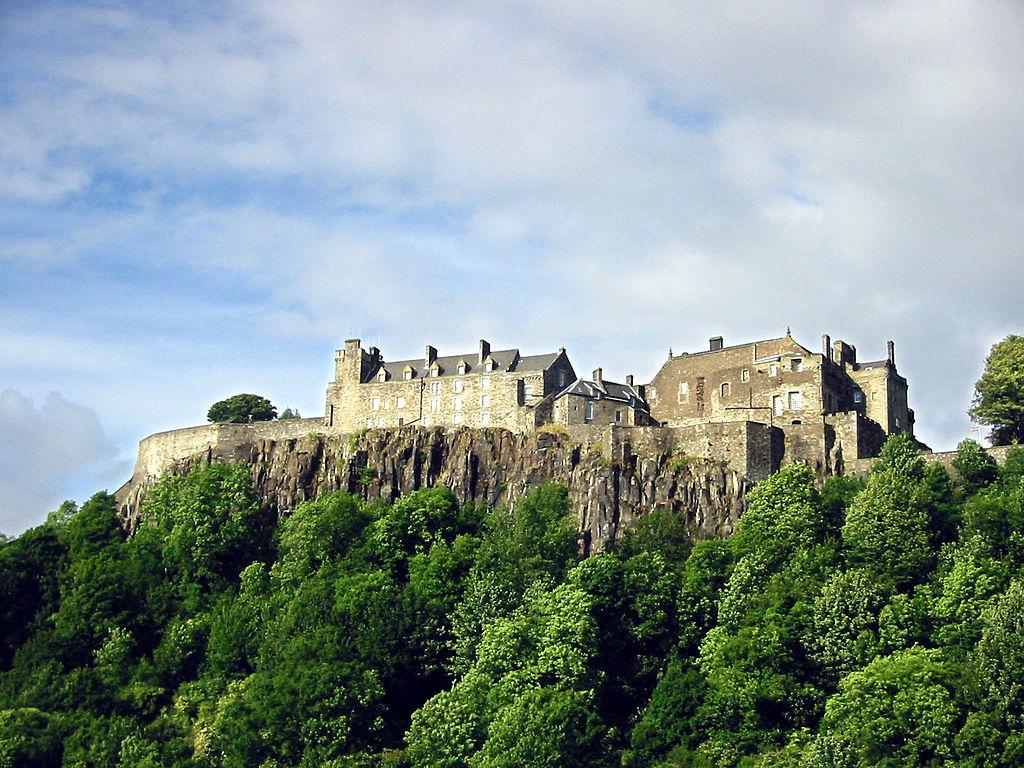
Looking beyond Dumbarton Castle? Discover Stirling for broader travel guides, local hot-spots, and regional highlights.
Explore Stirling