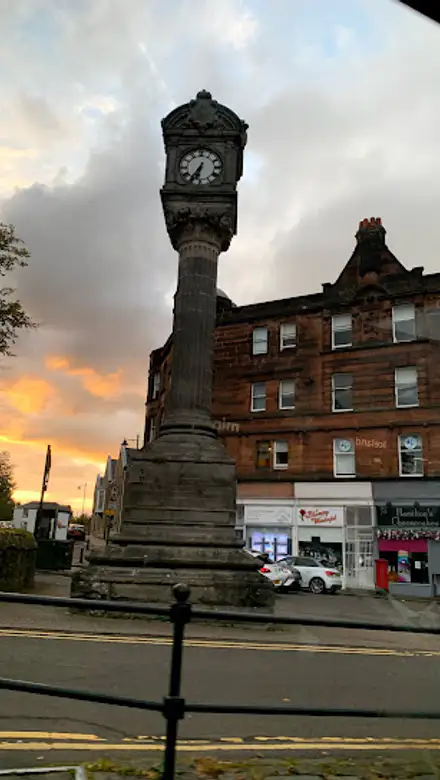
Black Boy, Stirling Travel Guide
Free Guide: A 19th-century cast-iron fountain in Stirling, crowned by a black-painted bronze boy, commemorating victims of the Black Plague on the site of the old Gallous Mailing.


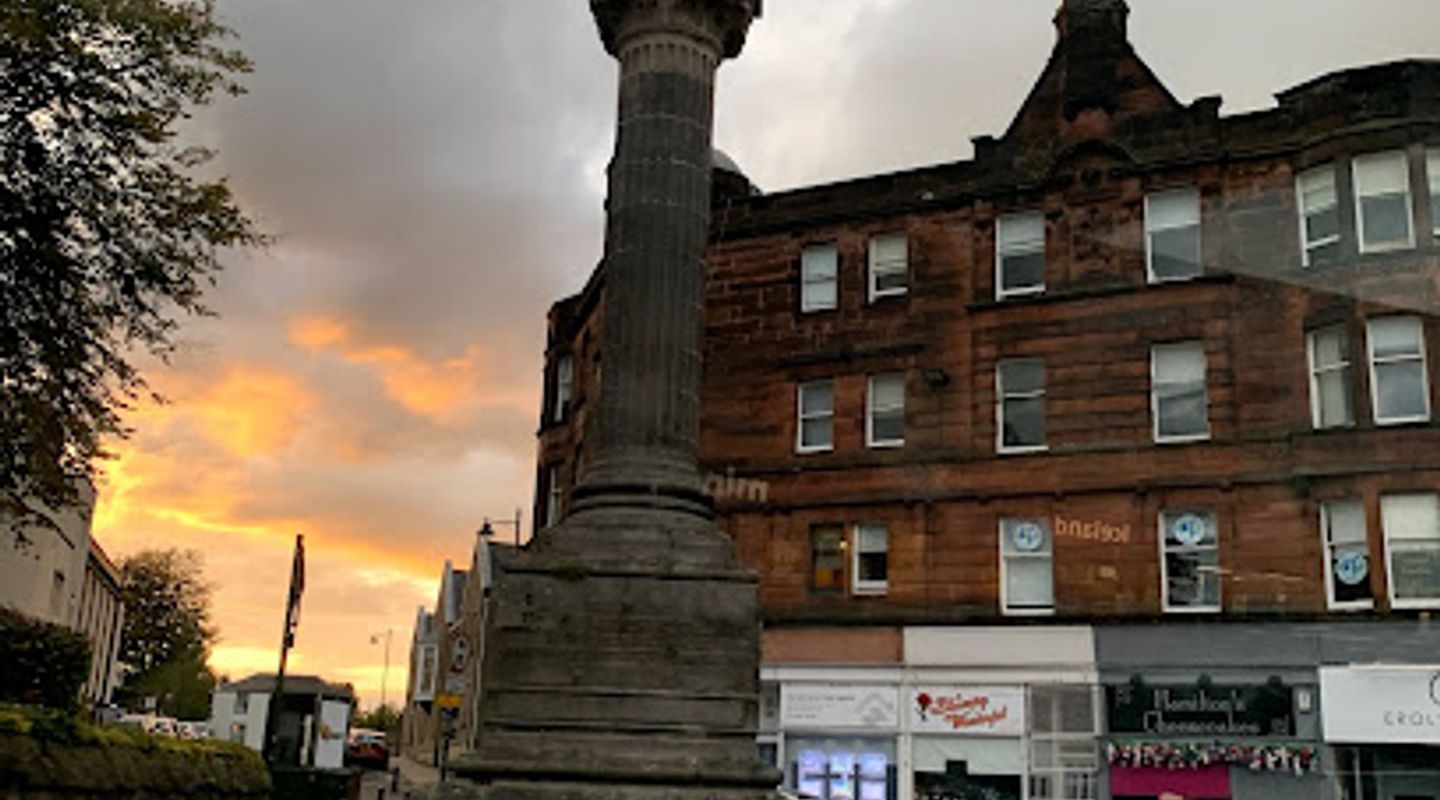
A brief summary of Black Boy
A 19th-century cast-iron fountain in Stirling, crowned by a black-painted bronze boy, commemorating victims of the Black Plague on the site of the old Gallous Mailing.
Standing in the Allan Park area of Stirling, the Black Boy Fountain is a striking 19th-century monument crowned by a black-painted bronze boy holding a floral trumpet. Originally erected to commemorate victims of the Black Plague, it stands on the site of the former Gallous Mailing, once a place of public execution and burial. The fountain’s elegant cast-iron structure and poignant history make it a quiet but memorable landmark in the town’s historic landscape.
On-site amenities
 Seating areas
 Trash bins
 Information boards
- Address
- Stirling FK8 2ND
Getting there
Walking
Public Transport
Taxi
Discover more about Black Boy
A 19th-Century Tribute in Bronze
The Black Boy Fountain is a graceful cast-iron monument from the mid-1800s, manufactured by the Neilson Foundry in Glasgow. Its most distinctive feature is the life-sized bronze sculpture of a young boy, painted black, poised with a floral trumpet. This striking figure gives the fountain its name and has become a familiar sight in Stirling’s Allan Park area. The fountain’s intricate ironwork, with ornamental columns and decorative panels, reflects the craftsmanship of the Victorian era and the importance placed on public memorials during that time.
Commemorating the Black Plague
The fountain was originally erected as a memorial to those from Stirling who died during outbreaks of the Black Plague. This solemn purpose adds a layer of historical depth to what might otherwise be seen as a purely decorative feature. Standing in Mellville Terrace, it serves as a quiet reminder of past epidemics and the resilience of the town’s population. The choice of a young boy as the central figure may symbolise innocence and hope, offering a gentle counterpoint to the grim history of the site.
On the Site of Gallous Mailing
The fountain occupies the location of what was once known as the Gallous Mailing, a place outside the old town walls used for public executions and burials. In the 17th century, this area was a grim but necessary part of Stirling’s civic life, where justice was carried out and the dead laid to rest. Today, the peaceful park setting contrasts sharply with that past, yet the fountain’s presence keeps the memory of this historic site alive in a dignified and artistic way.
A Quiet Corner of Stirling
Situated in a residential area near Stirling’s city centre, the Black Boy Fountain is easily accessible and often discovered by visitors exploring the town on foot. It stands in a small green space, surrounded by trees and nearby homes, creating a calm and reflective atmosphere. While not as grand as Stirling Castle or as bustling as the Old Town, the fountain offers a more intimate encounter with the town’s layered history, appealing to those who enjoy quieter, lesser-known landmarks.
Restoration and Local Identity
The fountain underwent restoration in 1997, ensuring that its delicate ironwork and the central bronze figure would be preserved for future generations. This care reflects the local community’s attachment to the monument as part of Stirling’s heritage. Over time, the Black Boy has become a recognised symbol of the area, blending art, memory, and civic pride in a single, enduring structure.
Evendo Review Centre
 Google
Guest reviews
Best time to go
Quietest: Jan, Feb & Mar · before 3am
Busy times are Evendo estimates for a typical year, to help you plan. Actual crowds vary with events, school holidays and the weather.
Explore Black Boy on the map
A handpicked selection of must-see spots near Black Boy, mapped for you.
Get your free copy of our complete guide to Black Boy, delivered straight to you.
Everything on this page, from opening hours and how to get there to Eve’s tips and the best time to go, in one PDF you can read offline, print or share.
Already have an account? Sign in
Your Black Boy guide is ready.
We'll send it to · Not you? Sign out

Getting your guide ready…
We are putting together a fresh copy of the Black Boy guide. This can take up to a minute.
This can take a few moments. If your browser asks, choose Allow so the download can start. You'll find the guide in your Downloads folder.
Nothing happened? Download it again
Sorry, the guide is taking longer than usual. Please try again in a minute, or get it by email instead.
Other nearby places you may find interesting
The closest places of the same kind, if this one is not quite what you had in mind.
-
-
-
-
-


Swipe for more places
More to explore near Black Boy

 Best experiences near Black Boy
 Best hotels near Black Boy
 Best landmarks near Black Boy
 Best attractions near Black Boy
 Best shops near Black Boy
 Best restaurants near Black Boy
 Best bars near Black Boy
Do you manage this location?
Take control to get all the benefits, like improved information, better appearance, and stronger visibility across AI-powered discovery.
Explore more

Explore more of Stirling
Discover Stirling: A city where history comes alive amidst stunning landscapes and cultural richness in the heart of Scotland.
Explore Stirling
Explore more of United Kingdom
Discover the United Kingdom: A blend of rich history, stunning landscapes, and vibrant cities, offering a unique travel experience for every visitor.
Explore United Kingdom