

The Atheneum, Stirlingshire Travel Guide
A classical 19th-century landmark in Stirling, blending history, culture, and civic heritage at the heart of King Street.
The Atheneum in Stirling, Scotland, is a distinguished historic building dating back to 1817. Originally established as a private library and meeting place for the town’s wealthier citizens, it features classical architecture by William Stirling I and stands on the site of a former meat market. Over time, it has served as a cultural, civic, and social landmark, including use as municipal offices. Its iconic presence at the top of King Street is marked by a notable statue of William Wallace, symbolizing Stirling’s rich heritage.
A brief summary to The Atheneum
- 2 Spittal St, Stirling, FK8 1DU, GB
- Duration: 0.5 to 1.5 hours
- Free
-
 Outdoor
- Mobile reception: 4 out of 5

Know before you go
Hi, I'm Eve. Here are a few practical things to know before exploring The Atheneum.
- Visit the William Wallace statue beside the entrance for a striking photo opportunity and a glimpse into Scotland’s heroic past.
- Explore the surrounding Top of the Town area to appreciate Stirling’s historic streetscape and vernacular architecture.
- Check local heritage trust events for occasional public access or guided tours that provide deeper insights into the Atheneum’s history.
Do you manage this location?
Take control to get all the benefits, like improved information, better appearance, and stronger visibility across AI-powered discovery. Learn more about listing your business on Evendo
Activate your presenceOther nearby places you may find interesting
The closest places of the same kind, if this one is not quite what you had in mind.
Explore The Atheneum on the Map
A handpicked selection of must-see spots near The Atheneum, mapped for you.
Getting There
-
Bus
Take local bus services from Stirling Bus Station to King Street, with a journey time of approximately 10-15 minutes. Buses run frequently, but check schedules for evening and weekend service. Tickets cost around £2-£4.
-
Train and Walk
Arrive at Stirling Railway Station, then enjoy a 15-20 minute walk through the historic town center to reach the Atheneum. The walk is on paved streets with some gentle inclines and is accessible for most travelers.
-
Car
Driving to the Atheneum is possible with nearby public parking options. Expect a 5-10 minute drive from Stirling outskirts. Parking fees vary but typically range from £1 to £3 per hour. Note that King Street is pedestrian-friendly, so park nearby and walk.
For the on-the-go comforts that matter to you
-
 Seating Areas
-
 Information Boards
Discover more about The Atheneum
A Classical Beacon of Learning and Society
The Atheneum was designed by architect William Stirling I of Dunblane and constructed in 1817 on the site of Stirling’s former meat market. It opened as a private library and meeting rooms catering to the town’s wealthier inhabitants, providing a refined space for reading, discussion, and social gatherings. The building originally included a ground floor shop, blending commercial and cultural functions. Membership was subscription-based, though non-members could access the library free for a limited time, reflecting its role as a community intellectual hub.Architectural and Historical Significance
The building exemplifies classical architectural style, characteristic of early 19th-century gentlemen’s clubs. Its dignified façade and elegant proportions convey the social aspirations of Stirling’s merchant class. In 1859, a statue of local hero William Wallace by renowned sculptor Handyside Ritchie was installed alongside the porch, enhancing its cultural symbolism. The Atheneum’s Grade A listed status today recognizes its architectural and historic importance within the fabric of Stirling’s Old Town.Evolution Through Civic Use
By the late 19th century, the Atheneum transitioned from a private library to serve municipal functions, becoming offices for the Burgh Council from 1875. This shift highlights the building’s adaptability and continued centrality to Stirling’s public life. Throughout its history, the Atheneum has remained a prominent landmark at the top of King Street, anchoring the historic Top of the Town area, known for its heritage buildings and urban character.Setting Within Stirling’s Historic Core
Situated at the head of King Street, the Atheneum forms part of Stirling’s Top of the Town, a district shaped by centuries of social and economic change. This area was historically home to nobles and merchants, and later underwent redevelopment in the mid-20th century to preserve its vernacular architectural charm. The Atheneum’s presence complements nearby historic streets and buildings, making it a key feature of Stirling’s heritage landscape.Cultural Legacy and Visitor Experience
Visitors to the Atheneum can appreciate not only its architectural grace but also its embodiment of Stirling’s intellectual and civic traditions. The William Wallace statue adds a heroic narrative dimension, linking the building to Scotland’s national identity. Though no longer functioning as a library, the Atheneum remains a symbol of learning, culture, and community continuity in Stirling.Preservation and Contemporary Relevance
Today, the Atheneum stands protected as a historic landmark, valued for its contribution to Stirling’s architectural heritage and urban story. Its classical elegance and storied past invite reflection on the evolution of public spaces and cultural institutions in Scottish towns. The building’s enduring presence enriches Stirling’s historic environment and offers a tangible connection to the town’s 19th-century social fabric.












Your all‑in‑one travel companion app
Explore expert travel guides, compare and book tours, experiences, hotels, and more—all from the palm of your hand. Download now for seamless trip planning wherever your wanderlust takes you.


Explore More of Stirlingshire
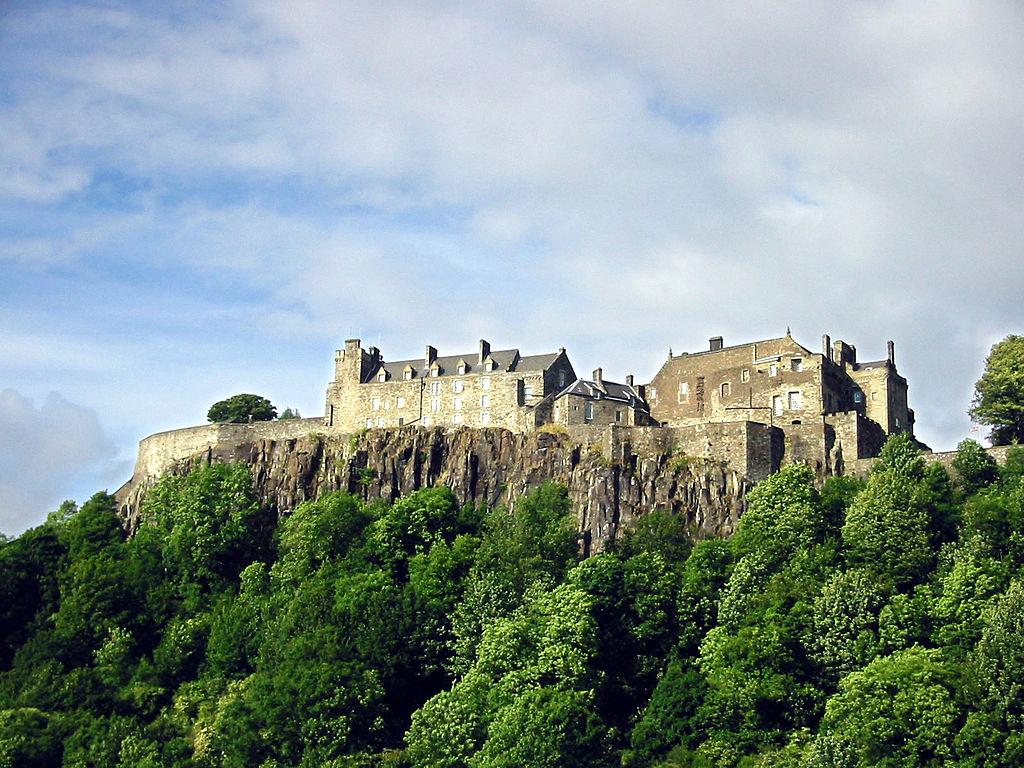
Looking beyond The Atheneum? Discover Stirlingshire for broader travel guides, local hot-spots, and regional highlights.
Explore Stirlingshire
A friendly local convenience store at the heart of Stirling’s historic Broad Street, offering excellent value and essential goods daily.

A distinguished 19th-century landmark in Stirling, The Atheneum embodies classical architecture and civic heritage as a former library and municipal office.
