

The Star Pyramid, Stirling Travel Guide
Free Guide: A striking Victorian pyramid honouring Scottish Presbyterian heritage within an ornamental 19th-century cemetery.


A brief summary of The Star Pyramid
A striking Victorian pyramid honouring Scottish Presbyterian heritage within an ornamental 19th-century cemetery.
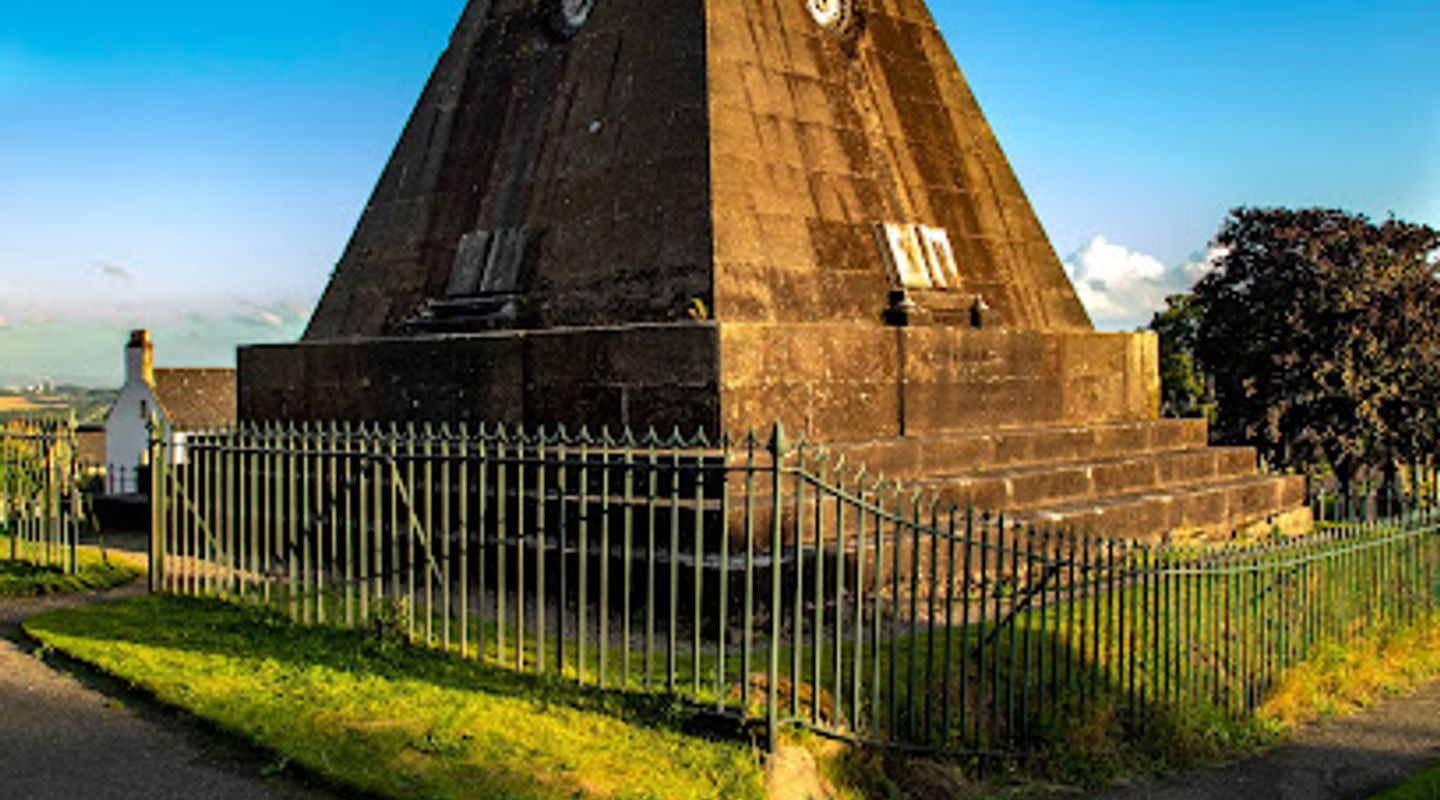
The Star Pyramid stands as a striking Victorian monument within Valley Cemetery, Stirling, dedicated in 1863 to commemorate the development of the Presbyterian Church in Scotland. This distinctive pyramid structure, surrounded by statues of Presbyterian heroes and heroines, serves as a focal point within the ornamental 'gardenesque' cemetery landscape. Designed by philanthropist William Drummond, who funded both the pyramid and surrounding statuary, it remains a testament to 19th-century memorial architecture and religious heritage. The monument is accessible via the cemetery's tree-lined paths and offers visitors insight into Victorian burial practices and Scottish ecclesiastical history.
On-site amenities
 Restrooms
 Seating areas
 Information boards
Opening hours
- Every dayOpen 24 hours
Opening hours as listed on the venue’s Google Business Profile. Hours can change for services and special events, so check with the venue before you go.
- Address
- Valley Lane Cemetery Rd, Stirling FK8 1EG
- Website
Getting there
Bus from Stirling Town Centre
Walking from Stirling Castle
Driving and Parking
Taxi from Stirling Town Centre
Discover more about The Star Pyramid
A Monument to Presbyterian Heritage
The Star Pyramid was dedicated in 1863 within Valley Cemetery, serving as a monumental tribute to the Presbyterian Church in Scotland. The pyramid form itself held deep symbolic meaning during the Victorian era, representing stability and endurance—qualities the designers sought to associate with the faith it commemorated. The inscriptions carved into the monument reference key moments in the development of Presbyterian Churches across Scotland, making it both a burial marker and an educational landmark. Funded by William Drummond, a prominent nurseryman and philanthropist, the pyramid reflects the ambitions of mid-19th-century Stirling to create spaces that honoured both the dead and Scotland's religious identity.
The Visionary Design of Valley Cemetery
The Star Pyramid sits within Valley Cemetery, which opened in 1857-58 as an urgent response to overcrowding at the medieval Holy Rude Kirkyard. By the 1850s, Stirling's population had grown so dramatically that older graves were regularly disturbed to make room for new burials. The cemetery was designed by the architectural firm Peddie & Kinnear and quickly extended into the adjacent Mar's Wark Garden. Unlike purely functional burial grounds, Valley Cemetery was conceived as an ornamental landscape in the 'gardenesque' style—characterised by copious tree planting, enclosure from the surrounding world, and decorative features including statuary, pools, and fountains. Each grave was allocated carriage access and designed for single use only, a revolutionary improvement in burial practice and dignity.
A Tourist Destination and Educational Space
The cemetery served purposes far beyond burial. Following the arrival of the railway to Stirling in 1849, tourism to the town increased significantly, with Stirling Castle as the primary attraction. The cemetery's pathways were deliberately linked to the castle and to main tourist walkways such as the old Back Walk, providing visitors with an alternative cultural experience. The statues of Presbyterian heroes and heroines, including those surrounding the Star Pyramid in an area known as Pithy Mary (formerly the Drummond Pleasure Ground), added an 'educational' and 'improving' dimension to the landscape. An ornamental drinking fountain supplied water to visitors, and for a period, cemetery guides were employed to explain the main points of interest, transforming the burial ground into a destination in its own right.
Victorian Symbolism and Craftsmanship
The pyramid structure reflects Victorian fascination with Egyptian Revival aesthetics and the symbolic language of monuments. The pyramid's geometric perfection and monumental scale made it visible from considerable distances, including from Stirling Castle's parking areas, ensuring its prominence within the cemetery landscape. The careful placement of statuary around the base created a sacred precinct within the broader cemetery, distinguishing it as a space of particular significance. The inscriptions and sculptural details demonstrate the high quality of craftsmanship typical of Victorian memorial work, with attention paid to both artistic merit and legibility for future generations.
The Broader Context of Stirling's Burial Grounds
The Star Pyramid's presence within Valley Cemetery marks an important chapter in Stirling's urban development. As the cemetery neared capacity by 1888, Ballengeich Cemetery was established to accommodate continued population growth. However, Valley Cemetery retained its status as the most ornamental and prestigious burial ground, reserved for those of means who could afford high-quality gravestones and monuments. The contrast between Valley Cemetery's elaborate design and the plainer, more practical layout of later cemeteries reflects changing attitudes toward burial and commemoration. The Star Pyramid, as the cemetery's most distinctive feature, embodies the Victorian belief that monuments could simultaneously serve as memorials, educational tools, and aesthetic enhancements to the urban landscape.
Evendo Review Centre
 Google
Guest reviews
Best time to go
Quietest: Jan, Feb & Dec · before 7am or at 8pm
Busy times are Evendo estimates for a typical year, to help you plan. Actual crowds vary with events, school holidays and the weather.
Explore The Star Pyramid on the map
A handpicked selection of must-see spots near The Star Pyramid, mapped for you.
Get your free copy of our complete guide to The Star Pyramid, delivered straight to you.
Everything on this page, from opening hours and how to get there to Eve’s tips and the best time to go, in one PDF you can read offline, print or share.
Already have an account? Sign in
Your The Star Pyramid guide is ready.
We'll send it to · Not you? Sign out

Getting your guide ready…
We are putting together a fresh copy of the The Star Pyramid guide. This can take up to a minute.
This can take a few moments. If your browser asks, choose Allow so the download can start. You'll find the guide in your Downloads folder.
Nothing happened? Download it again
Sorry, the guide is taking longer than usual. Please try again in a minute, or get it by email instead.
Unlock the best of The Star Pyramid
Skip-the-line tickets, guided tours with entry, and walking tours of the area, booked in a few clicks.

Other nearby places you may find interesting
The closest places of the same kind, if this one is not quite what you had in mind.
-
-
-
-
-


Swipe for more places
More to explore near The Star Pyramid

 Best experiences near The Star Pyramid

 Best hotels near The Star Pyramid

 Best landmarks near The Star Pyramid

 Best attractions near The Star Pyramid

 Best shops near The Star Pyramid

 Best restaurants near The Star Pyramid

 Best bars near The Star Pyramid
Do you manage this location?
Take control to get all the benefits, like improved information, better appearance, and stronger visibility across AI-powered discovery.
Explore more

Explore more of Stirling
Discover Stirling: A city where history comes alive amidst stunning landscapes and cultural richness in the heart of Scotland.
Explore Stirling
Explore more of United Kingdom
Discover the United Kingdom: A blend of rich history, stunning landscapes, and vibrant cities, offering a unique travel experience for every visitor.
Explore United Kingdom
