The Statues Travel Guide
Free Guide: Historic statues in Stirling celebrating Scotland’s heroes and cultural legends, set amidst a rich urban heritage landscape.


A brief summary of The Statues
Historic statues in Stirling celebrating Scotland’s heroes and cultural legends, set amidst a rich urban heritage landscape.
The Statues in Stirling, located at 43C3+GM, are a captivating historical landmark featuring prominent sculptures that celebrate Scotland’s rich cultural heritage. Among them are statues of iconic figures such as William Wallace, Rob Roy MacGregor, and Robert Burns, each commemorating their significant roles in Scottish history. These statues are set within the vibrant cityscape of Stirling, offering visitors a profound connection to Scotland’s past and its enduring legends.
On-site amenities
 Seating areas
 Information boards
 Restrooms
 Drink options
 Food options
- Address
- 43C3+GM, Stirling FK8 1EG
Getting there
Bus
Walking
Taxi
Discover more about The Statues
Monuments Celebrating Scotland’s Legendary Figures
The Statues in Stirling stand as a tribute to some of Scotland’s most revered historical and cultural icons. Among these is the statue of William Wallace, created by renowned sculptor Handyside Ritchie in 1859, prominently positioned above the portico of the Athenaeum. Wallace’s legacy as a national hero is further echoed by the nearby National Wallace Monument, a towering Gothic structure commemorating his victory at the Battle of Stirling Bridge. Alongside Wallace, the statue of Rob Roy MacGregor captures the spirit of the notorious Scottish outlaw and folk hero, immortalized in bronze and granite with reliefs depicting scenes from Robert Burns’s poetry. These statues collectively narrate tales of bravery, rebellion, and cultural pride that have shaped Scotland’s identity.
Artistry and Symbolism in Sculpture
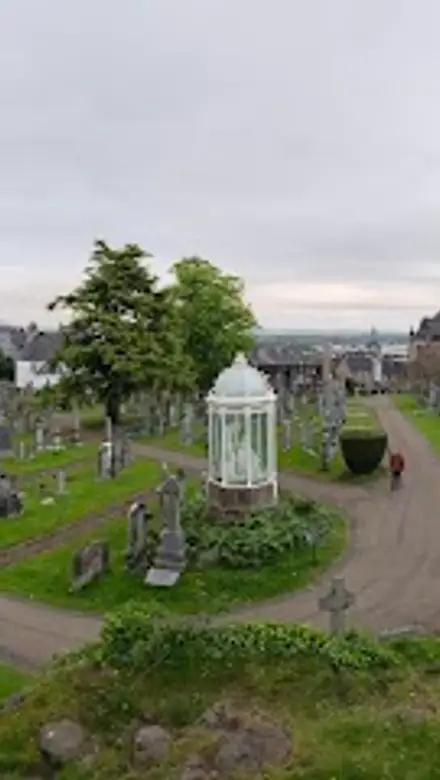
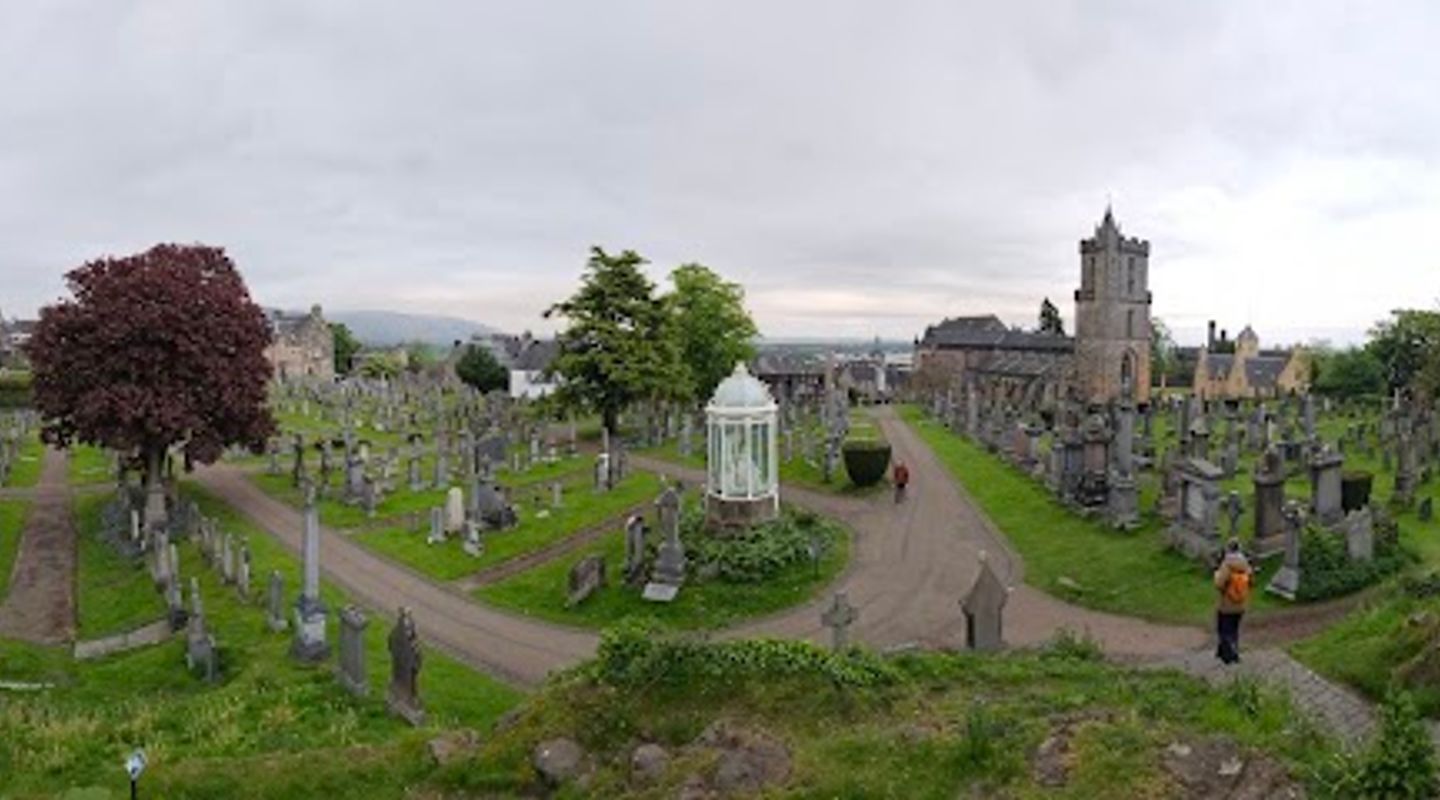
The statues are masterpieces of Victorian-era sculpture, blending artistic excellence with deep historical symbolism. Handyside Ritchie’s work on the William Wallace statue exemplifies the era’s dedication to heroic realism, while the Rob Roy statue features intricate bronze reliefs that highlight key moments from Scottish literature and folklore. The statues are not only commemorative but also artistic landmarks, with detailed craftsmanship such as the marble lamb originally at the feet of one statue, symbolizing innocence and sacrifice. The protective cast iron and glass cupola over the Wigtown Martyrs statue, designed by John Thomas Rochead, adds architectural distinction and preserves the monument’s delicate features.
Historical Context and Cultural Significance
These statues are deeply embedded in Stirling’s historical landscape, reflecting the city’s role as a focal point of Scottish national pride and resistance. William Wallace’s association with Stirling is cemented by his leadership during the Wars of Scottish Independence, and the statues serve as tangible reminders of his enduring influence. Rob Roy’s statue recalls the turbulent Jacobite era and the romanticized Highland rogue’s life, while the presence of Robert Burns’s statue connects Stirling to Scotland’s rich literary tradition. The monuments collectively celebrate the complex narratives of Scotland’s past, from rebellion and martyrdom to cultural renaissance.
Setting and Visitor Experience
Situated within Stirling’s historic urban fabric, the statues are easily accessible and form part of a rich cultural itinerary that includes Stirling Castle, the Old Town Jail, and the Smith Art Gallery & Museum. The area around the statues offers scenic views and a contemplative atmosphere, inviting visitors to reflect on Scotland’s heritage. The blend of historic architecture and public art creates a vibrant cultural space where history is both preserved and actively engaged with. The statues are a focal point for cultural events and heritage walks, enhancing their role as living symbols of Scottish identity.
Preservation and Legacy
The statues have been carefully maintained and restored to preserve their historical integrity and artistic detail. The protective cupola over the Wigtown Martyrs statue, added in 1867, exemplifies efforts to shield these monuments from the elements. Restoration projects have ensured that the bronze and marble features remain vivid, allowing future generations to appreciate their craftsmanship. These statues continue to inspire pride and curiosity, serving as educational tools and cultural landmarks that connect locals and visitors alike to Scotland’s storied past.
Broader Cultural Connections
Beyond their immediate historical significance, the statues link Stirling to wider Scottish cultural themes such as national identity, literary heritage, and the struggle for religious and political freedom. They complement nearby attractions like the National Wallace Monument and the King’s Knot, creating a cohesive narrative of Scotland’s evolution. Visitors exploring these statues gain insight into the multifaceted history of Scotland, from medieval battles to Enlightenment poetry, enriching their understanding of the nation’s enduring spirit.
Evendo Review Centre
 Google
Guest reviews
Best time to go
Quietest: Jan, Feb & Dec · before 5am
Busy times are Evendo estimates for a typical year, to help you plan. Actual crowds vary with events, school holidays and the weather.
Explore The Statues on the map
A handpicked selection of must-see spots near The Statues, mapped for you.
Get your free copy of our complete guide to The Statues, delivered straight to you.
Everything on this page, from opening hours and how to get there to Eve’s tips and the best time to go, in one PDF you can read offline, print or share.
Already have an account? Sign in
Your The Statues guide is ready.
We'll send it to · Not you? Sign out

Getting your guide ready…
We are putting together a fresh copy of the The Statues guide. This can take up to a minute.
This can take a few moments. If your browser asks, choose Allow so the download can start. You'll find the guide in your Downloads folder.
Nothing happened? Download it again
Sorry, the guide is taking longer than usual. Please try again in a minute, or get it by email instead.
Other nearby places you may find interesting
The closest places of the same kind, if this one is not quite what you had in mind.
-
-
-
-
-


Swipe for more places
More to explore near The Statues

 Best experiences near The Statues
 Best hotels near The Statues
 Best landmarks near The Statues
 Best attractions near The Statues
 Best shops near The Statues
 Best restaurants near The Statues
 Best bars near The Statues
Do you manage this location?
Take control to get all the benefits, like improved information, better appearance, and stronger visibility across AI-powered discovery.
Explore more

Explore more of Stirlingshire
Discover Stirlingshire: A historic gem in central Scotland, where ancient castles, scenic landscapes, and vibrant culture unite to create an unforgettable travel experience.
Explore Stirlingshire
Explore more of United Kingdom
Discover the United Kingdom: A blend of rich history, stunning landscapes, and vibrant cities, offering a unique travel experience for every visitor.
Explore United Kingdom