
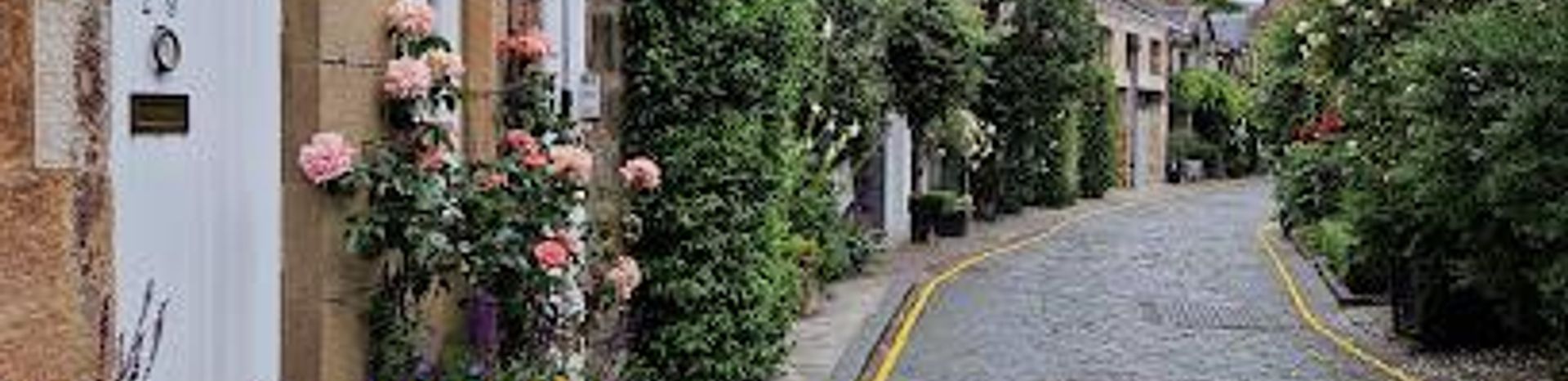
Circus Lane
Edinburgh's most photographed mews lane—a fairy-tale cobbled street where Georgian history meets Instagram dreams.
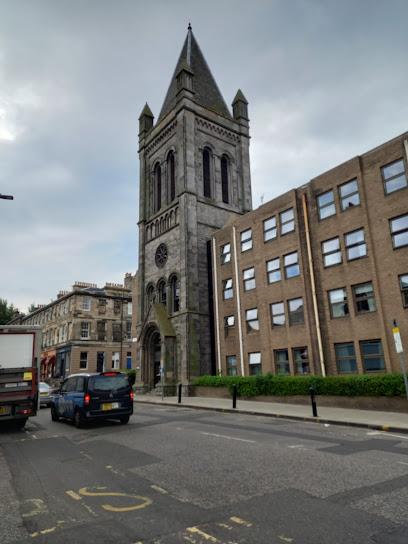
Circus Lane is a picturesque cobbled mews street in Edinburgh's Stockbridge neighbourhood, famous for its colourful flower-adorned terraced houses and Instagram-worthy charm. Originally built in the early 1800s as stables and service quarters for wealthy New Town residents, the lane has been transformed into a beloved residential street lined with vibrant hanging baskets and planters. The lane's distinctive character, combined with views of the imposing St Stephen's Church tower at its end, makes it one of Edinburgh's most photographed locations.
A brief summary to Circus Lane
- 29 Circus Ln, Edinburgh, EH3 6SU, GB
- Visit website
- Duration: 0.25 to 1 hours
- Free
-
 Outdoor
- Mobile reception: 5 out of 5
Local tips
- Visit during weekday mornings or early afternoons to avoid peak crowds and capture photographs with fewer tourists in the frame. Weekends and late afternoons draw significantly larger numbers of visitors.
- Position yourself on the gentle curve of the lane with St Stephen's Church tower visible in the background for the most photogenic composition. The angle captures the cobbles, flower boxes, historic buildings, and church spire in one frame.
- Remember that Circus Lane is a private residential street. Be respectful of residents' privacy, keep noise to a minimum, and avoid blocking doorways or lingering unnecessarily on their properties.
- Combine your visit with nearby attractions such as Dean Village, the Water of Leith walkway, and the Scottish National Gallery of Modern Art to create a fuller exploration of this neighbourhood.
- The flower boxes are most vibrant during spring and summer months (May through September). Winter visits offer a different aesthetic with bare ivy and evergreen plantings, but fewer blooms.

For the on-the-go comforts that matter to you
- Food Options
- Drink Options
- Seating Areas
- Information Boards
Getting There
-
Walking from Stockbridge
From Stockbridge High Street, head along Kerr Street and turn left onto Circus Lane. The walk takes approximately 5–10 minutes depending on your starting point within Stockbridge. The route is flat and straightforward, suitable for all mobility levels. No parking is required as the lane itself is pedestrian-focused, though street parking is available on surrounding streets.
-
Public Transport from City Centre
From Edinburgh Waverley Station, take bus route 24, 29, or 42 heading north toward Stockbridge. Journey time is approximately 10–15 minutes. Alight at the Stockbridge stop and walk 3–5 minutes to Circus Lane via Kerr Street. Buses run frequently throughout the day (every 10–15 minutes during peak hours). Single journey fare is approximately £1.80–£2.00 GBP.
-
Walking from Edinburgh Waverley Station
A scenic 25–30 minute walk through the city centre. Head north through Queen Street Gardens, continue onto George Street, then navigate toward Stockbridge via the New Town streets. The route is entirely on paved pavements with gradual elevation changes. This walk allows you to experience Edinburgh's Georgian architecture and passes through pleasant residential neighbourhoods.
-
Taxi or Ride-Share
From the city centre, a taxi journey to Circus Lane takes approximately 10–15 minutes depending on traffic. Typical fare from Waverley Station is £12–£18 GBP. Ride-share services operate throughout Edinburgh with similar journey times and comparable pricing. The lane itself has no dedicated drop-off point, so arrange collection on nearby St Stephen Street or Kerr Street.
Circus Lane location weather suitability
-
 Any Weather
-
 Clear Skies
-
 Mild Temperatures
Discover more about Circus Lane
A Mews Lane Born from Georgian Grandeur
Circus Lane emerged during the second phase of Edinburgh's New Town expansion between 1800 and 1830, when the city's affluent residents sought to escape the crowded Old Town. The lane was purpose-built as a service street behind the grand Royal Circus, a sweeping Georgian circle of imposing terraced mansions designed by William Henry Playfair. These substantial four to five-storey homes housed Edinburgh's wealthiest families, who employed servants, kept horses and carriages, and required dedicated infrastructure to support their lifestyles. Circus Lane provided exactly that—a hidden world of stables, carriage houses, and modest cottages where the working classes lived in service to the elite residents just one street away.From Servants' Quarters to Cherished Residences
The architectural remnants of Circus Lane's functional past remain visible today. The colourful garages lining the lane were once stables where horses were housed and groomed. Census records from 1891 reveal the lane's diverse population: cab proprietors, cab drivers, a widow, a teacher, a general merchant, a confectioner, and others who formed a microcosm of working-class Edinburgh society. Throughout the 19th century, the lane gradually transformed as these service buildings were converted into independent residences. By the mid-20th century, Circus Lane had become a sought-after address for artists, writers, and creative professionals who appreciated its character and community spirit. The lane's residents undertook a remarkable collective effort to preserve and enhance their environment, replacing utilitarian 1950s concrete lampposts with elegant Georgian-style lanterns—a project funded half by residents and half by the local council, with contributions scaled according to means.The Internet's Most Beautiful Street
Circus Lane's transformation into an international phenomenon began quietly but accelerated dramatically with the rise of social media. By 2010, the lane had been voted "The Most Beautiful Street in Edinburgh" online and became the subject of its own dedicated internet presence. Today, it ranks among Scotland's most photographed locations, attracting visitors from across the globe who come specifically to capture its fairy-tale aesthetic. The lane's appeal lies in the harmonious interplay of its cobbled surface, Georgian-era stone buildings, and the explosion of colour provided by carefully tended flower boxes, hanging baskets, and climbing ivy that soften the historic architecture. The view down the lane, framed by the dramatic 49-metre tower of St Stephen's Church at its terminus, creates a composition so visually perfect it resembles a film set rather than an actual residential street.Conservation and Community Pride
Recognising the lane's cultural significance, Edinburgh granted Circus Lane full conservation status, a designation that protects its character and prevents inappropriate alterations. This formal recognition reflects the residents' successful advocacy for their neighbourhood and represents a broader shift toward community-led urban planning. The conservation status ensures that the visual harmony achieved through decades of collective effort—from the consistent palette of door colours to the maintained period details—remains preserved for future generations. The lane stands as a testament to what can be achieved when residents take pride in their surroundings and work collaboratively with local authorities to enhance their environment.St Stephen's Church: The Architectural Anchor
At the lane's northern end stands St Stephen's Church, an A-listed building completed in 1827–1828 and designed by the renowned architect William Henry Playfair. The church's distinctive tower rises 49 metres and houses what is reportedly the longest clock pendulum in Europe—a remarkable engineering achievement that adds both visual drama and historical significance to the lane's composition. No longer functioning as a place of worship, St Stephen's has been reimagined as a vibrant community arts venue and theatre space, home to the Edinburgh Festival Ballet and the MGA Academy theatre school. The church hosts performances during the Edinburgh Festival Fringe and other cultural events, ensuring that the building remains an active part of the neighbourhood's creative life.A Living, Breathing Community
Despite its fame as a photography destination, Circus Lane remains fundamentally a residential street where people live their daily lives. The residents have navigated the tension between preserving their home's privacy and welcoming the thousands of visitors who arrive each year seeking the perfect photograph. The lane's enduring appeal stems not merely from its aesthetic qualities but from the authentic community spirit that residents have cultivated and maintained. Walking through Circus Lane today, one encounters not just a pretty street but a living example of how historic character, collective stewardship, and genuine community can coexist with modern urban life.Iconic landmarks you can’t miss

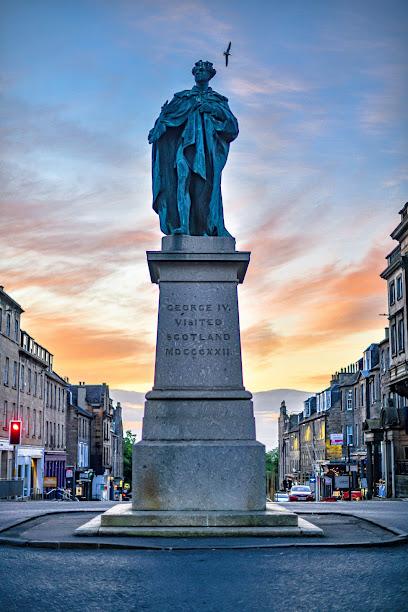
Statue of King George Ⅳ
0.7 km
A regal bronze tribute to King George IV’s historic 1822 visit, standing proudly at Edinburgh’s vibrant Hanover and George Street intersection.
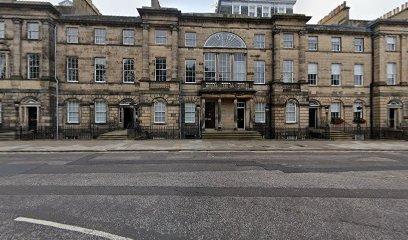
15 Charlotte Square
0.7 km
Elegant Georgian townhouse in Edinburgh’s historic Charlotte Square, blending architectural grandeur with rich cultural heritage.
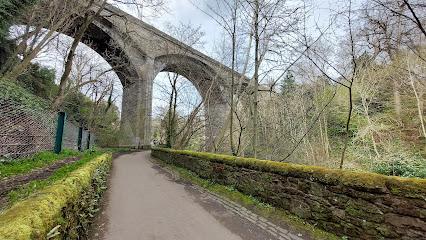
The Dean Bridge
0.8 km
A soaring 19th-century stone bridge by Thomas Telford, linking Edinburgh’s New Town with the scenic Water of Leith valley.
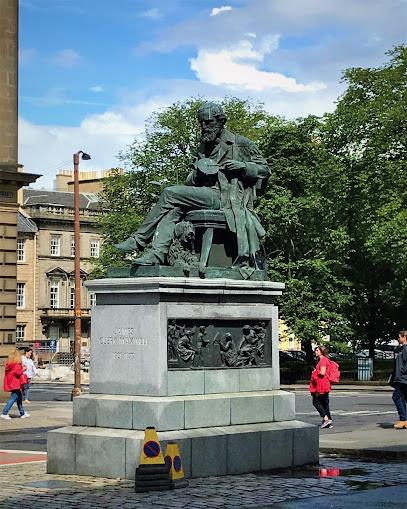
James Clerk Maxwell Statue
0.8 km
Celebrate the legacy of James Clerk Maxwell, the father of modern physics, with this evocative statue in Edinburgh’s historic New Town.
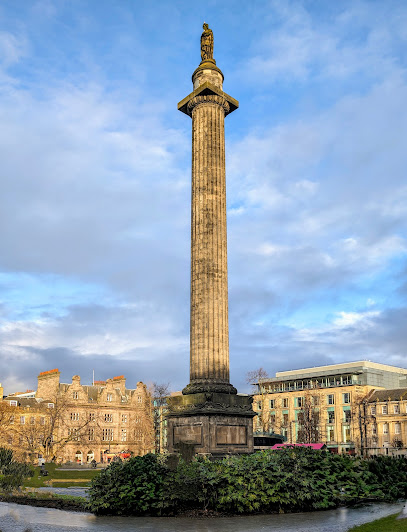
Melville Monument
0.9 km
A towering neoclassical column in Edinburgh’s New Town, commemorating Henry Dundas with rich history and architectural grandeur.
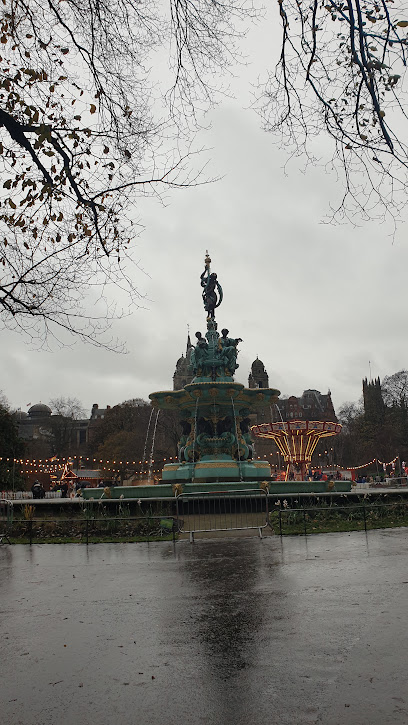
Robert Louis Stevenson Memorial
0.9 km
A modest stone tribute nestled in Edinburgh’s Princes Street Gardens celebrating the enduring legacy of Robert Louis Stevenson.
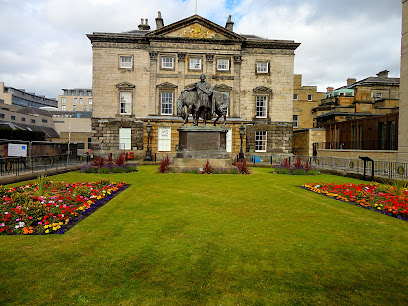
Earl of Hopetoun Statue
0.9 km
A distinguished bronze statue honoring John Hope, 4th Earl of Hopetoun, set amidst the elegant Georgian surroundings of Edinburgh’s St Andrew Square.
St Margaret's Chapel
1.1 km
Experience the tranquility of St Margaret's Chapel, the oldest chapel in Edinburgh, nestled within the historic Edinburgh Castle, a spiritual gem for every traveler.
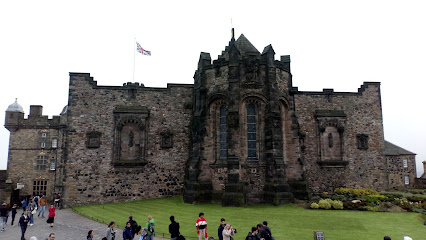
The Mound & Mound Place
1.1 km
Historic artificial slope linking Edinburgh’s Old and New Towns, home to iconic galleries, grand architecture, and vibrant cultural life.
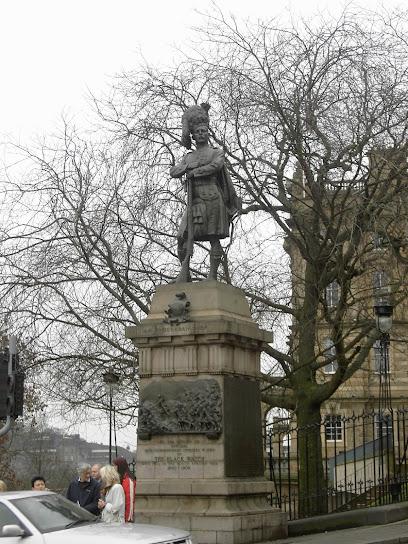
Waverley Steps
1.1 km
Discover Waverley Steps in Edinburgh, a historic staircase linking the Old and New Towns, offering stunning views and a glimpse into the city's rich heritage.
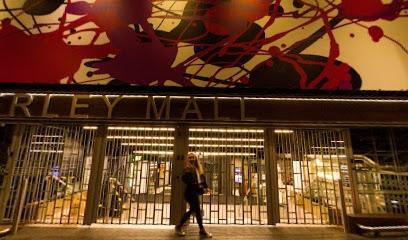
Edinburgh Castle
1.1 km
Explore the iconic Edinburgh Castle, a symbol of Scotland's heritage with stunning views, rich history, and cultural treasures.
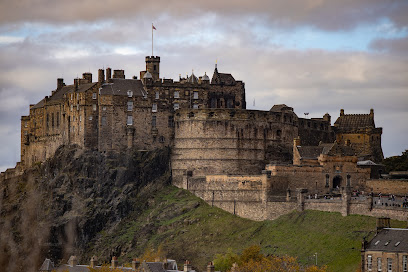
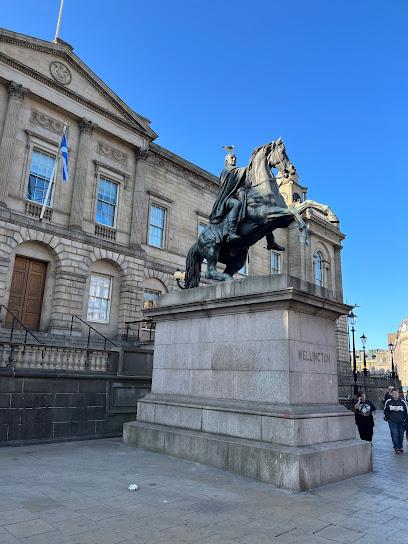
Duke of Wellington Equestrian statue
1.1 km
Historic bronze statue of the Duke of Wellington on horseback, a commanding symbol of British military triumph in the heart of Edinburgh.
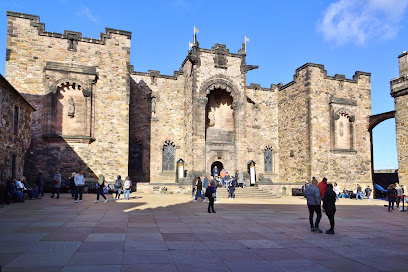
Scottish National War Memorial
1.1 km
Explore the Scottish National War Memorial, a poignant tribute within Edinburgh Castle honoring the valor and sacrifice of Scottish soldiers across history.
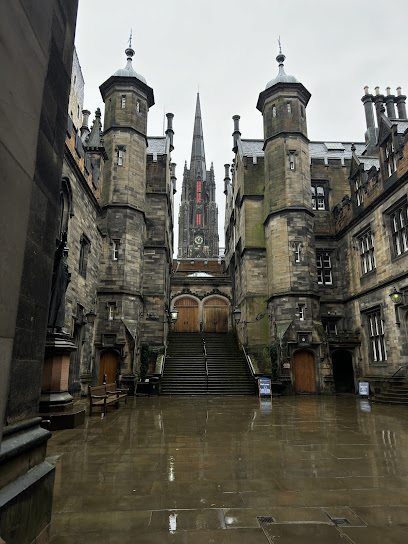
John Knox Monument
1.1 km
Explore the historic John Knox Monument, a stunning tribute to the Scottish Reformer, offering breathtaking views and a glimpse into Scotland's rich religious history.
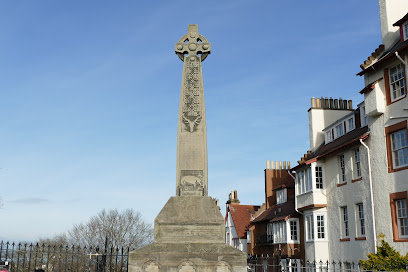
The India Cross
1.1 km
Discover The India Cross in Edinburgh, a historical landmark that showcases the city's cultural connections with India amidst stunning surroundings.
Unmissable attractions to see

Stockbridge Market
0.2 km
Edinburgh’s vibrant Sunday market offering fresh local produce, street food, crafts, and a lively community atmosphere in charming Stockbridge.
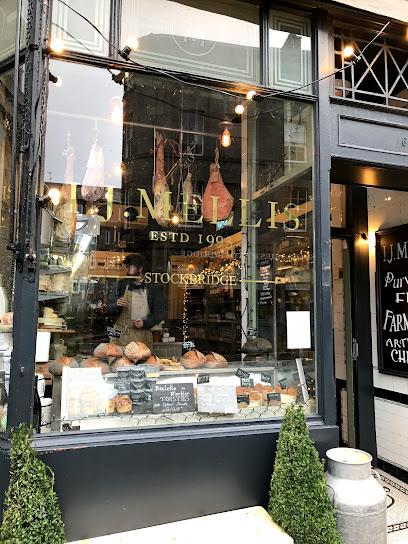
Stockbridge
0.2 km
A charming village atmosphere with Georgian elegance, artisan markets, riverside walks, and cosy cafés just minutes from Edinburgh city centre.
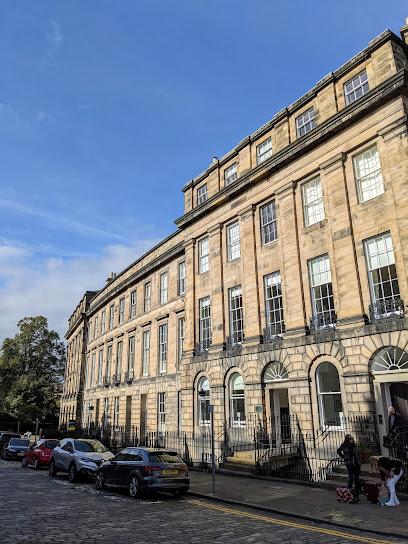
Heriot Row
0.4 km
Discover the timeless elegance and historic charm of Heriot Row, a prestigious Georgian street overlooking tranquil gardens in the heart of Edinburgh’s New Town.
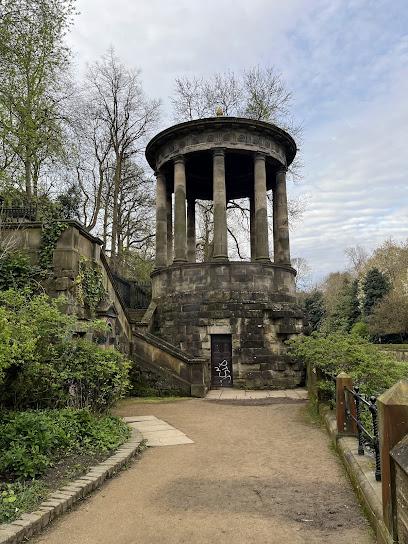
St. Bernard's Well
0.5 km
An exquisite 18th-century Greco-Roman temple over a healing spring, blending classical beauty with Edinburgh’s rich spa heritage.
Sip Antics
0.5 km
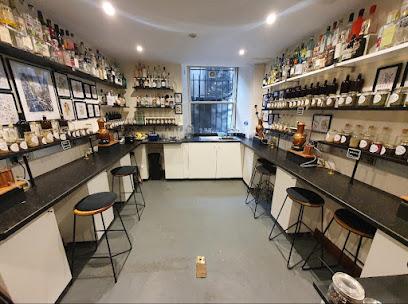
Create your own bespoke gin, rum, or agave spirit in Edinburgh’s intimate micro distillery experience at Sip Antics.
The Oxford Bar
0.6 km
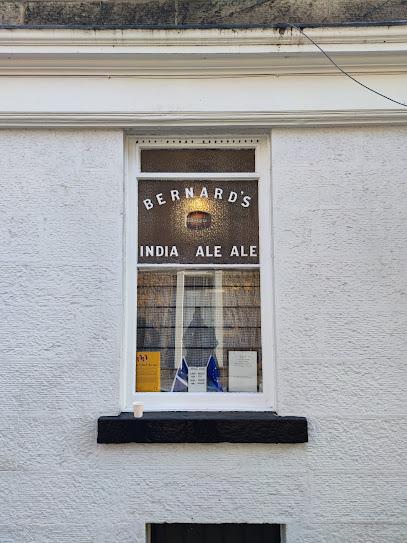
Experience the heart of Edinburgh at The Oxford Bar, a historic pub known for its literary connections and welcoming atmosphere.
Edinburgh New Town
0.6 km
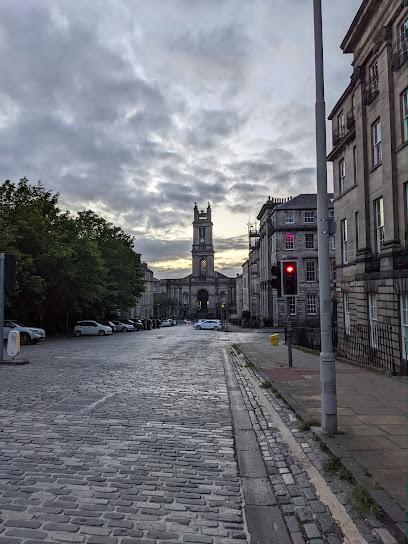
Explore Edinburgh New Town, a Georgian-era masterpiece of neoclassical architecture and enlightened urban planning in Scotland’s capital.
Charlotte Square
0.6 km
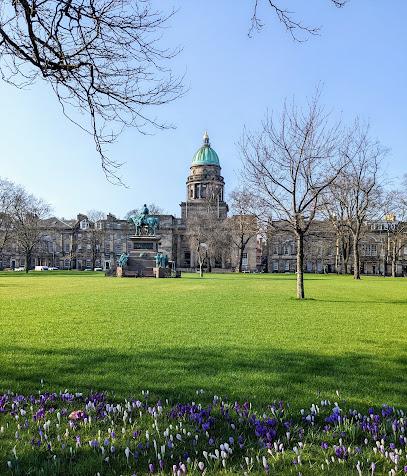
Charlotte Square: Edinburgh’s elegant Georgian masterpiece, home to historic architecture, tranquil gardens, and Scotland’s First Minister.
The Georgian House
0.7 km
Step back into 18th-century Edinburgh life in this exquisitely restored Georgian townhouse filled with authentic period furnishings and stories.
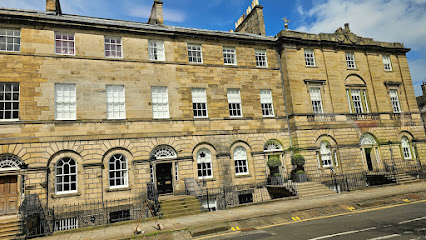
Assembly Rooms
0.7 km
Timeless Georgian elegance meets vibrant cultural life in Edinburgh’s iconic Assembly Rooms on George Street.
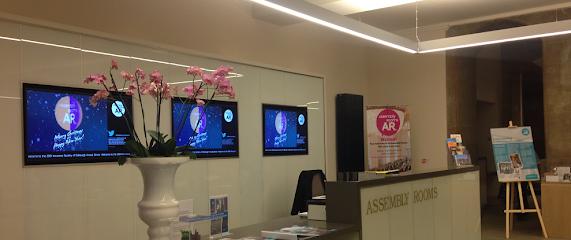
Rose St
0.7 km
A lively, historic pedestrian street in Edinburgh’s New Town, famed for its pubs, boutique shops, and rich literary heritage.
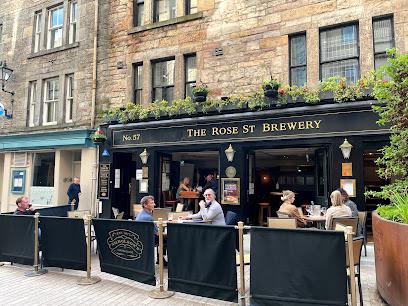
The Dome
0.8 km
Experience the elegance of The Dome in Edinburgh, where exquisite dining, vibrant cocktails, and afternoon tea await in a stunning Georgian setting.
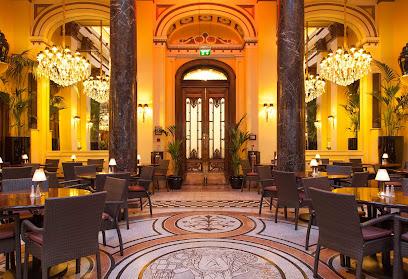
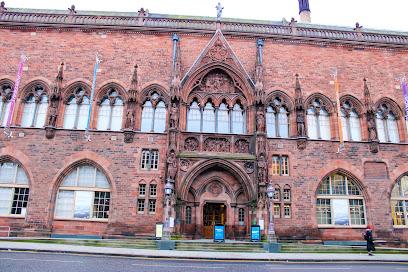
National Galleries of Scotland: Portrait
0.8 km
Discover Scotland’s rich history and culture through captivating portraits in a stunning Neo-Gothic gallery in Edinburgh’s New Town.
Royal Botanic Garden Edinburgh
0.8 km
Explore 70 acres of botanical wonder and tranquility just a mile from Edinburgh’s city centre, where science meets stunning natural beauty.

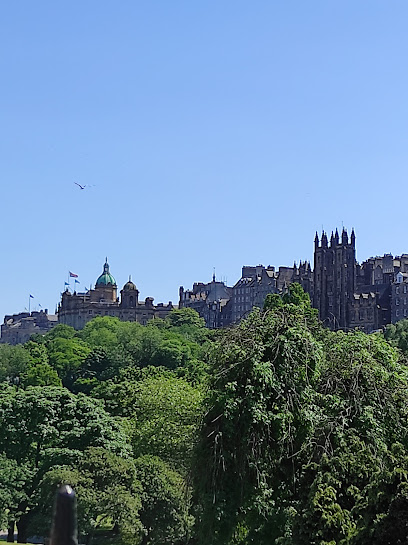
Panoramic view Castle
0.8 km
Discover breathtaking, near eye-level views of Edinburgh Castle framed by historic gardens and vibrant city life at Princes Street.
Essential places to dine

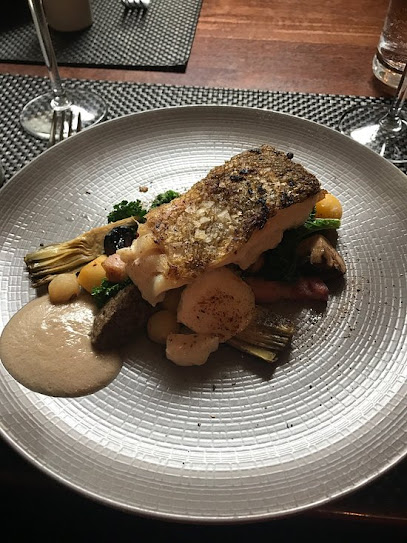
Purslane Restaurant
0.1 km
Intimate basement fine dining where ambitious modern cuisine meets Scottish sourcing and genuine hospitality.
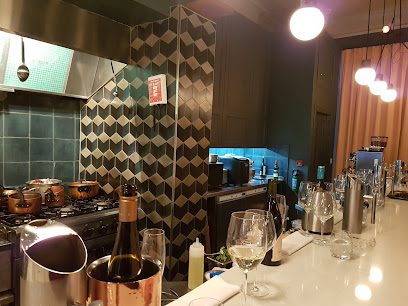
The Table
0.5 km
Ten seats, two chefs, one unforgettable table—Edinburgh's most intimate fine dining theatre.
Contini George Street
0.6 km
Elegant Italian dining in a stunning Georgian banking hall, blending authentic flavors with Scottish freshness on Edinburgh’s George Street.
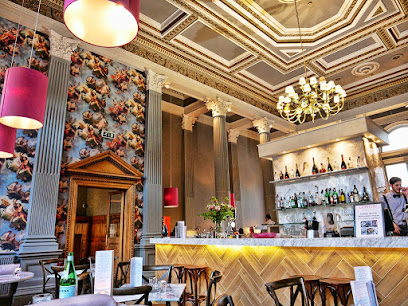
Six by Nico Edinburgh
0.6 km
Discover Edinburgh’s Six by Nico for innovative six-course tasting menus blending playful flavors and stylish ambiance in the city’s vibrant New Town.
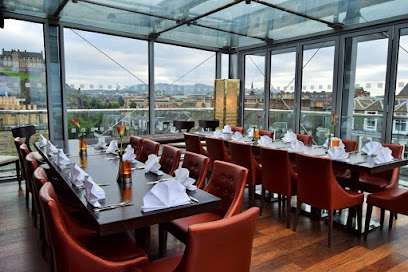
Chaophraya Thai Restaurant
0.7 km
Sophisticated Thai dining with panoramic views of Edinburgh Castle, blending authentic flavors and stylish ambiance in the heart of New Town.
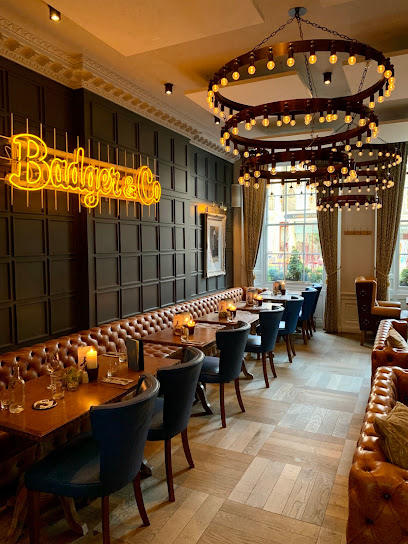
Badger & Co
0.7 km
A charming Wind in the Willows–themed gastropub in Edinburgh serving elevated Scottish pub classics and creative cocktails in a lively, welcoming setting.
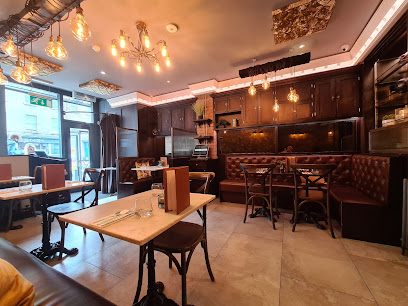
BABA
0.7 km
Levantine spices and charcoal-grilled excellence on Edinburgh's George Street.
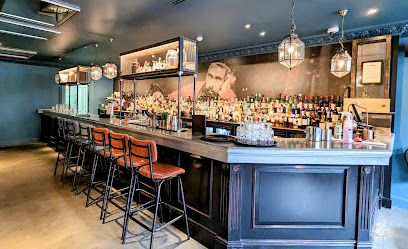
Aizle
0.7 km
Discover Edinburgh’s acclaimed modern European tasting menu with seasonal Scottish ingredients in a bright, relaxed Garden Room setting.
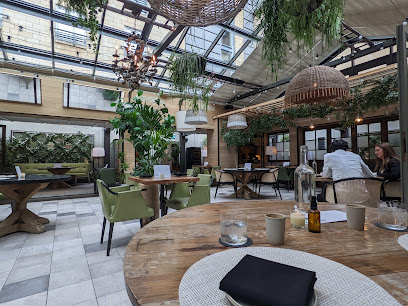
The Magnum
0.8 km
A cozy yet stylish Edinburgh restaurant blending classic Scottish flavors with creative modern cuisine and a lively bar atmosphere.
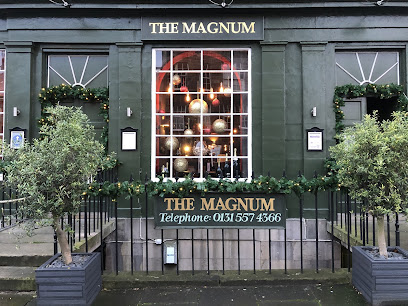
Amarone
0.8 km
Experience authentic Italian flavors and lively ambiance in the heart of Edinburgh’s New Town at Amarone, a bustling Italian restaurant with a rich menu.
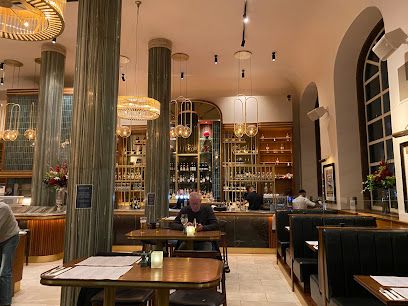
Forage & Chatter
0.9 km
Discover innovative Scottish cuisine crafted from local ingredients in a cozy West End setting at Forage & Chatter, Edinburgh.
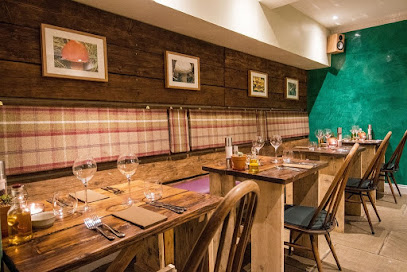
The Ivy On The Square Edinburgh
0.9 km
Elegant British brasserie with Scottish flair, inventive cocktails, and a vibrant atmosphere in Edinburgh’s St Andrew Square.
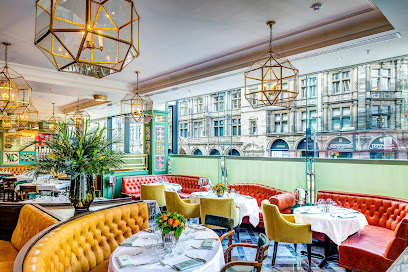
Bread Street Kitchen & Bar - Edinburgh
0.9 km
Experience Gordon Ramsay’s signature British dishes and vibrant bar scene in the heart of Edinburgh’s historic St Andrew Square.
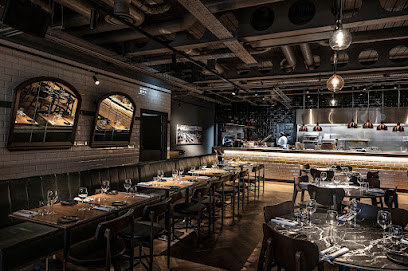
Gaucho Edinburgh
0.9 km
Experience authentic Argentinian steakhouse luxury with premium Pampas beef and elegant ambiance in Edinburgh’s vibrant city center.
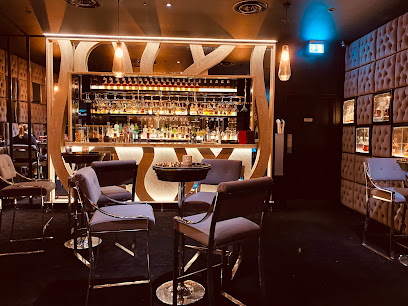
The Pompadour
0.9 km
Experience refined modern Scottish cuisine with stunning Edinburgh Castle views in the elegant setting of 1925 at The Pompadour.
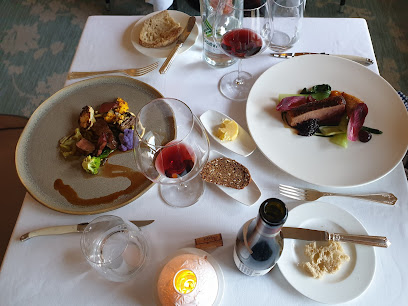
Markets, malls and hidden boutiques

Those Were The Days Vintage
0.1 km
Discover timeless elegance and authentic vintage fashion from the 1920s to the 1990s at Edinburgh’s curated boutique, Those Were The Days Vintage.

Unicorn Antiques
0.4 km
Discover Edinburgh’s hidden gem for authentic antiques, vintage furniture, and timeless treasures at Unicorn Antiques on Dundas Street.
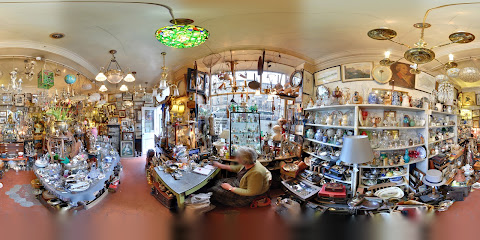
Greyfriars Art
0.4 km
A welcoming art supply haven in Edinburgh’s New Town, fostering creativity with quality materials and expert advice.
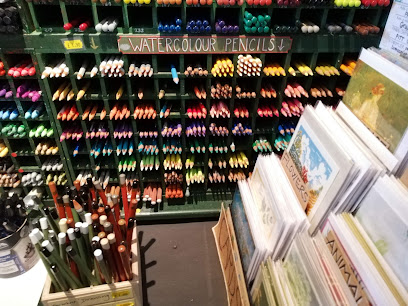
CIRCUS Vintage and Curios
0.5 km
Discover timeless vintage treasures and curiosities in Edinburgh’s charming Stockbridge at CIRCUS Vintage and Curios.
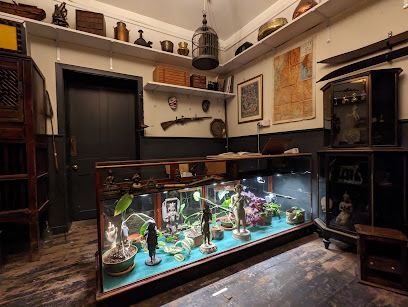
Scottish Design Exchange
0.6 km
Discover Edinburgh’s vibrant hub where over 300 local artists showcase unique creations, supporting Scotland’s creative economy with every purchase.
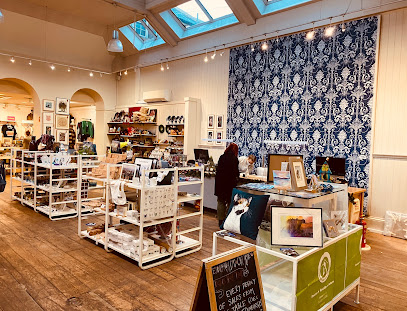
The Treasure Trove
0.7 km
Discover Edinburgh’s charming charity shop with unique handmade gifts that support local artisans and meaningful causes.
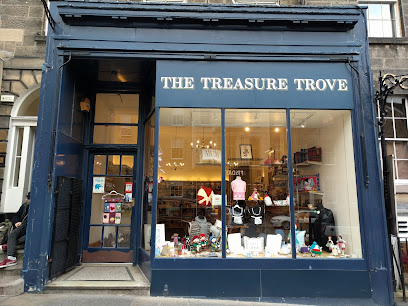
Mangue - The Gift Shop
0.7 km
Discover unique gifts and local treasures in a friendly boutique on Edinburgh’s vibrant Rose Street.
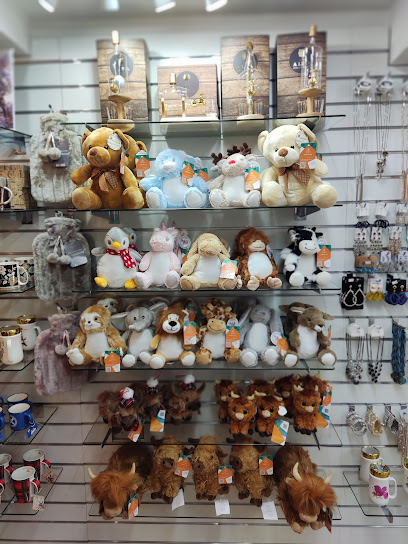
Edinburgh Gifts
0.8 km
Discover authentic Scottish treasures and local craftsmanship in the heart of Edinburgh on iconic Princes Street.
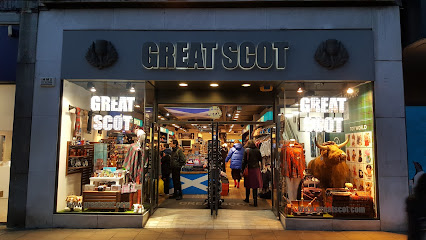
Great Scot
0.9 km
Discover authentic Scottish heritage and craftsmanship at Great Scot, a vibrant gift shop on Edinburgh’s iconic Princes Street.
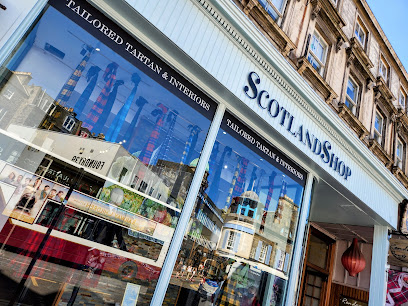
ScotlandShop
0.9 km
Discover bespoke tartans, tailored kilts, and authentic Scottish gifts at Edinburgh’s ScotlandShop on Queensferry Street.
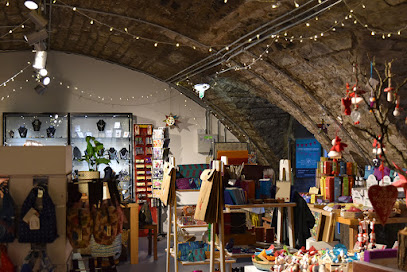
One World Shop
0.9 km
Edinburgh’s oldest fair trade shop offering ethical gifts and vegan treats beneath historic St John's Church on Princes Street.
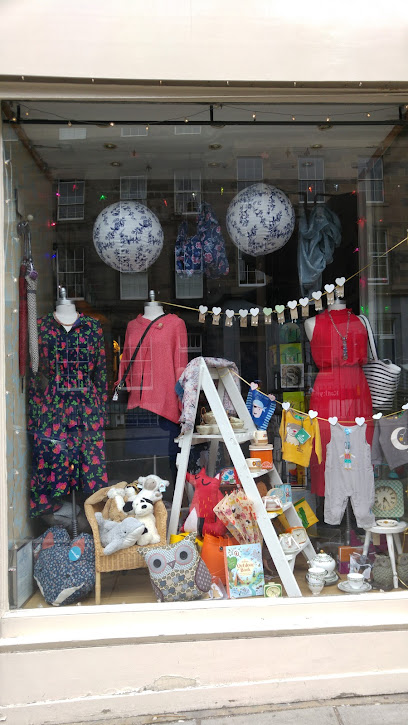
The Dragonfly
0.9 km
Discover unique gifts and local charm at The Dragonfly, a stylish boutique gift shop in Edinburgh’s vibrant Broughton Street.
Curiouser & Curiouser
1.0 km
A design-led independent shop in Edinburgh, filled with art, cards, homewares, and unique gifts with a Scandinavian-inspired aesthetic.
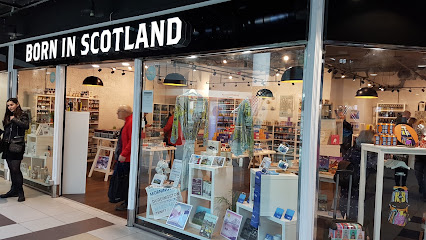
Born In Scotland - Edinburgh Waverly Mall
1.1 km
Authentic Scottish gifts blending tradition and playful modernity in Edinburgh’s Waverly Mall, perfect for meaningful keepsakes and souvenirs.
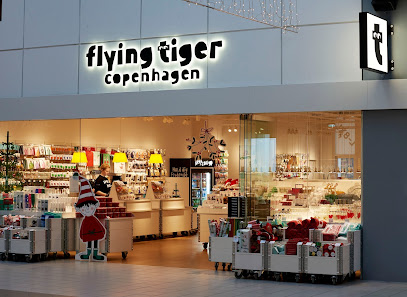
Flying Tiger Copenhagen
1.1 km
Discover quirky, affordable Danish design and everyday essentials in Edinburgh’s vibrant Waverley Mall store.
Essential bars & hidden hideouts

The Last Word
0.1 km
A cosy, stylish cocktail bar in Edinburgh’s Stockbridge, famed for creative drinks, expert whisky selection, and a warm, intimate atmosphere.
Lucky Liquor Co
0.5 km
Intimate and creative cocktail bar in Edinburgh’s New Town, blending expert mixology with a vinyl soundtrack and a welcoming vibe.
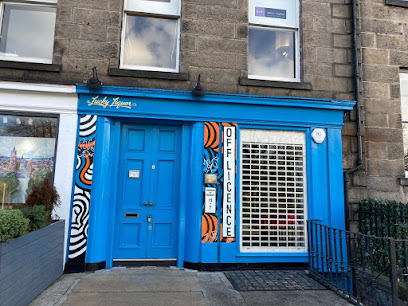
Panda & Sons
0.5 km
Edinburgh's hidden speakeasy where barbershop secrets unlock theatrical cocktails, smoky spectacles, and a fictional family's boozy tales in cosy, low-lit elegance.
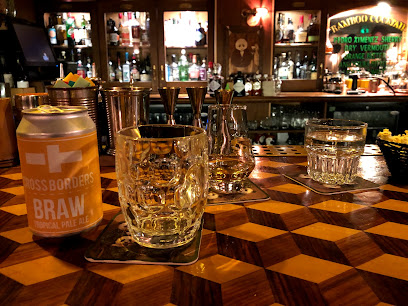
The Bon Vivant
0.6 km
Candlelit bistro haven on Thistle Street, pouring award-winning cocktails and serving local Scottish fare with French finesse since 2008.
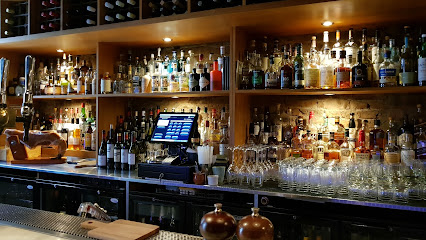
Thistle Street Bar
0.6 km
A cozy and authentic Scottish bar in Edinburgh’s Old Town, famed for superb ales, live traditional music, and warm local hospitality.
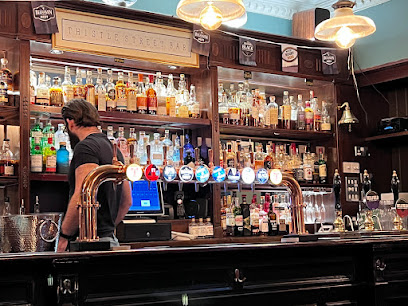
Bramble Bar
0.6 km
Edinburgh's speakeasy legend: masterful cocktails, dim-lit nooks, and beats that linger until 1am in a Queen Street basement hideaway.
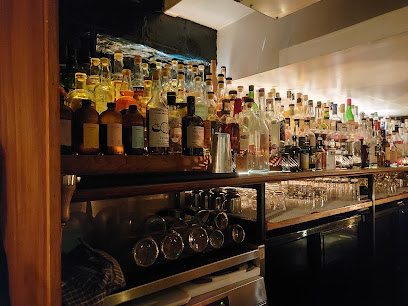
Copper Blossom
0.6 km
A glamorous cocktail bar and restaurant on George Street, blending stylish decor with inventive drinks and shareable plates in vibrant Edinburgh.
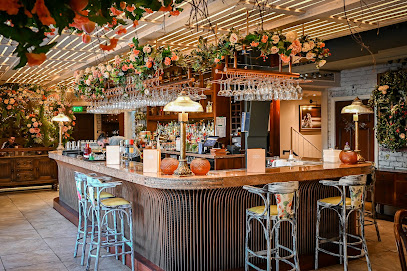
Grand Cru
0.7 km
Edinburgh's cocktail haven on Hanover Street, blending masterful drinks, modern European bites, and seamless day-to-night vibes in the heart of New Town.
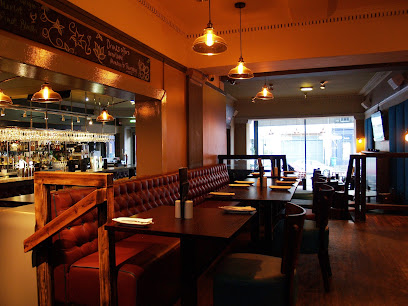
Never Really Here
0.7 km
Edinburgh's ultimate speakeasy: knock the graffiti door for bespoke cocktails in an intimate, menu-free den of mixology magic.
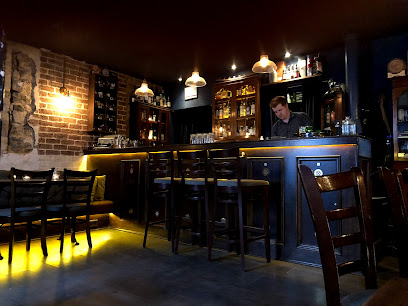
Dirty Dick's Pub
0.7 km
Experience Edinburgh’s quirky and cozy Dirty Dick's Pub, famed for whisky, lively charm, and hearty Scottish classics on vibrant Rose Street.
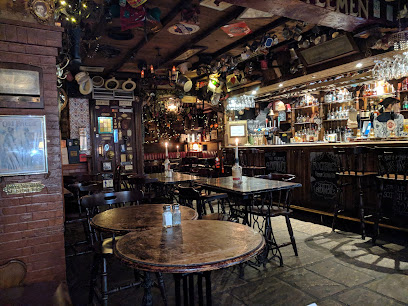
Nightcap
0.8 km
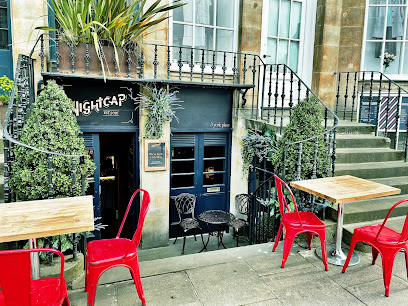
Intimate New Town speakeasy with whisky-led cocktails, reclaimed-wood warmth and attentive, bespoke service for relaxed late-night evenings.
Hoot The Redeemer
0.8 km
A quirky, tarot-themed cocktail bar in Edinburgh offering inventive drinks, playful games, and a lively, intimate atmosphere.
Heads & Tales Gin Bar
0.9 km
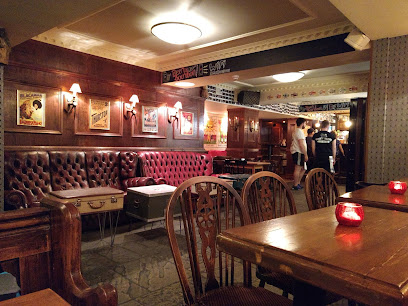
Discover Edinburgh’s hidden gin haven where craft distilling meets cozy speakeasy charm in the heart of the West End.
The Rat Pack - Piano & Cocktail Bar
0.9 km
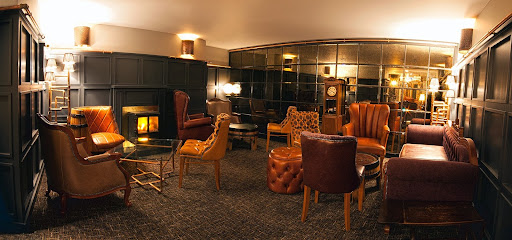
Edinburgh’s iconic American-style piano bar blending live music and classic cocktails in a lively West End setting.
The Caley Bar
0.9 km
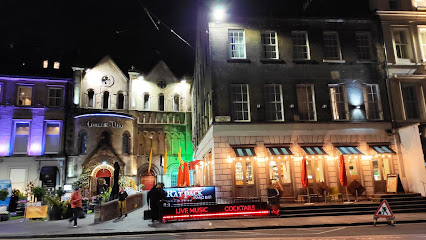
Step into The Caley Bar for a refined blend of Victorian railway heritage, bespoke cocktails, and Scotland’s finest whiskies in the heart of Edinburgh.
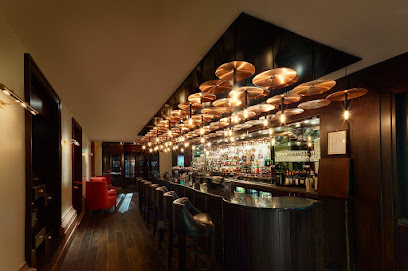
Nightclubs & after hour spots

Lulu Bar and Nightclub
0.6 km
Edinburgh's George Street gem: chic cocktails, thumping beats, and dance floors that ignite the night in upscale style.
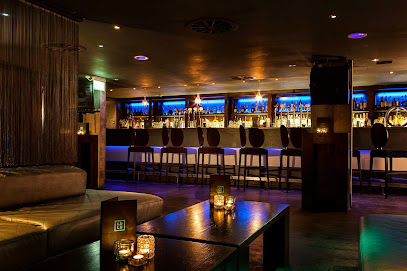
Garibaldi's
0.6 km
Edinburgh's tiniest nightclub packs the biggest late-night punch on Hanover Street, with killer margaritas and a dance floor that never quits till 3am.
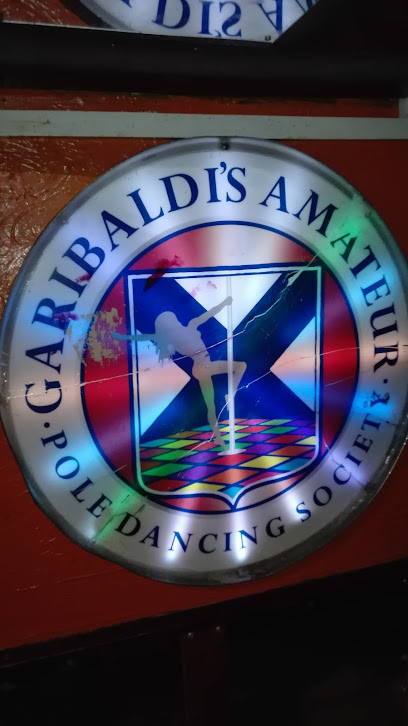
Opal Lounge
0.7 km
A stylish live music bar and nightclub in Edinburgh’s New Town, perfect for celebrations and vibrant nightlife.
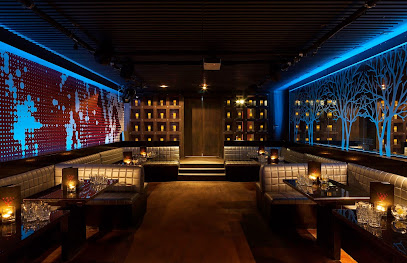
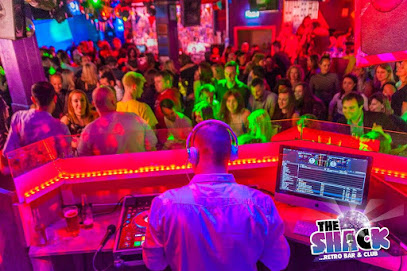
The Shack Retro Bar & Club
0.7 km
Edinburgh's retro dance den blasting 60s-90s hits amid quirky decor and sweaty dance floors—pure nostalgic escapism on Rose Street.
El Barrio Latino
0.8 km
Edinburgh's sizzling Latin nightclub where salsa beats pulse through New Town nights, drawing dancers to its vibrant Hanover Street heart until the early hours.
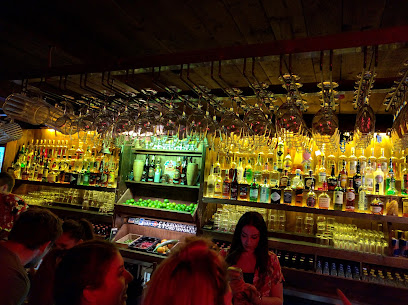
Why Not Nightclub
0.8 km
Edinburgh's multi-award-winning late-night haven with LED immersion, garden vibes, and non-stop beats on George Street.
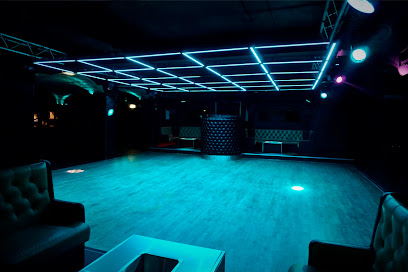
Shanghai Nightclub
0.8 km
Edinburgh's Oriental nightlife den: Asian decor, themed beats, VIP vibes, and non-stop energy on George Street.
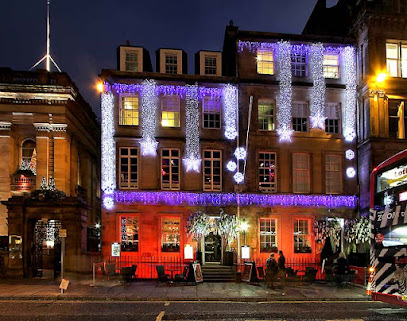
PDT Please Don’t Tell
1.0 km
Edinburgh’s intimate speakeasy-style nightclub offering expertly crafted cocktails and a cozy, conversation-friendly atmosphere.

Club Tropicana
1.1 km
Experience Edinburgh’s vibrant retro nightlife with classic disco hits and lively dance floors at Club Tropicana on Lothian Road.
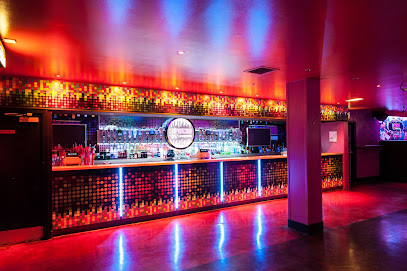
The Liquid Room
1.3 km
Edinburgh's multi-level nightlife gem: techno thumps, live gigs, and warehouse vibes on historic Victoria Street.
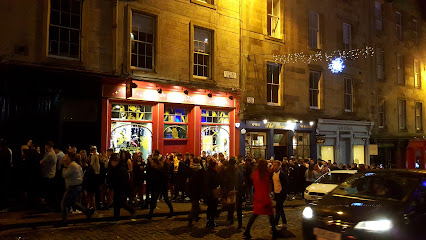
The Bongo Club
1.4 km
Edinburgh’s underground hotspot blending eclectic music, live art, and a vibrant late-night scene in the historic Old Town.

Legends
1.4 km
Edinburgh’s only 24/7 rock nightclub, Legends pulses with raw energy and live alternative music in the heart of Cowgate.
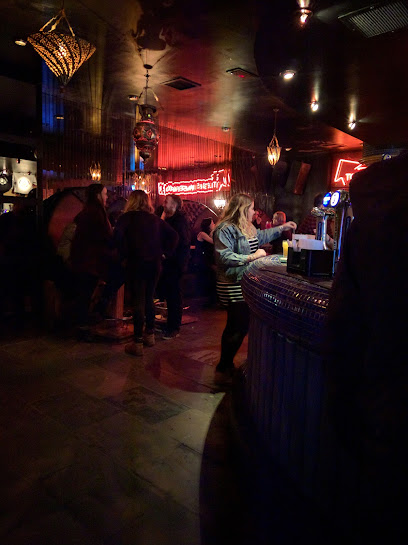
Sneaky Pete's
1.4 km
Intimate live music and club nights in Edinburgh’s Old Town, where emerging talent meets vibrant nightlife.
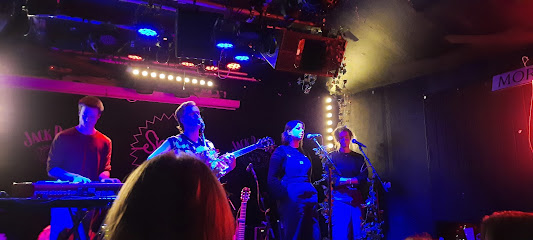
The Hive Nightclub & Venue
1.5 km
Edinburgh's gritty Cowgate nightclub: cheap drinks, multi-room beats, and non-stop energy until 3am in the heart of Old Town.
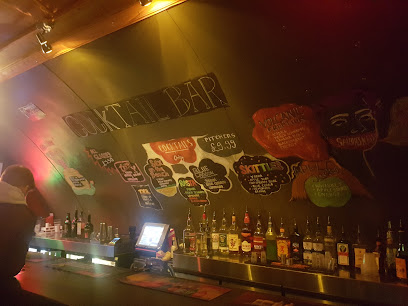
Cabaret Voltaire
1.5 km
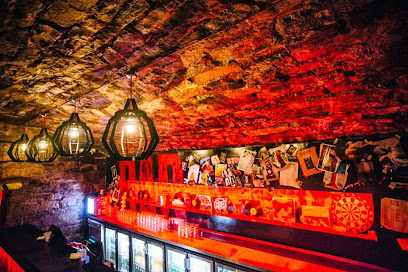
Vaulted live-music rooms and a relaxed upstairs bar—Cabaret Voltaire is Edinburgh’s atmospheric hub for alternative gigs and late-night clubbing.
For the vibe & atmosphere seeker
- Scenic
- Romantic
- Tranquil
- Unique
- Casual
For the design and aesthetic lover
- Vintage Styles
- Colorful Aesthetics
- Bohemian Styles
For the architecture buff
- Historic
- Heritage Neighborhoods
- Landmarks
For the view chaser and sunset hunter
- Iconic Views
- Panoramas
For the social media creator & influencer
- Instagrammable
- Photo Spots
- Aesthetic Corners
- Colorful Backdrops
- Architectural Shots
For the eco-conscious traveler
- Protected Area
- Locally Managed
- Car-Free Access
For the kind of experience you’re after
- Cultural Heritage
- Photowalk
- Day Trip
- Myth & Legends
For how adventurous you want the journey to be
- Easy Access
Location Audience
- Family Friendly
- Solo Friendly
- Couple Friendly
- Senior Friendly
- Wheelchair Access


